
REVIEW · WINDHOEK
6-Day Dunes and Wildlife Accommodated Safari from Windhoek
Namibia packs an astonishing amount into six days: Etosha’s wildlife, the stark Skeleton Coast, and the giant dunes of Sossusvlei. You may watch flamingos around the Etosha Pan one day, photograph a shipwreck the next, then walk among Dead Vlei’s bleached trees beneath red dunes.
I like the efficient route and the small maximum group of 12. I also like that the tour does more than string together viewpoints: you meet local people, visit a cheetah conservation project, and sleep near the places you are visiting.
The tradeoff is a demanding schedule. Long drives, early departures, fixed group timing, and twin-share rooms are part of the bargain. This is a guided expedition across a huge country, not a relaxed hotel holiday.
Key points to know before booking
- Etosha comes first: You get one afternoon game drive and one full day in the park, with time at Halali and Okaukuejo waterholes.
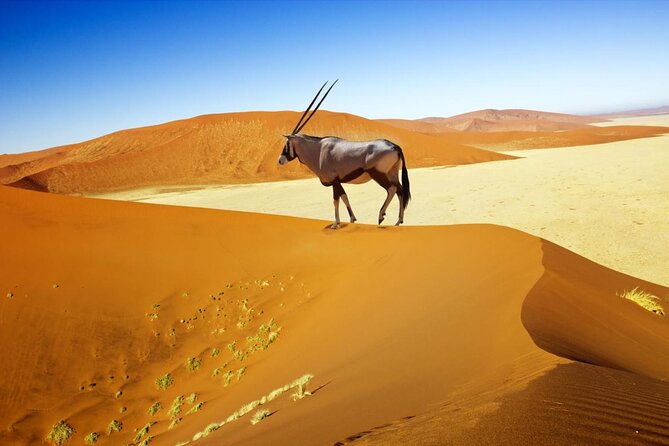
- The scenery changes fast: Expect wildlife country, the Etosha salt pan, rural Damaraland, shipwreck-strewn coast, and the Namib’s red dunes.
- Dead Vlei requires effort: You walk through sand, and climbing Big Daddy Dune is optional but strenuous.
- The schedule is tightly managed: A guide keeps the vehicle moving, which helps cover distance but leaves little room for personal detours.
- The price covers a lot: Five nights, meals listed in the itinerary, park access, transport, activities, and an English-speaking guide are included.
- This suits active, flexible people: You need moderate fitness, tolerance for road time, and comfort sharing a room.
What the $2,127.99 price really buys you
At $2,127.99 per person, this is not a cheap bus trip. But the price needs to be judged against Namibia’s distances and the number of major sights packed into six days.
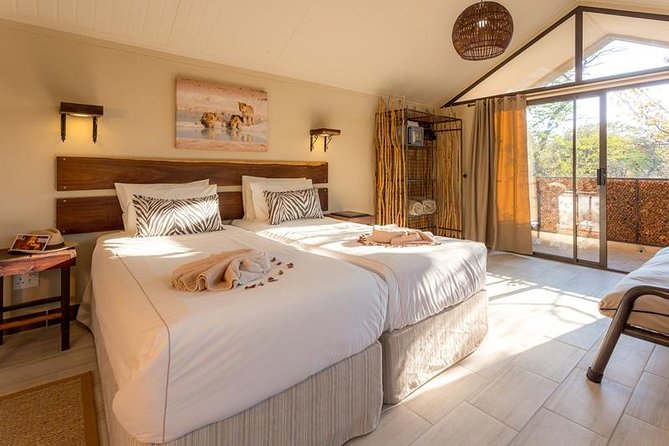
You get five nights of twin-share accommodation with en-suite bathrooms, transport in a custom-built air-conditioned safari vehicle with a pop-up roof, a professional English-speaking driver and guide, park entry for the scheduled visits, four dinners, five lunches, and five breakfasts. Tap water is included, but other drinks, snacks, insurance, airport transfers, and optional activities are extra.
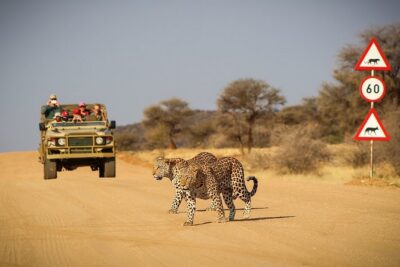
The vehicle matters. Namibia’s roads connect far-flung places, and you spend many hours driving between them. An air-conditioned vehicle with a pop-up roof gives you a better view during game drives than a normal minibus, while keeping the journey more comfortable in hot weather.
The trip also saves you from arranging several separate bookings. You do not have to organize Etosha lodging, a 4×4 transfer into the Sossusvlei area, a local guide, a cheetah visit, meals, and transport between Windhoek, Etosha, Swakopmund, and the desert.
The main cost is freedom. You cannot easily stop whenever you want, linger at a waterhole for hours, or change the route to suit your own interests. A fixed itinerary is the reason this tour covers so much, but it also explains why one person found the schedule too regimented.
More Big Five and Wildlife Safaris in the world:
- From Cape Town: Big Five Game Reserve with Lunch
★ 4.6 · 2,409 reviews - Dubai: Sunrise Desert Jeep Safari with Wildlife Experience
★ 4.7 · 1,782 reviews - Grand Teton Wildlife Safari in a Enclosed or Open-Air Vehicle (season dependent)
★ 5.0 · 1,212 reviews
Day 1: From Windhoek to Etosha and Halali
Pickup begins around 7:15 a.m. at the Chameleon Safaris office on Ferry Street in Windhoek, with the formal start listed as 7 a.m. Pickup and drop-off are available within Windhoek city limits. Airport transfers are not included, so you need to arrange your own connection to the meeting point.
The first day takes you north toward Etosha National Park. You reach Andersson Gate at about 2 p.m., then spend the afternoon driving through the park toward Halali, your overnight base.
This first game drive gives you an immediate introduction to Etosha, though you should keep expectations sensible. Wildlife sightings are never guaranteed, and the afternoon is also a transfer between the gate and camp. Still, the route lets you begin looking for animals right away instead of using the entire day simply to reach a hotel.
Halali is well placed for the next morning. The best tip here is to visit the floodlit waterhole before and after dinner. You can sit quietly and watch for animals coming to drink, often in a calmer setting than a moving vehicle.
Your room is twin share with an en-suite bathroom. That arrangement works well for friends or couples, but solo visitors should be comfortable sharing unless a private room option is separately arranged. The tour data does not specify a single supplement.
Day 2: Etosha Pan, waterholes, and a full day of wildlife
Day 2 is the strongest wildlife day. Morning game drives take you through Etosha in search of predators, followed by a mid-morning route toward the Etosha Pan.
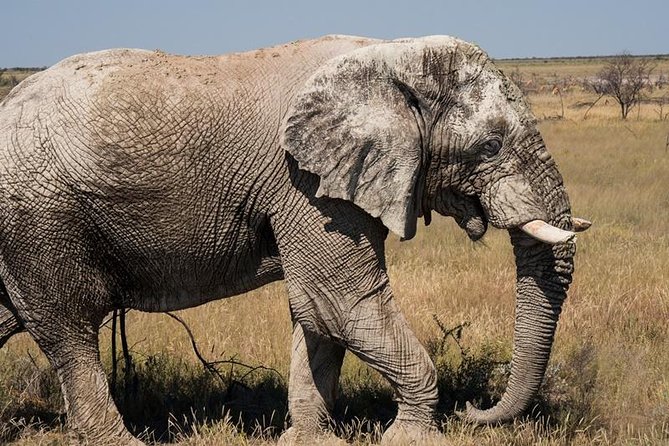
The pan is the park’s defining feature. This huge salt flat gives Etosha its name and changes the feel of the scenery completely. Depending on conditions, you may see large numbers of flamingos around the water, since the pan can serve as a breeding area for them. Even without a major animal sighting, the scale and pale openness of the pan make it memorable.
You also stop at Okaukuejo waterhole after a full day in the park. This is a useful break, not just a photo stop. You can stretch your legs, use the bathroom, buy a cold drink, and climb the tower for a higher view.
The schedule then carries you out of the park shortly before sunset and onward to Etosha Village. That means the day is long, but it gives you the best chance to see Etosha in different light and at different times of day.
You get one full day and one afternoon game drive in the package. That is enough for a useful first look, but not enough for a specialist safari. If your main goal is patient wildlife photography, a longer Etosha stay would give you more time at individual waterholes.
Day 3: Damaraland, local markets, and the Zeila shipwreck
Day 3 is a long vehicle day across rural Namibia. It is also where the trip shifts from wildlife to people, geology, and the coast.
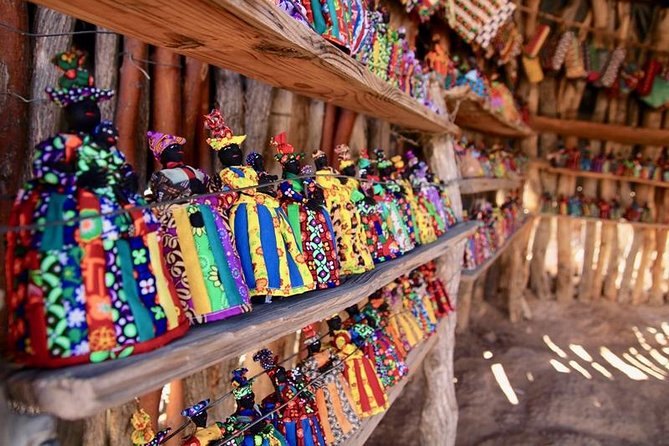
The route passes through Damaraland, with opportunities to meet Herero, Damara, and Himba people. The stops are connected with small local markets, giving you a chance to buy something directly from the sellers and support local income. Approach these encounters with respect. They are brief introductions, not a full cultural study, and the quality of the interaction will depend heavily on timing and the people present.
The schedule includes a roadside lunch before continuing toward the coast. This is not a day for comfort and convenience. You should carry patience, sun protection, and a willingness to spend much of the day watching Namibia pass from the vehicle.
The Zeila shipwreck provides a sharp change of mood. The wreck sits along the Skeleton Coast, a remote stretch known for its severe coastline and stranded vessels. You do not get an extended shipwreck expedition here, but the stop gives you an unusual photograph and a sense of why this coast has such a dramatic name.
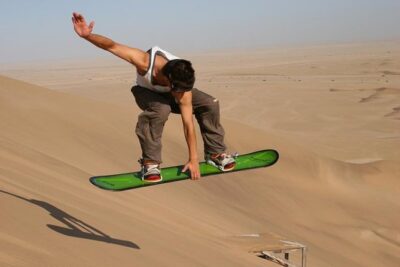
You arrive in Swakopmund and check into your accommodation. The town offers a chance to walk around before dinner, which is welcome after the long drive. Swakopmund is also the base for optional activities, including sandboarding and other coastal outings. These are not included, so allow extra money and time if you want to add one.
More Desert Safaris in the world:
- Dubai: Desert Safari, Quad Bike, Camel Ride & Al Khayma Camp
★ 4.9 · 68,962 reviews - Dubai: Desert Safari, Quad Bike, Camel Ride and Sandboarding
★ 4.9 · 43,505 reviews - Dubai: Desert Safari with BBQ Dinner & Quad Biking Options
★ 4.9 · 20,485 reviews - Dubai: Half-Day Desert Safari, Camel Ride, ATV & Dune Buggy
★ 4.9 · 19,221 reviews
Day 4: Swakopmund to the Namib Desert
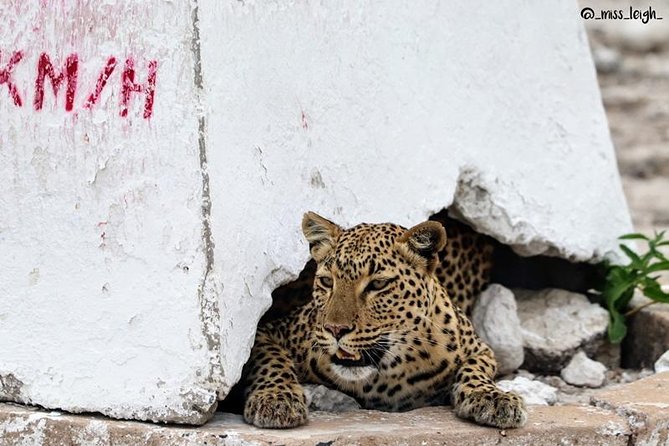
The morning in Swakopmund can be used for an optional activity such as sandboarding. The supplied schedule describes pickup from the guesthouse or hotel at 11:15 a.m., followed by a short pre-departure briefing before departure. Check the timing carefully with the operator because optional activities are separate from the included program.
From Swakopmund, the route passes the Tropic of Capricorn sign and continues through Kuiseb Pass and Gaub Pass toward Solitaire. The road day is part of the experience. You move from the cooler Atlantic coast into the dry interior, with the scenery changing from coastal settlement to wide desert country.
You reach Desert Camp late in the afternoon. The camp gives you time to relax and take in the views before a short sunset walk overlooking the Naukluft Mountains.
This overnight stop is especially useful because it places you near the Sossusvlei area before the dawn departure. You are not spending the next morning crossing the entire country just to reach the dunes. The benefit is practical: more time inside the park during the best light.
Day 5: Dead Vlei, Big Daddy, and Sossusvlei
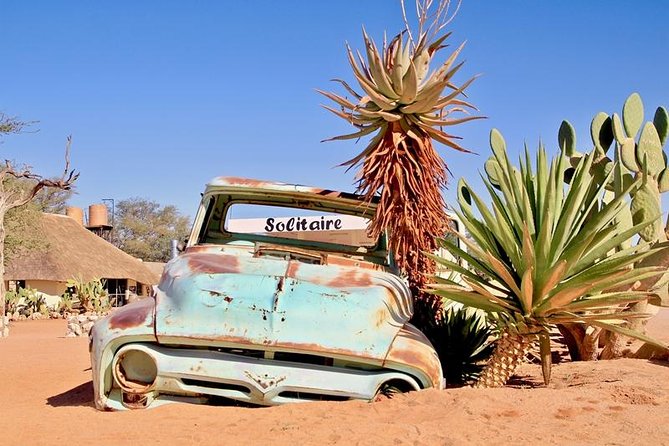
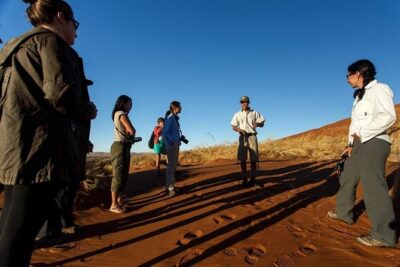
Day 5 begins early. You leave camp at dawn to reach the park gate around sunrise, then travel along an ancient riverbed surrounded by towering dunes.
At the 2×4 parking area, roughly 55 kilometers into the park, you transfer to a 4×4 shuttle for the final journey into the Sossusvlei region. This change of vehicle is important. The sandy route requires transport suited to the conditions, and it also means you do not simply drive your regular tour vehicle right to every sight.
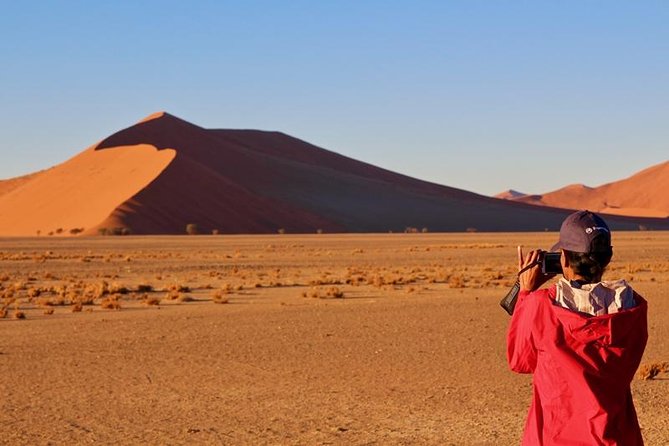
Dead Vlei is the visual high point for many people. Its cracked clay floor, pale dead camel-thorn trees, and huge dunes create an almost unreal contrast. The colors change with the sun, so the early start is not wasted. You get softer light and cooler temperatures, though you also need to be ready for a very early morning.
You can climb Big Daddy Dune if you have the energy. It is the highest dune in the area and offers broad views over the Namib Desert, but do not treat the climb as a casual stroll. Walking uphill through loose sand is tiring, and the itinerary gives you only about an hour for it. You can skip the climb and still have a rewarding visit.
Sossusvlei follows Dead Vlei. You explore the vlei area on foot and then stop for brunch. Afterward, the route back includes Dune 45, one of the area’s famous photo stops. Thirty minutes is enough for pictures, but not for a long climb.
The final stop is Sesriem Canyon. You climb down into the narrow geological formation, once a permanent water source for wildlife. It is smaller and more intimate than the vast dunes, which makes it a good final contrast to the morning’s open spaces.
Bring sturdy shoes, sun protection, and water for the walking portions. Tap water is supplied on the tour, but drinks other than tap water are not included, so you may want to budget for cold drinks and snacks along the way.
Day 6: A close look at cheetah conservation
The final morning begins with breakfast before the drive to Solitaire. There, you board an open vehicle for a one-hour visit to a local conservation project.
The cheetahs at this project cannot be released for different reasons. The activity explains their care and the wider work of conservation projects, while giving you a chance to photograph the world’s fastest land mammal at close range.
This is different from a wild sighting in Etosha. A conservation visit offers more certainty and more explanation, but it is not the same as tracking a free-ranging cheetah in the park. That distinction matters if wildlife in natural conditions is your main reason for booking.
The listed itinerary ends after this activity, with return to the Windhoek meeting point. The day is shorter than some earlier days, but you should still confirm the exact return timing before making onward travel plans.
How hard is the six-day schedule?
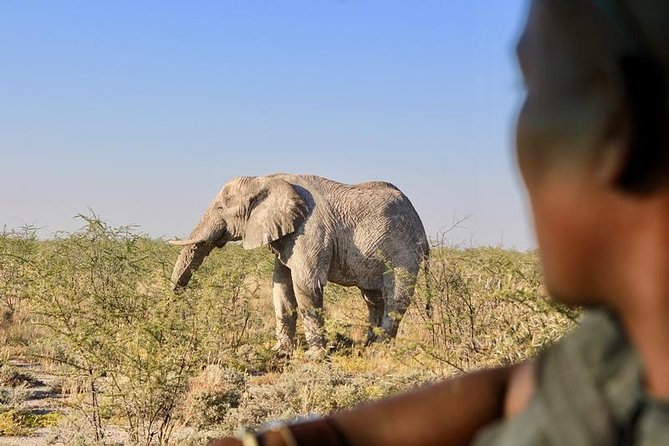
You need a moderate fitness level. The tour does not require technical hiking, but you will walk around Dead Vlei and Sossusvlei, climb down into Sesriem Canyon, and possibly climb Big Daddy Dune. Sand makes even short walks more tiring.
The bigger challenge is road time. Day 3 is specifically described as a long day in the vehicle, and Day 4 also includes a substantial transfer. You will be glad to have a guide handling the driving, but you should not expect to stretch your legs every hour.
Group travel requires flexibility. The maximum group size is 12, small enough to keep the vehicle manageable, but large enough that everyone will not have identical interests. One person may want to spend longer at a waterhole while another prefers to reach camp on time.
The tour’s structure is a strength for some people and a drawback for others. If you want a clear route and an expert handling the practical work, it is helpful. If you need spontaneous detours, long quiet stops, or a late start, it may feel strict.
Meals, lodging, and what to pack
Five nights of accommodation are included, with twin-share rooms and en-suite bathrooms. Lodging is selected for its position along the route, especially at Halali and near the Sossusvlei area.
Included meals are four dinners, five lunches, and five breakfasts. The package does not include soft drinks, alcohol, snacks, or bottled mineral water. Dietary requirements should be provided at booking.
Pack light but prepare for contrast. You need clothing for hot sun, cooler early mornings, dusty roads, and long hours in an air-conditioned vehicle. A hat, sunscreen, comfortable walking shoes, a reusable water bottle, and a small day bag will be useful.
You also need a current valid passport on the day of travel. Children must be accompanied by an adult, and the child rate applies only when sharing with two paying adults.
Who should book this Namibia tour?
I would choose this trip if you have about a week, do not want to self-drive, and want to see Namibia’s major sights without planning a chain of separate hotels and excursions.
It is particularly good for a first visit. You get Etosha wildlife, desert dunes, Skeleton Coast scenery, local encounters, and a conservation visit in one organized route. The English-speaking driver and guide also remove the burden of navigating long distances.
I would hesitate if Etosha is your only priority. You receive one full day and one afternoon game drive, but a longer safari would give you more time for patient wildlife watching.
I would also hesitate if you dislike early starts, fixed schedules, twin-share lodging, or long drives. The tour covers a remarkable amount of ground because it keeps moving. That is the value, and also the compromise.
The experience is non-refundable and cannot be changed for any reason, so only book once your dates and onward plans are firm.
Should you book it?
Book it if you want a well-organized snapshot of Namibia and accept that the country’s huge distances require road time. The combination of Etosha, the Skeleton Coast, Sossusvlei, and the cheetah project is hard to arrange independently in only six days.
Skip it if you want a slow safari, private rooms, or complete control over each stop. For the right person, the $2,127.99 price buys a practical route through Namibia’s biggest natural highlights, with meals, lodging, transport, and guiding already arranged.
FAQ
Where does the tour start and end?
The tour starts at Chameleon Safaris on Ferry Street in Windhoek. It ends back at the meeting point, and pickup and drop-off are offered within Windhoek city limits.
What time does the tour start?
The listed start time is 7 a.m., with pickup described as beginning around 7:15 a.m. The pre-departure meeting takes place at the Chameleon Safaris office.
How large is the group?
The tour has a maximum of 12 travelers.
What accommodation is provided?
You receive five nights in twin-share rooms with en-suite bathrooms. The itinerary includes accommodation at Halali, Etosha Village, Swakopmund, and the desert camp area.
How many game drives are included?
The package includes one afternoon game drive and one full day of game driving in Etosha National Park.
Are meals included?
Four dinners, five lunches, and five breakfasts are included. Drinks other than tap water and snacks are not included.
Is the Sossusvlei 4×4 transfer included?
Yes. The itinerary includes the 4×4 shuttle from the 2×4 parking area into the Sossusvlei region.
Are optional activities included?
No. Optional activities, such as sandboarding, are not included in the tour price.
What documents and fitness level are required?
You need a current valid passport on the day of travel and a moderate level of physical fitness. Children must be accompanied by an adult.
More 6-Day Experiences in the world
- Cape Town: Garden Route and Addo Elephant Park 6-Day Safari
★ 4.7 · 175 reviews - 6 Days Private Budget Safari
★ 5.0 · 163 reviews - 6 Days Tanzania Budget Camping Safari
★ 5.0 · 145 reviews - 6 days Tanzania budget safari
★ 5.0 · 65 reviews
Just added around the world
- Dubai Desert Safari With BBQ dinner★ 5.0 · 15 reviews
- Dubai Private Morning Desert Safari: Camel Ride & Sandboarding★ 5.0 · 19 reviews
- Deluxe Premium Dubai Desert Safari with Camel Ride, and Live Show★ 5.0 · 82 reviews
- Premium Deluxe Dubai Safari with Camel Ride, Sandboard & BBQ★ 5.0 · 55 reviews
- Dubai Morning Desert Safari: Camel Ride & Sandboarding!★ 5.0 · 116 reviews
- Camel Trekking and Morning Safari with Sand Boarding★ 5.0 · 19 reviews
- Thrilling Desert Safari Dubai Adventure with Sand Boarding and Barbecue Dinner★ 3.5 · 30 reviews
- Dubai Desert Safari★ 4.5 · 15 reviews
Windhoek Safaris, compared.
6 Day Sand, Sea & Etosha Budget Camping Safari
Read our review →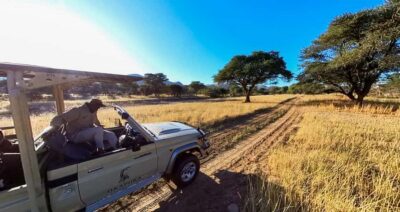
Browse the lists this tour appears in