
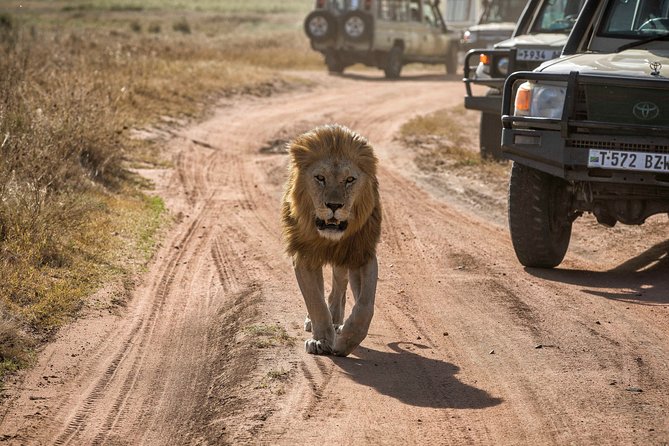
REVIEW · ARUSHA
6 Days Private Budget Safari
Tarangire’s elephant herds and giant baobabs set the tone, but the real prize is the steady change of scenery across four famous parks. You move from dry woodland and swamps to the open Serengeti, then into Ngorongoro Crater and the bird-filled shores of Lake Manyara.
I like the private format, since your group controls the pace and only your party rides together. I also like the food plan: six breakfasts, six lunches, and five dinners are included, with picnic meals and hot camp lunches built into the route.
The main trade-off is the road time. Day 2 brings a long, bumpy drive toward Serengeti, and several days involve early starts and many hours in the vehicle. At $2,300 per person, this is best for you if seeing several major parks matters more than a slow, lodge-based holiday.
Key points to know before booking
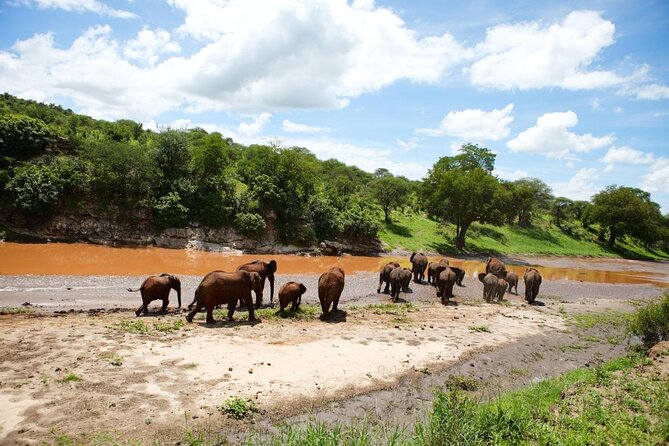
- Tarangire begins the safari with elephants and baobabs, plus a picnic site with a broad view over the park.
- Serengeti gets the most time, including a full game-drive day and a sunset at Seronera campsite.
- Ngorongoro Crater offers the best black rhino possibility, along with a dense mix of East African wildlife.
- Lake Manyara finishes the circuit with flamingos, more than 300 bird species, primates, and the chance to look for tree-climbing lions.
- Meals are covered throughout the six days, including picnic choices and hot lunches at camp.
- This is a private tour, with hotel pickup offered and a 7:30 am start.
Why this six-day route works
This safari gives you a broad sample of northern Tanzania without asking you to spend every night in the same type of park. Tarangire offers elephants and old baobabs. Serengeti supplies the huge open plains and the longest wildlife time. Ngorongoro packs animals into a compact crater, and Lake Manyara adds forest, cliffs, flamingos, and birdlife.
That variety is the strongest reason to choose this route. You are not simply repeating the same game drive for six days. The scenery and animal habitats shift often enough to keep the journey fresh.
The private setup matters, too. Your group travels together rather than being placed with strangers, and pickup is offered from your hotel. The stated start time is 7:30 am, which is early enough to make good use of the day without requiring a pre-dawn departure on the first morning.
The price is $2,300 per person. That is a serious outlay, but it covers six days of transport, park visits, guiding, accommodation, and meals according to the supplied plan. The value improves if you want a private vehicle and a packed route through the best-known parks. Before paying, ask for the exact accommodation category and confirm what is covered beyond the listed meals, since tips are not included.
A few more safaris around Arusha worth a look
- Private 6-Day Tarangire Manyara Crater and Serengeti with Mid-Range Lodges
★ 5.0 · 238 reviews - 6 Days Tanzania Budget Camping Safari
★ 5.0 · 145 reviews - 6 days Tanzania budget safari
★ 5.0 · 65 reviews
Day 1: Tarangire’s elephants beneath the baobabs
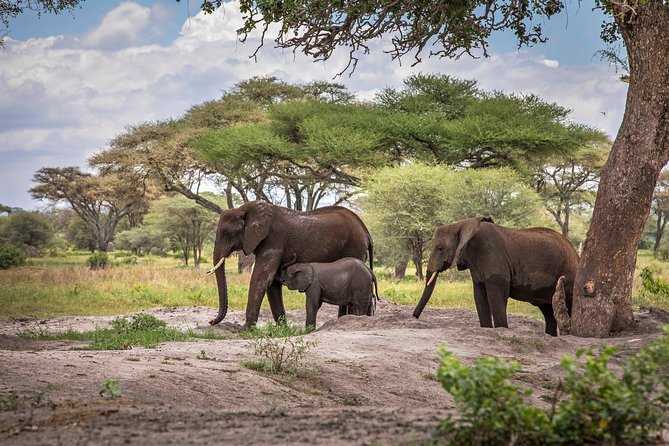
Your first drive from Arusha to Tarangire takes about two hours. That makes this a fairly gentle opening day compared with the long transfer to Serengeti later in the trip.
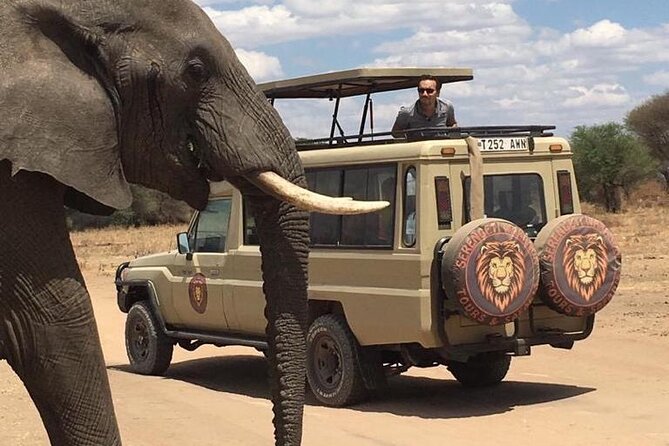
Tarangire is known for large elephant herds and ancient baobab trees, some of the largest trees in Africa. The open-roof vehicle gives you a clear view upward and outward, useful when elephants pass close by or birds circle above the savannah.
The park includes seasonal swamps, grassland, and the Tarangire River. Those different water sources help explain the range of wildlife you might see: giraffes, impalas, zebras, lions, leopards, elands, warthogs, elephants, and many bird species are all listed as possible sightings.
Lunch is planned at a picnic site with a fine view, followed by more game viewing. You then continue to Fig Tree Lodge for dinner and the night.
I like the rhythm of this day. You get a proper park experience rather than a quick photo stop, and the picnic view adds a welcome break from the vehicle. The limitation is that six hours of activity can feel long if you are not used to rough roads and repeated stops for animals.
Day 2: The long road to Serengeti
After breakfast, you head toward Serengeti through the crater highlands. The drive takes roughly four to five hours and is described as long and bumpy, so this is the day to prepare for dust, jolts, and stretches with more scenery than wildlife.
That road time is not wasted. The route brings you from the northern circuit toward the broad Serengeti plains, and animals may appear during the transfer. Still, you should think of Day 2 as a travel day with game viewing, not as one continuous safari stop.
A picnic lunch comes before the afternoon drive in the park. The day ends at Seronera campsite after a sunset drive, one of the trip’s most appealing moments. Watching the light change across the plains gives the day a strong finish, especially after the rough transfer.
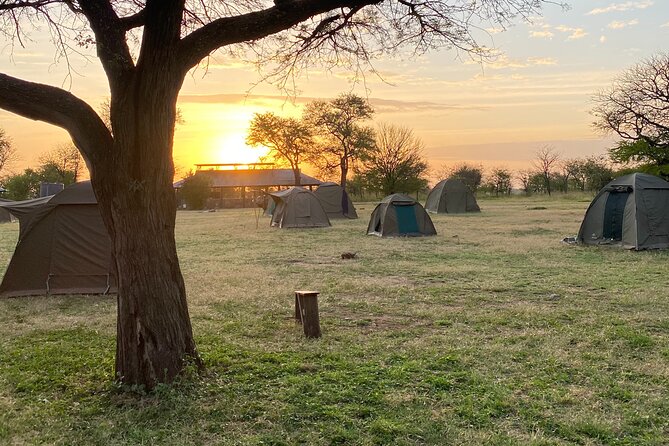
Seronera is a useful base because it places you inside the central Serengeti area. The plan calls for dinner and an overnight stay at the campsite, so you should expect a more outdoors-focused night than at a lodge. Ask in advance what camping equipment and facilities are supplied if that is important to your comfort.
Day 3: A full Serengeti day from sunrise to sunset
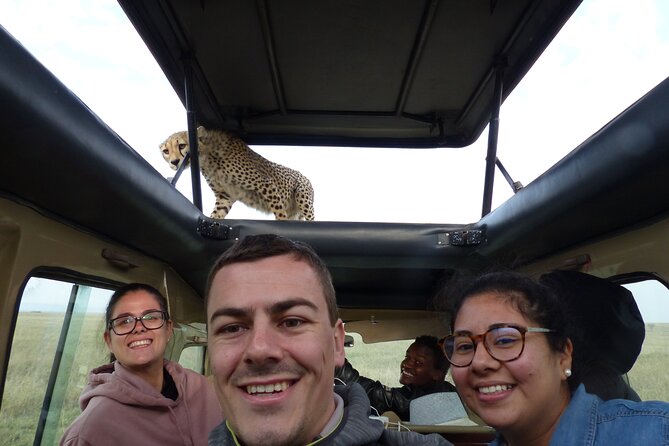
Day 3 is the heart of the safari. You set out around sunrise, when many animals are active, then spend the day looking for the Big Five and other wildlife across the park.
The schedule runs for about ten hours, with a return to camp for a hot lunch before an afternoon drive. That arrangement is more comfortable than eating a cold packed meal every day, and the break gives you a chance to rest before going out again.
Serengeti is not only about large mammals. More than 500 bird species are recorded in the park, including ostriches, secretary birds, and black eagles. I like that the itinerary makes room for birdwatching rather than treating birds as background decoration. You might spend one moment watching a lion and the next following a bird of prey high above the grass.
The full-day format also gives your guide more time to respond to conditions. Wildlife sightings cannot be guaranteed, but a long day increases the number of places and habitats you can check. The cost is fatigue. Ten hours on rough tracks is a lot, especially after the previous day’s transfer, so bring patience and keep expectations flexible.
Guides connected with this operation include Tom, Ashraf, Bashir, Andrew, Francis, Edward, Felix, and Zefa. Their roles vary, and your assigned team may be different. If guiding quality is central to your decision, ask who will lead your vehicle and whether a cook accompanies the group. Past safari arrangements have included fresh cooking and hot meals, which can make a real difference on a demanding route.
Same country, a different kind of drive:
- Balloon Safari & Bush Breakfast in Serengeti – Miracle Experience
★ 5.0 · 1,646 reviews - 4 Days Group Camping Safari
★ 5.0 · 1,101 reviews - 5 Days Group Camping Safari
★ 5.0 · 730 reviews - 3 Days Serengeti & Ngorongoro Group Camping Safari
★ 5.0 · 574 reviews
Day 4: One more Serengeti morning, then Ngorongoro
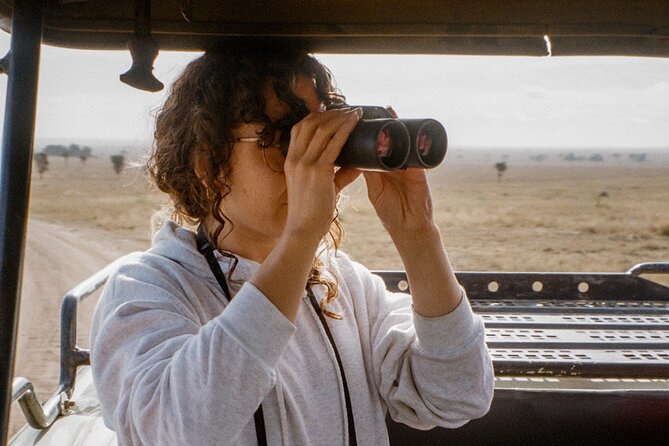
You wake around 6 am for another sunrise drive. This is a smart use of the final Serengeti morning because animals are often easier to find when the day is cool and activity is high.
Breakfast is served at a picnic site in the bush. You then continue the game drive, return to camp around noon for a hot lunch, load the vehicle, and leave for Ngorongoro.
This split day gives you another chance at Serengeti wildlife without sacrificing the next destination. It also shows the practical compromise of the itinerary: you get two Serengeti mornings and one full day, but you do not have a completely leisurely transition to Ngorongoro.
Dinner and the night are at Simba campsite. The campsite setting keeps the trip close to the parks, though it also means you should be comfortable with simple overnight arrangements. Exact lodging details are not provided, so confirm the facilities, bedding, and bathroom setup before booking.
Day 5: Down into Ngorongoro Crater
After an early breakfast, you descend into Ngorongoro Crater. This is one of the route’s biggest wildlife draws. The crater’s enclosed setting can bring many East African species into a relatively concentrated area, and the rare black rhino is one of the animals you may hope to see.
A rhino sighting is never promised. That is part of the appeal and the frustration of wildlife viewing. Your guide can search likely areas, but no responsible safari company can guarantee a particular animal.
You choose between a picnic lunch at Hippo Lake or a hot lunch at camp. That choice is practical rather than decorative. A picnic lets you spend more time in the crater, while a hot meal offers greater comfort after a morning on the road.
After the crater visit, you continue to Fig Tree Lodge for dinner and another night. Having a lodge night after the campsite stops may feel welcome, especially if you have spent several long days in the vehicle.
Ngorongoro is a strong fit for first-time safari visitors who want a good chance of seeing many familiar African species in one setting. It is less suited to anyone hoping for a quiet, empty wilderness experience, since the crater is a major destination and the itinerary focuses on wildlife efficiency.
Day 6: Flamingos and forest at Lake Manyara
The last morning begins with breakfast and a short drive of about five minutes to the park gate. Lake Manyara is smaller than Tarangire or Serengeti, but its habitats change quickly.
The lake expands and contracts with the seasons, creating feeding areas for thousands of flamingos. More than 300 other bird species are also associated with the park, so this is a particularly good finish for anyone who enjoys birdlife as much as big mammals.
You may also see primates in the woodlands, grassy plains, baobab-dotted cliffs, and, with luck, the park’s famous tree-climbing lions. The itinerary calls Lake Manyara their home, but sightings are not assured. The appeal is the mix of habitats rather than one guaranteed animal.
The plan expects you back in Arusha around 4 pm, with some flexibility if you have a flight to catch. That flexibility is useful, but you should still provide your flight details early and allow a sensible buffer. Safari roads and animal stops can affect arrival times.
Food, camp nights, and daily comfort
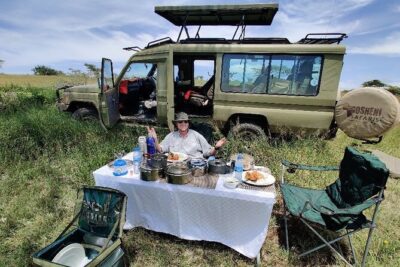
Meals are one of the practical strengths here. Six breakfasts and six lunches are included, along with five dinners. Picnic meals are part of the route, but hot lunches are also offered at camp on key Serengeti days and after the Ngorongoro outing.
The food arrangement has received particular praise from people who enjoyed cooked meals and hamper-style lunches instead of the same basic packed meal each day. A cook may be part of the setup, but confirm this for your departure because the supplied details do not promise a specific chef.
Accommodation combines Fig Tree Lodge with Seronera and Simba campsites. That mix gives you different safari moods, but it also means comfort may vary from night to night. If you prefer a lodge every evening, this budget safari may feel too basic. If you like being close to the parks and can handle simpler nights, the camps help keep the trip focused on the outdoors.
What the private format is worth
A private safari gives your group its own vehicle and guide. The practical benefit is control: you can discuss how long to spend at a sighting, ask for more bird stops, and shape the pace around your group’s interests.
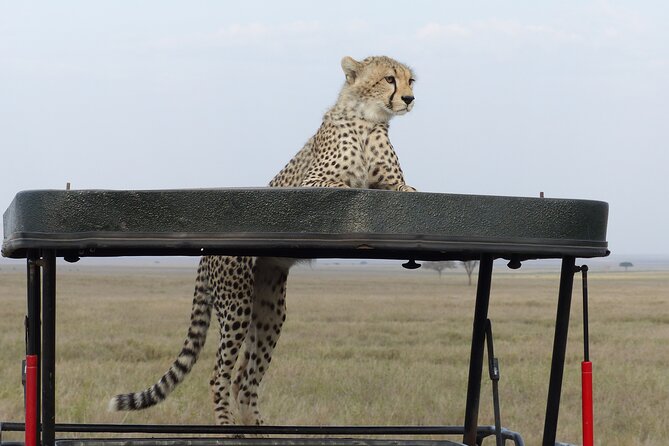
The details do not state the maximum number of people or the exact vehicle type, so ask before booking. The open-roof vehicle is specifically mentioned for Tarangire, and the reviews praise the comfort of the vehicle, but comfort can depend on group size and the particular vehicle assigned.
The private format also makes this a good choice for families, couples, and small groups that want a shared trip without joining a larger party. It is less ideal if you want a quiet, low-movement holiday. The route covers a lot of ground and includes long drives.
Tips for getting more from the six days
Start by asking for the exact name of your guide. Guides such as Bashir, Andrew, Francis, Edward, and Zefa have been associated with strong safari experiences through this company, but the person assigned to your departure may be someone else.
Tell the operator if you care most about birds, big cats, elephants, rhino, or photography. The plan already includes wide-ranging game drives, but clear priorities can help your guide understand what you hope to see.
Pack for long vehicle days and changing conditions. You will need patience for the rough Serengeti road, early starts, picnic meals, and possible waits at animal sightings. The itinerary is active, not a resort break.
Tips and gratuities are not included. Set aside money for them if you feel the guide, driver, cook, or support team has done a good job. Also confirm the cancellation terms before booking: free cancellation is available up to 24 hours before the start time, while later cancellations are not refunded. Poor weather or failure to reach the minimum group requirement can lead to a new date, an alternative experience, or a full refund.
Who should book this safari?
I would choose this trip if you want the classic northern Tanzania route in six days, prefer a private vehicle, and want meals organized for you. It suits first-time safari visitors who want Tarangire, Serengeti, Ngorongoro, and Lake Manyara in one carefully packed circuit.
I would think twice if you dislike bumpy roads, long drives, early mornings, or campsite nights. The price is fair only if you value the private setup, park variety, guiding, accommodation, and included meals. Ask detailed questions about lodging and vehicle size, then book if the answers match your comfort level.
FAQ
Where does the safari start?
The safari is based in Arusha, and pickup is offered. The stated start time is 7:30 am.
How long is the safari?
The experience lasts approximately six days.
Is this a private tour?
Yes. Only your group participates in the private tour or activity.
Which national parks are included?
The route includes Tarangire National Park, Serengeti National Park, Ngorongoro Crater, and Lake Manyara National Park.
Are meals included?
Yes. The package includes six breakfasts, six lunches, and five dinners. Picnic and hot lunch options are included in the itinerary.
Is the black rhino guaranteed at Ngorongoro Crater?
No. The crater offers a chance to see a rare black rhino, but wildlife sightings cannot be guaranteed.
What is the cancellation policy?
You can cancel up to 24 hours before the start time for a full refund. Cancellations or changes made less than 24 hours before the start time are not refunded or accepted. If poor weather or an insufficient number of participants causes cancellation, you are offered another date or experience, or a full refund.
Just added around Arusha
- 6 days Tanzania budget safari★ 5.0 · 65 reviews
- 7 days great migration safari★ 5.0 · 77 reviews
- serengeti, ngorongoro & tarangire 5days private tour★ 5.0 · 77 reviews
- 5 days safari, hiking & culture (Serengeti & kilimanjaro)★ 5.0 · 27 reviews
- 5-Day Mid-Range Safari in Tanzania★ 5.0 · 33 reviews
- 4 days safari★ 5.0 · 34 reviews
- serengeti & ngorongoro 3 days private tour★ 5.0 · 15 reviews
- serengeti, ngorongoro & tarangire 4 days private tour★ 5.0 · 18 reviews
Arusha Safaris, compared.
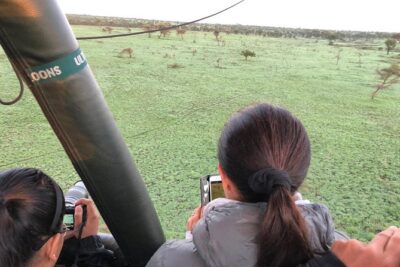
Balloon Safari & Bush Breakfast in Serengeti – Miracle Experience
Read our review →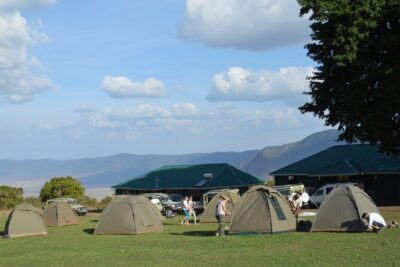
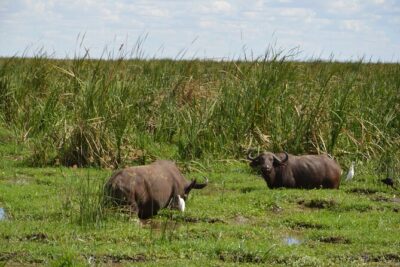
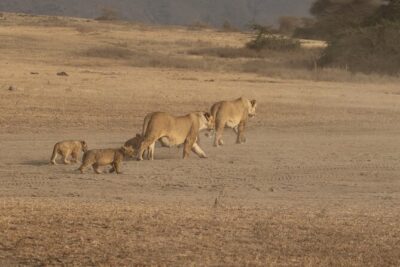
3 Days Serengeti & Ngorongoro Group Camping Safari
Read our review →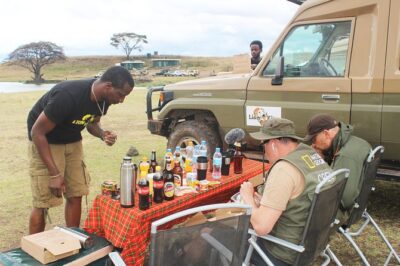
7-Day Premium Luxury Tanzania Safari All-Inclusive
Read our review →
5-Day Highlights mid-Range Crater, Serengeti, Tarangire
Read our review →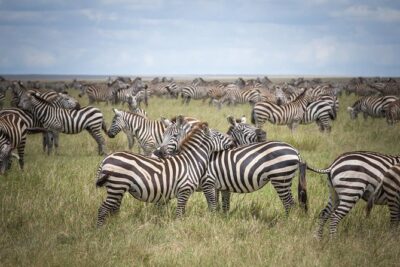
8 Days Great Wildebeest Calving Migration Safari from Arusha
Read our review →Browse the lists this tour appears in