
REVIEW · USA
Grand Teton Wildlife Safari in a Enclosed or Open-Air Vehicle (season dependent)
Grand Teton wildlife safaris are really about the search. At dawn or dusk, you roll along park roads with a guide scanning the woods, river bends, and open fields for moose, elk, bears, wolves, and eagles. The mountains provide a superb backdrop, but the best moments often come when the vehicle slows for a small movement in the trees.
I like the small maximum group of 12, which gives your guide time to answer questions and help everyone see through the spotting scope. I also like the mix of wildlife, geology, park history, and human stories. The main catch is simple: animals are wild, and four hours can produce anything from bears and wolves to a distant moose or very little at all.
Key points to know
- Dawn and dusk timing: Wildlife is often more active during the cooler hours of the day.
- Open-air or enclosed vehicle: Ride in an open safari vehicle during warmer months, or a heated vehicle when conditions turn cold.
- Excellent guide support: Guides such as Kyle, Kelsey, Anthony, Allie, and Neil are praised for spotting animals, explaining the park, and helping with photos.
- Binoculars and spotting scope included: You do not need to bring your own optical gear.
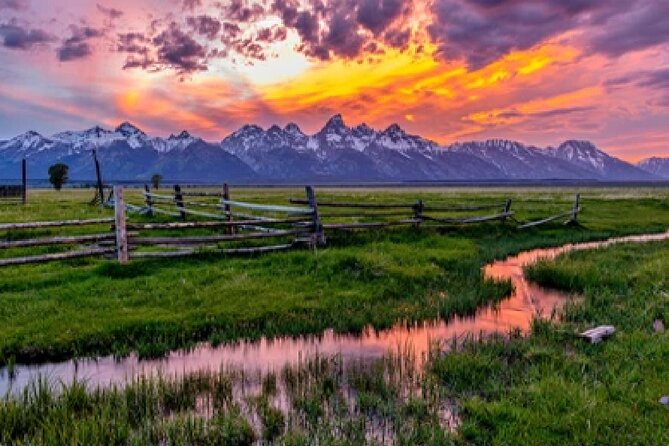
- Mormon Row in the warmer months: March through November tours stop near the famous historic barns, but snow can remove this stop in December through February.
- A real wildlife gamble: You may see bison, moose, elk, pronghorn, bears, or wolves, but no sighting is promised.
Four hours in Grand Teton with a guide who knows where to look
The tour begins at 210 North Cache Street in Jackson, with the activity returning to the same meeting point. Hotel pickup may be available in the Jackson Hole area from November through mid-May, but summer pickup is not included and must be requested if available.
From there, you travel into Grand Teton National Park by customized safari vehicle. The route uses paved highways and dirt roads, so the experience is part scenic drive and part patient wildlife search. Your guide keeps watch while explaining how animals use the park through the year.
The park covers about 310,000 acres and supports roughly 60 mammal species and more than 300 bird species. You will not cover every corner in four hours, but the guide chooses sections where current conditions offer a reasonable chance of sightings. That choice is the tour’s main value. You are paying for local eyes, a spotting scope, interpretation, and the chance to let someone else handle the driving.
The group size matters here. With no more than 12 people, the guide can usually stop, point out an animal, and help each person get a look. Several guides are also praised for taking photos or sending images after the tour. That is a pleasant bonus, but ask your guide directly about photo delivery rather than assuming it is guaranteed.
More Wildlife Safaris in the USA
- Half-Day Wildlife Safari Tour in Grand Teton National Park
★ 5.0 · 341 reviews - Half Day Grand Teton Wildlife Safari Tour
★ 5.0 · 259 reviews - Yellowstone Wildlife Safari from Bozeman – Private Tour
★ 5.0 · 140 reviews
Open-air safari rides are thrilling, but bring a jacket
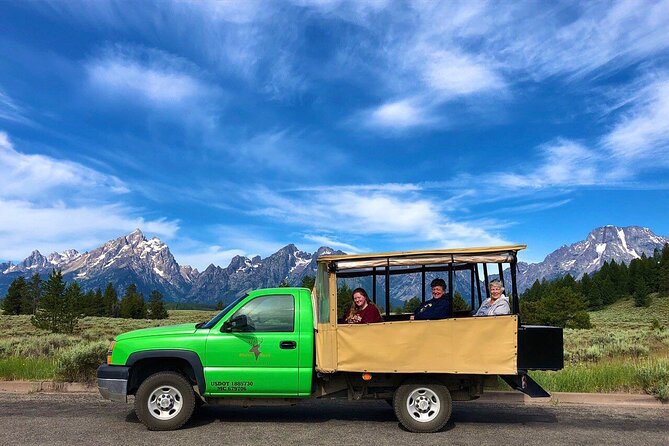
The open-air vehicle is used roughly from June through mid-September, depending on the weather. You sit closer to the sounds and air of the park, with fewer windows between you and the views. That makes the ride feel more like a wildlife expedition than a standard sightseeing bus.
The tradeoff is temperature. Even a summer sunrise or sunset can feel cold, and one morning tour included wool blankets for the group. Bring a jacket, long pants, and sturdy walking shoes. If you are sensitive to wind or have back problems, the summer safari vehicle may not be the best fit.
From mid-September through May, the tour uses an enclosed vehicle with heating and air conditioning. This is the more comfortable choice during cold weather, especially for sunrise departures. In winter, dress in proper snow gear: snow boots, snow pants or bibs, a winter jacket, gloves, a warm hat, scarf, and other layers.
The vehicle arrangement can shape your day as much as the animal sightings. Open air gives you a closer connection to the setting, while the enclosed vehicle lets you focus longer without worrying about the cold. I would choose the season and departure time based partly on comfort, not only on the hope of seeing a particular animal.
What you might see in Grand Teton
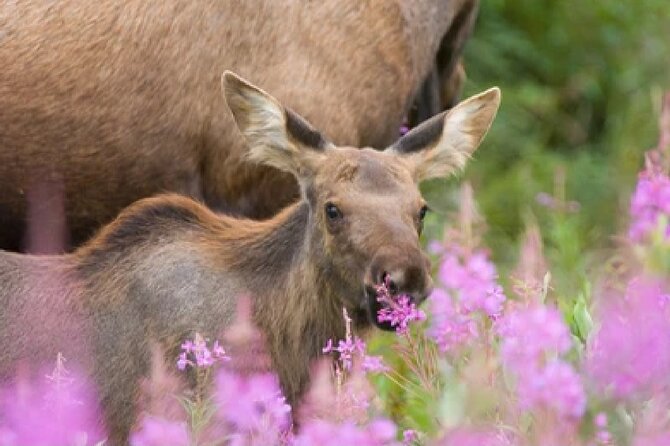
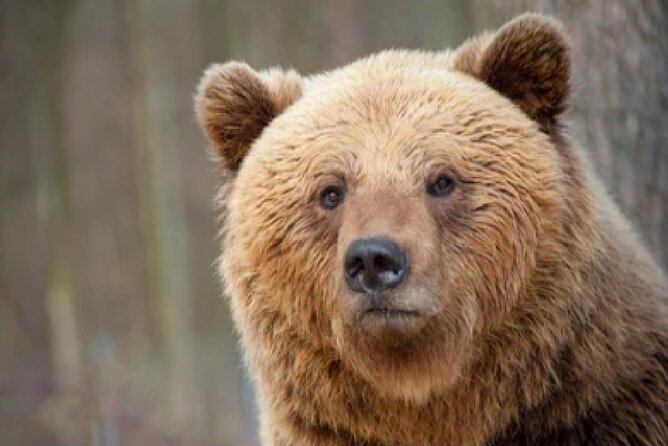
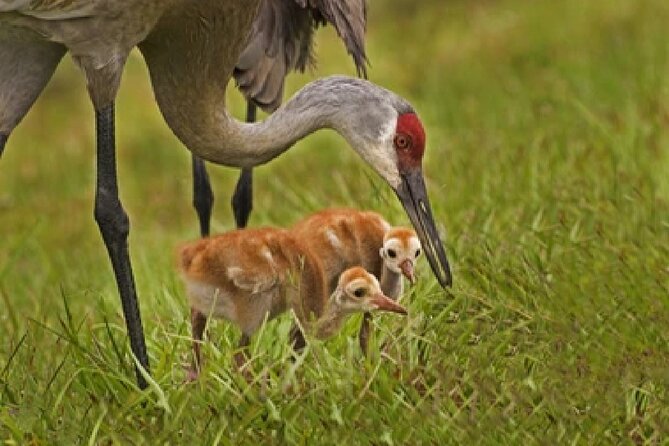
The animal list is impressive: elk, moose, mule deer, pronghorn, bison, bighorn sheep, black bears, grizzly bears, and wolves all live within the park. Birds may include bald eagles, golden eagles, sandhill cranes, ospreys, hawks, and owls.
No guide can control animal behavior. A bear may cross a road at the right moment, or it may remain hidden. Wolves are especially uncertain. One group spotted a wolf, while another spent four hours seeing only part of a moose in the trees and pronghorn in a field. Both outcomes are possible.
This is why the guide’s interpretation matters. A distant animal becomes more interesting when you understand what it is doing, where it migrates, and how the season affects its behavior. Guides have explained plant life, animal movement, the Snake River, the area’s geology, early settlers, and the development of Grand Teton National Park.
The strongest guide experiences combine searching with storytelling. Kyle is praised for spotting wildlife and making the time between sightings enjoyable. Kelsey is noted for her enthusiasm, safe approach, and use of a scope. Anthony is praised for finding bison, pronghorn, moose, and even a wolf while explaining park history. Allie has been especially good at spotting animals while driving, including a bear.
These details matter because a wildlife safari includes plenty of quiet stretches. A guide who can explain the mountains, plants, and animals keeps the four hours worthwhile even when the wildlife is hiding.
The wildlife search and frequent photo stops
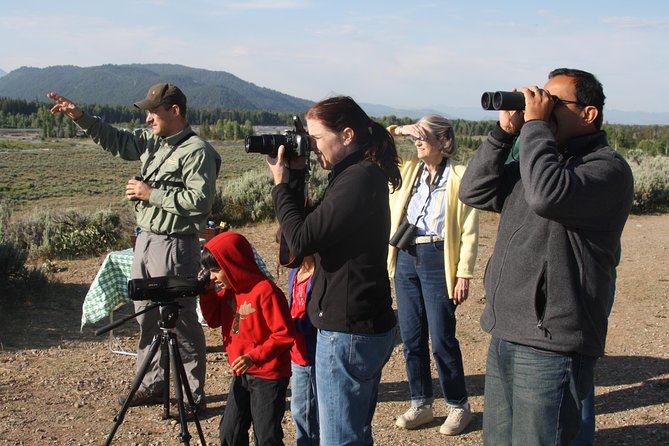
The first major part of the tour is the search itself. You may travel along park roads, pause near open fields, and scan wooded areas with binoculars or the guide’s larger spotting scope. When something is found, the guide works to position the vehicle so people on board can take turns looking.
The spotting scope is especially useful for distant animals. It can show details that ordinary binoculars miss, and guides often help children or anyone who has trouble locating an animal. One family particularly appreciated a guide who made sure an eight-year-old could see the wildlife clearly.
The guide also stops at viewpoints for photos of the mountains, river, wildlife, and terrain. These pauses break up the driving and give you time to stretch your legs, though this is not a hiking tour. The focus stays on observing from roads and short stops rather than walking deep into the park.
Snacks, bottled water, and soda are included. That is practical on an early departure when you may not have time for a full meal. Coffee is not included, so bring your own if you need it before sunrise.
More Big Five and Wildlife Safaris in the USA:
- Half Day Group Sunset Wildlife Safari
★ 5.0 · 134 reviews - Offshore Wildlife Safari and Reef Snorkel
★ 5.0 · 43 reviews - Yellowstone Winter Wildlife Safari from Bozeman
★ 5.0 · 42 reviews - Yellowstone Wildlife Safari in Lamar Valley from Bozeman
★ 5.0 · 35 reviews
Mormon Row and the famous barns
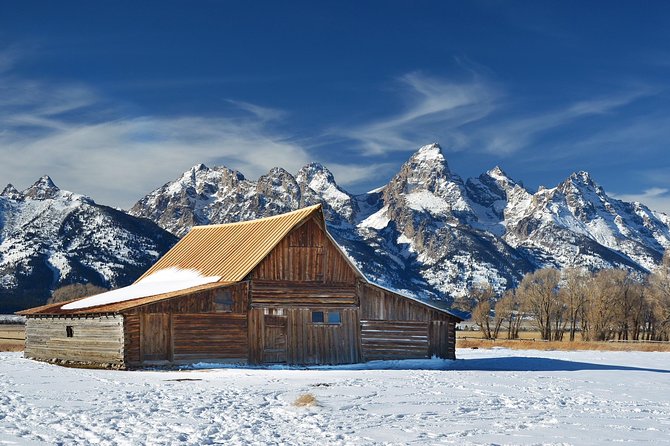
From March through November, the route includes the Mormon Row Historic District. This former homestead area is known for its barns and mountain views, and you will have about 20 minutes to take photos.
The stop is a useful contrast to the wildlife search. Instead of looking for movement in the trees, you get a clear view of the relationship between early settlement and the surrounding mountains. The barn photographs are popular for good reason, with the weathered wood and Teton peaks creating one of the park’s most recognizable scenes.
The tour stops at either the T. A. Moulton Barn or the John Moulton Barn, not necessarily both. That distinction is worth knowing if you have a particular photograph in mind.
Snow affects the itinerary. Tours running from December through February do not make the Mormon Row stop because of snow coverage. If the barns are important to you, book between March and November or visit them separately.
Why the timing makes a difference
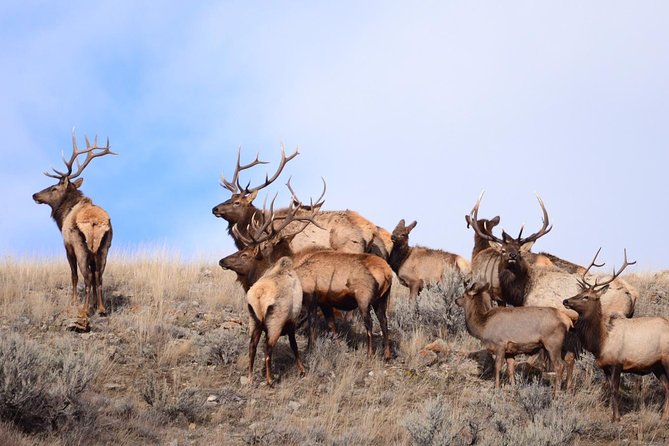
The tour runs in the morning or evening, when animals are often more active. Sunrise tours offer cooler air and a quiet start, while sunset tours give you softer light and a different feel in the park.
Sunrise has one clear drawback: it can be cold even during summer. Sunset may be easier on your sleep schedule, but the later light can change the appearance of the mountains and open fields. I would choose the departure based on your priorities. Pick sunrise if you are eager to search during the early hours. Pick sunset if you want a less demanding start and enjoy the warm evening light.
The season changes the likely sightings, too. Wildlife patterns shift through the year, and the tour route responds to those changes. Spring and summer are especially good seasons for birdwatching, with chances for eagles, cranes, ospreys, hawks, and owls. Fall and winter bring colder conditions and an enclosed vehicle, but the park can feel quieter and more stark.
The guide cannot promise a bear, wolf, or moose. The right reason to book is not a checklist. You are paying for a better chance of finding animals, plus context that is hard to gain from driving through the park on your own.
Is the $159 price worth it?
At $159 per person, this is not the cheapest way to see Grand Teton. The national park entrance fee is separate, and summer hotel pickup and drop-off are not included. If you already have a car, binoculars, and plenty of time, you can drive park roads yourself for less.
The tour earns its price when you value the guide’s time and local experience. You do not have to drive while scanning for animals. You receive binoculars, access to a spotting scope, snacks, drinks, and help identifying what you see. A guide may also know where recent sightings have occurred and how to position the vehicle safely.
The value is strongest for first-time visitors, families, photographers who want help finding wildlife, and anyone who prefers not to plan a park route. It is also useful if you have only a short stay in Jackson Hole and want four focused hours in Grand Teton.
The value is weaker if your main goal is guaranteed wildlife. One person on a sunrise tour felt they saw about as much as they would have seen from their own car. That is a fair warning. The tour improves your odds and adds interpretation, but it cannot change the behavior of wild animals.
Who will enjoy this tour most
I would recommend it to families with children older than five, couples, small groups of friends, and anyone who wants an introduction to Grand Teton without handling the driving. Children often benefit from the spotting scope and from a guide who can turn a distant animal into a clear sighting.
It suits people who want facts along with views. Guides discuss ecology, geology, human settlement, animal behavior, and park history, so the trip is more than a ride past scenic overlooks.
It is less suitable for anyone needing a guaranteed list of animals, or for people with serious back concerns who would find the summer open-air ride uncomfortable. Children five and younger are not allowed.
The tour is also a poor fit if you dislike early mornings, cold air, or sitting quietly while a guide searches for movement. Wildlife viewing requires patience. The best moments often arrive after several minutes of looking.
Practical advice before you go
Book ahead if your schedule is fixed. The experience is often reserved about a month in advance, and the cancellation policy is strict: it is non-refundable and cannot be changed for any reason. If poor weather or an insufficient number of bookings forces the operator to cancel, you are offered another date or a full refund.
Wear layers in every season. Summer passengers should bring a jacket and long pants, while winter passengers need full snow clothing. Sturdy walking shoes are useful for the stops at viewpoints and Mormon Row.
Bring a camera, but do not rely only on a phone. Animals may be far away, and the provided binoculars or scope will often give you the best view. A phone can work well through a scope if the guide helps you position it.
The tour is offered in English. Service animals are allowed, and most people can participate. The meeting point is near public transportation, and the activity ends back there.
Should you book the Grand Teton wildlife safari?
Book it if you want a small-group introduction to Grand Teton, value a guide who can explain what you are seeing, and would rather not search for wildlife alone. The open-air vehicle adds fun in warm weather, while the enclosed vehicle keeps the experience comfortable during colder months.
Skip it if you already know the park well, have your own vehicle and optics, and are happy to accept the same wildlife uncertainty on your own. At $159, the tour is a thoughtful purchase rather than a bargain.
For most first-time visitors, I would choose a sunrise or sunset departure, dress warmer than expected, and treat the animals as a bonus rather than a promise. If you see a bear, wolf, or moose up close, the day may feel extraordinary. If you do not, a good guide can still give you a clearer understanding of the park than a solo drive would.
FAQ
How long is the Grand Teton wildlife safari?
The tour lasts approximately four hours and returns to the meeting point at 210 N Cache Street in Jackson.
What animals might I see?
Possible sightings include elk, moose, mule deer, pronghorn, bison, bighorn sheep, black bears, grizzly bears, and wolves. Birds may include bald and golden eagles, sandhill cranes, ospreys, hawks, and owls. Sightings depend on the season and animal activity.
Is the vehicle open-air all year?
No. Open-air safari vehicles are used roughly from June through mid-September when weather permits. From about mid-September through May, tours use an enclosed, heated vehicle.
Are binoculars, food, and drinks included?
Yes. Binoculars or a spotting scope, snacks, bottled water, and soda are included. Coffee is not listed as an included item.
Does the tour stop at Mormon Row?
Tours from March through November stop at Mormon Row and spend about 20 minutes there. Tours from December through February do not make this stop because of snow coverage. The guide stops at either the T. A. Moulton Barn or the John Moulton Barn.
Is hotel pickup available?
Hotel pickup in the approved Jackson Hole area is available from November through mid-May upon request. Summer hotel pickup and drop-off are not included.
Just added around the USA
- 3 Hour See Crystal River Wildlife Safari Boat Cruise★ 4.5 · 25 reviews
- Northern Yellowstone Safari from Cody, WY★ 4.5 · 24 reviews
- Red Canyon Wild Mustang Tours And Safaris In Cody Wyoming★ 5.0 · 27 reviews
- Wetlands Safari Eco-Cruise in Cape May (Osprey Birding By Boat)★ 5.0 · 113 reviews
- Yellowstone Wildlife Safari from Bozeman – Private Tour★ 5.0 · 140 reviews
- Yellowstone Winter Wildlife & Snowshoe Tour | PRIVATE★ 5.0 · 19 reviews
- Yellowstone Wildlife Safari in Lamar Valley from Bozeman★ 5.0 · 35 reviews
- Yellowstone Snowshoe Safari from Bozeman – Private Tour★ 5.0 · 18 reviews
USA Safaris, compared.
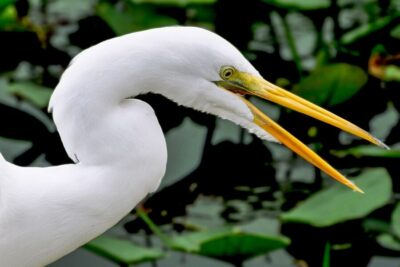
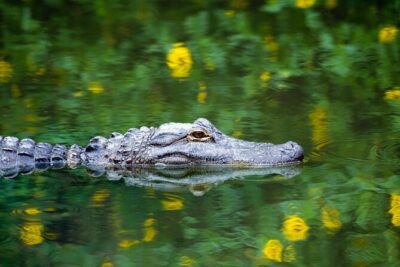
Everglades Airboat Safari Adventure with Transportation
Read our review →
Off the Beaten Path Ketchikan Photo Safari – 3 hr.
Read our review →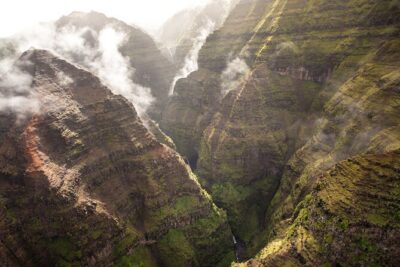
Kauai Deluxe Waterfall Safari: Helicopter Tour
Read our review →
Wild Florida Drive-Thru Safari and Gator Park Admission
Read our review →
Wild Dolphin Watching and Snorkel Safari Off West Coast of Oahu
Read our review →
Dana Point Dolphin and Whale Watching with Underwater Viewing
Read our review →
Orlando: Drive-Thru Safari Park at Wild Florida
Read our review →Browse the lists this tour appears in