
REVIEW · ARUSHA
6 Days Serengeti Safari(hiking waterfalls &coffee tour)
The biggest draw here is the range. In six days, you move from elephant country in Tarangire to the open plains of the Serengeti, the wildlife-packed Ngorongoro Crater, Lake Manyara’s birdlife, and a Chagga village near Kilimanjaro. It is a lot of Tanzania in one trip, but the route makes good use of your time.
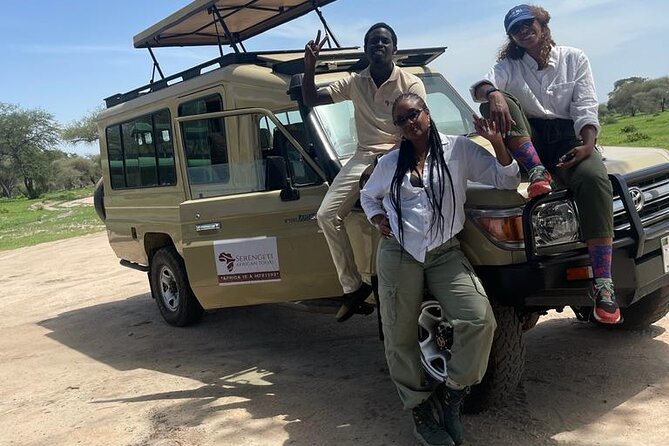
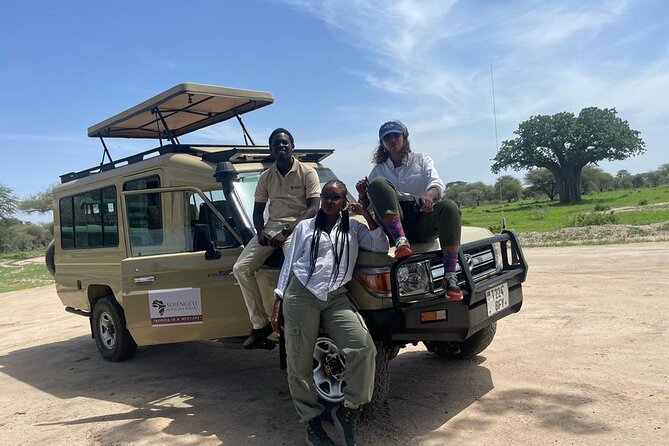
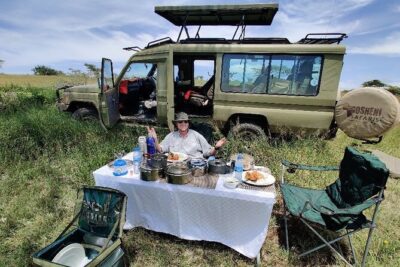
I like the small group size, the custom jeep with a pop-up roof, and the inclusion of a cook. I also like the final day, which adds a waterfall hike and coffee tour instead of ending with one more long drive. The main caution is simple: this is an active, camping-based safari with several long road days, not a soft hotel holiday.
Key points at a glance
- Up to six clients in the safari jeep: A small group gives you more room and makes it easier to ask for stops or adjust the pace.
- Two days around the Serengeti: The extra time improves your chances of finding wildlife and keeps the park from feeling like a rushed transfer.
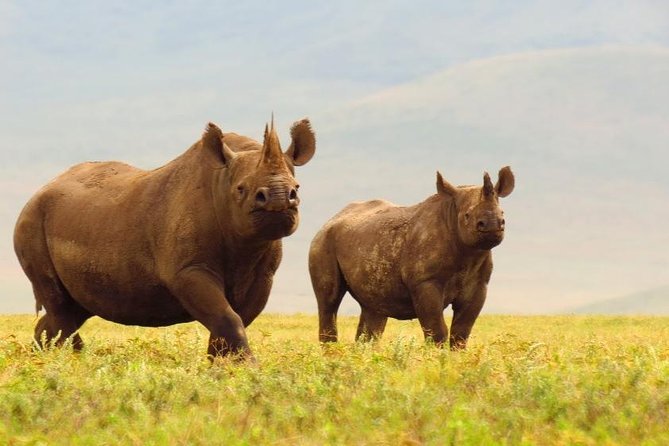
- Ngorongoro Crater at 6:15 a.m.: The early descent is aimed at finding black rhino before the crater floor gets busier.
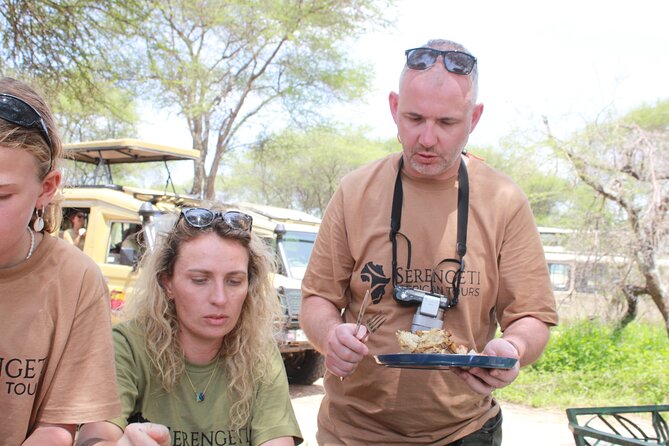
- A cook travels with you: Meals are prepared during the safari, with breakfast, lunch, and dinner included on most camping nights.
- Materuni adds culture and exercise: The final day includes a roughly 40-minute walk to an 80-meter waterfall, village life, and coffee.
- Good value at $1,250 per person: Park fees, camping gear, transport, meals, and the jeep are included, though flights, visas, and tips are extra.
What this six-day safari actually covers
This is a north Tanzania circuit based in Arusha. The route includes Tarangire National Park, Serengeti National Park, Ngorongoro Conservation Area, Lake Manyara National Park, and Materuni Village.
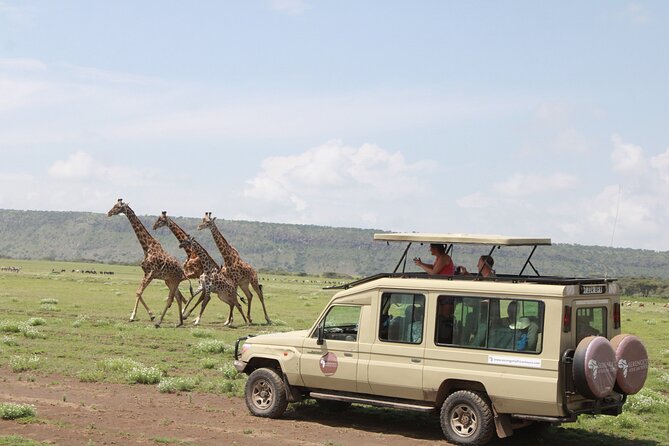
The safari portion uses a custom vehicle with a pop-up roof. That roof matters. You can stand for a better view, scan the grassland, and photograph animals without looking through a side window. The group is described as a maximum of six clients, though the additional information gives a maximum of seven total participants. Ask for the exact group size when booking, especially if you care about elbow room.
A driver-guide leads the game drives, and a chef handles meals. Several guides named in the feedback include David, Simon, Godfrey, Godlisten, Lewis, Malisa, Hachiem, Abu, Calvin, and Mandarin. Your guide will depend on the departure, but the strongest pattern is clear: the driver-guide can make or break a safari. Good wildlife spotting, patient driving, and clear explanations matter more than a fancy tent.
The description calls the safari five days with a sixth day for Materuni. In practical terms, plan on six days and five nights of safari accommodation, with the final day spent around Materuni. Confirm the pickup time, since the listing gives midnight as the start time even though the first park visit begins in the morning.
More Hiking Trips in Arusha:
- 4 days Best experience Kilimanjaro Hike, Serengeti &Ngorongoro
★ 5.0 · 54 reviews - 5 days safari, hiking & culture (Serengeti & kilimanjaro)
★ 5.0 · 27 reviews - Rainforest Hike and Waterfall Safari
★ 5.0 · 567 reviews
Day one: elephants and baobabs in Tarangire
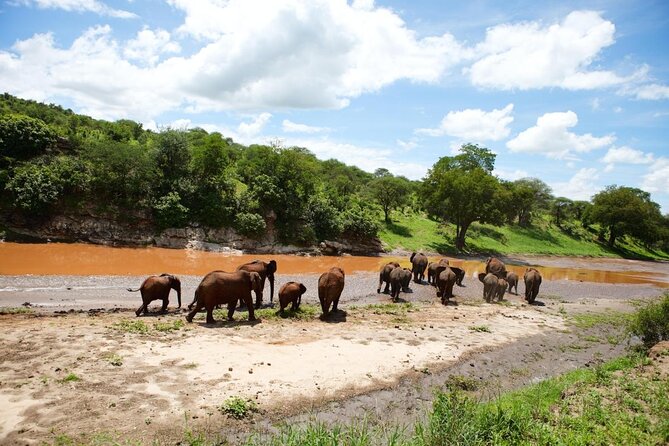
Your first park day heads toward Tarangire National Park, about 2,600 square kilometers of savannah, seasonal wetland, and giant baobab trees. The park is famous for elephants, and herds can number in the hundreds.
This is a strong opening day because Tarangire offers a different visual rhythm from the Serengeti. Instead of endless short grass, you get thicker vegetation, tall trees, dry river areas, and animals gathering near water when conditions are dry. Along with elephants, you might see giraffes, buffaloes, wildebeest, zebras, hartebeest, eland, oryx, gerenuk, and a long list of birds.
The gerenuk is a particularly good reason to keep your eyes open. This long-necked antelope often reaches upward on its hind legs to feed, giving it an almost comic shape. Bird lovers also get plenty to watch, with more than 550 species recorded in the park.
You spend the night at a campsite in a tent. Camping equipment, including a sleeping bag, mattress, and tent, is included. The first day covers roughly six hours, though actual time on the road and in the park can vary with animal sightings and stops.
Day two: the long road into the Serengeti
After breakfast, you drive from the Mto wa Mbu area toward the Serengeti. The listed drive takes about six hours, including stops, and passes through the Ngorongoro area.
This is one of the trip’s more demanding days. You are moving between major parks, so the road time is part of the deal. The payoff is the change in scenery as you climb toward the crater highlands and then continue toward the Serengeti plains.
There is a brief stop at the Ngorongoro gate and viewpoint. From here, you can look across the crater from above, one of Tanzania’s great first glimpses. It is not the crater visit itself. That comes on day four, when you descend to the floor.
A Maasai village visit is also offered as an optional extra, lasting about 20 to 45 minutes. It is not included in the price. If you choose it, you can learn about Maasai culture and village life. The description refers to older warrior traditions, including lion hunting and blood drinking, but do not assume every traditional practice is current. Ask respectful questions and treat the visit as a cultural encounter, not a staged performance.
You then continue toward the Serengeti. This day is mainly about reaching the park, but wildlife can appear along the route, especially once you enter protected areas. Keep your camera ready even during the transfer.
Days two and three: why two Serengeti days help
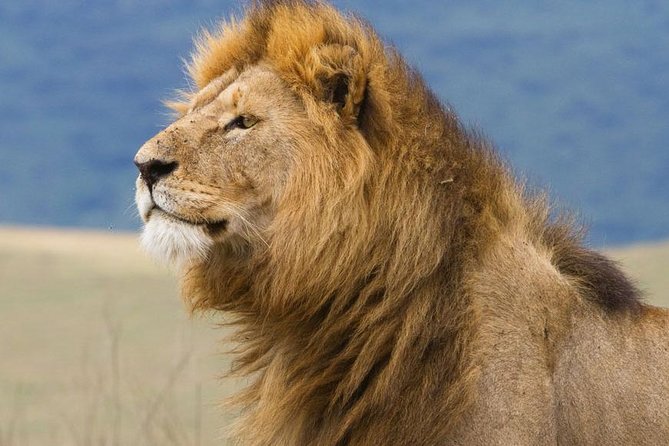
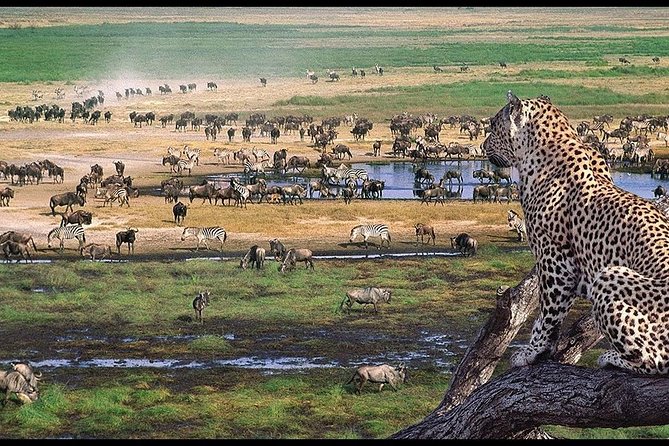
The Serengeti is the heart of the trip. It is famous for the annual movement of more than a million wildebeest and large numbers of zebra, but the park is not only about migration season. Its open plains support lions, cheetahs, leopards, giraffes, elephants, buffaloes, hyenas, hippos, and many smaller animals.
The schedule gives you a full game drive on the third day. After an early breakfast, you spend the morning in the Seronera area, return to camp for lunch and packing, then continue with a game drive as you leave the park.
This arrangement has a practical advantage. You are not treating Serengeti as a quick photo stop. You get one day to reach it and another concentrated morning to search for animals. The early start also gives you a better chance of seeing predators when they are active.
Your next overnight stop is Simba Campsite near the Ngorongoro Crater rim. The drive from the Serengeti area is listed at about two hours, but the timing depends on your final sightings and park exit. The campsite itself can offer wildlife sightings, so listen to camp staff and follow safety instructions. Do not wander around after dark.
One point deserves a clear warning: seeing the Big Five is possible, and several guides are praised for helping groups find them, but no safari can promise every animal. Even cheetah sightings are not guaranteed. The Serengeti rewards patience, sharp eyes, and a guide who knows where to look.
A few more safaris around Arusha worth a look
- Materuni Waterfalls & Coffee making Cultural Tour | BURIGI CHATO SAFARIS LTD
★ 5.0 · 15 reviews - Marangu waterfall & Coffee making Cultural Tour | BURIGI CHATO SAFARIS CO LTD
★ 5.0 · 12 reviews - Levi: 3 Hour Snowmobile Safari Around Levi with Coffee Break
★ 4.8 · 145 reviews - Cappadocia Off-Road Jeep Safari Experience with Free Coffee
★ 4.9 · 19 reviews
Day four: down into Ngorongoro Crater
The Ngorongoro Crater is the most tightly focused wildlife day. You descend at about 6:15 a.m. and search the crater floor, with black rhino as the main target.
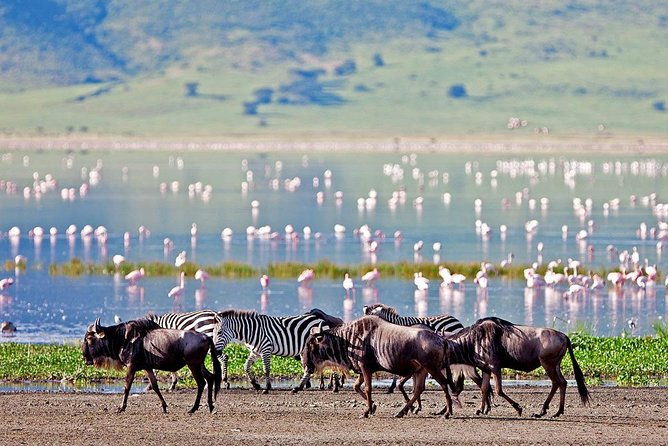
The crater’s enclosed setting makes animal viewing feel different from the Serengeti. You are looking across a broad floor ringed by steep walls, and many animals are easier to spot because they are concentrated in a defined area. You might see lions, zebras, wildebeest, buffaloes, hippos, hyenas, flamingoes, and other species during the drive.
Black rhino is the difficult sighting. A good guide will help you scan the correct areas, but the animal may still be distant or hidden. Do not judge the day only by whether a rhino appears. The crater’s scenery, birdlife, and concentration of animals make it worthwhile on their own.
After lunch and more game viewing, you climb out of the crater, return to camp, pack, and continue toward Fig Lodge and a campsite near Lake Manyara. This is another full day with an early start and several changes of location. You should be comfortable with dust, uneven roads, and limited downtime.
Day five: Lake Manyara’s birds, hippos, and tree-climbing lions
Lake Manyara is smaller than the Serengeti and Ngorongoro, but it adds a useful change of pace. The park is known for flamingoes, a large bird population, hippos, monkeys, buffaloes, wildebeest, warthogs, vultures, and eagles.
The famous tree-climbing lions are the headline attraction. They do occur here, but they are rarely seen, so keep expectations in check. A guide may know the trees where lions have been spotted, but there is no guarantee they will be there on your visit.
The hippo pool offers a closer look at these large animals, though you remain at a safe viewing point. The hot spring is another stop during the game drive. This makes the day varied, with water, forest, open ground, and bird-filled areas rather than one long stretch of similar plains.
Breakfast and lunch are included. Dinner is not listed for this day, so confirm the evening plan and accommodation before you go. Small details like this are worth settling in advance on a camping itinerary.
Day six: Materuni Waterfalls and Chagga coffee
The final day leaves the safari vehicle behind for a more active outing near Moshi. Materuni is a Chagga village about 15 kilometers from Moshi and the last village before Kilimanjaro National Park.
A guide drives you to the village in the morning. The walk to Materuni Waterfalls takes about 40 minutes. Along the way, you learn about Chagga culture, village life, plants, and local wildlife. The walk is not described as technical, but you should still wear sturdy shoes and expect an outdoor path.
The waterfall drops more than 80 meters and offers a refreshing place for a swim. Bring a towel and a change of clothes if you plan to get in the water. On clear days, you might also see the summit of Kilimanjaro.
The coffee portion is a welcome local touch. It gives you something beyond wildlife and park roads, and it helps connect the trip to the people and farming traditions of the region. This is also the day to ask about the exact coffee activities, since the supplied details explain the village and waterfall walk more fully than the coffee process itself.
Camping, food, and comfort on the road
This is a camping safari, but it is not a do-it-yourself camping trip. A tent, sleeping bag, and sleeping mattress are supplied, and a chef travels with the group. Breakfast is included on five days, lunch on six days, and dinner on four days according to the package details.
The food receives especially strong praise. Several named cooks, including Matthew and Matthieu, are singled out for preparing satisfying meals during the trip. One practical benefit of having a cook is that you are not left to find food after a long game drive.
Comfort remains basic. Some campsites are described as clean and comfortable, but standards can vary from one night to the next. Pack a headlamp, warm layer, insect repellent, personal toiletries, and a small day bag. These are sensible additions for any camping route, though only the supplied equipment is officially included.
Bottled water is provided throughout the safari according to the available details. Still, confirm the water arrangement before departure and bring a refillable bottle if you prefer to reduce plastic use.
Is $1,250 good value?
At $1,250 per person, this trip includes a lot: park fees, safari jeep, driver-guide, camping equipment, meals, and the Materuni day. It also covers five major natural and cultural stops, including two days based around the Serengeti.
The value is strongest if you want a broad first look at northern Tanzania without arranging each park separately. Park fees alone can make a multi-park route expensive, and the cook, vehicle, and camping gear remove several costs and planning tasks.
The tradeoff is pace. You spend long hours driving between parks, and four camping dinners are included rather than five. Visas, flights, and tips are extra. Group discounts are offered, so ask about the current rate if you are booking with friends or family.
You should also clarify the group arrangement. The main description says a maximum of six clients, while the additional information says seven travelers maximum. One past booking also raised concern that a tour described as private might involve shared arrangements. If a private vehicle is essential, get that promise in writing.
Who will enjoy this safari most?
I would recommend it to you if you want wildlife, camping, and variety in one package. It suits active couples, solo visitors comfortable sharing a vehicle, families with older children, and anyone who wants to add culture and a waterfall walk to a classic safari.
It is less suitable if you need luxury accommodation, dislike early mornings, or want a slow trip with several nights in one lodge. The route is busy. You will pack, drive, unpack, and repeat.
A strong guide is important, and the named guides receive high praise for wildlife knowledge, safe driving, patience, and good energy. You cannot choose a particular guide from the information provided, but you can request one if availability allows. Ask about the guide, vehicle condition, exact group size, and day six timing before paying.
The cancellation policy is generous if your plans change: cancel at least 24 hours before the local start time for a full refund. Changes or cancellations within 24 hours are not refundable.
Should you book it?
Book this tour if your priority is seeing a lot of northern Tanzania at a reasonable package price. The combination of Tarangire elephants, two Serengeti days, Ngorongoro Crater, Lake Manyara, and Materuni gives you wildlife, scenery, village culture, swimming, and coffee in one well-filled trip.
Think twice if you want privacy, lodge comfort, or a relaxed schedule. Before booking, confirm whether the group will have six clients or seven total participants, whether the vehicle is shared, what dinner is planned on the final safari night, and exactly what the coffee tour includes.
For an active first safari, I see the appeal. You get the big parks, a capable field team, and a final day that feels local rather than tacked on. Just pack lightly, sleep well when you can, and accept that the best wildlife moments often arrive after a long, dusty road.
FAQ
How long is the tour?
The experience lasts approximately six days. The safari portion covers five days, followed by a sixth day at Materuni Waterfalls and the nearby Chagga village.
What parks are included?
The route includes Tarangire National Park, Serengeti National Park, Ngorongoro Conservation Area and Crater, and Lake Manyara National Park. The final day visits Materuni Village and Waterfalls.
How large is the group?
The tour is described as a group safari with a maximum of six clients in a custom jeep. The additional information gives a maximum of seven travelers, so confirm the exact arrangement when booking.
Is camping equipment included?
Yes. A sleeping bag, sleeping mattress, and tent are included.
Are meals included?
Yes. The package includes meals during the safari, with breakfast listed on five days, lunch on six days, and dinner on four days.
Is the Maasai village visit included?
No. The Maasai village visit is optional and is not included in the tour price. The visit is expected to last about 20 to 45 minutes.
What is not included in the $1,250 price?
Visas, flights, and tips are not included. Ask about any optional activities and confirm the dinner arrangements for each night before departure.
More 6-Day Experiences in Arusha
- Private 6-Day Tarangire Manyara Crater and Serengeti with Mid-Range Lodges
★ 5.0 · 238 reviews - 6 Days Private Budget Safari
★ 5.0 · 163 reviews - 6 Days Tanzania Budget Camping Safari
★ 5.0 · 145 reviews - 6 days Tanzania budget safari
★ 5.0 · 65 reviews
Just added around Arusha
- 6 days Tanzania budget safari★ 5.0 · 65 reviews
- 7 days great migration safari★ 5.0 · 77 reviews
- serengeti, ngorongoro & tarangire 5days private tour★ 5.0 · 77 reviews
- 5 days safari, hiking & culture (Serengeti & kilimanjaro)★ 5.0 · 27 reviews
- 4 days safari★ 5.0 · 34 reviews
- serengeti & ngorongoro 3 days private tour★ 5.0 · 15 reviews
- 5-Day Mid-Range Safari in Tanzania★ 5.0 · 33 reviews
- serengeti, ngorongoro & tarangire 4 days private tour★ 5.0 · 18 reviews
Arusha Safaris, compared.
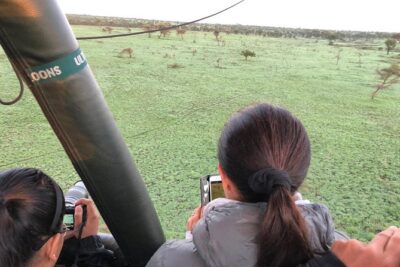
Balloon Safari & Bush Breakfast in Serengeti – Miracle Experience
Read our review →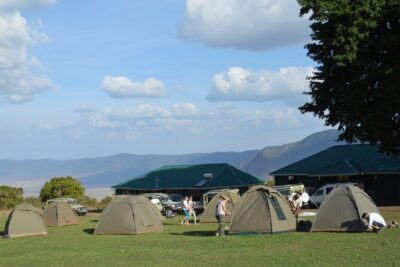
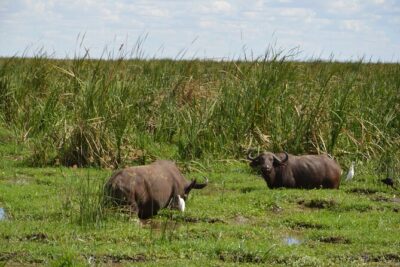
3 Days Serengeti & Ngorongoro Group Camping Safari
Read our review →
7-Day Premium Luxury Tanzania Safari All-Inclusive
Read our review →
5-Day Highlights mid-Range Crater, Serengeti, Tarangire
Read our review →
8 Days Great Wildebeest Calving Migration Safari from Arusha
Read our review →Browse the lists this tour appears in