
REVIEW · ARUSHA
Marangu waterfall & Coffee making Cultural Tour | BURIGI CHATO SAFARIS CO LTD
Marangu’s appeal is that it gives you more than a waterfall. In one day, you move from Kilimanjaro foothills and coffee farms to Chagga caves, a small cultural museum, local food, and a cold waterfall pool. I like the hands-on coffee stop, where you process, roast, and prepare your own cup, and I like that the day includes a proper hot meal rather than a packed snack.
The main consideration is the pace. You are fitting a hike, coffee lesson, village history, caves, museum, lunch, and tasting into about eight hours. The waterfall path can also be slippery, and the water may feel very cold. Ask about the exact pickup plan and walking conditions before you set out.
Key things to know before you book
- Coffee is part lesson, part activity: You can help process and roast the beans before making a fresh cup.
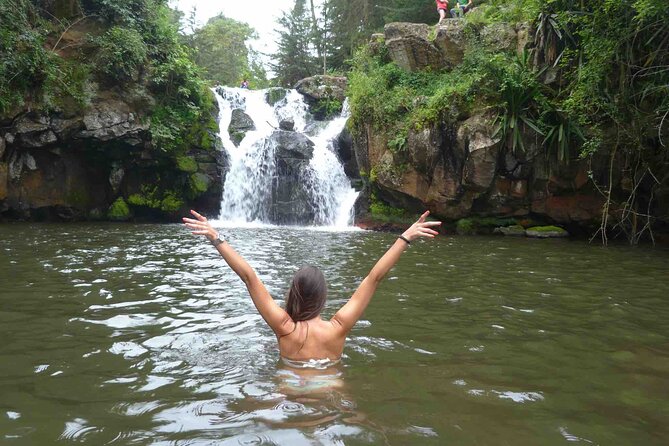
- Ndoro Waterfalls adds real walking: Expect a hike through greenery, with the option to swim in the pool if conditions allow.
- The Chagga story is central: Underground caves and the Chagga Live Museum give context to the village and its traditions.
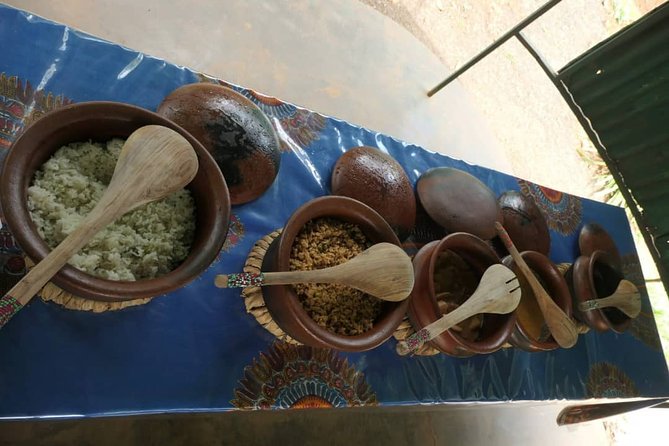
- Lunch is included: The day includes a traditional hot meal, with local drinks such as banana beer available to taste.
- The $150 price covers the core day: Lunch, taxes, listed entrance fees, crew wages, and a first aid kit are included.
- Plan for a full day: Pickup can be arranged, the listed start is 8:00 am, and the activity finishes back at the meeting point.
Why Marangu makes a fine day beyond Kilimanjaro
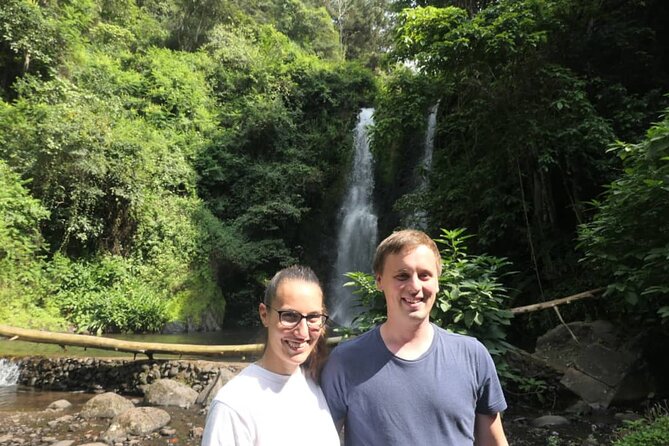
Marangu sits on the lower slopes of Mount Kilimanjaro and is the starting point for treks using the Marangu Route. You may get a chance to photograph the mountain near Marangu Gate at about 1,900 meters, though clear views depend on the weather.
That setting gives the day a useful sense of place. You are not simply visiting a waterfall in isolation. The coffee plots, village paths, caves, and food all connect to life around the mountain. The Chagga people have long lived on these slopes, and the tour uses local sites to explain how families worked, defended themselves, and used the land.
I would choose this outing if you want a cultural day with some walking, rather than a standard city tour or a demanding mountain trek. You get a taste of Kilimanjaro country without committing to a multiday climb.
A few more safaris around Arusha worth a look
- 6 Days Serengeti Safari(hiking waterfalls &coffee tour)
★ 5.0 · 48 reviews - Materuni Waterfalls & Coffee making Cultural Tour | BURIGI CHATO SAFARIS LTD
★ 5.0 · 15 reviews - Levi: 3 Hour Snowmobile Safari Around Levi with Coffee Break
★ 4.8 · 145 reviews
The morning drive and first look at Marangu Gate
The day begins at 8:00 am, with a meeting point in Arusha and pickup available on request. Confirm the pickup details before booking, since the tour information lists both pickup as an option and Arusha as the starting location. The activity ends back at the meeting point.
The first listed stop is Marangu Falls, followed by the wider Marangu area. The schedule describes a visit to Marangu Gate, the entry point for Kilimanjaro’s Marangu Route. This is a good first pause because it gives you a visual link to the mountain treks that have made the area well known.
If the sky is clear, bring your camera for views toward Kilimanjaro. Do not build the whole day around seeing the summit. Mountain weather can change, and the strongest part of this tour is the combination of nature and culture, not a guaranteed mountain photograph.
Making coffee from bean to cup
The coffee farm is one of the most appealing parts of the experience because you do not just hear how coffee is produced. You get to take part in several stages: processing, roasting, and preparing a cup.
Your guide explains how coffee is grown and harvested locally. You then try some of the work yourself. That small act matters. It helps you understand that coffee is not simply a drink served at breakfast, but a crop that shapes daily work and local income around Kilimanjaro.
The stop should suit coffee drinkers and curious non-drinkers alike. You can watch the process closely, ask questions, and see the difference between raw beans and a finished brew. I would allow yourself time here rather than treating it as a quick photo stop. The hands-on work is the point.
The information does not specify the farm’s size, the coffee variety, or how long the lesson lasts. That means the exact depth of the visit may depend on the day and the guide. If coffee is your main interest, ask at the start how much time will be given to processing and roasting.
Hiking to Ndoro Waterfalls
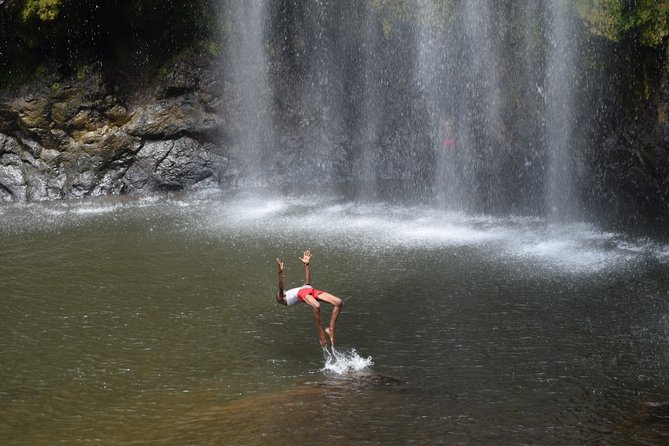
After the coffee stop, the day moves toward Ndoro Waterfalls, identified in the schedule as the waterfall visit. You walk through lush greenery to reach the falls. The route is part of the attraction, not just a way to reach the water, and the guide may explain plants and village life along the way.
The walk has earned strong praise for its scenery and sense of height. You may see village and Moshi views from higher ground, with Kilimanjaro appearing when the weather cooperates. The waterfall itself is described as one of the longer or taller falls in Tanzania, but exact measurements are not provided, so I would treat those descriptions as a general impression rather than a technical fact.
There is a pool where you can take a refreshing swim. The water is considered safe for swimming in the supplied details, but it can be very cold. Bring swimwear, a small towel, and shoes with a firm grip. The path and rocks may be wet, and you should not climb to the top edge or approach a drop carelessly.
This is not a gentle stroll for every person. The details say most people can participate, but the route still involves a hike, uneven ground, and wet conditions. If you have limited mobility or dislike steep paths, ask for a clear description before paying.
More History Tours in Arusha:
- Dubai Evening Heritage Safari by Vintage G Class Al Marmoom Oasis
★ 5.0 · 1,500 reviews - Dubai Camel Desert Safari, Traditional Meal & Heritage Activities
★ 5.0 · 937 reviews - Dubai: Heritage Safari in Vintage Land Rover with Dinner
★ 4.8 · 861 reviews - Dubai: Heritage Safari, Camel Ride & Al Marmoom Oasis Dinner
★ 4.8 · 431 reviews
Chagga caves and the story of survival
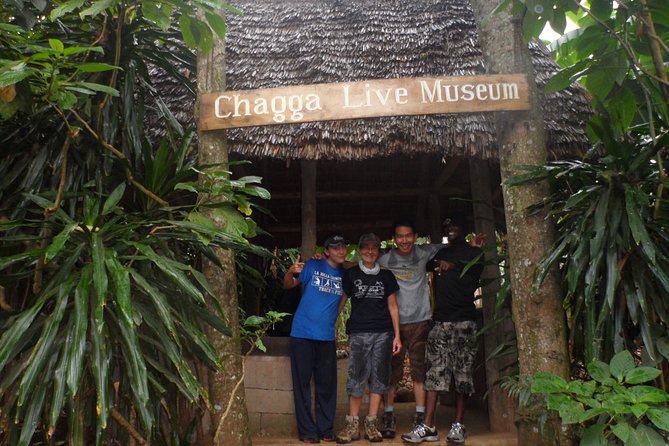
The underground caves provide the day’s strongest historical stop. They were built by the Chagga as defensive shelters during attacks involving Maasai migration onto the lower slopes of Kilimanjaro during times of drought. The tour explains that people sought food and water, and that conflict included killing and enslavement.
The caves are not just a dark tunnel added for drama. They help you see how communities adapted to danger and difficult conditions. Your guide illustrates the conflict while you walk through the underground network, turning a short visit into a lesson about local survival.
The historical account is presented through the tour’s Chagga perspective, so listen carefully and ask questions if you want more context. The supplied details do not state how long you stay underground or how extensive the accessible section is. Expect a site visit rather than a full archaeological tour.
You may want a small flashlight, although the tour provides no specific information about lighting. That is a practical question to ask before departure. Wear shoes you can use on both the waterfall trail and cave floor.
The Chagga Live Museum and village traditions
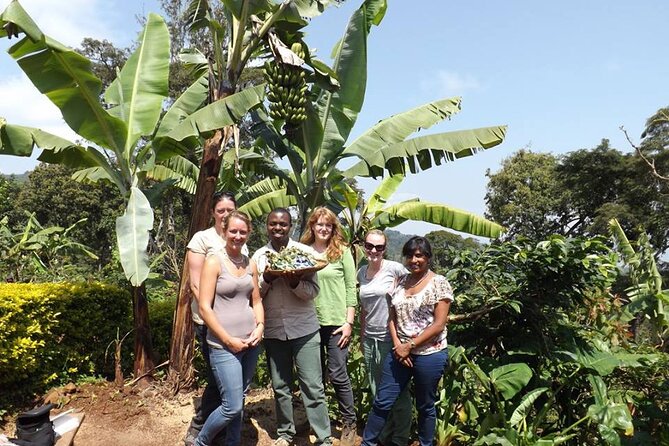
The Chagga Live Museum is a small outdoor museum focused on traditional Chagga life. It complements the caves nicely. The caves show defense and hardship, while the museum gives space to homes, customs, plants, and everyday practices.
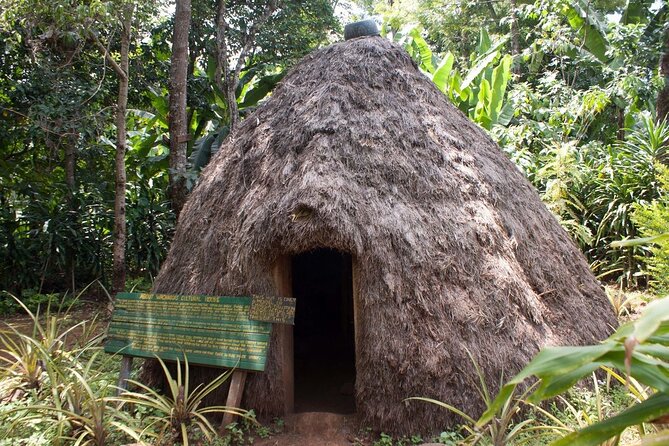
The experience may include traditional houses with straw roofing and introductions to local people involved in the visit. Guides may explain how plants are used, including plants that mark boundaries between family plots. Details such as these can make the museum feel less like a display and more like a window into village routines.
This is where the quality of the guide matters most. A good explanation can connect the house, farm, plants, food, and family structure. The tour information does not promise a named guide for every departure, although Geoffrey is mentioned in connection with arranging one version of the experience. Ask for the guide’s name and language ability when confirming your booking.
The museum is small, so do not expect a large collection or a long indoor exhibit. Its value comes from the explanation and the chance to connect objects and buildings with living traditions.
Lunch, banana beer, and a more personal welcome
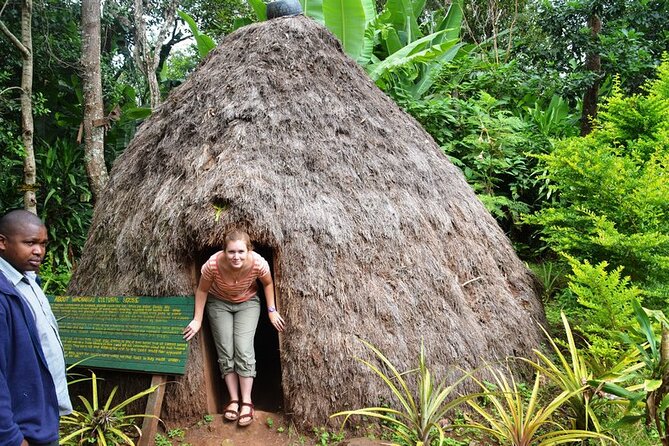
Lunch is included in the $150 price, and the meal is described as traditional and hot. In some arrangements, lunch takes place at a small restaurant. The experience may also include a family invitation, where local hosts prepare an African meal in a home setting.
That family-style element can be especially memorable because food gives you an easy way to meet people. It also makes the cultural part of the day feel less formal. You may be served local dishes and offered a taste of banana beer, a traditional drink in the area.
Banana beer is not the same as ordinary bottled beer, and the flavor may surprise you. Try it if you are comfortable, but do not feel obliged to drink. The tour description lists local spirits and banana beer as part of the cultural tasting, not as a requirement.
Because the meal setting can vary, ask whether your lunch will be at a restaurant or with a local family. If you have allergies, dietary restrictions, or religious food requirements, state them when booking. The supplied information confirms lunch is included but does not give a menu.
What the $150 price really buys
At $150 per person, this is not the cheapest way to spend a day around Kilimanjaro. Its value depends on how much you want included in one outing. You are paying for transport arrangements, a guide, several admission points, lunch, crew wages, taxes, and a first aid kit.
The price also combines several separate experiences that could otherwise require individual planning: a waterfall hike, a coffee activity, caves, a museum, food, and village interpretation. For a visitor with limited time in northern Tanzania, that bundled approach can make sense.
Do check the exclusions. Flights, visas, tips, additional park fees, and hotel costs are not included. The listing also says hotel pickup is available on request, so clarify if your particular pickup creates an extra charge or requires you to reach a set meeting point.
Tips for the crew are not included. Carry some cash if you want to thank the guide or other people who assist during the day. The amount is your choice, and the tour price should not be treated as covering it.
Who will enjoy this day most
I would recommend this tour to you if you want:
- A cultural outing with a moderate amount of walking
- A first look at the Chagga people, homes, food, and defensive caves
- A coffee activity where you take part rather than only watch
- A waterfall stop with the option of swimming
- A full day outside Arusha connected to Kilimanjaro country
It suits couples, families with older children, and small groups that enjoy a mix of scenery and local life. Most people can participate, according to the supplied details, but the hike and cave visit still call for sensible footwear and a reasonable level of fitness.
I would think twice if you want a quiet waterfall picnic, a short and easy walk, or a tightly timed luxury excursion. The day has many moving parts, and the exact flow may change with road conditions, weather, local hosts, and the pace of the group. The listed maximum is 200 people, which is a very large possible group, although the experience may operate with fewer people. Ask about your expected group size.
Practical packing advice for the eight-hour outing
Wear shoes suitable for damp, uneven paths. A sandal may work for the pool but is less useful on the hike and around the caves.
Pack swimwear, a towel, drinking water, sunscreen, insect repellent, and a light layer. Marangu is at altitude compared with Arusha, and the waterfall area may feel cool, especially after swimming.
Bring a phone or camera, but protect it from water during the falls visit. A small bag is easier to manage than a large suitcase. Keep some money for tips and any personal purchases, since the included price does not cover every extra cost.
The tour offers a mobile ticket, and confirmation is received at booking. Cancellation is free if you cancel at least 24 hours before the local start time. Inside that window, the payment is not refunded, and changes are not accepted.
Should you book the Marangu waterfall and coffee tour?
Book it if you want a broad, active day that links Chagga culture, coffee, caves, food, and a waterfall. The hands-on coffee work and the chance to swim give the outing a physical side, while the museum and caves add useful context.
Before booking, confirm four things: your pickup location, the likely group size, the lunch setting, and the walking conditions at Ndoro Waterfalls. If those details suit you, $150 can be fair value for a full day with lunch and several included admissions. If you mainly want a waterfall and a swim, choose a simpler outing. If you want to understand the people and places around Kilimanjaro, this is the stronger choice.
FAQ
Where does the tour start?
The listed meeting location is Arusha, Tanzania, with an 8:00 am start. Hotel pickup is available on request, so confirm the exact collection arrangement when booking.
Where does the tour finish?
The activity ends back at the meeting point in Arusha.
How long does the experience last?
The tour lasts approximately eight hours. The schedule gives about four hours to the waterfall and coffee portion and about four hours to the Marangu cultural visits, though exact timing can vary.
Is lunch included?
Yes. A traditional hot lunch is included in the tour price. The meal may be served at a small restaurant or arranged with a local family, so confirm the setting and menu if that matters to you.
Can I swim at the waterfall?
Yes. The waterfall pool is described as safe for swimming, but the water can be very cold. Take care around wet rocks and do not approach the top edge of the falls.
What is included in the $150 price?
The price includes lunch, listed fees and taxes, crew wages, and a first aid kit. Flights, visas, tips, additional park fees, and hotel costs are not included.
What is the cancellation policy?
You receive a full refund if you cancel at least 24 hours before the local start time. Cancellations or changes made less than 24 hours before the start are not accepted and are not refunded.
Just added around Arusha
- 6 days Tanzania budget safari★ 5.0 · 65 reviews
- 7 days great migration safari★ 5.0 · 77 reviews
- serengeti, ngorongoro & tarangire 5days private tour★ 5.0 · 77 reviews
- 5 days safari, hiking & culture (Serengeti & kilimanjaro)★ 5.0 · 27 reviews
- 5-Day Mid-Range Safari in Tanzania★ 5.0 · 33 reviews
- 4 days safari★ 5.0 · 34 reviews
- serengeti & ngorongoro 3 days private tour★ 5.0 · 15 reviews
- serengeti, ngorongoro & tarangire 4 days private tour★ 5.0 · 18 reviews
Arusha Safaris, compared.
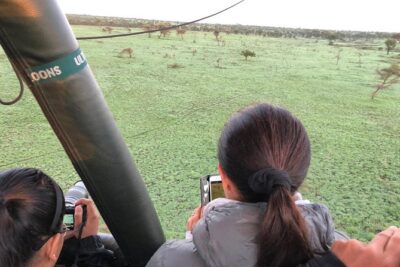
Balloon Safari & Bush Breakfast in Serengeti – Miracle Experience
Read our review →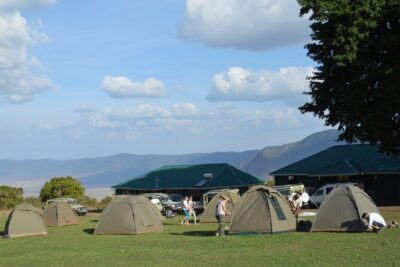
3 Days Serengeti & Ngorongoro Group Camping Safari
Read our review →
7-Day Premium Luxury Tanzania Safari All-Inclusive
Read our review →
5-Day Highlights mid-Range Crater, Serengeti, Tarangire
Read our review →
8 Days Great Wildebeest Calving Migration Safari from Arusha
Read our review →Browse the lists this tour appears in