
REVIEW · ARUSHA
Materuni Waterfalls & Coffee making Cultural Tour | BURIGI CHATO SAFARIS LTD
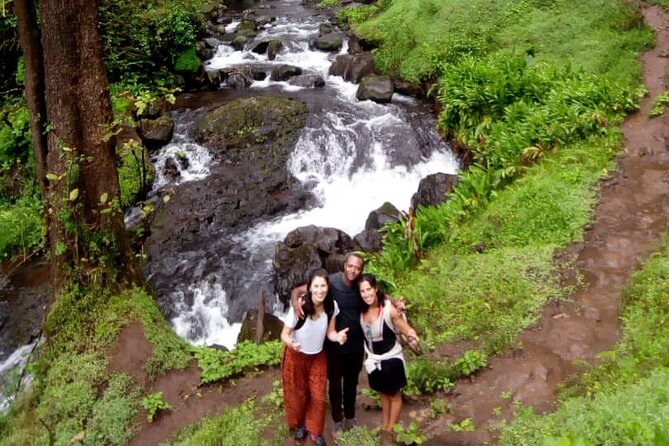
Materuni is not just a waterfall stop. It is a chance to spend part of the day in a Chagga village, handle coffee from bean to cup, and walk through thick green country on the lower slopes of Kilimanjaro. The waterfall provides the finale, with clear water, forest views, and possible glimpses toward Moshi and Kibo.
I especially like the hands-on coffee session, where you may pick coffee cherries, roast the beans over a wood fire, grind them, and prepare your own cup. I also like the local lunch, which gives the outing a more personal feel than a quick photo stop. The main consideration is the price: at $166.67 per person, this is not a cheap half-day excursion, especially if your transport arrangements are not fully clear at booking.
Key points
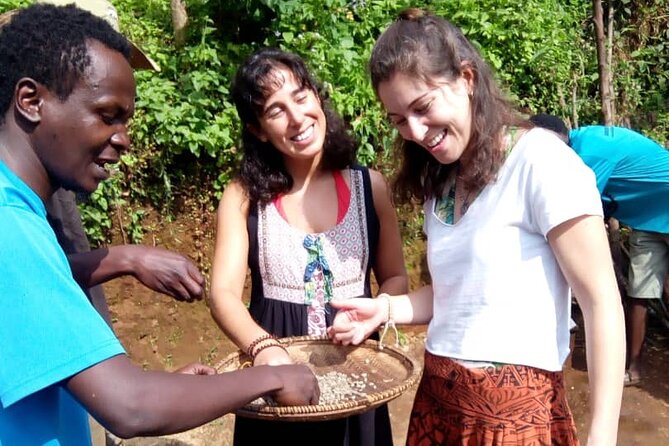
- Coffee goes from tree to cup: You take part in picking, processing, roasting, grinding, and brewing coffee in the local Chagga style.
- A 45-minute village hike: The walk to the waterfall passes through hills, valleys, rainforest, and farmland.
- A tall, dramatic waterfall: Materuni drops into a forested setting where you can take photographs and, according to the experience details, possibly swim.
- Lunch is included: The meal is served during the outing and may be accompanied by local hospitality, music, or dancing.
- A good post-Kilimanjaro outing: The cool forest and waterfall can make a pleasant change after a demanding mountain climb.
- Six hours from Arusha: Pickup is offered, the start time is 8:30 a.m., and the activity returns to the meeting point.
Why Materuni Works as More Than a Waterfall Visit
Many waterfall excursions are mostly about arriving, taking photographs, and leaving. Materuni has more going on. The waterfall is the anchor, but the coffee work and village walk give the day its character.
Materuni lies at about 1,800 meters on the slopes of Kilimanjaro. The air is cooler than in lower-lying Arusha or Moshi, and the area receives enough rain to support coffee, banana plants, and thick forest growth. As you move through the village and surrounding countryside, your guide can explain local plants and the way people use the land.
The cultural part is not a staged museum display. You are taken to a small coffee farm and shown the practical steps that turn ripe cherries into a drink. That makes this a good choice if you want direct contact with local life but do not want to spend a full day in a formal cultural center.
The setting also gives the trip a useful sense of place. Kilimanjaro is not only a mountain to climb or photograph from a distance. The lower slopes are working communities, farms, footpaths, and forest. Materuni lets you see that side of the mountain.
A few more safaris around Arusha worth a look
- 6 Days Serengeti Safari(hiking waterfalls &coffee tour)
★ 5.0 · 48 reviews - Marangu waterfall & Coffee making Cultural Tour | BURIGI CHATO SAFARIS CO LTD
★ 5.0 · 12 reviews - Levi: 3 Hour Snowmobile Safari Around Levi with Coffee Break
★ 4.8 · 145 reviews
Starting at 8:30 a.m. From Arusha
The tour begins at 8:30 a.m. in Arusha, with pickup offered and an end point back at the meeting location. The listed duration is about six hours. That makes it manageable as a day activity before or after other plans, though you should allow extra flexibility around road conditions and the pace of the group.
The experience information describes a private car and guide wages as included, along with entrance fees and taxes. One booking account refers to company transport costing an additional $40, so I would confirm exactly what pickup covers before paying. Ask if the quoted price includes transport from your particular hotel, not just transport from a central meeting point.
The drive takes you toward the Kilimanjaro foothills and eventually to Materuni Village. The change from town to cultivated mountain country is part of the appeal. You are not simply being dropped beside a waterfall. You are moving into a different environment, where the village and farm are part of the attraction.
The tour allows up to 100 participants, although the experience may operate in smaller groups depending on the booking. If you care about a quiet walk or a more personal coffee lesson, ask about the expected group size. The guide is central to the quality of the day, since the coffee preparation and village explanations depend heavily on how much time and attention you receive.
Picking Coffee and Learning the Chagga Method
The coffee session is the most distinctive part of the outing. You visit a small farm and learn how coffee is grown, picked, processed, roasted, and prepared. The activity is not limited to watching someone else work. You may be invited to pick cherries from the tree and help with several stages of preparation.
The beans are roasted over a wood fire, then ground and brewed. This makes the process easy to understand because you can see and handle each step. It also shows the difference between coffee as a packaged product and coffee as a crop that requires steady work before it reaches a cup.
Local songs and dancing may accompany the preparation. That can make the session lively, but it is worth keeping your expectations sensible. This is a cultural introduction during a half-day outing, not a long-form study of Chagga traditions. Its value comes from the direct activity, the setting, and the chance to ask questions.
I like this part because it gives you something to do with your hands. You are not just collecting photographs of a coffee farm. You are involved in making the drink you later taste. If coffee is your main reason for booking, tell the guide at the beginning so enough time is given to the farm visit and preparation.
The guides connected with past bookings include Martin and Gabriel. Martin is described as teaching guests how to pick coffee from the tree and prepare a cup, while Gabriel is described as a local guide who arranged the farm visit, lunch, and village connections. Guides can change, but these accounts suggest that a local guide can make a real difference here.
The Walk to Materuni Waterfalls
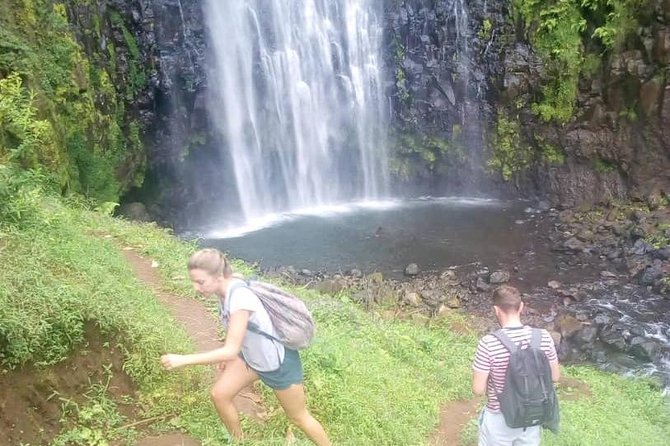
After the coffee session, you set out on a hike of about 45 minutes to Materuni Waterfalls. The route passes through hills and valleys, with forest and cultivated areas along the way. It is not a technical mountain trek, but it is still a real walk, and wet or uneven ground can make it more tiring than the distance suggests.
The path runs through the village and its surrounding countryside. You may encounter local residents and children along the way, and your guide can explain plants and everyday life in the area. That village approach is one reason I prefer Materuni to a drive-up viewpoint. You see the place as a lived-in community before reaching the natural attraction.
The walk is part of the experience, not merely a transfer between two stops. Wear shoes with a firm sole and bring clothes that can handle mud or spray. The tour details do not give an exact walking difficulty, so anyone with mobility concerns should ask for current trail information before booking.
The high elevation also matters. Materuni sits around 1,800 meters, which is higher than Arusha. Most people can participate according to the activity information, but the walk may feel harder if you have just finished a strenuous Kilimanjaro climb or are not used to hills.
More History Tours in Arusha:
- Dubai Evening Heritage Safari by Vintage G Class Al Marmoom Oasis
★ 5.0 · 1,500 reviews - Dubai Camel Desert Safari, Traditional Meal & Heritage Activities
★ 5.0 · 937 reviews - Dubai: Heritage Safari in Vintage Land Rover with Dinner
★ 4.8 · 861 reviews - Dubai: Heritage Safari, Camel Ride & Al Marmoom Oasis Dinner
★ 4.8 · 431 reviews
Reaching the Waterfall and Taking a Swim
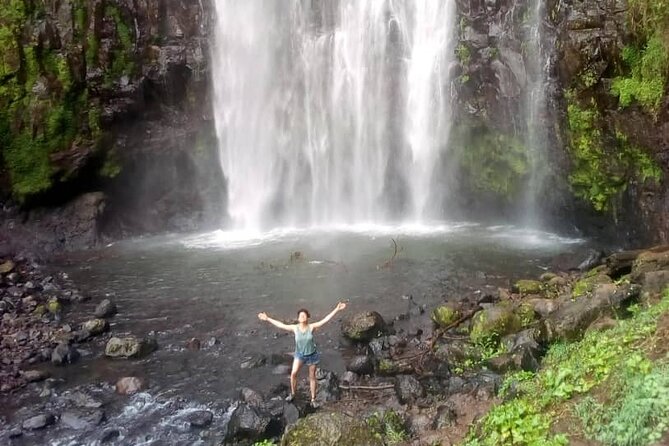
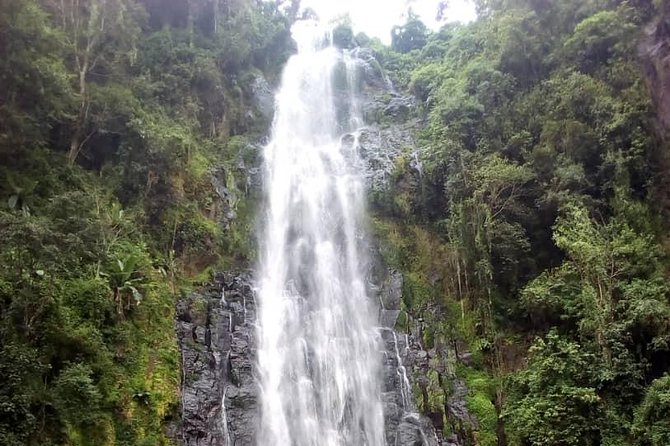
Materuni Waterfalls is described as one of the highest and most impressive waterfalls in the area. Water drops through a forested setting into a pool below, with the surrounding greenery giving the place a cool, enclosed feel.
The water has been described as both fresh and cold, while another account mentions swimming and water that felt warm. Conditions can change with weather, time of day, and individual comfort, so treat swimming as an option rather than a guarantee of warm water. Bring a swimsuit and towel if you may want to get in, but use care around slippery rocks and moving water.
This is the place for photographs. The falls, forest, and steep surrounding country create a stronger scene than a simple roadside cascade. On clear days, the area can also offer views toward Moshi Town and Kibo, the summit area of Kilimanjaro. Mountain views are weather-dependent, so do not judge the trip solely by whether Kibo appears.
The waterfall stop also gives you time to slow down. After the walk, you can sit near the water, take photographs, and enjoy lunch. The experience information says lunch is included, and accounts of the outing describe an African meal shared near the waterfall or with local hosts.
Lunch With a Local Touch
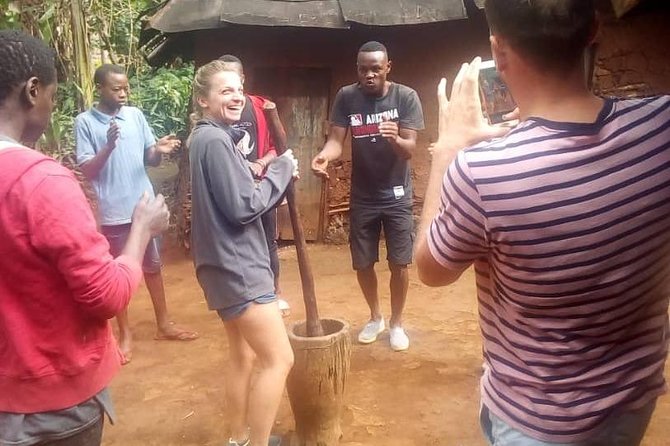
Lunch is more than a practical inclusion. It is one of the moments that can turn the trip from a standard excursion into a cultural visit. The meal may include local food prepared in the village, and some arrangements involve guests helping with part of the food preparation.
Do not expect a restaurant menu or a choice of several courses. The strength of this meal is its setting and connection to the community. If you have allergies, dietary restrictions, or strong food preferences, tell the operator in advance. The supplied details confirm that lunch is included, but they do not specify the dishes or provide a vegetarian menu.
Some accounts describe lunch accompanied by local hospitality, songs, or dancing. That can be enjoyable, but the quality and length of the presentation may depend on the day and the hosts available. I would approach it as a shared meal rather than a formal performance.
Is $166.67 a Fair Price?
At $166.67 per person, the cost is high for a six-hour activity. The value improves if the price truly includes pickup, a private car, guide wages, lunch, entry fees, and taxes. It also includes several separate experiences: a village visit, farm lesson, coffee preparation, guided walk, waterfall stop, and meal.
The price is easier to justify for someone who wants a private or carefully arranged day and does not want to organize separate transport, a local guide, village access, and entry fees. It is less attractive if you are mainly looking for a quick waterfall visit or are comfortable arranging local transport yourself.
I would compare the final price carefully. The information provided says a private car is included, while one account mentions a $40 transport charge. That may reflect a different pickup arrangement, but it is exactly the kind of detail that should be settled before booking.
The strongest value lies in the human side of the outing. You are paying for access, coordination, explanations, and participation, not just a view. If coffee making and local food matter to you, the cost makes more sense. If the waterfall is your only priority, there may be cheaper ways to reach a waterfall, though this specific package combines more elements in one morning and afternoon.
Who Will Enjoy This Day Most
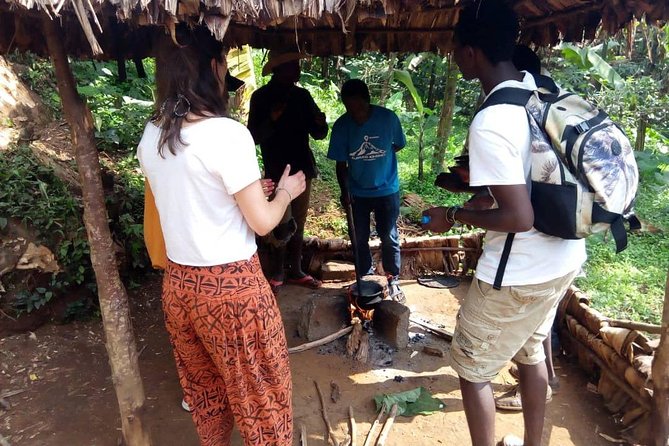
I would recommend Materuni to coffee lovers, first-time visitors to the Kilimanjaro region, and anyone who wants a gentle cultural activity alongside outdoor scenery. It also suits people looking for something to do in Moshi or Arusha after a Kilimanjaro climb.
The day has enough variety for couples, families, and small groups. You get practical activity at the farm, a walk through the countryside, time beside the water, and lunch. The experience information says most people can participate, but the hike means it is not ideal for anyone unable to manage uneven paths or a 45-minute uphill or downhill walk.
It is also a good choice if you prefer a local guide who can answer questions instead of a purely scenic drive. Guides such as Martin and Gabriel are associated with personal attention and detailed explanations, though the assigned guide can vary.
You may want another activity if you dislike walking, want a large wildlife experience, or have only a few hours and need a precise return time. The six-hour estimate is useful, but the day still involves driving, a village visit, a hike, and lunch. Leave room in your schedule.
Booking Details and Weather Planning
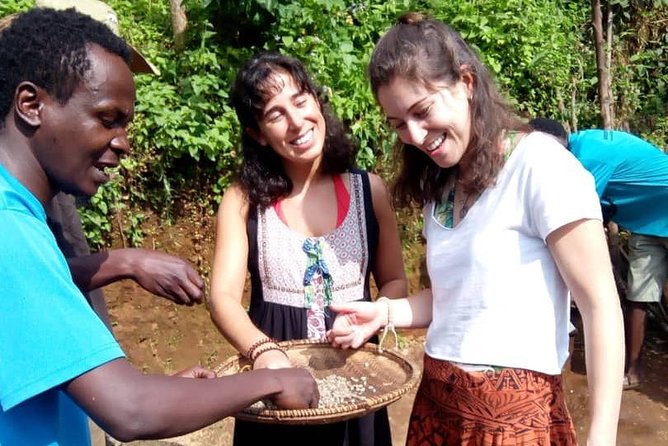
Confirmation is provided at booking, and the tour requires reasonable weather. If poor weather causes cancellation, you can receive a different date or a full refund.
You can cancel for a full refund up to 24 hours before the 8:30 a.m. start time. Changes or cancellations made less than 24 hours before the activity are not accepted for a refund, and the cut-off follows local time.
Pickup is offered, but confirm the exact pickup area and any transport supplement. Also ask about the expected group size, the assigned guide, swimming conditions, lunch arrangements, and the current trail condition.
Pack light, practical items:
- Comfortable shoes with grip
- A swimsuit and towel if you may swim
- A rain layer or change of clothes
- Sun protection
- Water and a small day bag
- Room for coffee or craft purchases if you plan to shop locally
Should You Book Materuni Waterfalls and Coffee Making?
Book this tour if you want a full half-day experience rather than a quick waterfall photograph. The coffee work is the main reason to choose it, and the village meal and guided walk add substance to the outing.
I would be more cautious if $166.67 stretches your budget, if you only want to swim, or if the walking route is a concern. Confirm transport costs before booking, since the supplied information is not fully consistent on that point.
For a post-Kilimanjaro day, Materuni makes particular sense. You can trade summit effort for forest air, coffee made by hand, a local meal, and the sound of falling water. Just confirm the practical details, then book it for the culture and coffee as much as for the waterfall.
FAQ
Where does the Materuni tour start?
The tour starts in Arusha, Tanzania, at 8:30 a.m. Pickup is offered, and the activity ends back at the meeting point.
How long does the experience last?
The experience lasts approximately six hours.
How far is Materuni Village above sea level?
Materuni Village is located at approximately 1,800 meters above sea level on the slopes of Kilimanjaro.
What happens during the coffee experience?
You visit a small coffee farm and learn how coffee is grown, harvested, processed, roasted, and prepared. You may also pick coffee from the tree and help make your own cup.
Is lunch included?
Yes. Lunch is included in the tour price.
Is the waterfall hike long?
The walk from the village to Materuni Waterfalls takes about 45 minutes.
Can you swim at Materuni Waterfalls?
Swimming has been part of the experience described, but water conditions can vary. Bring a swimsuit if you want the option to swim.
Is transport included?
The tour information lists a private car as included, but one account refers to a separate $40 transport charge. Confirm the pickup arrangement and final transport cost before booking.
Are entry fees included?
Yes. All fees and taxes are listed as included.
What happens if bad weather cancels the tour?
If poor weather causes cancellation, you will be offered another date or a full refund. For your own cancellation, you must cancel at least 24 hours before the start time for a full refund.
Just added around Arusha
- 6 days Tanzania budget safari★ 5.0 · 65 reviews
- 7 days great migration safari★ 5.0 · 77 reviews
- serengeti, ngorongoro & tarangire 5days private tour★ 5.0 · 77 reviews
- 5 days safari, hiking & culture (Serengeti & kilimanjaro)★ 5.0 · 27 reviews
- 5-Day Mid-Range Safari in Tanzania★ 5.0 · 33 reviews
- 4 days safari★ 5.0 · 34 reviews
- serengeti & ngorongoro 3 days private tour★ 5.0 · 15 reviews
- Serengeti & Ngorongoro fly in safari★ 5.0 · 76 reviews
Arusha Safaris, compared.
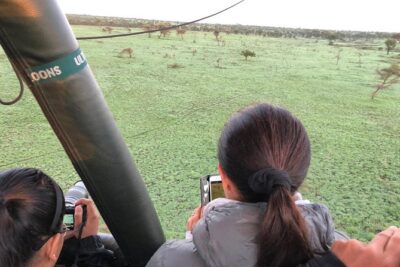
Balloon Safari & Bush Breakfast in Serengeti – Miracle Experience
Read our review →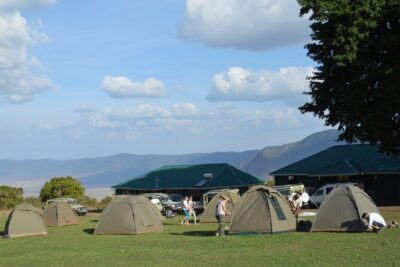
3 Days Serengeti & Ngorongoro Group Camping Safari
Read our review →
7-Day Premium Luxury Tanzania Safari All-Inclusive
Read our review →
5-Day Highlights mid-Range Crater, Serengeti, Tarangire
Read our review →
8 Days Great Wildebeest Calving Migration Safari from Arusha
Read our review →Browse the lists this tour appears in