
REVIEW · USA
San Diego: San Diego Zoo Safari Park 1-Day Ticket
The most memorable part of San Diego Zoo Safari Park is its sense of space. This is not a compact city zoo. Across 1,800 acres, animals live in broad field enclosures, and the Africa Tram gives you a relaxed look at several species in one outing. I especially like the elevated elephant walkway and the chance to see California condors, a conservation success story with a very local connection.
I also like the park’s clean, leafy paths and the helpful red-shirted volunteers who can point you toward the next habitat. Arrive at opening if you want quieter trails and a better chance of riding the tram early. The main drawback is simple: the park is huge, so you need good walking shoes, a plan, and patience when an animal chooses not to appear.
Key points to know before you go
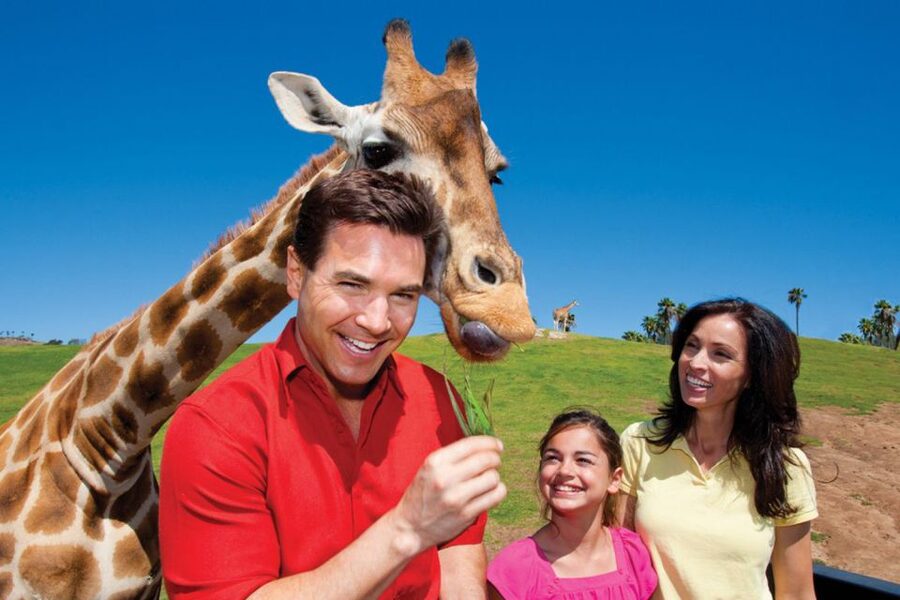
- Open-field habitats: See African animals in broad enclosures rather than tight exhibit spaces.
- Africa Tram included: The guided tram runs daily from 10 a.m. to 4:15 p.m., but availability can change.
- Best early-morning strategy: The park fills up by late morning, especially on busy days and during school visits.
- Birdlife is a major strength: Wings of the World Aviary houses more than 140 birds from 40 species.
- Family-friendly extras: Discovery Station, Savanna Cool Zone, Lorikeet Landing, and the Petting Kraal break up the walking.
- Bring a realistic budget: The $76 admission includes major park attractions, but parking, meals, and optional upgraded safaris cost extra.
What makes this park different from the San Diego Zoo
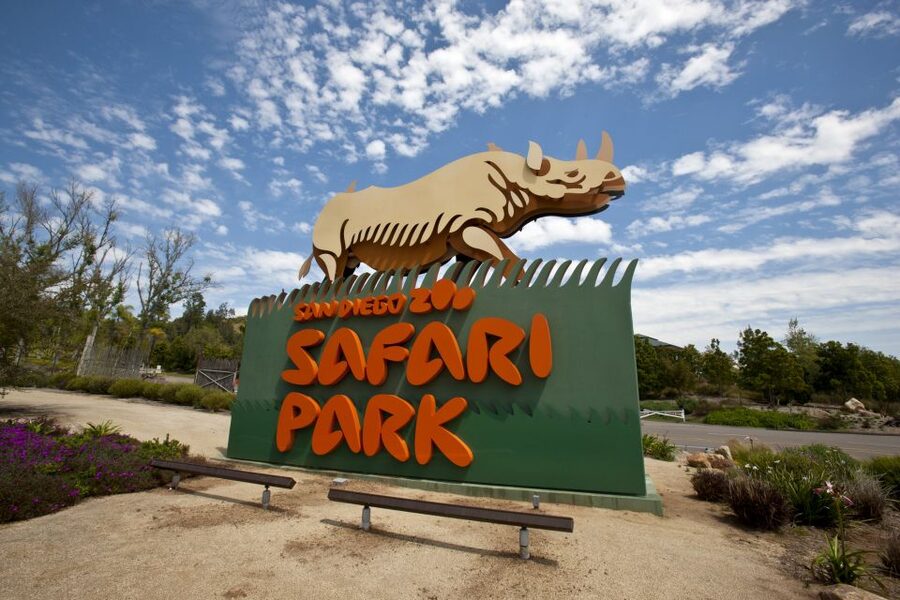
First, check your map carefully. San Diego Zoo Safari Park is in Escondido at 15500 San Pasqual Valley Road, roughly a one-hour drive from San Diego. It is a separate attraction from the better-known city zoo, and the experience feels different from the start.
The city zoo is designed around many individual exhibits. The Safari Park spreads animals across a much larger area, with open habitats, long walking routes, and wide views. You will spend more time moving between areas here, but you also get a stronger sense of distance and scale.
The park is home to more than 3,000 animals representing about 375 species. Its work supports conservation programs in more than 35 countries, so your admission helps fund more than a day of entertainment. You can see that purpose in places such as Condor Ridge, where the focus is not only on seeing an animal but also on understanding why its survival matters.
The tradeoff is that you cannot count on seeing every animal. Heat, weather, animal health, and daily care routines can affect what is available. The elephant or cat areas may be quiet during your visit, and some programs can be canceled.
A few more safaris around the USA worth a look
- San Diego Zoo Safari Park 1-Day Pass: Any Day Ticket
★ 4.0 · 378 reviews - San Diego Zoo Safari Park 1-Day Ticket
★ 4.5 · 283 reviews - San Diego Zoo and Safari Park 2-Day Entry Ticket
★ 4.5 · 85 reviews
Arriving early makes the 1,800-acre park easier
The strongest practical tip is to arrive when the gates open. The park can feel calm in the first few hours, giving you more time at popular areas before school groups and other crowds arrive. By early afternoon, the paths may be much busier, and a visit that began peacefully can feel more tiring.
Your mobile voucher allows you to go directly to the entrance turnstiles instead of stopping at the ticket window. This saves time, but it only skips the admission line. It does not reserve a place on the Africa Tram, so do not assume that entering quickly guarantees a tram seat.
Take a park map as soon as you enter. Some paths and junctions are not easy to follow, and a few visitors have found the layout confusing. Staff and volunteers are usually available to give directions, but you will enjoy the day more if you decide on a rough route before walking deep into the park.
The park has shaded paths and plenty of foliage, but Southern California sun is still a factor. Wear a hat, use sunscreen, and carry water. Comfortable shoes matter more here than fashionable ones.
Africa Tram turns several habitats into one easy ride
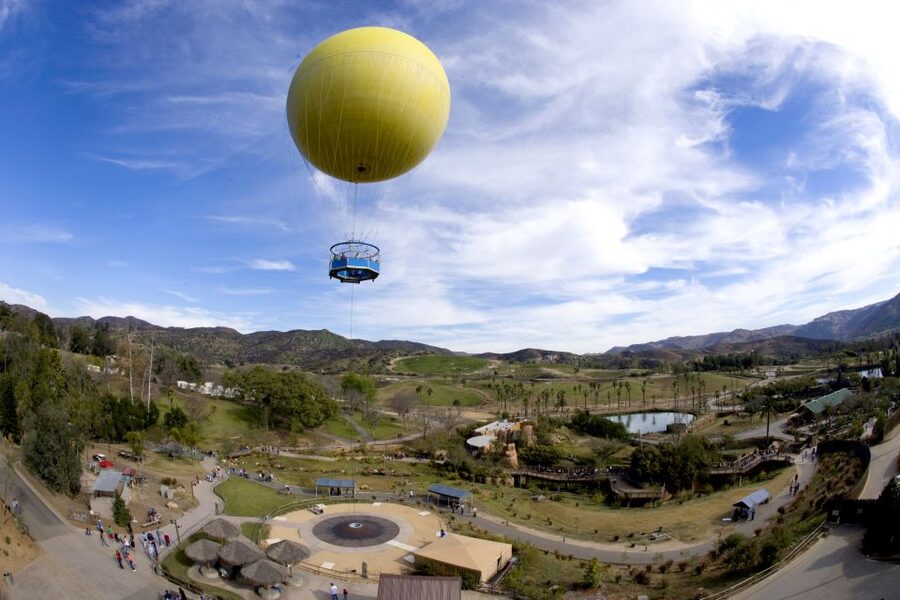
The Africa Tram is included with admission and operates from 10 a.m. to 4:15 p.m. daily, subject to availability. It is one of the best ways to rest your legs while seeing a wide range of African animals from a moving vehicle.
The ride is especially useful early in the day, before you have spent hours walking. It also helps you understand the layout of the large African habitats. The experience is guided, so you get more than a drive past animals, although the exact sightings depend on where the animals are at that moment.
Go to the tram area early if this ride is a priority. The admission line and tram line are separate, and skipping one does not skip the other. The ride may also be unavailable because of weather, operational changes, or animal-care needs.
If the tram is not running, you can still explore much of the park on foot. One visitor with limited mobility found an electric chair helpful for covering about two hours of the park, and wheelchair access is available. Rental details are not included with this ticket, so check directly with the park if you need equipment.
Lion Camp and Tiger Trail bring you close to big cats
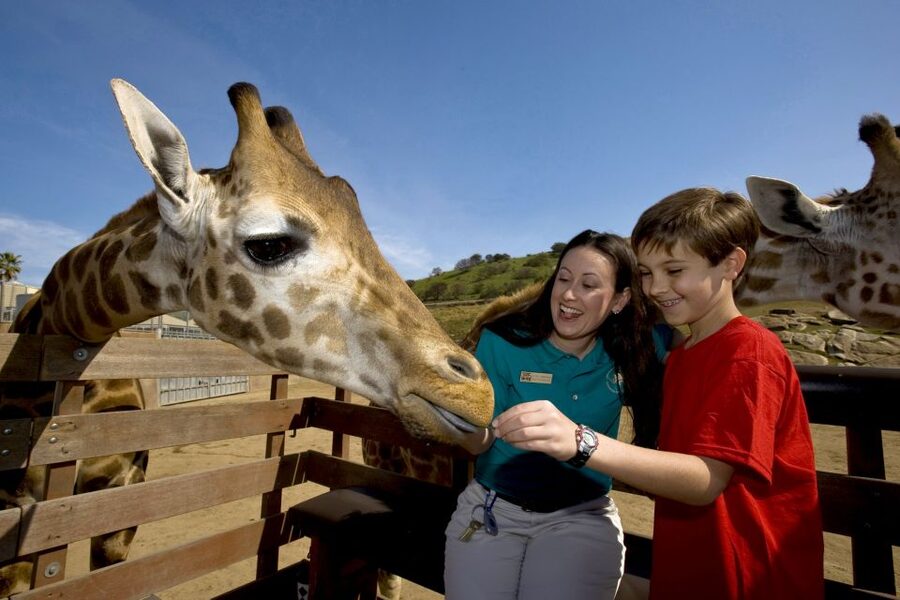
Lion Camp is designed for close viewing, with glass that lets children and adults see lions at a short distance when the pride approaches. It is a strong stop for families because the viewing point gives children a clear, direct look rather than a distant glimpse.
Tiger Trail focuses on Sumatran tigers and the wider wildlife of Sumatra, including orangutans, rhinos, and elephants. The setting links these animals to a place of volcanoes and rainforest, while also explaining the pressure faced by endangered species.
Animal sightings are never guaranteed. Cats may rest out of view, and one part of the park can be active while another is quiet. If you care most about tigers or lions, visit more than once during the day rather than waiting in one spot for too long.
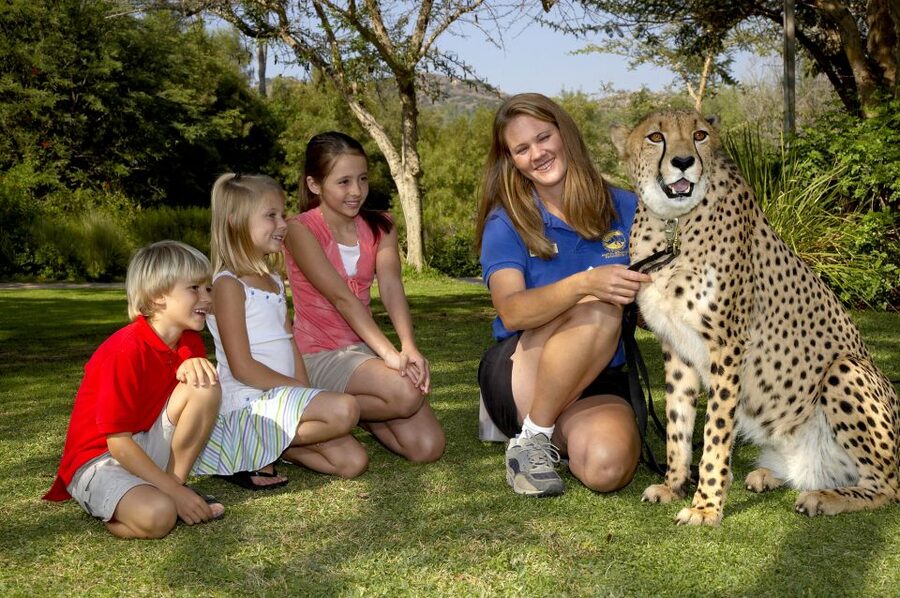
Cheetah Run is included in admission, and Cheetah Tales offers a closer look at cheetah ambassadors in the Heart of Africa area. The park also presents animal encounters with ambassadors such as cheetahs, alligators, and servals, though schedules can change.
Same country, a different kind of drive:
- Miami: Everglades Safari Park Airboat Tour
★ 4.4 · 1,267 reviews - Grand Teton Wildlife Safari in a Enclosed or Open-Air Vehicle (season dependent)
★ 5.0 · 1,212 reviews - Everglades Airboat Safari Adventure with Transportation
★ 3.0 · 956 reviews - 3 Hour Off-Road Sunset Safari to Grand Canyon with Entrance Gate Detour
★ 5.0 · 904 reviews
Elephant Overlook offers one of the park’s best viewpoints
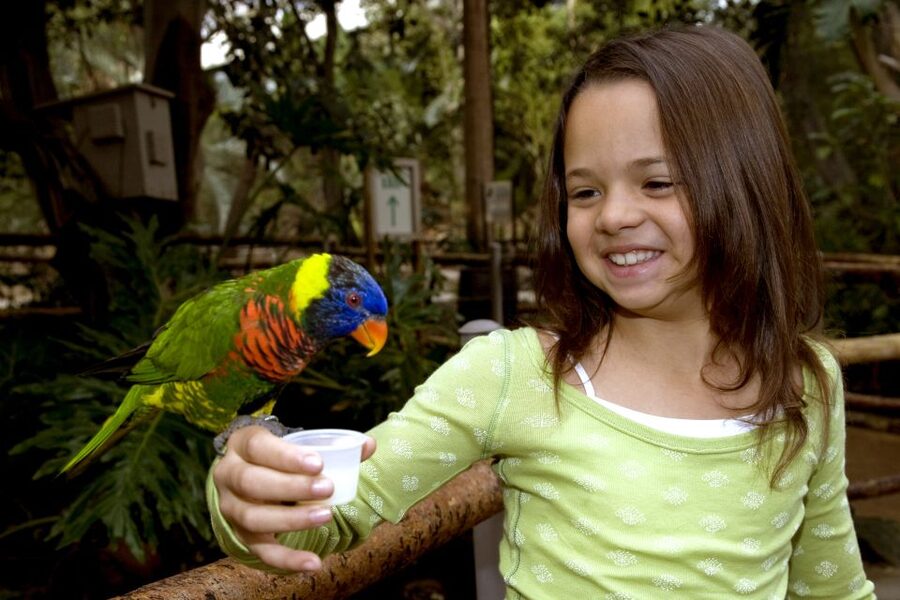
At Elephant Overlook, an elevated walkway brings you closer to the elephant herd. It is a good example of how the park uses height and distance to create a clearer view without placing you inside an animal enclosure.
Morning Elephant Enrichment is another worthwhile stop. You can watch the herd receive treats and observe the animals at a more active time of day. Young elephants born at the park are part of the attraction, and the setting gives you a chance to watch herd behavior rather than simply look at a single animal.
The elephant area can be popular, so early arrival helps. Still, the animals control the schedule. If they are resting or elsewhere in the habitat, you may see less than expected. That uncertainty is part of any real animal park, but it is worth remembering when planning a one-day visit.
Heart of Africa and Condor Ridge add more than animal photos
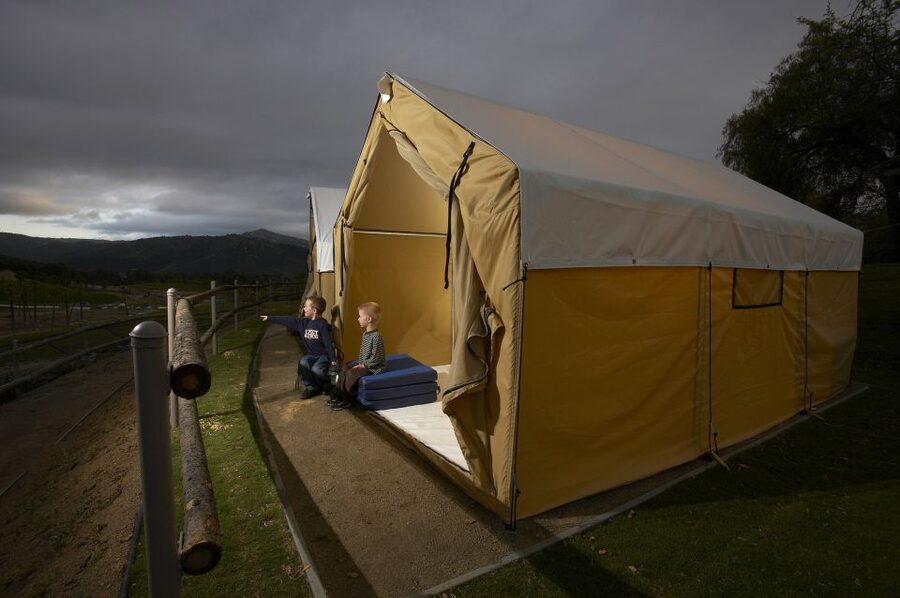
Heart of Africa follows winding paths through forest and savanna areas toward a lake. Jamison Research Island Interpretive Center adds context about field research and conservation work, giving the area more purpose than a simple viewing loop.
The walk can be peaceful, especially when the park is quiet. It is also one of the places where the shade and plant life become part of the experience. You might find yourself paying as much attention to the trees and birds as to the large animals.
Condor Ridge shifts the focus to North American wildlife. The trail includes bighorn sheep and information about California condors, a bird that once faced an extremely serious threat in the wild. Seeing a condor here connects the animal to active conservation work in California.
I recommend saving Condor Ridge for a slower part of the day. It provides a change of pace after the African areas and offers useful background for children who know the condor mainly as a large bird.
Wings of the World and Hidden Jungle reward careful looking
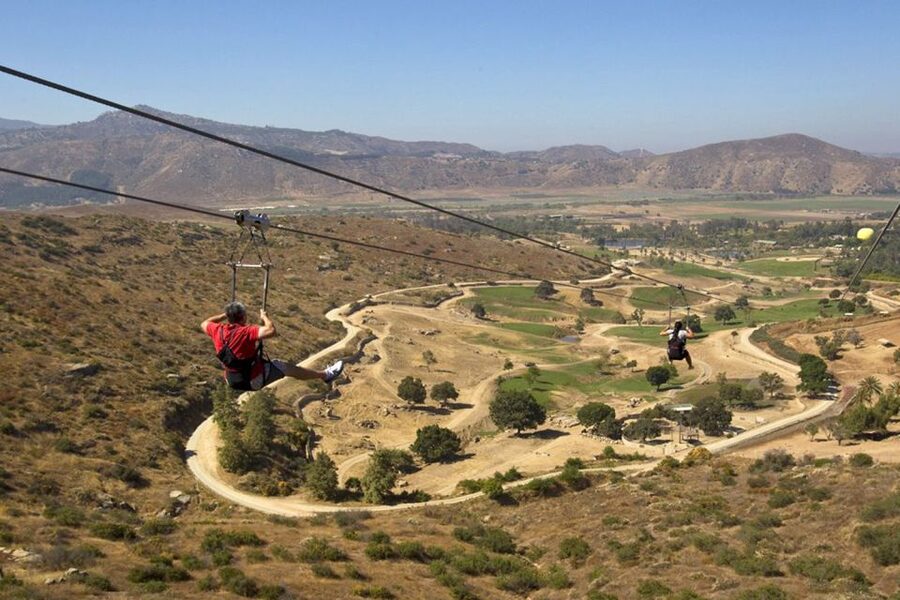
Wings of the World Aviary recreates natural habitats for more than 140 birds from 40 species. The free-flight setting lets you watch birds move through the space rather than simply viewing them behind separate barriers.
This area can be easy to rush. Slow down, look above eye level, and listen for movement in the vegetation. It is a good choice when you want a quieter stop or when younger children need a break from large mammals.
Hidden Jungle is a tropical greenhouse filled with birds, insects, and plants. It also hosts the annual Butterfly Jungle event. The greenhouse offers a different climate and mood from the open paths, so it works well as a mid-day stop when the sun is strongest.
Lorikeet Landing is another interactive bird area. Entry is free, while food for hand-feeding the lorikeets costs extra. You can watch the colorful birds swoop in for nectar, but remember that the food purchase is not part of the $76 ticket.
Family stops help break up the walking
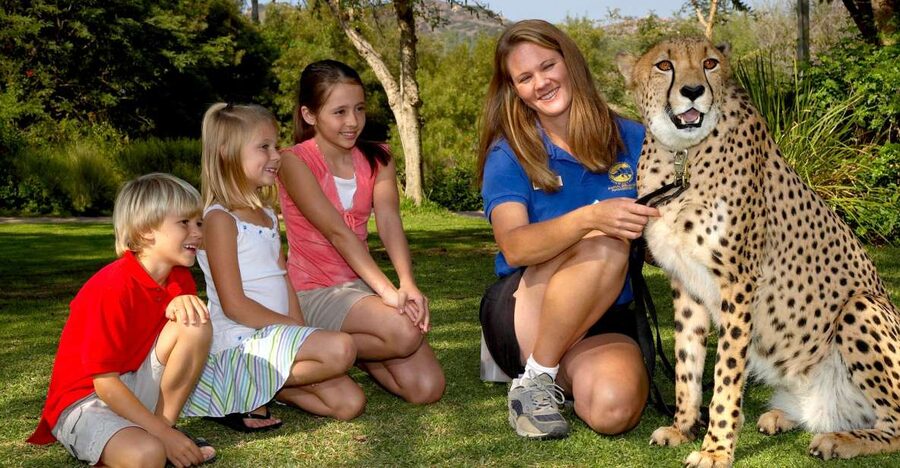
The park is a strong choice for families because it offers more than animal viewing. Discovery Station gives children musical instruments, puppets, books, crafts, and wildlife toys. It is useful when young children need an active pause rather than another long trail.
Savanna Cool Zone provides shade, palm trees, mist, and water-spouting animal features. It is a welcome stop on a warm day, especially for children who have begun to tire.
At the Petting Kraal, you can touch gentle deer and antelope. The digital Have You Herd? exhibit uses a large screen and a zebra named Robert to share facts and jokes. It gives children a playful way to learn about zebras without adding another long walk.
Frequent Flyers is a bird show featuring the East African crowned crane and other birds from around the world. Animal Encounters may offer face-to-face contact with animal ambassadors and trainers. Program times can shift, and shows may be canceled because of weather or animal health, so check the schedule when you arrive.
Plan food, parking, and extra safari costs before arrival
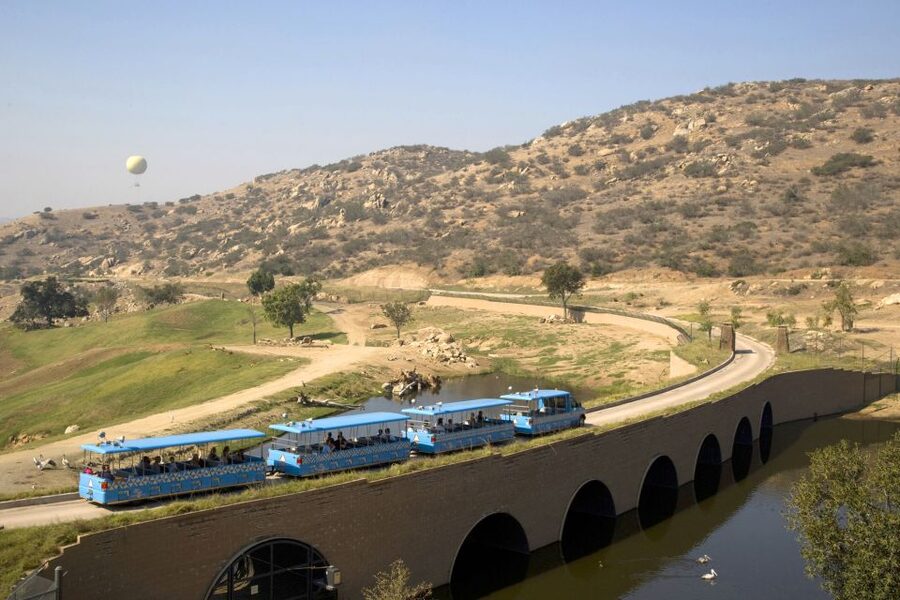
The $76 admission price is reasonable if you arrive early and stay most of the day. It includes entry, Africa Tram, Cheetah Run, and all scheduled shows. Since the park covers such a large area, a short visit will not make full use of the ticket.
Parking is not included, and neither are food or drinks. That matters because a full day here usually means at least one meal and several hours in the park. One lunch area received praise for the food but had a slow line, so avoid joining the busiest queue when every show is about to begin.
The ticket does not include premium safari upgrades. A Deluxe Caravan Safari costs extra, but it can appeal to you if you want a more specialized experience and are willing to pay beyond general admission. For many families, the included tram and Cheetah Run will be enough.
Children age 11 and younger receive free admission during October with a paid adult ticket. That offer can change outside the stated period, so October is the clearest value month for families who can arrange their visit then.
Who will enjoy this day most
I would recommend the park to families, animal lovers, bird watchers, and anyone who prefers open habitats to compact exhibits. It also suits visitors who enjoy walking through gardens and shaded paths, since the plant life is part of the appeal.
It is less suitable if you want a quick, tightly timed attraction close to downtown San Diego. The drive takes about an hour, parking costs extra, and the size of the park makes it hard to see everything without spending most of the day.
Older adults and anyone with walking limitations can still enjoy the park, but plan ahead. Wheelchair access is available, and electric chairs can make the long distances manageable. The Africa Tram also offers a useful rest from walking, although it is not always in service.
The ticket is valid for one year, but it is non-refundable. Check the park’s operating hours before you go, since schedules can change. If you have only one chance to visit, an early weekday is the safest plan for a calmer start.
Should you book the San Diego Zoo Safari Park ticket?
Book it if you want a full day outdoors, broad animal habitats, and a conservation-focused experience rather than a quick collection of exhibits. The included Africa Tram, Cheetah Run, shows, bird areas, and family zones give the $76 ticket solid value when you arrive early and stay several hours.
Skip it if you are short on time, dislike walking, or mainly want the downtown San Diego zoo. For everyone else, bring a hat, plan your first few stops, and accept that animals keep their own schedules. That is part of what makes the park feel more like a safari than a standard zoo visit.
FAQ
Where is San Diego Zoo Safari Park located?
The park is at 15500 San Pasqual Valley Road in Escondido, California, about a one-hour drive from San Diego.
How much does the one-day ticket cost?
The listed price is $76 per person.
How long is the ticket valid?
The ticket is valid for one year. You should check availability to see current starting times and confirm the park’s operating hours directly before visiting.
What does admission include?
Admission includes entry to San Diego Zoo Safari Park, the Africa Tram Safari, Cheetah Run, and all shows.
Is the Africa Tram included with the ticket?
Yes. The Africa Tram is included, but it is subject to availability and has its own line. Skipping the admission ticket line does not skip the tram line.
What time does the Africa Tram operate?
The Africa Tram operates from 10 a.m. to 4:15 p.m. daily, although schedules can change.
Are parking, food, and drinks included?
No. Parking, food, and drinks are not included in the ticket price.
Can I use a mobile voucher at the entrance?
Yes. You can use your GetYourGuide mobile voucher at the entrance turnstiles and bypass the admission ticket window.
Is the park wheelchair accessible?
Yes. The activity is wheelchair accessible. The park is large and involves substantial walking, so you may want to ask the park directly about mobility equipment and current access details.
Just added around the USA
- 3 Hour See Crystal River Wildlife Safari Boat Cruise★ 4.5 · 25 reviews
- Northern Yellowstone Safari from Cody, WY★ 4.5 · 24 reviews
- Red Canyon Wild Mustang Tours And Safaris In Cody Wyoming★ 5.0 · 27 reviews
- Wetlands Safari Eco-Cruise in Cape May (Osprey Birding By Boat)★ 5.0 · 113 reviews
- Yellowstone Wildlife Safari from Bozeman – Private Tour★ 5.0 · 140 reviews
- Yellowstone Winter Wildlife & Snowshoe Tour | PRIVATE★ 5.0 · 19 reviews
- Yellowstone Wildlife Safari in Lamar Valley from Bozeman★ 5.0 · 35 reviews
- Yellowstone Snowshoe Safari from Bozeman – Private Tour★ 5.0 · 18 reviews
USA Safaris, compared.

Grand Teton Wildlife Safari in a Enclosed or Open-Air Vehicle (season dependent)
Read our review →
Everglades Airboat Safari Adventure with Transportation
Read our review →
Off the Beaten Path Ketchikan Photo Safari – 3 hr.
Read our review →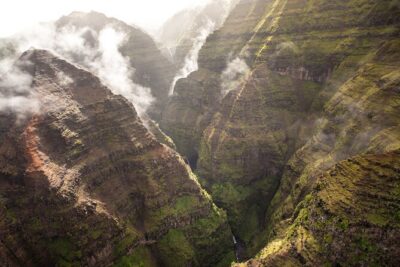
Kauai Deluxe Waterfall Safari: Helicopter Tour
Read our review →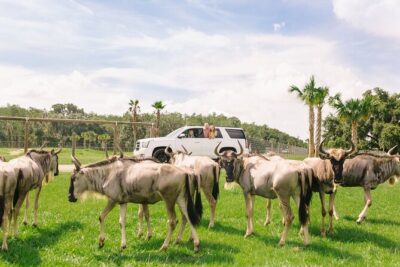
Wild Florida Drive-Thru Safari and Gator Park Admission
Read our review →
Wild Dolphin Watching and Snorkel Safari Off West Coast of Oahu
Read our review →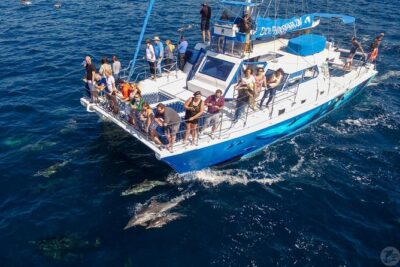
Dana Point Dolphin and Whale Watching with Underwater Viewing
Read our review →Browse the lists this tour appears in