
REVIEW · USA
Yellowstone Wildlife Safari from Bozeman – Private Tour
The real prize here is not ticking off Yellowstone sights. It is having a private naturalist guide who can change the day when wildlife appears. You may spend extra time in Lamar Valley, pause for a distant bear, or skip a stop when road work or weather gets in the way. I especially like the high-quality binoculars and spotting scopes, plus the locally sourced picnic lunch.
I also like the personal feel. Guides such as Kelsey, Gary, Grant, Randolph, and Nate have been praised for making the day work for families, including one 9-year-old who stayed interested through wolves, bears, elk, and mountain goats. The catch is the very early 6:00 am start, the long 10 to 11-hour day, and the $697.50 per-person price.
Quick points before you book
- Private route, not a fixed bus loop: Your guide adjusts the day for your interests, animal sightings, weather, traffic, and road work.
- Lamar Valley gets the most time: Plan on about two hours here, with extra wildlife stops around Slough Creek.
- Optics are included: UHD binoculars and spotting scopes help you see animals that are far from the road.
- Lunch is part of the package: You get a locally sourced picnic meal, snacks, and non-alcoholic drinks.
- The north side of Yellowstone is the focus: Mammoth, Tower Fall, the Yellowstone River, Lamar Valley, and Roosevelt Arch shape the day.
- This is a serious full-day outing: Pickup starts at Café M at 777 East Main Street in Bozeman at 6:00 am and returns there later.
A private Yellowstone day built around wildlife
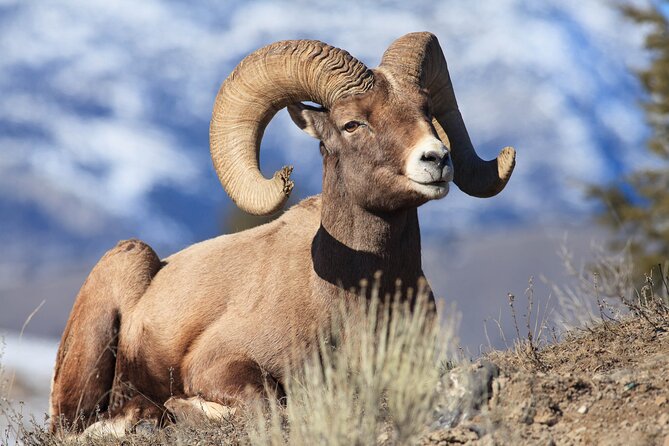
Yellowstone is too large to treat like a quick scenic drive. The park covers a huge area, and animals do not follow a sightseeing schedule. That makes the private format especially useful. Instead of joining a large group on a rigid route, you have a guide who can watch the day unfold and make choices with you.
The guides bring field experience and natural history knowledge, but their practical value is just as important. They can help you use the spotting scope, explain why an animal is behaving in a certain way, and decide how long a stop is worth. The strongest feedback has singled out guides by name. Kelsey has been praised for her teaching and her feel for the outdoors, while Gary helped one group see 18 kinds of animals, including a moose, four bears, and a nest of baby owls.
That does not mean you are guaranteed a list of animals. Yellowstone is wild, and sightings depend on season, weather, patience, and luck. But the guide’s experience gives you a better chance of noticing what you might miss from a private car window.
The tour uses comfortable vehicles, including a newer SUV described as roomy, clean, and well stocked. You can expect time in the vehicle, along with short walks and viewing stops. Tell your guide early if you want more walking, more animal watching, more geology, or quieter moments away from the busiest sights.
More Wildlife Safaris in the USA
- Grand Teton Wildlife Safari in a Enclosed or Open-Air Vehicle (season dependent)
★ 5.0 · 1,212 reviews - Half-Day Wildlife Safari Tour in Grand Teton National Park
★ 5.0 · 341 reviews - Half Day Grand Teton Wildlife Safari Tour
★ 5.0 · 259 reviews
Why the 6:00 am start matters
You meet at Café M on East Main Street in Bozeman at 6:00 am. That is early, but it is tied to the shape of the day. The northern route into Yellowstone requires a long outing from Bozeman, and a late departure would leave less time for Lamar Valley and the wildlife areas near Slough Creek.
An early start can also make the first part of the day feel purposeful rather than rushed. You get a full day in the park, with time for stops, meals, animal watching, and conversation. Still, be honest with yourself. If you dislike early mornings or long road days, this may feel demanding.
The tour lasts about 10 to 11 hours. That includes the drive from Bozeman, park stops, wildlife searches, lunch, and the return to the original meeting point. It is not a short introductory visit. You are paying for a full day of access to a guide’s time and attention.
Paradise Valley sets the scene
The first listed stop is Paradise Valley, the broad corridor between Livingston and Gardiner. The Gallatin Range lies to the west, the Absaroka Range to the east, and the Yellowstone River runs through the valley.
This is a useful opening stop because it puts the park in context before you enter it. The valley supports varied plant and animal life, and your guide can connect what you see to the area’s geology and past. It is also a chance to begin looking for wildlife without the pressure of a major landmark.
The scheduled stop is about 30 minutes. That is enough for a short search and a clear explanation, but not a long walk. Treat it as a warm-up for the day rather than the main event.
Mammoth Hot Springs brings geology into the day
At Mammoth Hot Springs, the visual focus shifts from open valley scenery to thermal activity. The area is famous for its travertine terraces, formed as mineral deposits build up over time. Algae in the pools adds brown and reddish tones.
This stop gives the day balance. You are not simply driving from one animal sighting to another. Yellowstone’s wildlife depends on a much older volcanic and geothermal system, and Mammoth helps explain that connection.
The listed stop lasts about 30 minutes. That is a practical amount of time for an overview, photographs, and a short look at the terraces. If you want an unhurried exploration of every section, the schedule may feel brief, but the private format lets your guide judge the day’s priorities.
More Big Five and Wildlife Safaris in the USA:
- Half Day Group Sunset Wildlife Safari
★ 5.0 · 134 reviews - Offshore Wildlife Safari and Reef Snorkel
★ 5.0 · 43 reviews - Yellowstone Winter Wildlife Safari from Bozeman
★ 5.0 · 42 reviews - Yellowstone Wildlife Safari in Lamar Valley from Bozeman
★ 5.0 · 35 reviews
Petrified Tree shows Yellowstone’s older story
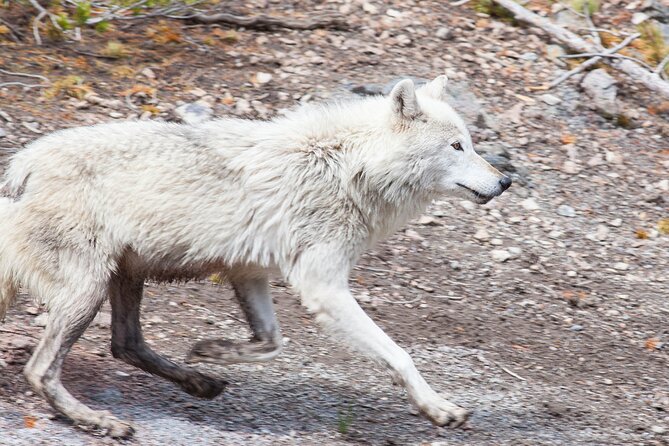
A petrified redwood can seem surprising in modern Yellowstone. Its presence points to a distant period when the area had a different climate and plant life. The tree is also tied to Yellowstone’s volcanic past, which makes it more than an odd roadside object.
Your guide can use this stop to connect trees, volcanic activity, and the changing conditions of the park over millions of years. The visit is listed at 30 minutes and does not require an admission fee beyond the park entry.
This is one of the quieter stops on the route. If your main goal is wildlife, you may value it as a short geological break. If you enjoy natural history, it may be one of the day’s more memorable details.
Tower Fall adds a classic northern viewpoint
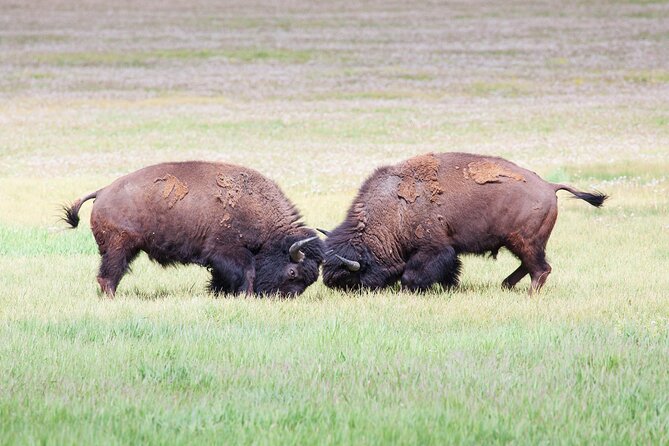
Tower Fall drops through a rugged setting shaped by rock pinnacles at the brink of the waterfall. Erosion is slowly pushing the falls upriver, though the change is far too slow to watch during a normal visit.
The stop gives you a strong scenic pause in the northern part of the park. Your guide can explain the rocks and the forces that formed the falls, rather than leaving you with only a photograph and a name.
The listed time is 30 minutes. That keeps the stop useful without taking too much time from the wildlife areas. Road conditions and construction can affect access, especially in summer, so the exact timing may change.
The Yellowstone River is both scenery and habitat
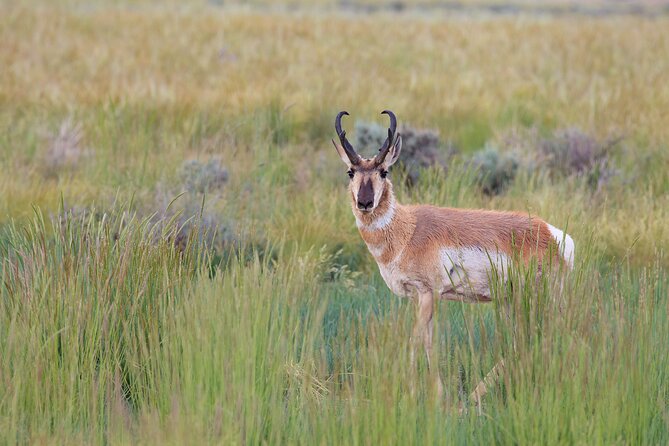
The Yellowstone River begins in the Absaroka Range near the Continental Divide and runs north through the park and Paradise Valley. It eventually crosses Montana’s plains and joins the Missouri River.
At the river stop, the point is not only the view. The water supports fish, birds, and other species across the Greater Yellowstone Ecosystem. The river is also known for trout, so your guide can show how a major waterway shapes animal movement and plant life.
This is another 30-minute stop, with time for wildlife searching and explanation. If the river is active with birds or other animals, your guide may give it more attention. The private setup makes that possible, though no specific extra time is guaranteed.
Slough Creek is where patience pays off
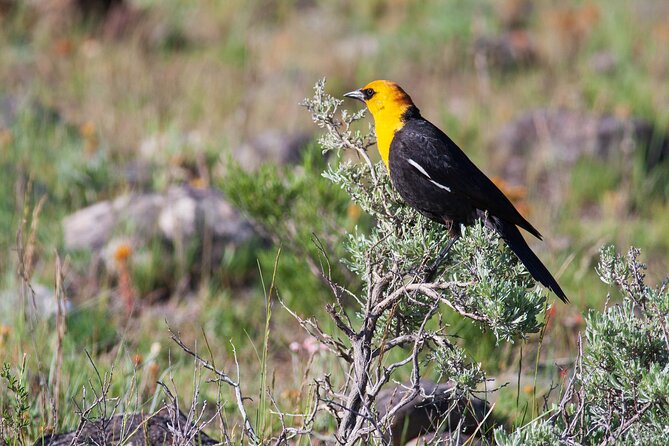
Slough Creek flows into the Lamar River and begins in the Absaroka Range. The area supports a wide mix of plants and animals, and the safari makes multiple stops here to search for wildlife.
This part of the day is less about a single landmark and more about watching carefully. A guide may scan open ground, river edges, and distant slopes with a spotting scope. You might see nothing at first, then notice movement that was invisible to the untrained eye.
The supplied UHD binoculars and spotting scopes are a major benefit here. They make distant animals more personal without requiring you to leave the road or approach wildlife. One guide’s use of optics helped a group identify an unusually large range of species in one day.
You should expect some waiting. Wildlife viewing is not a stage show, and a good safari includes quiet periods. Bring patience and warm layers suited to the season, though the tour provides snacks, drinks, and lunch.
Lamar Valley is the day’s main wildlife zone
Lamar Valley is the heart of this route. It lies in northeastern Yellowstone and is often called the Serengeti of North America because of its concentration of wildlife.
The itinerary allows about two hours here, with several stops rather than one quick pullout. That is important. Lamar is a place to scan, listen, compare notes with your guide, and move when another sighting offers a better view.
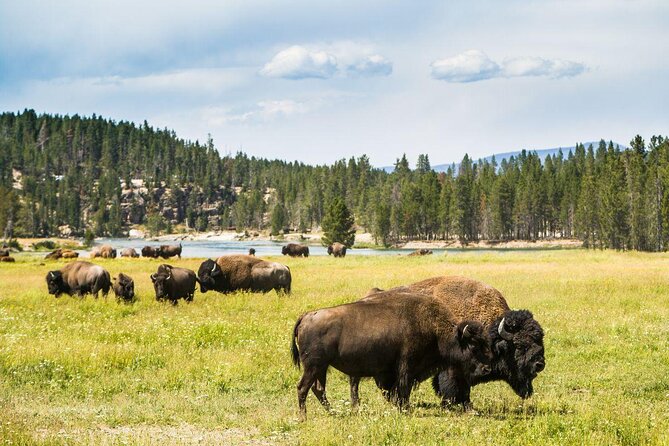
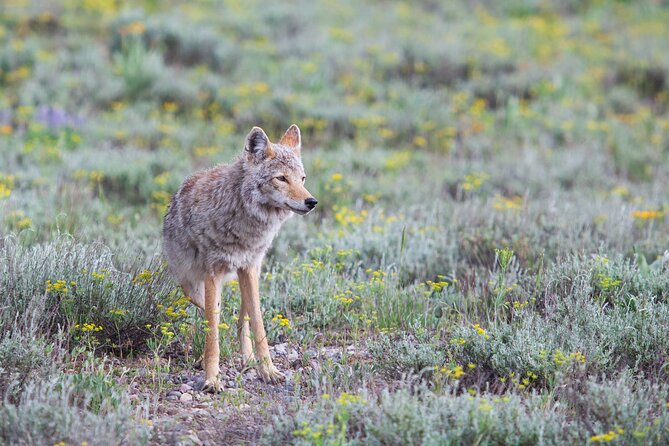
The area can reward a wide range of interests. One family saw wolves, a bear, a bull elk, mountain goats, and many other animals. Another group counted 18 types of animals, including four bears, a moose, and baby owls. These examples show the range of what might be possible, not a promise of what you will see.
Your guide’s role matters most here. A guide such as Kelsey, Gary, Grant, Randolph, or Nate may make the park easier to read, especially if you have never used a spotting scope. The guide can also keep children involved by turning animal behavior and geology into a conversation rather than a lecture.
Lamar Valley is not necessarily quiet. Other cars and wildlife watchers may be present, and traffic can slow during popular seasons. The private tour does not remove park crowds, but it does give you more control over how your own group uses the time.
Mammoth’s visitor center adds a human history note
The Albright Visitor Center occupies a historic building that once served as quarters for cavalry troops assigned to protect Yellowstone before the National Park Service existed.
This stop changes the subject from wildlife and geology to the park’s early administration. It helps explain how Yellowstone was managed before modern park systems took shape. The scheduled visit is about 30 minutes, giving you a compact look without turning the safari into a museum tour.
If your priority is animals, you may consider this a shorter educational pause. If you like the story of national parks and how they developed, it gives the day useful context.
Roosevelt Arch marks the northern entrance
The Roosevelt Arch in Gardiner was built in 1903 from hexagonal blocks of columnar basalt. It rises 52 feet at the north entrance to Yellowstone and was intended to create a grand arrival to the world’s first national park.
The entrance plan later changed, but the arch remains an important historic marker and is listed on the National Register of Historic Places. It is a good final or near-final stop because it ties the park to its public identity, not just its animals and hot springs.
The stop is listed at 30 minutes. You can photograph the arch and hear how the northern entrance developed before returning to Bozeman.
The route can change, and that is a good thing
The listed stops describe the usual focus, not a promise that every minute will follow the same pattern. Your exact route depends on your interests, current wildlife sightings, weather, traffic, and road conditions.
Summer is also construction season in Yellowstone. Road closures, slowdowns, and waiting can affect the day. Tell your guide what matters most before setting out. If you want bears, wolves, birds, geology, waterfalls, or a mix, make that clear.
This flexibility is one of the strongest reasons to choose a private tour. It is also why you should not judge the experience by a rigid checklist. A road delay or a missed stop may be frustrating, but a skilled guide can sometimes use that time to focus on another area.
Lunch, optics, and comfort make the price easier to assess
The cost is $697.50 per person. That is a major expense, especially for a solo visitor or a small group. The value improves when several people share the private vehicle and guide, since the price buys a dedicated day rather than a seat on a general group outing.
Included are a professional naturalist guide, locally sourced picnic lunch, organic snacks when possible, non-alcoholic drinks, UHD binoculars, and spotting scopes. The lunch uses seasonal ingredients and recyclable or compostable packaging. Those details matter on a long day because you do not need to arrange a separate meal or carry basic viewing equipment.
I would compare this price with the cost of renting a car, buying suitable optics, planning the route, and learning where to look for wildlife. That comparison does not make the tour cheap, but it explains what you are paying for: time, planning, equipment, interpretation, and flexibility.
The Yellowstone entrance fee is not included. Confirm the current fee before you go, since the tour information places that cost on you.
Who will get the most from this safari
This tour suits you best if wildlife is a top reason for visiting Yellowstone and you want personal attention. It is also a strong choice for families. A 9-year-old stayed engaged during a full day because the guide made the animal searches fun and understandable.
It can work well for first-time park visitors who want both wildlife and major northern sights. You get Mammoth Hot Springs, Tower Fall, the river, Lamar Valley, Roosevelt Arch, and other stops without having to create the route yourself.
The day may be less suitable if you want a slow, restful visit with long hikes. The itinerary includes short stops and wildlife searches, but it is built around covering ground. It may also disappoint if you expect guaranteed bears, wolves, or other specific animals.
Car seats are not provided in the tour details. If your child needs one, bring it with you. Most people can participate, but you should communicate any needs to the guide before departure.
Cancellation and weather details to know
You can cancel up to 24 hours before the start time for a full refund. Changes or cancellations made inside that window are not accepted for a refund.
The tour requires suitable weather and a minimum number of participants for operation. If poor weather or an unmet minimum causes cancellation, you are offered another date or experience, or a full refund.
Should you book this Yellowstone safari?
Book it if you want Yellowstone wildlife to guide the day rather than a fixed sightseeing checklist. The private vehicle, experienced naturalist, strong optics, and two-hour focus on Lamar Valley give you a better setup for patient viewing.
I would especially recommend it for families, serious wildlife fans, and anyone who values explanation as much as scenery. The $697.50 price is high, but the cost includes a full day, lunch, snacks, drinks, equipment, and a guide focused only on your group.
Skip it if you dislike early starts, long vehicle days, or the uncertainty of nature watching. You will not receive a guaranteed animal list, and summer road work can change the route. For the right group, though, this is a practical way to see the northern side of Yellowstone with someone who knows where to look and when to wait.
FAQ
Where does the tour begin?
The tour begins at Café M, 777 East Main Street, Bozeman, Montana 59715.
What time does the tour start?
The scheduled start time is 6:00 am.
Where does the tour end?
The activity ends back at the Bozeman meeting point.
How long does the safari last?
The tour lasts approximately 10 to 11 hours.
Is this a private tour?
Yes. Only your group participates in the activity.
Is pickup available?
Pickup is offered, according to the tour details.
Is lunch included?
Yes. A locally sourced picnic lunch with seasonal ingredients is included.
Are binoculars and spotting scopes provided?
Yes. The tour provides UHD binoculars and spotting scopes.
Is the Yellowstone entrance fee included?
No. The Yellowstone National Park entrance fee is not included.
Can the route change during the day?
Yes. The guide determines the exact route and schedule based on your interests, wildlife sightings, weather, road conditions, traffic, and construction.
Just added around the USA
- 3 Hour See Crystal River Wildlife Safari Boat Cruise★ 4.5 · 25 reviews
- Northern Yellowstone Safari from Cody, WY★ 4.5 · 24 reviews
- Red Canyon Wild Mustang Tours And Safaris In Cody Wyoming★ 5.0 · 27 reviews
- Wetlands Safari Eco-Cruise in Cape May (Osprey Birding By Boat)★ 5.0 · 113 reviews
- Yellowstone Winter Wildlife & Snowshoe Tour | PRIVATE★ 5.0 · 19 reviews
- Yellowstone Wildlife Safari in Lamar Valley from Bozeman★ 5.0 · 35 reviews
- Yellowstone Snowshoe Safari from Bozeman – Private Tour★ 5.0 · 18 reviews
- Private Yellowstone Winter Wolf Watching and Wildlife Safari★ 5.0 · 26 reviews
USA Safaris, compared.
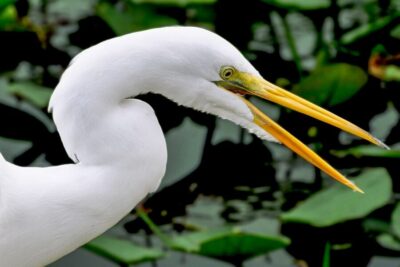
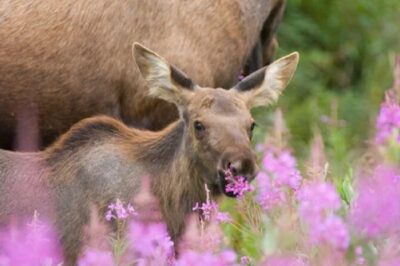
Grand Teton Wildlife Safari in a Enclosed or Open-Air Vehicle (season dependent)
Read our review →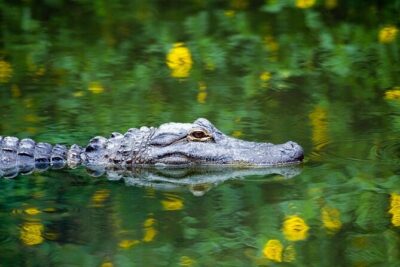
Everglades Airboat Safari Adventure with Transportation
Read our review →
Off the Beaten Path Ketchikan Photo Safari – 3 hr.
Read our review →
Kauai Deluxe Waterfall Safari: Helicopter Tour
Read our review →
Wild Florida Drive-Thru Safari and Gator Park Admission
Read our review →
Wild Dolphin Watching and Snorkel Safari Off West Coast of Oahu
Read our review →
Dana Point Dolphin and Whale Watching with Underwater Viewing
Read our review →Browse the lists this tour appears in