
REVIEW · USA
Kaimana Ocean Safari
Kaimana Ocean Safari is built around one thrilling idea: you leave Kona’s harbor and search for wild marine life wherever the ocean leads. The deep drop-off near the coast gives you a chance to see reef fish and turtles, but also pelagic animals such as dolphins, pilot whales, humpbacks, manta rays, and sharks. Nothing is promised, which is part of the deal.
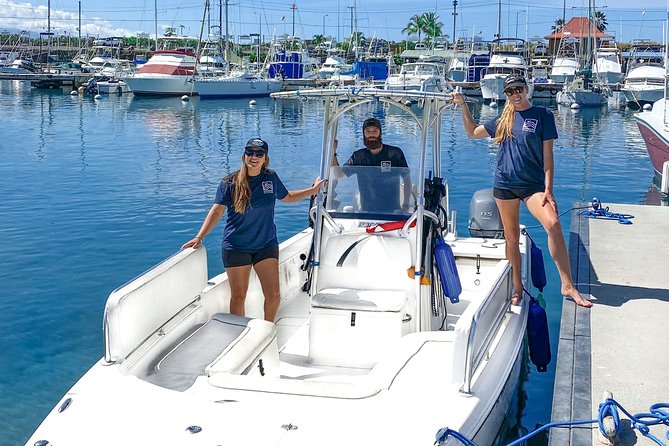
I like the six-person maximum, since the crew can give clear safety help and adjust the outing around the group. I also like the safari approach: instead of sitting at one fixed snorkeling site, you spend the morning scanning the coast and open water for signs of life. The catch is that wildlife may not appear, and open-ocean swimming requires confidence, stamina, and the ability to climb a boat ladder.
Key points to know before you book
- Small boat, six-person limit: This is a personal outing, not a crowded snorkel boat.
- Open-ocean search: The crew regularly heads into deep water, where sightings can take time.
- Wildlife possibilities: You may see turtles, reef fish, dolphins, whales, sharks, manta rays, or rays.
- Strong swimming skills matter: You must be able to swim and climb a ladder from the water.
- Four hours on the Kona coast: The time allows for several locations, but conditions and animals shape the route.
- Bring your own basics: Pack a towel, zinc-only reef-safe sunscreen, rash guard, and reusable water bottle.
Four hours along Kona’s deep blue coast
Kaimana Ocean Safari begins at 8:00 a.m. at 74 Kealakehe Parkway in Kailua-Kona. The tour returns to the same meeting point after roughly four hours.
The boat trip starts with more than a simple ride to a snorkeling site. The crew begins scanning the Kona coastline almost at once. This is important because the sea floor drops quickly off the Big Island. A short run from shore can take you from shallow reef habitat into open water used by larger animals.
That steep underwater terrain gives the outing its range. In one part of the morning, you might look at small reef fish. Later, you could be watching dolphins or whales in much deeper water. The crew may also search for manta rays, sharks, and other animals that pass through the area.
The route is not a fixed checklist. Ocean conditions, visibility, animal activity, and the comfort of the group all matter. You may spend time moving between locations rather than snorkeling continuously. That can feel slow if you expect one packed wildlife encounter after another, but it is how a real ocean safari works.
A few more safaris around the USA worth a look
- Miami: Everglades Safari Park Airboat Tour
★ 4.4 · 1,267 reviews - Grand Teton Wildlife Safari in a Enclosed or Open-Air Vehicle (season dependent)
★ 5.0 · 1,212 reviews - Everglades Airboat Safari Adventure with Transportation
★ 3.0 · 956 reviews
Why the six-person boat changes the day
The maximum group size is six people. That is one of the strongest reasons to consider this trip instead of a larger Kona snorkeling operation.
A smaller boat gives the crew room to talk with you, watch the group in the water, and explain what you are seeing. It also allows some flexibility. If part of your group wants more reef time and another person is hoping to look for larger animals, the crew can discuss the options more easily than on a boat carrying dozens of people.
The boat is described as comfortable, and the small setting helps keep the outing relaxed. Music may be played on board, and snacks and filtered water are provided. Bring a reusable bottle if you have one, since the operator does not support single-use plastic.
The tradeoff is that a small boat can feel more exposed to the open sea. If you are prone to motion sickness or dislike boat rides in changing conditions, consider that before booking. The information provided does not state that motion-sickness medicine is supplied, so plan your own routine if you need one.
What the safari-style route may look like
The exact order changes, but the morning can include several different types of stops.
The first portion may be spent traveling and watching the water. The crew looks for signs of dolphins, whales, rays, or other animals. Guides have reported sightings of spinner dolphins, bottlenose dolphins, pilot whales, humpback whales, beaked whales, false killer whales, and oceanic white-tip sharks on different outings.
You may then stop at a reef or sheltered coastal area for snorkeling. Captain Cook has been used as a snorkeling location, and one reported outing paired an open-ocean whale encounter with reef time there. This gives less confident swimmers a chance to enjoy shallower water while stronger swimmers continue to look for pelagic life when conditions allow.
Not every reef stop will be equally impressive. Water clarity can change, and one outing was redirected from a location that did not look clear enough. Another stop was described as having limited coral and few fish. This is a useful reminder that no Kona snorkeling site is perfect every morning.
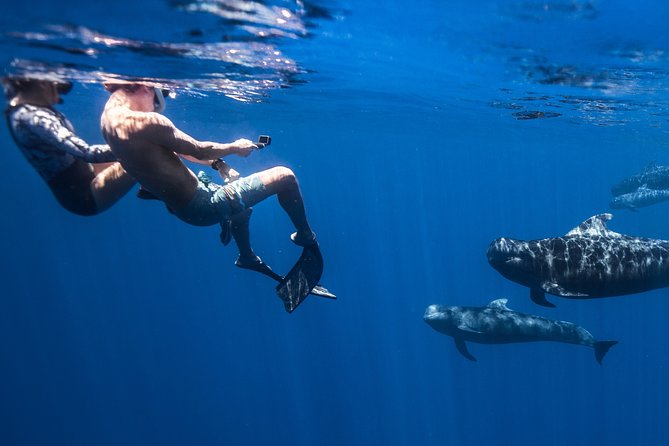
The crew may also make several stops in open water while searching for larger animals. You could be asked to enter the water only when conditions and animal behavior make it reasonable. The crew’s safety instructions are a major part of the outing, especially around sharks, whales, and other powerful wildlife.
The animals you might see
Kaimana Ocean Safari offers a broad list of possible sightings, but you should treat it as a possibility list, not a promise.
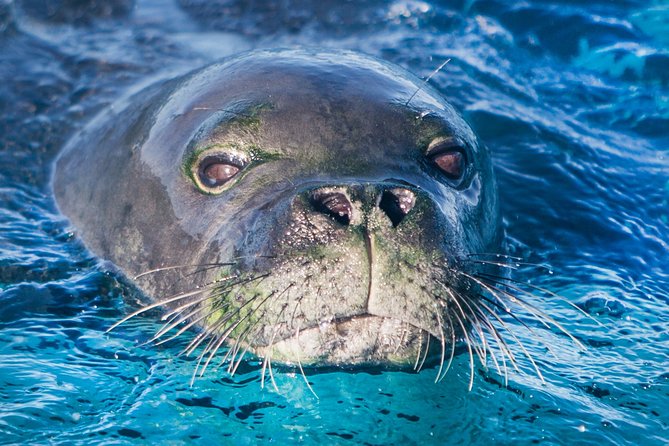
Green sea turtles and reef fish are among the more familiar animals you might encounter near the coast. Manta rays and eagle rays may appear in shallow or deeper water. Some outings have included baby sharks, white-tip sharks, tiger sharks, hammerheads, and oceanic white-tip sharks.
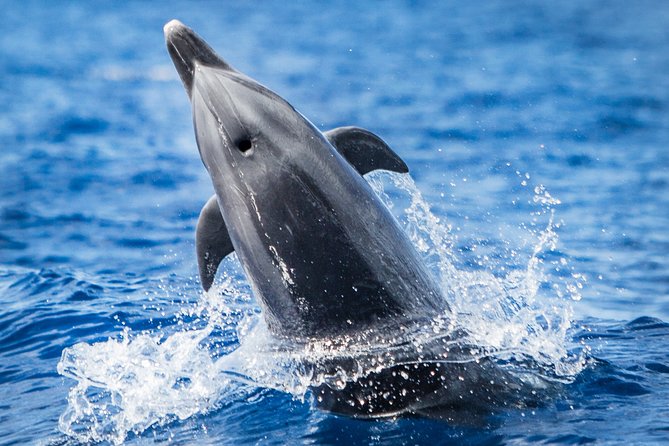
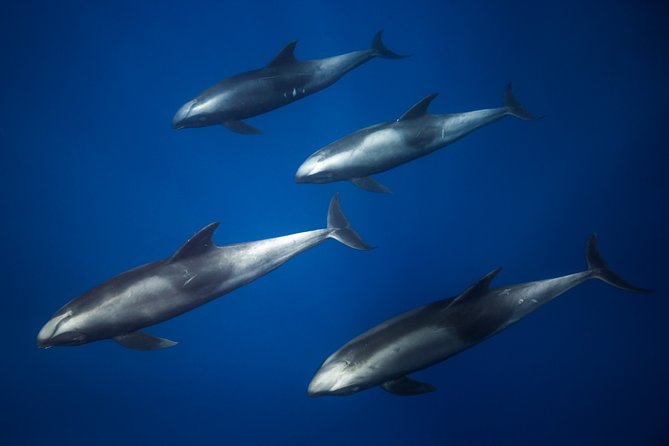
Dolphin sightings have included spinner and bottlenose dolphins. Spinner dolphins may be especially entertaining from the boat as they leap and move through the waves, but the crew cannot control how close they come or how long they remain nearby.
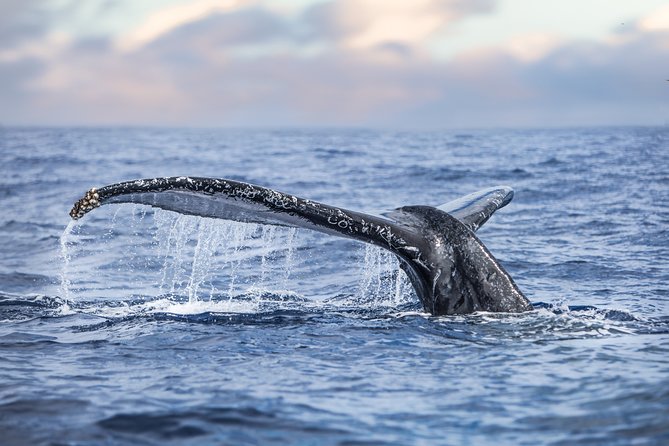
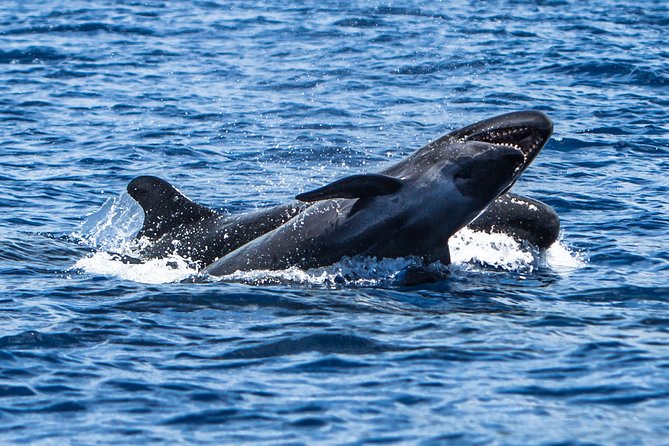
Whale sightings have included humpbacks, pilot whales, beaked whales, and false killer whales. Humpback season can bring mothers and calves, while pilot whales may be found in deeper water. Some outings have included the rare chance to enter the water near pilot whales, but this depends entirely on animal behavior, conditions, and safety decisions.
Manta rays are another possibility. One outing included a dozen manta rays, while another found three. The operator may also visit the area near the established manta viewing site if that is where the animals are active. Do not book this safari assuming it replaces a dedicated manta excursion. The safari searches widely, while a dedicated manta trip has a more focused purpose.
The best mindset is to value the search itself. You may see several species in one morning, or you may spend much of the time watching empty water. Both outcomes are possible in a wild setting.
Same country, a different kind of drive:
- 3 Hour Off-Road Sunset Safari to Grand Canyon with Entrance Gate Detour
★ 5.0 · 904 reviews - Off the Beaten Path Ketchikan Photo Safari – 3 hr.
★ 5.0 · 901 reviews - Kauai Deluxe Waterfall Safari: Helicopter Tour
★ 5.0 · 900 reviews - Wild Florida Drive-Thru Safari and Gator Park Admission
★ 4.5 · 892 reviews
Clear safety rules and responsible wildlife viewing
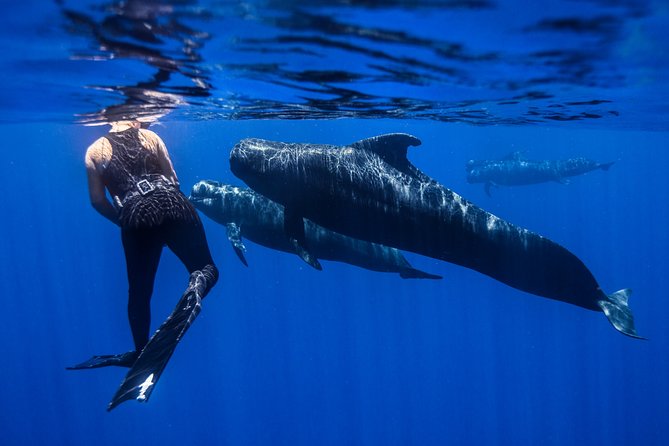
Before entering the water, the crew explains how to behave around marine animals. This includes keeping proper distance, staying with the guide when instructed, and following directions quickly.
That matters most when the animals are large, fast, or unfamiliar. A shark sighting can be exciting, but you need to stay calm and listen. The crew has used clear instructions during shark encounters, and wildlife safety is treated as more important than getting close for a photograph.
The operator also emphasizes respect for the animals and the ocean. The crew has collected trash found in the water and works to keep interactions controlled. That is a good sign for anyone who wants a wildlife outing rather than a staged animal show.
Still, you need to accept that the crew may call you back to the boat or skip a water entry. The captain and guides have the final say. If your main goal is a guaranteed close encounter, this is the wrong kind of tour. If you want a carefully managed chance to see wild animals, the approach makes sense.
How demanding is the snorkeling?
The operator asks for moderate physical fitness, the ability to swim, and the ability to climb a ladder from the water. There is also a 300-pound in-water weight limit, and children must be at least four feet tall.
This is not the best choice for a first-ever snorkeling attempt unless you are already comfortable in open water. Even strong swimmers may find the ocean more demanding than a calm pool. You need to handle a mask and snorkel, stay aware of the boat and guide, and climb out using a ladder when asked.
The outing may suit a confident swimmer with little snorkeling experience, but beginners should be honest about their comfort level. One reported family outing found that prior snorkeling experience helped people get more from the trip. At the same time, reef snorkeling at a calmer location may offer a more manageable part of the morning.
Towels, rash guards, and sun protection are not supplied. Bring a towel, a rash guard if you use one, and zinc-only reef-safe sunscreen. The boat provides snorkeling equipment, snacks, and filtered water.
The guides are a big part of the value
The crew’s role goes well beyond driving the boat. Guides such as Cam, Dev, Kay, Olivia, Alice, Morri, and Liv have been praised for explaining animal behavior, giving safety instructions, helping with equipment, and keeping the mood friendly.
Cam and Dev, in particular, have been singled out for their care and ability to explain what was happening. Other outings have included Kay, Olivia, and Alice, as well as Morri and Liv. Since crew assignments can change, do not assume a specific guide will be on your boat unless the operator confirms it.
The educational side adds value. You learn what animals you might see, how to act near them, and why the crew avoids careless contact. That helps turn a short sighting into something more meaningful.
The personal attention also helps with mixed comfort levels. A family may have one strong swimmer, one cautious adult, and children who prefer the reef. The crew can offer guidance, but you still need to meet the physical requirements.
Is $200 a fair price?
At $200 per person, this is not the cheapest way to get in the water around Kona. You are paying for a four-hour small-group boat outing, snorkeling equipment, snacks, filtered water, and a crew that spends the time searching for a wide range of wildlife.
The price makes the most sense if you value space, personal instruction, and the chance to leave the usual snorkeling circuit. A six-person maximum is costly to operate, but it gives you a very different feel from a large boat with a fixed route.
The value drops if you mainly want easy reef snorkeling. In that case, a simpler beach outing or a standard snorkeling trip may be enough. It also drops if you need guaranteed manta rays, guaranteed whales, or a calm beginner setting. No wildlife safari can promise those results.
Some outings include exceptional encounters, such as pilot whales, manta rays, dolphins, sharks, and humpbacks in one morning. Those are rare gifts from the ocean, not something the $200 price can guarantee. I would book this for the quality of the search and the small-group format, not as a purchase of a specific animal sighting.
Weather, cancellations, and practical details
The tour requires good weather. If poor conditions force a cancellation, you can choose another date or receive a full refund. If the minimum number of participants is not met, the operator also offers another date or a full refund.
You can cancel for a full refund up to 24 hours before the start time. Cancellations or changes made within 24 hours are not refunded.
If you are arriving by cruise ship, confirm with the cruise line at least 24 hours ahead that you will be allowed off the ship in time. The tour begins at 8:00 a.m., so this is not a detail to leave until the morning of the trip.
Service animals are allowed, and the meeting point is near public transportation. The tour is offered in English and uses a mobile ticket.
Who should book Kaimana Ocean Safari?
This trip is a good match for confident swimmers, repeat snorkelers, wildlife fans, small families with physically capable children, and anyone who prefers a personal boat over a large group.
It is also a strong pick if you want to see more than a reef. Kona’s offshore water can bring whales, dolphins, rays, and sharks, and the safari format gives the crew room to search for them.
I would choose something else if you are nervous in open water, cannot climb a ladder, want a guaranteed animal sighting, or mainly want a long period of easy snorkeling. The operator’s four-foot child minimum and 300-pound in-water limit are firm practical considerations.
Should you book it?
Book Kaimana Ocean Safari if you can accept uncertainty and want a serious attempt at finding wild animals in a small group. The most praised parts are the crew’s clear safety guidance, personal attention, ocean knowledge, and respect for wildlife.
Do not book it as a guaranteed whale, manta ray, or shark encounter. Book it for four hours of searching the Kona coast with a capable crew, knowing that the ocean decides what appears. If the animals cooperate, this can be one of the Big Island’s most memorable mornings. If they do not, the price may feel high.
FAQ
Where does Kaimana Ocean Safari meet?
The tour meets at 74 Kealakehe Parkway in Kailua-Kona, Hawaii. It returns to the same meeting point.
What time does the tour start?
The stated start time is 8:00 a.m., and the outing lasts approximately four hours.
How many people can join the tour?
The maximum is six travelers.
Do I need to be a strong swimmer?
You should be able to swim, have moderate physical fitness, and climb a ladder from the water. The operator notes that the tour may not suit beginners or some children.
What equipment and supplies are included?
Snorkeling equipment, snacks, and filtered water are included. Bring your own reusable bottle if possible.
What should I bring?
Bring a towel, rash guard, and zinc-only reef-safe sunscreen. Sun protection is not included.
Can I cancel for a refund?
You can cancel up to 24 hours before the start time for a full refund. Cancellations within 24 hours are not refunded. If poor weather or insufficient bookings cancel the tour, you can receive a full refund or choose another option.
Just added around the USA
- 3 Hour See Crystal River Wildlife Safari Boat Cruise★ 4.5 · 25 reviews
- Northern Yellowstone Safari from Cody, WY★ 4.5 · 24 reviews
- Red Canyon Wild Mustang Tours And Safaris In Cody Wyoming★ 5.0 · 27 reviews
- Wetlands Safari Eco-Cruise in Cape May (Osprey Birding By Boat)★ 5.0 · 113 reviews
- Yellowstone Wildlife Safari from Bozeman – Private Tour★ 5.0 · 140 reviews
- Yellowstone Winter Wildlife & Snowshoe Tour | PRIVATE★ 5.0 · 19 reviews
- Yellowstone Wildlife Safari in Lamar Valley from Bozeman★ 5.0 · 35 reviews
- Yellowstone Snowshoe Safari from Bozeman – Private Tour★ 5.0 · 18 reviews
USA Safaris, compared.

Grand Teton Wildlife Safari in a Enclosed or Open-Air Vehicle (season dependent)
Read our review →
Everglades Airboat Safari Adventure with Transportation
Read our review →
Off the Beaten Path Ketchikan Photo Safari – 3 hr.
Read our review →
Kauai Deluxe Waterfall Safari: Helicopter Tour
Read our review →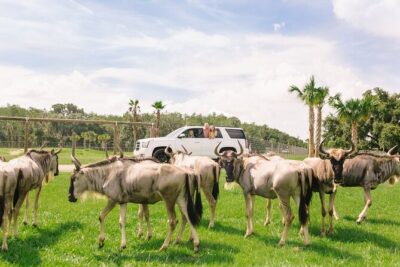
Wild Florida Drive-Thru Safari and Gator Park Admission
Read our review →
Wild Dolphin Watching and Snorkel Safari Off West Coast of Oahu
Read our review →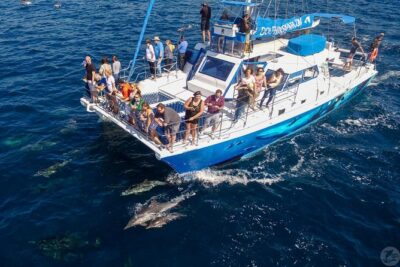
Dana Point Dolphin and Whale Watching with Underwater Viewing
Read our review →Browse the lists this tour appears in