
REVIEW · USA
Yellowstone Wildlife Safari in Lamar Valley from Bozeman
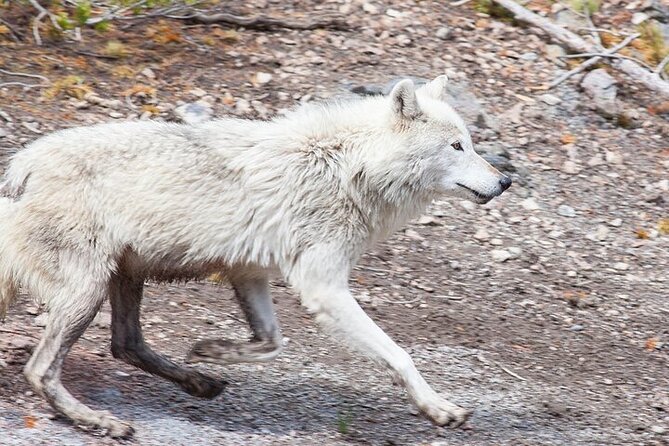
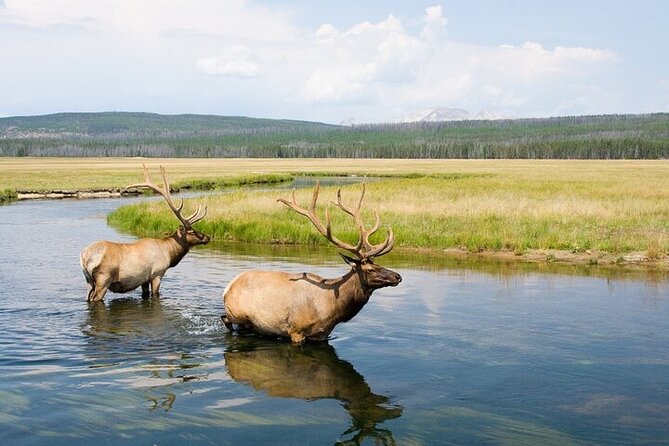
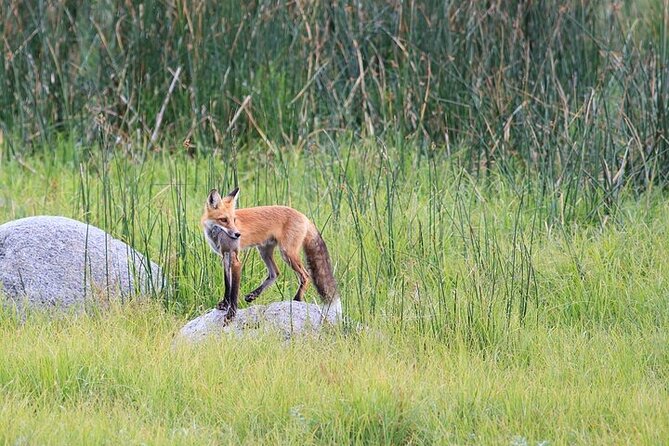
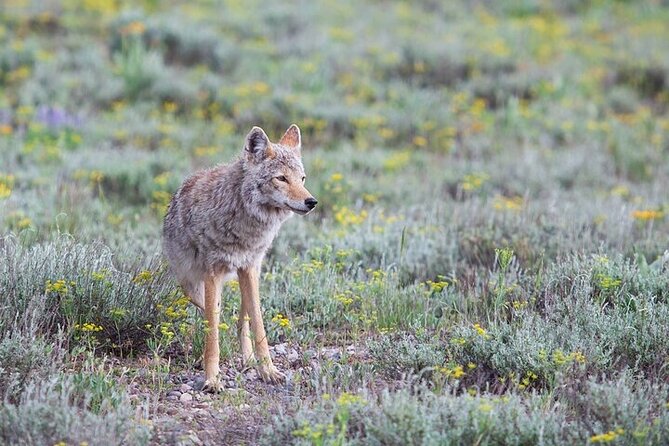
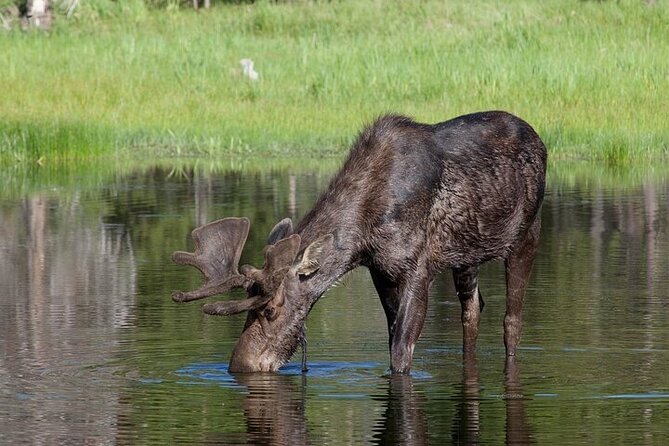
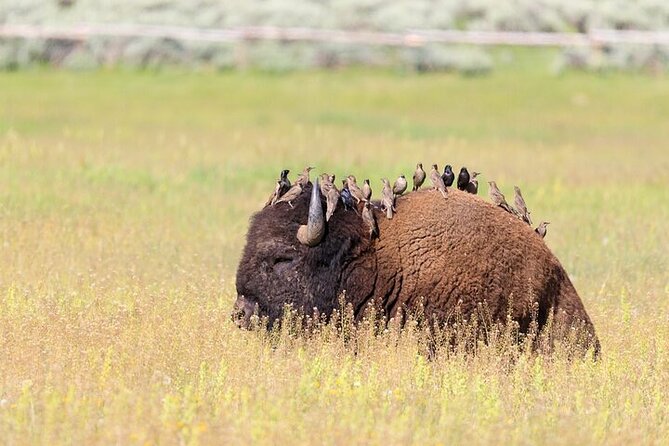
Yellowstone’s Lamar Valley is the star here, a broad sweep of river, grassland, and open hills where your guide may spot wolves, bears, bison, elk, pronghorns, coyotes, cranes, and mountain goats. The early start matters: you get a long day in the park and more time to watch animals rather than rush from one viewpoint to the next.
I like the small group limit of eight and the use of UHD binoculars and spotting scopes, since wildlife is often far off. I also like the locally sourced picnic lunch and flexible route. The tradeoff is the long day, often 10 to 11 hours, with no hotel pickup and a separate Yellowstone entrance charge.
Key points to know before booking
- Lamar Valley is the main event: You spend about two hours here, with several stops to scan for wildlife.
- The route changes with the day: Guides adjust stops for animal sightings, weather, roadwork, and your priorities.
- A field-ready setup is included: Binoculars, spotting scopes, lunch, snacks, and non-alcoholic drinks come with the tour.
- The group stays small: A maximum of eight people makes it easier to share the scopes and ask questions.
- You leave Bozeman very early: The meeting time is 6:00 am at Café M on East Main Street.
- The price has one extra charge: The tour costs $350 per person, plus a $20 Yellowstone entrance fee.
Why Lamar Valley rewards an early start
This is not a quick scenic drive with one or two wildlife stops. It is a full field day built around searching, watching, and changing plans when something interesting appears.
The meeting time is 6:00 am in Bozeman, and the tour lasts about 10 to 11 hours. That makes for a demanding day, but it gives you a fair shot at covering the northern part of Yellowstone without trying to squeeze it into a short afternoon.
Lamar Valley is often called the Serengeti of North America because of its open setting and concentration of animals. The comparison is a little grand, but the basic idea is sound: you can scan broad country here, rather than hope wildlife appears beside a crowded roadside pullout.
You may spend several minutes, or longer, looking through a scope at an animal too far away to see well with the naked eye. That patience is part of the experience. Your guide’s field skills matter because spotting wildlife is not as simple as driving into the valley and stopping at the first viewpoint.
More Wildlife Safaris in the USA
- Grand Teton Wildlife Safari in a Enclosed or Open-Air Vehicle (season dependent)
★ 5.0 · 1,212 reviews - Half-Day Wildlife Safari Tour in Grand Teton National Park
★ 5.0 · 341 reviews - Half Day Grand Teton Wildlife Safari Tour
★ 5.0 · 259 reviews
A small group with serious viewing gear
The maximum group size is eight. That is a useful number for a wildlife outing. You are not packed into a large coach, and the guide can respond to what your group wants to see.
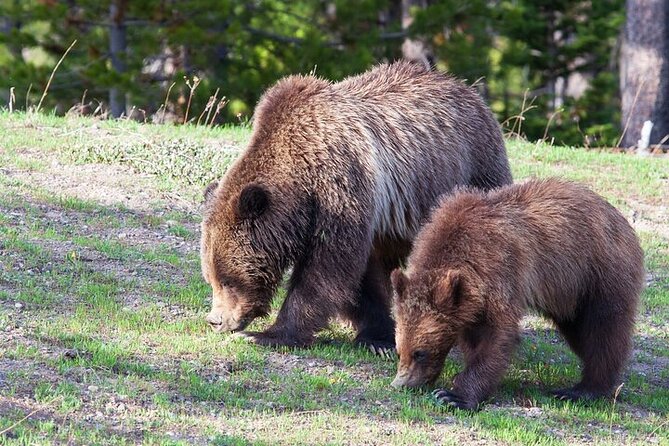
The tour provides UHD binoculars and spotting scopes. Those tools can change the day. A bear on a distant slope may be little more than a dark dot without optics, but a scope can reveal its shape and movement. The same is true for wolves, coyotes, and birds spread across the valley.
Guides named in the available information include Allen and Grant, along with other experienced naturalist guides. Allen is praised for explaining animals, park history, and geology while keeping the group involved. One account also describes a guide who knew the best wildlife areas and dropped the group at its accommodation later in the day, though hotel drop-off is not a standard advertised feature, so you should not count on it.
The group setting also means you share the viewing equipment. Ask the guide how the scopes will be handled, especially if several people want to see the same animal. With only eight people, this should be easier than on a large coach, but it is still worth being considerate.
The North Entrance and a route shaped by conditions
The first listed stop is the North Entrance of Yellowstone near Gardiner, Montana. This is the practical gateway for a northern tour, but the route is not fixed in stone.
Your guide adjusts the day to your interests, current sightings, weather, and road conditions. If your top goal is wolves, say so early. If you care more about bears, bison, geology, or waterfalls, make that clear too. The more specific you are, the easier it is for the guide to shape the day around your priorities.
Summer construction can slow traffic or close sections of road. That matters in Yellowstone, where distances are large and a single delay can change the rest of the plan. A flexible route is a benefit, but it also means you should not treat every listed stop as guaranteed.
The entrance fee is not included. The stated charge is $20 per person. Add that to the $350 tour price when comparing costs.
Petrified Tree: a short stop with a long geological story
The Petrified Tree stop takes about 30 minutes when included. A petrified redwood may seem out of place in Yellowstone, but it points to a very different ancient setting and the area’s volcanic past.
This is a good example of the tour’s broader appeal. You are not only looking for animals. Your guide can connect the sights to geology and the park’s earlier natural conditions, giving the drive more meaning between wildlife sightings.
The stop may be skipped if animal activity or road conditions demand a different plan. If petrified trees are high on your list, tell your guide at the start.
More Big Five and Wildlife Safaris in the USA:
- Yellowstone Wildlife Safari from Bozeman – Private Tour
★ 5.0 · 140 reviews - Half Day Group Sunset Wildlife Safari
★ 5.0 · 134 reviews - Offshore Wildlife Safari and Reef Snorkel
★ 5.0 · 43 reviews - Yellowstone Winter Wildlife Safari from Bozeman
★ 5.0 · 42 reviews
Tower Fall adds a classic Yellowstone viewpoint
Tower Fall is a waterfall in northern Yellowstone, named for the rock pinnacles around its brink. Erosion is slowly moving the falls upriver, although the change is far too slow to notice during your visit.
The listed stop lasts about 30 minutes. That is enough time for a look and a short explanation, but not an extended walk or a leisurely picnic. This is a useful stop if your group wants more than wildlife, especially because the northern route includes several major natural sights.
Again, it is not guaranteed. The tour is built around conditions and priorities rather than a fixed checklist.
Mammoth Hot Springs shows Yellowstone’s other side
Mammoth Hot Springs is one of the most distinctive stops on the route. Its travertine terraces form as mineral deposits build up, creating layered shapes and pale surfaces. Algae in the pools adds brown and reddish tones.
You have about an hour here when the stop is included. That gives you more time than at the waterfall or petrified tree, and it helps break up the long wildlife search.
Mammoth also offers a useful change of pace. Lamar Valley is about open country and moving animals. Mammoth is about slow geological processes that have shaped the park over time. If your main goal is wildlife, you may prefer more time in Lamar Valley, but the geothermal stop gives the day variety.
Slough Creek is built for careful animal watching
Slough Creek feeds the Lamar River and begins in the Absaroka Range. Its surrounding habitat supports many kinds of plants and animals, which is why the safari may make several stops here.
The listed time is about 30 minutes, but the wording allows for multiple viewing points in the area. This is where a skilled guide can make a real difference. You may be looking for tracks, movement, birds, or animals resting far from the road.
Do not expect a zoo-like procession of sightings. Wildlife may appear quickly, remain distant, or stay hidden. The supplied optics and the guide’s ability to read the area give you a better chance, but no responsible safari can promise a particular animal.
Lamar Valley is where the day earns its keep
About two hours are reserved for Lamar Valley, with several stops to search for wildlife. This is the heart of the tour and the place where you should expect to spend your most focused viewing time.
Reported sightings from the experience include grizzly bears, black bears, wolves, coyotes, bison, elk, pronghorns, sandhill cranes, and mountain goats. That is an impressive range, but you should treat it as a sign of what may be possible, not a guarantee for your date.
The best part is the way the day encourages you to look closely. A guide may stop because of activity on a far hillside, a cluster of cars, or a subtle movement in the grass. The spotting scope then lets you inspect what is happening without approaching the animals.
You should bring patience and warm layers even in summer. The tour details do not specify clothing, but a sunrise departure, outdoor stops, and changing mountain weather make practical clothing sensible. Keep a camera ready, but do not let photography replace watching. The guide’s explanations about animal behavior and habitat are a major part of the value.
The Yellowstone River and Paradise Valley round out the drive
The Yellowstone River provides habitat for many species and supports a strong trout population. The tour includes a possible 30-minute stop along the river in search of wildlife.
This is another place where your guide may use the scope. Rivers attract animals for water and food, but sightings depend on the day. The stop also gives you a sense of how water connects the park’s habitats.
On the way to the North Entrance, you travel through Montana’s Paradise Valley for about an hour and a half. This is scenic driving rather than a single attraction, but it helps place Yellowstone in its larger setting. The valley links the park to the surrounding region and gives you a quieter finish after the busier wildlife stops.
Mammoth’s visitor center and Roosevelt Arch
The Albright Visitor Center and Museum occupies a historic building that once housed cavalry troops assigned to protect Yellowstone before the National Park Service existed. The stop lasts about 30 minutes when included.
This is a worthwhile pause if you want context for how the park was managed in its early years. Your guide can explain the site’s historical role, and you may have time to look around before returning to the wildlife route.
At Gardiner, the Roosevelt Arch offers another short historical stop. Built in 1903 from hexagonal blocks of columnar basalt, it rises 52 feet above the North Entrance. It was meant to provide a grand arrival to the world’s first national park.
The arch is a quick photo stop, not a major museum visit. Still, it gives the day a clear sense of place, especially when paired with Mammoth’s military and park-management story.
Lunch, snacks, and the real value of the $350 price
The tour costs $350 per person. That is not a budget Yellowstone outing, but the price includes a professional naturalist guide, a locally sourced picnic lunch, snacks, drinks, binoculars, and spotting scopes.
Those inclusions matter. You do not need to rent wildlife optics, organize lunch, or figure out a route through the northern part of the park. The guide also handles the constant decisions about where to stop and how to respond to road conditions.
The picnic lunch uses seasonal ingredients and recyclable or compostable packaging. One account describes eating in a beautiful spot beside a lake, though the exact lunch location will depend on the route.
The main question is how much independence you want. If you have your own car, plenty of Yellowstone time, and a strong plan for finding animals, you can spend less. But you will also handle the driving, navigation, parking, food, and wildlife search yourself. At $350, this tour makes the most sense for you if expert guiding and efficient wildlife viewing are worth paying for.
Remember the additional $20 Yellowstone entrance fee. Hotel pickup and drop-off are not included, and the tour begins and ends at Café M, 777 East Main Street in Bozeman.
Who should book this Yellowstone safari
I would recommend this outing to you if wildlife is your main reason for visiting Yellowstone and you are comfortable with an early start and a long day in a vehicle.
It suits couples, small families with children age eight or older, and small groups that want a shared experience without a large bus. It also works well for first-time visitors who want a guide to explain animal behavior, geology, and park history while managing the route.
It is less suitable if you want a relaxed half-day trip, hotel pickup, or a fixed list of stops. You also need to accept that some locations may be skipped. The listed route is a menu of possible sights, not a promise that every stop will happen.
Children eight and older may participate. If your child needs a car seat, you must bring it yourself.
Cancellation and weather details
You can cancel up to 24 hours before the start time for a full refund. Changes or cancellations made inside that window are not accepted for a refund.
The experience requires good weather. If poor weather forces a cancellation, you are offered another date or a full refund. The same applies if the minimum number of participants is not reached.
Confirmation is sent within 48 hours of booking, subject to availability. The activity is offered in English.
Should you book it?
Book this safari if you want the best practical chance of seeing Yellowstone wildlife without doing all the driving and searching yourself. The combination of an eight-person limit, field optics, a naturalist guide, lunch, and a long Lamar Valley window gives the day a clear purpose.
Skip it if $350 plus the entrance fee feels high, or if you prefer to explore at your own speed. For everyone else, especially anyone hoping for wolves, bears, and bison, this is a strong choice from Bozeman, provided you can handle the 6:00 am start and the uncertainty that comes with real wildlife watching.
FAQ
Where does the Yellowstone safari start?
It starts at Café M, 777 East Main Street, Bozeman, Montana.
What time does the tour begin?
The tour begins at 6:00 am.
How long does the experience last?
The safari lasts approximately 10 to 11 hours and ends back at the Bozeman meeting point.
What is included in the price?
The price includes the Yellowstone wildlife safari, a professional naturalist guide, a locally sourced picnic lunch, snacks, non-alcoholic drinks, UHD binoculars, and spotting scopes.
Is the Yellowstone entrance fee included?
No. The listed Yellowstone National Park entrance fee is $20 per person.
How many people can join the tour?
The tour has a maximum of eight participants.
Can children participate?
Children age eight and older may participate. If a child needs a car seat, you must bring it with you.
What happens if bad weather cancels the tour?
If poor weather causes a cancellation, you are offered a different date or a full refund.
Just added around the USA
- 3 Hour See Crystal River Wildlife Safari Boat Cruise★ 4.5 · 25 reviews
- Northern Yellowstone Safari from Cody, WY★ 4.5 · 24 reviews
- Red Canyon Wild Mustang Tours And Safaris In Cody Wyoming★ 5.0 · 27 reviews
- Wetlands Safari Eco-Cruise in Cape May (Osprey Birding By Boat)★ 5.0 · 113 reviews
- Yellowstone Wildlife Safari from Bozeman – Private Tour★ 5.0 · 140 reviews
- Yellowstone Winter Wildlife & Snowshoe Tour | PRIVATE★ 5.0 · 19 reviews
- Yellowstone Snowshoe Safari from Bozeman – Private Tour★ 5.0 · 18 reviews
- Yellowstone Winter Wildlife Safari from Bozeman★ 5.0 · 42 reviews
USA Safaris, compared.
Grand Teton Wildlife Safari in a Enclosed or Open-Air Vehicle (season dependent)
Read our review →
Everglades Airboat Safari Adventure with Transportation
Read our review →
Off the Beaten Path Ketchikan Photo Safari – 3 hr.
Read our review →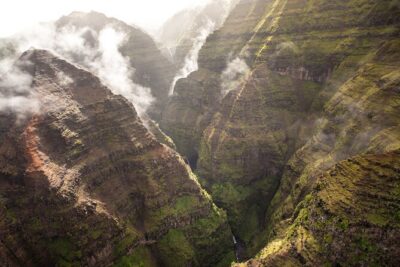
Kauai Deluxe Waterfall Safari: Helicopter Tour
Read our review →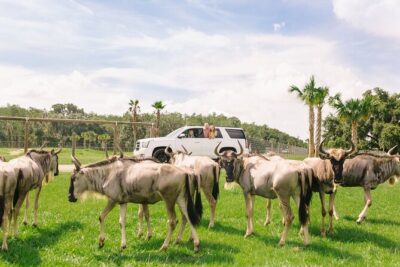
Wild Florida Drive-Thru Safari and Gator Park Admission
Read our review →
Wild Dolphin Watching and Snorkel Safari Off West Coast of Oahu
Read our review →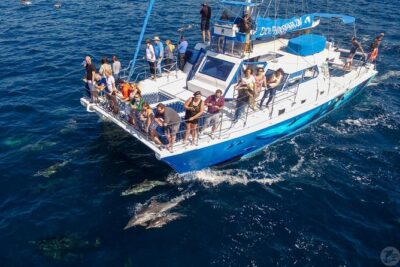
Dana Point Dolphin and Whale Watching with Underwater Viewing
Read our review →Browse the lists this tour appears in