REVIEW · ARUSHA
5 Days Camping Tarangire, Serengeti & Ngorongoro crater & Visiting Maasai
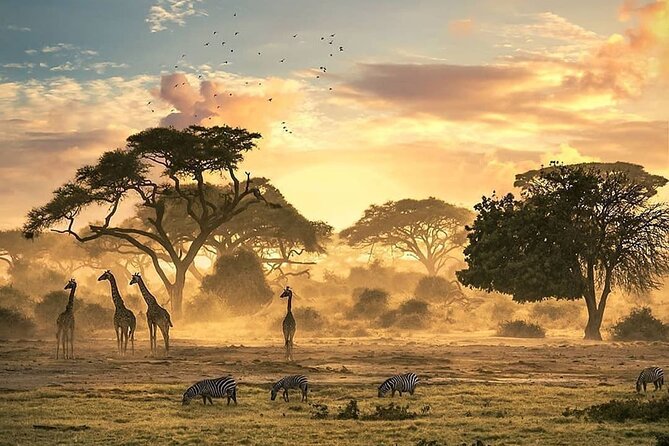
Tarangire’s elephants, the Serengeti’s wide plains, and Ngorongoro’s crowded crater floor give you three very different safari settings in just five days. You travel with a private guide, eat meals prepared along the way, and sleep in camps rather than paying lodge prices.
I like the small maximum group of six, which keeps the vehicle more personal. I also like the full route: Tarangire offers baobabs and elephants, Serengeti gives you the best chance at big-cat sightings, and Ngorongoro packs a remarkable number of animals into one compact area.
The trade-off is comfort. This is a real camping safari, not a tented lodge holiday. Reports include excellent guides such as Samwel, Samuel, Douglas, Jacob, and Johnson, but also complaints about poor campsite toilets and difficult conditions. Ask exactly where you will sleep before booking.
Key points to know before booking
- Three major wildlife areas in five days: Tarangire, Serengeti, and Ngorongoro Crater each offer a different type of game viewing.
- A private safari vehicle for up to six people: You have more say in viewing stops than on a large group departure.
- Camping is part of the bargain: Expect basic facilities, shared campsite conditions, and long days on rough roads.
- The Serengeti schedule is demanding: Day two takes you into the central Seronera area, followed by a full wildlife day and another long transfer.
- Migration timing matters: June through September is presented as the best period for the river crossings, while January through March is the calving season.
- Meals and water are included: Breakfast, lunch, dinner, unlimited drinking water, and Wi-Fi in the safari vehicle are part of the package.
Why this five-day route works
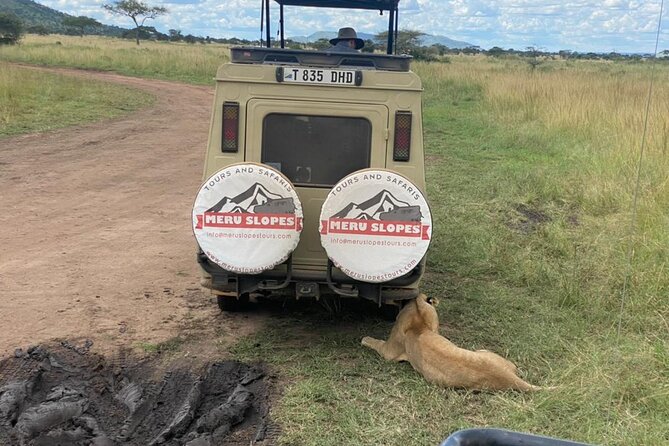
This trip is built around Tanzania’s most famous wildlife circuit. Starting in Arusha, you head first to Tarangire, then cross toward the Serengeti through the Ngorongoro Conservation Area, spend two nights around the Serengeti, visit the crater, and return toward Arusha through Mto wa Mbu.
That order makes sense. Tarangire is relatively close to Arusha, so you get an early wildlife day without using your first night on a long transfer. The Serengeti then receives the most time, which is important because sightings can require patience and distance. Ngorongoro comes at the end as a concentrated final game drive.
The price is $1,254 per person. For five days with park fees, meals, drinking water, safari transport, a private guide, and accommodation before and after the safari, that can be a fair package. The value depends heavily on your tolerance for camping. You are paying less than a lodge-based safari, but the savings come with basic bathrooms, tent nights, and a fairly packed schedule.
The experience is described as private, but the vehicle can hold up to six people. That usually means a small shared party rather than a vehicle reserved only for one booking, so confirm the arrangement if privacy is important to you.
More National Park Safaris in Arusha
- 5-Day Highlights mid-Range Crater, Serengeti, Tarangire
★ 5.0 · 296 reviews - Private 6-Day Tarangire Manyara Crater and Serengeti with Mid-Range Lodges
★ 5.0 · 238 reviews - 4 Days Join Group tour Tarangire Serengeti and Ngorongoro crater
★ 5.0 · 219 reviews
Day one: elephants and baobabs in Tarangire
Pickup is listed around 8 a.m., although the general meeting information gives a 9 a.m. start. Confirm the exact pickup time with the operator the day before. From Arusha, the drive to Tarangire takes about three hours, with the park roughly 115 kilometers away.
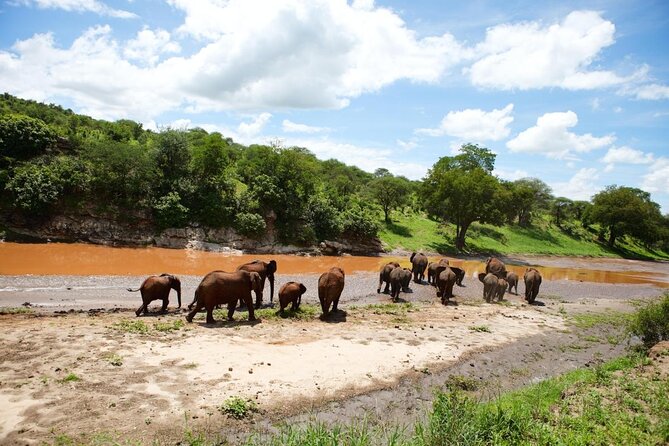
Tarangire covers about 2,800 square kilometers and takes its name from the Tarangire River. That river is a key water source, so animals gather near it, especially when other water sources are less reliable. The park is best known for its large elephant population, but the scenery is just as memorable, with baobab trees and open grassland.
The itinerary gives you a full game drive, up to about eight hours. You may see elephants, lions, zebras, giraffes, and other animals. The park is also associated with tree-climbing pythons, an unusual sight if you are lucky enough to find one.
This first day is a good test of the safari rhythm. You spend hours in the vehicle, often on rough tracks, with short breaks for food and viewing. Bring a hat, sunscreen, and a light layer. The air can change during the day, and an open-sided safari vehicle gives you little shelter from sun or dust.
The night is listed at Jambo Lodge, which is a useful detail because the tour is not four consecutive nights of basic camping. Still, ask how this night fits with the rest of the accommodation, since the general description emphasizes camping while the itinerary names a lodge here.
Day two: crossing the highlands into the Serengeti
After breakfast, you head through the farmland around Karatu and the Ngorongoro Conservation Area. This is one of the more scenic travel sections, as the route leaves the higher ground and moves toward the Serengeti plains.
The drive is long, around nine hours with the afternoon game drive included. You arrive in time for lunch, then continue into the central Serengeti, particularly the Seronera area. Seronera is valued for its water source, the Seronera River, which helps draw a broad mix of wildlife.
This is where the safari begins to feel vast. The Serengeti is not a small park where every sighting is close together. You can spend time driving between areas, scanning the grass, and waiting for your guide to spot movement. That makes the guide especially important. Several guides connected with this experience, including Samwel, Samuel, Douglas, Jacob, and Johnson, have been praised for animal spotting, patience, and clear explanations. Your assigned guide may be different, so treat those names as examples rather than a guarantee.
The central Serengeti can be productive throughout the year, but the exact animals you see depend on season, weather, and luck. You should expect a full afternoon rather than a quick stop. By sunset, you return to camp for dinner and sleep.
Day three: a full Serengeti wildlife day
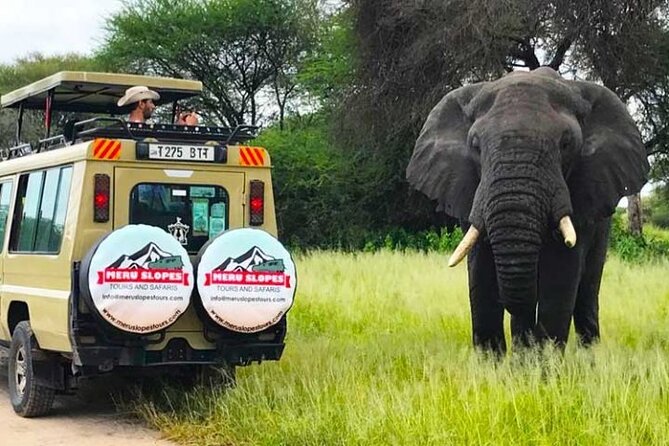
Day three gives you the most time in one park. After breakfast, you set out for a full-day game drive, with about ten hours listed. The guide aims for key areas in the Serengeti and may adjust the route according to recent sightings.
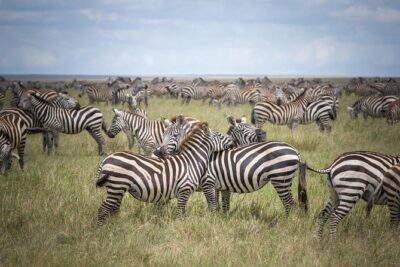
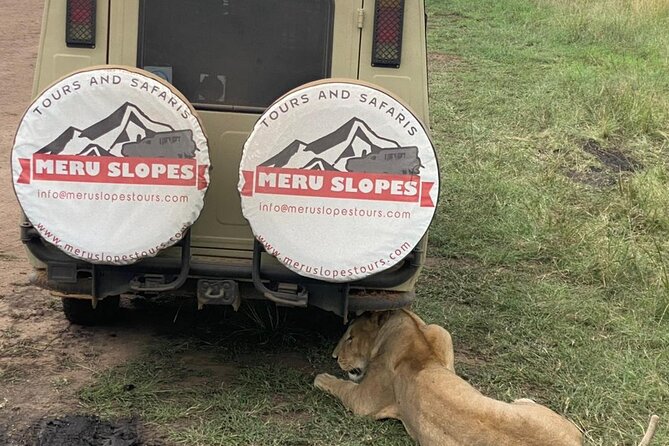
This is the day when patience pays. You might see lions, elephants, zebras, wildebeest, gazelles, giraffes, hippos, and many bird species. The itinerary also highlights the possibility of leopards and cheetahs. These sightings are never guaranteed, but a full day gives you more chances than a short drive.
The Great Migration needs careful explanation. The animals move through the year, following rain and fresh grazing. June through September is given as the best period for seeing the migration, with northern Serengeti routes offering a chance of witnessing wildebeest crossing the Mara River. January through March is associated with calving.
Those dates are useful, but they are not a promise. Migration timing changes from year to year, and river crossings depend on the animals, water levels, and the precise location of the herds. If the migration is your main reason for booking, ask the operator where the route will go during your dates. A central Serengeti itinerary is not the same as a northern Serengeti migration trip.
You return to camp after the game drive for dinner and another night outdoors. Camping lets you remain close to the park setting, but it also means you should be realistic about facilities. Some reports describe clean camps, while others point to poor restrooms and uncomfortable conditions. Pack toilet paper, hand sanitizer, a headlamp, and personal medication. These are simple items, but they make basic camps easier.
More National Park Safaris in Tanzania
- 4 Days Tarangire Serengeti Ngorongoro Crater
★ 5.0 · 117 reviews - 5 Days Tanzania Group Joining Safari, Tarangire/Serengeti/Ngorongoro Crater
★ 5.0 · 85 reviews - 5 day safari Tarangire Serengeti and Ngorongoro crater
★ 5.0 · 83 reviews - 3 Days Small Group Safari to Serengeti NP and Ngorongoro Crater Tour in Tanzania
★ 5.0 · 77 reviews
Day four: sunrise in the Serengeti and a move to Simba Camp
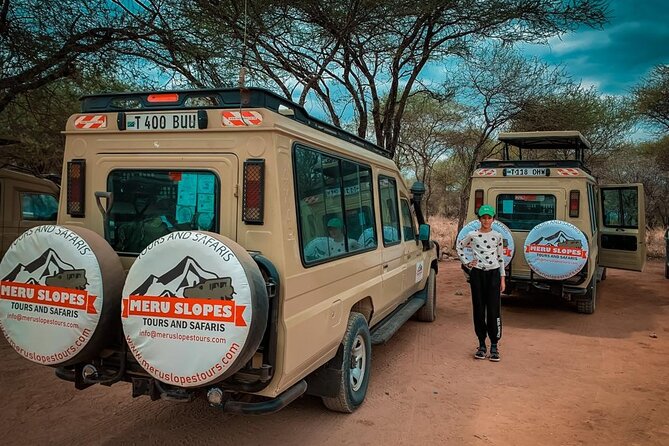
The fourth day starts early, around 5:45 a.m., with breakfast before a morning game drive. The aim is to see the Serengeti at first light and continue watching wildlife until roughly 11:30 a.m.
Early starts are worthwhile here. Animals are often active before the heat of the day, and the changing light can make the plains especially striking. You then return to camp for a hot lunch, pack your belongings into the safari vehicle, and continue toward Ngorongoro.
The itinerary adds more Serengeti game viewing while you travel toward Simba Campsite, where dinner and overnight accommodation are planned. This is another long day, listed at about ten hours. You should not expect a relaxed transfer. The route combines wildlife viewing, packing, and a move between parks.
Simba Campsite is positioned for the next morning’s crater visit. That location saves time on day five, but it also means another basic camping night. Check what type of tent and bedding are supplied, and ask whether you need to carry a sleeping bag or other personal gear. The supplied information does not specify those details.
Day five: Ngorongoro Crater and Mto wa Mbu
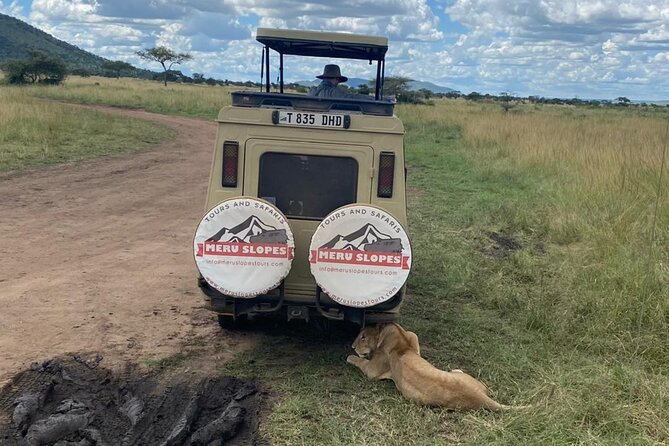
The final safari morning begins early. After breakfast, you descend into Ngorongoro Crater on a steep track. The crater is about 610 meters deep and covers roughly 260 square kilometers. It is a UNESCO World Heritage site and one of Tanzania’s most concentrated areas for wildlife viewing.
The crater floor can produce quick, varied sightings. In one morning, you might see wildebeest, zebras, gazelles, elephants, and large numbers of birds. The area is also known for its black rhinos, although spotting one is a matter of luck. The compact setting means you spend less time searching across huge distances than you might in the Serengeti.
The crater is not a guaranteed animal parade. Roads can be busy, and the descent and ascent take time. Still, it is a strong final stop because the setting feels completely different from the open Serengeti. You get a contained ecosystem, steep crater walls, and a high chance of seeing several species during one game drive.
After lunch, you climb out and continue to Mto wa Mbu for a short community visit. A local guide leads you through parts of the village, including banana plantations where more than 30 varieties are grown. The visit is meant to show local social and economic life rather than wildlife.
This is the part most likely to appeal if you want more than animals and vehicle time. Ask questions as you walk, bring a camera, and keep in mind that the village visit is short, about one hour. Afterward, you drive to Arusha for the final overnight stay.
The title refers to visiting Maasai, but the supplied day-by-day plan describes Mto wa Mbu and banana plantations rather than a specific Maasai village or boma visit. If meeting Maasai communities is important to you, get written confirmation that it is included and ask how it fits into the schedule.
Camping, food, and comfort on the road
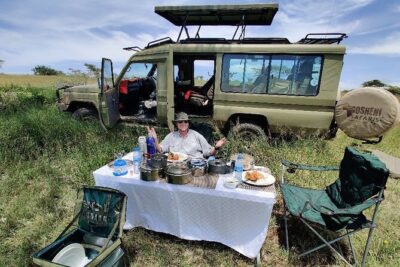
The package includes breakfast, lunch, and dinner for five days, plus unlimited drinking water. That is a real saving, since meals in remote park areas can add up quickly. Vegetarian food is available if you request it at booking.
The food seems to be a major part of the operation, with cooks such as Saleem and Johanna receiving strong praise for their meals and care. Yohane is also named in the feedback connected with the safari team. You should still tell the operator about allergies or dietary limits in advance, since the information only confirms a vegetarian option.
Wi-Fi is included inside the safari vehicle. That can be useful for messages and basic contact, but do not treat it as a reason to expect steady internet during every game drive. You are moving through remote parks, and the listing does not promise a strong connection at all times.
Accommodation before and after the safari is included, which makes arrival and departure simpler. The pre-safari stay is described as Arusha Tourist Inn in one account, located down an alley. The exact property may change, so confirm the name and room arrangement if you arrive late or need airport transport.
The camping standard is the main question mark. Some accounts describe a good adventure with clean camps, while others describe bad bathrooms and an unhealthy or uncomfortable setup. This does not erase the strong guide reports, but it does mean the trip suits people who can handle modest facilities.
Guides make the difference
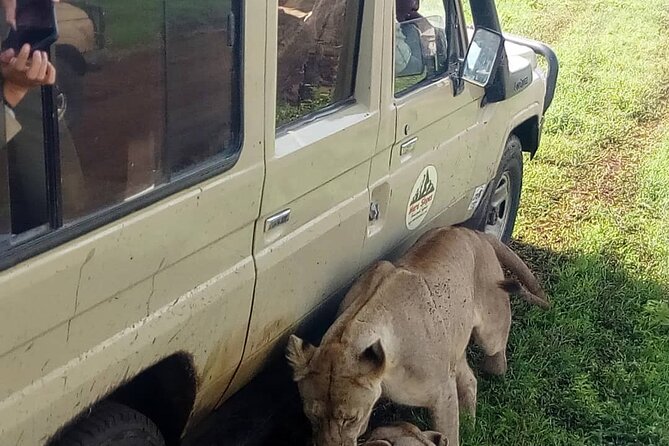
A safari guide is more than a driver. The right person explains animal behavior, reads the roads, knows where water attracts wildlife, and listens when you want to stop. The strongest comments about this experience focus on guides who were patient, communicative, and skilled at finding animals.
Samwel is praised for animal knowledge and patience. Samuel is singled out for spotting the Big Five and responding to repeated requests. Douglas is described as strong at finding wildlife and explaining what you are seeing. Jacob receives praise for organization and food support, while Johnson is noted for professionalism and persistence.
Those names do not guarantee your assigned team. They do show what you should expect from a good guide: clear communication, sensible driving, and a willingness to explain the ecosystem rather than simply point at animals.
With a private arrangement for a maximum of six, you can ask the guide about the day’s route, migration timing, and likely viewing areas. If you prefer long photography stops, say so early. If you would rather cover more ground, say that too.
Is $1,254 a fair price?
For five days, the cost covers park fees, transport, a guide, meals, water, Wi-Fi in the vehicle, accommodation before and after the safari, and the listed overnight stays. Flights and tips are not included.
That package can offer solid value compared with a lodge safari. You reach three major destinations, spend a full day in Tarangire, two substantial days in the Serengeti, and a morning in Ngorongoro. Two UNESCO World Heritage sites are included, and the route gives you a broad introduction to northern Tanzania.
The price is less attractive if you want private bathrooms, slow mornings, or a lodge every night. You should also budget for tips, since they are excluded, and confirm any airport transfers or extra accommodation arrangements before arrival.
I would compare the exact campsite standard before paying. Ask about tents, mattresses, toilets, showers, bedding, and the number of people sharing facilities. Those answers matter more here than a small difference in price.
Who should book this safari?
This trip suits you if you want a first safari that covers Tanzania’s major parks without paying for luxury lodges. It is a good fit for active couples, friends, and families who can manage long drives, early starts, tent camping, and changing conditions.
It also suits you if wildlife matters more than hotel comfort. The route gives you real time in the Serengeti, not just a quick pass through, and the crater provides a strong final game drive.
I would hesitate if you need reliable sanitation, easy access, a slow pace, or guaranteed migration crossings. The camping concerns are not minor for some people. A lodge-based itinerary or a shorter private trip may be worth the extra cost.
Free cancellation is available up to 24 hours before the local start time. The experience is mobile-ticketed, pickup is offered, and most people can participate, but the provided information does not give detailed accessibility guidance. Ask before booking if mobility or medical needs affect your plans.
Should you book it?
Book this safari if you want a practical, wildlife-heavy introduction to northern Tanzania and can accept basic camping. The combination of Tarangire’s elephants, Serengeti’s open plains, Ngorongoro’s dense animal population, full-board meals, and a small vehicle gives you a lot for the price.
Before you commit, confirm four points: the exact pickup time, the campsite facilities, the name of your guide, and whether the promised Maasai visit is actually part of your dates. If those answers suit you, this is a strong value choice. If comfort comes first, spend more on lodges and a less compressed schedule.
FAQ
How long is the safari?
The experience lasts approximately five days, beginning in Arusha and returning there after the Ngorongoro and Mto wa Mbu visits.
Which parks and protected areas are included?
The route includes Tarangire National Park, Serengeti National Park, the Ngorongoro Conservation Area, and Ngorongoro Crater.
Is camping included?
Yes. The experience is described as a camping safari. The itinerary also lists Jambo Lodge on the first night and includes accommodation before and after the safari.
How many people can join the tour?
The maximum group size is six people. The experience is described as a private tour with a private guide.
Are meals and drinking water included?
Yes. Five breakfasts, five lunches, five dinners, and unlimited drinking water are included. Vegetarian meals are available if requested at booking.
When is the best time to see the Great Migration?
The supplied schedule identifies June through September as the best chance for seeing the migration, including possible Mara River crossings in northern Serengeti. January through March is identified as the wildebeest calving period.
More Overnight Safaris in Tanzania
- 6 Days Tanzania Budget Camping Safari
★ 5.0 · 145 reviews - Multi-Day Tanzania Odssey Safari from Arusha
★ 5.0 · 120 reviews - 3 Days Tarangire, Ngorongoro & Lake Manyara Group Camping Safari
★ 5.0 · 102 reviews - 5-Day private Camping Safari Tour in Tanzania
★ 5.0 · 86 reviews
More Overnight Safaris in Arusha
- 4 Days Group Camping Safari
★ 5.0 · 1,101 reviews - 5 Days Group Camping Safari
★ 5.0 · 730 reviews - 3 Days Serengeti & Ngorongoro Group Camping Safari
★ 5.0 · 574 reviews - 2 Days Tarangire and Ngorongoro Group Camping Safari
★ 5.0 · 146 reviews
Just added around Arusha
- 6 days Tanzania budget safari★ 5.0 · 65 reviews
- 7 days great migration safari★ 5.0 · 77 reviews
- serengeti, ngorongoro & tarangire 5days private tour★ 5.0 · 77 reviews
- 5 days safari, hiking & culture (Serengeti & kilimanjaro)★ 5.0 · 27 reviews
- 5-Day Mid-Range Safari in Tanzania★ 5.0 · 33 reviews
- 4 days safari★ 5.0 · 34 reviews
- serengeti & ngorongoro 3 days private tour★ 5.0 · 15 reviews
- serengeti, ngorongoro & tarangire 4 days private tour★ 5.0 · 18 reviews
Arusha Safaris, compared.
Balloon Safari & Bush Breakfast in Serengeti – Miracle Experience
Read our review →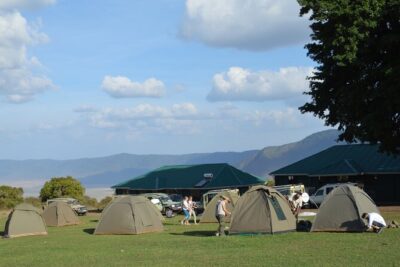
3 Days Serengeti & Ngorongoro Group Camping Safari
Read our review →
7-Day Premium Luxury Tanzania Safari All-Inclusive
Read our review →
5-Day Highlights mid-Range Crater, Serengeti, Tarangire
Read our review →