
REVIEW · ARUSHA
5 day safari Tarangire Serengeti and Ngorongoro crater
Tarangire’s giant baobabs and elephant herds make a strong opening act, but the real prize is the run of wildlife habitats that follows: the Seronera plains, the Ngorongoro Crater floor, and the long views between them. This private five-day safari gives your group its own vehicle and guide, so you can ask questions, set the pace, and focus on the animals you most want to see.
I like the practical comfort here: self-contained rooms with hot showers, plus breakfast, lunch, dinner, and daily drinking water are covered. I also like the range of guides assigned by Bestday Safaris, including John, Joseph, Jackson, Muro, Sixie, and Emanuel, who are praised for sharp animal spotting and strong local knowledge. The main drawback is time. Five days covers three major areas, but several days include long drives, and the Serengeti portion may feel rushed if you want slow, quiet wildlife watching.
Key points to know before booking
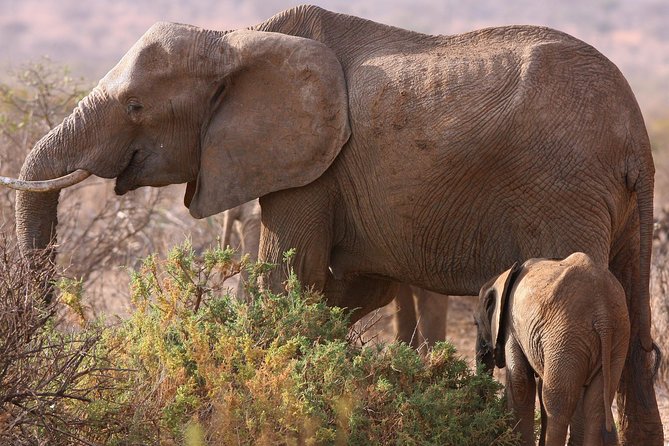
- Tarangire opens the safari with elephants, baobabs, and rare species such as greater kudu and fringe-eared oryx.
- Two full or near-full days focus on the Serengeti, including the Seronera area, a key wildlife zone around the Seronera River.
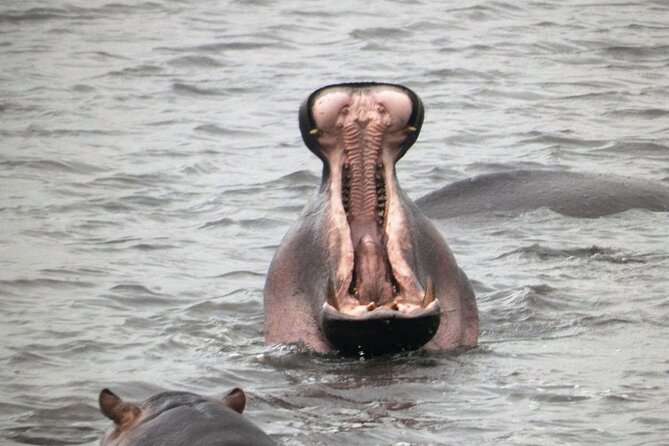
- Ngorongoro Crater provides a concentrated final game drive, with a chance to see black rhino, lions, hippos, buffalo, and other wildlife.
- The tour is private, restricted to your own group, with a 4×4 safari vehicle and driver-guide.
- The $2,211.29 price includes major safari costs, including park fees, accommodation, meals, transport, and 1.5 liters of water per person per day.
- This is best for visitors with limited time who want Tanzania’s three headline wildlife areas without arranging separate transport and lodging.
Why this five-day route works
This safari is built around contrast. Tarangire has woodland, baobabs, and swamps. The Serengeti opens into broad grassland with wildlife spread across a huge area. Ngorongoro then compresses the action into a volcanic crater where water and grazing keep animals present all year.
That variety matters. You are not simply visiting three parks that look alike. Each stop gives you a different setting and a different style of game drive. Tarangire rewards close attention to trees and river areas. The Serengeti rewards patience and a good guide who can track reports of animal activity. Ngorongoro gives you a compact wildlife viewing day, with many species living within a relatively small area.
The tour begins at 8:30 am from Msumbi Coffees at TFA Shopping Complex on Sokoine Road in Arusha. Pickup is offered, but I would confirm the exact pickup arrangement before departure because the listed meeting point remains the official start location. The final drive returns to that same meeting area in Arusha on day five.
More National Park Safaris in Arusha
- 5-Day Highlights mid-Range Crater, Serengeti, Tarangire
★ 5.0 · 296 reviews - Private 6-Day Tarangire Manyara Crater and Serengeti with Mid-Range Lodges
★ 5.0 · 238 reviews - 5 Days Camping Tarangire, Serengeti & Ngorongoro crater & Visiting Maasai
★ 5.0 · 229 reviews
Day one: Tarangire’s elephants and baobab country
After breakfast, you drive to Tarangire National Park for a full day of game viewing and a picnic lunch. The drive from Arusha is part of the day, so you should expect an early start and a long outing, listed at about seven hours.
Tarangire is especially appealing during Tanzania’s dry season, when the Tarangire River and the park’s swamps draw animals from surrounding areas. The park is known for some of Africa’s largest elephant herds, and the mix of acacia woodland and huge baobab trees gives the first day a strong sense of place.
I like this opening because it starts with more than the usual big-cat promise. The habitat itself is the attraction. A baobab rising over the vehicle, elephants moving near water, and birds around the swamp can make this a rewarding day even when lions are not nearby.
Tarangire also has three less common species associated with the park: greater kudu, fringe-eared oryx, and Ashy starlings. Sightings are never guaranteed, but these animals give you specific things to watch for beyond the standard safari checklist.
The picnic lunch keeps the day moving, though it also means you should not expect a restaurant stop or a long midday break. You will spend most of the day outside in the vehicle. Bring patience, sun protection, and a willingness to stay alert between major sightings.
Day two: Crossing the highlands into the Serengeti
Day two takes you toward Serengeti National Park through the farmland around Karatu and the Ngorongoro Conservation Area. The route then drops from the higher country toward the open Serengeti, with the Seronera area as the main target.
The listed driving and game-viewing time is about six hours. That does not mean six quiet hours parked beside animals. This is a transition day, and you should expect a substantial amount of road time before reaching the central Serengeti.
Seronera is a smart choice for a short safari because the Seronera River provides water and draws a broad mix of wildlife. The area is described as one of the park’s strongest wildlife zones, with representative species from across the Serengeti. Your guide’s ability to use local sightings and radio reports can make a real difference here.
The central Serengeti is also where the scale of the park becomes clear. The plains stretch far beyond the road, and animals may be close one moment and tiny specks on the horizon the next. A private vehicle helps because you can ask the guide to pause for a better view or spend extra time with a scene that interests you.
The tradeoff is that this day combines transit with wildlife viewing. If you prefer a slower pace, you may wish the itinerary offered another night in the Serengeti. If your priority is seeing the main parks in five days, this efficient route makes sense.
Day three: A full Serengeti game-drive day
Day three is the safari’s main wildlife day. After breakfast, you spend up to ten hours on a full game drive, with lunch at the lodge or campsite.
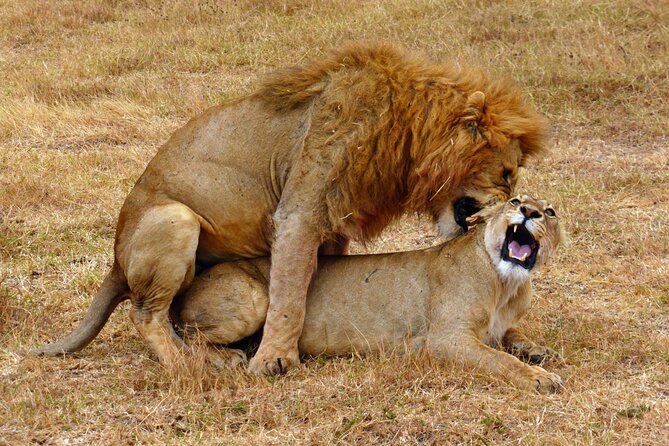
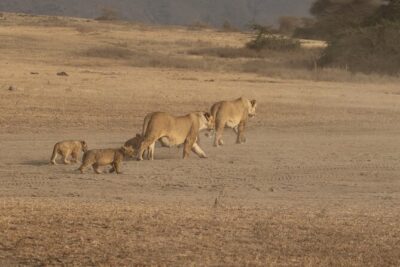
That long day gives you the best chance to see the Serengeti at different times. Morning can bring active predators and moving herds. Later hours may reveal animals near water or resting in shade. The broad species list includes lions, leopards, cheetahs, elephants, buffalo, wildebeest, eland, wild dogs, gazelles, crocodiles, and many kinds of birds.
The wildebeest migration is included among the possible highlights, but timing and location matter. You should treat migration sightings as a possibility, not a promise. The same applies to the Big Five. Some feedback describes excellent sightings of all five, while another account notes that the group did not find all of them. That is normal safari reality, and a responsible expectation makes the experience better.
I would ask your guide early in the day what sightings are active and how far the vehicle might need to travel. Guides associated with this operation, including John, Joseph, Muro, Jackson, and Sixie, have been praised for finding animals and explaining what you are seeing. The exact guide depends on assignment, but the guide is central to the value of a private safari.
Ten hours in a safari vehicle can be tiring. The reward is time: you are not forced to leave after a short drive, and you have more chances to wait for a predator, follow a herd, or stop for birds. The cost is physical comfort. Even with a good 4×4 vehicle, long hours on park roads require patience.
More National Park Safaris in Tanzania
- 4 Days Join Group tour Tarangire Serengeti and Ngorongoro crater
★ 5.0 · 219 reviews - 4 Days Tarangire Serengeti Ngorongoro Crater
★ 5.0 · 117 reviews - 5 Days Tanzania Group Joining Safari, Tarangire/Serengeti/Ngorongoro Crater
★ 5.0 · 85 reviews - 3 Days Small Group Safari to Serengeti NP and Ngorongoro Crater Tour in Tanzania
★ 5.0 · 77 reviews
Day four: One last Serengeti morning before Ngorongoro
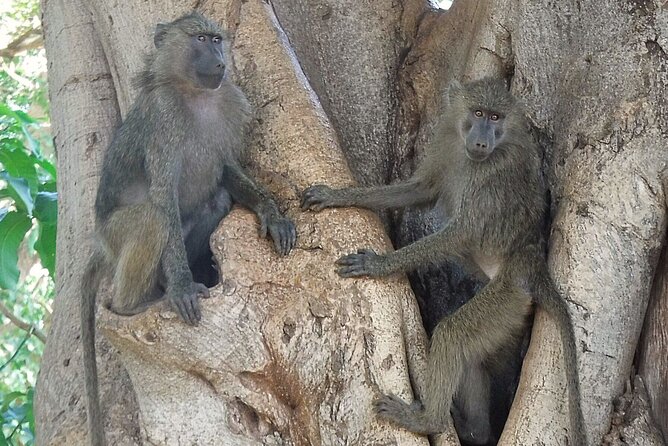
Day four begins with an early breakfast and a morning game drive in the Serengeti. You then leave for the Ngorongoro Conservation Area, with wildlife viewing along the route. The listed activity time is about four hours.
This is a useful final Serengeti chance. Early morning is often a good period for animal activity, and the shorter drive means you are not spending the entire day in transit. Still, the schedule is tight. You will need to leave the central Serengeti, so your guide must balance one last search for animals with the onward journey.
The change in scenery is part of the appeal. You move from the wide Serengeti plains toward the high country around Ngorongoro. Accommodation is described as lodges and tents with hot showers, but the exact property and room type should be confirmed before booking if that detail matters to you.
This night also marks a change in the rhythm of the trip. After the broad, open Serengeti, the next day’s crater drive is more compact and concentrated. If you are sensitive to repeated long drives, ask how much time is expected on the road between your accommodation and the crater entrance.
Day five: Ngorongoro Crater’s compact wildlife show
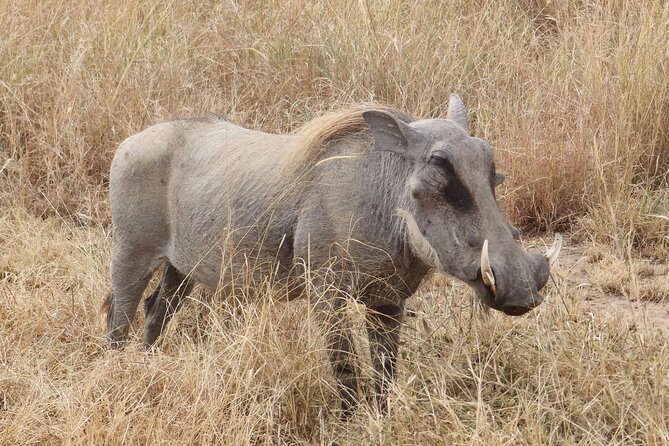
After breakfast, you descend into Ngorongoro Crater for a game drive, picnic lunch, and late afternoon return to Arusha. The activity is listed at about six hours, though the full day includes the drive back after leaving the crater.
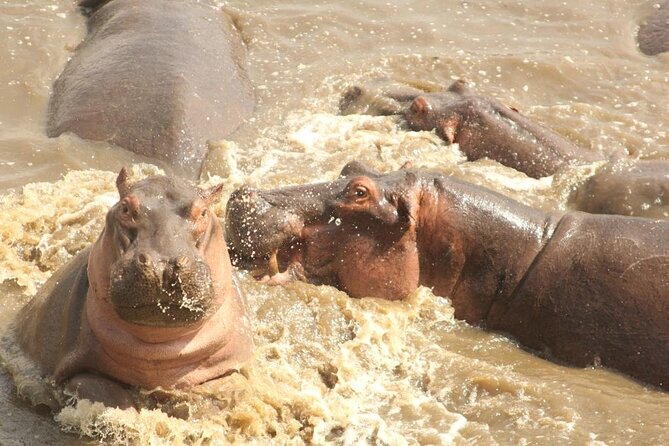
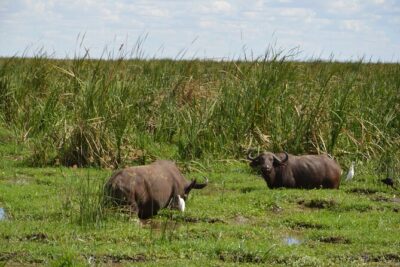
The crater is the most concentrated wildlife setting on this route. A year-round water supply and grazing support large numbers of animals, including wildebeest, zebra, buffalo, eland, warthog, hippo, and elephant. Lions, hyenas, jackals, cheetahs, and leopard are among the predators you might find.
Black rhino is a particularly important possibility. The crater is home to some of Tanzania’s remaining black rhino, though no wildlife sighting can be assured. You may also find that the crater feels busier than the Serengeti because many animals and safari vehicles gather within the same enclosed area.
That is the central tradeoff. Ngorongoro offers strong odds for varied wildlife in a striking setting, but it may feel less remote than the Serengeti. The picnic lunch on the crater floor adds convenience, but you should follow the guide’s instructions closely around wildlife and keep food packed away when told.
The late afternoon drive back to Arusha makes day five a long finish. I would avoid scheduling a flight or important connection immediately after the tour unless you have plenty of spare time. Airport transfers and flights are not included.
Accommodation, meals, and the safari vehicle
The package includes accommodation during the safari, four breakfasts, four dinners, and five lunches. The description refers to both lodges and tents, with self-contained rooms and hot showers. That is a useful middle ground for people who want a real safari atmosphere without giving up basic comfort.
Do not assume that every night has the same room style. Ask the operator for the names of the properties and whether your booking uses a lodge room, a tented room, or a mix. This is especially important because the price is presented as a mid-range option in the supplied feedback, and accommodation standards can vary between locations.
Drinking water is included at 1.5 liters per person per day. That is helpful, but you may still want to ask whether the vehicle has a way to keep water cool and bring any preferred drinks yourself. Personal beverages, laundry, telephone use, and other personal costs are not covered.
Transport is by 4×4 safari vehicle. The private setup is one of the biggest advantages of this package. You are not sharing every decision with a large bus group, and you can speak directly with the guide about animal sightings, photography, and timing.
What the $2,211.29 price covers
At $2,211.29 per person, this is not a budget park visit. It is a substantial purchase, but the price includes the parts that can quickly add up on a Tanzania safari: transport, a driver-guide, accommodation, park-related fees and taxes, four dinners, four breakfasts, five lunches, and daily water.
The private format strengthens the value for couples, families, or a small group that wants control over the vehicle. If you were arranging three parks independently, you would also need to coordinate park access, lodging, meals, driving, and transfers. Here, those pieces are handled together.
The price does not include nights in Arusha, airport transfers, flights, personal expenses, optional activities, or tips for the guide and other staff. Balloon rides and Maasai village visits are optional extras, not part of the base tour.
I would compare the total cost against the number of people in your private group, the exact accommodation level, and the guide arrangement. Ask for those details before paying, especially if you care about a particular lodge or want extra time in the Serengeti.
Guides, group size, and the human side of the trip
The guide can make or break a safari. This package assigns a driver-guide, and the strongest feedback focuses on animal spotting, practical help, and smooth organization.
Names connected with the operation include John and Joseph, Jackson, Muro, Sixie, Emanuel, and Anok. John is praised for spotting animals, Joseph for animal expertise and effort, Muro for careful attention to small details, and Sixie for finding the Big Five. You cannot request that every one of these guides will be available, but you can ask who is assigned before departure.
Because this is a private activity, only your group participates. That matters most during a long sighting. You can discuss how long to stay, ask for explanations, and avoid spending the whole day adapting to strangers’ preferences.
The safari still depends on nature. A skilled guide improves your chances, but no guide can control animal movement, weather, road conditions, or migration timing.
Who should book this safari
I would recommend this trip to a first-time safari visitor who wants the classic northern Tanzania route in five days. It suits couples, families, and small groups who value a private vehicle, included meals, and accommodation with hot showers.
It is also a good fit if you want a strong mix of habitats rather than one park only. Tarangire gives you elephants and baobabs, Serengeti gives you space and predators, and Ngorongoro gives you concentrated wildlife.
I would hesitate if you dislike long drives, need a slow schedule, or want several full days in one park. The itinerary covers a lot of ground. You should also think carefully about timing if you plan to connect directly to a flight on the final day.
Free cancellation is available up to 24 hours before the 8:30 am start time. Changes or cancellations inside that window are not refunded, and poor weather may lead to a new date or full refund.
FAQ
What parks does the five-day safari visit?
The route includes Tarangire National Park, Serengeti National Park, and Ngorongoro Crater within the Ngorongoro Conservation Area.
Is this a private safari?
Yes. The activity is restricted to your own group, with a 4×4 safari vehicle and driver-guide.
Where does the safari start and end?
It starts at Msumbi Coffees at TFA Shopping Complex on Sokoine Road in Arusha at 8:30 am. The activity ends back at the meeting point in Arusha.
Are meals and accommodation included?
Yes. The package includes safari accommodation, four breakfasts, four dinners, and five lunches. The accommodation may include lodges and tents with self-contained rooms and hot showers.
Is the Ngorongoro Crater admission included?
Yes. The final day lists admission to Ngorongoro Crater as included, along with all fees and taxes for the tour.
Are airport transfers and flights included?
No. Airport transfers, domestic flights, and international flights are not included. Nights in Arusha are also separate.
Should you book it?
Book this safari if you want a private, well-organized route through Tanzania’s headline wildlife areas and you are willing to accept a busy five-day schedule. The combination of Tarangire’s elephants, two Serengeti-focused days, and Ngorongoro’s dense wildlife makes the itinerary strong for a first visit.
Before booking, confirm the exact lodges or tented camps, the pickup plan, the assigned guide, and how much time you will spend driving on each day. If those details suit you, the $2,211.29 cost offers a practical way to cover three major parks with transport, meals, accommodation, and park costs already arranged.
More 5-Day Experiences in Arusha
- 5 Days Group Camping Safari
★ 5.0 · 730 reviews - Tanzania Simba Safari – 5 Days
★ 5.0 · 217 reviews - 5 Days Budget Private Safari, Tanzania
★ 5.0 · 191 reviews - 5-Day Private Northern Tanzania Safari from Arusha
★ 5.0 · 182 reviews
Just added around Arusha
- 6 days Tanzania budget safari★ 5.0 · 65 reviews
- 7 days great migration safari★ 5.0 · 77 reviews
- serengeti, ngorongoro & tarangire 5days private tour★ 5.0 · 77 reviews
- 5 days safari, hiking & culture (Serengeti & kilimanjaro)★ 5.0 · 27 reviews
- 5-Day Mid-Range Safari in Tanzania★ 5.0 · 33 reviews
- 4 days safari★ 5.0 · 34 reviews
- serengeti & ngorongoro 3 days private tour★ 5.0 · 15 reviews
- serengeti, ngorongoro & tarangire 4 days private tour★ 5.0 · 18 reviews
Arusha Safaris, compared.
Balloon Safari & Bush Breakfast in Serengeti – Miracle Experience
Read our review →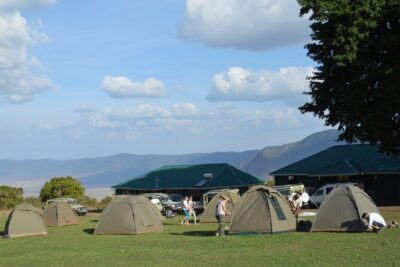
3 Days Serengeti & Ngorongoro Group Camping Safari
Read our review →
7-Day Premium Luxury Tanzania Safari All-Inclusive
Read our review →
5-Day Highlights mid-Range Crater, Serengeti, Tarangire
Read our review →
8 Days Great Wildebeest Calving Migration Safari from Arusha
Read our review →Browse the lists this tour appears in