
REVIEW · USA
Lamar Valley: Safari Hiking Tour with Lunch
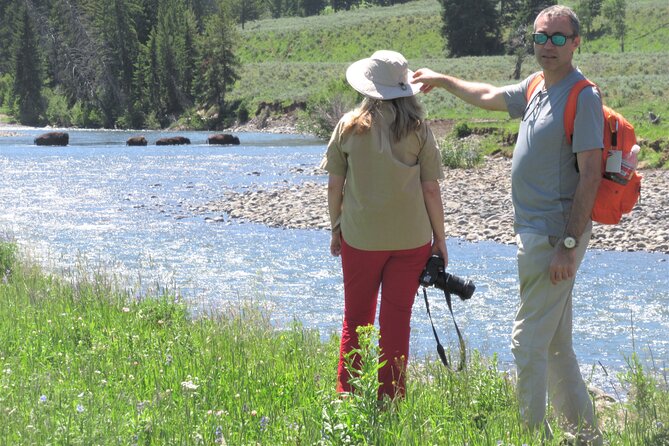
Lamar Valley is one of Yellowstone’s best places to watch wild animals without sitting in a car all day. This six-hour hike takes you across open sage country toward the Lamar River, with a guide helping you spot bison, pronghorn, elk, birds, and, with luck, bears or wolves. The wildlife is free-ranging and close enough to study, but never tame.
I like the useful gear: binoculars, a group spotting scope, trekking poles, a backpack, and bear spray are provided. I also like the riverside picnic, since lunch becomes part of the outing rather than a rushed break back in town. Guides such as Bob, Dallas, Karlie, and Marisa have been praised for setting a comfortable pace and changing course when bison block the trail.
The main catch is the physical effort. You’ll hike about six miles at roughly 6,500 feet, with uphill and downhill sections, and the trip runs rain or shine. This is not a scenic drive with a few short walks, so you need comfortable shoes, water, and rain gear.
Key things to know before you book
- Wildlife comes first: Your guide may reroute the group when bison occupy the trail, which adds time but keeps the walk sensible and safe.
- The hike is six miles: Expect real walking at 6,500 feet, not a gentle stroll between roadside viewpoints.
- Morning starts at the Lamar River Trailhead: Meet at 8 am at the hiker trailhead, not the nearby stock trailhead used by horse riders.
- Lunch is served beside the Lamar River: The picnic gives you a proper pause in a quiet setting, though you still need to carry your water and rain jacket.
- The guide adds real value: Bob, Dallas, Karlie, Chris, Mark, Marisa, and others have been singled out for wildlife knowledge, park history, safety, and flexible pacing.
- You receive useful field equipment: Binoculars, a spotting scope, a trekking pole, bear spray, a backpack, a snack, and a hot drink are included.
Why Lamar Valley works so well on foot
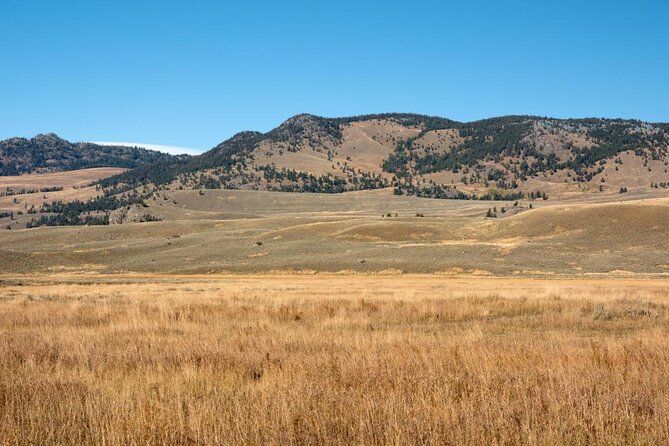
Lamar Valley is often called the Serengeti of North America, a nickname that makes sense once you see the broad open country and the number of animals that use it. The valley gives wildlife room to move, while the road offers access to long views across sagebrush and river country.
A car-based visit can be rewarding, but it often means pulling over, peering through a window, and moving on when traffic builds. This hike gives you several hours in one area. You have time to study animal behavior, notice tracks and plants, and ask questions while walking.
The setting also carries a strong sense of place. Your guide discusses Native American history, geology, plants, and the animals that depend on the valley. The details about sage may seem small, but stopping to notice its scent and texture helps you read the country rather than simply photograph it.
You should keep expectations sensible. Wildlife is never guaranteed, and the animals are not placed for viewing. You could see bison and pronghorn in good numbers, while bears, wolves, badgers, and certain birds require luck, sharp eyes, and the guide’s field skills.
More Hiking Trips in the USA:
- Rainforest Hike and Waterfall Safari
★ 5.0 · 567 reviews - Howth Safari Hiking Tour
★ 5.0 · 279 reviews - Rovaniemi: Lapland Ski Trekking Safari
★ 4.7 · 224 reviews
Meeting at the Lamar River Trailhead
The meeting point matters more than it might first appear. You need the Lamar River Trailhead for hikers, not the Lamar River Stock Trailhead for horse users. The two locations are close enough to cause confusion, especially when you are driving early in the morning.
From Tower Junction, the hiker trailhead is about 14.8 miles away, or roughly 25 minutes by the stated route. Drive east on Highway 212 toward Cooke City, pass through Lamar Valley, and go beyond the stock trailhead. The hiker parking area is another quarter mile upstream and has a small footbridge.
From Cooke City, allow about 18.3 miles, or around 30 minutes. The trailhead is about half a mile past the small white Soda Butte thermal formation.
There are two latrines at the stock trailhead, making it the last practical bathroom stop described for this outing. The hiker trailhead has no latrines. Plan ahead, and do not assume the two parking areas are interchangeable.
The road approach is part of the morning. You may already spot animals from the vehicle, but the tour begins once you reach the trailhead. Hotel pickup and drop-off are not included, so you need your own transport to this remote meeting point.
The 8 am start, hot drinks, and safety talk
The day begins at 8 am with a morning snack and coffee, tea, or cocoa. That small comfort matters in Yellowstone, where mornings can feel cold even during a warm-weather visit. It also gives you time to gather your equipment before walking.
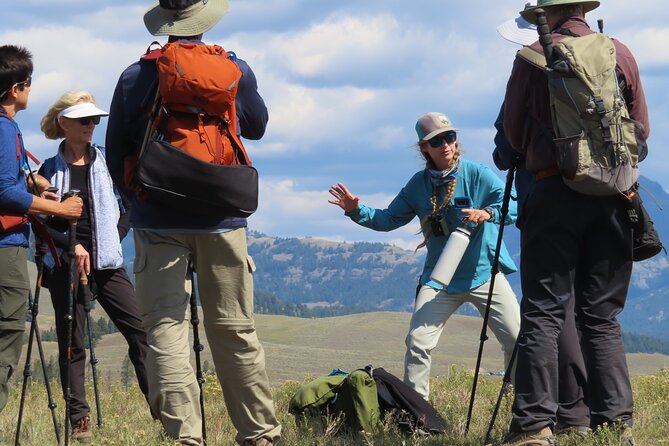
The company supplies a backpack for your necessities, a trekking pole, binoculars, and bear spray. A group spotting scope helps the guide show animals at a distance, while individual binoculars let you keep watching after the scope moves.
Before setting out, the guide gives a safety presentation. This is not filler. You are entering country used by bison, bears, and other wild animals, and your behavior affects the entire group. You are not allowed to feed or touch animals, use drones, or ride the animals. Pets are not allowed either.
The guide’s role is especially useful here. Marisa reportedly changed the route twice because of bison, while still keeping the group comfortable. That is the sort of adjustment you want in a wildlife walk. A fixed route is less important than a safe one.
Six miles through sage and bison country
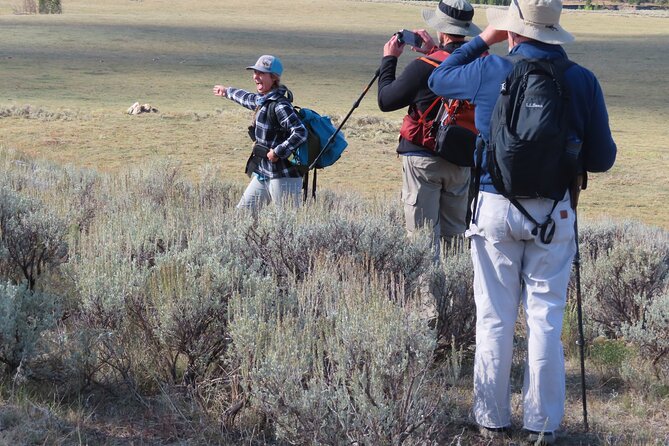
The main hike crosses the Lamar Valley toward the Lamar River. The route includes uphill and downhill sections at about 6,500 feet, so altitude and uneven ground add to the effort. A trekking pole can help with balance and reduce strain, but it does not turn the walk into an easy outing.
Your pace depends on the group and the animals. Dallas was praised for checking that everyone could keep up, and one guide waited briefly when the start was delayed by heavy tourist traffic. That suggests a practical approach rather than a race to cover ground.
The trail may follow bison paths. That makes the walk feel connected to the animals, but it also means conditions can change. A bison herd can occupy a route, and the guide may need to find another way around. Give the guide room to make those calls.
The plants provide another layer of interest. Your guide may point out sage and other features along the way, helping you understand why the valley supports so much wildlife. You are not only looking for large mammals. Birds, smaller animals, tracks, and changes in the river corridor can all become part of the walk.
This is also a good setting for questions. Guides have discussed plants, geology, animal behavior, park history, and Native American history during the hike. If you want to focus on birds, mammals, geology, or the human past, say so. One guide was specifically praised for responding to suggestions about what to look for and where to explore.
A few more safaris around the USA worth a look
- Ultimate Island Jeep Safari with Natural Pool, Baby Beach & Lunch
★ 5.0 · 8,653 reviews - Antalya: Ziplining, Rafting, Jeep Tour & Quad Safari w/Lunch
★ 4.6 · 3,260 reviews - Koh Samui: Mr.Ung’s 4WD Wild Jungle Safari Tour with Lunch
★ 4.7 · 2,956 reviews - City of Side: Jeep Safari & Green Lake Boat Trip with Lunch
★ 4.9 · 2,919 reviews
What you might see, and how to think about wildlife
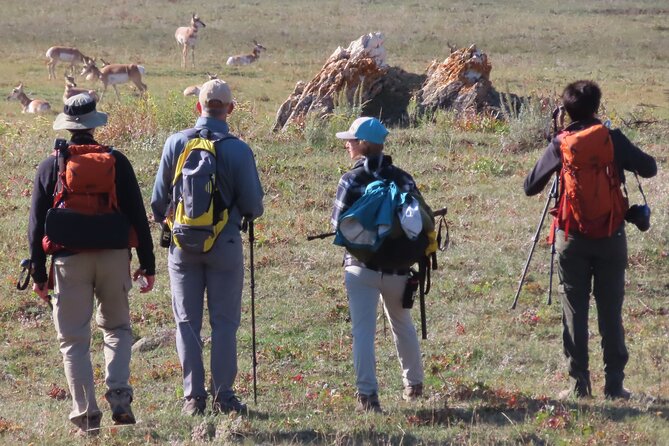
Bison and pronghorn are the most likely headline animals. The valley is known for herds of both, and one outing included more than 20 pronghorn with young. Bison may be visible near the road or trail, but size does not make them predictable. You should never approach, touch, feed, or attempt to ride one.
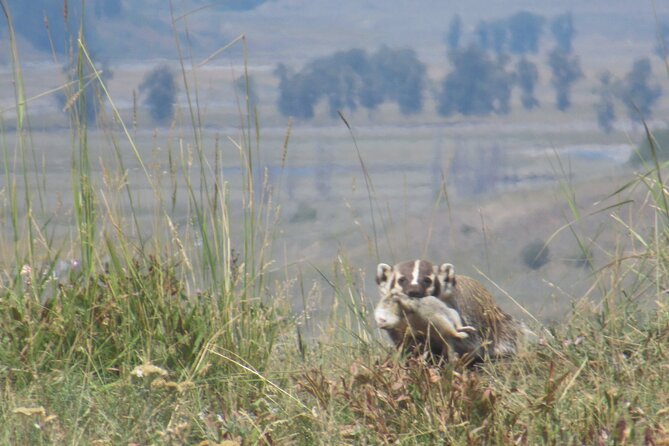
Elk, birds, badgers, bears, and wolves are also listed as possible sightings. The spotting scope gives the group a better chance of examining animals at a distance. Still, a wildlife hike is not a checklist. Some of the most useful moments may involve learning why an animal is where it is, rather than adding another species to your count.
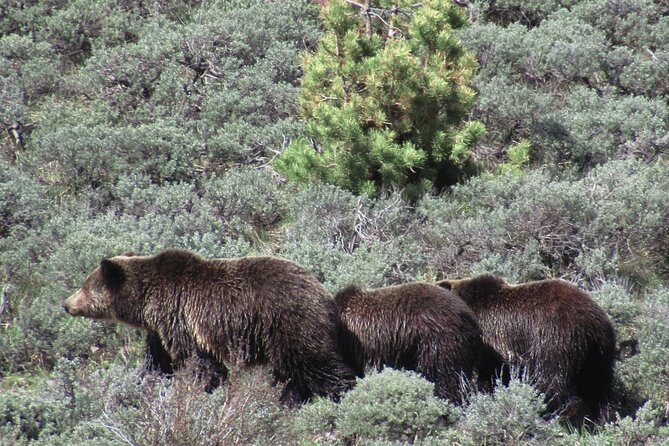
A grizzly bear was seen along the river on one outing. That is memorable, but it also explains why bear spray is supplied and why the safety briefing deserves your full attention. You should follow the guide’s instructions, stay with the group, and avoid treating a sighting as an invitation to get closer.
I appreciate that the tour treats wildlife as wild. The guide may change the route because of an animal, and that can make the experience better, not worse. You are seeing Yellowstone on the animals’ terms.
A riverside picnic at the halfway point
The walk leads to the Lamar River for a brown bag picnic. Eating beside moving water gives the day a natural pause, and the setting is more satisfying than stopping in a parking lot. Lunch is included, along with the morning snack and hot drink.
You still need to bring water. Water is specifically required but not supplied, so pack enough for six hours of hiking at altitude. You also need a rain jacket, even if the forecast looks kind. The hike operates in rain or shine, and weather can change quickly in the park.
Lunch is one of the better reasons to choose the guided hike over a short wildlife stop. You have time to sit, eat, look across the valley, and talk with the guide. The picnic is not a restaurant meal, and you should expect simple trail food rather than a custom menu, but it fits the outing.
After lunch, you return to the Lamar River Trailhead. The six-hour schedule includes the walking, wildlife stops, safety needs, and meal break. Do not plan a tightly timed activity immediately afterward, especially if road traffic or animal activity slows the group.
Guides who shape the day
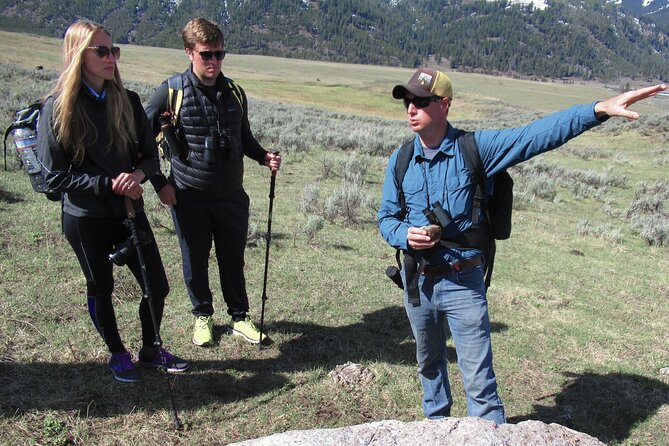
The company uses local English-speaking wildlife guides, and the individual guide can influence the character of the outing. Bob has been noted for warmth, park history, plants, geology, and wildlife information. Dallas has been praised for a steady pace, regular check-ins, and an easy manner.
Karlie led an outing that included strong views and a sizable pronghorn group. Chris was appreciated for making a delayed start feel worthwhile and for helping the group feel safe. Mark was remembered for his personality and park knowledge, while Marisa handled bison-related route changes calmly.
That range of names points to a guide-led experience rather than a scripted walk. You may get a guide who focuses on animals, another who spends more time on geology, or one who brings in more cultural history. Tell the guide what interests you at the start.
The guide is also part of the value calculation. You are paying for more than a route through a scenic valley. You receive field equipment, safety support, help identifying wildlife, and a person who can judge when a trail is not suitable because of bison or other hazards.
Is $192 a fair price?
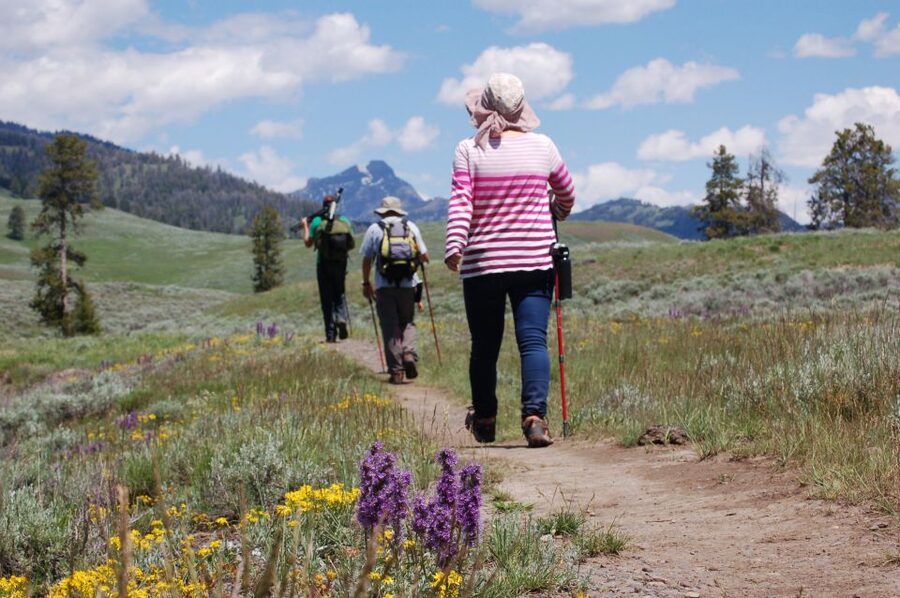
At $192 per person, this is not a budget hike. The price makes more sense if you value a full morning with a guide and do not already own binoculars, bear spray, a spotting scope, and suitable trail equipment.
The included gear reduces the number of items you need to rent or buy. The hot drink, snack, picnic lunch, trekking pole, backpack, binoculars, group scope, and bear spray all add practical value. You are also paying for local guiding and a small-group outdoor plan, though the exact group size is not provided.
The cost is harder to justify if you mainly want a quick look at bison from the road. You can visit Lamar Valley independently, and the tour does not include park admission or transport from your hotel. You must handle both the entrance fee and the drive to the trailhead.
I see the strongest value for visitors who want to understand the valley, not just photograph it. The guide can explain what you are seeing and adjust the walk when wildlife changes the plan. That is difficult to reproduce on your own unless you already have the equipment, experience, and time.
Free cancellation up to 24 hours before the start and the option to reserve now and pay later make planning less rigid. Those terms help, but they do not change the physical demands of the hike.
Who should choose this hike?
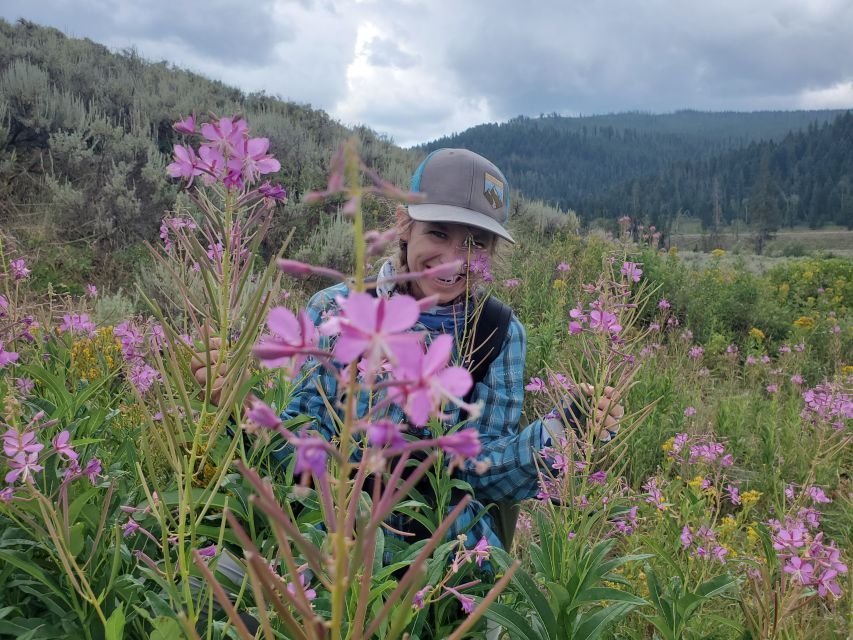
This outing suits an active adult who wants six hours outside and is comfortable walking at altitude. It is a good choice if you want bison and pronghorn country, prefer a guide to a self-planned hike, and like learning about plants, geology, wildlife, and Native American history along the way.
It also suits people who feel unsure about reading animal behavior. A guide can help you watch from a sensible distance and decide when an animal has made the route unsuitable.
It is not suitable for children under eight, wheelchair users, people with heart problems, or people over 80. Those limits are explicit, but even travelers outside them should think honestly about six miles of walking with hills at 6,500 feet.
Comfortable shoes are essential. Bring water and rain gear. Do not count on finding a bathroom at the hiker trailhead, and do not confuse it with the horse-use stock trailhead.
Should you book the Lamar Valley Safari Hiking Tour?
Book it if you want a serious wildlife walk with practical gear, a riverside lunch, and a guide who can handle changing conditions. The strongest features are the time spent on foot, the chance to study animals through binoculars and a spotting scope, and the guide’s ability to explain what you are seeing.
Skip it if you want a low-effort sightseeing stop, need hotel transportation, or do not want to hike six miles in uncertain weather. At $192, the tour asks for a real commitment, but it gives you a well-supported way to experience one of Yellowstone’s most wildlife-filled valleys.
For an active Yellowstone visit, I would choose this over another day of simply driving between viewpoints. Just arrive prepared, keep your schedule open, and let the bison decide when the route needs to change.
FAQ
Where does the hike meet?
Meet at the Lamar River Trailhead for hikers, not the Lamar River Stock Trailhead used by horse riders. The hiker trailhead has a small footbridge and no latrines.
What time does the tour start?
The meeting time is 8 am. The outing lasts about six hours.
How far is the hike?
The hike covers about six miles and includes uphill and downhill sections at approximately 6,500 feet.
What equipment is included?
The tour includes binoculars, a group spotting scope, a backpack, a trekking pole, and bear spray. A morning snack, hot drink, and brown bag picnic lunch are also included.
What should I bring?
Bring comfortable shoes, water, and a rain jacket or other rain gear. Water and rain gear are required but not provided.
Can children or wheelchair users join?
The activity is not suitable for children under eight or wheelchair users. It is also not suitable for people with heart problems or people over 80.
Just added around the USA
- 3 Hour See Crystal River Wildlife Safari Boat Cruise★ 4.5 · 25 reviews
- Northern Yellowstone Safari from Cody, WY★ 4.5 · 24 reviews
- Red Canyon Wild Mustang Tours And Safaris In Cody Wyoming★ 5.0 · 27 reviews
- Wetlands Safari Eco-Cruise in Cape May (Osprey Birding By Boat)★ 5.0 · 113 reviews
- Yellowstone Wildlife Safari from Bozeman – Private Tour★ 5.0 · 140 reviews
- Yellowstone Winter Wildlife & Snowshoe Tour | PRIVATE★ 5.0 · 19 reviews
- Yellowstone Wildlife Safari in Lamar Valley from Bozeman★ 5.0 · 35 reviews
- Yellowstone Snowshoe Safari from Bozeman – Private Tour★ 5.0 · 18 reviews
USA Safaris, compared.
Grand Teton Wildlife Safari in a Enclosed or Open-Air Vehicle (season dependent)
Read our review →
Everglades Airboat Safari Adventure with Transportation
Read our review →
Off the Beaten Path Ketchikan Photo Safari – 3 hr.
Read our review →
Kauai Deluxe Waterfall Safari: Helicopter Tour
Read our review →
Wild Florida Drive-Thru Safari and Gator Park Admission
Read our review →
Wild Dolphin Watching and Snorkel Safari Off West Coast of Oahu
Read our review →
Dana Point Dolphin and Whale Watching with Underwater Viewing
Read our review →Browse the lists this tour appears in