
REVIEW · USA
Jackson: Grand Teton Sunrise Safari with Naturalist Guide
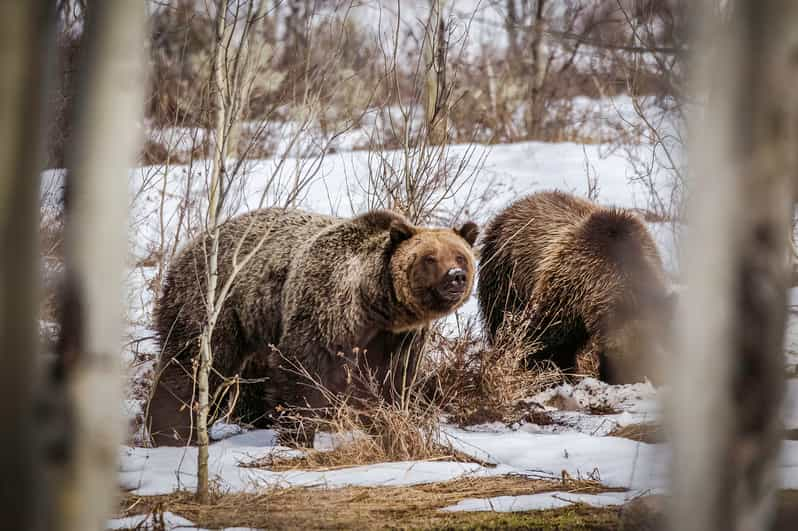
Grand Teton National Park is at its most dramatic when the first light reaches the mountains and wildlife begins to move. This four-hour safari gets you out early, when the roads and viewpoints are quiet and guides are watching carefully for moose, elk, bison, bears, bald eagles, and wolves.
I like the small group of no more than nine because it keeps the vehicle comfortable and gives you a fair chance at the spotting scope. I also like the practical gear: binoculars, field guides, bottled water, snack bars, and a raised-roof vehicle with leather captain’s chairs.
The main catch is the early start and the simple fact that wild animals do not follow a tour schedule. You might see a remarkable range of wildlife, or you might spend part of the morning searching distant brush and open fields. The guide can improve your odds, but cannot promise a bear or moose.
Key points to know before you book
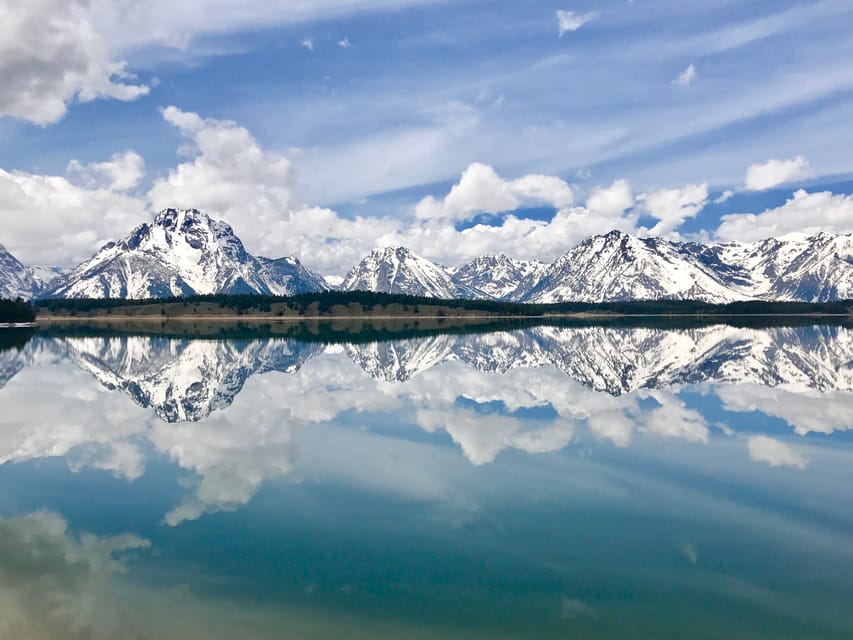
- Sunrise timing brings the best light: The Teton Range catches the morning sun while many animals are still active.
- Guides make the difference: Michelle, Michael, Alec, Frank, and Chris are among the named guides praised for wildlife knowledge, flexibility, and photo help.
- Digiscoping can rescue your phone photos: Several guides have helped visitors photograph distant animals through the spotting scope.
- The vehicle is built for viewing: Raised roofs, leather captain’s chairs, and good sightlines make long wildlife stops easier.
- Jackson pickup keeps the morning simple: Meet your guide in your hotel lobby or outside your private residence in the Jackson Hole area.
- The $170 price buys more than a ride: You get four hours, a small group, a naturalist guide, viewing equipment, snacks, water, and hotel transport.
Why sunrise is the right time for the Tetons
The tour begins early, with the exact starting time changing by date. That may mean setting an alarm well before a normal sightseeing morning, but the trade is worthwhile. Sunrise gives you soft light for mountain photos, and early morning is one of the better periods for spotting active wildlife.
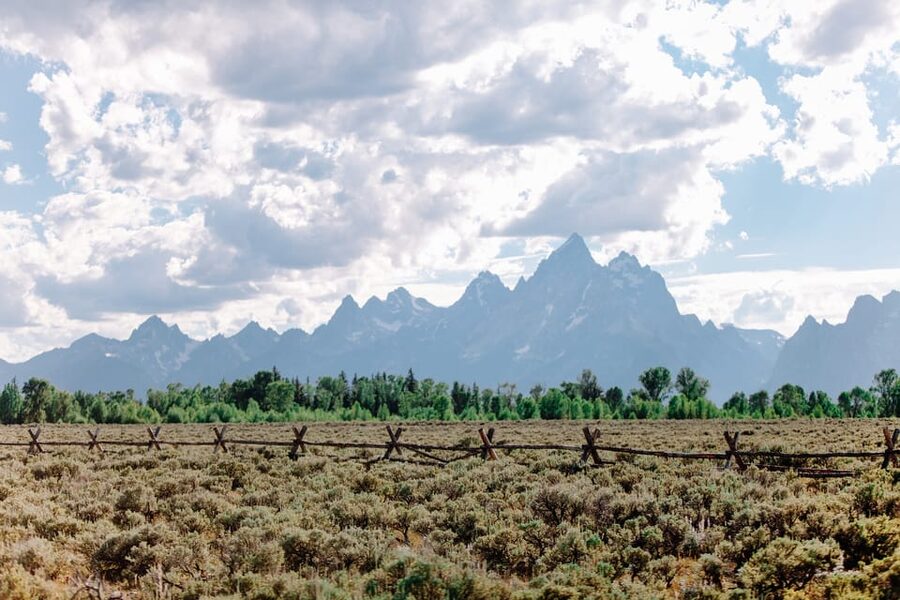
The first part of the outing is about watching the Teton Range change color. The mountains, lakes, and valleys provide the big view, while your guide scans the edges of roads, waterways, and open areas for movement. You are not simply driven to one overlook, handed a pair of binoculars, and sent home. The morning includes several stops where you can get out, stretch your legs, take photos, and spend quiet time looking.
I like this rhythm. Wildlife viewing can become tiring when you stay inside a vehicle for hours, especially if you are traveling with children or anyone who needs to move around. Short stops break up the drive and let you enjoy the park even when no animal is close.
More Sunset Safaris in the USA
- 3 Hour Off-Road Sunset Safari to Grand Canyon with Entrance Gate Detour
★ 5.0 · 904 reviews - 2-Hour Sunset Safari Eco Cruise on the Osprey from Cape May
★ 5.0 · 215 reviews - Grand Canyon: Off-Road Sunset Safari with Skip-the-Gate Tour
★ 4.6 · 171 reviews
A four-hour route built around changing wildlife
There is no fixed animal checklist or guaranteed sequence of stops. The guide adjusts the morning to conditions and sightings, which is exactly what you want on a safari. If a moose, bison herd, eagle, or bear is spotted, the vehicle may pause longer. If one area is quiet, the guide can continue looking elsewhere.
The scenery is part of the experience, not just a backdrop for animals. You may stop near mountain views, lakes, streams, valleys, or open country. One morning could focus on a herd of bison, while another may offer a close moose, a fox, or a bird of prey.
That flexibility also explains why the tour can start slowly. Do not judge the whole morning by the first stretch of road. One guide may spend time explaining what you are seeing before the animals appear, and wildlife can turn up later in the outing. The guide’s patience matters here.
The best guides do more than point at an animal. They explain the animal’s habitat, behavior, and place in the park. They also add context about the area’s geology and history, helping you understand why the mountains, valleys, and waterways look the way they do.
What you might see through the spotting scope
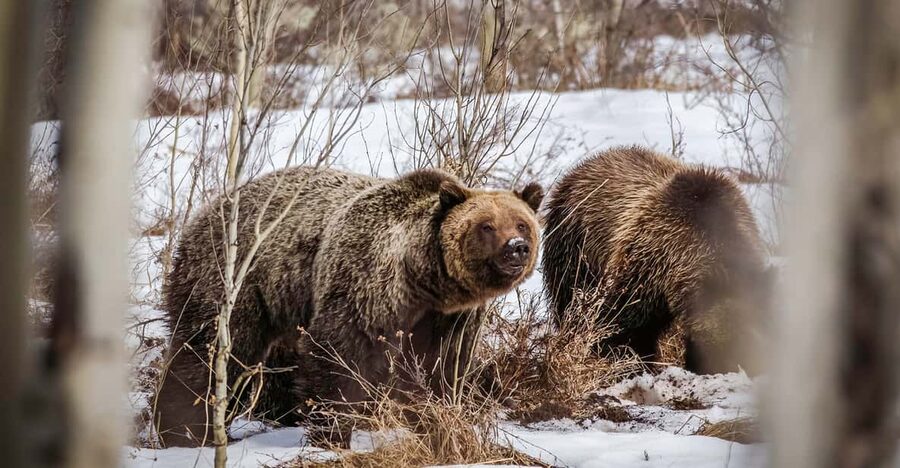
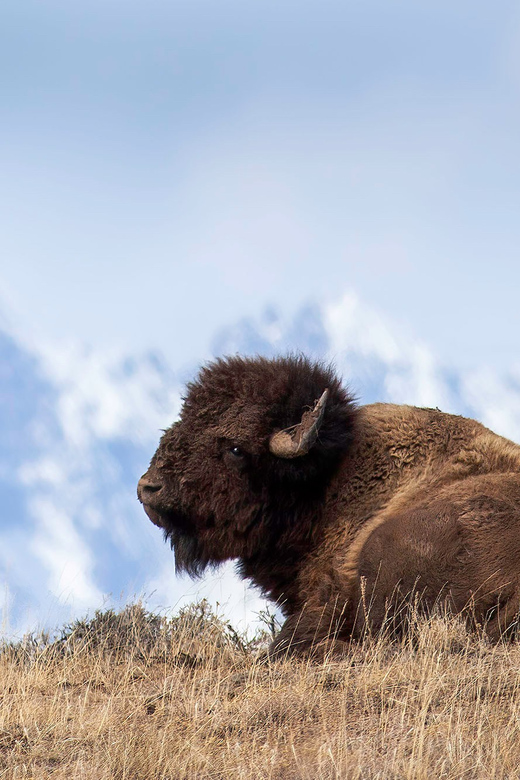
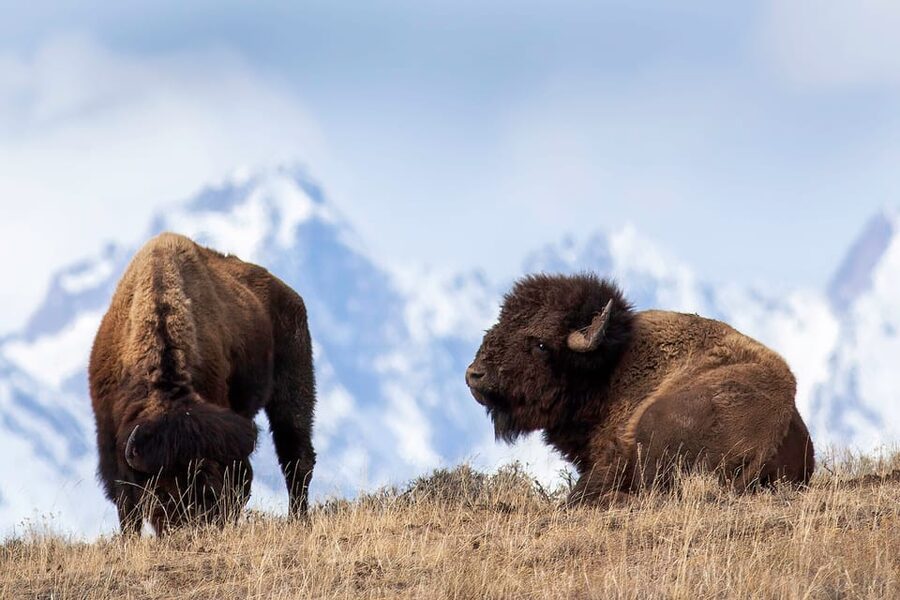
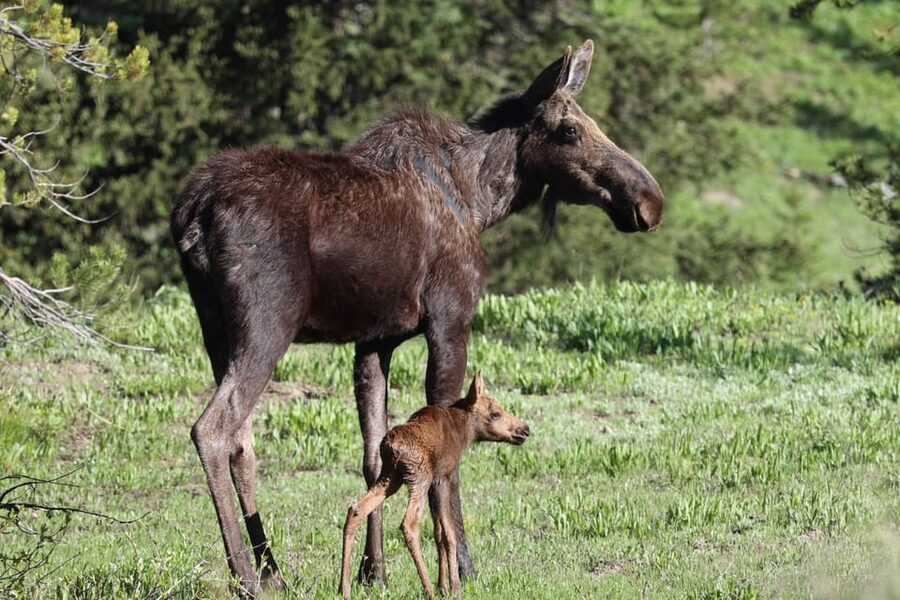
The headline animals are moose, elk, bison, bears, bald eagles, and wolves. You might also see foxes, bighorn sheep, or golden eagles. A golden eagle was described as a rare sight during one outing, so unusual sightings are possible but should be treated as luck, not a promise.
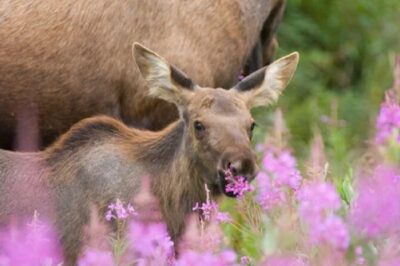
Moose are a major draw. They can appear near water or vegetation, and one morning produced a moose within about 10 yards of the van. That is close enough to feel thrilling, but you still need to follow the guide’s instructions and respect the animal’s space.
Bison are easier to spot when they gather in herds, and the broad shape of a herd can make an impressive first wildlife sighting. Elk may be farther away or spread across open areas. Bears and wolves are less predictable, so a guide’s trained eye and local experience are especially useful.
Birds reward patience. Bald eagles can be easier to recognize once the guide points out the shape, perch, or flight pattern. Your guide may also use the scope to show you details that would be almost invisible with the naked eye.
The scope is not a gimmick. At a distance, an animal can look like a dark speck beside a road or river. The guide can place the scope on the subject first, allowing you to find it quickly with your own binoculars. That small bit of help saves time and prevents the classic problem of everyone staring at the same patch of trees while asking where the animal is.
The vehicle and viewing setup
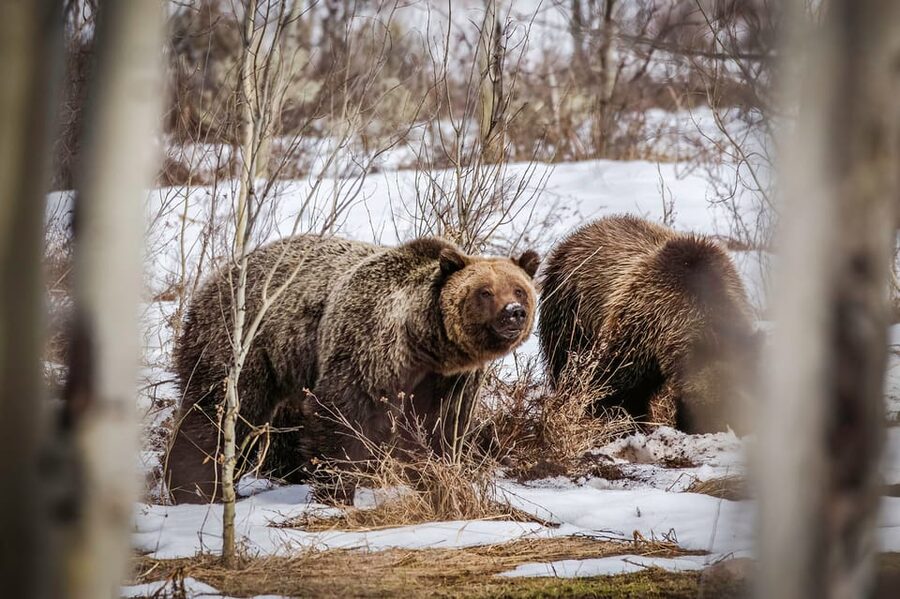
The tour uses a comfortable, high-end vehicle with leather captain’s chairs and a raised roof. That design matters on a four-hour outing. You have more room than in a basic car, better viewing from your seat, and protection from rain or changing weather.
The tour runs rain or shine. You should still wear weather-appropriate clothing, since you may get out at scenic stops. Bring comfortable shoes and sunglasses. The vehicle protects you from poor weather during the drive, but this is not an indoor attraction. You will get more from the morning if you are ready to step outside.
Binoculars, a spotting scope, and field guides are provided. Bring your own camera or phone if you want to record the morning. Several guides have helped with digiscoping, the process of holding a phone camera to the spotting scope to capture a distant animal.
This can produce much better phone images than a normal zoom. Guides have also taken photos for visitors, and one guide used a zoom lens to help create keepsakes. Still, treat photography as a bonus. The scope is primarily there to help you see the animal clearly, not to turn a phone into a professional wildlife camera.
Same country, a different kind of drive:
- Miami: Everglades Safari Park Airboat Tour
★ 4.4 · 1,267 reviews - Grand Teton Wildlife Safari in a Enclosed or Open-Air Vehicle (season dependent)
★ 5.0 · 1,212 reviews - Everglades Airboat Safari Adventure with Transportation
★ 3.0 · 956 reviews - Off the Beaten Path Ketchikan Photo Safari – 3 hr.
★ 5.0 · 901 reviews
The guides are a major part of the value
A wildlife tour rises or falls with its guide. Here, the named guides include Michelle, Michael, Alec, Frank, and Chris. Their strongest qualities are clear: strong knowledge of the park and animals, enthusiasm, careful communication about pickup, and a willingness to adjust the pace for photography.
Michelle has been praised for working hard to find wildlife, taking photos, and sharing information about the park and geology. Michael is noted for explaining animal habitats and taking extra time at good viewing points. Alec has been praised for clear pickup communication, flexible timing, and setting up the spotting scope before handing the view to the group.
Frank adjusted the time spent on different species so the group could take photos. Chris showed useful places that could be revisited later in a Jackson Hole trip. These details matter because they show how the guide can shape the morning beyond the standard four-hour schedule.
I would tell you to ask questions. If you want to understand geology, say so. If photography is your priority, let the guide know early. If you are hoping for moose or eagles, mention that too. A guide cannot control wildlife, but can make your interests part of the search.
Is $170 a fair price?
The cost is $170 per person. That is not a cheap park shuttle, but it is fair if you value expert help and efficient wildlife viewing.
Your price includes hotel pickup and drop-off, a naturalist guide, binoculars, a spotting scope, field guides, bottled water, and locally made snack bars. The group is limited to nine people, which gives you a better chance of using the scope and asking questions than a large bus tour would.
You also avoid arranging your own early morning transport from Jackson. That is useful because sunrise sightseeing is less convenient if you are trying to navigate unfamiliar roads, locate wildlife, and keep track of the best viewpoints at the same time.
The national park entrance fee is extra, and meals are not included. For four hours, the snack bar and water are helpful but not a full breakfast. Eat before pickup or plan a meal afterward.
The strongest value is not the equipment alone. You are paying for local searching, interpretation, and the chance to make good use of a short morning in Grand Teton National Park. If you already know the park well and own quality binoculars, you may prefer to explore independently. If this is your first visit, the guide can help you see far more than you might find on your own.
How to prepare for the early start
Wear layers and shoes that are comfortable for short walks and roadside viewpoints. Bring sunglasses and clothing suited to the forecast. The tour operates in rain as well as fair weather, so a jacket is sensible even when the morning looks promising.
Keep your camera ready, but do not spend the whole tour looking at a screen. The most memorable moments may be a herd moving across open country, morning light on the mountains, or a bald eagle lifting from a perch. Take a few photos, then look directly.
If you use your own binoculars, bring them, though the tour provides a pair. Your guide may first locate the animal in the spotting scope, which gives everyone a useful reference point.
Because the group is small, be ready to share the scope and viewing time. A patient approach helps the whole vehicle. The guide can often move from person to person, but wildlife may not remain in place for long.
Who will enjoy this safari most?
This is a strong choice for first-time visitors to Grand Teton National Park, especially if you want an informed introduction without planning every stop yourself. It also suits photographers who want help locating subjects and using a scope for distant images.
Families can benefit from the changing pace, vehicle comfort, and short stops. The four-hour length is long enough for a real wildlife search but not so long that the morning takes over the entire day.
It is also a good fit for anyone who wants the mountains as much as the animals. The tour includes broad views, lakes, valleys, and geology, so a quiet morning with no major sighting can still offer worthwhile scenery.
I would hesitate only if you dislike early starts, have no interest in waiting for wildlife, or expect guaranteed close encounters. Nature is not a zoo, and the most honest promise is a well-run search, not a fixed list of animals.
Booking details that matter
Pickup is included from hotels and private residences in the Jackson Hole area. Meet the guide in your hotel lobby or outside your residence. The tour is conducted in English and is limited to nine participants.
You can cancel up to 24 hours ahead for a full refund, and the reserve-now, pay-later option gives you some flexibility while finalizing your plans. Check the available start time for your date, since sunrise timing changes.
The tour has a 4.8 rating from 49 reviews, with 88 percent of participants giving the transport a perfect score. Those figures support the practical strengths of the experience: good vehicles, strong guides, and useful viewing equipment.
Should you book the Grand Teton sunrise safari?
Book it if you want to see Grand Teton National Park efficiently, prefer a small group, and like having a guide find and explain wildlife for you. The spotting scope, hotel pickup, comfortable vehicle, and photo help give the $170 price real value.
You should also book it if moose, bison, elk, eagles, or bears are high on your list, while accepting that no wild animal is guaranteed. For the best morning, arrive dressed for changing weather, eat before pickup, and tell your guide what you most want to see.
Skip it if you would rather set your own route, already know the park, or want a full-day outing. For everyone else, this is a practical and rewarding way to begin a Jackson stay, with scenery and wildlife sharing equal billing.
FAQ
How long does the Grand Teton sunrise safari last?
The tour lasts four hours. Starting times vary, so check availability for your chosen date.
Where does pickup take place?
Pickup and drop-off are included from accommodations in the Jackson Hole area. Meet your guide in your hotel lobby or outside your private residence.
How many people are in the group?
The tour is limited to nine participants.
What wildlife might I see?
Possible sightings include moose, elk, bison, bears, bald eagles, wolves, foxes, bighorn sheep, and golden eagles. Wildlife sightings are not guaranteed.
Are binoculars and a spotting scope provided?
Yes. Binoculars, a spotting scope, and field guides are included.
Is food included?
Locally made snack bars and bottled water are included. Meals are not included.
Is the national park entrance fee included?
No. The national park entrance fee is separate and can be purchased at the park entrance.
What should I bring?
Bring comfortable shoes, sunglasses, and weather-appropriate clothing. The tour operates rain or shine, though the enclosed vehicle has leather captain’s chairs and a raised roof for comfort.
More Morning Departures in the USA
- Grand Canyon: Morning Off-Road Safari with Skip the Gate
★ 4.7 · 51 reviews - Dubai Morning Desert Safari with Quad Biking & More Activities
★ 5.0 · 2,736 reviews - Dubai: Sunrise Desert Jeep Safari with Wildlife Experience
★ 4.7 · 1,782 reviews - Private Morning Desert Safari Dubai with Dune Bashing & Sandboard
★ 5.0 · 1,488 reviews
Just added around the USA
- 3 Hour See Crystal River Wildlife Safari Boat Cruise★ 4.5 · 25 reviews
- Northern Yellowstone Safari from Cody, WY★ 4.5 · 24 reviews
- Red Canyon Wild Mustang Tours And Safaris In Cody Wyoming★ 5.0 · 27 reviews
- Wetlands Safari Eco-Cruise in Cape May (Osprey Birding By Boat)★ 5.0 · 113 reviews
- Yellowstone Wildlife Safari from Bozeman – Private Tour★ 5.0 · 140 reviews
- Yellowstone Winter Wildlife & Snowshoe Tour | PRIVATE★ 5.0 · 19 reviews
- Yellowstone Wildlife Safari in Lamar Valley from Bozeman★ 5.0 · 35 reviews
- Yellowstone Snowshoe Safari from Bozeman – Private Tour★ 5.0 · 18 reviews
USA Safaris, compared.
Grand Teton Wildlife Safari in a Enclosed or Open-Air Vehicle (season dependent)
Read our review →
Everglades Airboat Safari Adventure with Transportation
Read our review →
Off the Beaten Path Ketchikan Photo Safari – 3 hr.
Read our review →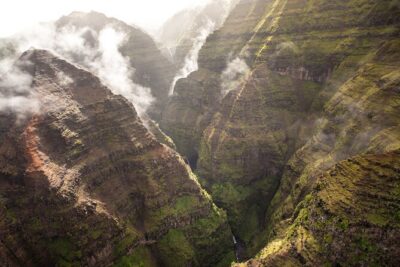
Kauai Deluxe Waterfall Safari: Helicopter Tour
Read our review →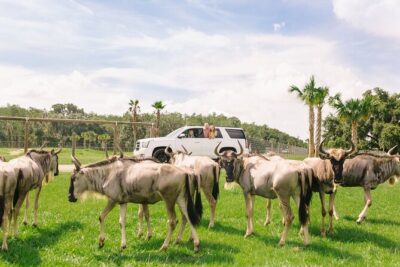
Wild Florida Drive-Thru Safari and Gator Park Admission
Read our review →
Wild Dolphin Watching and Snorkel Safari Off West Coast of Oahu
Read our review →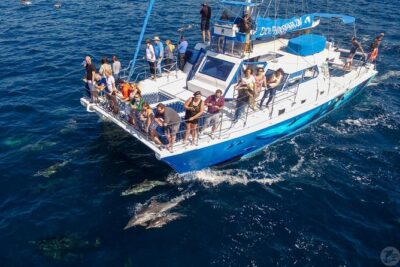
Dana Point Dolphin and Whale Watching with Underwater Viewing
Read our review →Browse the lists this tour appears in