
REVIEW · ARUSHA
6-day Private Camping Safari Tour from Kilimanjaro Airport
Tarangire’s elephant herds, the Serengeti’s open plains, Ngorongoro Crater, and Lake Manyara make this a big northern Tanzania safari in one compact trip. I like the private format, which keeps the vehicle and daily rhythm with your own group, and I like the full-board setup with breakfast, lunch, and dinner covered.
I also like the practical airport pickup and the strong attention to guiding and cooking. The main catch is the pace: six days means long drives and several full days in a safari vehicle, with camping rather than lodge comfort. You gain more parks for your money, but you will need energy for early starts, dusty roads, and long game-viewing days.
Key points at a glance
- Four major parks in six days: Tarangire, Serengeti, Ngorongoro, and Lake Manyara.
- Private vehicle and group: Only your party takes part, giving you more control over stops and questions.
- Full-board camping: Six breakfasts and lunches, plus five dinners, are included.
- Strong guide-and-chef team: Past departures have included guides such as Fredy, Lewis, Damien, Max, and Amiry, with cooks including Musa, James, Salim, and Jeremias.
- Airport pickup included: The tour begins with pickup from Kilimanjaro Airport, with confirmation provided when you book.
- Best for active safari fans: Expect about six hours of scheduled game viewing or road time at each main stop.
Four parks, one busy safari route
This trip follows the classic northern Tanzania circuit. You begin near Arusha, head to Tarangire, continue through the Ngorongoro Conservation Area to the Serengeti, spend several days around Seronera, then return toward Ngorongoro and Lake Manyara.
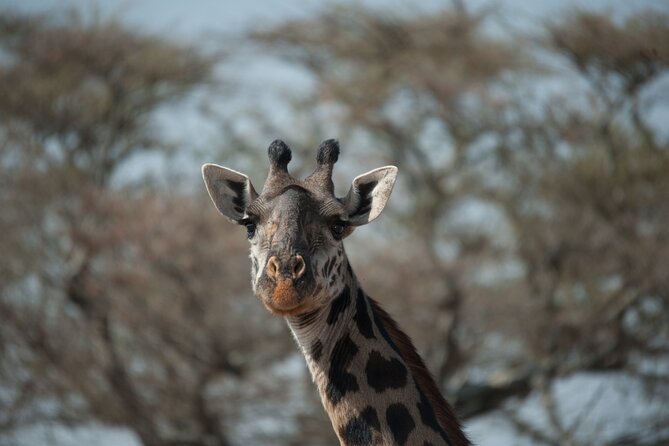
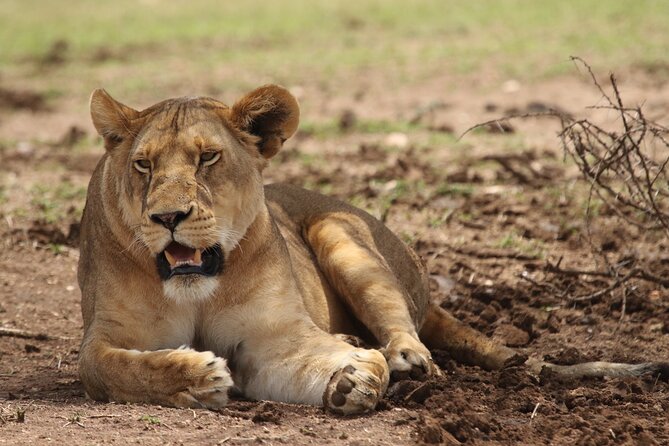
That route gives you a good sweep of habitats. Tarangire is known for elephants and seasonal water sources. Serengeti offers huge open plains and some of the best chances for big-cat sightings. Ngorongoro brings a compact crater setting with many animals in one area. Lake Manyara adds birds, zebras, buffalo, and the possibility of tree-climbing lions.
The trade-off is distance. You are not staying in one park for six leisurely days. Some days combine a game drive with a long transfer, so the quality of your guide matters greatly. A good driver can turn road time into useful wildlife viewing and explain what you are seeing instead of simply getting from one camp to the next.
More Overnight Safaris in Arusha
- 4 Days Group Camping Safari
★ 5.0 · 1,101 reviews - 5 Days Group Camping Safari
★ 5.0 · 730 reviews - 3 Days Serengeti & Ngorongoro Group Camping Safari
★ 5.0 · 574 reviews
Day 1: Elephants and baobabs in Tarangire
After an early breakfast, you drive to Tarangire National Park for a full day of game viewing with a picnic lunch. The scheduled day is about six hours, though safari timing can shift depending on road conditions, wildlife sightings, and the group’s pace.
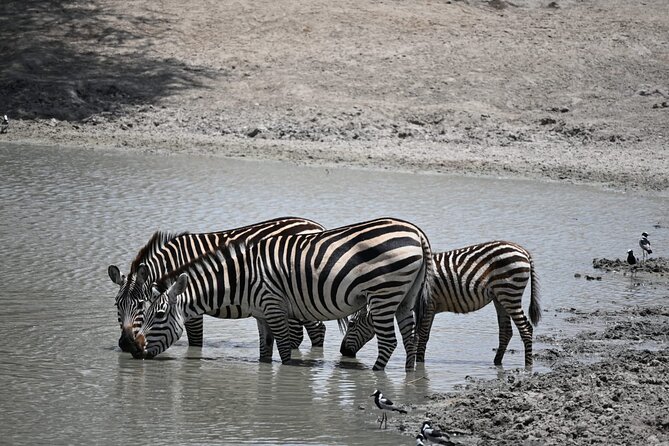
Tarangire is a strong first park because it offers a different feel from the Serengeti. It is especially associated with elephants, and the park can hold large herds near water and river channels. You may also see wildebeest, zebra, buffalo, impala, gazelle, hartebeest, and eland.
The park is most important during the dry season, when migrating animals gather around remaining water sources. That seasonal pattern explains why Tarangire can feel especially rewarding at one time of year and quieter at another. Your guide’s ability to read animal movement will matter more than simply ticking off a park name.
You spend the night at Lilac Campsite. This is a straightforward camping start, not a luxury lodge arrival. The benefit is that you are already inside the safari rhythm, with an outdoor setting and dinner included. The downside is that you should be ready for basic camping conditions from the first night.
The itinerary repeats Tarangire twice for this day, but it describes one full-day visit rather than two separate park entries. When planning, treat Day 1 as one extended Tarangire game drive followed by dinner and camping.
Day 2: Crossing Ngorongoro country into the Serengeti
Day 2 starts after breakfast with a drive toward Serengeti National Park. You pass through the Ngorongoro Conservation Area and take a game drive along the way, with a picnic lunch.
This is one of the longer-feeling days because the Serengeti is not a quick hop from Tarangire. Still, the route is part of the appeal. You move from the wooded, elephant-friendly setting of Tarangire toward the vast grasslands associated with the Serengeti.
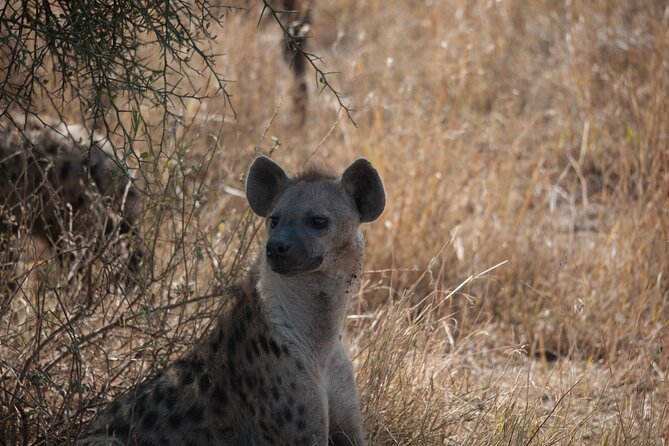
Possible sightings listed for this stretch include lions, leopards, cheetahs, hyenas, elephants, caracals, honey badgers, and African wild dogs. No safari can promise a particular animal, and rare species such as caracals, honey badgers, and wild dogs depend heavily on location and luck. A skilled spotter can improve your chances, but the right attitude is to value the search as much as the final sighting.
You sleep at Seronera Campsite in central Serengeti. This is a useful base for the next two days because the Seronera area is known for its river and broad selection of wildlife habitats. A camp near the central part of the park also reduces the need to make a long return journey after every game drive.
Days 3 and 4: More time in central Serengeti
Day 3 is a full day around Serengeti. After breakfast, you leave camp with a picnic lunch, stop for a short midday break, and continue game viewing until late afternoon before returning to Seronera Campsite.
I consider this extra central Serengeti time one of the best parts of the plan. A single drive through the park can produce a memorable sighting, but two full days give you more chances to watch changing animal behavior. You might see a pride of lions resting, follow a group of elephants, or spend time scanning the plains for cats.
The Seronera River is important because it attracts wildlife to an otherwise broad and open area. The exact sightings will vary, but this central zone is selected for its mix of species and year-round water. Your guide can also decide whether to spend longer at a promising sighting or move on in search of something else.
Day 4 again focuses on central Serengeti and the Seronera area. The schedule describes an early departure, game viewing across the plains, and time around the river corridor. It also mentions Ngorongoro Conservation Area, but the practical flow of the six-day plan places the main Ngorongoro transfer on Day 5.
That detail is worth clarifying before departure. Safari programs often show repeated stop entries for one day, and this schedule contains some duplication. Ask the operator to confirm the exact campsite, transfer route, and game-drive timing before you set out. The overall sequence is clear, but the day-by-day wording is not perfectly tidy.
With two nights at Seronera Campsite, you avoid packing up every morning. That matters. Camping is more comfortable when you can leave some gear organized and focus on the day’s drive rather than repeatedly rebuilding camp.
More Overnight Safaris in Tanzania
- 5 Days Camping Tarangire, Serengeti & Ngorongoro crater & Visiting Maasai
★ 5.0 · 229 reviews - 2 Days Tarangire and Ngorongoro Group Camping Safari
★ 5.0 · 146 reviews - 6 Days Tanzania Budget Camping Safari
★ 5.0 · 145 reviews - Multi-Day Tanzania Odssey Safari from Arusha
★ 5.0 · 120 reviews
Day 5: Final Serengeti viewing and the Ngorongoro highlands
Day 5 begins with more Serengeti game viewing, again around the Seronera area. After lunch, you travel to your lodge in the Ngorongoro Conservation Area.
This is another mixed day. You get a final chance to search the Serengeti before leaving, but you also spend part of the day on the road. If you are hoping for a quiet final morning in the park, the transfer schedule may feel busy. If you want to visit both the Serengeti and Ngorongoro within six days, this compromise is necessary.
Ngorongoro is not simply another game-drive park. It is a conservation area with a dramatic crater setting and a high concentration of wildlife on the crater floor. The following day includes the crater visit, so Day 5 functions mainly as your transition from Serengeti camp to the Ngorongoro base.
The accommodation description here is less specific than the camping nights. The tour is sold as a private camping safari, but this part of the schedule refers to a lodge in the Ngorongoro Conservation Area. Confirm exactly what kind of overnight accommodation is included for Day 5, especially if you are comparing this trip with a fully camping-based program.
Day 6: Ngorongoro and Lake Manyara
The final day includes breakfast at the lodge, pickup around 8:30 to 9:00 in the morning, a picnic lunch, and an extended game drive at Lake Manyara National Park.
The schedule also identifies Ngorongoro Crater as a Day 5 stop, but its written description repeats the Serengeti-to-Ngorongoro transfer instead of giving a separate crater-drive outline. That is another point to settle with the operator. If a full crater visit is important to you, ask exactly when the descent takes place and how much time is allocated on the crater floor.
Lake Manyara offers a change of scale and scenery after the open Serengeti. The park is associated with birds, zebras, buffalo, and tree-climbing lions. The lions are never guaranteed, but the possibility gives the final game drive a clear focus.
A picnic lunch keeps the day moving, and the extended drive gives you time to look beyond the headline animals. Birdlife can be a major part of Manyara, so bring binoculars if you have them. You will also want a camera with spare batteries, since the safari includes repeated opportunities for photos over several days.
The ending is not described in detail, so confirm whether the final drop-off is at the airport, in Arusha, or at another agreed location. Pickup is offered, but the supplied details do not specify the return point.
What the private format changes
A private tour means only your own group participates. That is a real advantage on safari. You can ask questions without holding up strangers, discuss how long to stay at an animal sighting, and keep the mood in the vehicle suited to your group.
It does not mean unlimited freedom. Park rules, road conditions, camp schedules, and the need to reach the next overnight stop still shape the day. You also share the vehicle with your own party, so group size remains important. The available details do not state the maximum number of people or the vehicle type. Ask before booking if space, window access, or photography position matters to you.
Guide quality is central here. Past safari teams have included Fredy, Lewis, Damien, Max, and Amiry, among others. The strongest guide reports describe careful animal spotting, clear explanations, patience with questions, and good judgment on the road. A briefing and debriefing system has also been part of some departures, which is useful when you want to understand the plan rather than simply follow it.
Food, camping, and the daily routine
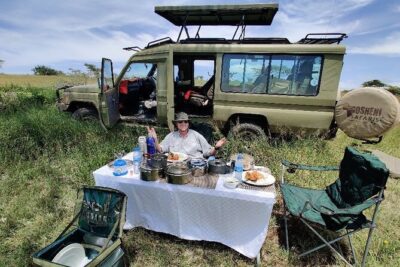
The package includes six breakfasts, six lunches, and five dinners. Most lunches are picnic meals taken during game drives, while dinners are served at camp or the overnight accommodation.
Food has been a particularly strong part of this operation. Some departures included meals prepared by cooks such as Musa, James, Salim, or Jeremias. The food has included freshly prepared dishes served with real plates rather than relying entirely on disposable plastic. That small detail matters on a safari, where rubbish and packing materials can build up quickly.
Camping still requires flexibility. You should expect a practical outdoor setup rather than hotel service. The tour information does not specify tent size, beds, showers, power, or toilet arrangements, so ask for those details if comfort affects your decision.
The daily routine is also demanding. Many days begin after breakfast and include about six hours of driving or game viewing. You may spend several more hours in the vehicle on transfer days. The reward is access to four major destinations without paying for separate trips, but this is not a restful holiday.
Is $2,400 per person good value?
At $2,400 per person, this is a significant purchase, but the price covers a private six-day route through four famous northern Tanzania destinations. It also includes a certified guide, airport pickup, meals, camping arrangements, and the private nature of the trip.
The value is strongest if you want variety and personal attention. Booking four parks separately could create more planning work and might cost more once transport, guiding, meals, and park access are added. Here, the route is assembled into one continuous safari with a guide and cook team.
The value is weaker if you want luxury accommodation or a slow pace. The price does not suggest a high-end lodge safari, and the schedule includes long drives. You are paying for access, guiding, food, and logistics, not for a polished resort experience.
Park admission is shown as included at some stops, while other entries are marked free in the schedule. Because the presentation is inconsistent, ask for a written breakdown of park fees, conservation fees, camping charges, and any airport or transfer costs before paying. That is the sensible way to compare this tour with competing safaris.
Who should book this safari?
I would recommend it to you if you want a classic Tanzania route and prefer a private vehicle over a mixed group. It suits people who are happy with camping, want many hours in the parks, and care more about wildlife access than luxury rooms.
It also works well for a family or small group that wants one organizer handling the route. The experience has been used by groups with adults and a two-year-old, but the supplied information does not give a formal child age policy. Ask about child pricing, vehicle arrangements, and sleeping setup before booking with young children.
I would be cautious if you dislike early breakfasts, dusty roads, or repeated six-hour drives. I would also ask for clarification if your priority is a precise crater schedule, a guaranteed final drop-off, or a particular campsite standard.
Free cancellation is available up to 24 hours before the start time. Changes or cancellations inside that window are not accepted for a refund. Confirmation is provided at booking, and the activity is described as suitable for most people, with public transportation nearby.
Should you book it?
Book this safari if you want four major northern Tanzania parks, private guiding, full-board meals, and a practical camping price in one six-day plan. The best reasons are the time in central Serengeti, the chance to see large Tarangire elephant herds, and the personal attention that comes with a private group.
Before you commit, get the Day 4 and Day 5 schedule clarified, confirm the exact Ngorongoro crater timing, ask where the final day ends, and request details about tents and facilities. If those answers suit you, the $2,400 price offers a strong route for an active safari holiday. If you want short transfers and lodge comfort, choose a slower, more expensive plan instead.
FAQ
How long is the safari?
The safari lasts approximately six days.
What parks are included?
The route includes Tarangire National Park, Serengeti National Park, Ngorongoro Crater and Conservation Area, and Lake Manyara National Park.
Is airport pickup available?
Yes. Pickup is offered, and the tour begins from Kilimanjaro Airport.
Is this a private tour?
Yes. Only your group participates in the activity.
What meals are included?
The package includes six breakfasts, six lunches, and five dinners.
Is a guide included?
Yes. A certified guide is included.
Where are the camping nights listed?
The itinerary lists Lilac Campsite in Tarangire and Seronera Campsite in the Serengeti. It also refers to a lodge in the Ngorongoro Conservation Area, so confirm the exact accommodation arrangement before departure.
What is the cancellation policy?
You can cancel at least 24 hours before the start time for a full refund. Cancellations or changes made less than 24 hours before the start time are not accepted for a refund.
More 6-Day Experiences in Arusha
- Private 6-Day Tarangire Manyara Crater and Serengeti with Mid-Range Lodges
★ 5.0 · 238 reviews - 6 Days Private Budget Safari
★ 5.0 · 163 reviews - 6 days Tanzania budget safari
★ 5.0 · 65 reviews - 6 Day Tanzania Wildlife Mid range Safari
★ 5.0 · 54 reviews
Just added around Arusha
- 6 days Tanzania budget safari★ 5.0 · 65 reviews
- 7 days great migration safari★ 5.0 · 77 reviews
- serengeti, ngorongoro & tarangire 5days private tour★ 5.0 · 77 reviews
- 5 days safari, hiking & culture (Serengeti & kilimanjaro)★ 5.0 · 27 reviews
- 4 days safari★ 5.0 · 34 reviews
- serengeti & ngorongoro 3 days private tour★ 5.0 · 15 reviews
- 5-Day Mid-Range Safari in Tanzania★ 5.0 · 33 reviews
- serengeti, ngorongoro & tarangire 4 days private tour★ 5.0 · 18 reviews
Arusha Safaris, compared.
Balloon Safari & Bush Breakfast in Serengeti – Miracle Experience
Read our review →
3 Days Serengeti & Ngorongoro Group Camping Safari
Read our review →
7-Day Premium Luxury Tanzania Safari All-Inclusive
Read our review →
5-Day Highlights mid-Range Crater, Serengeti, Tarangire
Read our review →
8 Days Great Wildebeest Calving Migration Safari from Arusha
Read our review →Browse the lists this tour appears in