
REVIEW · ARUSHA
6 Day Tanzania Wildlife Mid range Safari
Tarangire’s giant baobabs and elephant herds make a strong opening to this six-day northern Tanzania safari, but the real strength is the route: you get four major wildlife areas instead of spending the whole trip in one park. Serengeti receives two full game-drive days, and Ngorongoro gets the final morning.
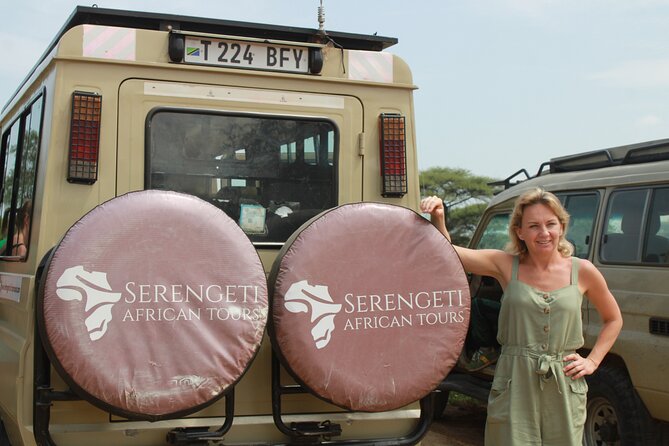
I like the small group limit of six, which should make it easier to use the vehicle’s viewing space and speak with your guide. I also like that meals, park fees, water, accommodation, and 4×4 transport are bundled into the $2,500 price, so the main costs are clear from the start.
The main consideration is the pace. You cover a lot of ground, and some days combine long drives with game viewing. The schedule also lists a midnight start time, which may be a booking-system detail rather than the actual pickup hour, so confirm your precise collection time with Serengeti African Tours before departure.
Six specific reasons to consider this safari
- Four major wildlife areas: Tarangire, Lake Manyara, Serengeti, and Ngorongoro each offer a different setting and animal-watching experience.
- Two Serengeti days: The extra time gives you a better chance to explore the Seronera area and follow seasonal wildebeest movement.
- A maximum of six people: This is a useful middle ground between a private safari and a large coach tour.
- Lodges and tented camps: You sleep in safari-style accommodation rather than returning to a city hotel each night.
- Meals and park fees included: Breakfast, lunch, dinner, mineral water, transport, and entry charges are part of the package.
- Experienced guides are central to the trip: Guides named in past bookings include Godfrey, Kelvin, James, David, Aboh, and Praise, though your assigned guide can vary.
Four parks in six days, with Serengeti at the center
This itinerary is designed for someone who wants a broad first safari rather than one narrowly focused wildlife region. Tarangire brings elephants and baobabs, Lake Manyara adds birds and varied habitats, Serengeti supplies the wide-open game-drive country, and Ngorongoro finishes with a concentrated wildlife morning.
That variety gives you useful contrasts. You are not seeing the same type of scenery and animal behavior every day. At the same time, the route involves repeated transfers, so you should be comfortable spending several hours in a safari vehicle.
The vehicle is a 4×4 safari vehicle, and the group can reach six people. That matters in practical terms. You have a shared experience, but not the crowded feel of a large bus. An English-speaking guide handles wildlife interpretation and navigation, and the guides praised in the supplied feedback were especially valued for spotting animals, explaining plants and local culture, and waiting while people took photographs.
More Wildlife Safaris in Arusha
- Big Five Luxury Safari in Tanzania
★ 5.0 · 68 reviews - 7-Day Midrange Tanzania Safari Adventures (Big 5)
★ 5.0 · 43 reviews - 5 Days 4 Nights Tarangire, Serengeti , Ngorongoro & Manyara Wildlife Safari
★ 5.0 · 40 reviews
Day 1: Tarangire’s elephants and baobab country
The safari begins after breakfast, with a stop in Arusha for last-minute purchases. This is a sensible first step. If you need snacks, toiletries, or another small item, this is your clearest chance to get it before the route heads into the parks.
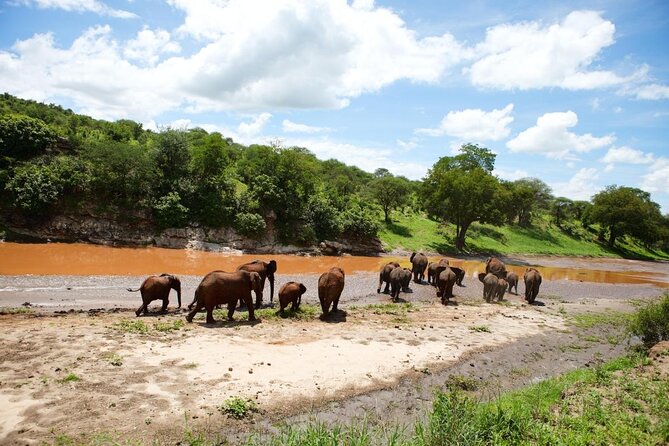
Tarangire National Park is a fine opening act. It is known for large elephant populations and its old baobab trees, those thick-trunked shapes that give the park a look unlike the open plains of the Serengeti. The park also forms part of a seasonal movement route involving elephants, wildebeest, and zebras.
You get a game drive and a picnic lunch in the park. That means the day is not simply a transfer to a lodge. You begin wildlife viewing as soon as the park portion of the route starts, with your guide reading the area for animals and explaining what you are seeing.
The night is listed at Farm of Dream Lodge. Since accommodation can sometimes be adjusted by the operator, confirm the final lodge name before departure if the exact property matters to you. The important practical point is that this is a lodge-based night after a full first day on the road and in the park.
Day 2: Lake Manyara’s compact mix of habitats
After breakfast, you head to Lake Manyara National Park. It is a smaller park, but its appeal comes from how much fits into one area. The route includes acacia woodland, groundwater forest, baobab-covered cliffs, hot springs, swamps, and the lake itself.
That mix supports a broad range of wildlife and birds. Lake Manyara is also known for its baboons and for lions that sometimes climb trees. Those are useful expectations, not guarantees. Wildlife sightings depend on season, weather, and where animals happen to be on the day.
This day is a good counterpoint to Tarangire. Instead of focusing mainly on elephant country and dry woodland, you get a closer look at a park shaped by water and changing habitats. It is also a reminder that a smaller park can still offer a full game-viewing session.
Dinner and overnight accommodation are listed at Eileen’s Tree Lodge. The safari includes meals, but dietary needs should be communicated in advance. The supplied feedback indicates that vegetarian and vegan meals were available on past trips, which is encouraging, though you should still confirm your requirements before setting out.
Day 3: Leaving the highlands for the Serengeti
Day three takes you through the farmland around Karatu and the Ngorongoro Conservation Area before descending toward Serengeti National Park. This is one of the longer transition days, but the change in scenery is part of the experience.
The route reaches the central Serengeti and the Seronera area, one of the park’s key wildlife zones. The Seronera River provides water, so the area attracts a broad selection of animals. You arrive in time for lunch, followed by an afternoon game drive.
I like the decision to place two nights in the Serengeti rather than rushing through it in one afternoon. The park is famous for huge open plains, but its scale is also the challenge. A single drive can give you an exciting introduction while still leaving you with very little time to search different areas.
The night is at Domel Wilderness Camp. A tented camp can make the setting feel more connected to the bush than a conventional lodge, but it is still important to understand the level of comfort you are booking. This is described as a mid-range safari, not a high-end luxury itinerary.
More Wildlife Safaris in Tanzania
- Big Five Classic Safari in Tanzania **Sustainable Travel approach
★ 5.0 · 31 reviews - 2 days Mid Range Safari in Ngorongoro and Tarangire Big 5 Parks
★ 5.0 · 27 reviews - 4 Days Wildlife Safari and Cultural Experience in Tanzania
★ 5.0 · 23 reviews - Elephant Special Serengeti & Ngorongoro Crater 5 Days / 4 Nights
★ 5.0 · 21 reviews
Day 4: A full Serengeti game-drive day
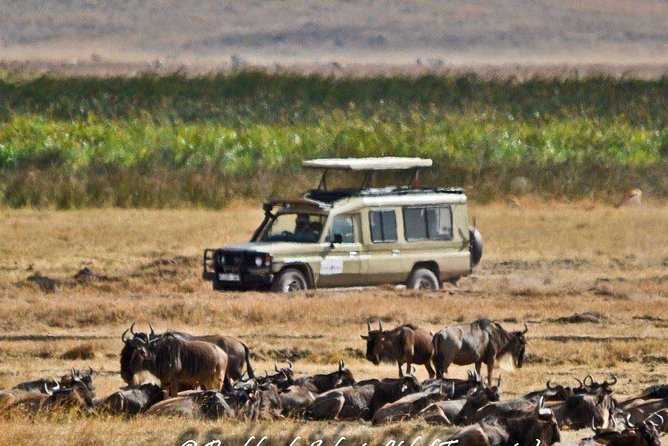
Day four is the trip’s main wildlife day. You spend the full day on a Serengeti game drive, with the possibility of following wildebeest migration activity.
The word following should not be read as a promise that you will see a river crossing or a huge moving herd. The migration changes location through the year, and no responsible operator can guarantee a particular scene. What the full day does give you is more time to search, pause, photograph, and let your guide respond to fresh sightings.
The Seronera area is also useful for people who want more than one target animal. Past safari experiences included sightings of the Big Five, along with many other species, but your guide’s skill and current animal movements will shape the day. Guides such as Godfrey, Kelvin, James, David, Aboh, and Praise have been singled out for animal spotting and patient explanations, though assignments are not fixed.
You return to Domel Wilderness Camp for dinner and another night. Two nights in the same camp are welcome here. You avoid packing and unpacking after every game drive, and you can start the second Serengeti day from the same base.
Day 5: Olduvai Gorge and the Ngorongoro highlands
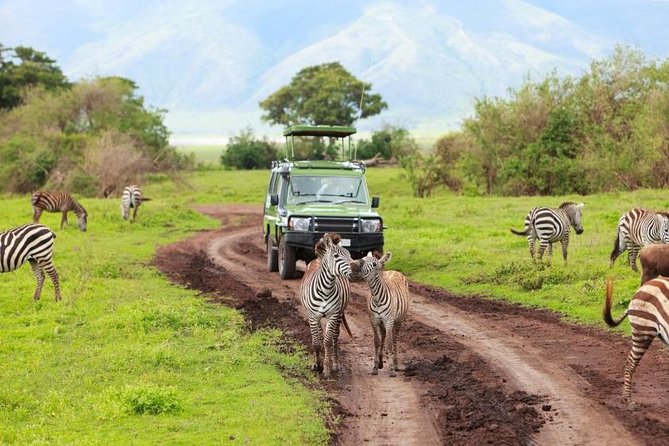
Day five begins with an early Serengeti game drive before the route turns toward the Ngorongoro Conservation Area. Early starts are normal on safari because animals can be active before the heat of the day, but you should expect a tiring rhythm by this point.
The route includes a stop at Olduvai Gorge, a major site in the study of human evolution. The Leakeys’ discoveries there included the skulls known as Nutcracker Man and Handy Man. This stop adds a human story to a trip otherwise centered on wildlife.
Late afternoon brings a transfer to Ngorongoro Wildlife Lodge for dinner and overnight accommodation. The lodge setting prepares you for the next day’s crater descent, but the day can feel packed: an early game drive, a long transfer, a heritage stop, and an evening arrival.
That is the tradeoff of a six-day itinerary. You see more places, but you rarely have a day with no movement at all. If you want a slower safari with longer stays at each camp, a longer booking would suit you better.
Day 6: Descending into Ngorongoro Crater
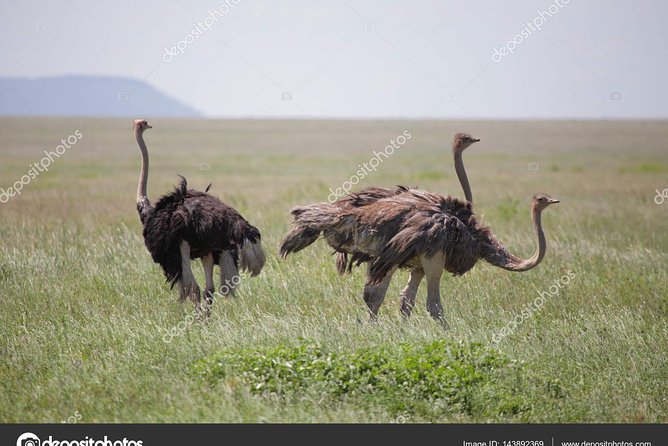
After an early breakfast, you descend more than 600 meters into Ngorongoro Crater for the final wildlife session. The crater has a year-round water supply and grazing areas, helping support wildebeest, zebra, buffalo, eland, warthog, hippopotamus, and elephant.
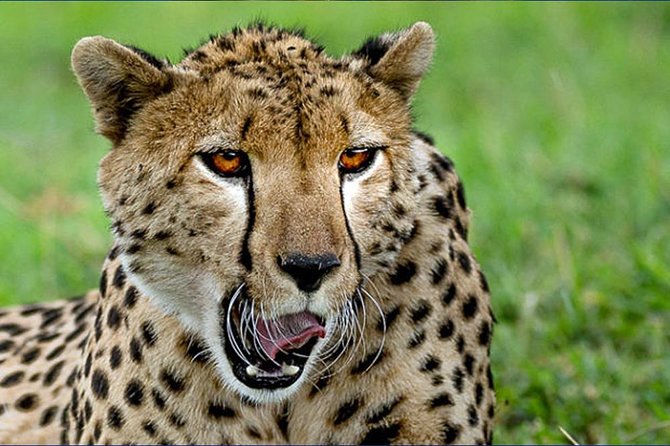
The crater is also noted for its predators, including lions, hyenas, jackals, cheetahs, and leopards. A leopard sighting may require patience and a sharp eye. The important thing here is concentration: the crater gives you a strong chance to look for many types of animals in one compact setting, but sightings are never guaranteed.
The route includes Lake Magadi, a large shallow alkaline lake in the crater’s southwestern corner. It is one of the area’s main features and can attract wildlife, especially when conditions bring animals toward water.
The itinerary information does not specify the exact end point or time on day six. If you have a flight, hotel transfer, or other fixed plan, ask the operator for a realistic arrival estimate before booking anything around the safari.
What the $2,500 price includes
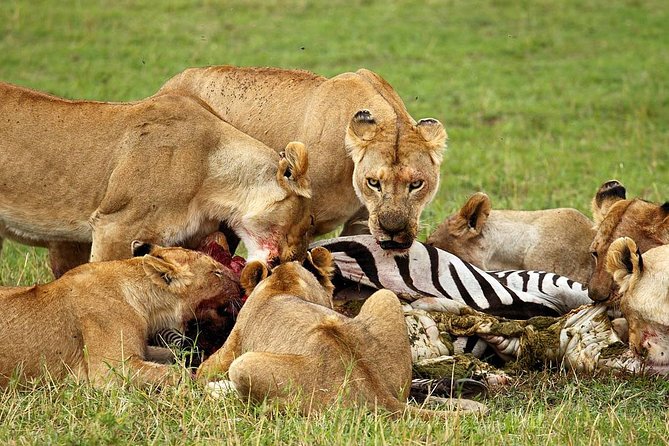
At $2,500 per person, this is not a budget camping trip, but it offers a substantial amount for six days. The package includes:
- 4×4 safari transport
- An English-speaking professional guide
- Mineral water
- Safari lodge and tented camp accommodation
- National park fees
- Six breakfasts
- Six lunches
- Six dinners
The value comes from the expensive parts of a Tanzania safari being grouped together. Park fees, vehicle hire, fuel, guide services, food, and accommodation can quickly add up when arranged separately. Having these items included also makes it easier to compare the total cost with other safari programs.
You still need to budget for a visa, tips, and personal spending such as souvenirs. Those exclusions are normal, but they should be part of your working budget. The price also does not mean every optional activity or personal purchase is covered.
The accommodation mix is a useful middle ground. You are not paying for the most expensive camps, but you also are not reducing the trip to basic tents and simple meals. Past bookings have highlighted comfortable lodges, helpful staff, fresh local food, and vegetarian options. Treat those as useful indications, not a guarantee that every room or menu will be identical.
Guides, food, and the human side of the safari
The guide can shape the whole trip. Wildlife parks are not museums with animals placed at marked stops. You need someone who can read tracks, listen to radio information when available, identify birds and plants, and explain animal behavior without turning every sighting into a rushed checklist.
The strongest feedback about this operation has focused on the guides. Godfrey was praised for explaining animals, plants, Maasai culture, and nature. Kelvin was noted for finding animals and arranging vegan meals. James was valued for experience, animal spotting, and local cultural explanations. Other names connected with positive experiences include David, Aboh, and Praise.
You cannot choose from that list unless the company confirms it, so ask who will guide your departure. Still, the pattern is useful: this operator’s service depends heavily on guide quality, and past guide experiences have been a major strength.
Food is another quiet advantage. Breakfast, lunch, and dinner are included for all six days, and past safari arrangements have included local food, fresh meals, vegetarian dishes, and vegan choices. Tell the company about dietary needs early rather than relying on a last-minute request at camp.
Group size, timing, and the practical tradeoffs
A maximum of six people is one of the better features of this trip. You share costs while keeping the group small enough for a more personal vehicle experience. It should also be easier to discuss how long to stay at an animal sighting than it would be with a large coach group.
Pickup is offered, and mobile ticketing is available. The published start time is 12:00 am, which is unusual for a safari beginning after breakfast on day one. I would treat that as a detail to verify, not as proof that you need to wait outside at midnight.
Most people can participate, according to the supplied information, and the tour is near public transportation. Even so, you should be ready for long periods sitting in a 4×4, early breakfasts, uneven roads, and repeated transfers between parks.
Free cancellation is available if you cancel at least 24 hours before the experience’s start time. Changes or cancellations inside that 24-hour window are not accepted for a refund, and the cutoff uses local time.
Who should book this six-day route?
I would recommend it to a first-time safari visitor who wants to see the main northern Tanzania parks without arranging each lodge, meal, and entry fee alone. It also fits couples, solo participants willing to share a vehicle, and small groups that want more wildlife variety than a Serengeti-only trip.
It is especially good for people who value animal spotting and explanation. A guide such as Godfrey, Kelvin, James, David, Aboh, or Praise could make the difference between simply seeing an animal and understanding why it is there.
I would think twice if you dislike long drives, early starts, or a changing accommodation schedule. The itinerary is full, and the price reflects a mid-range package rather than top-end luxury.
Should you book this Tanzania safari?
Book it if you want a well-rounded northern Tanzania route with four major wildlife areas, two Serengeti days, included meals and park fees, and a group capped at six. The strongest reasons are the broad route, the guide-led wildlife viewing, and the practical simplicity of having most major costs bundled into one price.
Before paying, confirm the actual pickup time, the assigned guide, the final lodge names, dietary arrangements, and the day-six drop-off plan. If those details match your needs, this is a sensible way to experience Tarangire, Lake Manyara, Serengeti, and Ngorongoro in one active six-day safari.
FAQ
How long is the Tanzania wildlife safari?
The safari lasts approximately six days.
Where does the safari start?
The tour is based in Arusha, Tanzania, and pickup is offered.
How many people can join the tour?
The maximum group size is six travelers.
Which national parks and areas are included?
The route includes Tarangire National Park, Lake Manyara National Park, Serengeti National Park, the Ngorongoro Conservation Area, and Ngorongoro Crater.
Are meals included?
Yes. Six breakfasts, six lunches, and six dinners are included.
Is transportation included?
Yes. Transportation is provided in a 4×4 safari vehicle.
Is a guide included?
Yes. The safari includes a professional English-speaking guide.
Are park fees included in the price?
Yes. All national park fees are included.
What accommodation is provided?
The package includes overnight stays in safari lodges and tented camps. Listed properties include Farm of Dream Lodge, Eileen’s Tree Lodge, Domel Wilderness Camp, and Ngorongoro Wildlife Lodge.
What is not included?
Visa fees, tips, and personal spending for items such as souvenirs are not included.
Can I cancel for a full refund?
Yes, if you cancel at least 24 hours before the experience’s start time. Cancellations or changes made less than 24 hours before the start time are not accepted for a refund.
More 6-Day Experiences in Arusha
- Private 6-Day Tarangire Manyara Crater and Serengeti with Mid-Range Lodges
★ 5.0 · 238 reviews - 6 Days Private Budget Safari
★ 5.0 · 163 reviews - 6 Days Tanzania Budget Camping Safari
★ 5.0 · 145 reviews - 6 days Tanzania budget safari
★ 5.0 · 65 reviews
More Big Five and Wildlife Safaris in Arusha
- Big Five Luxury 7 Days Safari Tour in Arusha
★ 5.0 · 20 reviews - Arusha: 3-Day Serengeti & Ngorongoro Crater Big Five Safari
★ 4.6 · 20 reviews - Big Five Dream Safari
★ 5.0 · 19 reviews - 8 Days 7 Nights Tanzania Wildlife & Culture Lodge Safari
★ 5.0 · 17 reviews
Just added around Arusha
- 6 days Tanzania budget safari★ 5.0 · 65 reviews
- 7 days great migration safari★ 5.0 · 77 reviews
- serengeti, ngorongoro & tarangire 5days private tour★ 5.0 · 77 reviews
- 5 days safari, hiking & culture (Serengeti & kilimanjaro)★ 5.0 · 27 reviews
- serengeti & ngorongoro 3 days private tour★ 5.0 · 15 reviews
- 5-Day Mid-Range Safari in Tanzania★ 5.0 · 33 reviews
- 4 days safari★ 5.0 · 34 reviews
- serengeti, ngorongoro & tarangire 4 days private tour★ 5.0 · 18 reviews
Arusha Safaris, compared.
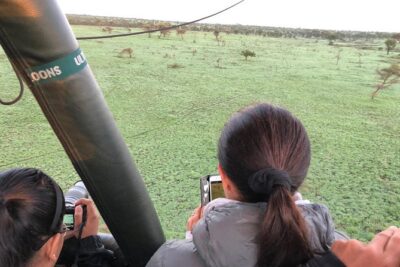
Balloon Safari & Bush Breakfast in Serengeti – Miracle Experience
Read our review →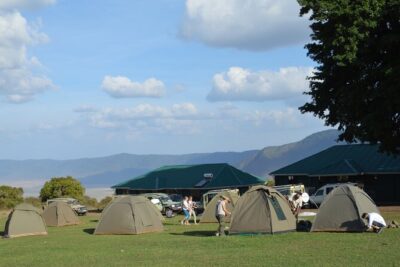
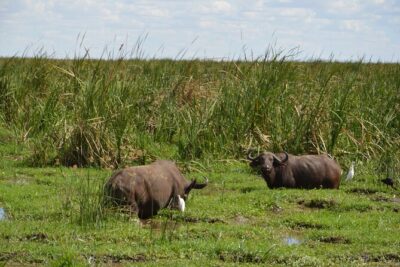
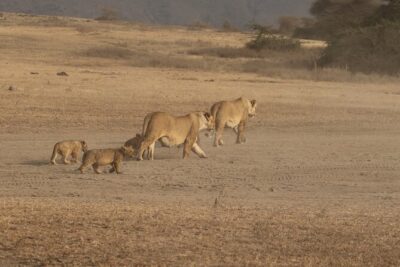
3 Days Serengeti & Ngorongoro Group Camping Safari
Read our review →
7-Day Premium Luxury Tanzania Safari All-Inclusive
Read our review →
5-Day Highlights mid-Range Crater, Serengeti, Tarangire
Read our review →
8 Days Great Wildebeest Calving Migration Safari from Arusha
Read our review →Browse the lists this tour appears in