
REVIEW · BIG FIVE & WILDLIFE
San Pedro de Atacama: Wildlife Safari and Photography Tour
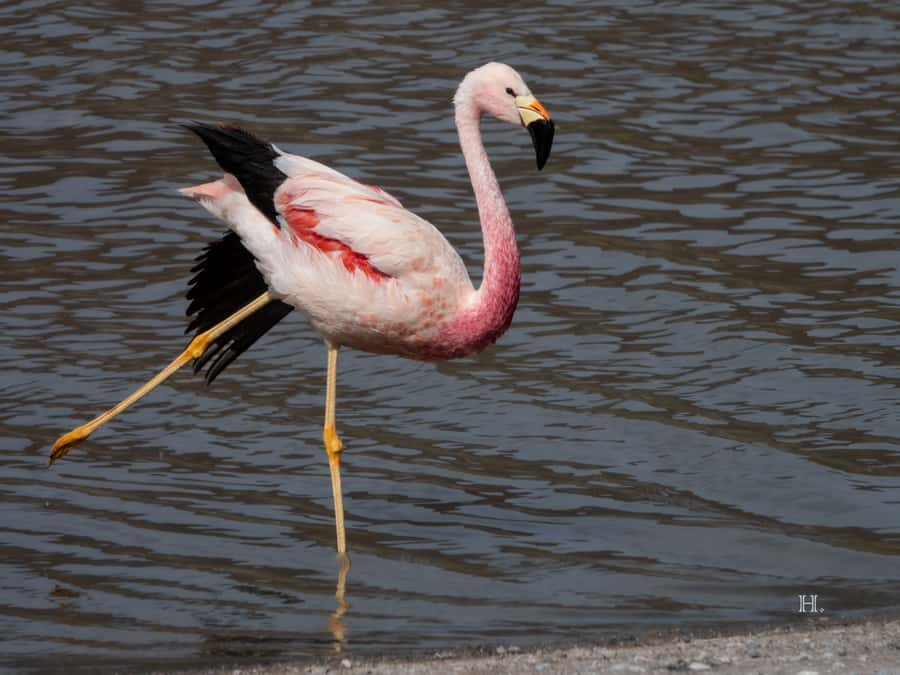
The best part of this Atacama wildlife safari is the chance to see animals that are easy to miss from a passing vehicle. Juan Pablo knows where to look, and his spotting scopes, binoculars, and phone adaptors help you turn a tiny shape on a distant slope into a guanaco, vicuña, vizcacha, or flamingo.
I like the small group of no more than four people, which gives you room to stop, ask questions, and set up a photograph without fighting a crowd. I also like the quiet pace at the wetlands, where you have time to watch birds and take in volcanoes, salt flats, and open mountain views. The main consideration is the four-hour limit: this is a focused wildlife outing, not a full-day tour of every major sight around San Pedro.
Key points to know before booking
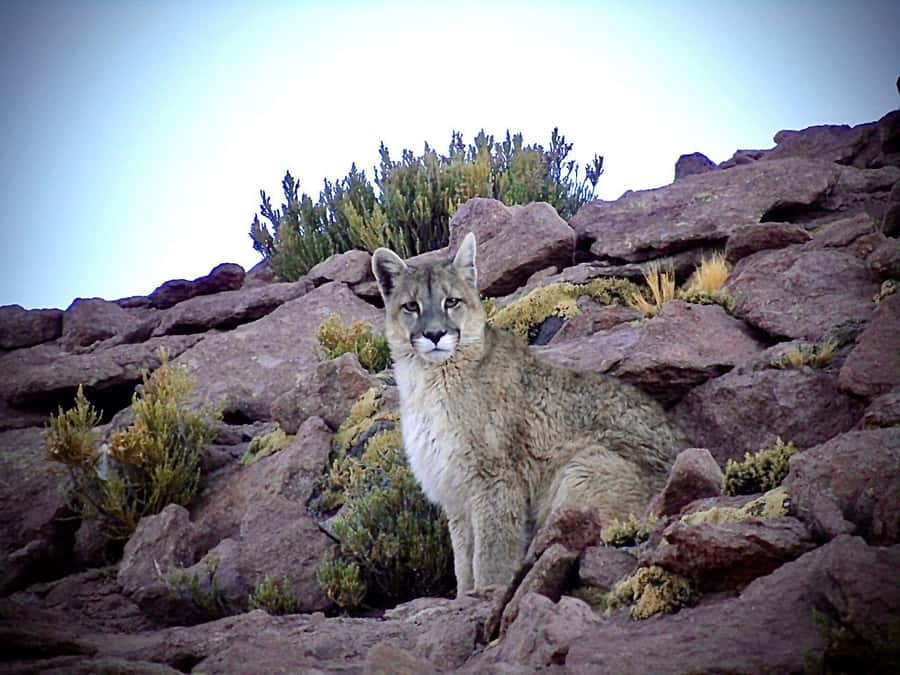
- Wildlife comes first: Search for guanacos, vicuñas, vizcachas, flamingos, and many other birds rather than simply driving past scenic viewpoints.
- Juan Pablo is the guide to know: His strength is finding animals and explaining what you are seeing, even when your untrained eye misses it.
- A real photography advantage: Spotting scopes with phone adaptors let you capture distant wildlife without bringing a long camera lens.
- A compact, quiet group: With a maximum of four participants, you get more personal attention and less time waiting for others.
- High-altitude scenery: Quirquincho Pass, Machuca, and Putana offer broad views of volcanoes, wetlands, salt flats, and open sky.
- Plan for cold and sun: Comfortable shoes, warm clothing, a hat, and sunscreen are all useful on this exposed route.
Why this four-hour outing feels different
Many trips around San Pedro de Atacama are built around famous viewpoints and quick photo stops. This one is more narrowly focused. You are going out to look for animals, understand their habitat, and spend enough time observing them properly.
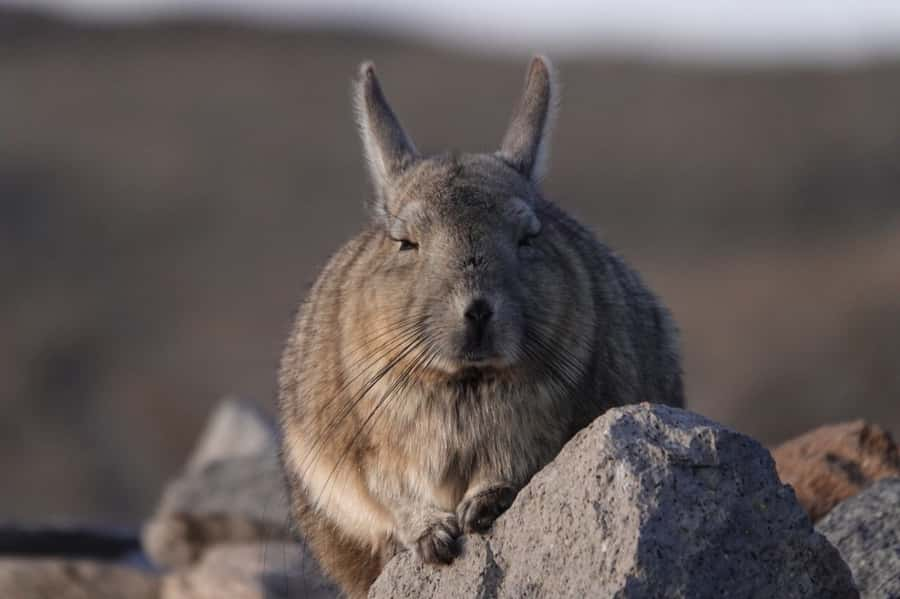
That difference matters. A vizcacha may blend into a rocky slope. A bird can look like a dark speck beside a wetland. Without help, you might stare straight at it and see nothing. Juan Pablo’s skill is not just naming wildlife. He knows where to scan and can point out the small movement or shape that gives an animal away.
The experience suits beginners as well as serious photographers. You do not need a large camera or special training. The binoculars and spotting scopes make the outing useful even if you are carrying only a phone. With the phone adaptors, you can try recording what you see through the scope, a handy feature for distant animals and birds.
The setting adds plenty of appeal. The route reaches high, open country with large views of volcanoes and wetlands. The scenery is not decoration between stops. It gives you a clear sense of how wildlife survives in the Atacama, where water is scarce and the horizon seems to go on forever.
More Big Five and Wildlife Safaris in the world:
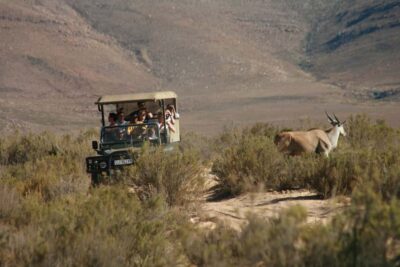
- From Cape Town: Big Five Game Reserve with Lunch
★ 4.6 · 2,409 reviews - Dubai: Sunrise Desert Jeep Safari with Wildlife Experience
★ 4.7 · 1,782 reviews - Grand Teton Wildlife Safari in a Enclosed or Open-Air Vehicle (season dependent)
★ 5.0 · 1,212 reviews
From San Pedro to rocky Quirquincho Pass
Pickup is provided from your hotel, followed by a drive of about 45 minutes toward the mountains. That transfer takes up a meaningful part of a four-hour tour, but it also gets you away from town and into quieter country.
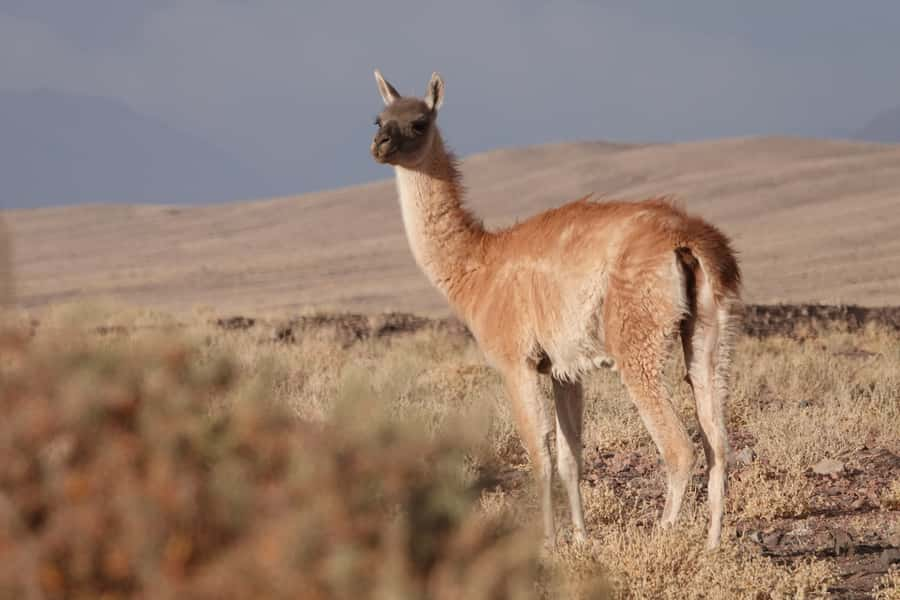
The first main stop is rocky Quirquincho Pass. Here, the focus is on guanacos and vizcachas. The pass offers the kind of open terrain where animals may be spread out rather than gathered in one convenient spot, so patience and good optics help.
A guanaco is a large wild camelid with a graceful profile, while a vizcacha is a rabbit-sized relative of the chinchilla that often blends into rocky ground. You may also find vicuñas along the route, adding another of the Atacama’s most distinctive animals to the search.
This is where a guide makes a practical difference. You can scan the rocks yourself, but an experienced wildlife guide may notice an ear, a patch of fur, or a movement that you would pass over. The goal is not simply to tick off animal names. You get a better chance to watch how the animals fit into this harsh mountain setting.
For photographers, the pass offers space and clean sight lines. The drawback is that wildlife is wild. You should come prepared for animals to be distant, partly hidden, or not positioned exactly where you want them. The scope and binoculars improve your odds of seeing them clearly, but they cannot make nature behave like a zoo.
A short walk through Machuca’s wetlands
The route continues to the wetlands near Machuca Village, where you take a short hike. This is the most active walking section of the outing, though it is described as a short hike rather than a strenuous trek.
The wetlands bring a change of scenery and a change of subject. Instead of watching mainly for mammals on dry rock, you can look for flamingos and other birdlife around the water. A large flock of flamingos is one of the memorable possibilities here, and the spotting equipment helps you see their forms and movements from a sensible distance.
The bird list is not limited to flamingos. You might encounter several kinds of birds, including species you would not identify on your own. That makes the supplied field guides useful. You can compare what you see with the guide rather than relying only on a quick explanation from the vehicle.
Machuca Village itself adds a human touch to the route. After crossing the village, the outing continues into the highlands. You should not book this trip expecting a long village visit or a cultural tour focused on Machuca. The village is part of the passage between wildlife areas, while the main purpose remains fauna, photography, and mountain scenery.
Wear comfortable shoes for this portion. Bring warm layers even if San Pedro feels mild when you leave. The tour reaches exposed high country, and temperatures can change quickly. A hat and sunscreen are just as important as a jacket because there is little shelter from the sun.
Putana’s 360-degree view over the wetlands
The final major stop is the Putana Valley lookout in the highlands. Here you can relax with a 360-degree view over the region’s largest wetland, surrounded by high volcanoes.
This is a good place to slow the pace. After searching for animals and walking near Machuca, you can take in the whole setting rather than concentrating on one bird or rock face. The broad view also gives context to the route: the wetlands are not isolated patches of water, but part of a much larger mountain environment.
Putana is especially appealing if you enjoy wide compositions and uncluttered views. You can photograph the wetland, volcanoes, and open sky, then return to the scope for smaller details. The combination gives photographers something to do at both scales.
The outing is sometimes described as an afternoon experience, and one particularly useful detail is the chance to see golden evening light. That light can add warmth to the rocks and distant peaks. Still, you should check the available starting time when booking, since the four-hour tour has different appeal depending on whether you prefer stronger daylight or later light.
A few more safaris around the world worth a look
- Tromsø: Northern Lights Safari with Expert Guides and Photos
★ 4.6 · 6,654 reviews - Tromsø: Aurora Safari Chase with Photos
★ 4.0 · 315 reviews - Selous Luxury Day Safari with Photographer
★ 5.0 · 211 reviews - Dubai Hummer Safari Adventure & Traditional Dress Photoshoot
★ 4.8 · 96 reviews
What the photography setup adds
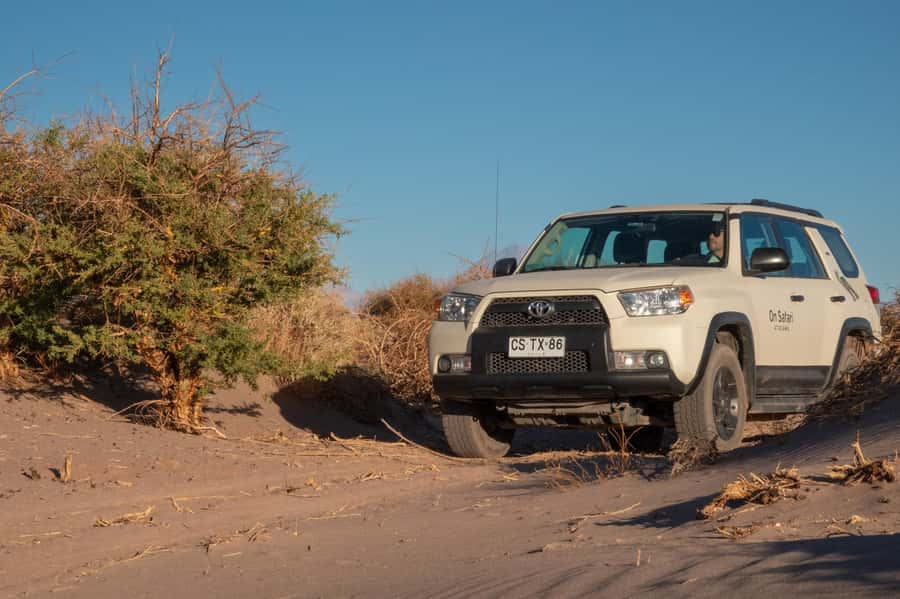
This is not a technical photography workshop, and you should not expect lessons in camera settings. The value comes from access and observation.
You receive use of:
- Binoculars
- Spotting scopes
- Phone adaptors for the scopes
- Field guides covering fauna and birds
That package works for mixed groups. A serious photographer can concentrate on framing and light, while someone with a phone can still get closer views through the scope. The equipment also lets everyone take part, even if only one person carries a camera.
The small group makes this setup more useful. With up to four participants, you are less likely to spend the whole stop waiting for a scope to become available. You can ask Juan Pablo to help identify a bird, adjust your viewing position, or point out another animal nearby.
I would still bring your own camera, extra phone power if you rely on your phone, and enough storage for photographs. Those items are not listed as provided, so you should treat the supplied optics as an aid rather than a replacement for personal equipment.
The guide can make or break the wildlife search
The strongest part of this experience is the guide service. Juan Pablo, also referred to as JP, brings expertise in birds, mammals, plants, San Pedro, the Atacama, and Chile more broadly.
That range matters because a wildlife outing can otherwise become a string of names. A good explanation helps you understand why a species is here, what kind of habitat it uses, and what details to watch for next time. You may also learn about plants and the wider area, not just the animals visible through the scope.
The personal approach is another advantage. If you are the only participant on a given departure, the tour can continue rather than being canceled. In that situation, the guide can ask what you most want to see and spend extra time helping you pursue it. One guest set out hoping for a photograph of a vizcacha and got the shot after careful searching.
That kind of flexibility is valuable, but it comes with a sensible expectation. No guide can promise every species on every departure. Your best chance comes from telling Juan Pablo what interests you at the start and remaining open to the animals and birds that appear along the way.
Is $145 a fair price?
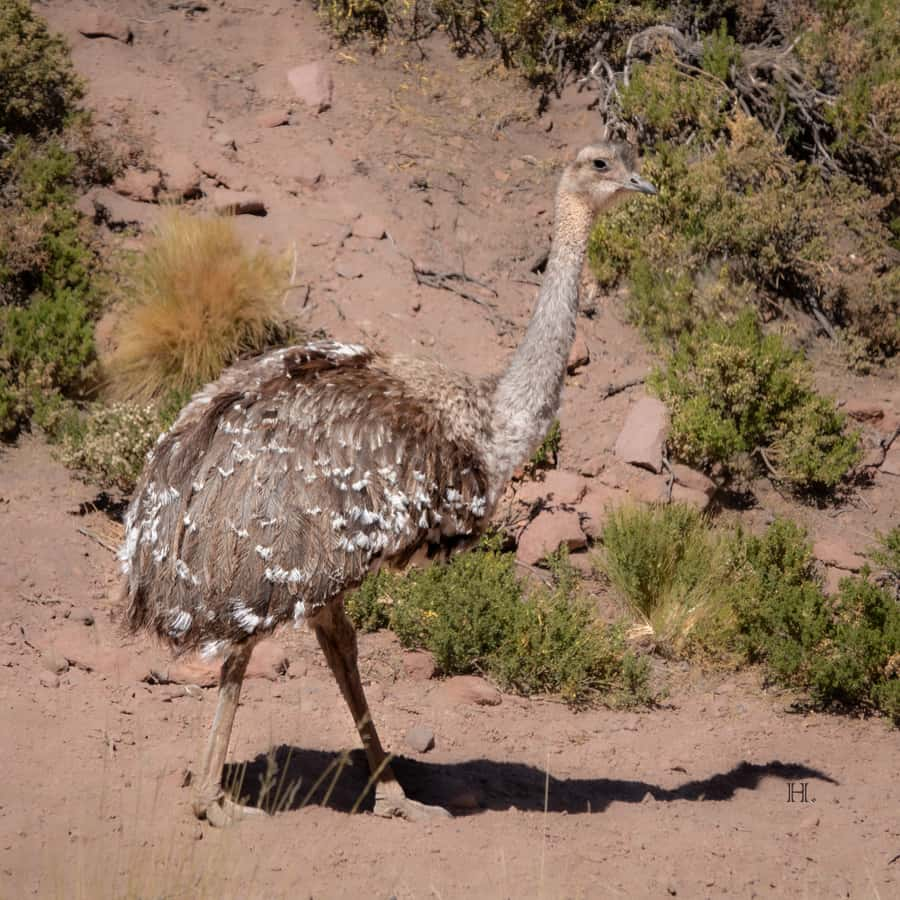
At $145 per person, this is not the cheapest way to see the Atacama. The price makes more sense when you look at what is included: hotel pickup and return, a bilingual guide focused on fauna, shared optical equipment, field guides, and a small group capped at four people.
A larger sightseeing vehicle may cost less per person, but it cannot offer the same level of attention. You may also spend more time waiting for other people and less time watching wildlife. Here, the cost pays for a focused outing rather than a broad checklist of attractions.
The value is strongest for photographers, birdwatchers, and anyone who wants a quieter experience. It is less compelling if your main goal is to visit many famous Atacama sites in one day or if you prefer a fast-moving schedule.
The four-hour duration keeps the commitment manageable. You can fit the trip into a half-day plan, but you should remember that the drive to the mountains uses part of that time. The payoff is a more personal wildlife search in areas away from the busiest routes.
Who should book this Atacama safari?
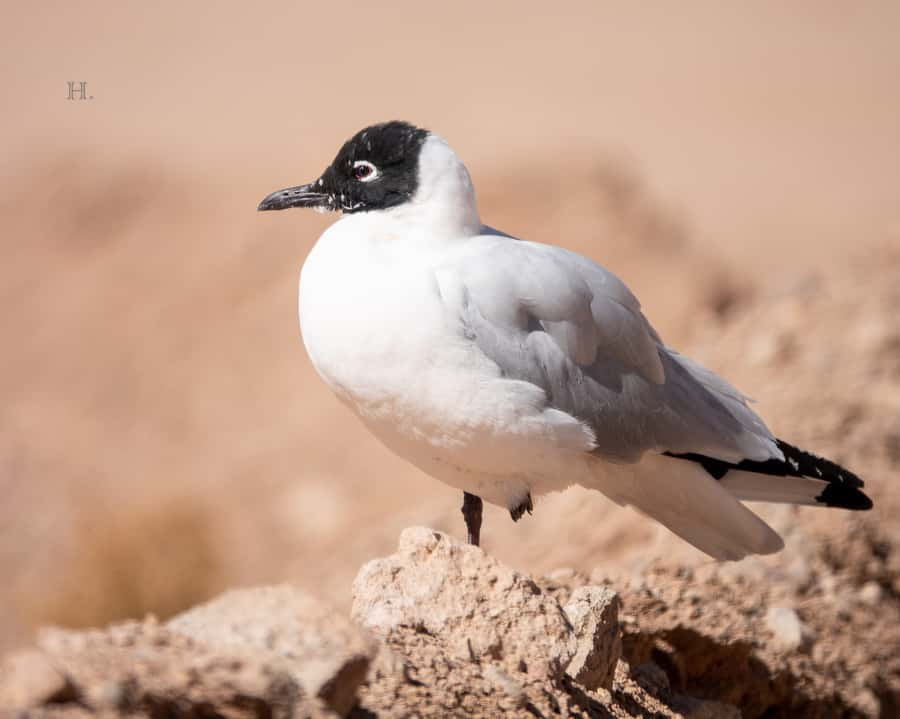
You should consider booking if you:
- Want to see wildlife rather than only rock formations and viewpoints
- Enjoy birds, mammals, plants, or nature photography
- Prefer a group of four or fewer
- Want an English, Spanish, or Portuguese-speaking guide
- Like taking time at a place instead of rushing between stops
- Are comfortable with a short hike and exposed mountain conditions
- Are at least 12 years old
This trip works especially well for people who may not know much about local fauna. You do not need to arrive with a field guide or expensive lens. Juan Pablo and the supplied equipment give beginners a way into wildlife watching without making experienced photographers feel limited.
It is not the right pick for children under 12, a long trek, or a guaranteed animal encounter. You also need to accept that the tour follows wild conditions. Some days may bring several species and easy sightings, while another outing may require more searching.
You can cancel without charge up to 24 hours ahead, and the reserve-now-pay-later option gives you some flexibility when your schedule is still shifting. Pickup and drop-off are included through the car company, so you do not need to arrange separate transport to the meeting point.
Should you book it?
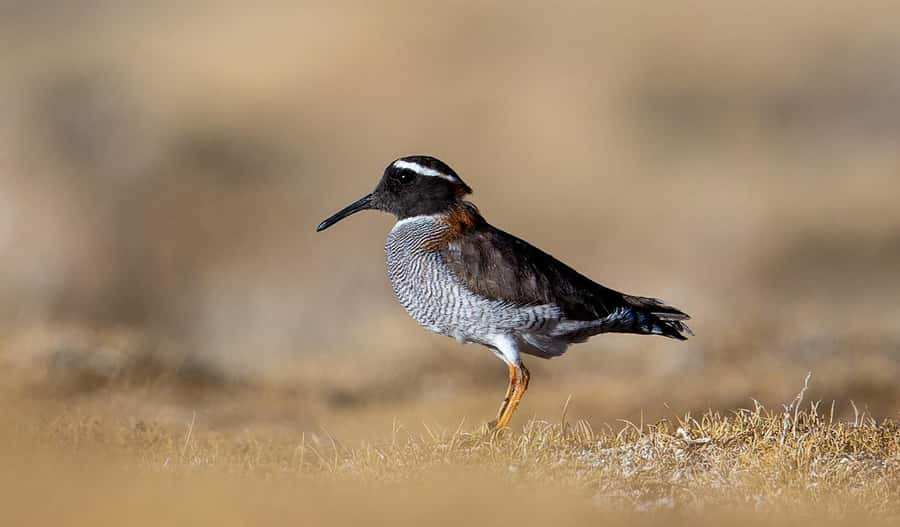
Book this tour if seeing animals in their natural setting matters more to you than collecting as many attractions as possible. The combination of Juan Pablo’s sharp eye, a maximum of four participants, useful viewing gear, and the Putana wetlands gives you a better chance to notice details you would miss alone.
I would choose it for birdwatching, wildlife photography, or a quieter half-day away from San Pedro. I would skip it only if you want a full-day sightseeing circuit, dislike short walks in cold exposed places, or need guaranteed sightings. For the right person, $145 is a reasonable price for focused guiding and time to actually observe the Atacama rather than simply pass through it.
FAQ
How long does the San Pedro de Atacama wildlife tour last?
The tour lasts four hours, including hotel pickup and drop-off.
Where does the tour go?
The route includes rocky Quirquincho Pass, the wetlands near Machuca Village, Machuca itself, and the Putana Valley lookout in the highlands.
What animals might I see?
You might see guanacos, vicuñas, vizcachas, flamingos, and several other bird species. Wildlife sightings cannot be guaranteed.
Is photography equipment provided?
Yes. The tour provides spotting scopes with phone adaptors, binoculars, and field guides for fauna and birds.
What languages does the guide speak?
The live guide service is available in English, Spanish, and Portuguese.
Is the tour suitable for children?
The tour is not suitable for children under 12.
What should I bring?
Bring comfortable shoes, warm clothing, a hat, and sunscreen.
Just added around the world
- Dubai Desert Safari With BBQ dinner★ 5.0 · 15 reviews
- Dubai Private Morning Desert Safari: Camel Ride & Sandboarding★ 5.0 · 19 reviews
- Deluxe Premium Dubai Desert Safari with Camel Ride, and Live Show★ 5.0 · 82 reviews
- Premium Deluxe Dubai Safari with Camel Ride, Sandboard & BBQ★ 5.0 · 55 reviews
- Dubai Morning Desert Safari: Camel Ride & Sandboarding!★ 5.0 · 116 reviews
- Camel Trekking and Morning Safari with Sand Boarding★ 5.0 · 19 reviews
- Thrilling Desert Safari Dubai Adventure with Sand Boarding and Barbecue Dinner★ 3.5 · 30 reviews
- Dubai Desert Safari★ 4.5 · 15 reviews
Big Five & Wildlife Safaris, compared.
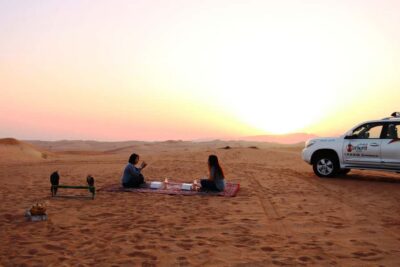
Sunrise Desert Jeep Safari with Wildlife Experience
Read our review →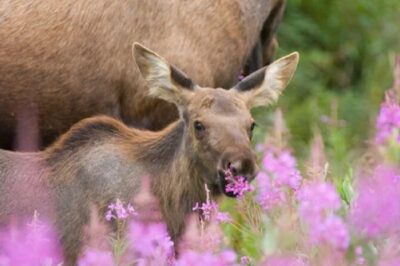
Grand Teton Wildlife Safari in a Enclosed or Open-Air Vehicle (season dependent)
Read our review →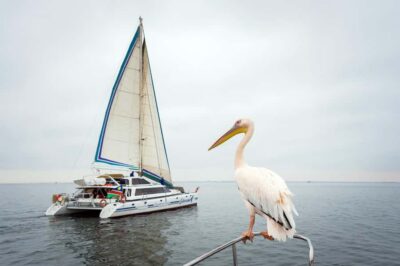
Walvis Bay: Marine Big 5 Luxury Catamaran Tour
Read our review →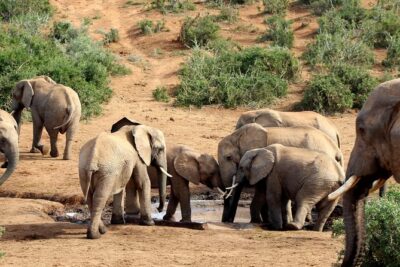
Addo Elephant National Park All Inclusive Full-Day Safari
Read our review →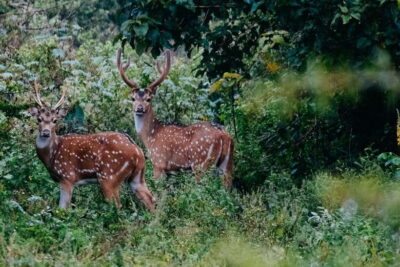
Udawalawe National Park: Elephant Safari with Expert Guide
Read our review →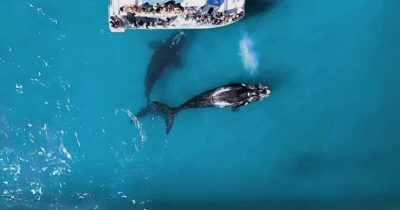
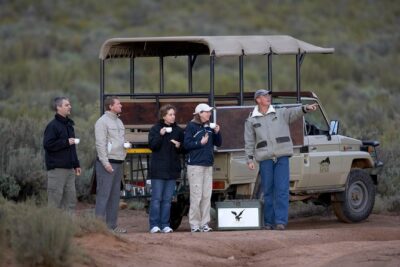
Big Five Game Reserve Wildlife Safari from Cape Town
Read our review →Browse the lists this tour appears in