
REVIEW · NAMIBIA
Etosha National Park: Full or Half-Day Game Drive
Etosha is at its best from an open 4×4 just after the gates open, when the air is cold, the roads are quiet, and animals gather near water. Your guide adjusts the route during the day, using fresh sightings and contact with other guides to search for lions, elephants, rhinos, cheetahs, giraffes, and smaller game.
I like the local guide approach, especially guides such as Ben, Amone, and Matias, who are known for sharp eyes, safe driving, and a good feel for animal behavior. I also like the flexible route and the chance to spend a full day in the park rather than rushing from one sighting to the next.
The main drawback is simple: the $123 price does not include the NAD 150 park entrance fee, lunch, or drinking water. Half-day visitors must also reach Anderson Gate on their own, and a cold morning in an open vehicle requires proper clothing.
Key points to know before booking
- Early start at Anderson Gate: Meeting at the park entrance helps you enter promptly and avoid delays.
- Open 4×4 viewing: The vehicle gives you a clear view for photographs, but morning wind can be very cold.
- Routes follow animal activity: Your guide can change direction based on weather, sightings, and information from other guides.
- Full-day value: The longer option includes morning and afternoon game viewing, with a one-hour lunch stop inside the park.
- Bring extra cash: The NAD 150 park fee is paid separately, in cash, and meals and water are also your responsibility.
- Half-day rules: There is no pickup for half-day tours, so you must meet directly at Anderson Gate.
Starting at Anderson Gate before the park gets busy
The day begins at Anderson Gate, near Okaukuejo, at park opening time. You can drive yourself to the gate and use the free, secure parking. This is the best plan for a half-day tour, and it is also recommended for a full-day booking if you have your own vehicle.
Meeting at the gate gives you a practical advantage. You are not waiting for several lodge pickups, and you can be among the first vehicles entering Etosha. That matters most in the morning, when cooler temperatures often make animals more active and the roads are less crowded.
Pickup is available for selected accommodation within about 30 minutes of Anderson Gate on eligible full-day bookings. If you stay at Okaukuejo Lodge or Okaukuejo Camp, do not assume the safari vehicle will collect you inside the park. If no other clients are entering that day, you may need to meet at Anderson Gate yourself.
This arrangement takes a little planning, but it keeps the morning moving. Confirm your meeting point carefully, especially if you are staying near the park rather than directly at Anderson Gate. One delayed pickup has caused confusion in the past, so clear communication before the day is worth your time.
More National Park Safaris in the world:
- Tenerife: Kayak Safari and Snorkel in a Marine Reserve
★ 4.5 · 3,214 reviews - Teide National Park Sunset & Stargazing with Dinner (Star Safari)
★ 5.0 · 2,601 reviews - From Cape Town: Big Five Game Reserve with Lunch
★ 4.6 · 2,409 reviews
The open 4×4 makes wildlife viewing easier
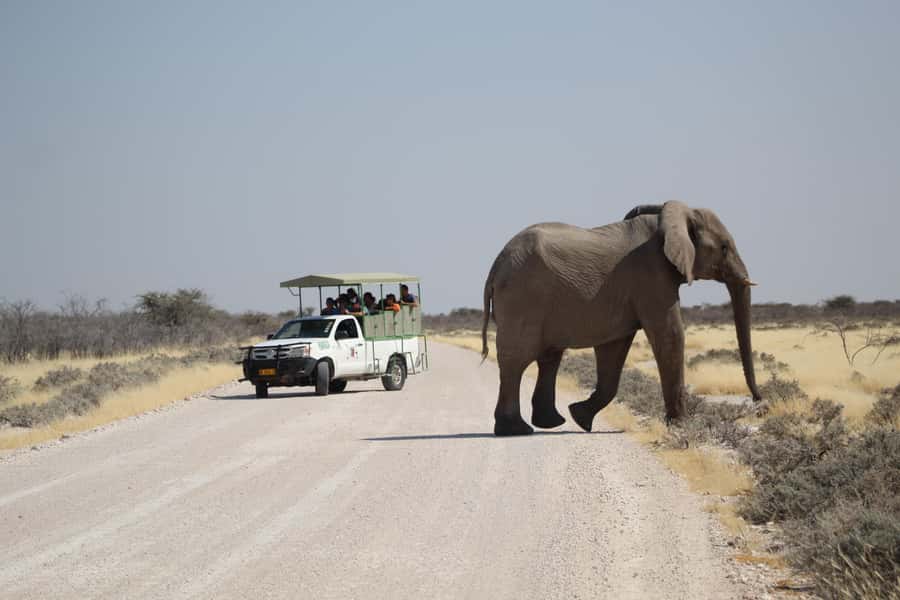
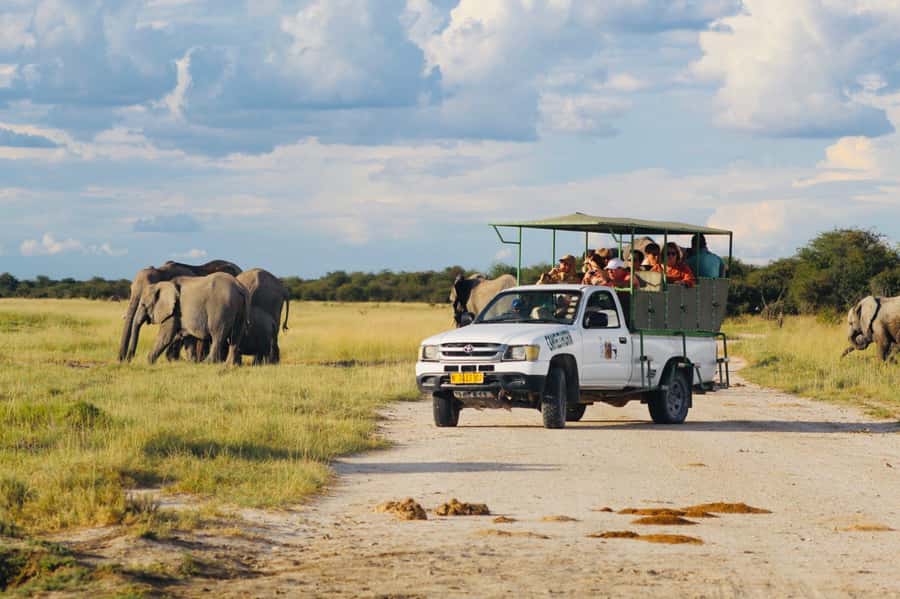
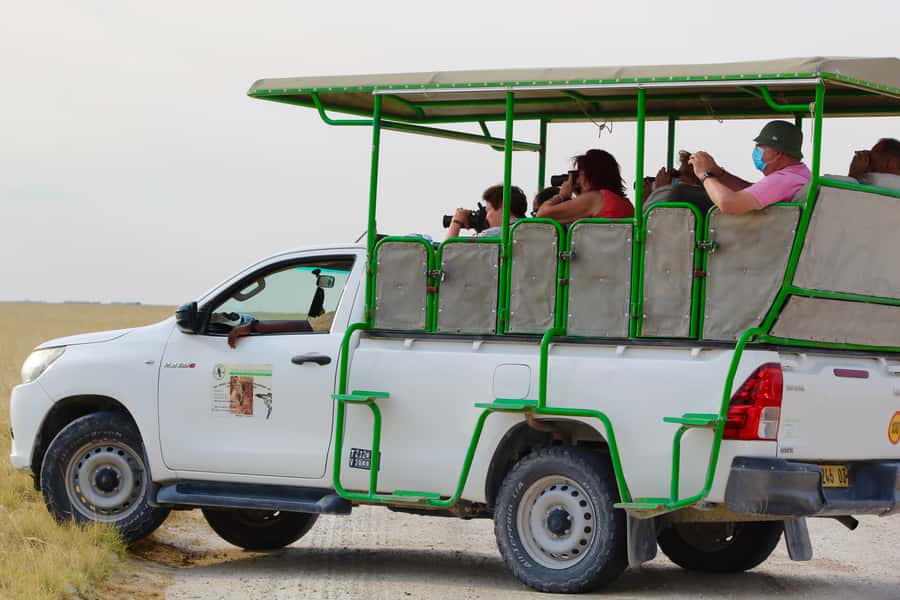
The safari uses an open 4×4 designed for game viewing. You get a broad view over the sides of the vehicle, which helps when animals appear at a distance or move through low scrub. There is no glass between you and the sounds, smells, wind, and dust of Etosha.
That openness is a major part of the appeal, but it comes with a price. Winter mornings, especially from May through August, can be very cold. Moving air makes the temperature feel lower than it does at the gate, so bring warm layers, a windbreaker, and clothing you can add or remove as the day warms.
A warm fleece poncho is available for the cold morning start. It is helpful, but I would not rely on it as your only protection. Wear a proper jacket and bring something that covers your neck. Comfortable shoes, sun protection, and a hat also make sense for a long day outside.
Binoculars are available on board for shared use. If you own a pair, bring them. Shared binoculars can be useful when an animal is far away, but you may have to wait while others use them.
Morning game drive: use the quiet hours well
The first section of the safari focuses on making the most of the early hours. The route is not fixed, which is exactly what you want on a game drive. Your guide can respond to recent sightings instead of following a rigid circuit.
Etosha is known for its waterholes, and these are important places to watch. Animals need water, particularly in dry conditions, so a quiet stop can produce more than a quick roadside sighting. Your guide may position the vehicle and wait rather than drive on immediately.
That patience has practical value. Several people who booked the full-day outing saw lions, elephants, rhinos, giraffes, zebras, wildebeest, warthogs, oryx, springboks, birds, and other antelope species. Some also saw cheetahs. No guide can promise a particular animal, but a full morning gives you time to stay with a good sighting.
The guide’s role is more than driving. Ben, one of the guides frequently named by visitors, is praised for spotting animals, explaining behavior, and knowing when to stop. Amone and Matias are also identified by name in connection with successful game drives. The guide assigned to you may differ, but the important quality is local familiarity and the ability to read the situation.
Communication between guides can help too. Drivers share information about recent animal activity, which may point your vehicle toward a lion family, a cheetah, or elephants at a waterhole. This is not a guarantee of rare sightings, but it is a useful advantage over simply driving without current information.
What you might see in Etosha
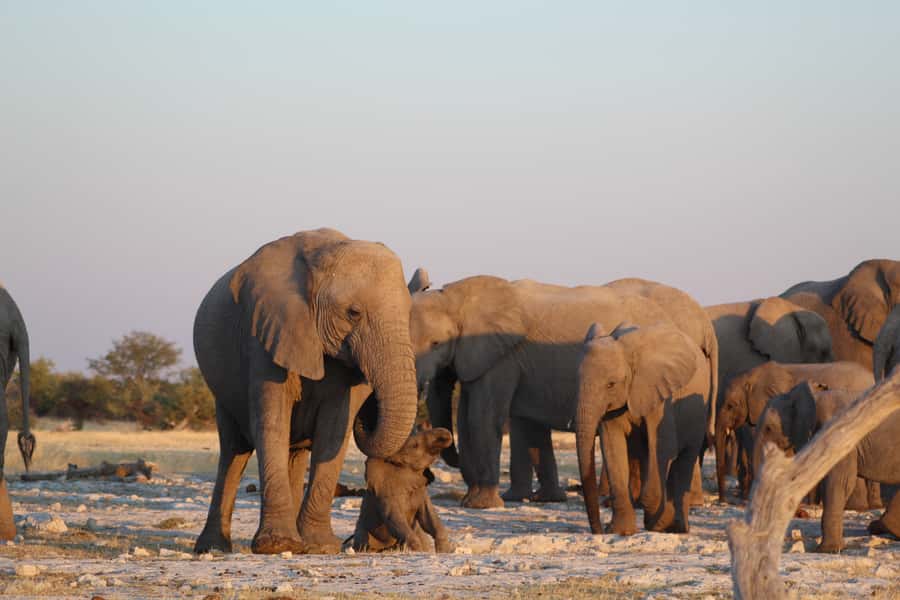
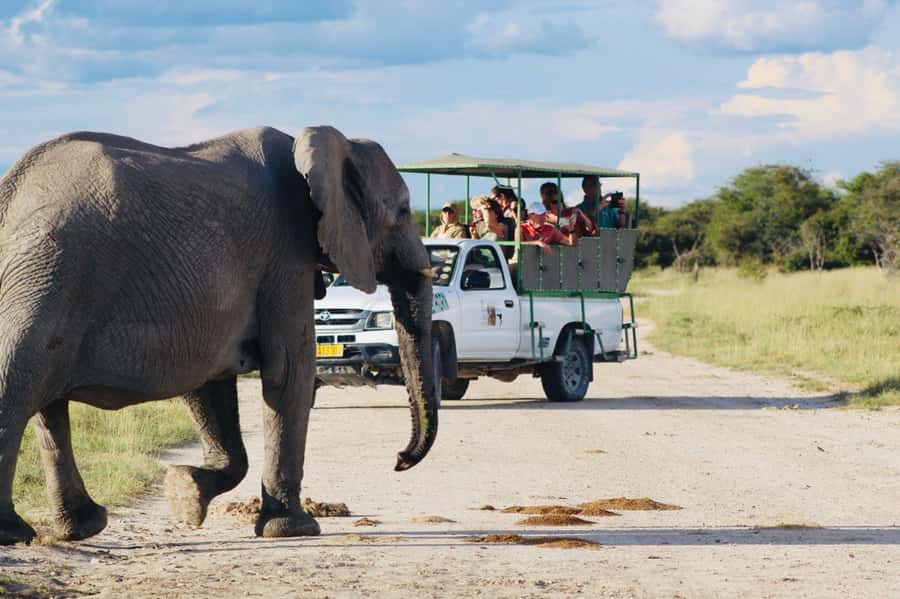
The likely sightings are varied. Elephants, giraffes, zebras, springboks, oryx, wildebeest, warthogs, and birds are among the animals you may encounter. Lions and rhinos are also possible, and cheetahs or leopards are less certain but can appear.
The word possible matters here. Wildlife is free to move, hide, or remain far from the road. A good guide improves your odds, but cannot produce a checklist. One of the strengths of this experience is that the guide sets realistic expectations at the start and explains that luck still plays a part.
When an animal appears, you should expect the vehicle to pause for observation and photographs. The guide may reposition for a clearer view, but the aim is to watch without disturbing the animals. Long stops are especially valuable for families with children or anyone who wants more than a quick photograph.
The full-day format also spreads your chances across changing conditions. The morning may bring cold weather and active animals, while the afternoon offers a different pattern of light and movement. You will spend more time in the vehicle, but you have a better chance of seeing a wide range of species than on a short outing.
More Half-Day Trips in the world:
- Dubai: Half-Day Desert Safari, Camel Ride, ATV & Dune Buggy
★ 4.9 · 19,221 reviews - Dubai: Half-Day Desert Safari, Camels, Quad Bike & Refreshments
★ 5.0 · 3,731 reviews - Half-Day Desert Safari from Abu Dhabi
★ 5.0 · 2,207 reviews - From Albufeira: Half-Day Algarve Jeep Safari
★ 4.7 · 2,039 reviews
The one-hour midday break inside the park
Around midday, the safari pauses for about an hour at a restaurant inside Etosha. This is a useful break after a cold early start and several hours on the road. You can eat at the restaurant, or bring your own lunch.
Lunch is not included, so plan ahead. Drinking water is also not included in the stated price. One guide has provided a bottle to each person on some outings, but you should not count on that. Bring enough water for a long day, along with snacks if you do not want to buy a meal.
The midday stop gives you time to stretch and eat, but it also breaks the rhythm of the safari. If your main goal is maximum wildlife time, a full lunch stop may feel long. On the other hand, sitting through ten hours in an open 4×4 without a proper pause would be tiring, especially for children and older visitors.
A simple packed lunch can keep costs down. If you prefer convenience, the park restaurant removes the need to organize food before sunrise. Either way, remember that the restaurant stop is part of the full-day plan, not an extra wildlife viewing location.
Afternoon sightings and the return to Anderson Gate
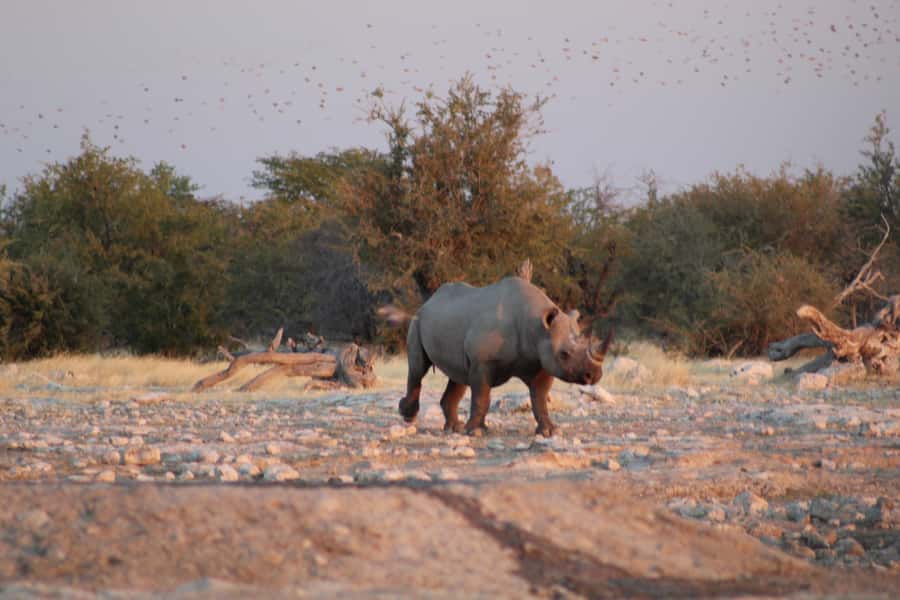
After lunch, the vehicle heads out again for the second part of the safari. Your guide continues to adjust the route according to sightings, weather, and the condition of the roads. The afternoon section gives you another chance at animals missed in the morning and more time with species already found.
This is where the full-day option earns its higher price. You are not limited to a single early circuit, and the guide can spend time at worthwhile sightings without immediately turning back. If you hope to see a broad mix of animals, I would choose the full day.
The tour ends in the late afternoon, returning to Anderson Gate or to an agreed lodge. Expect to be tired by then. A full day in an open vehicle is not a passive sightseeing trip, but the long hours are part of the value if wildlife is your main reason for visiting Etosha.
Full-day or half-day: which makes more sense?
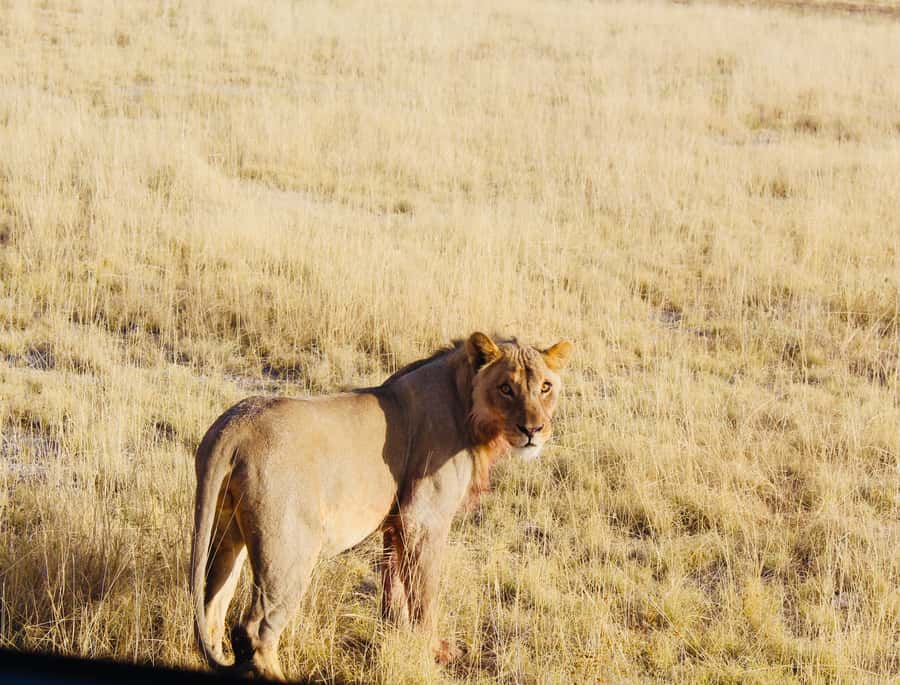
The full-day outing lasts roughly 10 hours and is the stronger choice for a first visit, serious wildlife photographers, and anyone with only one day at Etosha. You get morning and afternoon viewing, a greater range of driving time, and more flexibility when an exciting sighting develops.
The half-day option lasts about five hours. It suits you if your schedule is tight, you are already doing another park activity, or you prefer a shorter outing. The tradeoff is important: there is no pickup for half-day bookings, so you must reach Anderson Gate yourself.
A half-day also gives your guide less time to respond to quiet periods or distant sightings. You may still see excellent wildlife, but the shorter format gives luck less time to work in your favor. I would choose it for convenience, not because it offers the same depth as the full day.
Is $123 good value?
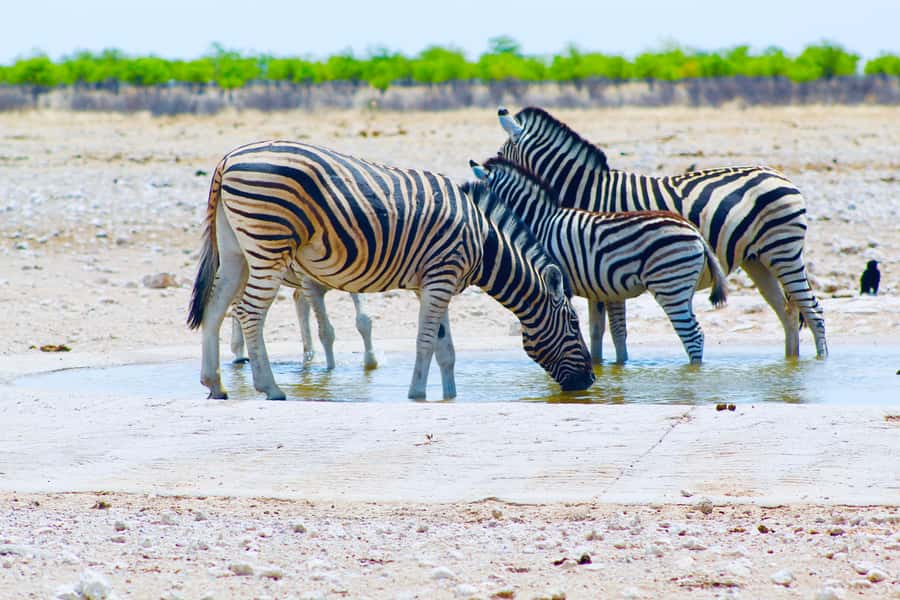
At $123 per person, this is not the cheapest way to see Etosha. The price includes the open 4×4, fuel, an experienced local guide, shared binoculars, and a fleece poncho for the morning. Full-day lodge pickup is included at selected accommodation, though half-day pickup is not.
The strongest value comes from the guide. A skilled driver who knows the roads, spots distant animals, communicates with other guides, and gives animals enough time can change the quality of the day. You are paying for local judgment as much as for the vehicle.
Budget for the separate NAD 150 park entrance fee, lunch, and water. You need cash for the entrance fee. If you depart from Halali, there is a NAD 1,500 surcharge paid directly to the guide, and bookings must be made at least 48 hours ahead through WhatsApp. Namutoni departures require 48 hours notice and a NAD 3,000 surcharge.
Those extra costs make Anderson Gate the sensible starting point for most people. It avoids the larger gate supplements and keeps the logistics simple. If you are staying near Okaukuejo, this tour is particularly practical.
What to bring for a comfortable day
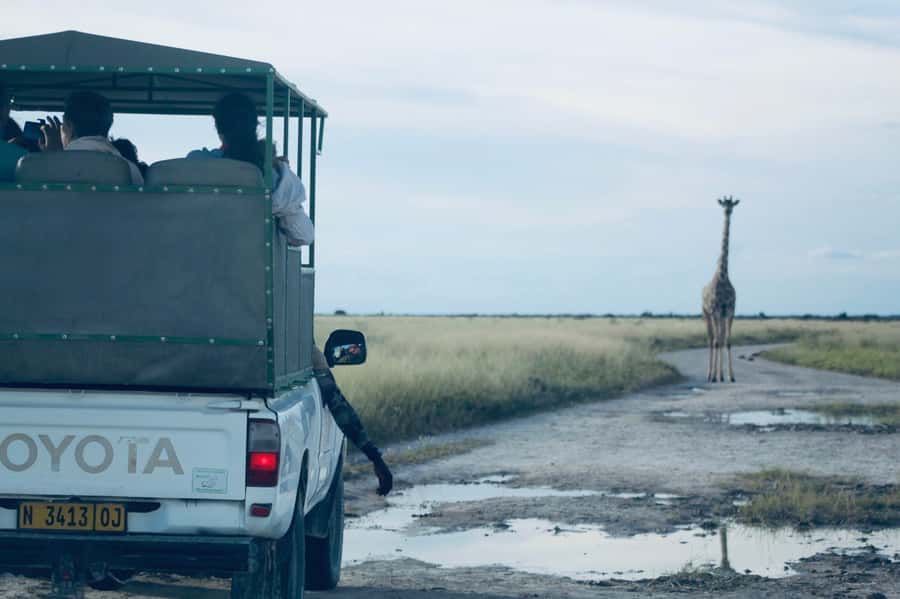
Pack for two different climates. The morning can be cold and windy, while the afternoon may feel much warmer.
- Warm layers and a windbreaker
- Water and lunch, unless you plan to use the park restaurant
- Cash for the NAD 150 entrance fee
- Binoculars, if you have your own
- Camera batteries and memory space
- Sun protection and a hat
Drones are not allowed. Babies under two years old may join free when sitting on an adult’s lap, but a long open-vehicle day may still be demanding for very young children.
The vehicle is open, so protect cameras and phones from dust. Keep loose items secure, and follow the guide’s instructions around animals. Etosha is safe when visitors respect the rules, but wild animals must always be given space.
Who should book this Etosha safari?
I would recommend the full-day tour if you want a focused wildlife day without arranging your own park route. It is especially suitable for first-time visitors, couples, families with older children, photographers, and anyone staying around Okaukuejo.
The experience also works well for people who value explanation. The guide shares information about animal behavior, the park’s ecosystem, Namibia’s history, and the surrounding area. You are not simply being driven from one sighting to another.
I would choose a half-day only if time or energy is limited. You need to arrange your own transport to Anderson Gate, and the shorter visit gives you less room for slow sightings. If you are already staying inside Etosha, confirm the gate meeting instructions before booking.
The biggest strength is the guide-led search. The biggest weakness is the cost once you add the entrance fee, food, and water. You should also be comfortable with early cold, long hours, and the uncertainty of wildlife viewing.
Should you book it?
Book this safari if you want the best chance of seeing a wide range of Etosha animals in one day and you value a local guide who can adapt the route. The full-day option is worth considering for the extra time, especially if lions, elephants, rhinos, or cheetahs are high on your list.
Choose the half-day version for a shorter commitment, but only if you can reach Anderson Gate easily and accept fewer hours in the park. Bring warm clothes, water, lunch money, and cash for the entrance fee.
I would book this experience for the guide’s local knowledge, open vehicle, early entry, and flexible search strategy. I would skip it only if you want a low-cost, self-drive day or do not enjoy spending many hours in a cold, exposed vehicle.
FAQ
Where does the Etosha safari begin?
The main meeting point is Anderson Gate, near Okaukuejo. Free parking is available at the gate.
Is pickup available from my lodge?
Pickup is available for selected accommodation within about 30 minutes of Anderson Gate on eligible full-day bookings. Half-day tours do not include pickup.
Can I join from Okaukuejo Lodge or Okaukuejo Camp?
You may need to meet at Anderson Gate yourself if no other clients are scheduled to enter the park that day. Confirm this before departure.
How long does the experience last?
The activity lasts approximately five to ten hours. Half-day tours are shorter, while full-day tours continue through the afternoon and end in the late afternoon.
Is the Etosha entrance fee included?
No. The park entrance fee is NAD 150 per person and must be paid on site in cash.
Is lunch or drinking water included?
No. You can bring your own lunch and water or buy lunch at the restaurant inside the park during the one-hour midday break.
What languages does the guide speak?
The live guide service is available in English and Afrikaans.
Just added around the world
- Dubai Desert Safari With BBQ dinner★ 5.0 · 15 reviews
- Dubai Private Morning Desert Safari: Camel Ride & Sandboarding★ 5.0 · 19 reviews
- Deluxe Premium Dubai Desert Safari with Camel Ride, and Live Show★ 5.0 · 82 reviews
- Premium Deluxe Dubai Safari with Camel Ride, Sandboard & BBQ★ 5.0 · 55 reviews
- Dubai Morning Desert Safari: Camel Ride & Sandboarding!★ 5.0 · 116 reviews
- Dubai Desert Safari★ 4.5 · 15 reviews
- Camel Trekking and Morning Safari with Sand Boarding★ 5.0 · 19 reviews
- Thrilling Desert Safari Dubai Adventure with Sand Boarding and Barbecue Dinner★ 3.5 · 30 reviews
Namibia Safaris, compared.
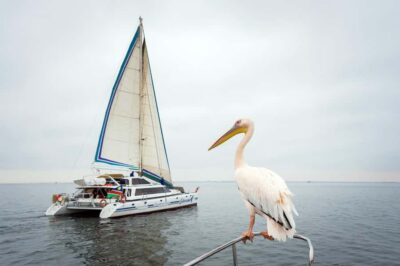
Walvis Bay: Marine Big 5 Luxury Catamaran Tour
Read our review →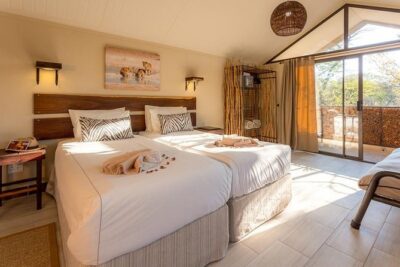
6-Day Dunes and Wildlife Accommodated Safari from Windhoek
Read our review →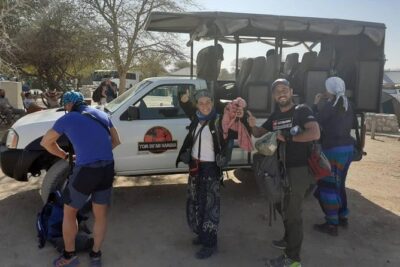
ETOSHA PARK SAFARI with local guides in 9-seater 4x4s
Read our review →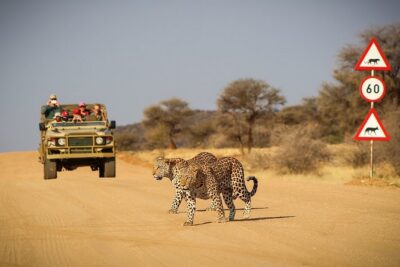
6 Day Sand, Sea & Etosha Budget Camping Safari
Read our review →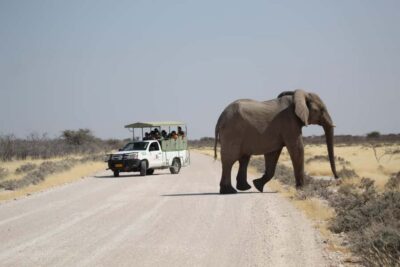
Etosha National Park: Full or Half-Day Game Drive
Read our review →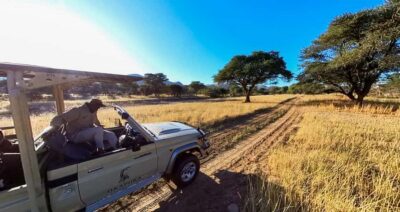
Browse the lists this tour appears in