
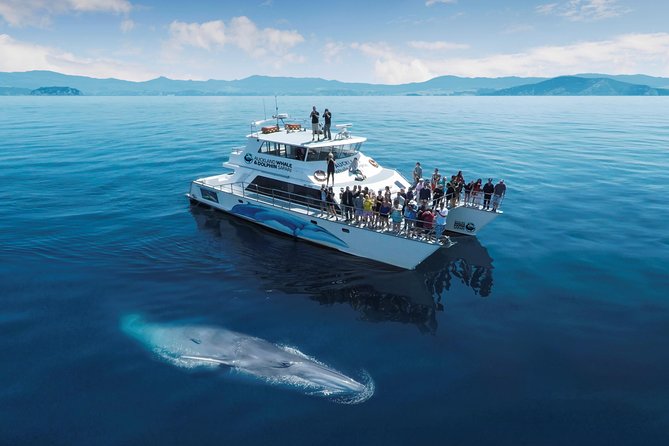
REVIEW · WHALE WATCHING
Auckland Dolphin and Whale Watching Eco-Safari Cruise
A pod of dolphins racing beside a catamaran is the real prize here. This 4.5-hour cruise leaves downtown Auckland and heads into the Hauraki Gulf Marine Park, where you may see bottlenose dolphins, Bryde’s whales, seals, blue penguins, sharks, and rare seabirds in open water.
I like the marine science focus. The onboard team explains the animals and shares current research rather than treating the Gulf as a simple sightseeing backdrop. I also like the no-sighting safety net: if you see no marine mammals, you can take the trip again at no extra charge. The catch is that this is a wild-animal safari, not a staged show, and the boat can feel crowded with as many as 99 people.
Quick points before you book
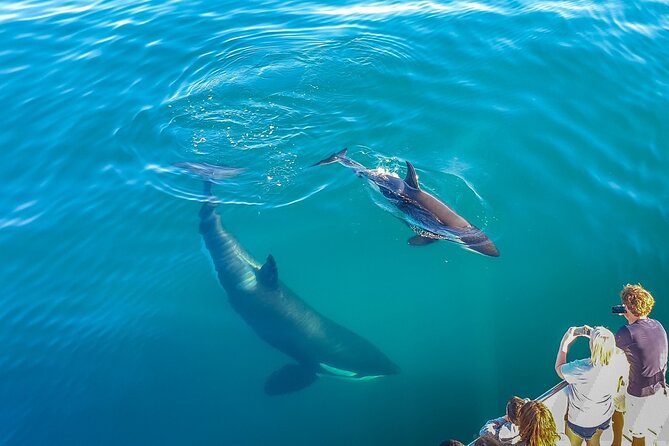
- Dolphins are the most dependable highlight, with several trips producing long encounters beside the boat.
- Whales are possible but never promised, even after a full search of the Gulf.
- Marine research scientists join the cruise, adding useful context about conservation and local species.
- The 65-foot catamaran has indoor and outdoor viewing areas, but the best spots can fill quickly.
- Weather matters: wind, rain, and sun can all affect comfort, so dress for changeable conditions.
- Your ticket supports marine mammal conservation, giving the outing a purpose beyond sightseeing.
Leaving Viaduct Harbour on a 65-foot catamaran
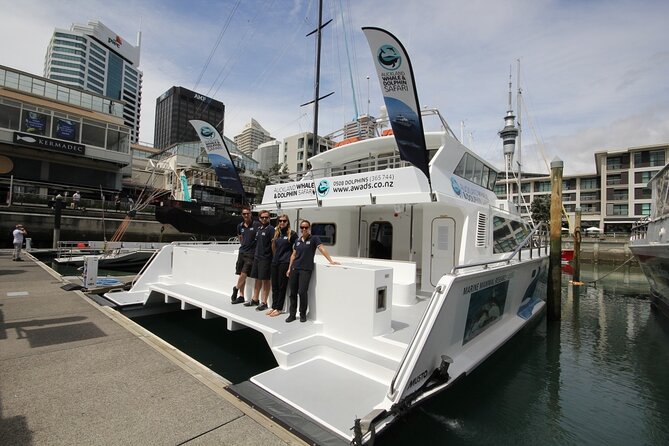
You meet the crew at the New Zealand Maritime Museum in Eastern Viaduct, Auckland Central. This is a handy downtown departure point, close to public transportation and the waterfront restaurants, though you need to find your own way there because hotel pickup is not included.
Check-in closes 15 minutes before departure. Do not cut this close. Late arrivals risk losing their allocated seats, and on a full sailing, replacing your spot may not be possible.
The boat is a custom-built 65-foot, or 20-meter, catamaran. Its design gives you a choice between sheltered indoor seating and outdoor viewing areas. The vessel has toilets and a shop selling snacks, but food and drinks are not included in the price.
I would arrive early and choose a practical seat rather than waiting for the wildlife to appear. Once dolphins are spotted, people naturally move toward the railings, and the best photo positions disappear quickly. The front deck can offer thrilling views while the boat is moving, but it is also the place most exposed to wind and spray.
More Whale Watching Trips in the world:
- Los Cristianos Respectful No-Chase Whale and Dolphin Safari
★ 4.6 · 12,782 reviews - Tromsø Whale Safari with MS Gabriele
★ 4.3 · 1,937 reviews - From Tromsø: All-Inclusive Whale & Orca Safari
★ 4.5 · 1,221 reviews
Auckland Harbour Bridge and the opening views
The first part of the cruise carries you through Waitemata Harbour, with Auckland’s waterfront and the Harbour Bridge providing an easy start to the day. This section is less about wildlife and more about seeing the city from the water.
The bridge gives you a useful sense of Auckland’s setting. The city spreads around a large natural harbour, while the Gulf opens beyond it into a chain of islands and marine habitats. If you have already explored the waterfront on foot, the boat offers a different angle on familiar sights.
The crew begins explaining the day’s search and the rules for approaching wildlife. Their approach is important: animals are allowed to choose whether they come near the boat, and the crew works to limit disturbance. That makes the experience feel more responsible than a chase for a close photograph.
Rangitoto Island and the Hauraki Gulf
Rangitoto is one of Auckland’s most recognizable islands, with a broad volcanic form rising from the Gulf. The cruise gives you scenic views of the island without turning the day into a land excursion.
From here, the scenery becomes more open. The Hauraki Gulf Marine Park includes five marine reserves and a scattering of islands, and the park is home to about 23 marine species. The crew uses this setting to explain how the Gulf functions as a habitat rather than simply pointing at animals when they appear.
You may hear about the whales being tracked by the research team and about partnerships with local marine scientists. Bryde’s whales are native to New Zealand and are among the species the crew hopes to find. Up to six types of whales may be seen in the wider area, but that does not mean six species will appear on your cruise.
This is where expectations matter. A 4.5-hour trip gives the crew time to search, but it cannot control the animals’ movements. Some sailings produce whale sightings and several dolphin pods. Others may bring only a few dolphins, or no marine mammals at all.
Motuihe, Motutapu, and the island views
Motuihe and Motutapu add variety to the route. Their shores and surrounding waters provide changing scenery while the crew keeps watch for wildlife.
The islands also make the cruise more than a narrow whale-watching run. Even on a quiet wildlife day, you are moving through a marine park with layered views of Auckland, volcanic islands, open water, and protected habitats.
The main drawback is time spent searching. If you are expecting constant action, the stretches between sightings may feel long. If you enjoy boats, coastal scenery, and learning how marine research works, those stretches are part of the experience rather than wasted time.
The vessel may alter its course as the crew receives reports or spots activity. One sailing can include several changes of plan in an effort to give passengers a worthwhile encounter. That flexibility is useful, but it also means the exact route and timing are not fixed in the way a city sightseeing cruise would be.
More Dolphin Watching Trips in the world:
- Lisbon: Dolphin Watching with a Marine Biologist – Ocean Safari
★ 5.0 · 812 reviews - Wild Dolphin Watching and Snorkel Safari Off West Coast of Oahu
★ 5.0 · 795 reviews - Fazana: dolphin safari and sightseeing in Brijuni at sunset
★ 4.5 · 763 reviews - All-Inclusive Sandbar Safari with Dolphin Playground Encounter
★ 4.5 · 451 reviews
Looking for dolphins, whales, and blue penguins
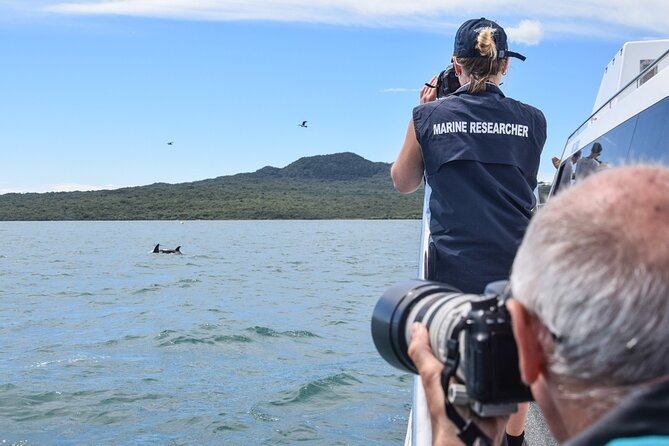
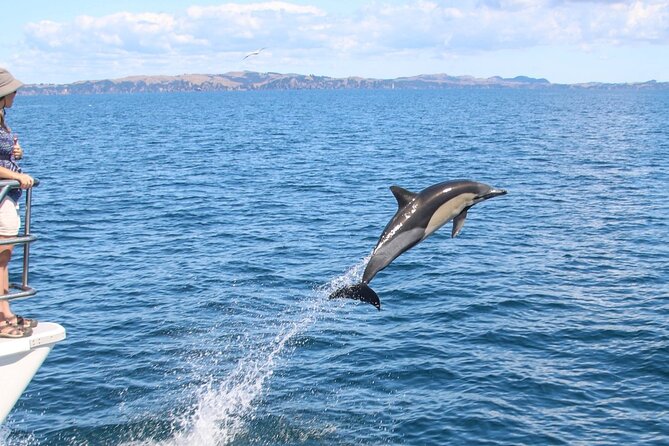
Dolphins are often the star of the trip. Bottlenose dolphins may travel in pods beside the catamaran, sometimes appearing repeatedly over a long period. Several accounts describe dolphins playing near the front of the boat, while others saw nursery groups with young animals.
When dolphins approach, the crew asks people to share the viewing edge. That sounds simple, but with a full group, it matters. You may need to move between viewing areas or wait for a clear opening rather than holding one position for the entire encounter.
Whales are more elusive. Bryde’s whales are frequently sought, and some outings produce one or two sightings, but a full cruise can pass without a whale appearing. One disappointing wildlife day still produced three dolphins for a few minutes, while another included whales, dolphins, sharks, and seabirds. That contrast tells you what you are buying: a serious search in natural habitat, not a guaranteed checklist.
Blue penguins are another possible treat. They are small and easy to miss, so bring binoculars if you have them. A seal, a shark, or a sudden burst of seabirds can become the day’s unexpected highlight.
The birdlife deserves attention. Watch for Australasian gannets, petrels, shearwaters, and white-fronted terns. Gannets may plunge toward the water, while other seabirds skim, circle, or gather around feeding activity. A large group of birds can also signal activity below the surface.
Tiritiri Matangi and North Head on the return
Tiritiri Matangi appears as part of the wider route and adds another important island reference point. The cruise does not function as a walking tour of the island, so you should treat it as a scenic and ecological marker rather than a stop where you get off.
North Head Historic Reserve provides another Auckland landmark as the boat works back toward the harbour. The return route may give you time to sort photos, warm up indoors, or continue watching the water.
The cruise ends back at the original Viaduct Harbour meeting point. Plan on about 4.5 hours from departure to return, with the possibility of small timing changes if the crew is still searching for wildlife. One sailing ran about 10 minutes late while the crew continued looking, which shows the benefit of booking this when you do not have a tight connection afterward.
How the marine science changes the experience
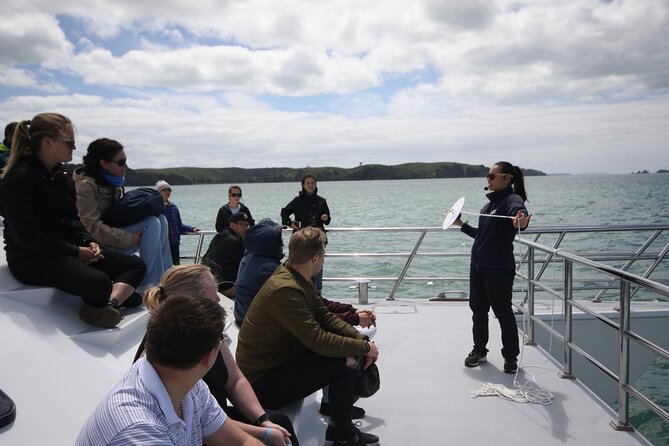
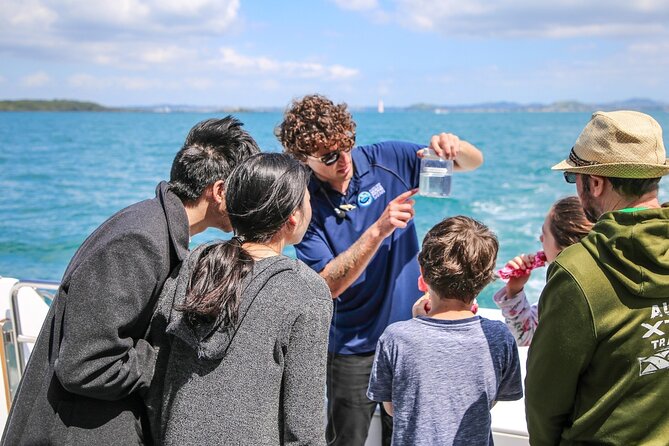
The scientists and guides do more than identify animals. They discuss the Hauraki Gulf, the species being tracked, and the research carried out with local marine partners.
I value this because it gives you a better way to read the water. A dolphin is not just a quick photo. Its behavior, group size, and relationship with the boat become part of what you are watching.
The conservation contribution also gives the price more weight. Every ticket purchased contributes directly to marine mammal conservation. You are still paying for a sightseeing cruise, but part of the cost supports work connected to the Gulf and its wildlife.
The quality of the commentary can depend on where you are sitting and how clearly announcements carry across the boat. If you are outside at the back, wind and engine noise may make some explanations hard to hear. Move closer to the speaker when possible, and ask a crew member to repeat information if you miss it.
Comfort, weather, and what to pack
The Gulf can be calm and smooth, or rough enough to make the trip uncomfortable. Several experiences have taken place in choppy conditions, while calm mornings made for easy viewing and a pleasant ride.
Dress in warm layers and bring weatherproof gear. The temperature can drop once the boat is moving, even on a sunny Auckland day. A sun hat with a chin strap is a smart choice because wind can turn a loose hat into a donation to the Gulf.
Pack sunscreen, sunglasses, a camera, binoculars, and flat-soled shoes. Sunscreen matters even when the air feels cool, and sturdy flat shoes are safer on deck than anything slippery or unstable.
You can participate with a service animal, and most people can take part. The experience is near public transportation, but hotel transfers are not provided. Because food and drinks are available for purchase onboard, you do not need to plan a full meal around the cruise, though bringing water may still be useful.
Is $135.91 a fair price?
At $135.91 per person, this is not a cheap harbour ride. It is a half-day wildlife trip with a marine research component, a large catamaran, conservation support, and access to a wide section of the Hauraki Gulf.
The value depends on your priorities. If you want a short, guaranteed city cruise, this is the wrong choice. If you want a serious attempt to find marine mammals and appreciate the chance to spend several hours among Auckland’s islands, the price is easier to justify.
The free return option helps reduce the risk, but it is most useful if you live nearby or have enough time in Auckland to try again. International visitors may not be able to use the voucher, even though it is a fair response when no marine mammals are seen.
The overall rating is 4.6 from 1,792 ratings, with 91 percent recommending the experience. Those numbers fit the nature of the trip: the crew and educational side are consistently strong, while the main variable is what the animals decide to do.
Who should book this Auckland safari?
I would choose this cruise if you enjoy wildlife, photography, marine science, or scenic boat travel. Families can get a lot from the dolphins and penguins, while adults may especially appreciate the conservation work and island views.
It suits visitors with a flexible Auckland schedule. Keep the rest of your day light, particularly if the forecast is unsettled or you tend to feel motion sick in rough seas.
I would think twice if your entire holiday depends on seeing a whale. You may see one, several, or none. The crew will search hard, but no captain can order a wild whale to surface.
Should you book the Dolphin and Whale Watching Eco-Safari?
Yes, if you can accept uncertainty and want more than a quick wildlife photo. The strongest reasons to go are the frequent dolphin encounters, the marine science commentary, the conservation connection, and the chance to see Auckland’s Gulf from the water.
Book it when you have time to handle a slow wildlife day, dress for changing weather, and arrive early for check-in. If you see no marine mammals, use the free return option if your schedule allows. If it does not, go in knowing that the Gulf, the islands, seabirds, and research story still make this a worthwhile half-day on the water.
FAQ
Where does the Auckland Dolphin and Whale Watching Eco-Safari depart?
The cruise departs from Eastern Viaduct near the New Zealand Maritime Museum in Auckland Central.
How long does the cruise last?
The experience lasts approximately 4.5 hours.
Where does the cruise finish?
It returns to the original meeting point at Viaduct Harbour.
What animals might I see?
Possible sightings include whales, bottlenose dolphins, seals, blue penguins, sharks, and seabirds such as Australasian gannets, petrels, shearwaters, and white-fronted terns.
Are whale and dolphin sightings guaranteed?
No. Wildlife sightings cannot be guaranteed because the animals are wild. If you see no marine mammals, you can take the trip again on another day at no extra charge.
What type of boat is used?
You travel aboard a custom-built 65-foot, or 20-meter, catamaran with indoor and outdoor viewing areas.
Is food included?
No. Food and drinks are not included, but snacks and drinks are available to purchase onboard.
What should I wear?
Wear warm layers and weatherproof clothing. Bring a sun hat with a chin strap, sunscreen, sunglasses, and flat-soled shoes.
How early should I arrive?
Check-in closes 15 minutes before the stated departure time. Arriving late risks losing your allocated seat.
Can I cancel for a refund?
You can cancel for a full refund up to 24 hours before the experience starts. If poor weather or an insufficient number of participants causes the operator to cancel, you will be offered another date or a full refund.
Just added around the world
- Dubai Desert Safari With BBQ dinner★ 5.0 · 15 reviews
- Dubai Private Morning Desert Safari: Camel Ride & Sandboarding★ 5.0 · 19 reviews
- Deluxe Premium Dubai Desert Safari with Camel Ride, and Live Show★ 5.0 · 82 reviews
- Premium Deluxe Dubai Safari with Camel Ride, Sandboard & BBQ★ 5.0 · 55 reviews
- Dubai Morning Desert Safari: Camel Ride & Sandboarding!★ 5.0 · 116 reviews
- Camel Trekking and Morning Safari with Sand Boarding★ 5.0 · 19 reviews
- Thrilling Desert Safari Dubai Adventure with Sand Boarding and Barbecue Dinner★ 3.5 · 30 reviews
- Dubai Desert Safari★ 4.5 · 15 reviews
Whale Watching, compared.
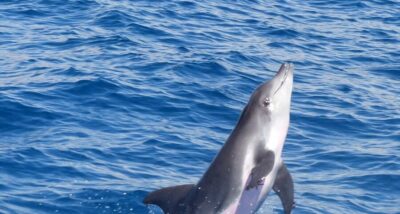
Los Cristianos Respectful No-Chase Whale and Dolphin Safari
Read our review →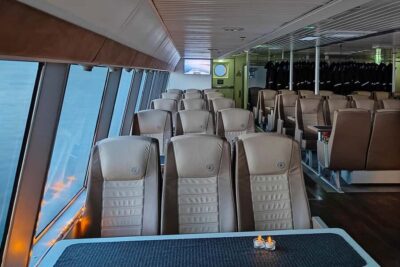
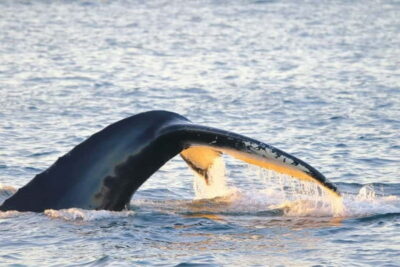
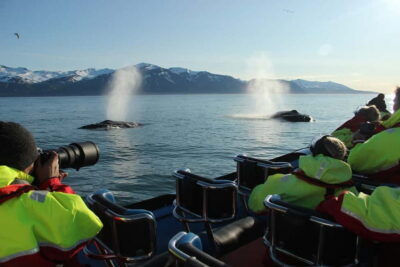
Húsavík: Original Big Whale Safari & Puffins by Speedboat
Read our review →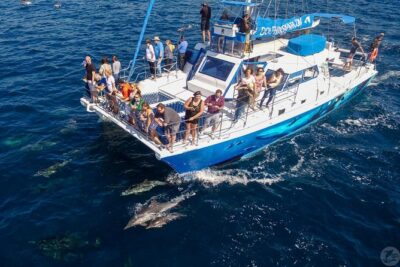
Dana Point Dolphin and Whale Watching with Underwater Viewing
Read our review →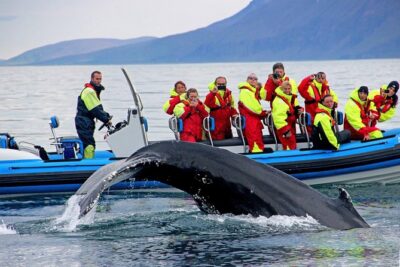
Original Big Whale Safari & Puffins Speedboat Tour from Húsavík
Read our review →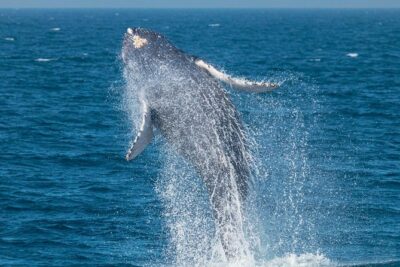
Up-Close Dolphin & Whale Watching Zodiac Adventure in Dana Point
Read our review →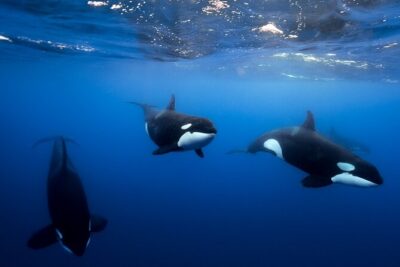
Browse the lists this tour appears in