
REVIEW · TROMSO
Tromsø Whale Safari with MS Gabriele
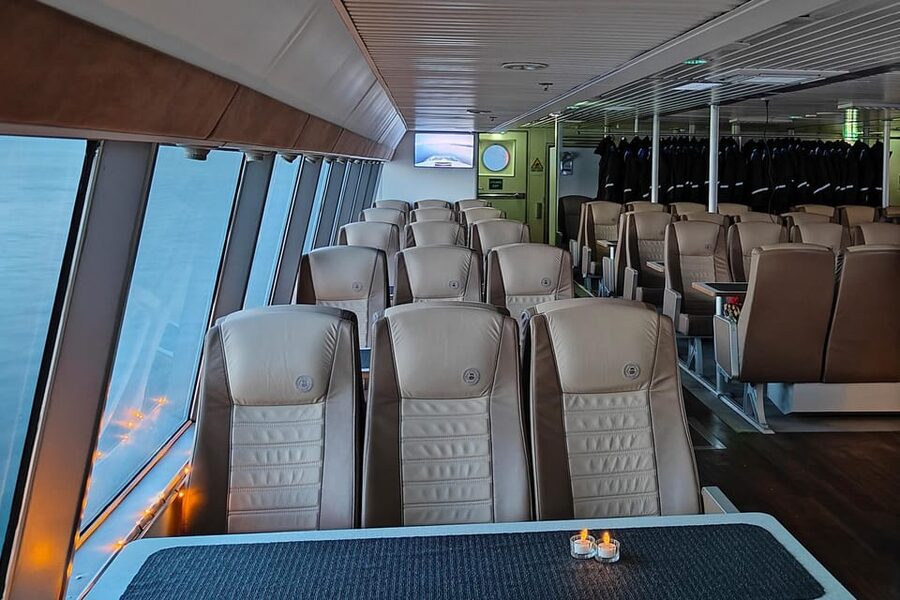
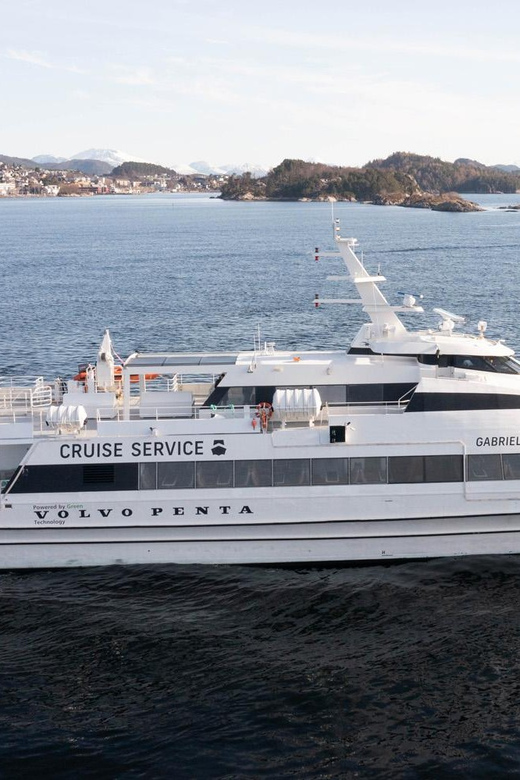
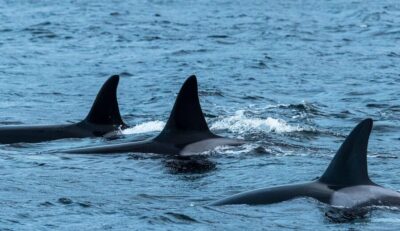
The main draw is the chance to watch orcas and humpback whales hunting herring near Skjervøy, surrounded by snowy mountains and dark Arctic water. The six-hour trip uses MS Gabriele, a fast catamaran with indoor seating, large windows, an open deck, and a small bar.
I like the boat’s warm, practical design, and I like that the crew treats whale watching as a search for wild animals, not a guaranteed stage show. Guides such as Lorenzo, Raul, and Bjørnar add useful facts, local stories, and a good dose of humor.
The catch is the sea itself. The ride can turn rough, and some passengers have become badly seasick even when the weather looked manageable. Whale sightings are never certain, and late-season departures may become fjord cruises instead.
Key points to know before you book
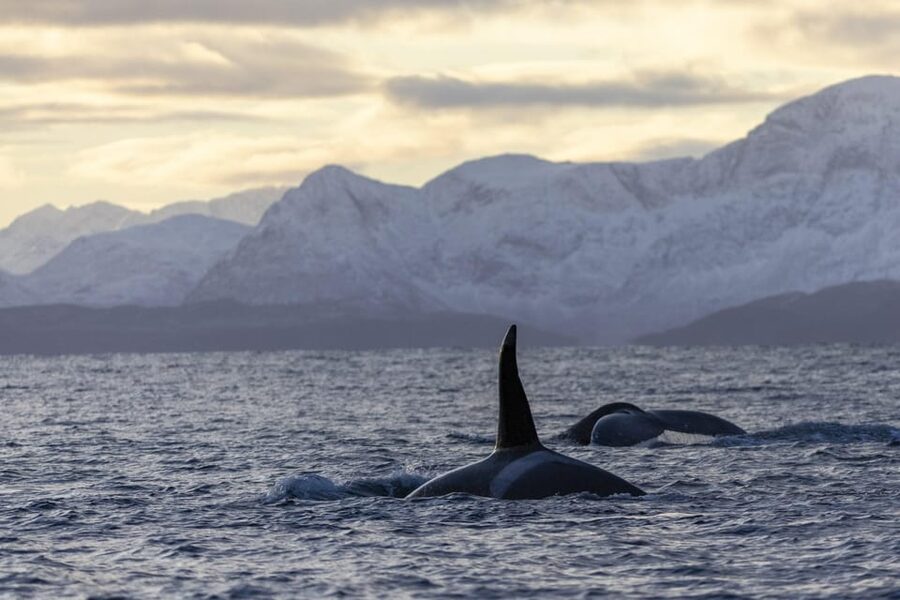
- Whales follow the herring: The crew tracks changing whale locations and may travel as far as Skjervøy to find them.
- MS Gabriele is built for comfort: You get heated indoor seating, large viewing windows, toilets, several outdoor decks, and a bar serving drinks, snacks, and light food.
- The trip can run six to eight hours: Six hours is usual, but the boat may stay out longer if the whales are farther away.
- February is a calculated gamble: Whales are often still present, but the company offers a fjord cruise to Sommarøy or a full refund if the animals have moved on.
- Prepare for motion sickness: Some open-sea sections can be choppy. Take your usual seasickness medicine before departure.
- The backup plan is worthwhile: If conditions or whale movements change, you may still get fjords, seabirds, eagles, seals, dolphins, or other wildlife.
Tromsø to Skjervøy, where the real search begins
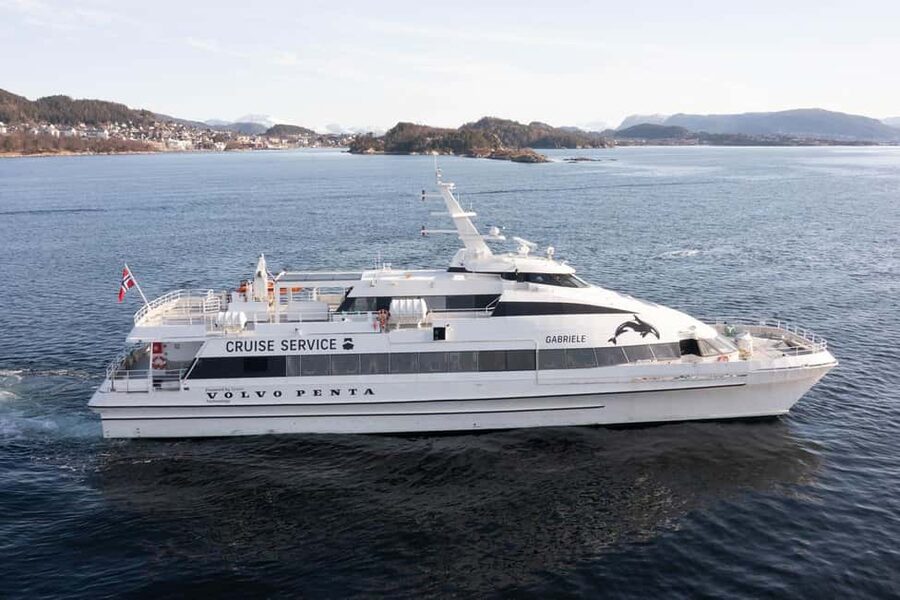
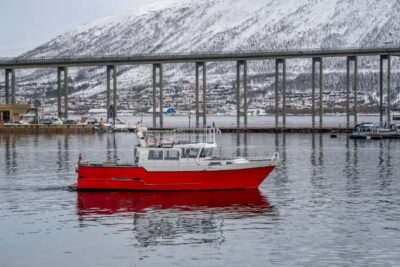
The trip leaves from Nerstrandkaia, the pier just outside the Alti Shopping Center in Tromsø. Look for the white MS Gabriele. Once aboard, you can settle into an indoor seat before the boat leaves the harbor and begins the long run toward the whale area.
This is not a quick harbor outing. The boat heads toward Skjervøy, where herring often draws large numbers of orcas and humpback whales. That distance matters. You spend a good part of the day in transit, but it also gives the crew access to waters that may have fewer boats and better wildlife opportunities.
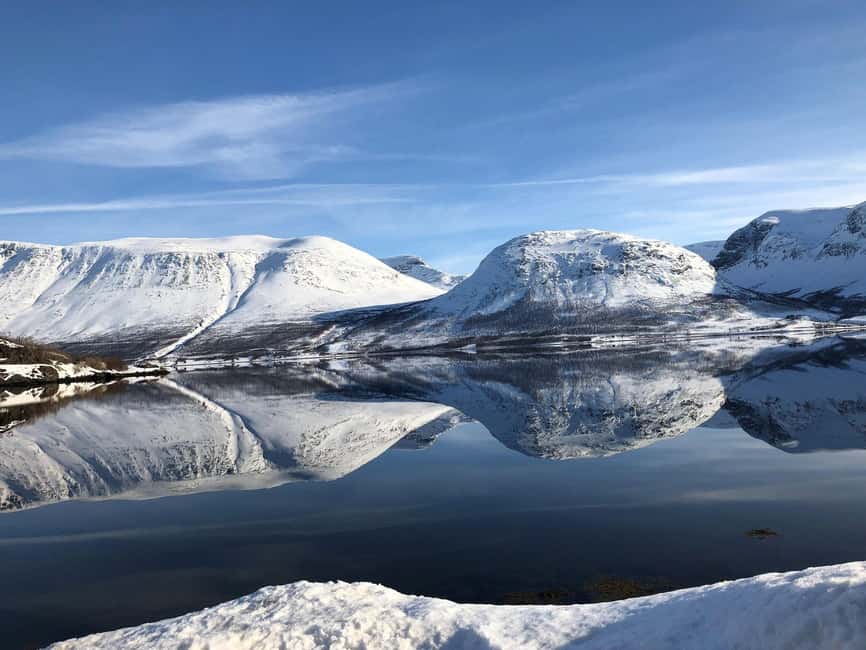
The route itself is part of the experience. You pass Arctic mountains, fjords, islands, and snow-covered coastal scenery. In winter, the low sun can paint the peaks orange and pink, while the short daylight hours create a very different rhythm from a summer cruise.
The crew uses reports from other sailors, along with its own experience, to work out where the whales are feeding. The animals move with the herring, so the best location can change from one day to the next. You may spend time searching before the boat reaches the right area. That uncertainty is part of genuine wildlife watching, but it can test your patience if you expect constant action.
More Whale Watching Trips in Norway:
- From Tromsø: All-Inclusive Whale & Orca Safari
★ 4.5 · 1,221 reviews - Whale Watching RIB Safari at Skjervøy
★ 4.8 · 136 reviews - Los Cristianos Respectful No-Chase Whale and Dolphin Safari
★ 4.6 · 12,782 reviews
Inside MS Gabriele, warmth without giving up the view
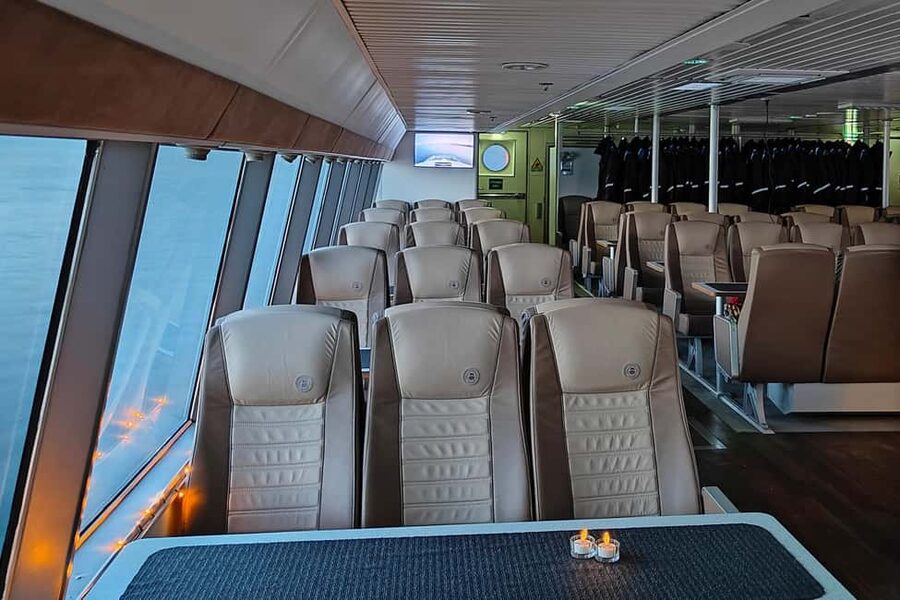
MS Gabriele is one of the strongest parts of the outing. The catamaran has warm indoor seating for every passenger, large windows, toilets, Wi-Fi according to onboard reports, and several outside viewing areas. You can move between the heated saloon and the decks instead of being stuck in one cold spot for the entire day.
The covered upper deck is especially useful. It gives you outdoor views without leaving you completely exposed to Arctic wind and spray. There are also front and rear decks, so you can change position when the boat stops near whales.
The front deck can be a good place to look when the boat first reaches the animals, while the sides and rear may offer better angles once the captain settles into position. You will want to move carefully and leave room for other people. Whales can appear on either side, and no single viewing place stays best for the whole encounter.
The onboard kiosk sells hot and cold drinks, snacks, and light meals. A hot dog and a warm drink can make a long return journey easier, but food and drink are not included in the ticket. I would still bring extra snacks, especially if you are traveling with children or have a long day planned around the boat trip.
Bring warm layers, gloves, a hat, and sturdy footwear. The indoor cabin is comfortable, but you will want to step outside when a whale surfaces or a pod changes direction. The strongest photographs and clearest views often come from the open decks, where cold air is part of the price.
Watching orcas and humpback whales in the herring grounds
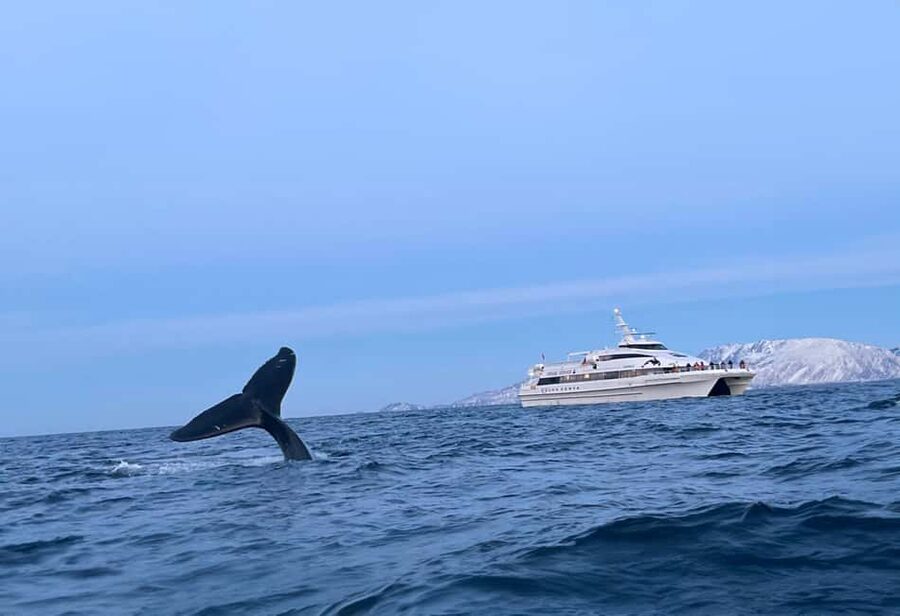
The usual target is orcas and humpback whales. Depending on the season and the animals’ movements, you might also encounter fin whales, minke whales, or sperm whales. The company works hard to find them, but no responsible operator can promise a sighting.
When whales are found, the boat may spend a long period in the area. That is important. A short appearance can be thrilling, but a longer stop gives you time to watch behavior rather than simply point a camera at a disappearing fin.
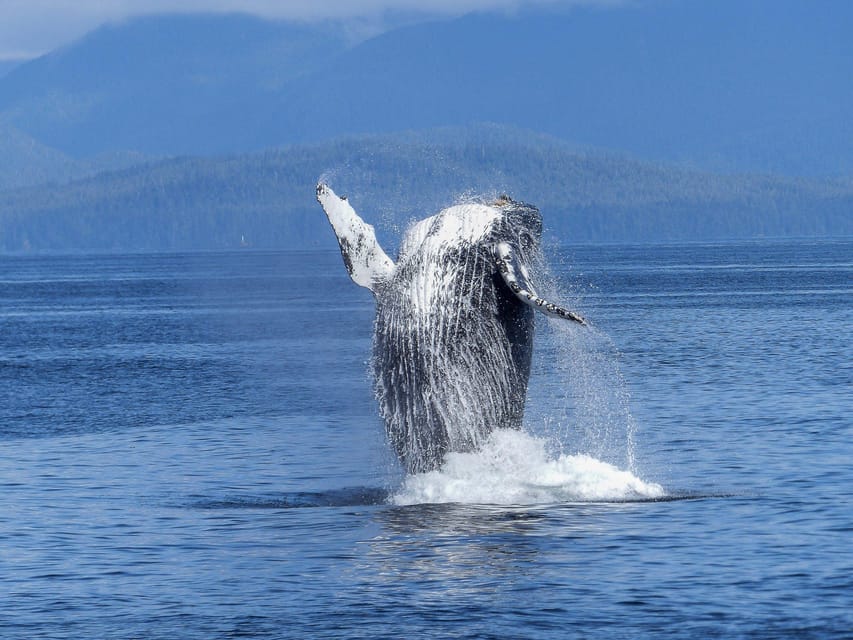
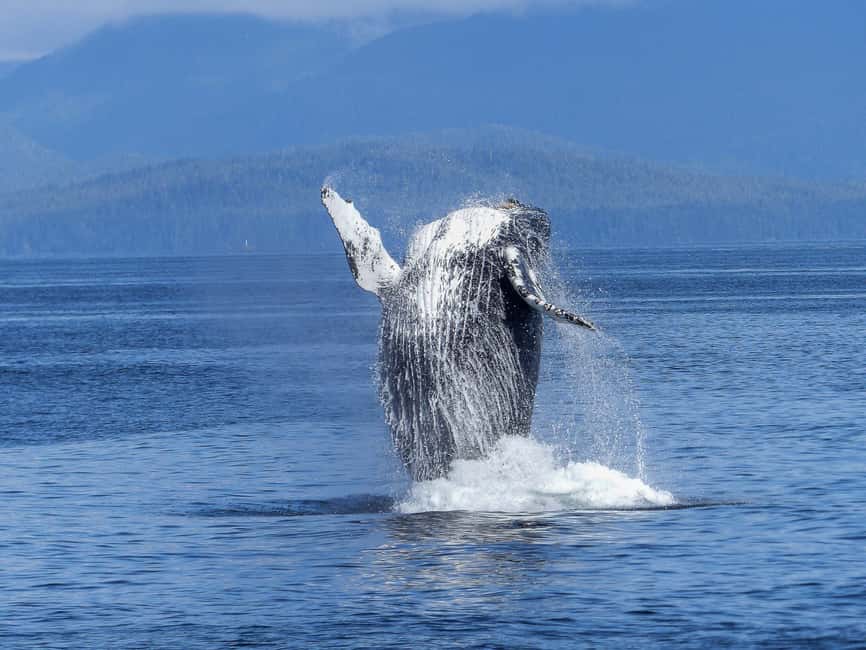
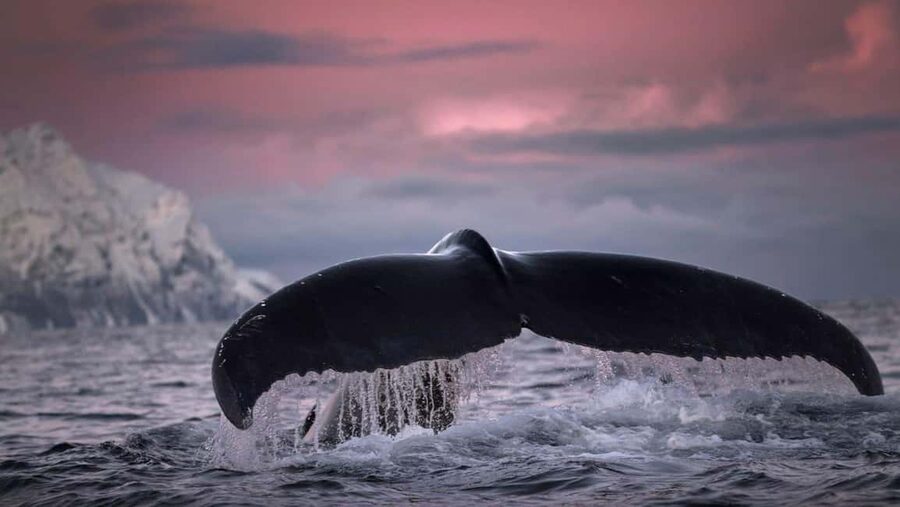
Orcas may travel in pods, surface in sequence, or work together around herring. Humpbacks can show their backs, tails, or occasional breaching behavior. You might see only a few distant blows, or you might have repeated sightings across the water. The experience changes with the animals, the light, and the sea conditions.
The guides explain whale behavior, feeding methods, species differences, and the need to keep a respectful distance. One of the best features of the trip is that the commentary does not stop when the whales are hidden. You still learn about the environment and the search process while the crew checks the water.
That patience also supports the company’s conservation approach. The aim is to watch whales in their own habitat without forcing an encounter. You may not get the close-up photograph you imagined, but keeping the boat at a sensible distance is better for the animals and gives the experience more integrity.
The guides make a long day easier
The guides speak English and remain active throughout the trip. Lorenzo is often singled out for his storytelling, humor, and local knowledge, while Raul and Bjørnar have also been praised for their friendly, attentive approach.
That matters because the trip includes long stretches when you are simply moving across open water. A guide who explains what you are seeing can turn a quiet hour into useful time. You may learn how herring affects whale movements, why the boat chooses one area over another, or what other wildlife to watch for along the coast.
The crew also keeps an eye on passengers during rougher sections. Sick bags are available, and crew members help people who struggle with the motion. Still, do not rely on the crew to solve seasickness after it starts. If you know you are prone to it, take your normal motion sickness medicine before boarding.
English is the stated tour language. One guide may be easier to understand than another, particularly with engine noise, wind, or a strong accent. If a point is important, ask for it to be repeated.
A few more safaris around Norway worth a look
- Tromsø: Northern Lights Safari with Expert Guides and Photos
★ 4.6 · 6,654 reviews - From Tromsø: Snowmobile Safari in the Lyngen Alps
★ 4.9 · 1,021 reviews - From Svolvær: Lofoten RIB Sea Eagle Safari Trollfjord Cruise
★ 4.9 · 908 reviews - From Svolvær: RIB Boat Lofoten Trollfjord Sea Eagle Safari
★ 4.9 · 754 reviews
Sea conditions are the main practical drawback
The open-sea section is where you need to be realistic. Even a large catamaran can move sharply when the water becomes choppy. Several people have reported feeling sick, and one account described a large share of the boat struggling during a rough section.
The ride may be smooth for much of the day, then become uncomfortable for a while. Once the boat reaches the whale area and slows down, the movement often feels easier, but that is not guaranteed. Choose an indoor seat if you need a more stable place, and use the outside decks when the boat is stationary or moving gently.
Weather can also affect the route. If wind and waves are too strong for safe whale watching, the crew may switch to sheltered waters. In that case, you may see a scenic fjord route and possibly eagles, seabirds, seals, dolphins, or whales, but the chance of finding the main whale pods is lower. The fare is then reduced to match the fjord tour price.
In rare cases of very bad weather, the trip may be canceled. You are offered a full refund or a change to another available date. That flexibility is useful, but it cannot remove the risk that a carefully planned whale day may change at short notice.
February requires a different decision
December and January are described as the peak whale-watching months around Tromsø. February can still work, but it is less certain because the whales may begin moving away from the area.
The boat’s size and speed help here. MS Gabriele is a larger, faster, Tier 3-certified vessel approved for open-sea conditions, so it can travel farther than some smaller boats. That improves the odds, but it does not change the behavior of the whales.
If whale activity has ended, the company may offer a fjord trip with a stop at Sommarøy Island or a full refund. Several late-season departures have become excellent scenic days even without whales, with sightings of sea eagles, Arctic foxes, sea otters, and other wildlife reported during the alternative route.
I would choose February only if you would honestly enjoy a fjord cruise. If seeing orcas is the only reason you are booking, December or January gives you a stronger chance. If you are happy with dramatic scenery, islands, wildlife, and a comfortable boat ride, February can still be a sensible choice.
Sommarøy and the backup fjord cruise
The alternative route is not just a consolation prize. Sommarøy offers islands, coastal views, and a chance to step away from the boat while taking in the Arctic setting. The exact route depends on weather and the crew’s decision about safe conditions.
You might see sea eagles, seabirds, seals, dolphins, or other coastal wildlife. A fox or otter is possible, but no wildlife sighting is guaranteed. The value of the backup lies in the scenery and the time on the water, not in a promise of a particular animal.
This option suits you if you want a full day outdoors and enjoy changing plans. It suits you less if your holiday schedule has room for only one major excursion and that excursion must include whales.
What $207 gets you
At $207 per person, this is not a cheap short boat ride. You are paying for a long open-water trip, a fast catamaran, indoor warmth, several viewing decks, English guiding, and a serious attempt to reach the whales rather than remaining close to Tromsø.
The price makes more sense if you value comfort and time. A slower or smaller boat may cost less, but a longer run to Skjervøy can be tiring if you are cold, cramped, or exposed to spray for hours. MS Gabriele lets you take a break indoors and return outside when something interesting appears.
The value also depends on your backup attitude. If the whale search fails and you would consider a fjord trip a wasted day, $207 will feel steep. If you can appreciate the fjords, wildlife, guide commentary, and boat itself, the risk is easier to accept.
The second-chance policy adds some protection. If no whales are seen, you can receive a free ticket for another available departure in the same season. That helps only if you have enough time in Tromsø for another attempt.
Who should take this tour
I would recommend it to families, couples, first-time whale watchers, and anyone who wants a full Arctic day without sacrificing warmth. The crew has helped families with young children, and an 11-month-old was able to join with staff support. Pets are not allowed.
It is also a good match for photographers who care about scenery as much as close whale views. The low winter light, snowy mountains, fjords, and possible Northern Lights can produce memorable moments even when the animals stay far away.
You should think twice if you dislike long boat rides, get severe motion sickness, or have a fixed schedule that cannot absorb an eight-hour day. The usual duration is six hours, but the trip can stretch to eight when whales are farther away.
Booking advice and the final call
You can cancel for a full refund up to 24 hours before departure, and reserve now while paying later. Check the starting time for your chosen date, and arrive at Nerstrandkaia with enough time to find the white catamaran outside Alti Shopping Center.
I would book MS Gabriele if you want the best balance of whale-search range and onboard comfort. Choose December or January for the stronger whale odds, and February only if you are comfortable with a possible Sommarøy fjord cruise or refund.
The boat, guides, and scenery make this more than a simple wildlife gamble. Still, the ocean can be rough and nature makes the final decision. Take seasickness medicine if you need it, dress in layers, and judge the tour as a full Arctic sea day rather than a guaranteed whale performance.
FAQ
Where does the Tromsø whale safari depart from?
It departs from Nerstrandkaia, the pier just outside the Alti Shopping Center in Tromsø. Look for the white catamaran MS Gabriele.
How long does the whale safari last?
The usual duration is six hours. Depending on where the whales are, the trip can last six to eight hours, with eight hours as the maximum stated duration.
Where does the boat go for whale watching?
The boat travels toward Skjervøy, where orcas and humpback whales may gather to feed on herring.
Which whales might I see?
Orcas and humpback whales are the usual targets. Fin whales, minke whales, and sperm whales also frequent the waters around Tromsø.
Are whale sightings guaranteed?
No. The crew works with reports from other sailors and uses its experience to locate the animals, but whale movements cannot be guaranteed.
What happens if no whales are seen?
You are offered a free ticket for another available whale safari date within the same season.
What happens if the weather is too rough?
The trip may be canceled in very bad weather, with a full refund or an alternative date offered. If conditions allow a safer route but reduce the chance of whale watching, the crew may operate a fjord cruise and refund the difference between the two tour prices.
Is there food and drink on the boat?
Food and drink are not included, but the onboard kiosk sells warm and cold drinks, snacks, and light meals.
Should I bring warm clothes and motion sickness medicine?
Yes. Warm clothes are specifically advised, and the open-sea route can be choppy. If you are prone to seasickness, take your usual medicine before boarding.
Just added around Norway
- Moose Safari Bodo, Norway, Meet the Largest Land Animal in Europe★ 5.0 · 63 reviews
- Fjord Sea Safari with Fishing from Bergen★ 5.0 · 19 reviews
- Snowmobile safari in the mountain plateau of Finnmarksvidda★ 5.0 · 63 reviews
- Wildlife Sea Safari in Alesund★ 5.0 · 16 reviews
- The Bird Safari Tour★ 4.6 · 50 reviews
- Stavanger: Lysefjord Kayak Safari (Waterfalls & Pulpit Rock)★ 4.8 · 28 reviews
- Midnight sun safari★ 4.8 · 33 reviews
- Tromsø: Snowmobile Safari with Aurora Crystal Lavvo Stay★ 4.7 · 60 reviews
Tromso Safaris, compared.
Northern Lights Safari with Expert Guides and Photos
Read our review →
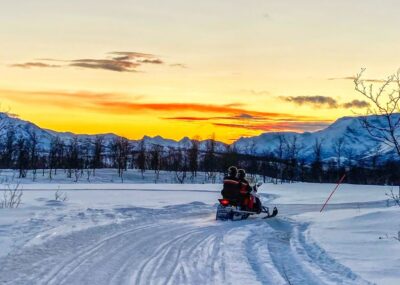
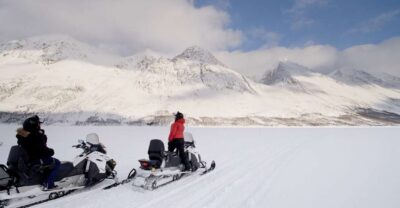
Scenic Arctic snowmobile safari in the Lyngen Alps
Read our review →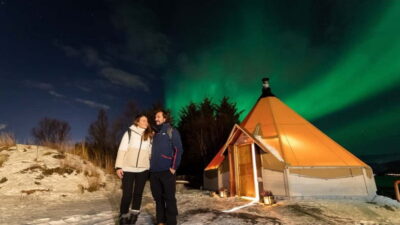
Browse the lists this tour appears in