
REVIEW · ARUSHA
6 days Tanzania budget safari
The best part of this six-day Tanzania safari is the range: you move from Tarangire’s elephant country to the wide Serengeti, then into the Ngorongoro Crater and on to Lake Manyara. You sleep at campsites, eat meals prepared on the road, and spend long hours close to wild animals rather than rushing from one brief stop to another.
I like the maximum of six people per jeep, which gives you a better chance of seeing and photographing wildlife without feeling packed in. I also like that camping equipment, park fees, and all six breakfasts, lunches, and dinners are included, making the $2,500 price easier to understand.
The main consideration is stamina. Several days involve eight to twelve hours in the vehicle, and this is a camping safari, not a lodge holiday. The schedule covers a lot of ground, so you should be comfortable with early starts, rough roads, and simple camp life.
Key points to know before booking
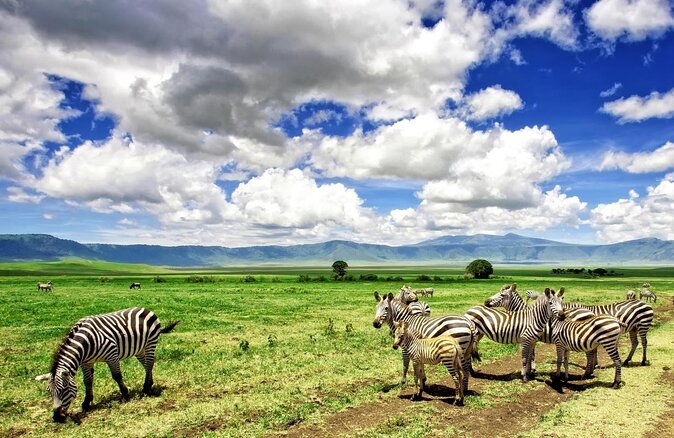
- Four major wildlife areas: Tarangire, Serengeti, Ngorongoro Crater, and Lake Manyara all appear in one six-day route.
- Six people maximum per jeep: You get a small-group setup at a price below many private safari options.
- Camping equipment is supplied: You do not need to bring a full camping kit.
- The Serengeti receives real time: The plan includes an afternoon and sunset drive, a full day, and an early drive while leaving.
- Guiding is a major strength: Guides named Estommy, Elias, Oscar, Ernest, Isack, and Freddy have led trips for this operator.
- Bring extra cash for the Maasai village: The optional visit costs $20 and is not included.
What $2,500 buys you in six days
At $2,500 per person, this safari sits in the middle ground between a basic budget trip and a high-end lodge itinerary. The price covers camping equipment, taxes and fees, and three meals a day for six days. That matters in Tanzania, where park entry charges, food, vehicle costs, and long-distance driving can quickly add up.
You are paying for access to four major wildlife areas, not simply a series of short game drives. The route gives you repeated chances to find animals in different habitats, and that variety is one of its best features. Tarangire may deliver elephants and big cats, the Serengeti may produce a dramatic predator sighting, and Ngorongoro gives you one of the better chances to look for black rhinos.
The tradeoff is comfort. You camp rather than stay in permanent lodges, and the itinerary includes long days in the jeep. If your priority is a private room, a swimming pool, and fewer hours on the road, this is not the right style of safari. If you want a practical route with plenty of wildlife and do not mind basic accommodation, the value is strong.
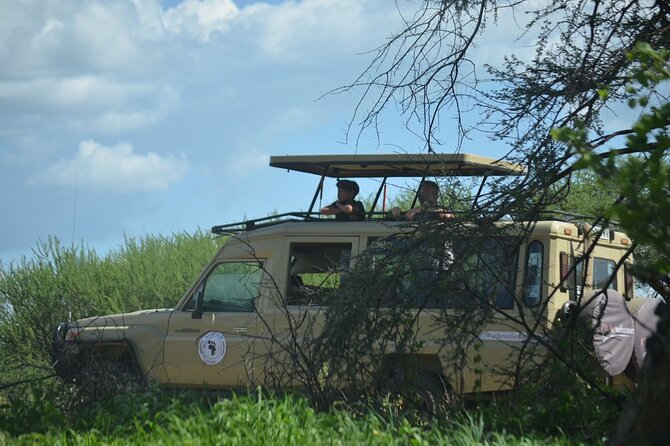
The vehicle holds no more than six clients. That limit is important. Safari vehicles can feel crowded when everyone is trying to look through the same side, especially during a lion or leopard sighting. A six-person limit gives you more room for your camera, better access to the viewing sides, and a more manageable group dynamic.
A few more safaris around Arusha worth a look
- Private 6-Day Tarangire Manyara Crater and Serengeti with Mid-Range Lodges
★ 5.0 · 238 reviews - 6 Days Private Budget Safari
★ 5.0 · 163 reviews - 6 Days Tanzania Budget Camping Safari
★ 5.0 · 145 reviews
Day 1: Tarangire’s elephants and open woodland
Your first full safari day runs from Arusha to Tarangire National Park, followed by a full-day game drive. The drive and wildlife viewing together take about nine hours, so you begin the trip with a proper park experience rather than a short introduction.
Tarangire is especially useful early in the route because it offers a strong mix of animals. Elephants, wildebeest, buffaloes, zebras, and gazelles are expected targets, while lions, cheetahs, and leopards may take more patience and luck. The guide’s ability to read animal movement matters here. You may spend time watching a large herbivore herd, then change direction after news of a cat sighting comes over the radio.
The wording of the schedule promises close views, but wildlife is never guaranteed at a particular distance. Keep that in mind. You may see many animals and still miss a leopard, since leopards are harder to find than elephants or zebra.
This is also a long first day. You will be sitting in the vehicle for much of it, with the focus on finding animals rather than visiting a long list of fixed attractions. Wear comfortable clothing, protect your camera from dust, and keep water within reach.
Day 2: Ngorongoro views, Maasai culture, and the Serengeti sunset
Day 2 links three very different experiences. First comes a stop at the Ngorongoro viewpoint, where you look down toward the crater from above. The stop lasts about 30 minutes, but the view gives you an immediate sense of the crater’s scale and unusual shape.
Next comes an optional visit to a Maasai village. The visit takes about 45 minutes and costs $20, paid separately. This is a cultural stop rather than a wildlife drive, and it gives you a chance to learn about Maasai traditions, including older practices connected with hunting and warrior status. The information provided describes some traditions as historical, while noting that drinking animal blood continues in some form.
I would decide about this visit before the day begins. It adds cultural context to a safari focused mostly on animals, but it is not included in the tour price. Ask your guide what the visit involves so you can choose with clear expectations.
After the crater viewpoint and optional village visit, you continue toward Serengeti National Park. The plan places you in the Seronera area by afternoon. Seronera is the central part of the Serengeti, and you spend the rest of the day on a game drive that may continue into sunset.
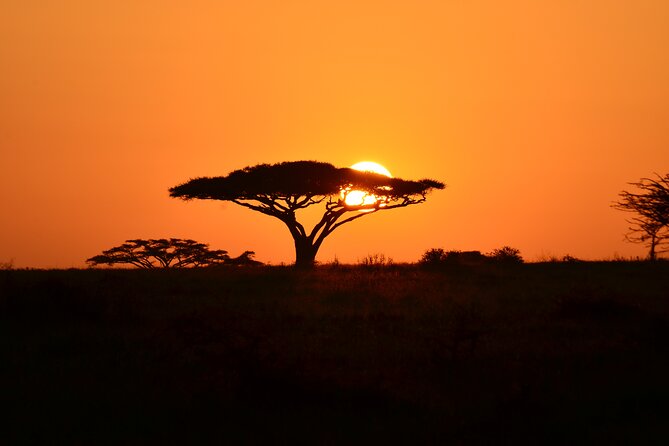
This is one of the most appealing moments in the trip. The Serengeti sunset gives the day a clear sense of occasion, but the real value is the timing. Late afternoon can be a good period for animal activity, and you might see a predator hunting or feeding. You may also encounter animals while heading to the Seronera campsite.
The camp is described as protected by active rangers, with hyenas sometimes visible nearby. That can be thrilling, but remember that you are in a wild area. Follow camp instructions, do not wander away alone, and listen carefully when staff explain safety rules.
Day 3: A full day away from Seronera
Day 3 is the most focused wildlife day. After breakfast, you spend up to 12 hours on a game drive, moving beyond the Seronera area according to animal activity.
This flexible approach is better than forcing the group through a fixed checklist. If the guide receives information about animals in another part of the park, the vehicle can adjust its route. The result may be a more rewarding sighting, though it can also mean a great deal of time on rough roads.
A full day gives you room to watch behavior instead of simply taking a photograph and leaving. You may see animals resting, hunting, feeding, or moving across the plains. The guide’s role is especially important here. Safari Soles has used guides including Estommy, Elias, Oscar, Ernest, Isack, Freddy, and Abduly, and the strongest praise attached to these guides focuses on animal-finding skills, driving, organization, and willingness to respond to the group’s needs.
Do not expect every hour to bring a major sighting. Wildlife viewing has quiet stretches. The reward is that you have enough time for the guide to search, wait, and change position.
Same country, a different kind of drive:
- Balloon Safari & Bush Breakfast in Serengeti – Miracle Experience
★ 5.0 · 1,646 reviews - 4 Days Group Camping Safari
★ 5.0 · 1,101 reviews - 5 Days Group Camping Safari
★ 5.0 · 730 reviews - 3 Days Serengeti & Ngorongoro Group Camping Safari
★ 5.0 · 574 reviews
Day 4: An early Serengeti drive and the road to Simba campsite
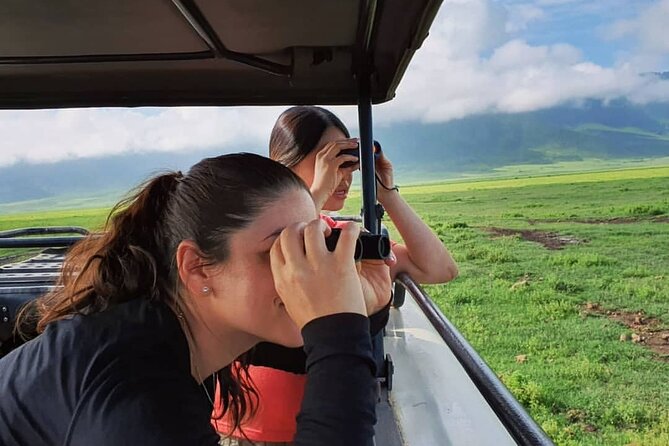
Day 4 begins early, which is sensible on safari. You leave camp for a morning game drive while animals are still active, then return for lunch before continuing out of the Serengeti toward Simba campsite.
The schedule allows about ten hours for the day. The early portion is aimed at wildlife, while the later drive becomes a moving farewell to the park. You may continue to see animals as you leave, and the route can produce sightings even near campsites.
That detail is worth taking seriously. Camps are not sealed-off hotel grounds. They sit in places where wildlife can pass through, so you need to treat the area with care. Keep your distance, follow staff directions, and do not assume that a short walk is harmless simply because you are near camp.
The day has a practical rhythm: early wildlife viewing, lunch, more driving, then a campsite stop. It is not the most relaxed day, but it makes good use of your final hours in the Serengeti.
Day 5: Descending into Ngorongoro Crater
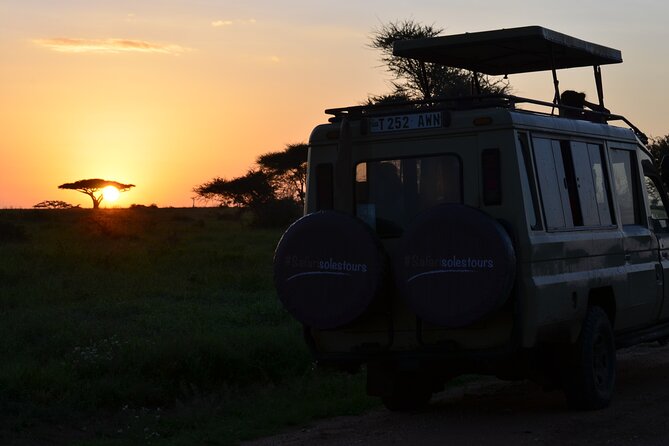
After breakfast, you descend into the Ngorongoro Crater for a game drive lasting about eight hours. The crater floor is compact compared with the wider Serengeti, so it can be easier to spot a broad range of animals in one area.
The main target is the black rhino. Rhinos are described as the hardest animal to find in the crater, so you should treat a sighting as a bonus rather than a promise. The crater’s enclosed shape and open floor can make other animals easier to locate, but conditions still change from day to day.
You have lunch during the day, then continue viewing before ascending to camp and traveling on to Sun Bright campsite for time to relax. After several long days, that pause will matter. Use it to sort photographs, wash up, and prepare for the final park visit.
The crater portion adds a different kind of wildlife experience to the safari. In the Serengeti, you may spend a long time searching across a wide area. In Ngorongoro, the setting can feel more contained, though the crater descent and ascent still add driving time.
Day 6: Lake Manyara’s birds, hippos, and tree-climbing lions
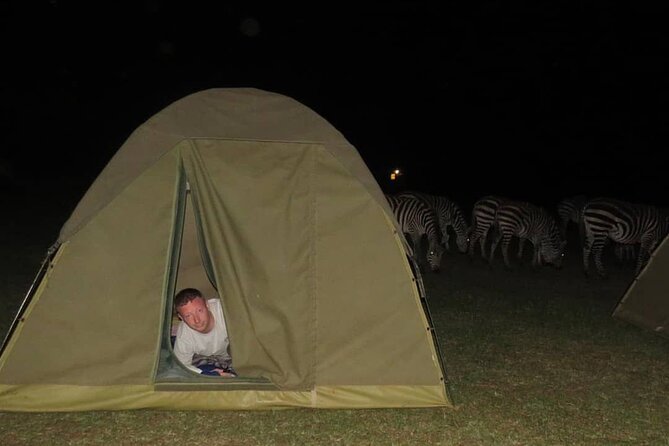
The final day takes you to Lake Manyara National Park for an eight-hour game drive. This is a fitting end because the park changes the focus from wide plains and crater wildlife to birds, water, woodland, and primates.
Flamingos are among the headline sightings around the lake, and you may also visit the hippo pool for a closer look at hippos. The schedule includes a hot spring as another stop during the drive.
Other possible animals include buffaloes, wildebeest, warthogs, vultures, eagles, and monkeys. The park is also associated with tree-climbing lions, though you should treat that as a lucky sighting rather than a guarantee. The same applies to any particular bird or predator.
Lake Manyara gives you a final chance to keep watching animals after breakfast, but it also makes the last day fairly long. If you have a fixed onward flight, confirm the end time before booking. The provided plan describes an eight-hour park day, and safari timing can shift with road conditions and wildlife sightings.
Camping, food, and the people behind the trip
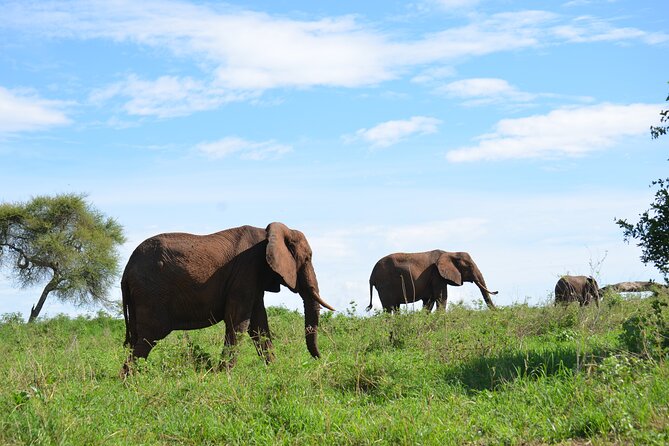
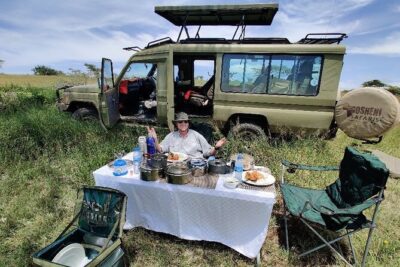
Camping equipment is included, which keeps this safari accessible to people who want an outdoor experience without buying tents and cooking gear. You still need to be ready for basic conditions. This is not a hotel-based route, and the campsites are part of the adventure.
All six breakfasts, lunches, and dinners are included. The cooks have received particularly warm attention, with Ibrahim serving during the first two days on some departures and Dennis taking over for the remaining days. Other trips have included chefs such as Action, whose cooking has been singled out as a major part of the experience.
The exact guide and chef depend on your departure, but the names associated with the operating team include Estommy, Elias, Oscar, Ernest, Isack, Freddy, Abduly, Ibrahim, Dennis, and Action. Guides are expected to handle driving, animal searches, timing, and group needs. A good guide can make a long day feel purposeful, while a poor match can make the same roads feel endless.
Pickup is offered, and confirmation is provided when you book. Group discounts are available. Most people can participate, but the physical demands come from long vehicle days, early breakfasts, and camping rather than from strenuous walking.
Who should book this safari?
I would recommend this trip to you if you want to see several of northern Tanzania’s best-known parks in one route and value wildlife time over lodge comfort. It suits couples, friends, families, and solo visitors who are happy to share a jeep with up to five other people.
It is also a good choice if you want an affordable way to pursue the Big Five. The route includes strong possibilities for lions, leopards, cheetahs, elephants, buffaloes, and rhinos, but no responsible safari can promise all five. Your guide’s skill improves your chances, while animal behavior and timing still decide the result.
I would be more cautious if you dislike dust, long drives, simple camps, or early starts. The itinerary is full, and the long Serengeti days leave little room for idling. You gain coverage and wildlife time, but you give up some comfort and flexibility.
Free cancellation is available up to 24 hours before the start time for a full refund. Cancellations inside that window are not refunded, and changes are not accepted. The trip may also be rescheduled or refunded if bad weather or too few bookings prevent it from running.
Should you book the six-day Tanzania safari?
Book it if you want a well-priced camping route with Tarangire, Serengeti, Ngorongoro, and Lake Manyara in one trip. The six-person jeep limit, included meals, camping equipment, and repeated Serengeti game drives make the package practical rather than bare-bones.
Before paying, ask which guide will lead your departure, confirm the camping arrangements, and decide if you want the $20 Maasai village visit. If you can handle long days and basic conditions, this safari gives you a strong chance to see Tanzania’s most famous wildlife without paying lodge-level prices.
FAQ
How long is the Tanzania safari?
The safari lasts approximately six days.
Where does the safari begin?
The tour is based in Arusha, Tanzania, and pickup is offered.
Which national parks are included?
The route includes Tarangire National Park, Serengeti National Park, Ngorongoro Crater, and Lake Manyara National Park.
How many people can share one jeep?
The maximum group size is six clients per jeep.
Is camping equipment included?
Yes. Camping equipment is included in the tour price.
Are meals included?
Yes. Breakfast, lunch, and dinner are included for all six days.
Is the Maasai village visit included?
No. The village visit is optional and has a separate $20 entrance fee.
Can I see the Big Five?
The safari offers good chances to see lions, leopards, elephants, buffaloes, and rhinos, but wildlife sightings cannot be guaranteed.
Is the Serengeti sunset included?
Yes. Day 2 includes an afternoon and late-evening game drive in the Serengeti, with the chance to watch the sunset.
What is the cancellation policy?
You can cancel at least 24 hours before the start time for a full refund. Cancellations made less than 24 hours before the start time are not refunded.
Just added around Arusha
- 7 days great migration safari★ 5.0 · 77 reviews
- 5 days safari, hiking & culture (Serengeti & kilimanjaro)★ 5.0 · 27 reviews
- serengeti, ngorongoro & tarangire 5days private tour★ 5.0 · 77 reviews
- 5-Day Mid-Range Safari in Tanzania★ 5.0 · 33 reviews
- 4 days safari★ 5.0 · 34 reviews
- serengeti & ngorongoro 3 days private tour★ 5.0 · 15 reviews
- serengeti, ngorongoro & tarangire 4 days private tour★ 5.0 · 18 reviews
- Serengeti & Ngorongoro fly in safari★ 5.0 · 76 reviews
Arusha Safaris, compared.
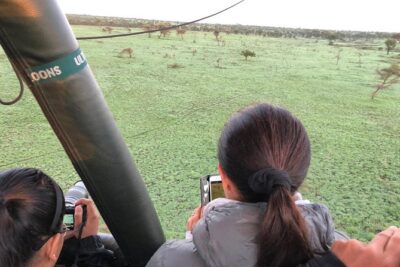
Balloon Safari & Bush Breakfast in Serengeti – Miracle Experience
Read our review →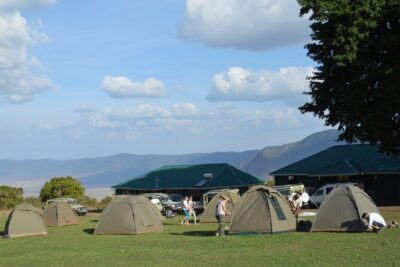
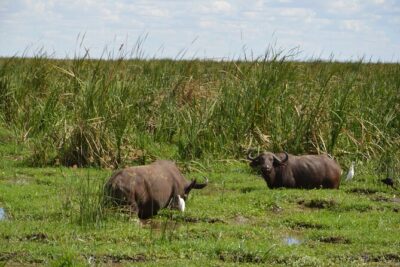
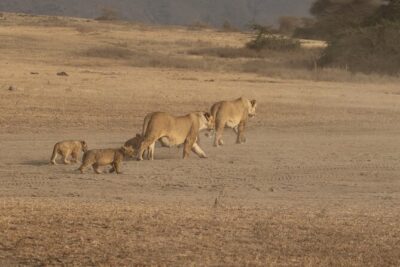
3 Days Serengeti & Ngorongoro Group Camping Safari
Read our review →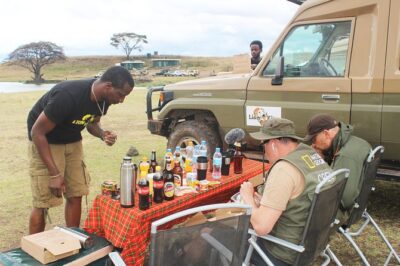
7-Day Premium Luxury Tanzania Safari All-Inclusive
Read our review →
5-Day Highlights mid-Range Crater, Serengeti, Tarangire
Read our review →
8 Days Great Wildebeest Calving Migration Safari from Arusha
Read our review →Browse the lists this tour appears in