
REVIEW · ARUSHA
7-Day Midrange Tanzania Safari Adventures (Big 5)
The main attraction is the sheer variety packed into seven days: elephants beneath baobabs, tree-climbing lions, flamingos, migrating wildebeest, and the dense wildlife of Ngorongoro Crater. You move from Arusha through four famous safari areas rather than spending the whole trip in one park.
I like the private format, since your group can focus on the animals and pace that interest you. I also like the guide-led vehicle experience, especially with highly praised guides such as Justin, Denis, Gasper, and Rapha. The tradeoff is clear: there is a lot of driving, and some days run close to eight or twelve hours.
Key points to know
- Tarangire begins the wildlife action: Expect elephants, baobabs, seasonal swamps, giraffes, buffalo, zebra, and possible lion or leopard sightings.
- Lake Manyara adds birds and forest: Flamingos, more than 500 bird species, monkeys, elephants, and the chance to see lions in trees make this a different kind of safari stop.
- The Serengeti gets two nights: You have an afternoon game drive on arrival, then a full day for the park’s huge plains and predator sightings.
- Ngorongoro Crater is the grand finale: A 600-meter-deep crater with about 25,000 animals offers some of Tanzania’s most concentrated game viewing.
- The safari is private: Only your group takes part, with pickup from Kilimanjaro International Airport, Arusha Airport, or Namanga border.
- Plan for road time: The route covers a lot of ground, so the reward is variety, not a slow stay in one small area.
A seven-day route through Tanzania’s wildlife heart
This is a classic northern Tanzania circuit. You begin and end in Arusha, with Tarangire National Park, Lake Manyara National Park, Serengeti National Park, and Ngorongoro Conservation Area in between.
The route works because each place has a different character. Tarangire is especially good for elephants and baobabs. Lake Manyara brings forest, cliffs, water, and birds. The Serengeti provides room to search for big cats and migrating herds. Ngorongoro packs animals into a remarkable volcanic setting.
At $2,924 per person, this is not a budget outing. The value comes from the length of the route, private use of the safari vehicle, park access, guided game drives, accommodation, and the chance to see several major areas in one trip. The exact lodging list is not fully specified beyond Serengeti Heritage Tented Camp, so I would ask what is included at each overnight stop before paying.
More Wildlife Safaris in Arusha
- Big Five Luxury Safari in Tanzania
★ 5.0 · 68 reviews - 6 Day Tanzania Wildlife Mid range Safari
★ 5.0 · 54 reviews - 5 Days 4 Nights Tarangire, Serengeti , Ngorongoro & Manyara Wildlife Safari
★ 5.0 · 40 reviews
Day 1: Arrive in Arusha and keep the first day easy
Your safari begins with pickup at Kilimanjaro International Airport, Arusha Airport, or the Namanga border. A company representative drives you to your Arusha accommodation, usually about an hour away.
This first day is mainly a transfer and arrival day. That is useful after an international flight, since you do not have to rush straight into a park. The stated start time is 8:30 a.m., but your actual pickup depends on your arrival plan.
Arusha is the practical gateway for northern Tanzania safaris. You will have time to settle in, check the next morning’s arrangements, and prepare for several long days on the road. If you arrive late, confirm how the first night and pickup timing will work.
Day 2: Tarangire brings elephants and baobabs
After breakfast, your guide collects you for the roughly two-hour drive to Tarangire National Park. Once inside, the open-roof safari vehicle gives you a clear view of the animals and the broad savannah.
Tarangire is known for its elephant families, and the Tarangire River draws animals when water is scarce. You might see giraffes, bushbuck, hartebeest, buffalo, zebra, and wildebeest. Lions and leopards are present, while cheetahs are less common.
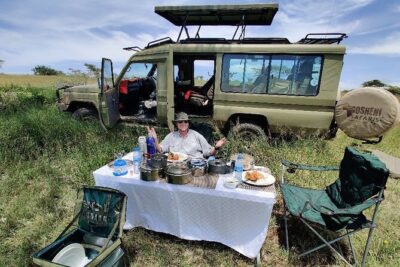
The park’s baobab trees give the day a strong sense of place. Seasonal swamps and open grassland create changing views as you drive. A picnic lunch is part of the day, so this is not a quick park visit followed by an early hotel check-in. You get a full wildlife day, but you should also expect dust, sun, and hours in the vehicle.
Tarangire is a smart first park because it offers good variety without requiring the longest transfer of the trip. It also gives your guide a chance to learn what you most want to see before the route reaches the Serengeti.
Day 3: Lake Manyara shifts the focus to birds and forest
You leave after breakfast with a lunch box from your accommodation and continue to Lake Manyara National Park. The park is described as about 120 kilometers west of Arusha and is smaller than the Serengeti, but its scenery changes quickly.
The park centers on a shallow salt lake that expands and contracts with the seasons. Thousands of flamingos may gather there, and more than 500 bird species are recorded in the park. You might also see monkeys, giraffes, zebras, wildebeest, buffalo, elephants, and lions resting in trees.
Lake Manyara is valuable because it breaks up the open-plains safari pattern. You pass through primate-filled woodland, grassy areas, and baobab-dotted cliffs. For anyone interested in birds, this may be one of the most rewarding stops, even if the park does not offer the same vast scale as the Serengeti.
The practical drawback is another full day in the vehicle, followed by more road time on the next day. If you want a relaxed holiday with little movement, this schedule may feel demanding. If you want a broad sample of northern Tanzania, the variety makes the effort worthwhile.
More Wildlife Safaris in Tanzania
- Big Five Classic Safari in Tanzania **Sustainable Travel approach
★ 5.0 · 31 reviews - 2 days Mid Range Safari in Ngorongoro and Tarangire Big 5 Parks
★ 5.0 · 27 reviews - 4 Days Wildlife Safari and Cultural Experience in Tanzania
★ 5.0 · 23 reviews - Elephant Special Serengeti & Ngorongoro Crater 5 Days / 4 Nights
★ 5.0 · 21 reviews
Day 4: Cross the highlands before reaching the Serengeti
After breakfast, the route moves through the fertile highlands, where the Iraqw people grow wheat, coffee, and corn. This is a useful reminder that northern Tanzania is not only about wildlife. You see working farmland and changing scenery before reaching the protected areas.
The drive passes through the Ngorongoro Conservation Area, with the chance to see Ngorongoro Crater before continuing toward Serengeti National Park. A picnic lunch is taken on the way, and you reach the Serengeti in the afternoon.
The Serengeti is Tanzania’s largest national park. Its open plains, swamps, lakes, savannah, and mountains support a wide range of animals. Your first game drive takes place after arrival, followed by dinner and an overnight stay at Serengeti Heritage Tented Camp.
An afternoon arrival means your first Serengeti drive is shorter than the following day, but it still gives you a valuable first look. The park is enormous, so animal sightings depend on the season, recent rain, and where wildlife is moving. Do not measure the park by one short drive. The full day ahead is the main opportunity.
Day 5: Give the Serengeti a full day
This is the longest wildlife day, listed at about twelve hours. You spend the day searching the Serengeti for impalas, buffalo, crocodiles, hippos, zebras, wildebeest, and predators.
The great migration is the park’s famous event, but it does not follow a fixed calendar. Rainfall guides the movement of the herds, and conditions change from year to year. You may see large numbers of wildebeest and zebra, but nobody can promise a particular crossing or herd position.
The Serengeti also offers some of the best chances on this route for lions, leopards, and cheetahs. Several reviews describe guides using their contacts with other safari drivers to hear about sightings, and Justin is praised for finding all of the Big Five through local knowledge and persistence. That does not guarantee a sighting, but it explains why the guide matters so much on a large park day.
You return to Serengeti Heritage Tented Camp for dinner and another night. Two nights in the Serengeti is a strong feature of the schedule. It avoids treating the park as a single afternoon stop and gives you time to search different areas.
Still, twelve hours is a serious day. Bring patience, sun protection, and a camera with enough memory. The reward is the chance to see a hunt, a pride of lions, a distant leopard, or a river full of hippos, but the day is built around searching rather than a fixed show.
Day 6: Descend into Ngorongoro Crater
An early breakfast starts the day, followed by an en-route game drive through the Serengeti. This gives you one more chance to see animals before the route turns toward Ngorongoro Crater.
The crater formed millions of years ago and is about 600 meters deep, covering roughly 260 square kilometers. Its enclosed setting supports an estimated 25,000 animals, which is why game viewing can be especially concentrated here.
You reach the crater rim before lunch, then descend for the crater drive. Within minutes, you might see wildebeest, zebra, gazelles, elephants, and birds among more than 500 species recorded in the area. Lions and other predators may also appear, but the schedule does not promise any particular sighting.
Ngorongoro is one of the most dramatic parts of the route because the scenery and wildlife are close together. You are not simply driving across open plains. You are looking down into a vast volcanic basin, then moving among animals on its floor.
The day is another long one, with an early start and an afternoon in the crater. That pace is worthwhile for someone who wants a broad safari circuit, but it leaves little spare time. If you prefer slow mornings and long stays at one camp, this program will feel active.
Day 7: Return to Arusha with onward plans
After breakfast, you drive back to Arusha for your onward journey, either to Zanzibar or home. The operator says it will work with your updated travel plan, and a KLM return flight may include a hot lunch and an airport drop-off.
You also have time for shopping for gratuities. That detail is practical, since tipping is part of safari planning and it is easier to handle before departure than at the last minute.
The return drive is listed at about four hours, though road conditions and your final destination can affect the timing. Do not schedule a tight international connection unless the operator confirms the transfer plan for your flight.
Guides can shape the whole safari
The strongest praise is aimed at the guides. Justin is repeatedly singled out for finding lions, leopards, cheetahs, and wildebeest crossings. Denis is praised for more than 17 years of safari experience, strong driving skills, and an excellent eye for spotting animals, even in difficult rainy conditions.
Gasper is described as personable and good at explaining wildlife, while Rapha receives praise for working hard to find animals and for the quality of the camps. Bonny is noted for impeccable French, which could matter if you prefer guiding in that language.
You cannot assume a particular guide unless the company confirms one in writing. Still, you can ask for Justin, Denis, Gasper, Rapha, or Bonny when booking and state what matters most to you: photography, birds, the Big Five, migration, children, or language.
A strong guide does more than point at animals. You need someone who can read tracks, share information with other drivers, judge when to wait, and explain what you are seeing without rushing you away. Several accounts also praise the company’s fast communication and careful planning, useful qualities when a safari involves multiple parks and camps.
How the $2,924 price feels in practice
The price is best judged as a full northern Tanzania circuit, not as seven days of nonstop game viewing. You receive airport or border pickup, accommodation, guided transport, park visits, picnic meals on driving days, and a private group arrangement. The route includes the most famous safari areas in the region.
The private format is important. You are not sharing the experience with strangers, and your group can ask questions or spend more time with an interesting sighting. Group discounts may make the price more attractive for families or friends booking together.
Before booking, ask for a written list of inclusions. The supplied details do not spell out every meal, lodge, transfer, or park fee, and only Serengeti Heritage Tented Camp is named. Also confirm whether international flights, drinks, tips, visas, and any extra nights are separate.
The value is strongest for someone who wants four major wildlife areas in one trip and does not want to organize the vehicle, guide, park access, and accommodation independently. It is less compelling for someone who wants luxury lodges, a slow pace, or a trip centered only on the migration.
Who should choose this safari
I would recommend this route to first-time safari visitors who want the classic northern Tanzania highlights. Families can also fit well here: one family of four with children aged nine and ten described the seven-day format as a memorable experience, and private touring lets parents manage their own group.
It also suits couples, including honeymooners, who want wildlife rather than a beach-only holiday. The company has handled honeymoon trips and last-minute arrangements, though I would still allow plenty of planning time for a journey this complex.
You should think twice if long drives are a deal breaker. The route covers major distances, and several days are listed at eight hours, with the Serengeti day reaching about twelve hours. This is the price of combining Tarangire, Lake Manyara, Serengeti, and Ngorongoro in one week.
Should you book the seven-day route?
Book it if you want a high-variety safari with private guiding, two nights in the Serengeti, and a strong chance to see the Big Five. The route gives you elephants and baobabs, birds and forest, open plains, predators, and the crater’s concentrated wildlife in one well-planned loop.
Ask for your preferred guide, confirm every lodging and meal inclusion, and build some margin around your flights. If you are comfortable with long road days, the price buys an impressive amount of northern Tanzania in one week. If you want fewer transfers, consider a shorter route focused on the Serengeti and Ngorongoro instead.
FAQ
Where does the safari begin?
Pickup is offered from Kilimanjaro International Airport, Arusha Airport, or the Namanga border. The first transfer takes you to accommodation in Arusha.
What time does the tour start?
The stated start time is 8:30 a.m. Pickup timing should be confirmed based on your arrival point and flight schedule.
Is this a private safari?
Yes. Only your group participates in the tour.
Which parks and protected areas are included?
The route includes Tarangire National Park, Lake Manyara National Park, Serengeti National Park, and the Ngorongoro Conservation Area, including a visit to Ngorongoro Crater.
Where do you stay in the Serengeti?
The itinerary specifies dinner and overnight stays at Serengeti Heritage Tented Camp on nights four and five.
How long are the daily activities?
Most listed days run about eight hours. The full Serengeti day is listed at about twelve hours, while the final drive back to Arusha is listed at about four hours.
Can the safari end in Zanzibar?
Yes. On day seven, the operator says it can coordinate your onward plan to Zanzibar or your return home.
More 7-Day Experiences in Arusha
- 7-Day Premium Luxury Tanzania Safari All-Inclusive
★ 5.0 · 426 reviews - Group Safari 7 Days in Tanzania’s Main Parks
★ 5.0 · 240 reviews - 7 Days Tanganyika Wilderness Safari
★ 5.0 · 159 reviews - 7 days great migration safari
★ 5.0 · 77 reviews
More Big Five and Wildlife Safaris in Arusha
- Big Five Luxury 7 Days Safari Tour in Arusha
★ 5.0 · 20 reviews - Arusha: 3-Day Serengeti & Ngorongoro Crater Big Five Safari
★ 4.6 · 20 reviews - Big Five Dream Safari
★ 5.0 · 19 reviews - 8 Days 7 Nights Tanzania Wildlife & Culture Lodge Safari
★ 5.0 · 17 reviews
Just added around Arusha
- 6 days Tanzania budget safari★ 5.0 · 65 reviews
- 7 days great migration safari★ 5.0 · 77 reviews
- serengeti, ngorongoro & tarangire 5days private tour★ 5.0 · 77 reviews
- 5 days safari, hiking & culture (Serengeti & kilimanjaro)★ 5.0 · 27 reviews
- serengeti & ngorongoro 3 days private tour★ 5.0 · 15 reviews
- 5-Day Mid-Range Safari in Tanzania★ 5.0 · 33 reviews
- 4 days safari★ 5.0 · 34 reviews
- serengeti, ngorongoro & tarangire 4 days private tour★ 5.0 · 18 reviews
Arusha Safaris, compared.
Balloon Safari & Bush Breakfast in Serengeti – Miracle Experience
Read our review →
3 Days Serengeti & Ngorongoro Group Camping Safari
Read our review →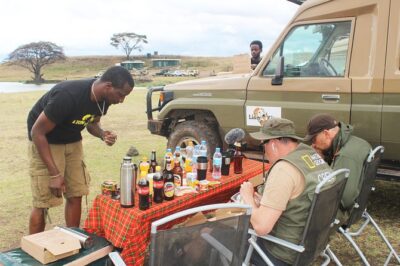
7-Day Premium Luxury Tanzania Safari All-Inclusive
Read our review →
5-Day Highlights mid-Range Crater, Serengeti, Tarangire
Read our review →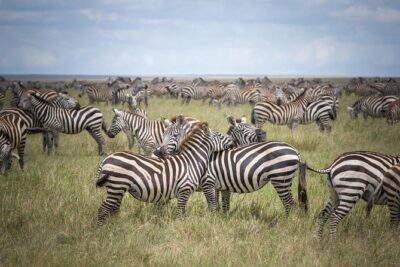
8 Days Great Wildebeest Calving Migration Safari from Arusha
Read our review →Browse the lists this tour appears in