
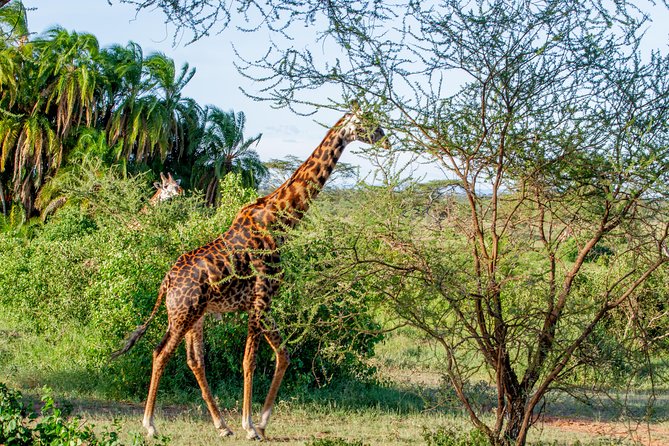
REVIEW · ARUSHA
6 Days Luxury Northern Circuit Safari – A Glimpse of Tanzania Adventure
The best part of this safari is its sweep: in six days, you visit Tarangire, Lake Manyara, Serengeti, Ndutu, and Ngorongoro Crater, five of northern Tanzania’s biggest wildlife names. The timing matters most in Ndutu, where wildebeest may gather to calve from December through April.
I like the private 4WD format, which gives your own group room to set the pace, and I like the range of habitats, from Tarangire’s elephant country to Lake Manyara’s forest and the open plains of Serengeti. The main caution is the price, $6,341.54 per person, especially since the published inclusions do not clearly list accommodation by name. Confirm the lodges or camps before paying.
Key points at a glance
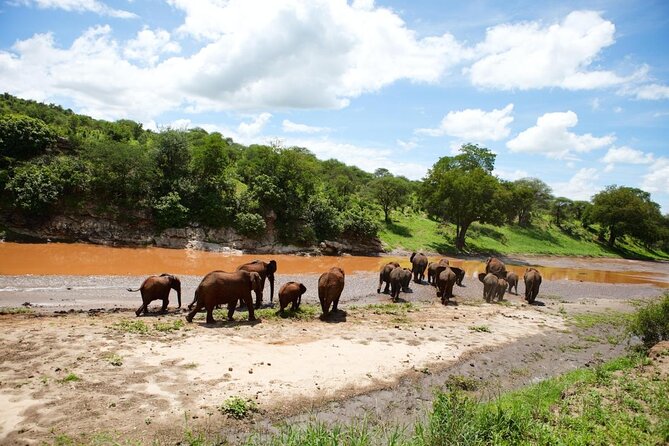
- Five major wildlife areas in six days: The route covers Tarangire, Lake Manyara, Ndutu, Serengeti, and Ngorongoro Crater.
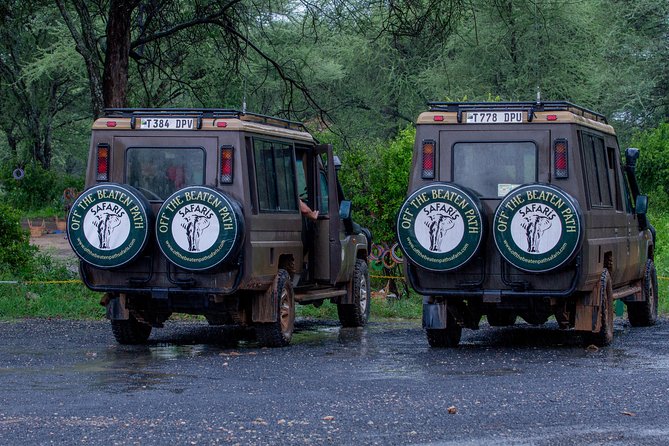
- Best for a private safari: Only your group participates, with private transportation in a safari-equipped 4WD.
- Ndutu is highly seasonal: December through mid-April is the key period for wildebeest, zebra, gazelle, and calving activity.
- Full days in the parks: Most game-drive days run about nine or ten hours, so expect early starts and plenty of time in the vehicle.
- Meals are included: Breakfast, lunch, and dinner are listed, along with six lunches and six dinners across the program.
- Ask about the luxury details: The tour is marketed as luxury, but the specific camps, lodges, room types, and accommodation costs should be confirmed.
What this Northern Circuit safari gets right
This is a classic northern Tanzania route compressed into six days. You do not spend the whole trip in one park hoping the animals come to you. Instead, you move through several distinct areas, each with its own character and wildlife strengths.
Tarangire is known for large elephant groups. Lake Manyara adds forest, escarpment views, birdlife, and the possibility of tree-climbing lions. Serengeti and Ndutu bring the broad drama of the migration. Ngorongoro Crater finishes the trip with dense wildlife viewing inside a giant volcanic caldera.
I like that the safari is private. You are not sharing the vehicle with a large mixed group, so the experience can feel more personal. You can discuss sightings with your guide, ask for more time at a promising animal encounter, and avoid the social compromises that come with a full vehicle.
The company has received strong praise for its guides and care. Names connected with the operation include Salim, Humphrey, Wilson, and Charles. Humphrey is especially noted for his sense of humor, animal identification, and ability to spot details such as gender and behavior. Your assigned guide for this specific departure is not stated, so ask in advance who will lead your safari.
The phrase luxury needs a closer look. The experience includes private transportation, meals, park activities, taxes, and flying doctors insurance. That is useful coverage for a safari. Yet no specific accommodation names appear in the supplied details. A luxury safari can mean very different things in Tanzania, from a comfortable tented camp to a high-end lodge with spacious rooms and strong service. Get the full lodging plan in writing.
A few more safaris around Arusha worth a look
- Private 6-Day Tarangire Manyara Crater and Serengeti with Mid-Range Lodges
★ 5.0 · 238 reviews - 6 Days Private Budget Safari
★ 5.0 · 163 reviews - 6 Days Tanzania Budget Camping Safari
★ 5.0 · 145 reviews
Day 1: Getting settled in Arusha
Your safari begins with a transfer from Kilimanjaro International Airport to Arusha, the main starting point for northern Tanzania expeditions. Arusha sits near Mount Meru and works well as a first night because it gives you time to arrive, rest, and prepare for several demanding days on the road.
The listed duration for this first stage is about seven hours, though that appears to include the arrival and transfer period rather than seven hours of touring. The schedule also gives a start time of 11:30 p.m., which is unusual for an airport arrival and transfer. Clarify this point before booking. You do not want uncertainty over whether the listed time refers to the start of the activity, the pickup window, or a system error.
This night is practical rather than spectacular. Use it to organize your luggage, charge camera batteries, and prepare for an early breakfast and road departure. Since the first proper park visit comes on Day 2, the Arusha night helps prevent the safari from starting in a rush.
Day 2: Elephants and open country in Tarangire
You leave after breakfast for Tarangire National Park, with a game drive on the way and a packed lunch for the day. The drive takes you into one of Tanzania’s most rewarding wildlife areas, particularly for elephant sightings.
Tarangire has a localized movement pattern that brings animals between the park and nearby areas. That helps explain why it can produce good viewing across much of the year, not only during one narrow season. Elephants are the major attraction, but the itinerary also points to predators and fast-moving prey.
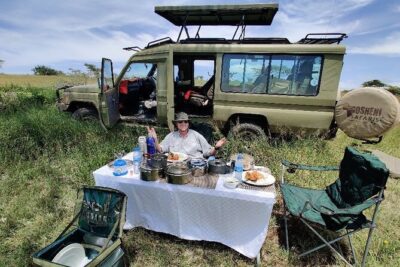
The picnic lunch is part of the safari rhythm. You eat at a designated site in the bush, then return to game viewing in the afternoon. This is not a restaurant-based sightseeing day. You spend most of your time outdoors, watching the surroundings and waiting for the guide to spot movement.
The day is listed at about nine hours. That is a long stretch, but it gives you time to see the park at different points of the day. It also means you should be ready for heat, dust, uneven roads, and long periods sitting in the vehicle.
Tarangire is a good early stop because it gives you immediate wildlife variety without using the first full day only for transit. If elephants are high on your list, this is one of the strongest parts of the route. If your priority is the Great Migration, Tarangire is less important than the later Ndutu and Serengeti days.
Day 3: Forest, escarpment, and Lake Manyara
Lake Manyara National Park is smaller than Tarangire and Serengeti, but its scenery changes quickly. The park lies below the Rift Valley escarpment and includes groundwater forest, open areas, and the alkaline lake itself.
The park is associated with tree-climbing lions and elephant herds. A sighting is never guaranteed, but the setting gives you something different from the open grasslands. The forest can feel enclosed and shaded, while the escarpment creates a broad view across the park and lake.
You have another picnic lunch and an afternoon of game viewing. The plan also includes a scenic drive over the escarpment around sunset. That viewpoint adds value because it shifts the focus from animals to the physical shape of the region. You see how the lake, forest, plains, and steep valley wall fit together.
The day is again about nine hours. That pace is manageable for people who want a broad first safari, but it can feel busy if you prefer slow wildlife watching. Lake Manyara receives less time than the larger parks, so think of it as a varied scenic stop rather than the central event of the trip.
The park also adds bird interest, especially around the lake and wetland areas. The supplied information does not promise particular species, so you should treat bird sightings as an added possibility rather than a fixed part of the program.
Same country, a different kind of drive:
- Balloon Safari & Bush Breakfast in Serengeti – Miracle Experience
★ 5.0 · 1,646 reviews - 4 Days Group Camping Safari
★ 5.0 · 1,101 reviews - 5 Days Group Camping Safari
★ 5.0 · 730 reviews - 3 Days Serengeti & Ngorongoro Group Camping Safari
★ 5.0 · 574 reviews
Day 4: Entering the Ndutu and Serengeti region
After breakfast, you travel from the Karatu area toward the Ngorongoro Ndutu region and the southern Serengeti. This is the point where the safari becomes especially dependent on the season.
Ndutu sits in a meeting area between the southern Serengeti and the northern part of the Ngorongoro Conservation Area. The boundaries are not marked by fences in the way a city park would be. Wildlife moves across the wider ecosystem, and the exact location of the herds changes with rain and grazing conditions.
From December through April, large numbers of wildebeest, zebra, and gazelle may gather in the Ndutu area. February is identified as a peak month for calving. This is the period when newborn animals appear across the plains and predators such as lions, leopards, cheetahs, and hyenas follow the herds.
The program allows about ten hours for this day. That includes a long transfer and game viewing, so the road portion may feel tiring. Still, the route is worthwhile during migration season because you are moving toward one of the most active parts of the ecosystem.
If you visit outside the December to April window, do not assume you have missed all wildlife. The forests and granite kopjes around Lake Ndutu can still hold animals outside migration months. You simply book this safari for a different type of experience: more resident wildlife and scenery, with less certainty about huge calving concentrations.
Day 5: An early start in Ndutu
Day 5 begins with an early morning game drive around the Ndutu region. The area around Lake Ndutu is described as a prime viewing spot during the migration months, when large herds gather to graze and calve.
The early start is important. Morning light can be excellent for photography, and the animals may be more active before the day becomes hot. The schedule then returns you to camp or lodge for rest before an afternoon game drive.
That midday break is welcome. A safari can be physically tiring even when you spend most of the day seated. You need time to eat, shower, sort photographs, and simply stop looking at the road for a while.
The afternoon drive leads into a sunset outing and dinner. The itinerary describes calving season in dramatic terms, with thousands of wildebeest births taking place across the wider region. The attraction is not only the sight of newborn animals. It is the behavior that follows, as predators hunt near the herds and adults guard the young.
This is likely the emotional center of the trip if you visit at the right time. It is also the least predictable part. No safari operator can guarantee a birth, a predator hunt, or a particular animal encounter. What the itinerary can provide is access to the right area, a capable guide, and time in the field.
Day 6: The Ngorongoro Crater finale
The final full day takes you into the Ngorongoro Conservation Area and down to the crater floor. The crater was formed from a collapsed volcano and is described as the largest intact caldera in the world.
The crater’s enclosed shape makes it one of Tanzania’s most reliable places for concentrated wildlife viewing. More than 30,000 protected animals are associated with the conservation area. On the floor, you may look for black rhino, large elephants, lions, and flamingos around the soda lakes.
The scenery is a major part of the appeal. From the rim, you see a broad natural bowl filled with grassland, water, woodland, and wildlife. The crater does not feel like the open Serengeti. It feels enclosed, compact, and dramatic.
You have a picnic lunch during the day, with time to take in the crater rim and its wildlife. The day is listed at about nine hours, so it is another substantial outing rather than a quick viewpoint stop.
Ngorongoro is a strong finish because it brings together many of the animals you have been seeking. It also offers a final change of setting after the open plains of Ndutu and Serengeti. The limitation is that the crater can feel busy compared with more remote parts of the route, though no group-size details beyond the private format are supplied.
How much value does $6,341.54 offer?
At $6,341.54 per person, this is a major purchase. The value depends heavily on what the quoted price includes for two people or more, the standard of the camps, and the quality of the assigned guide.
The listed inclusions are substantial:
- Private transportation
- A safari-equipped 4WD
- Park activities according to the program
- Taxes and fees
- Breakfast, lunch, and dinner
- Flying doctors insurance
The tour is also private, which normally costs more than joining a shared vehicle. You are paying for a tightly focused route, not simply for park entry.
The missing piece is accommodation detail. Five nights are part of the trip, but the names and categories of the camps or lodges are not provided. Ask for the exact properties, room arrangement, meal plan, and any additional charges before comparing this safari with other options.
Premium drinks, champagne, cognac, fine wine, and other spirits are not included. Personal expenses are also excluded. A hot-air balloon ride over Serengeti is optional and carries a separate cost.
Comfort, pace, and practical planning
This safari suits you if you are comfortable with early starts, long road days, picnic lunches, and repeated game drives. A moderate level of physical fitness is requested, though the main challenge is likely endurance rather than strenuous walking.
A private vehicle is a real advantage. You can share your interests with the guide and keep the group limited to your own party. The tradeoff is that the route covers a lot of ground in six days. You see more parks, but you have less unstructured time in each one.
The experience includes pickup and ends back at the meeting point in Arusha. Airport transfer from Kilimanjaro International Airport is described on the first day. Confirm the exact pickup arrangements, especially because the stated 11:30 p.m. start time does not fit neatly with a normal arrival transfer.
The company has received repeated praise for personal service, guides, food, accommodations, and airport handling on other Tanzania trips. Salim is associated with the operation, while Humphrey, Wilson, and Charles are names connected with guiding. Ask who will be assigned to your group, and ask about the vehicle’s seating and window arrangements if photography matters to you.
Should you book this safari?
Book it if you want a private, full-board introduction to northern Tanzania and your dates line up with the Ndutu calving season. The route gives you elephants in Tarangire, forest and escarpment scenery at Manyara, migration country around Ndutu and Serengeti, and concentrated wildlife in Ngorongoro Crater.
Think twice if you want a slow safari with several nights in one park. This itinerary moves quickly and includes long days on the road. I would also wait for written accommodation details before committing to the luxury price.
For a first visit, the route is impressive and well chosen. The smartest booking decision is to confirm three things: your travel dates, your named camps or lodges, and your assigned guide. If those details meet your expectations, this can be a powerful six-day introduction to Tanzania’s Northern Circuit.
FAQ
How long is the safari?
The experience lasts six days and includes five nights.
Where does the safari start?
It starts in Arusha, Tanzania. The first day includes a transfer from Kilimanjaro International Airport to Arusha.
Where does the safari end?
The activity ends back at the meeting point in Arusha.
Is the safari private?
Yes. Only your group participates in the activity.
What parks and conservation areas are included?
The route includes Tarangire National Park, Lake Manyara National Park, Serengeti National Park, the Ndutu area, and the Ngorongoro Conservation Area.
Is food included?
Yes. Breakfast, lunch, and dinner are included according to the supplied tour details.
Is transportation included?
Yes. Private transportation in a safari-equipped 4WD is included.
Is a hot-air balloon ride included?
No. A hot-air balloon ride over Serengeti is optional and is not included in the listed price.
When is the best time to see the migration around Ndutu?
The strongest period is from December through April, with calving reaching a peak around February.
Can the booking be cancelled for a full refund?
Yes, if you cancel at least 24 hours before the experience start time. Cancellations made less than 24 hours before the start time are not refunded, and changes made within that period are not accepted.
Just added around Arusha
- 6 days Tanzania budget safari★ 5.0 · 65 reviews
- 7 days great migration safari★ 5.0 · 77 reviews
- serengeti, ngorongoro & tarangire 5days private tour★ 5.0 · 77 reviews
- 5 days safari, hiking & culture (Serengeti & kilimanjaro)★ 5.0 · 27 reviews
- 5-Day Mid-Range Safari in Tanzania★ 5.0 · 33 reviews
- 4 days safari★ 5.0 · 34 reviews
- serengeti & ngorongoro 3 days private tour★ 5.0 · 15 reviews
- serengeti, ngorongoro & tarangire 4 days private tour★ 5.0 · 18 reviews
Arusha Safaris, compared.
Balloon Safari & Bush Breakfast in Serengeti – Miracle Experience
Read our review →
3 Days Serengeti & Ngorongoro Group Camping Safari
Read our review →
7-Day Premium Luxury Tanzania Safari All-Inclusive
Read our review →
5-Day Highlights mid-Range Crater, Serengeti, Tarangire
Read our review →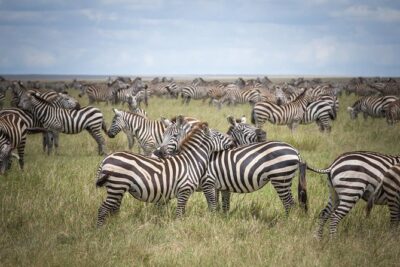
8 Days Great Wildebeest Calving Migration Safari from Arusha
Read our review →Browse the lists this tour appears in