
REVIEW · ARUSHA
4 Days Tarangire ,Serengeti &Ngorongoro crater group Tour
Tarangire’s elephant herds, Serengeti’s open plains, and Ngorongoro’s crater floor make this four-day northern Tanzania safari a remarkably full itinerary. You cover three of the region’s best-known wildlife areas, with a roofed safari jeep, pickup from Arusha, and a group limited to six.
I like the strong wildlife mix, especially the chance to see hundreds of elephants in Tarangire and black rhinos in Ngorongoro. I also like the early Serengeti drive, when the rising sun and cool air can make the park feel wonderfully quiet. The trade-off is a lot of driving and a brisk schedule, with camping and at least one long transfer day.
Key points at a glance
- Three major parks in four days: Tarangire, Serengeti, and Ngorongoro Crater are all included.
- Small group format: The safari accepts a maximum of six people, a useful limit inside a safari vehicle.
- Roofed safari jeep: You get open side views and a roof for shade while watching wildlife.
- Strong elephant country: Tarangire is known on this route for large herds, along with giraffes, zebras, buffalo, impalas, and warthogs.
- Early Serengeti start: The 6 a.m. game drive is planned around sunrise and cooler morning conditions.
- Camping-based adventure: Nights include campsite stays, with Fig Trees Lodge listed after the first day and Simba Campsite for the Ngorongoro area.
What this four-day safari is really like
This is a fast, affordable circuit rather than a slow, luxurious safari. You start and finish in Arusha, travel by safari vehicle, and spend much of each day watching for animals or moving between parks.
At $890 per person, the price is appealing for a four-day route covering three major destinations. The value comes from packing the classic northern circuit into a short window. You are not paying for long, leisurely stays in one park. You are paying for access to several famous wildlife areas, a small vehicle group, park visits, meals described in the schedule, and a guide-driver who handles the route.
The company has used guides including Elias, Endru, Grantony, Joshua, Michael, Emanuel, and Jackson on different safari programs. Elias is particularly associated with explaining plants, birds, and animals and helping with photography, while Endru has been praised for managing the practical details of a four-day trip. Your assigned guide is not guaranteed by the information provided, so ask before booking if a particular guide matters to you.
More National Park Safaris in Arusha
- 5-Day Highlights mid-Range Crater, Serengeti, Tarangire
★ 5.0 · 296 reviews - Private 6-Day Tarangire Manyara Crater and Serengeti with Mid-Range Lodges
★ 5.0 · 238 reviews - 5 Days Camping Tarangire, Serengeti & Ngorongoro crater & Visiting Maasai
★ 5.0 · 229 reviews
Day 1: Tarangire and its great elephant herds
After breakfast, pickup from your Arusha hotel is followed by a drive of about two hours to Tarangire National Park. The schedule includes a picnic lunch and a game drive that continues into the afternoon, with roughly six hours allocated to the stop.
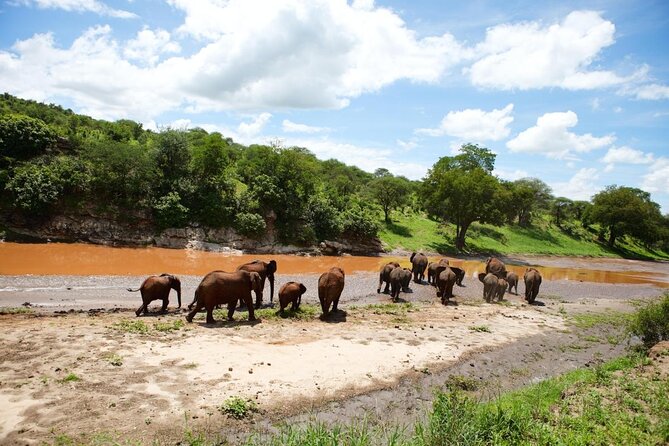
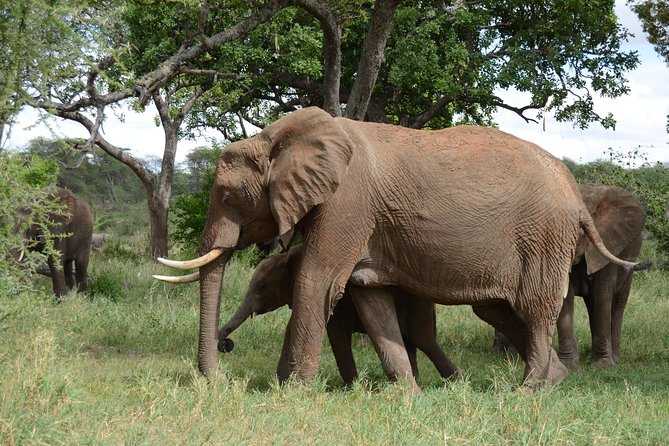
Tarangire is an excellent opening act because it can offer immediate wildlife viewing without requiring a long transfer from Arusha. The park is especially known here for large elephant groups. You might see several hundred animals during the day, often spread across the park in smaller family groups.
Keep looking up. The itinerary specifically points out the chance of spotting a leopard in a tree, a reminder that safari viewing is not only about scanning the road ahead. Giraffes, zebras, buffalo, impalas, and warthogs are also listed as likely possibilities, with other animals appearing as conditions allow.
I like the way Tarangire gives you a broad first look at Tanzania’s wildlife. Elephants provide the headline, but the mix of grazers and browsers helps you learn how different animals use the park. Your guide’s ability to spot movement and explain animal behavior will matter a great deal here.
The day ends with dinner and an overnight stay at Fig Trees Lodge. There is a small inconsistency in the accommodation details: later days clearly involve camping equipment and campsites, while the first night names a lodge. Confirm the exact lodging arrangement before departure, especially if you are choosing this safari for its economy camping style.
Day 2: The long road toward Serengeti
Day two begins with an early breakfast and loading the camping equipment into the safari jeep. You then head toward Serengeti through Manyara and along the Rift Valley escarpments. The listed stop lasts about six hours, although the total day will feel longer once driving, park entry, and game viewing are included.
This is the route’s biggest transition day. You are leaving the more compact Tarangire experience and heading toward the enormous Serengeti. The journey itself is part of the safari, but it can be tiring. Roads, transfers, and changing park areas take time, so pack a water bottle, a warm layer, and something small to occupy you between sightings.
A visit to a Maasai village is offered as an optional stop along the way. That can add a cultural element to a route otherwise focused on wildlife, but it will also use time on a day already devoted to reaching Serengeti. Ask how long the visit lasts and whether it changes the timing of your evening game drive.
The plan is to reach Serengeti toward evening and continue with a game drive toward Seronera Campsite. Arriving in the central Serengeti area gives you a useful base for the next morning. The timing also means you may catch late-day animal activity, although the exact viewing depends on road conditions and arrival time.
Serengeti is the emotional center of this trip. The name carries enormous expectations, and the park can deliver memorable scenes, but no safari can promise a particular animal. Your guide’s judgment becomes important here. A driver who listens to radio reports, reads animal behavior, and avoids rushing every sighting can make a short Serengeti visit far more satisfying.
Day 3: Sunrise in central Serengeti
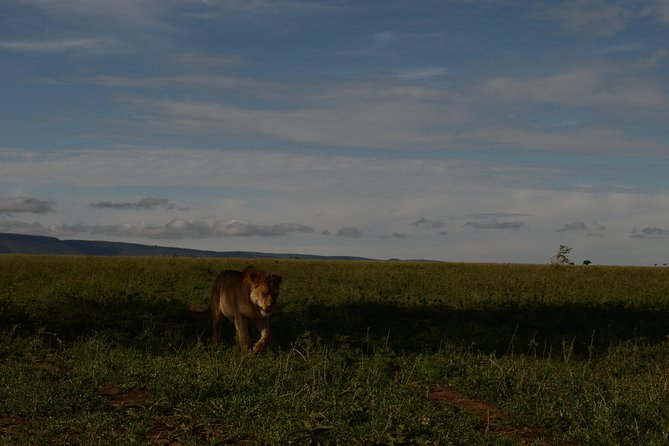
The third day starts at 6 a.m. with a hot cup of coffee before a morning game drive. Bring warm clothes. Early hours can be chilly, especially in an open-sided vehicle, even in a warm country.
The reward is the light. Sunrise gives the Serengeti a softer look, and animals can be active before the heat of the day settles in. The schedule allows game viewing until midday, followed by a return to camp for a full breakfast and lunch, described as a combined brunch.
This setup is practical. You get a serious morning drive instead of a rushed look before breakfast, then return to camp for food and a pause. Still, it is worth understanding that the day is not a full day in central Serengeti. After lunch, you leave for the Ngorongoro Conservation Area, continuing with game viewing along the route toward Simba Campsite.
That afternoon transfer is both useful and demanding. It moves you closer to the final highlight, but it cuts short your Serengeti time. If your main goal is spending long hours in the park, a longer itinerary would serve you better. If your goal is to sample the northern circuit in four days, this compromise is part of the design.
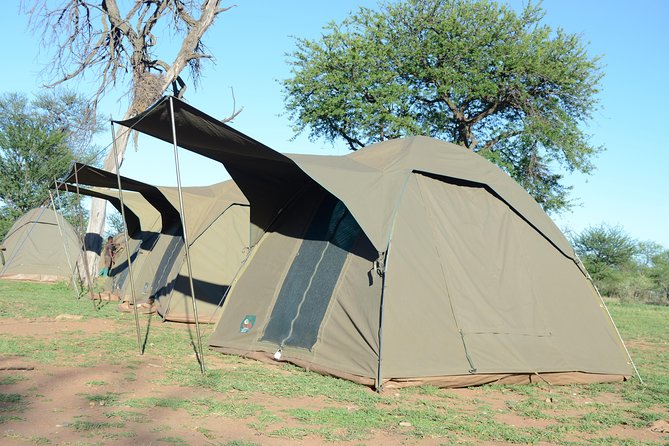
The overnight stop is Simba Campsite near Ngorongoro. You will need to be comfortable with a basic camping rhythm: early starts, shared practical routines, and less privacy than a lodge-based safari. The information provided does not spell out every camping facility, so ask what equipment, bedding, and facilities are supplied.
More National Park Safaris in Tanzania
- 4 Days Join Group tour Tarangire Serengeti and Ngorongoro crater
★ 5.0 · 219 reviews - 4 Days Tarangire Serengeti Ngorongoro Crater
★ 5.0 · 117 reviews - 5 Days Tanzania Group Joining Safari, Tarangire/Serengeti/Ngorongoro Crater
★ 5.0 · 85 reviews - 5 day safari Tarangire Serengeti and Ngorongoro crater
★ 5.0 · 83 reviews
Day 4: Down into Ngorongoro Crater
After breakfast, you take a picnic lunch and make the short drive to the descent gate. From there, the road drops about 650 meters to the crater floor for a half-day game drive.
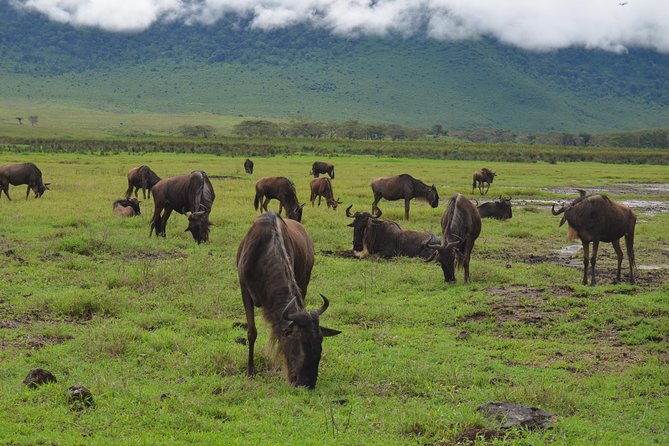
Ngorongoro is different from the other parks on this route. The crater is a contained natural bowl with permanent water, so many animals remain in the area throughout the year. They can move in and out, but the year-round water supply makes the crater a dependable place to look for wildlife.
Black rhino is the prize sighting. Seeing one is never guaranteed, and you may need patience and a good guide’s sharp eyes. The crater also supports a wide range of permanent resident animals, making it a strong final stop even if the rhinos stay out of view.
The half-day format gives you a proper crater visit without pretending you can explore every corner. After a picnic lunch, you ascend to the rim, collect the camping equipment, and drive back to Arusha. The schedule lists about six hours for the day, but the return journey can feel long after an early start and a crater drive.
This final day works because Ngorongoro offers a concentrated wildlife experience. It also exposes the limits of a short safari. You arrive, descend, search, eat, climb out, and return to Arusha in one tightly managed day. You will see a lot, but you will not have much spare time.
The vehicle, group size, and pace
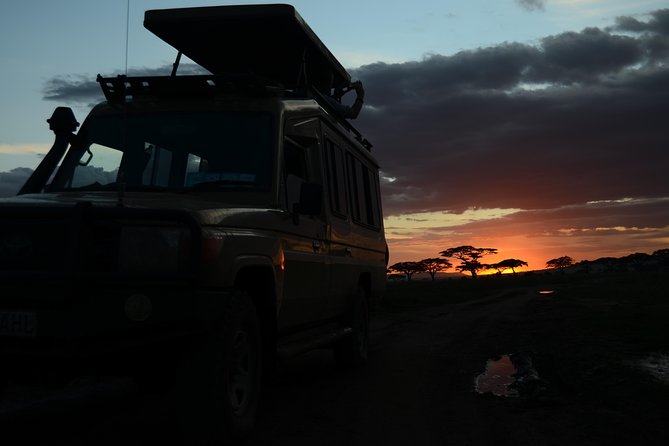
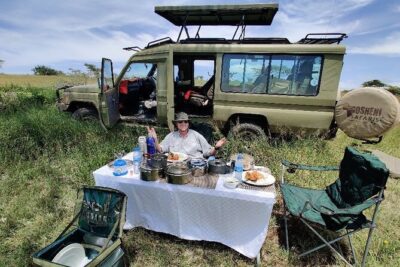
The safari uses a jeep with a pop-up roof and window-side seating. That matters. A roof gives you shade and a better elevated view, while side windows help with photography and animal watching. The provided details do not identify the exact vehicle model or whether every seat has an individual window, so confirm the seating arrangement if photography is a priority.
The maximum group size is six. For a safari, that is a sensible limit. It gives you more room than a large minibus and makes it easier for everyone to share sightings, ask questions, and get a clear view from the roof opening.
The pace is the main consideration. You spend about six hours on day one, six hours on day two, seven hours on day three, and six hours on day four according to the schedule. Those figures refer to the planned stops, not necessarily every minute spent traveling, preparing meals, entering parks, or setting up camp.
I would choose this trip if you have only four days in northern Tanzania and want the classic three-park route. I would not choose it if you dislike early mornings, long drives, camping, or changing accommodation almost every night.
Food, camping, and what to clarify
Meals are built into the daily rhythm. You receive breakfast, picnic lunches on game-drive days, dinner at the lodge on the first night, and a full breakfast and lunch after the Serengeti morning drive. The exact menu and drinks are not specified.
The camping element helps explain the relatively low price. It also gives the trip a more direct connection to the parks. At night, you are not simply returning to a city hotel. You are staying close to the route and preparing for another early start.
At the same time, do not assume that every night is identical. The schedule names Fig Trees Lodge, Seronera Campsite, and Simba Campsite, and refers to camping equipment. Before paying, confirm:
- Which nights are in tents and which are in a lodge
- What camping gear is provided
- Whether meals and drinks are included in full
- The exact pickup and return point in Arusha
- The name of your guide and driver
- How the optional Maasai village visit affects the schedule
These are sensible questions, not fussy ones. Clear answers make a short safari much easier to enjoy.
Who will get the best value from this tour
This safari suits you if you want the famous northern Tanzania route at a controlled price. It is also a good match if you want a small group rather than a private vehicle, enjoy active days, and care more about wildlife time than polished accommodation.
Families and first-time safari participants may appreciate the straightforward route, though the early starts and long drives require patience. The maximum of six people keeps the group manageable, but it does not remove the physical demands of camping and road travel.
Photographers should like the roofed vehicle and early Serengeti drive, but should ask about seating before booking. The opportunity for elephants, leopards, rhinos, giraffes, and other animals is strong, yet sightings remain wild and unpredictable.
This is less suitable for you if you want a relaxed lodge holiday, a private guide, or several full days in Serengeti. In that case, adding more nights would improve the experience more than trying to squeeze in another attraction.
Booking, cancellation, and final advice
Pickup is offered, mobile tickets are available, and confirmation is provided when you book. Most people reserve about six days ahead, but I would book earlier if your dates are fixed, especially during busy safari periods.
The cancellation policy is simple: cancel at least 24 hours before the local start time for a full refund. Cancellations or changes within 24 hours are not accepted for a refund. The experience also depends on good weather. If poor weather causes cancellation, you are offered another date or a full refund.
Should you book this four-day safari?
Book it if your priority is seeing Tarangire, Serengeti, and Ngorongoro in one compact trip for $890 per person. The combination of elephant country, a sunrise Serengeti drive, and a crater search for black rhino gives you a strong first taste of Tanzania.
Think twice if you need comfort, privacy, or plenty of unhurried time. The route is full, the camping details need confirmation, and two travel days leave limited time for each park.
My practical choice would be this: book the tour if four days is your firm limit, then contact Simbaland Magic Tours before payment to confirm the lodging, camping gear, vehicle seating, and assigned guide. Those answers will tell you whether this affordable safari fits your idea of adventure.
FAQ
Where does the safari start and finish?
The safari generally starts and ends in Arusha. Pickup from your hotel is offered.
How long is the tour?
The tour lasts approximately four days.
Which parks and wildlife areas are included?
The route includes Tarangire National Park, Serengeti National Park, and Ngorongoro Crater in the Ngorongoro Conservation Area.
What is the maximum group size?
The maximum group size is six people.
Is camping included?
Camping equipment is used during the safari, and the schedule names Seronera Campsite and Simba Campsite. Fig Trees Lodge is listed for the first night. Confirm the exact accommodation arrangement before booking.
Is the Maasai village visit included?
A Maasai village visit is listed as an optional activity while traveling toward Serengeti. It is not described as a required part of the tour.
What happens if I cancel?
You receive a full refund if you cancel at least 24 hours before the local start time. Cancellations or changes made within 24 hours are not refunded or accepted. If poor weather forces cancellation, you are offered another date or a full refund.
More 4-Day Experiences in Arusha
- 4 Days Group Camping Safari
★ 5.0 · 1,101 reviews - 4-Day Safari from Arusha: Tarangire, Serengeti and Ngorongoro
★ 5.0 · 173 reviews - 4 Days safari Tour Tanzania
★ 5.0 · 159 reviews - 4 Days Tarangire, Serengeti and Ngorongoro Mid-Range Group Safari
★ 5.0 · 84 reviews
Just added around Arusha
- 6 days Tanzania budget safari★ 5.0 · 65 reviews
- 7 days great migration safari★ 5.0 · 77 reviews
- serengeti, ngorongoro & tarangire 5days private tour★ 5.0 · 77 reviews
- 5 days safari, hiking & culture (Serengeti & kilimanjaro)★ 5.0 · 27 reviews
- 5-Day Mid-Range Safari in Tanzania★ 5.0 · 33 reviews
- 4 days safari★ 5.0 · 34 reviews
- serengeti & ngorongoro 3 days private tour★ 5.0 · 15 reviews
- serengeti, ngorongoro & tarangire 4 days private tour★ 5.0 · 18 reviews
Arusha Safaris, compared.
Balloon Safari & Bush Breakfast in Serengeti – Miracle Experience
Read our review →
3 Days Serengeti & Ngorongoro Group Camping Safari
Read our review →
7-Day Premium Luxury Tanzania Safari All-Inclusive
Read our review →
5-Day Highlights mid-Range Crater, Serengeti, Tarangire
Read our review →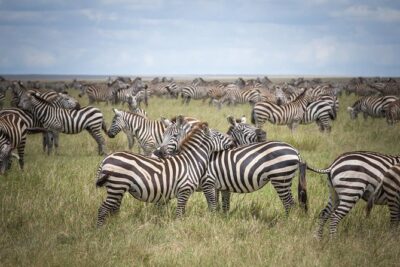
8 Days Great Wildebeest Calving Migration Safari from Arusha
Read our review →Browse the lists this tour appears in