
REVIEW · ARUSHA
3 Days Safari to Serengeti National Park & Ngorongoro Crater in Tanzania
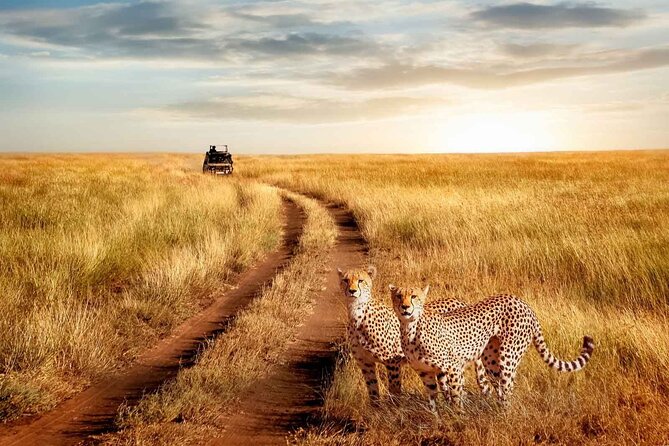
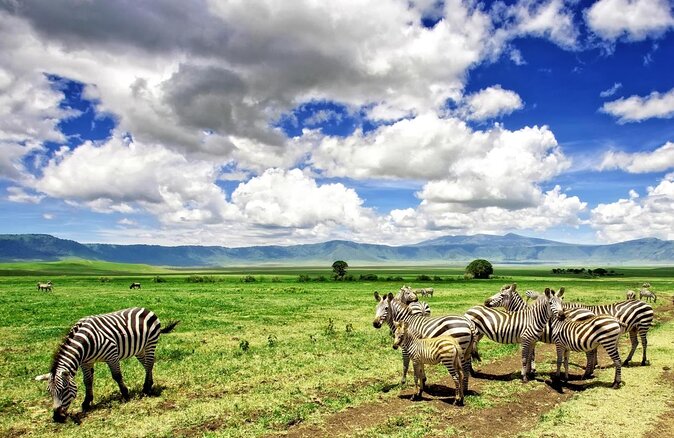
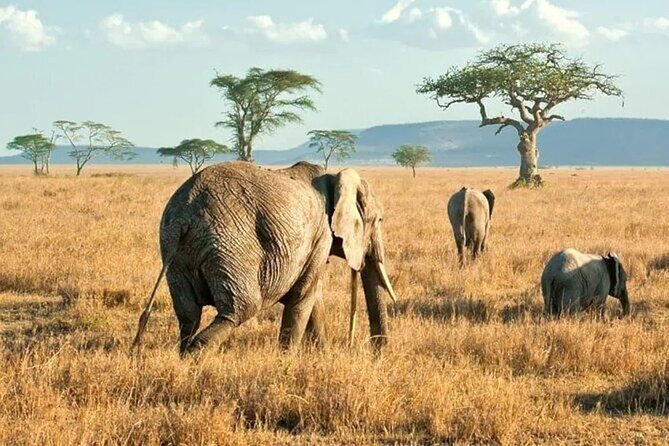
The best part of this three-day safari is the sharp change in scenery: open Serengeti plains, wildlife around the camps, then the steep walls and animal-filled floor of Ngorongoro Crater. You may see lions, cheetahs, zebras, elephants, buffalo, and, if luck is with you, the rare black rhinoceros.
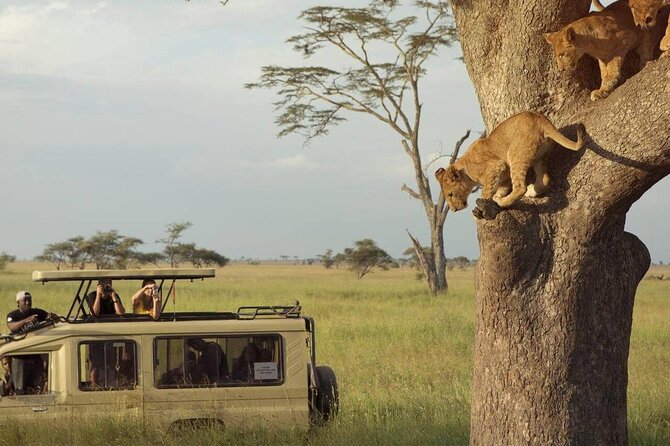
I like the private custom-built 4×4, which gives your group more control over viewing stops, and I like the small maximum of seven people. The guides and cooks are a major part of the experience, with names such as Albert, Bryson, Jordan, Joel, Ismael, Frankie, John, and Mtumishi praised for safe driving, animal knowledge, and good meals.
The tradeoff is time. You cover long distances on rough park roads, with early mornings and several hours in the vehicle each day. At $1,200 per person, this is not a budget outing, but it includes park fees, camping gear, meals, fuel, a private vehicle, and a guide.
Key points at a glance
- Two classic safari areas: Spend time in Serengeti National Park, then descend into Ngorongoro Crater.
- Private vehicle for up to seven: Your group gets a custom-built 4×4 rather than a large shared coach.
- Camping is part of the deal: Tents, sleeping mats, camping furniture, breakfast, lunch, and dinner are included.
- Olduvai Gorge adds human history: A small museum covers major discoveries connected with human evolution.
- Early starts improve wildlife viewing: Breakfast is around 6 a.m. on the first day, with early game drives on the second and third mornings.
- The price includes major costs: National park fees, fuel, vehicle, guide, camping equipment, and listed meals are covered.
Why this safari works in only three days
Three days is enough to sample two of northern Tanzania’s most famous wildlife areas, but it is a fast sample rather than a leisurely safari. You leave Arusha early, spend your first day reaching the Serengeti, use the second day to combine wildlife viewing with the move toward Ngorongoro, and devote the final morning to the crater.
That structure keeps the trip focused. You do not spend the entire visit in one park, and the contrast between Serengeti and Ngorongoro gives the experience variety. The downside is that travel time takes up a large share of the trip. The first day is listed as about nine hours, the second about eight, and the crater visit about six.
I would choose this trip if you have limited time in Tanzania and want the two major names on your first safari. If you can spare more days, a longer trip would allow slower game drives and less time packing, checking out, and driving between areas.
More National Park Safaris in Arusha
- 5-Day Highlights mid-Range Crater, Serengeti, Tarangire
★ 5.0 · 296 reviews - Private 6-Day Tarangire Manyara Crater and Serengeti with Mid-Range Lodges
★ 5.0 · 238 reviews - 5 Days Camping Tarangire, Serengeti & Ngorongoro crater & Visiting Maasai
★ 5.0 · 229 reviews
Day 1: From Arusha to the open Serengeti
The first morning begins early. You are expected to have breakfast at about 6 a.m., with hotel pickup around 7 a.m. From Arusha, you drive toward Serengeti National Park with a packed or picnic lunch.
The Serengeti covers about 14,763 square kilometres, or 5,700 square miles. That scale matters. You are not entering a small animal enclosure where every sighting is arranged for you. Wildlife is spread across a huge natural area, and your guide must read the conditions, communicate with other vehicles, and judge where to spend time.
The park is home to lions, leopards, elephants, cheetahs, buffalo, zebras, wildebeest, eland, wild dogs, gazelles, crocodiles, and many other species. The animal you most want to see may not appear, and that uncertainty is part of a real safari. On the other hand, the open country gives you a good chance of seeing several species in one outing.
The first day is both exciting and tiring. You get your first game drive, but you also spend much of the day on the road. Pack water, sun protection, and something warm for the vehicle. The supplied picnic lunch keeps the schedule moving, so do not expect a long restaurant stop.
Your guide makes a big difference here. The named guides associated with this experience include Albert, Frankie, Jordan, Joel, Ismael, and Bryson. Strong guiding means more than pointing at an animal. It includes explaining animal behaviour, answering questions, choosing a safe viewing position, and driving carefully on rough roads.
Day 2: Early wildlife, Olduvai Gorge, and the road to Ngorongoro
Day two begins at about 6 a.m. with an early game drive. This is one of the most useful features of the schedule. Morning drives give you more time in the park before the day’s long transfer, and the cool hours are a sensible time to search for predators and grazing animals.
The Serengeti section of the trip is built around the relationship between prey and predators. Wildebeest and zebras may share open ground with lions, while leopards and cheetahs are also found in the region. The exact sightings cannot be promised, but this is the day when you have the best chance to see the park’s famous big cats.
After the morning drive, you return to camp for breakfast, then check out and continue with lunch and wildlife viewing along the way. This combination is efficient, but it can feel busy. You are not simply relaxing at camp after breakfast. You are packing, driving, stopping for wildlife, and changing base.
Olduvai Gorge adds an important second theme. A small museum presents archaeological discoveries linked with Louis and Mary Leakey, whose work helped bring early human evolution to public attention. For me, this is more than a filler stop between parks. It gives the journey a human story alongside the animal story.
Expect Olduvai to appeal most if you enjoy archaeology, science, or the question of how humans developed. The stop is not described as a long museum visit, so keep your expectations realistic. Its value is in connecting the scenery around you with major discoveries about early human life.
The day ends at the Ngorongoro Crater Rim. The change in altitude and scenery helps make the second night distinct from the first. You finish with a sense that the trip is moving from the wide Serengeti to a more enclosed wildlife setting.
Day 3: Down into Ngorongoro Crater
On the final morning, you eat breakfast early and drive to the crater entrance. Around 7 a.m., the vehicle descends to the crater floor for game viewing.
Ngorongoro Crater is about 19.2 kilometres in diameter, 610 metres deep, and covers roughly 304 square kilometres. Its high walls create a striking setting, while the floor supports a large concentration of animals. You may see lions, leopards, buffalo, elephants, and rhinoceros, along with many other mammals.
This is the best part of the tour for anyone hoping to see the Big Five in one protected area. It is important to keep that phrase in perspective. Seeing all five is never guaranteed, especially the leopard and black rhinoceros. Still, the crater offers a strong chance to see a wide range of wildlife during a relatively compact game drive.
The schedule also includes fresh springs and a soda lake. The lake can attract flamingos, while the wider crater supports geese, storks, vultures, and other birds. These details matter because the crater is not only about large mammals. Look up and across the water as well as toward the grass.
Lunch is taken at the Ngoitoktok spring picnic site. This is a practical stop during the crater drive, but keep food secure and follow your guide’s instructions. You are in a wild setting, not a conventional picnic park.
The crater visit lasts about six hours. That is enough time for a substantial game drive, but it is not a full day in the crater. You should expect the morning to feel concentrated, with a steady run of wildlife viewing followed by the return to the meeting point.
More National Park Safaris in Tanzania
- 4 Days Join Group tour Tarangire Serengeti and Ngorongoro crater
★ 5.0 · 219 reviews - 4 Days Tarangire Serengeti Ngorongoro Crater
★ 5.0 · 117 reviews - 5 Days Tanzania Group Joining Safari, Tarangire/Serengeti/Ngorongoro Crater
★ 5.0 · 85 reviews - 5 day safari Tarangire Serengeti and Ngorongoro crater
★ 5.0 · 83 reviews
What camping adds to the experience
Camping keeps the cost below a lodge-based safari and places you closer to the basic rhythm of a park visit. The package includes tents, sleeping mats, camping furniture, breakfasts, two lunches, and two dinners.
This is not the choice for you if you want a polished lodge room, a private bathroom, or a slow evening with hotel service. The supplied information does not specify the exact campsite facilities, tent style, or room arrangements, so confirm those details before booking if comfort is a priority.
The food appears to be one of the stronger parts of the operation. Cooks named John and Mtumishi received particular praise for keeping groups well fed, and the meals are included rather than added on during the trip. That is helpful on a schedule with long drives and early starts.
Camping also means you should pack with restraint. Bring practical layers, comfortable clothes, a torch if you use one, sun protection, and personal toiletries. Those items are personal expenses, not part of the package. The exact camping conditions can vary, so ask the operator what is supplied beyond the listed equipment.
Private vehicle and group size
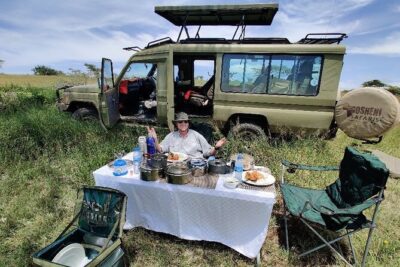
The private 4×4 is one of the clearest reasons to consider this tour. The vehicle is custom built for safari viewing, and the maximum group size is seven people. That gives you more room and a better chance of getting a clear view than a larger bus would provide.
A private vehicle does not mean you can control every sighting. Park rules, road conditions, animal movement, and other vehicles still affect the day. But it should make it easier to stop for questions, adjust the pace, and spend more time at a worthwhile sighting.
The driver-guide is central to the trip. Names connected with the operation include Albert, Bryson, Jordan, Joel, Ismael, and Frankie. The strongest descriptions focus on safe driving, animal behaviour, answering questions, and knowing where to look. Ask at booking whether a particular guide can be requested, since the supplied details do not promise a specific person.
The vehicle also has a practical cost. A private safari vehicle, fuel, park fees, and a guide are expensive components in Tanzania. The $1,200 price is easier to justify if you fill the vehicle with a small group and value privacy. For a solo visitor or couple, the price may feel high compared with a larger shared departure.
Is $1,200 per person good value?
The price includes more than transportation. You receive:
- Private custom-built 4×4 transport
- Fuel
- English-speaking driver-guide
- National park fees
- Camping equipment
- Two breakfasts, two lunches, and two dinners as listed
- Pickup from Arusha
- Return to the meeting point
International flights, a Tanzanian visa, travel insurance, tips, laundry, communication, and personal spending are not included. Those extra costs belong in your budget from the start.
I see this as a midrange camping safari rather than a luxury trip. You are paying for access to two major parks, a private vehicle, and a small group, while accepting basic accommodation and long road days. The value is strongest if your priority is wildlife and private transport, not comfort.
The high satisfaction rate and 4.9 rating from 34 submitted ratings suggest a strong record, especially for guides, food, organization, and wildlife sightings. Still, animal encounters are never guaranteed, and a high rating cannot change the physical demands of the trip. You should judge the price against the full package, not just the number of days.
Who should book it?
This safari suits you if you:
- Have only three days available from Arusha
- Want both Serengeti and Ngorongoro
- Prefer a small private group
- Are comfortable with camping
- Enjoy early mornings and long drives
- Want a guide who can explain animals and answer questions
- Value included park fees and meals
It can also work well for a family’s first safari. Children have enjoyed seeing lions and zebras, and the guides can explain animal behaviour in a way that keeps younger people interested. Parents should think carefully about the early starts, vehicle time, and camping conditions.
I would not choose it if you want an easygoing lodge holiday or a slow photographic expedition. The schedule is packed, and you have little spare time if a drive runs late or you want to linger at one place.
Booking details worth checking
Pickup is offered from Arusha, and the activity returns to the starting meeting point. Confirmation is provided at booking, and the experience is listed as suitable for most people. It is also near public transportation.
The cancellation rule is simple: cancel at least 24 hours before the local start time for a full refund. Cancellations or changes made less than 24 hours ahead are not accepted for a refund.
Before paying, I would confirm the exact hotel pickup point, campsite names, sleeping arrangements, and whether the listed meals match your departure dates. The published schedule gives clear times for the main activities, but it does not provide every camp facility or road detail.
Should you book this Serengeti and Ngorongoro safari?
Book it if you want a focused first safari with the two headline destinations, a private 4×4, and a small group. The strongest value comes from the combination of park fees, fuel, camping gear, meals, and a guide included in the $1,200 price.
Think twice if you dislike rough roads, early starts, or basic camping. Three days gives you a memorable sample, but not much breathing room. For a first look at Tanzania’s wildlife, the plan is efficient and appealing. For comfort or a slower pace, add days or choose lodge accommodation.
FAQ
Where does the safari start and end?
The safari starts in Arusha, Tanzania, with pickup offered. The activity ends back at the meeting point.
How many people can join the tour?
The maximum group size is seven travelers.
Is the safari private?
Yes. The package includes a private 4×4 custom-built safari vehicle, fuel, and a driver-guide.
What meals are included?
Breakfast, two lunches, and two dinners are included in the package details.
Is camping equipment provided?
Yes. Tents, sleeping mats, camping furniture, and other listed camping equipment are included.
What is not included in the price?
International flights, a Tanzanian visa, tips, personal expenses such as laundry and communication, and travel insurance are not included.
More 3-Day Experiences in Arusha
- 3 Days Serengeti & Ngorongoro Group Camping Safari
★ 5.0 · 574 reviews - 3-Day Classic Serengeti Safari
★ 5.0 · 263 reviews - 3 Days Tarangire, Ngorongoro & Lake Manyara Group Camping Safari
★ 5.0 · 102 reviews - 3 Days Private Safari – manyara, Ngorongoro & Tarangire
★ 5.0 · 94 reviews
Just added around Arusha
- 6 days Tanzania budget safari★ 5.0 · 65 reviews
- 7 days great migration safari★ 5.0 · 77 reviews
- serengeti, ngorongoro & tarangire 5days private tour★ 5.0 · 77 reviews
- 5 days safari, hiking & culture (Serengeti & kilimanjaro)★ 5.0 · 27 reviews
- 5-Day Mid-Range Safari in Tanzania★ 5.0 · 33 reviews
- 4 days safari★ 5.0 · 34 reviews
- serengeti & ngorongoro 3 days private tour★ 5.0 · 15 reviews
- serengeti, ngorongoro & tarangire 4 days private tour★ 5.0 · 18 reviews
Arusha Safaris, compared.
Balloon Safari & Bush Breakfast in Serengeti – Miracle Experience
Read our review →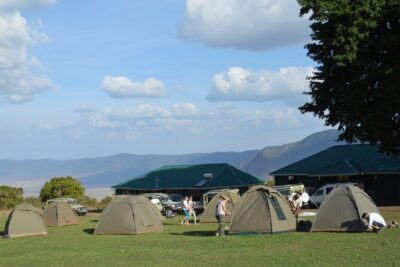
3 Days Serengeti & Ngorongoro Group Camping Safari
Read our review →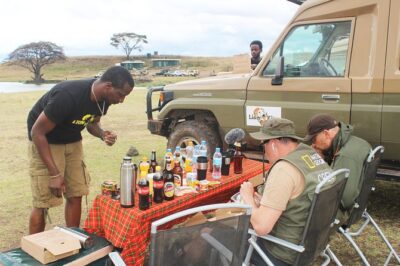
7-Day Premium Luxury Tanzania Safari All-Inclusive
Read our review →
5-Day Highlights mid-Range Crater, Serengeti, Tarangire
Read our review →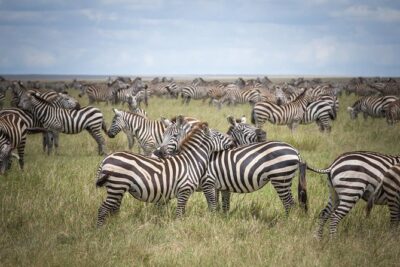
8 Days Great Wildebeest Calving Migration Safari from Arusha
Read our review →Browse the lists this tour appears in