
REVIEW · ARUSHA
3 Days Safari Serengeti & Ngorongoro Crater
The great appeal here is the amount of wildlife packed into three days. You move from the open Serengeti to the enclosed Ngorongoro Crater, giving you two very different settings for finding lions, elephants, buffalo, zebra, wildebeest, cheetahs, hippos, hyenas, and, with luck, black rhino. I like the small maximum group of six and the fact that tents, sleeping gear, park fees, and all listed meals are included.
I also like that the guides, including Assad, Mike, and David on different departures, are closely involved in spotting animals and explaining what you see. The main drawback is the long first day: the drive from Arusha to the Serengeti takes about eight hours, and this is a real camping trip rather than a soft lodge holiday.
Key points before you book
- Two famous parks in three days: You see the Serengeti and Ngorongoro Crater without committing to a longer safari.
- Early starts matter: Breakfast is around 6:30 a.m. on Day 2, and the crater descent begins around 6:15 a.m. on Day 3.
- Camping gear is supplied: Tents, sleeping bags, and mattresses are included, along with two nights at camp.
- Meals are covered: The package includes three lunches, two breakfasts, and two dinners.
- Small-group format: The vehicle holds no more than six participants, which helps with visibility and conversation.
- Optional cultural stop: You can visit a Maasai village near the Ngorongoro area, but the village visit is not compulsory.
Two parks, one fast-moving safari
This trip is designed for you if you want the main northern Tanzania safari experience but have only three days. It is not a slow, leisurely circuit. Day 1 is mostly a transfer, Day 2 combines a morning game drive with a move toward Ngorongoro, and Day 3 puts you on the crater floor before returning to Arusha.
That tight schedule has a clear benefit. You get access to two of Tanzania’s most famous wildlife areas in one short trip. The tradeoff is time in the vehicle. The first drive alone takes about eight hours, including stops, so you should think of this as an efficient safari rather than a restful break.
The price is $750 per person. For that amount, the package covers park entrances and taxes, camping equipment, the safari vehicle fees, and the listed meals. Flights, visas, and tips are separate. I consider that a solid value for a budget safari because park fees and transport can make up a large share of the cost, but you should compare the camping setup and exact departure arrangements before paying a premium for extras that are not included.
More National Park Safaris in Arusha
- 5-Day Highlights mid-Range Crater, Serengeti, Tarangire
★ 5.0 · 296 reviews - Private 6-Day Tarangire Manyara Crater and Serengeti with Mid-Range Lodges
★ 5.0 · 238 reviews - 5 Days Camping Tarangire, Serengeti & Ngorongoro crater & Visiting Maasai
★ 5.0 · 229 reviews
Day 1: The long road from Arusha to the Serengeti
After breakfast, you leave Arusha for the Serengeti. The journey takes about eight hours, with the route passing through the Ngorongoro Conservation Area. This is the least wildlife-focused day, but it gives you a first look at the scale of northern Tanzania.
The route includes a short stop at the Ngorongoro Crater gate and viewpoint. You have about 20 minutes to look down into the crater, and even this brief pause can be memorable. From above, the crater appears as a huge natural bowl, with the floor far below and steep sides enclosing one of Africa’s best wildlife areas.
Do not expect a full crater visit on this first day. The detailed crater game drive comes on Day 3. This stop is mainly for orientation and photographs, and the short time limit means you should be ready to leave promptly.
An optional Maasai village visit is also offered along the way. This gives you a chance to learn about Maasai culture, including older traditions surrounding warrior status, livestock, hunting, and ceremonial practices. The description notes that some traditions have changed, while the practice of drinking animal blood still exists in some form.
I would treat this stop as a choice, not an obligation. If cultural contact is important to you, it can add a human side to a wildlife itinerary. If you are focused on getting to the Serengeti, you may prefer to use the time for the long transfer. Ask how much time the visit will take before deciding, since the published schedule gives a broad duration rather than a precise village timetable.
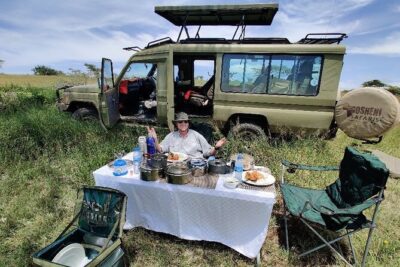
Once you reach the Serengeti, you settle into the camping routine. Camping equipment is supplied, including a tent, sleeping bag, and mattress. You do not need to transport your own safari tent, which makes this option easier for people arriving in Tanzania with ordinary luggage.
Day 2: Early wildlife viewing in the Seronera area
The second day begins with breakfast at about 6:30 a.m., followed by an early game drive around Seronera. This is the day when the safari feels most like the classic Serengeti experience: open country, a broad horizon, and long periods spent watching for movement.
The morning drive continues until afternoon, when you return to camp for lunch and begin packing. You then continue with a game drive while leaving the Serengeti, heading toward Simba Campsite near the Ngorongoro Crater rim. The transfer from the Serengeti toward camp takes about two hours.
This arrangement is useful because you do not lose the whole day to a transfer. You get a morning wildlife drive, a meal, and more animal viewing as you leave the park. The downside is that packing and moving camp can make the day feel busy. Keep anything you need during the drive in a small day bag rather than buried in your main luggage.
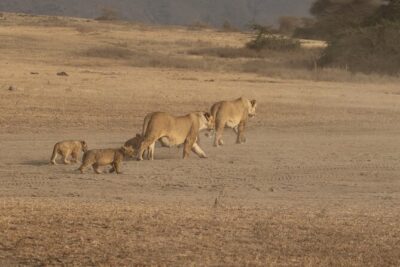
The Seronera area is known for broad wildlife viewing, and the trip’s past departures have included sightings of lions, cheetahs, leopards, giraffes, zebras, elephants, buffalo, wildebeest, crocodiles, antelope, gazelles, hyenas, baboons, hippos, and many birds. No safari can promise a particular animal, but the combination of two parks gives you more chances than staying in one area.
The guide makes a real difference here. Assad is repeatedly associated with careful animal spotting and detailed explanations, while Mike and David have also led departures. Guides are not just drivers on a safari. They watch the behavior of other vehicles, scan the grass, identify tracks and movement, and decide when to stop. The best moments often begin with something small that you would have missed without an experienced eye.
You spend the night at Simba Campsite near the crater rim. The schedule notes that animals can sometimes be seen around campsites, which is a useful reminder to stay alert and follow camp instructions. You are in a wildlife area, not a fenced hotel compound.
Day 3: Black rhino country in Ngorongoro Crater
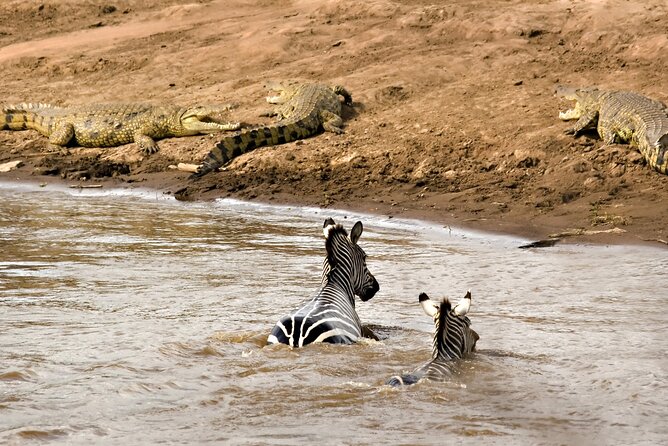
Day 3 starts early, with breakfast followed by a descent into the Ngorongoro Crater at about 6:15 a.m. The timing is important. An early start gives you more time on the crater floor and puts you there before the day becomes too advanced.
The main target is the black rhino. Rhinos are described as the hardest major animal to spot in the crater, so you should see this as a search rather than a promise. A good guide can help, but wildlife remains unpredictable. You may find the rhino, or you may spend time scanning the open floor and seeing many other species instead.
The crater’s shape makes wildlife viewing feel different from the Serengeti. The animals are concentrated on a broad floor surrounded by steep walls, and the area can make it easier to find several species during a single drive. You might see lions, buffalo, elephants, hippos, zebra, wildebeest, hyenas, birds, and other animals in a relatively compact area.
After the first game drive, lunch is included, followed by more wildlife viewing. You then ascend the crater, return to camp, pack up, and travel back to Arusha. Airport transfer after the safari is included depending on your flight time, so you should give the operator your exact departure details before the trip.
Do not book a very tight same-day flight without confirming the return schedule. The itinerary includes several moving parts: the crater drive, lunch, the ascent, camp packing, and the journey to Arusha. The airport transfer helps, but it does not remove the risk of delays caused by road conditions, animal sightings, or the pace of the group.
More National Park Safaris in Tanzania
- 4 Days Join Group tour Tarangire Serengeti and Ngorongoro crater
★ 5.0 · 219 reviews - 4 Days Tarangire Serengeti Ngorongoro Crater
★ 5.0 · 117 reviews - 5 Days Tanzania Group Joining Safari, Tarangire/Serengeti/Ngorongoro Crater
★ 5.0 · 85 reviews - 5 day safari Tarangire Serengeti and Ngorongoro crater
★ 5.0 · 83 reviews
What the camping setup really means
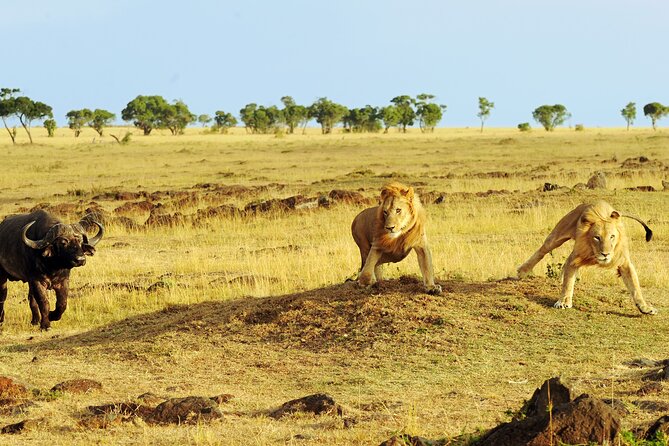
Camping keeps the cost down and puts you close to the parks. You receive a tent, sleeping bag, and mattress, so this is not a backpacking trip where you must carry a full sleeping system. Even so, you should be comfortable with basic camp conditions and early mornings.
The package includes two dinners, two breakfasts, and three lunches. A chef travels with some departures, and the food receives strong praise in the supplied experiences. Dishes are described as a major part of the trip, which matters because meals are not just fuel after a long game drive. A warm dinner and a proper breakfast can make a big difference when you are tired and waking before sunrise.
The information does not specify the exact menu, tent size, toilet arrangement, or shower facilities. Ask those questions before departure if they matter to you. You can safely expect supplied camping equipment and included meals, but you should not assume lodge-style facilities.
Pack light, but bring layers. The mornings can feel different from the warmer middle of the day, and you will spend many hours sitting in the vehicle. A hat, sunscreen, water bottle, sturdy shoes, and a small bag for camera equipment are practical choices. These are general safari needs rather than special requirements stated by the operator, so confirm any packing advice directly before leaving.
Why the small group size matters
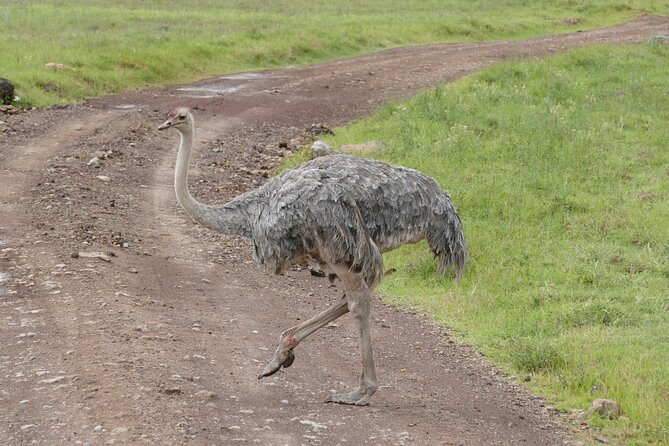
The maximum group size is six people. That is a good limit for a game-drive vehicle because everyone has a better chance of seeing through an open window or from the roof area, depending on the vehicle setup.
A small group also makes the guide’s job easier. You can ask more questions, agree on how long to watch an animal, and avoid the rushed feeling that can come with a large group. It is especially useful on a three-day schedule, where each game drive carries more weight.
The tradeoff is that the tour may require a minimum number of participants to operate. If that minimum is not reached, the date may be changed or the experience canceled with a full refund. Confirm the departure status if your wider Tanzania itinerary is tightly fixed.
The guide can shape the whole experience
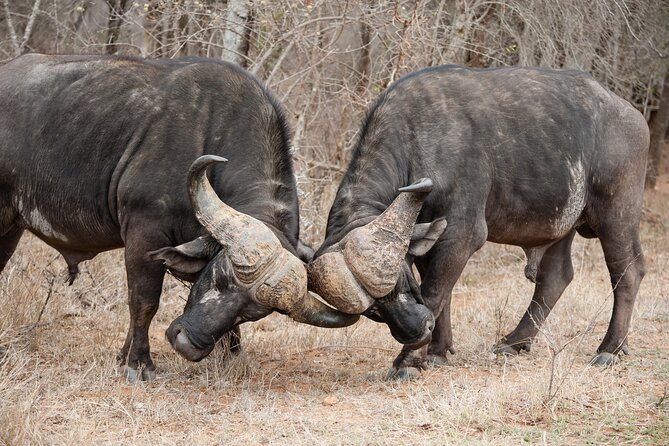
The strongest part of this trip is likely to be the guide and driver. Assad is named frequently in the supplied experiences, and his role includes organizing details, briefing participants, driving, and spotting animals. Mike and David are also associated with successful departures.
Descriptions of the guides emphasize their care, animal spotting, route decisions, and explanations of fauna and flora. One guide is credited with finding lions, cheetahs, and black rhinos, while another is praised for making the trip feel personal and handling a slight early mix-up well.
That does not mean you should expect a specific guide unless the operator confirms one. Instead, ask who will lead your departure and whether the same person will drive and guide. It is also worth asking about the vehicle, since the supplied experiences refer to a four-wheel-drive safari vehicle.
Who should book this safari?
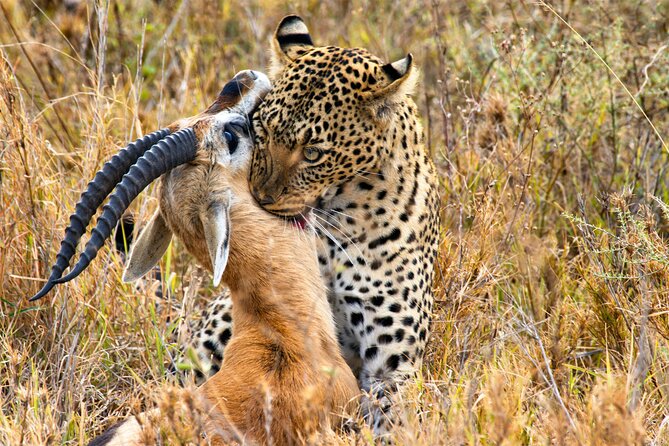
I would recommend this trip to you if you want the classic Serengeti and Ngorongoro combination at a moderate price. It suits first-time safari visitors, couples, small groups, and anyone who wants meals, park fees, and camping gear bundled into one booking.
It also suits people who care more about wildlife time than polished accommodation. The itinerary is active, the drives are long, and the early starts are firm. You need to be ready for dust, hours in a vehicle, simple camping, and a schedule that keeps moving.
I would be more cautious if you want a relaxed luxury safari, private lodge rooms, or a flexible pace. Three days is enough for an excellent introduction, but it does not allow much room for weather problems, missed wildlife sightings, or extra time at a favorite location.
The optional Maasai village visit makes the trip useful for people who want more than animals and scenery. Still, ask about the exact format and duration so you know what kind of cultural encounter you are choosing.
Final verdict: a strong short safari with a real camping edge
At $750 per person, this is a good-value route into two major Tanzanian wildlife areas. The included park fees, vehicle fees, meals, tent, sleeping bag, and mattress remove many costs that can surprise you on a budget safari.
I would book it if you accept the long first drive and basic camping in exchange for strong wildlife potential. Confirm the guide, vehicle, camp facilities, airport timing, and Maasai village schedule before payment. If you want the most wildlife in the shortest practical trip, this three-day plan makes sense. If comfort and unhurried travel matter most, choose a longer or more lodge-based itinerary.
Free cancellation is available up to 24 hours before the start time for a full refund. Changes or cancellations inside that window are not accepted for a refund, and all cut-off times use local time.
FAQ
How long is the safari?
The safari lasts approximately three days, beginning in Arusha and returning to Arusha after the Ngorongoro Crater visit.
Which parks are included?
The itinerary includes Serengeti National Park and the Ngorongoro Conservation Area, including a game drive in Ngorongoro Crater.
Is pickup available?
Yes, pickup is offered. The activity also provides a mobile ticket.
How many people can join the tour?
The maximum group size is six participants.
Is camping equipment included?
Yes. Tents, sleeping bags, and mattresses are included for the two camping nights.
Are meals included?
Yes. The package includes three lunches, two breakfasts, and two dinners.
Is the Maasai village visit required?
No. The Maasai village visit is optional.
Are flights and visas included?
No. Flights, visa fees, and tips are not included in the tour price.
More 3-Day Experiences in Arusha
- 3 Days Serengeti & Ngorongoro Group Camping Safari
★ 5.0 · 574 reviews - 3-Day Classic Serengeti Safari
★ 5.0 · 263 reviews - 3 Days Tarangire, Ngorongoro & Lake Manyara Group Camping Safari
★ 5.0 · 102 reviews - 3 Days Private Safari – manyara, Ngorongoro & Tarangire
★ 5.0 · 94 reviews
Just added around Arusha
- 6 days Tanzania budget safari★ 5.0 · 65 reviews
- 7 days great migration safari★ 5.0 · 77 reviews
- serengeti, ngorongoro & tarangire 5days private tour★ 5.0 · 77 reviews
- 5 days safari, hiking & culture (Serengeti & kilimanjaro)★ 5.0 · 27 reviews
- 5-Day Mid-Range Safari in Tanzania★ 5.0 · 33 reviews
- 4 days safari★ 5.0 · 34 reviews
- serengeti & ngorongoro 3 days private tour★ 5.0 · 15 reviews
- serengeti, ngorongoro & tarangire 4 days private tour★ 5.0 · 18 reviews
Arusha Safaris, compared.
Balloon Safari & Bush Breakfast in Serengeti – Miracle Experience
Read our review →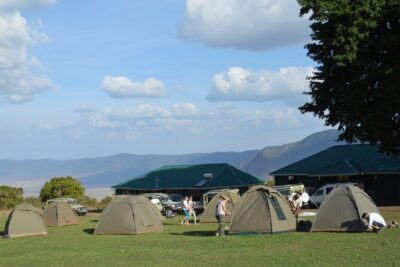
3 Days Serengeti & Ngorongoro Group Camping Safari
Read our review →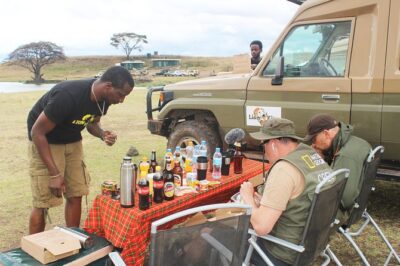
7-Day Premium Luxury Tanzania Safari All-Inclusive
Read our review →
5-Day Highlights mid-Range Crater, Serengeti, Tarangire
Read our review →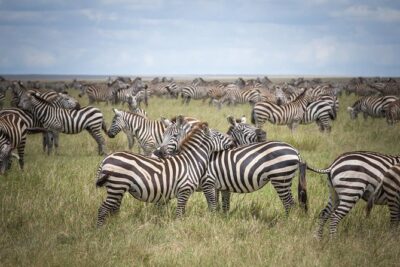
8 Days Great Wildebeest Calving Migration Safari from Arusha
Read our review →Browse the lists this tour appears in