
REVIEW · ARUSHA
3 Days Safari Ngorongoro Crater and Serengeti National Park
Serengeti’s southern grasslands and Ngorongoro Crater make a powerful short safari pairing. In three days, you get open plains, kopjes, hippo habitat, Maasai country, and one of Africa’s best areas for spotting the Big Five.
I like the small group of up to six and the practical camping format, which keeps the price at $810 per person while giving you two full days around famous wildlife areas. I also like the strong attention to communication reported by guests, with Felix and Heavenlight often singled out for quick help before and during the trip.
The tradeoff is time. The drive from Arusha to southern Serengeti takes about six hours and 335 kilometers, and the return journey also eats into your safari time. This is a good introduction, but not a leisurely Serengeti expedition.
Key points at a glance
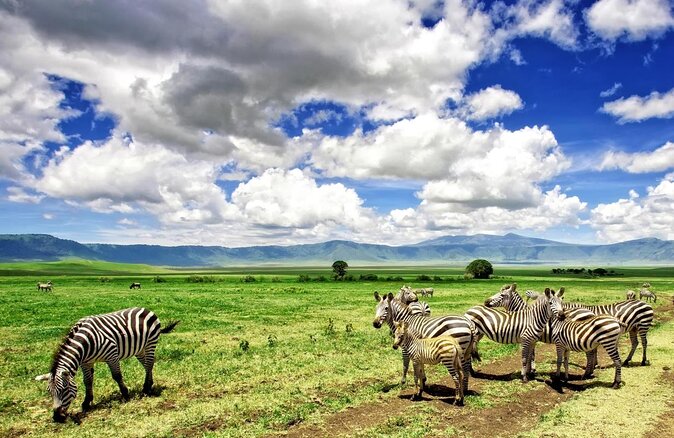
- Southern Serengeti on day one: Search for wildebeest, zebra, gazelle, hartebeest, waterbuck, and impala across year-round grazing areas.
- Central Serengeti on day two: Explore Seronera Valley and Moru Kopjes, where rocks give predators a useful lookout over the plains.
- Ngorongoro on day three: Spend game-drive time in the crater, a compact setting with strong chances for buffalo, hippo, elephants, lions, and rhino.
- Camping keeps the cost down: Two breakfasts, three lunches, and two dinners are included, but tips, visas, and other personal costs are not.
- Up to six people share the vehicle: That is small enough for a personal feel, though the exact group mix can affect comfort.
- Check the start time: The information gives both an 8 a.m. pickup and a 3 p.m. start time, so confirm the exact schedule before paying.
Why this three-day safari works
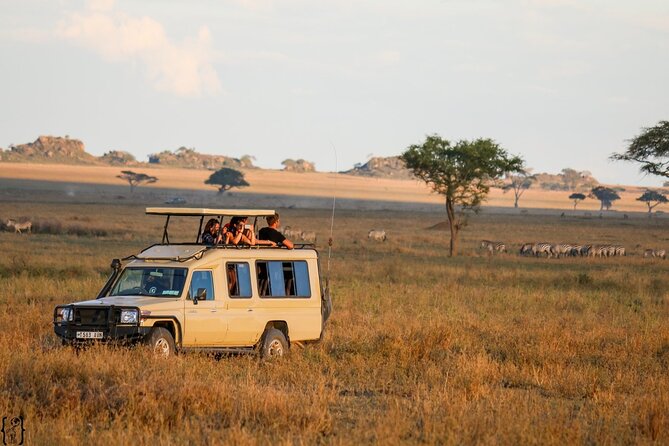
This trip is built around contrast. The Serengeti gives you distance and scale, with grassland running toward the horizon. Ngorongoro gives you a concentrated wildlife setting where animals are easier to search for in a contained area.
That combination makes sense for a first visit to northern Tanzania. You see two of the region’s best-known protected areas without committing to a week-long program. The pace is brisk, but the route packs a lot into a short window.
You should also understand what this is not. It is not a luxury lodge holiday, and it is not a slow photographic safari with long hours at one sighting. It is a basic camping trip, designed to put your money toward park access, transport, food, and game drives.
The advertised price is $810 per person. That is a serious amount of money, but safari costs rise quickly once park fees, fuel, staff, meals, camping equipment, and vehicle operations are involved. For a three-day visit covering both Serengeti and Ngorongoro, the price can offer fair value if seeing these two places matters more to you than a polished room or a relaxed schedule.
More National Park Safaris in Arusha
- 5-Day Highlights mid-Range Crater, Serengeti, Tarangire
★ 5.0 · 296 reviews - Private 6-Day Tarangire Manyara Crater and Serengeti with Mid-Range Lodges
★ 5.0 · 238 reviews - 5 Days Camping Tarangire, Serengeti & Ngorongoro crater & Visiting Maasai
★ 5.0 · 229 reviews
Day one: the long road to southern Serengeti
The published plan begins with breakfast at 7 a.m. and pickup at 8 a.m. from your accommodation in Arusha. From there, you face a roughly six-hour drive covering 335 kilometers toward southern Serengeti, entering through the Ngorongoro gate.
That transfer is the first thing to consider carefully. Six hours in a safari vehicle is a lot, especially on roads that may be rough. The payoff is that you reach the southern part of Serengeti on the same day rather than spending your first night closer to Arusha.
Once inside the park, the game drive covers the southern zone, central areas, and Seronera Valley. The southern plains are known for grazing animals, including wildebeest, zebra, Coke’s hartebeest, waterbuck, Grant’s gazelle, Thomson’s gazelle, and impala.
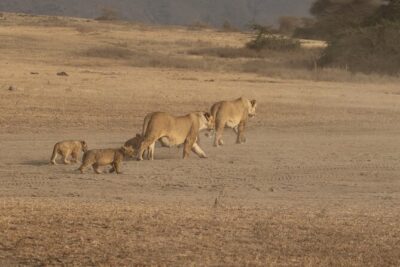
This is useful context for setting expectations. The Serengeti is not just a place to hunt for lions and leopards. Much of the pleasure comes from watching the constant movement of grazing animals and understanding how those herds shape the lives of predators.
You also visit a hippo habitat. Hippos are often less graceful than their famous neighbors, but they are fascinating to watch, especially when several animals gather in water. Keep your camera ready, but listen to the guide as well. The best value in a game drive comes from learning why animals are in a particular place, not simply ticking off names.
The Maasai name for this region, Serengit, means the land of endless plains. You will understand the phrase quickly. The open views are part of the experience, but they also mean shade can be limited and the sun can feel strong. Bring water, sun protection, and clothing that works for a long day in an open vehicle.
Day two: kopjes, elephants, and the Seronera Valley
The second day continues in Serengeti before the route turns toward Ngorongoro. The timing is important because you are not simply driving from one park to another. You get several hours for another game drive, with attention on the central Serengeti.
Central Serengeti is linked with large elephant herds, including matriarchal groups. Elephants offer some of the most rewarding sightings because you can watch social behavior, not just a single animal beside the road.
Moru Kopjes add a different kind of scenery. These granite outcrops rise from the grass like small islands in a broad sea of gold and green. They break up the flat plains and create high points where predators can watch for prey.
The kopjes also bring unusual plant life, including candelabra trees and short-lived flowers that appear after rain. The area is associated with rare black rhinos and with rock art depicting elephants, shields, and abstract designs.
Do not expect every item on that list to appear during your drive. Wildlife sightings depend on season, weather, recent animal movement, and the skill of the guide. A black rhino is a special sighting anywhere, and cheetahs, giraffes, and some other animals are not guaranteed in every part of this route.
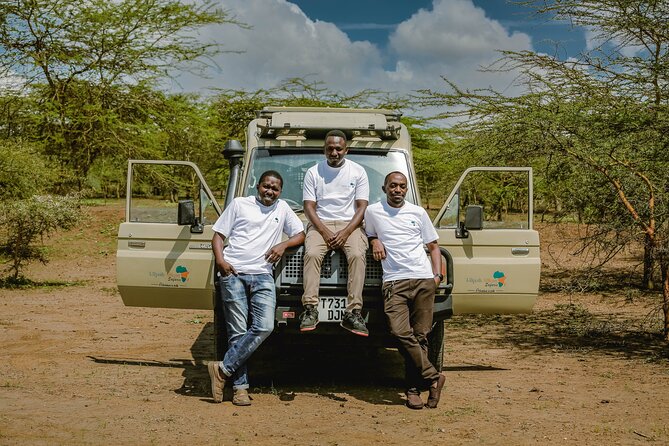
This is where the guide matters most. The operator has used guides named Felix, Simon, Christian, Mike, and Bulldozer on different trips. The strongest descriptions of the service focus on drivers who explain animal behavior and read the road well, not simply drive from one point to the next.
Communication before departure is another practical strength. Heavenlight and Felix are repeatedly associated with fast answers through WhatsApp and phone contact. That can be especially helpful if you are arranging airport pickup, accommodation, or a connection after the safari.
Still, confirm who your actual guide will be. A good guide can improve the trip greatly, but the booking information does not promise a particular person.
Ngorongoro Crater: a concentrated wildlife day
Day three is devoted to the Ngorongoro Conservation Area before the return to Arusha. The area is best known for the crater, a huge enclosed setting where grassland, water, and woodland support many kinds of wildlife.
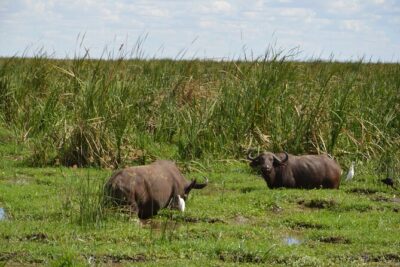
The crater is often a strong choice for a short safari because animals can be easier to search for in one compact area than across the huge Serengeti. You may see wildebeest, gazelle, golden jackal, bat-eared fox, hippo, buffalo, eland, waterbuck, leopard, and other ungulates.
The Big Five are lion, leopard, elephant, buffalo, and rhino. The itinerary describes Ngorongoro as a place where you may see all five in a single day, but you should treat that as a possibility rather than a promise. Leopard and rhino sightings are never something to schedule with certainty.
The crater also has limits. Giraffes, oribi, topi, spotted hyenas, cheetahs, and impalas are rarely seen there. If your main goal is cheetah or giraffe, the Serengeti may be the better part of this trip.
Ngorongoro is not only about animals. Maasai families live in circular homesteads called bomas in the conservation area. The region is also tied to early human evolution and the work of Mary and Louis Leakey.
You should not expect a full cultural visit or a detailed archaeological tour from this three-day program. Still, knowing this background gives the drive more meaning. The area combines wildlife protection, pastoral life, and major evidence about human origins, which makes it more than a simple game-viewing stop.
The final return to Arusha makes day three a long one. You may spend about six hours around the Ngorongoro portion of the plan, but road conditions, park movement, and the distance back can affect the exact arrival time. Avoid booking a tight onward connection on the same evening unless the operator confirms the timing.
More National Park Safaris in Tanzania
- 4 Days Join Group tour Tarangire Serengeti and Ngorongoro crater
★ 5.0 · 219 reviews - 4 Days Tarangire Serengeti Ngorongoro Crater
★ 5.0 · 117 reviews - 5 Days Tanzania Group Joining Safari, Tarangire/Serengeti/Ngorongoro Crater
★ 5.0 · 85 reviews - 5 day safari Tarangire Serengeti and Ngorongoro crater
★ 5.0 · 83 reviews
Camping, food, and daily comfort
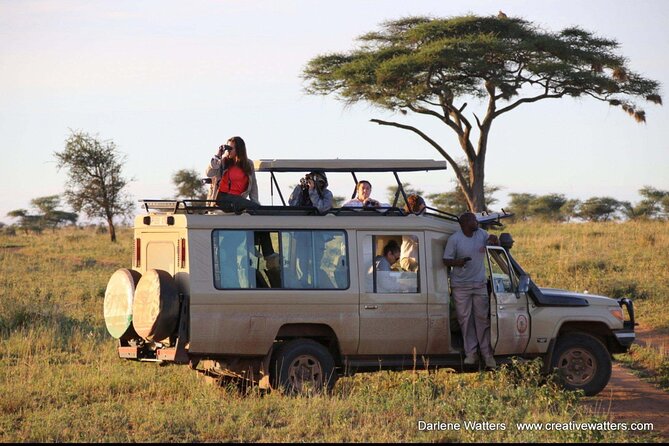
This is basic camping, not a resort-style safari. The price includes two breakfasts, three lunches, and two dinners. The food receives some of the warmest praise in the supplied feedback, with the safari cook often described as a real strength.
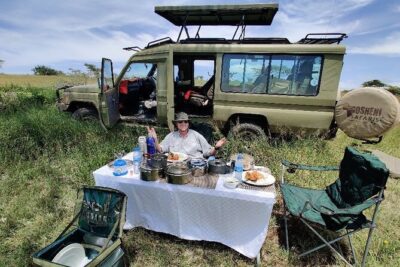
That matters more than it may sound. After hours in a vehicle, a reliable hot meal can make the difference between feeling worn out and feeling cared for. Picnic lunches are part of the experience, and one couple specifically praised the food served at picnic sites.
The information does not spell out every camping detail, so ask before departure about tent setup, sleeping arrangements, showers, toilets, and what bedding is supplied. One booking description refers to sleeping in a tent both nights, while the wider program simply describes a camping expedition.
Pack lightly but sensibly. Useful items include:
- A warm layer for early mornings and evenings
- Sun protection and a hat
- Comfortable closed shoes
- A reusable water bottle
- A small flashlight
- Camera batteries or a power bank
- Insect repellent
- Soft luggage that can fit in the vehicle
Camping helps keep the safari affordable, but it also means less privacy and fewer comforts than a lodge-based itinerary. If you sleep poorly outdoors or need a private bathroom, ask about a lodge upgrade before booking.
Group size and the vehicle experience
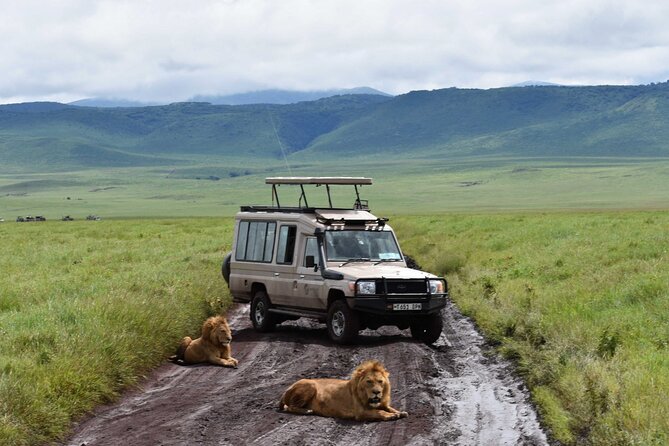
The maximum group size is six people. That is a useful limit for a safari because you are not sharing the vehicle with a large crowd. You should have a reasonable chance to see out of both sides, and the guide can usually respond to individual questions.
The actual comfort depends on the vehicle and the group. Six adults with bags and camera gear can feel close during long drives. Ask how many people are booked for your departure and whether the vehicle has a roof hatch or openable windows, since the supplied details do not confirm those features.
The driver is central to the experience. Several accounts describe guides who were friendly, helpful, and good at explaining animals and scenery. Christian, Simon, Felix, Bulldozer, and Mike are names connected with past departures, but your assigned guide may be different.
A joined safari also means you share decisions. One person may want to wait longer at a lion sighting while another wants to move on. A good guide can balance the group, but you should be comfortable with a shared schedule.
The main value of the $810 price
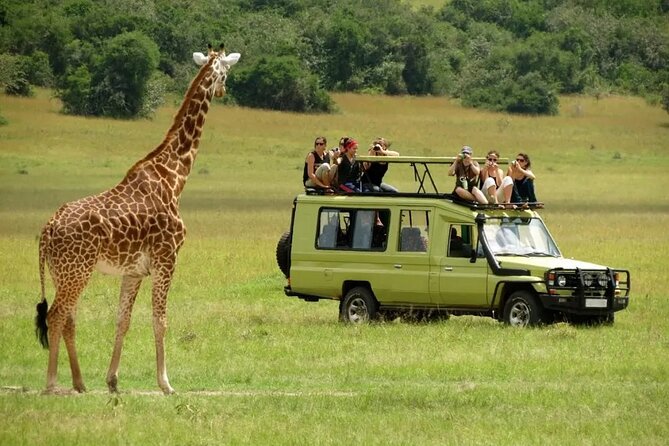
At $810 per person, this safari suits someone who wants the classic northern Tanzania route without paying for a high-end camp. You get Serengeti, Ngorongoro, camping, meals, transport from Arusha, and a small group.
The value is strongest if you have only three days and want maximum access to major parks. It is weaker if you want long, quiet hours in the Serengeti or a comfortable base each night.
Remember that tips for the driver-guide and safari cook are not included. Visas are also excluded. The final budget should include those costs, plus any extra accommodation or airport transfers that are not part of your confirmation.
The trip is often booked around seven days ahead. That gives you a little planning room, but I would not leave every detail until the last minute, especially in busy travel periods. Confirm your pickup place, the 3 p.m. start-time reference, and the exact camping arrangements.
Free cancellation is available if you cancel at least 24 hours before the local start time. Changes or cancellations within 24 hours are not accepted for a refund.
Who should book this safari
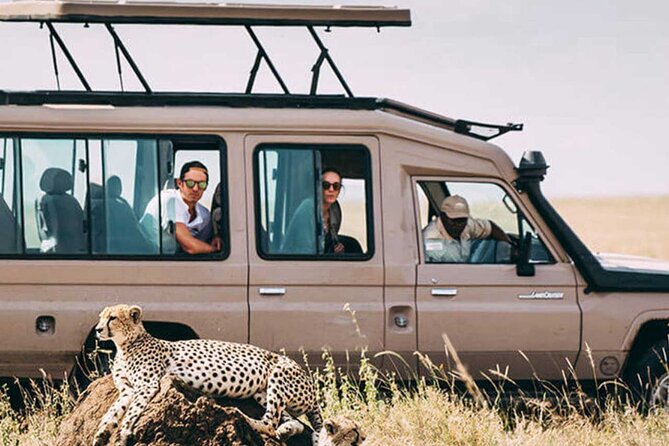
I would recommend this trip to you if you want:
- A first taste of Tanzania’s northern parks
- A small shared group rather than a large coach
- Camping instead of expensive lodges
- A good chance to see many common African animals
- A short program that includes both Serengeti and Ngorongoro
- Practical support through WhatsApp before departure
I would hesitate if you want a relaxed trip with little driving. The first transfer is long, the final day includes the return to Arusha, and the schedule leaves limited room for delays.
I would also choose a longer safari if your priority is the Great Migration, cheetahs, leopards, or photography. Three days can produce remarkable sightings, including the Big Five, but wildlife does not follow a script.
Should you book it?
Book this three-day safari if you want a compact, good-value introduction to Serengeti and Ngorongoro and you are comfortable with basic camping and long road hours. The small group, included meals, helpful communication, and experienced guide names associated with the operator are meaningful advantages.
Before you commit, get three details in writing: your exact pickup and start time, the camping setup, and the number of people in your vehicle. If those answers suit you, $810 can buy a memorable introduction to northern Tanzania. If comfort and extra time matter more than budget, add days or choose lodge accommodation.
FAQ
How long is the safari?
The experience lasts approximately three days.
Where does the safari begin?
It begins in Arusha, Tanzania, with pickup offered from your accommodation.
What parks and protected areas are included?
The route includes Serengeti National Park and the Ngorongoro Conservation Area.
How long is the drive from Arusha to Serengeti?
The first drive is listed as about six hours and 335 kilometers.
What animals might I see?
Possible sightings include wildebeest, zebra, gazelle, hartebeest, waterbuck, impala, elephants, hippos, buffalo, eland, lions, leopards, rhinos, jackals, bat-eared foxes, and other ungulates.
Can I see the Big Five?
The safari offers the possibility of seeing lion, leopard, elephant, buffalo, and rhino. Sightings are not guaranteed.
Is camping included?
The experience is described as a camping expedition, with two nights in tents indicated in the program details. Confirm the exact camping setup before departure.
Are meals included?
Yes. The package includes two breakfasts, three lunches, and two dinners.
How many people can join the safari?
The maximum group size is six people.
Are tips and visas included?
No. Tips for the driver-guide and safari cook are not included, and visas are also excluded.
More 3-Day Experiences in Arusha
- 3 Days Serengeti & Ngorongoro Group Camping Safari
★ 5.0 · 574 reviews - 3-Day Classic Serengeti Safari
★ 5.0 · 263 reviews - 3 Days Tarangire, Ngorongoro & Lake Manyara Group Camping Safari
★ 5.0 · 102 reviews - 3 Days Private Safari – manyara, Ngorongoro & Tarangire
★ 5.0 · 94 reviews
Just added around Arusha
- 6 days Tanzania budget safari★ 5.0 · 65 reviews
- 7 days great migration safari★ 5.0 · 77 reviews
- serengeti, ngorongoro & tarangire 5days private tour★ 5.0 · 77 reviews
- 5 days safari, hiking & culture (Serengeti & kilimanjaro)★ 5.0 · 27 reviews
- 5-Day Mid-Range Safari in Tanzania★ 5.0 · 33 reviews
- 4 days safari★ 5.0 · 34 reviews
- serengeti & ngorongoro 3 days private tour★ 5.0 · 15 reviews
- serengeti, ngorongoro & tarangire 4 days private tour★ 5.0 · 18 reviews
Arusha Safaris, compared.
Balloon Safari & Bush Breakfast in Serengeti – Miracle Experience
Read our review →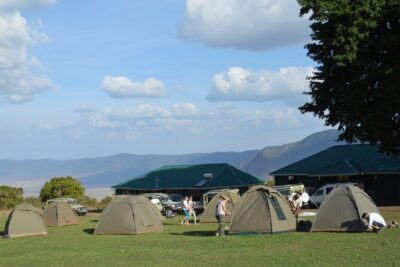
3 Days Serengeti & Ngorongoro Group Camping Safari
Read our review →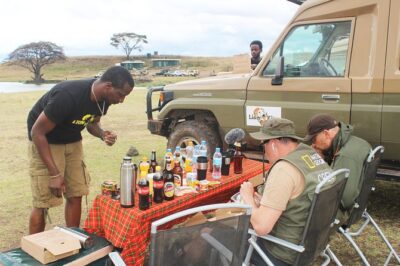
7-Day Premium Luxury Tanzania Safari All-Inclusive
Read our review →
5-Day Highlights mid-Range Crater, Serengeti, Tarangire
Read our review →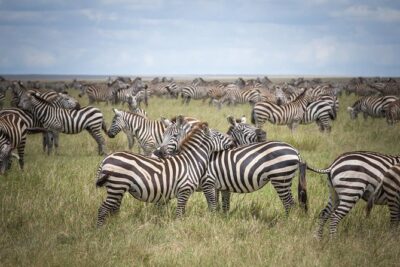
8 Days Great Wildebeest Calving Migration Safari from Arusha
Read our review →Browse the lists this tour appears in