
REVIEW · ARUSHA
Multi-Day Camping Safari Experience in Arusha
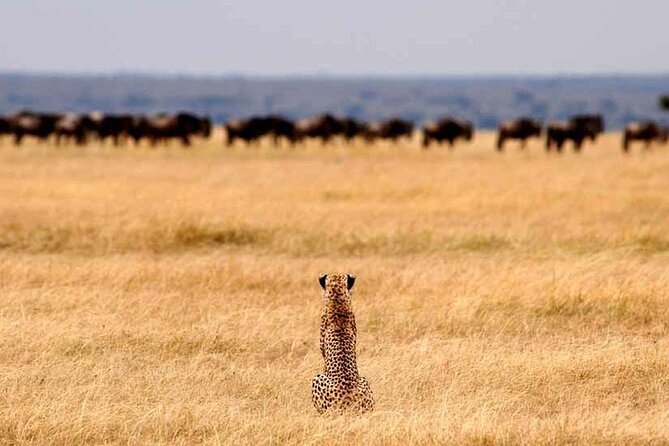
The main reason to choose this safari is its focus on wildebeest calving in Ndutu, usually from December through April. In the best weeks, the short-grass plains fill with wildebeest and zebra, while lions, cheetahs, hyenas, and leopards watch for newborn calves. You also get Tarangire, Ngorongoro Crater, and Lake Manyara in one six-day circuit.
I like the small group limit of six and the pop-up roof jeep, which gives you a better chance to see and photograph wildlife. I also like that meals, water, park fees, and camping are included, so the price is easier to judge. The catch is the long driving days, basic camping, and a schedule that tries to cover a lot of northern Tanzania in less than a week.
Key points at a glance
- Calving season in Ndutu: The strongest reason to book is the chance to see huge herds and newborn wildebeest between December and April.
- Three major parks and areas: The route includes Tarangire, southern and central Serengeti, Ngorongoro Crater, and Lake Manyara.
- Maximum of six people: A small vehicle group makes it easier to see out of the jeep and speak with your guide.
- Camping with practical inclusions: A pop-up roof jeep, drinking water, six breakfasts, six lunches, five dinners, fees, and onboard WiFi are included.
- Guides with strong service feedback: Robert, Swalehe, and Raymond are names connected with the operation, with particular praise for guiding, communication, and meal quality.
- A packed program: You get a lot for the price, but expect early starts, rough roads, long drives, and modest sleeping arrangements.
Why Ndutu is the heart of this safari
This trip is built around one of Africa’s most dramatic wildlife seasons. From December to April, wildebeest often gather across the short-grass plains around Lake Ndutu and the southern Serengeti. The exact location changes with rain and fresh grazing, so nobody can promise the herds will be in one precise spot on a particular day.
The calving period is often strongest around February and lasts roughly three weeks. Newborn calves can stand and run within minutes, but they are still vulnerable. With little cover on the open plains, predators have a clear view. That gives you a real chance of seeing lions, cheetahs, hyenas, and possibly leopards close to the action.
I would choose this trip for the wildlife timing, not simply for ticking off several national parks. If calving is your priority, ask for the exact travel dates and how the operator is tracking the herds before you pay. The season is broad, but the most intense weeks are much narrower.
Ndutu also offers more than open grassland. You can expect a mix of swamps, woodland, soda lakes, and grazing plains. Elephants, birds, and resident game add interest when the wildebeest are spread out.
More Overnight Safaris in Arusha
- 4 Days Group Camping Safari
★ 5.0 · 1,101 reviews - 5 Days Group Camping Safari
★ 5.0 · 730 reviews - 3 Days Serengeti & Ngorongoro Group Camping Safari
★ 5.0 · 574 reviews
Day 1: Tarangire’s elephants and baobabs
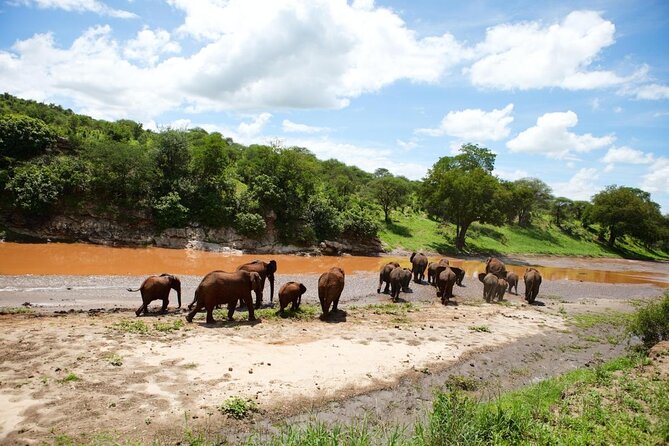
The safari begins after breakfast in town, with pickup and a drive to Tarangire National Park. The full day is listed at about eight hours, including the journey and game viewing.
Tarangire is known for large elephant herds, baobab trees, and the Tarangire River. The river flows throughout the year and draws wildlife, especially during dry periods. That makes this a useful first park because the scenery changes quickly from town roads to broad bush country and river country.
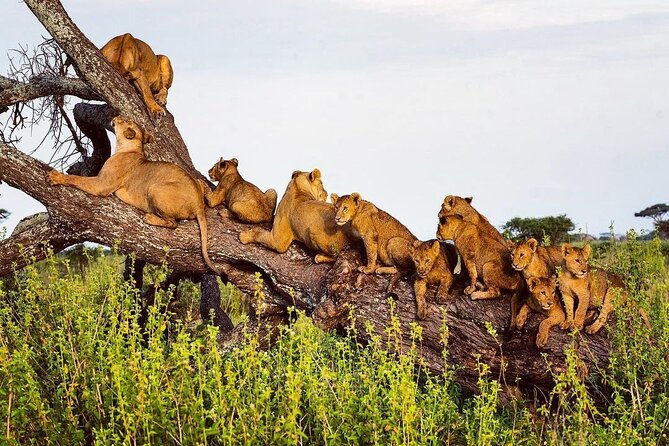
You might see tree-climbing lions, a feature associated with the park, along with elephants and other game. The baobabs give the park a strong visual identity. They are not just background scenery, they help make Tarangire feel different from the Serengeti’s open plains.
The drawback is timing. If your main goal is the migration, Tarangire is not the reason to book this particular itinerary. It is a valuable opening day, but the most important wildlife hours come later in Ndutu and Serengeti.
Day 2: Reaching Lake Ndutu
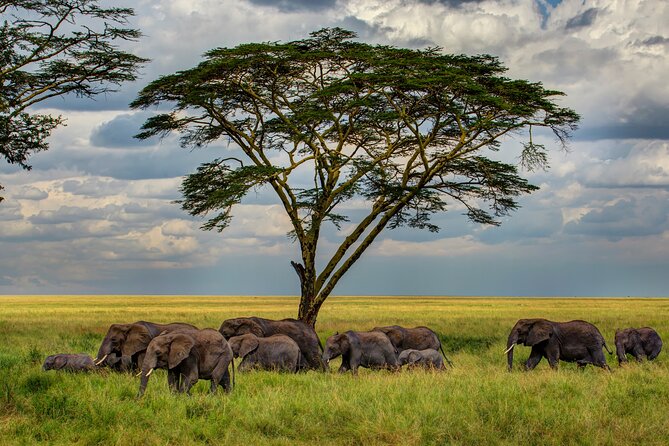
After breakfast, you head toward the Ndutu area, part of the southern Serengeti ecosystem and within the Ngorongoro Conservation Area. The planned game drive is about five hours.
Lake Ndutu is alkaline, like many lakes formed in the Rift Valley, but wildlife uses the area extensively. The plains around it can hold large numbers of wildebeest during the migration season. Elephants, birds, and resident animals help fill the day when the herds are moving or grazing farther away.
This is a good day to settle into the rhythm of safari. You spend time watching rather than rushing from one sight to another. Bring patience. Wildlife viewing is not a stage show, and the best scenes can take time to develop.
You should also understand the road conditions. Reaching southern Serengeti areas means long transfers over rough tracks. The distance can make the day feel tiring, especially after an early start, but it is the price of reaching the calving grounds.
Day 3: A full day in the calving grounds
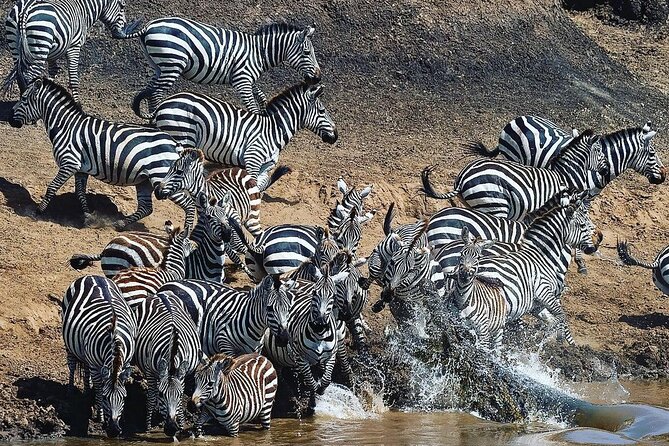
Day 3 is the strongest wildlife day on paper, with about nine hours in Ndutu. You return to the same general area instead of packing up and moving every few hours. That is exactly what you want during migration season.
The day may include swamps, woodland, soda lakes, and the short-grass plains where wildebeest gather. Zebra often move with the herds. The open grass gives you wide views, but it also leaves newborn calves exposed to predators.
This is where your guide matters most. A good guide can read animal behavior, listen to radio reports, and decide when to stay with an unfolding sighting. Names associated with this operation include Robert and Swalehe. Feedback about their guiding points to strong animal spotting, good organization, and a willingness to help you find the wildlife you came to see.
Still, no guide can guarantee a kill, a leopard, or a perfect calving scene. You might see only grazing herds and scattered zebra. That is still a major wildlife experience, but it is wise to judge the safari by the quality of the whole day rather than one hoped-for encounter.
More Overnight Safaris in Tanzania
- 5 Days Camping Tarangire, Serengeti & Ngorongoro crater & Visiting Maasai
★ 5.0 · 229 reviews - 2 Days Tarangire and Ngorongoro Group Camping Safari
★ 5.0 · 146 reviews - 6 Days Tanzania Budget Camping Safari
★ 5.0 · 145 reviews - Multi-Day Tanzania Odssey Safari from Arusha
★ 5.0 · 120 reviews
Day 4: Sunrise in Serengeti and the move toward Ngorongoro
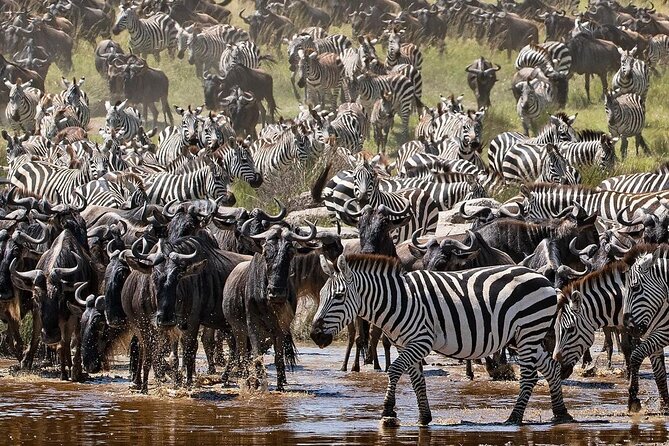
Day 4 begins early, with breakfast around 5:45 a.m. You take a morning game drive until about 11:30, return to camp for a hot lunch, pack into the jeep, and continue toward Ngorongoro.
The early start is worth it if you enjoy cooler air, softer light, and active animals. Sunrise can also be one of the most beautiful times to be out on the plains. After lunch, the route becomes a combination of game viewing and transfer, with dinner and overnight camping at Simba campsite near the crater.
This is a demanding day. You are not simply moving between hotels. You are packing camp, sitting in the vehicle for hours, and still trying to pay attention to wildlife. The schedule works best if you enjoy road travel and do not need long afternoon breaks.
The hot lunch is a welcome detail. Food has been one of the strongest parts of the service attached to this safari, with particular praise for tasty meals. That matters when you are spending long days outside and far from town restaurants.
Day 5: Down into Ngorongoro Crater
After an early breakfast, you descend about 600 meters into Ngorongoro Crater. The crater floor has permanent water and grazing, so animals remain here throughout the year.
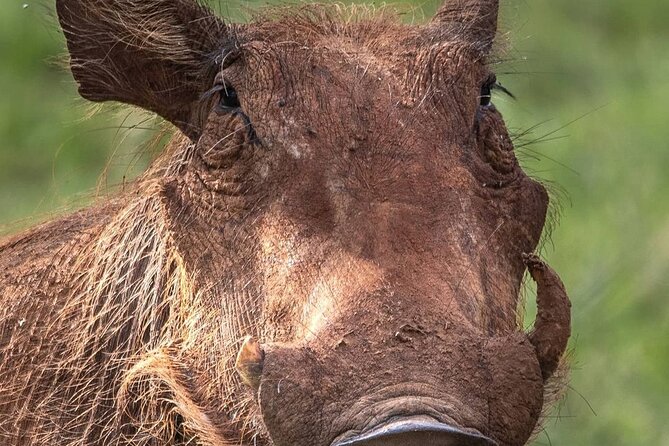
This is one of the most concentrated wildlife settings on the route. You might see wildebeest, zebra, buffalo, eland, warthogs, hippos, and elephants. Predators include lions, hyenas, jackals, cheetahs, and possibly leopards. The crater is especially rewarding for anyone who wants a strong chance of seeing several large species in one day.
Lake Magadi, a shallow alkaline lake in the southwest of the crater, is another key stop. Flamingos, hippos, and other water birds may gather there. The lake gives the crater visit a change of pace after hours of watching animals on dry ground.
There is one practical limitation: Ngorongoro can feel busy compared with the more open Serengeti. Many vehicles may gather around a good sighting. Your guide’s judgment and patience matter here. The crater is still a superb addition, but it is a different experience from tracking herds across wide plains.
Day 6: Lake Manyara and the return drive
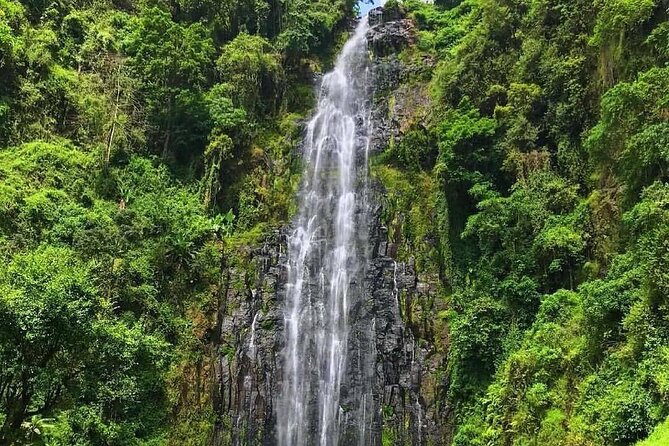
The final day takes you to Lake Manyara National Park after breakfast. The park is compact, but it contains a surprising mix of habitats. The lake covers about two thirds of the park, while the Great Rift Valley wall rises behind it.
Lake Manyara is particularly good for birdlife, with more than 400 recorded species and the possibility of seeing pink flamingos. You might also see other animals during the short game-viewing circuit. Its smaller size makes it a manageable final park after several long days in Serengeti and Ngorongoro.
Manyara is not as large or as famous for big herds as Serengeti. Its appeal comes from variety, scenery, and birds. I like it as a final stop because it provides a different kind of wildlife viewing instead of repeating the open plains.
The itinerary also mentions a biking adventure in Mto wa Mbu, but the six-day schedule provided here does not give a day, duration, or inclusions for that activity. Ask the operator to confirm whether biking is part of your booking or simply an optional feature connected with the wider program.
Camping, vehicle comfort, and group size
This is a camping safari, so you should expect practical rather than luxurious accommodation. Sleeping is described as acceptable, while the food receives especially strong praise. That is a fair picture of the trade-off: the money goes toward parks, transport, guiding, and meals rather than high-end rooms.
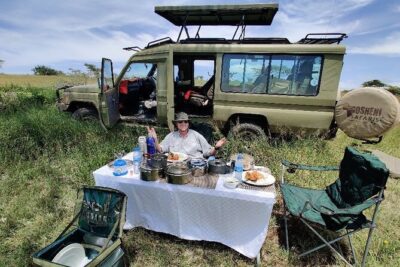
The pop-up roof safari jeep is important. It lets you stand or sit higher for better views and photography, and it keeps the vehicle suited to game drives. Onboard WiFi is included, though you should treat it as a useful extra rather than the main reason to choose the trip.
The maximum group size is six. That is a real advantage over a crowded vehicle. You have more room for camera gear, better access to the roof opening, and a better chance of speaking directly with the guide.
You receive unlimited drinking water, six lunches, six breakfasts, and five dinners. Alcohol is not included, and neither are tips, visas, flights, or personal items. Budget for those separately.
How the $1,496 price works out
At $1,496 per person, this is not a cheap weekend outing. It covers six days in some of Tanzania’s most costly and sought-after wildlife areas, along with transport, park fees, meals, camping, water, and a small group.
I consider the price reasonable if you want the calving season and prefer one organized package. The value improves because the itinerary includes four major wildlife areas: Tarangire, Ndutu and southern Serengeti, Ngorongoro Crater, and Lake Manyara.
The value is less clear if you want luxury accommodation, very relaxed pacing, or a trip focused only on the migration. In that case, you might prefer fewer parks and more nights near Ndutu. This program spreads the experience widely, which gives you variety but also adds driving.
Before booking, confirm what type of tents and campsite arrangements are included. The information confirms camping but does not describe tent size, bedding, showers, or toilet facilities. Those details can make a big difference to your comfort.
The human side of the operation
The strongest service themes attached to this safari are communication, punctual arrangements, helpful guides, wildlife spotting, and cooking. Robert is praised for understanding animals, scenery, and local culture. Swalehe is associated with strong effort in finding major species, including the Big Five. Raymond Ayo is connected with trip planning, communication, and tour operations.
Names do not guarantee who will lead your departure, so ask for your assigned guide before the trip. That also gives you a chance to discuss your interests, such as photography, birds, predators, or the migration itself.
The positive service record is useful, but keep expectations sensible. Safari conditions change quickly. A good guide improves your odds and your understanding, yet animals remain unpredictable.
Who should book this safari
I would recommend this trip to you if you want a first northern Tanzania safari with a strong migration focus and a manageable group size. It suits active visitors who can handle early breakfasts, long drives, rough roads, and basic camping.
It is also a good fit if you want more than wildebeest. Tarangire adds elephants and baobabs, Ngorongoro adds dense wildlife viewing, and Manyara adds birds and Rift Valley scenery.
I would hesitate if you dislike camping, need private luxury, or want every day to be slow. I would also hesitate if your dates fall outside December through April and the migration is your central goal. The parks still have wildlife, but the calving focus is seasonal.
FAQ
How long is the safari?
The experience lasts approximately six days.
Where does the safari begin?
It begins in Arusha, Tanzania, with pickup offered.
What is the best season for the wildebeest calving focus?
The safari is designed for the period from December through April, with calving often concentrated around February for roughly three weeks.
How many people can join the safari?
The maximum group size is six travelers.
Which parks and wildlife areas are included?
The route includes Tarangire National Park, the Ndutu area and Serengeti National Park, Ngorongoro Conservation Area and Crater, and Lake Manyara National Park.
Are meals included?
Yes. The package includes six breakfasts, six lunches, and five dinners.
Is drinking water included?
Yes. Unlimited drinking water is included.
Is the Mto wa Mbu biking adventure included?
The program mentions a biking adventure in Mto wa Mbu, but the day-by-day schedule does not specify its timing or inclusions. Ask the operator to confirm this before booking.
Should you book it?
Book this safari if calving wildebeest, predator sightings, and a small camping group matter more to you than hotel comfort. The route gives you a lot in six days, and the included meals, water, park fees, and pop-up roof jeep make the price easier to justify.
Before you commit, confirm the exact migration dates, camping facilities, assigned guide, and whether the Mto wa Mbu bike ride is included. If you are comfortable with long drives and early mornings, this is a strong, practical way to see northern Tanzania during one of its most exciting wildlife seasons.
Just added around Arusha
- 6 days Tanzania budget safari★ 5.0 · 65 reviews
- 7 days great migration safari★ 5.0 · 77 reviews
- serengeti, ngorongoro & tarangire 5days private tour★ 5.0 · 77 reviews
- 5 days safari, hiking & culture (Serengeti & kilimanjaro)★ 5.0 · 27 reviews
- 5-Day Mid-Range Safari in Tanzania★ 5.0 · 33 reviews
- 4 days safari★ 5.0 · 34 reviews
- serengeti & ngorongoro 3 days private tour★ 5.0 · 15 reviews
- serengeti, ngorongoro & tarangire 4 days private tour★ 5.0 · 18 reviews
Arusha Safaris, compared.
Balloon Safari & Bush Breakfast in Serengeti – Miracle Experience
Read our review →
3 Days Serengeti & Ngorongoro Group Camping Safari
Read our review →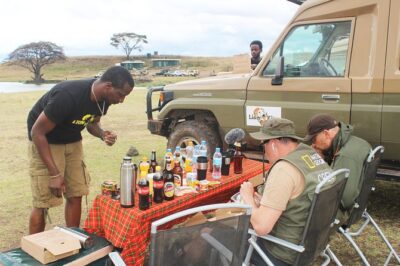
7-Day Premium Luxury Tanzania Safari All-Inclusive
Read our review →
5-Day Highlights mid-Range Crater, Serengeti, Tarangire
Read our review →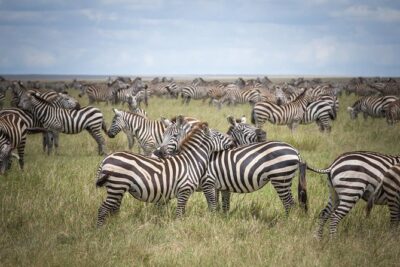
8 Days Great Wildebeest Calving Migration Safari from Arusha
Read our review →Browse the lists this tour appears in