REVIEW · JAIPUR
Jaipur: Jhalana Amagarh Leopard Reserve 4×4 Jeep Safari
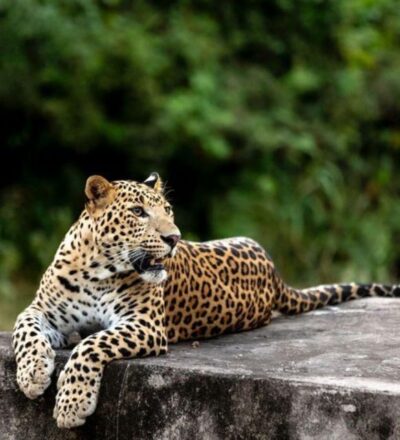
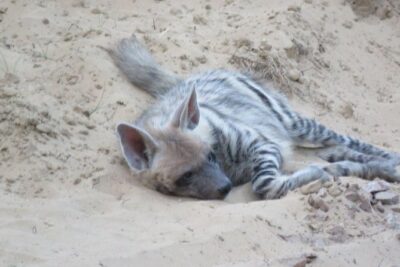
Jhalana Amagarh gives you a real chance to see leopards without leaving Jaipur. The reserve sits among the Aravali Hills, and its dry scrub, rocky tracks, and watering holes make a striking contrast to the city. Some visitors see two or three leopards at close range. Others spend 2.5 hours finding only peacocks, deer, or a sleeping hyena.
I like the door-to-door pickup, which removes the fuss of reaching the forest before sunrise. I also like the chance to ride with a skilled spotter such as Ashok, Yogesh, or Ganesh, who may notice a cat hidden in brush long before you do. The main caution is simple: no leopard sighting is guaranteed, and the fee is not refunded if the cats stay out of view.
Quick points to know
- Jhalana is inside Jaipur: You can reach the reserve in about 30 minutes from some hotels, making this an easy wildlife outing between city sightseeing.
- The safari lasts about 2 hours 15 minutes to 2 hours 45 minutes: The full experience takes roughly 3.5 to 8 hours, depending on pickup time and optional stops.
- Guides make a real difference: Ashok, Yogesh, Ganesh, and other local guides are praised for tracking signs and positioning the Jeep for photographs.
- Winter mornings can be cold: Pack a jacket, hat, and extra layer, even if Jaipur feels warm at street level.
- You may see much more than leopards: Expect possible sightings of hyenas, chital, nilgai, wild boar, mongooses, foxes, peacocks, owls, and other birds.
- The elephant option needs care: It is separate from the safari activity, and you should ask exactly what it includes and what it costs before agreeing.
Jaipur’s closest wild outing
Jhalana Amagarh Leopard Reserve is unusual because it puts a serious wildlife experience right beside a major Indian city. You do not need to spend a full day driving to a distant national park. From Jaipur, you are collected at your hotel, driven to the reserve, and returned after the forest run.
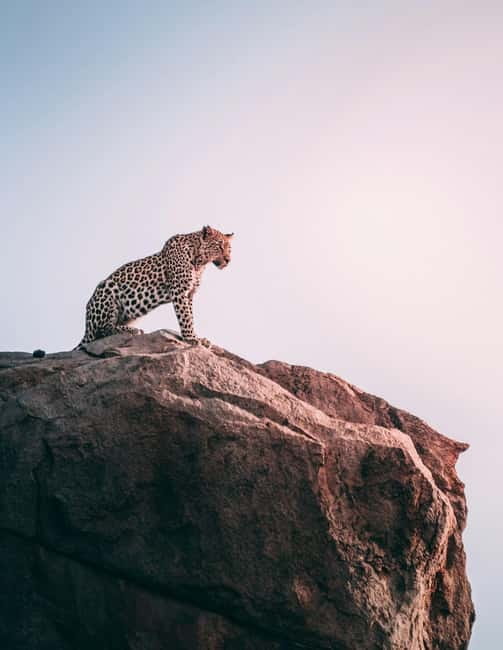
The reserve is surrounded by the Aravali Hills, described as India’s oldest mountain range. Inside, the setting is dry and rugged rather than lush. Rocky slopes, thorny scrub, open patches, and narrow tracks create good cover for a leopard. That same cover can make the animals hard to find.
The park is described as home to more than 70 leopards and five cubs. That number explains why this is a serious place to look for cats, but it does not turn the safari into a wildlife show. Leopards roam freely, and their behavior changes with heat, rain, noise, and the presence of prey.
I would book this as a chance to see wild animals, not as a guaranteed leopard appointment. That mindset matters. If you require a big cat sighting, you may leave disappointed. If you enjoy watching tracks, birds, deer, and changing light while your guide searches, the outing makes much more sense.
More Jeep Safaris in India
- Jodhpur Camel Safari & Jeep Safari In Desert Jodhpur SR
★ 5.0 · 116 reviews - Desert Camel Safari & Jeep Safari Tour From Jodhpur
★ 5.0 · 106 reviews - Jodhpur: Desert Camel and Jeep Safari with Traditional Food
★ 4.9 · 57 reviews
What happens from Jaipur to the forest
The experience starts with a pickup in Jaipur. The transfer vehicle is air-conditioned, private, and arranged to return you to the same place after the safari. This is particularly useful for an early morning departure, when finding a taxi and negotiating the ride yourself is less appealing.
Drivers such as Vinay, Singh, Uday, Rajendra, and Bhusan have received strong praise for being punctual and helpful. Several also offered practical Jaipur advice, and some made brief stops at the Monkey Temple or other sights when time allowed. Treat those extras as optional goodwill rather than guaranteed parts of the tour.
The ride from your hotel can be short or longer depending on where you stay. One account put the drive at about 30 minutes. If your hotel is farther across Jaipur, allow more time, especially for a dawn safari.
At the reserve, you transfer into a 4×4 Jeep, often referred to locally as a Gypsy. The vehicle is designed for rough tracks, not polished comfort. One important detail is seating: a shared SUV may put three people across a row, leaving the middle seat tight. If you are booking a private Jeep option, confirm the vehicle arrangement and seating before paying.
Inside the 2.5-hour Jhalana safari
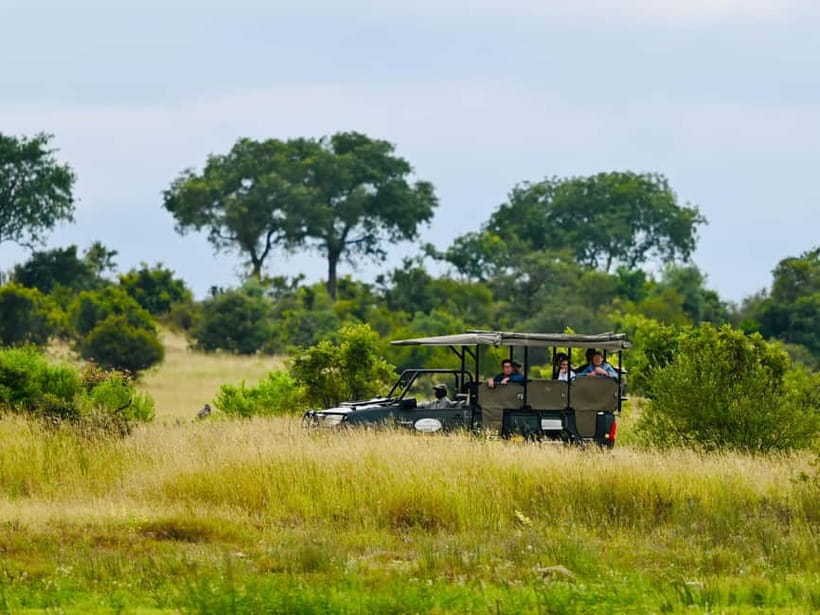
The main forest portion lasts about 2 hours 15 minutes to 2 hours 45 minutes. You follow rough tracks through the reserve, stopping when the guide spots movement, tracks, alarm calls, or a likely resting place.
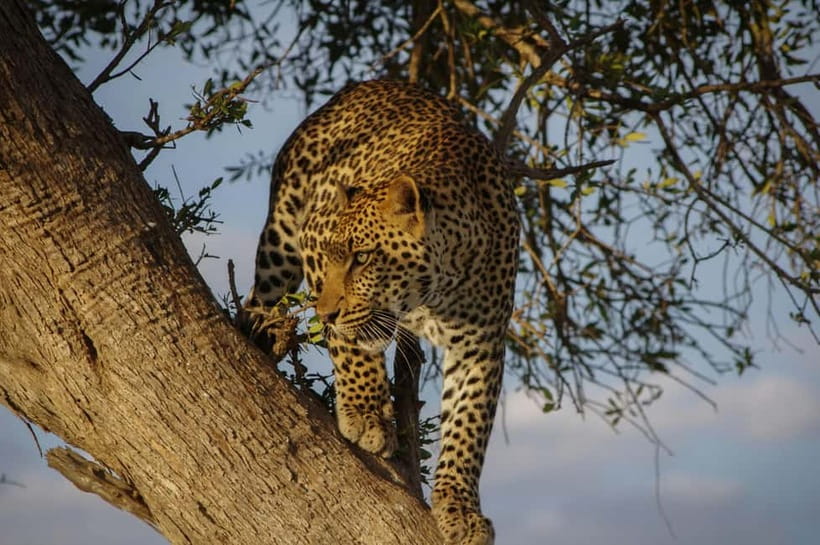
A good guide does more than drive around at speed. Ashok has been praised for noticing signs of leopards and finding a pair with a cub. Ganesh is known for long experience in the park and close attention to its tracks. Yogesh and other guides have also been singled out for locating leopards and hyenas.
Still, guide quality can vary. Some visitors found the guide friendly and helpful but wished for more explanation about the reserve. Others found that the guide spoke mostly with local passengers, leaving English-speaking riders unsure about what was happening. If you want natural-history commentary, ask early and clearly for explanations in English.
The best sightings may be brief. A leopard can appear on a road, slip through scrub, drink at a watering hole, or lie nearly invisible on a rocky slope. One particularly good sighting involved a leopard emerging from brush to drink at sunset. Another included two leopards close together. These moments reward patience, so do not assume a quiet stop means the safari is failing.
At other times, a long wait produces little. One group spent time watching a sleeping hyena, while another missed a leopard after a punctured tire delayed the Jeep. The forest does not follow a schedule, and a mechanical problem can matter when animals are moving.
The animals you may actually see
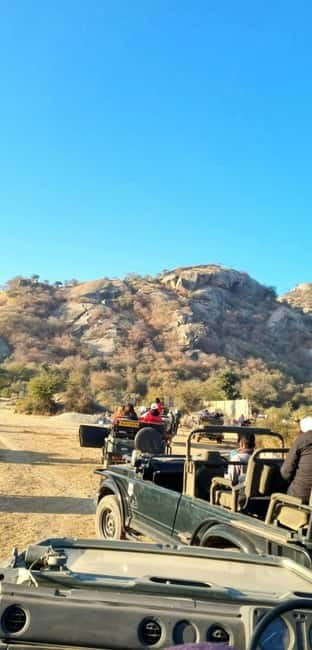
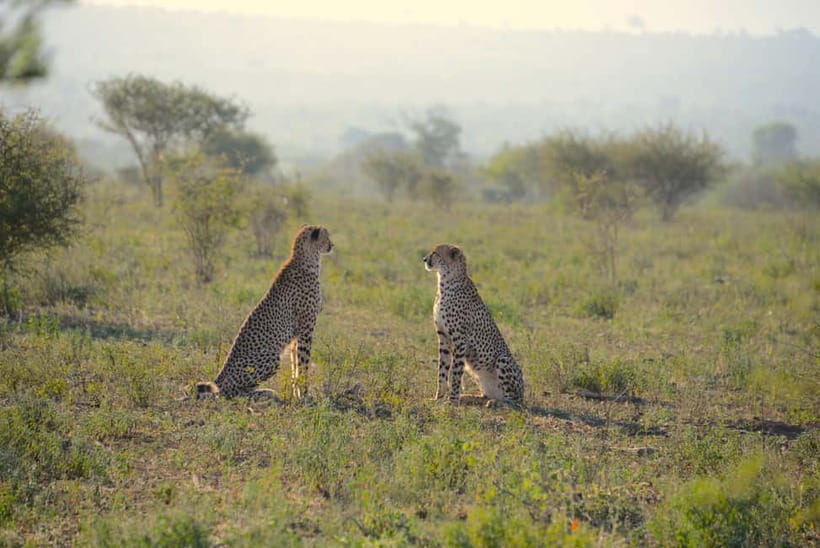
Leopards are the star, but they are only one part of the reserve. You might spot striped hyena, Indian civet, desert cat, jungle cat, desert fox, jackal, porcupine, jungle rat, monitor lizard, mongoose, or snake.
Hoofed animals add movement when the cats remain hidden. Look for sambar deer, spotted deer called chital, nilgai, antelope, and wild boar. Peacocks and other birds are common subjects for photographs, and owls have also been seen.
This variety gives the safari value even on a leopard-free morning. A hyena crossing the track or a fox appearing at the edge of the scrub can be a memorable sight in its own right. You will get more from the ride if you keep scanning the whole scene rather than staring only at the nearest thicket.
Bring binoculars if you have them. They help with distant animals and birds, though you may find your phone camera more useful when the Jeep gets near a leopard. Guides often help position the vehicle and point out the animal’s shape in the brush.
More National Park Safaris in India
- From Jaipur: Ranthambore National Park Day Trip with Safari
★ 4.6 · 244 reviews - Tiger Safari in Ranthambore National Park
★ 4.5 · 124 reviews - Sanjay Gandhi National Park(SGNP) + Kenheri Caves + Lion Safari + Jain Temple
★ 5.0 · 88 reviews - Ranthambore National Park: Safari Ticket with Pickup Option
★ 4.5 · 60 reviews
Choosing morning, afternoon, or sunset
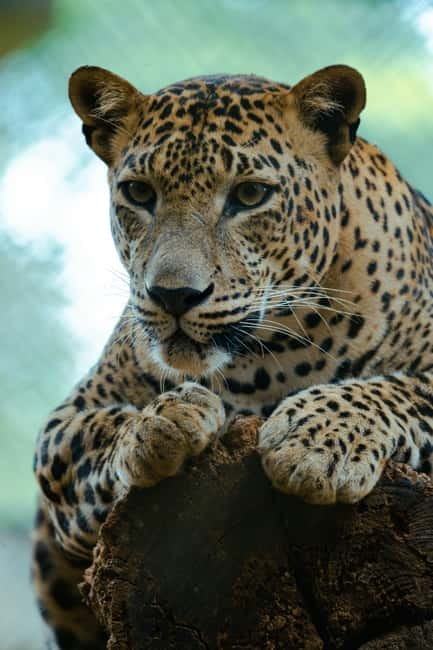
Timing affects both comfort and animal activity. Winter mornings in Jaipur can feel surprisingly cold in an open Jeep. One February outing required warm layers, a hat, and a jacket, even though the city itself felt mild. Pack for the forest, not just for the hotel lobby.
Afternoon and sunset departures can be warmer, but several accounts suggest they may offer better winter leopard activity. One person tried two morning safaris with no leopard, then saw cats on a third outing in the afternoon. Another saw a leopard emerge at sunset.
This is not a rule. A morning safari has its own appeal, with cooler air and soft light. Sightings can be excellent at dawn. The practical choice is to check the season, expected temperature, and available start times. In winter, I would lean toward later in the day if your main goal is a leopard and you dislike cold. In hotter months, an early start may be more comfortable.
Rain can reduce your chances. During one wet outing, the animals stayed hidden and very little wildlife appeared. The guide did not control the weather, but the experience became more about being outdoors than seeing animals.
How the $60 price fits the experience
At about $60 per person, the tour is not the cheapest way to enter the reserve. One budget-minded visitor noted that the entrance fee itself is low and suggested arranging a taxi and safari booking independently.
The extra cost buys convenience. You get hotel pickup and return, an air-conditioned transfer, tolls, parking, taxes, park entrance, water, and the Jeep safari. You also avoid working out the timing between Jaipur, the reserve entrance, and the forest vehicle.
For a first visit to Jaipur, I think that convenience can justify the price. Early departures, unfamiliar roads, and park procedures are easier when one person handles the whole chain. The private group format also makes the trip feel more personal, though the Jeep itself may still have crowded row seating depending on the option chosen.
The value drops if you are comfortable arranging transport yourself and already understand the reserve’s booking system. Ask what type of Jeep is included, how many people will sit in each row, and whether the quoted rate covers every park charge before you commit.
The elephant village option is separate. It is not the same as the leopard safari, and an elephant activity is not included unless you choose that option. Ask for the full price and exact activities in advance. One experience found the add-on costly and felt pressured to select a package. You can decline it and keep the day focused on the reserve.
Photography, comfort, and what to pack
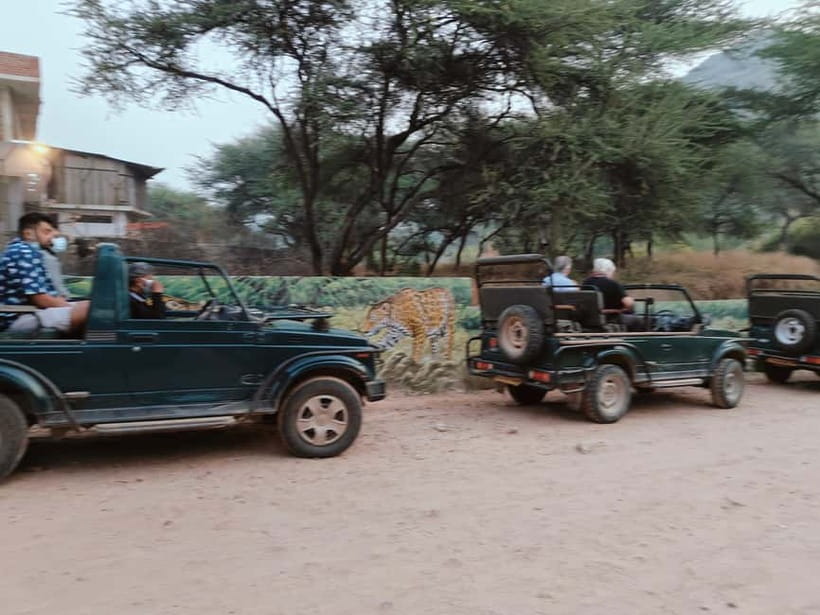
You can take good wildlife photos, especially when the guide places the Jeep well. Do not expect every sighting to happen in perfect light or at close range. A phone can work for a nearby leopard, but binoculars and a camera with a zoom lens give you a better chance with distant animals.
Wear comfortable clothes that protect you from sun and dust. A jacket, hat, water, and binoculars are sensible basics. In the colder months, add warm layers for the morning. In warm weather, the open vehicle and long waits can feel tiring, so drink water and keep your clothing practical.
Smoking is not allowed. People with animal allergies should consider that the activity may not suit them. The trip involves a rough vehicle ride and repeated stops, so it is better for you if you are comfortable sitting outdoors for several hours.
The guide and driver matter
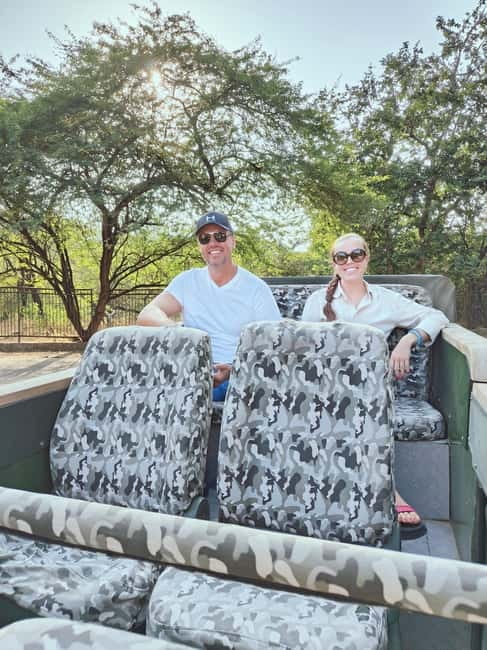
The strongest part of this experience is often the human service around the safari. A punctual transfer driver can make an early start feel easy. Singh has been praised for safe driving and helpful communication, while Vinay has been noted for friendliness, English, and careful timing. Uday and Rajendra have also been praised for looking after solo passengers and suggesting useful stops.
Inside the reserve, the guide’s eye matters more than polished narration. A skilled spotter may see a tail, a shadow, or a movement that you would miss. Ashok, Ganesh, and Yogesh are names associated with strong tracking in the supplied experience details, but you cannot assume a particular guide will be assigned to your Jeep.
Ask the guide to explain what they are watching for. If you do not understand the conversation among local passengers, say so. Some people found the lack of English explanation frustrating even when the wildlife viewing itself was good.
Adding the Monkey Temple or returning to Jaipur
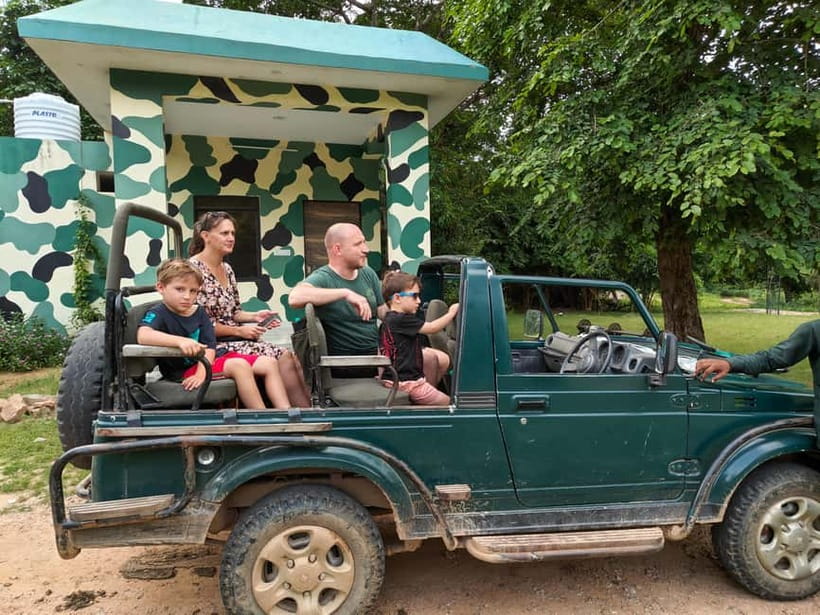
The formal plan is simple: Jaipur, Jhalana Amagarh, then Jaipur. Some transfer drivers have offered a short stop at the Monkey Temple on the way back. This can be a pleasant addition, especially if you finish early and want another local sight without arranging a separate taxi.
The stop is not listed as a standard included feature, so do not book the safari solely for it. Ask the driver on the day, and allow time for the return transfer. The same applies to gardens, breakfast stops, or other suggestions. They may be useful, but they are not part of the core wildlife promise.
The reserve itself is the reason to go. The side stops work best as bonuses.
Who should book this safari?
I would recommend it to you if you have limited time in Jaipur but want a real break from forts, palaces, and traffic. It suits photographers, families who enjoy wildlife, solo visitors who value arranged transport, and anyone curious about how a leopard survives close to a large city.
It is also a good choice if you can accept uncertainty. You may see a leopard drinking at a waterhole, two cats moving together, or a cub with its mother. You may instead see a hyena, nilgai, deer, peacocks, and birds. Both outcomes are normal for a wild reserve.
I would hesitate if your schedule cannot handle a quiet morning with few sightings. I would also compare the price with a direct taxi and park booking if you are on a tight budget. Finally, skip the elephant add-on unless you have checked the cost and activities carefully.
Should you book the Jhalana Jeep safari?
Book it if you want easy Jaipur transport, a short city escape, and a genuine chance at leopard sightings. The guides and drivers can make the difference, and the best accounts describe close cats, hyenas, deer, and birds found through patient tracking.
Do not book it as a guaranteed big-cat show. Choose your timing with care, bring warm layers in winter, ask for English explanations, and confirm the Jeep seating. With those expectations, this is a worthwhile wildlife outing that fits neatly into a Jaipur itinerary.
FAQ
How long does the Jhalana safari take?
The complete experience lasts about 3.5 to 8 hours, depending on the starting time, hotel location, and options chosen. The actual 4×4 safari inside the reserve lasts about 2 hours 15 minutes to 2 hours 45 minutes.
Is hotel pickup included?
Hotel pickup and drop-off in Jaipur are available by private, air-conditioned vehicle. Pickup can be arranged from your hotel or another location in Jaipur, with return to the same place after the safari.
Are leopard sightings guaranteed?
No. Leopard sightings depend on wild animal behavior, weather, timing, and luck. You will not receive a refund if leopards are not seen.
What animals can I see besides leopards?
Possible sightings include striped hyenas, civets, desert cats, jungle cats, foxes, jackals, porcupines, monitor lizards, mongooses, sambar deer, chital, nilgai, wild boar, peacocks, owls, and other birds.
What should I bring?
Bring a camera, binoculars, water, and comfortable clothing. A warm jacket, hat, and extra layers are useful for winter morning safaris. Smoking is not allowed.
Is the elephant village visit included?
It is included only if you choose that option. Elephant activities are separate from the leopard safari and are not included in the standard experience. Ask for the exact cost and activities before selecting it.
More Big Five and Wildlife Safaris in India
- Sanjay Gandhi National Park + Kenheri Caves + Lion Safari
★ 4.4 · 19 reviews - Munnar: Tea Garden and Elephant Safari Trip by 4×4
★ 4.1 · 16 reviews - From Cape Town: Big Five Game Reserve with Lunch
★ 4.6 · 2,409 reviews - Dubai: Sunrise Desert Jeep Safari with Wildlife Experience
★ 4.7 · 1,782 reviews
More Wildlife Safaris in India
- Ranthambore Wildlife Safari with Tickets & Transfer Options
★ 5.0 · 58 reviews - Exclusive Safari at Jhalana Leopard Park Including Transfers
★ 4.5 · 23 reviews - Munnar: Anakulam Jeep Safari with Waterfall and Elephant
★ 4.4 · 22 reviews - Jaipur: Jhalana/Amagarh leopard safari private tour
★ 3.8 · 21 reviews
Just added around India
- Wild Life Jeep Safari Tour at Bannerghatta with Private Transfer★ 5.0 · 24 reviews
- Sariska Tiger Reserve Assistance for Gypsy Private Safari Tickets★ 4.0 · 13 reviews
- Chambal River Safari★ 5.0 · 75 reviews
- Sanjay Gandhi National Park + Kenheri Caves + Lion Safari★ 4.4 · 19 reviews
- Ranthambore National Park: Safari Ticket with Pickup Option★ 4.5 · 32 reviews
- Sawai Madhopur: Ranthambore National Park Guided Jeep Safari★ 4.4 · 23 reviews
- Peeps Billions of Star Experience with Desert & Camel Safari★ 4.8 · 18 reviews
- Nomadic Non-Touristic Overnight Camel & Desert Safari Tour★ 5.0 · 56 reviews
Jaipur Safaris, compared.
Exclusive Safari at Jhalana Leopard Park Including Transfers
Read our review →