
REVIEW · SAFARIS
Iquitos: Full Day Tour in the Jungle | Amazon Safari
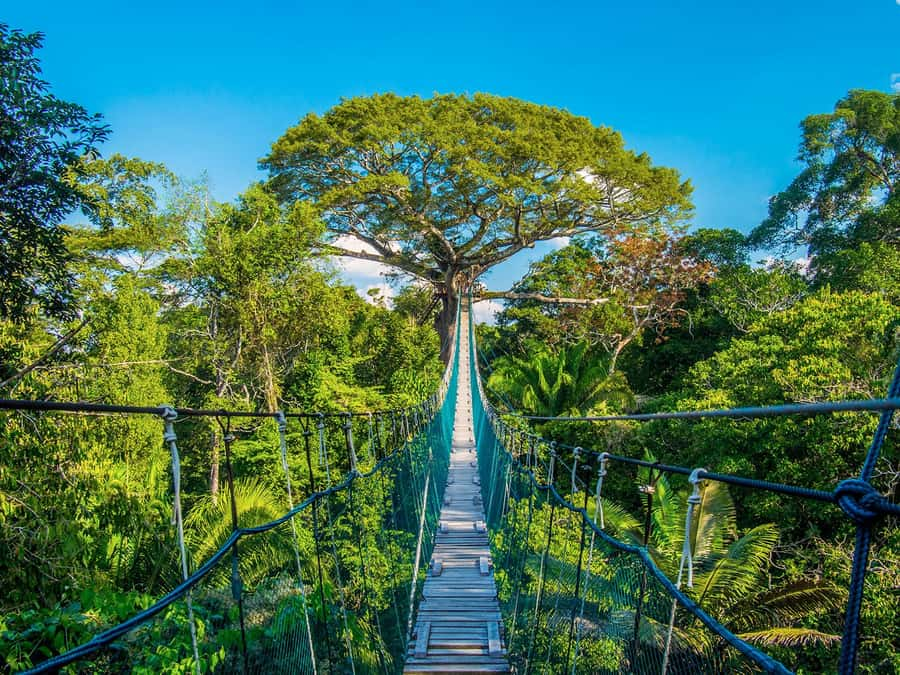
The Amazon River is the main event here. From the Bella Vista Nanay pier, you ride through the meeting point of the Nanay and Amazon rivers, watching the water widen and the jungle slide past. Dolphin watching gives the trip its best burst of excitement, though sightings are never guaranteed.
I like the mix of river scenery and cultural stops, especially the Kukama community visit and the tasting of camu camu, ginger, and seven roots at the Amazonian trapiche. The price also covers transport, excursions, and a buffet lunch, which keeps the day simple. The catch is that some stops can feel brief or staged, and the boat may carry a large group on hard wooden benches.
Key points to know before you book
- The boat ride is the heart of the day: You travel from Bella Vista Nanay toward a lodge and return by river.
- Dolphin watching is wildlife viewing, not a guaranteed show: Gray or pink dolphins may appear along the route.
- The Kukama visit is the strongest cultural stop: You can hear about plants, medicine, stories, and local life, and join a dance.
- Monkey Island can be hit or miss: The experience may involve only a few visible monkeys.
- Fundo Rony is a care center, not a wild-animal safari: Animals are kept in cages while they are cared for before possible release.
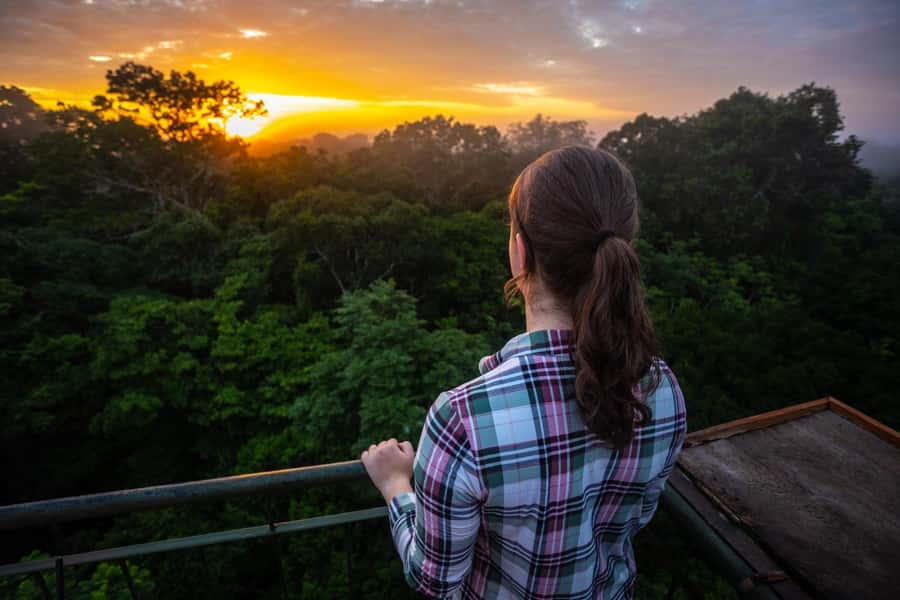
- The afternoon is quiet: After lunch, you have time to rest near the lodge or pool before returning to Iquitos.
The Amazon begins at Bella Vista Nanay
Your day starts with pickup in Iquitos, either at your hotel or the airport, followed by a short transfer to the tourist pier at Bella Vista Nanay. The ground transfer is listed as about 15 minutes, so the day quickly shifts from city traffic to open water.
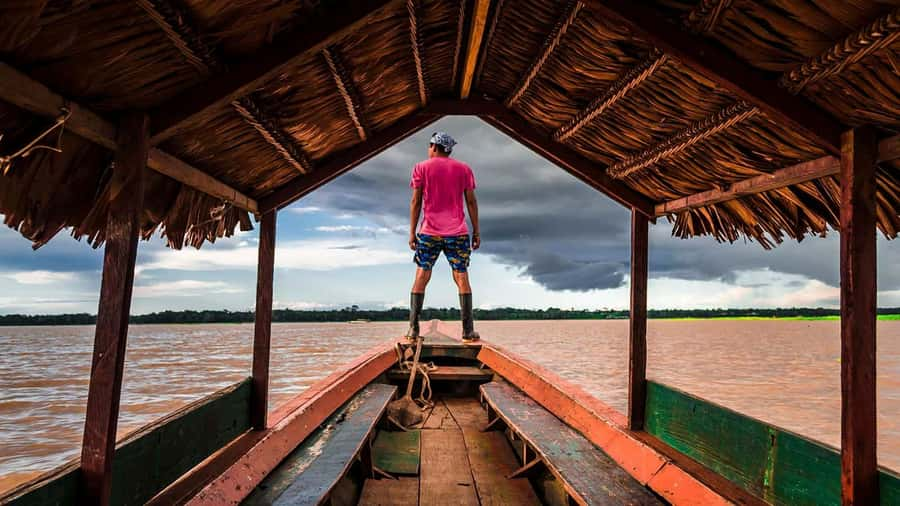
You board a traditional wooden boat built for river excursions. The vessel is described as comfortable and safe, but comfort depends on the crowd and the length of the ride. One account described a boat with about 50 people and unpadded wooden benches. You may also change boats during the day, so this is not the polished, quiet river cruise some visitors picture.
Still, the river is the reason to come. You pass through the confluence of the Nanay and Amazon rivers, where two waterways meet and the scale of the Amazon becomes easier to grasp. The view is broad, green, and constantly shifting. I would treat the boat ride as the main attraction, with the scheduled stops as additions.
Bring a hat, sunglasses, sunscreen, long sleeves, long trousers, and insect repellent. Sportswear makes sense. You should also carry your own drinking water and snacks because these are not included.
More Full-Day Trips in the world:
- Full-Day Land Rover Safari from Heraklion with Lunch
★ 5.0 · 1,351 reviews - From Playa de las Américas: Full-Day Teide Jeep Safari
★ 4.7 · 1,056 reviews - Full-Day Jeep Safari West: Fanal, Porto Moniz, Seixal, Cabo Girão
★ 5.0 · 940 reviews
Dolphin watching along the river
The boat pauses or slows while the guide looks for gray or pink dolphins. These are wild animals, so you may see a fin, a back, or a quick flash before the dolphin disappears. You should not expect a close approach or a guaranteed display.
That uncertainty is part of the appeal, but it also shapes your expectations. If the river is your priority, this tour gives you a practical way to get out on the water without booking a longer jungle stay. If your main goal is photographing dolphins, a full-day outing still cannot promise the perfect moment.
The best approach is to enjoy the search itself. Keep your eyes on the water and listen for the guide’s signal. The river panorama is worthwhile even when the dolphins stay out of sight.
Meeting the Kukama community
The visit to the Kukama community is the most meaningful stop on the schedule, provided the guide gives it enough time and explanation. The Kukama are presented as guardians of local biodiversity, with plant knowledge, natural remedies, oral traditions, and stories about their relationship with nature.
You can meet community members, join a dance, and learn about some of the plants used in Amazonian life. The activity is designed as a cultural exchange, but the quality will depend heavily on the guide and the way the visit is handled. Some visitors felt the explanation of Kukama history, customs, and daily life was too short.
That makes a good guide important. Alan is one guide specifically praised for making the experience memorable. If he is leading your outing, ask questions and use the time well. Ask what the community’s plant knowledge means in daily life, how the river shapes local routines, and which stories are passed from one generation to the next.
The presence of children working at the stop was a concern for one visitor. I would keep that in mind and approach the visit respectfully. You are not visiting a museum or a theatrical village. You are entering a community setting, and your behavior matters. Listen first, ask before taking photographs, and do not treat the dance as a performance detached from real people.
Monkey Island and the problem with expectations
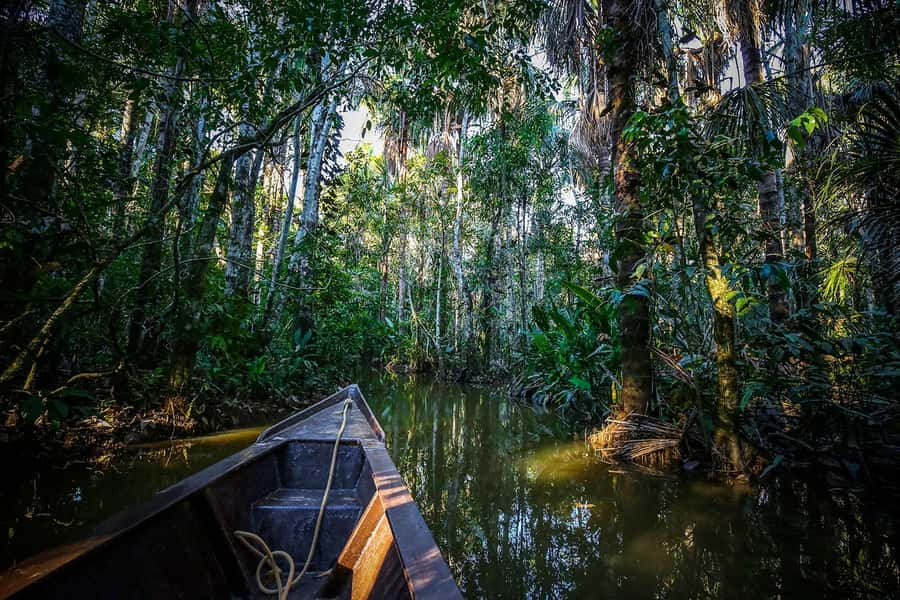
After the Kukama visit, the boat enters a creek toward Monkey Island, also called Neyser. The stated aim is to see monkeys in a natural setting, learn about different species, feed them, play with them, and take photographs.
This is the stop where expectations need the most adjusting. One visit had only three monkeys in sight. Another saw about six, along with small monkeys and an anteater. That is a long way from a crowded animal park, and conditions can change with weather, water levels, and animal behavior.
The phrase in their natural environment should not make you picture a long forest walk. The schedule does not describe a substantial jungle hike. Most of the day is spent on the boat, and the stop itself may be short.
You may enjoy the close encounter, especially if you have never seen Amazonian monkeys up close. You may also be asked to buy fruit for feeding. I would ask the guide which animals are resident, how the site cares for them, and whether feeding is part of a formal care program. Those details matter if responsible wildlife treatment is important to you.
A few more safaris around the world worth a look
- Dubai: Desert Safari, Quad Bike, Camel Ride & Al Khayma Camp
★ 4.9 · 68,962 reviews - Dubai: Desert Safari, Quad Bike, Camel Ride and Sandboarding
★ 4.9 · 43,505 reviews - Dubai: Safari, Quad Bike, Camel Ride, and Buffet Dinner
★ 4.9 · 33,424 reviews - Dubai: Red Dune Safari, Quad Bike, Camel Ride, BBQ Dinner
★ 4.9 · 32,185 reviews
Fundo Rony, a rescue center with limits
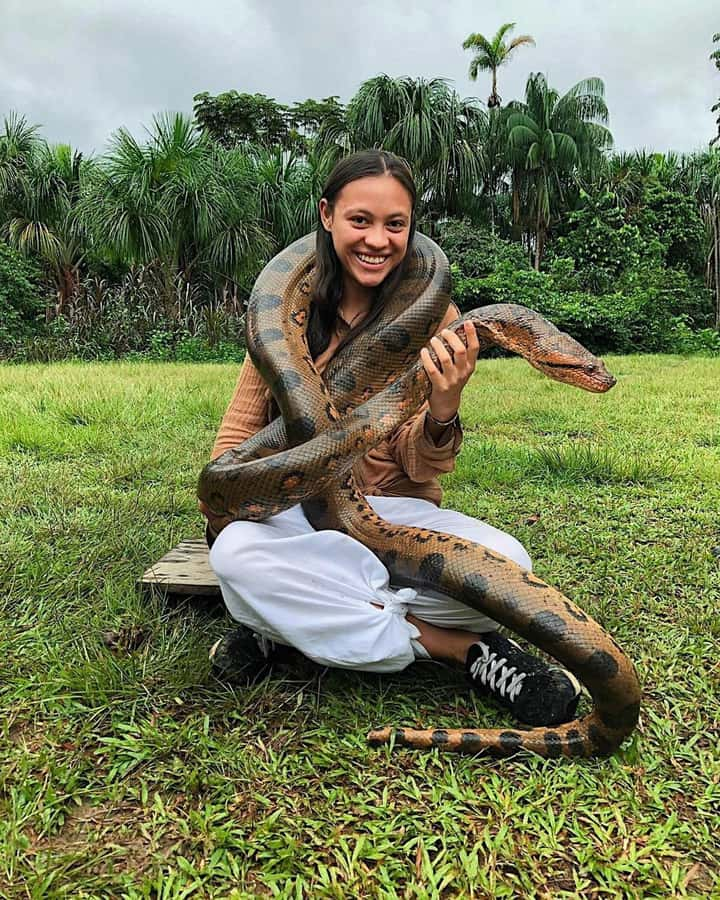
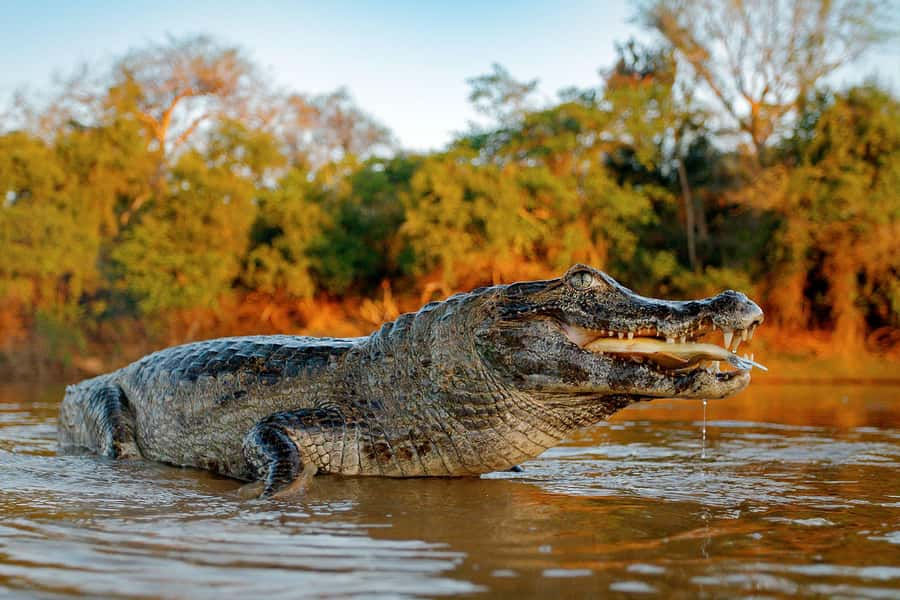
The next stop is the Wildlife Rescue Center, known as Fundo Rony. You may see sloths, monkeys, macaws, toucans, boa constrictors, and turtles. The stated purpose is to care for animals before they can be released back into the wild.
This is not a free-ranging wildlife encounter. The animals are kept in cages because they are being cared for. That can be worthwhile, especially when a guide explains where the animals came from, what treatment they need, and how release decisions are made.
The explanation is not always as detailed as it should be. Some visitors felt the guide gave little information about the animals’ pasts or the release process. Another visit found the center affected by flooding, with little to see. Conditions at a river rescue site can change quickly, so you should allow for an uneven experience.
I would judge this stop by the quality of the interpretation, not by how many species you see. A sloth in a cage is not the same as a sloth in the forest. The value comes from understanding rescue work and the pressures facing wild animals. If the visit becomes only a photo stop, it loses much of its purpose.
Amazonian trapiche and traditional drinks
The Amazonian trapiche offers a tasting of local macerated drinks and infusions. The listed examples include camu camu, seven roots, and ginger.
Camu camu is associated with vitamin C, ginger is used for digestive comfort, and seven roots is presented as a traditional drink linked with vitality and medicinal use. These claims should be treated as part of local tradition, not as a substitute for medical care.
This was one of the best-received parts of the day for some visitors because the presentation gave a clearer look at Amazonian plant use. It is also a more grounded cultural experience than simply buying a souvenir. You get flavors, plant names, and a little insight into how local remedies are discussed.
The stop may also include selling products. That is not automatically a problem, but you should know the difference between a cultural demonstration and a sales presentation. Taste what interests you, ask questions, and buy only what you want.
Lunch at the lodge and a slower afternoon
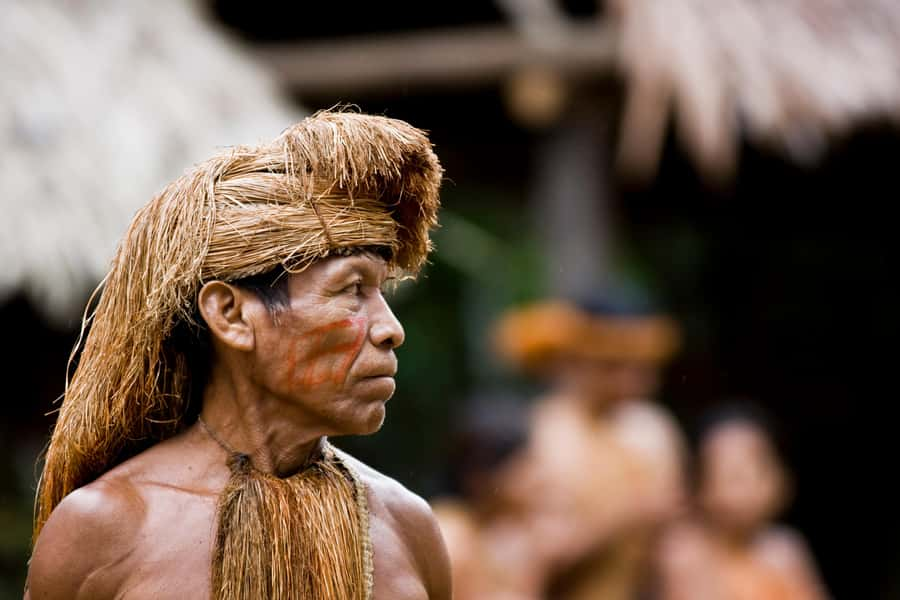
The boat continues to the lodge for a buffet lunch based on typical jungle cuisine. Vegetarian meals are available if requested in advance. Lunch is included in the price, along with the other excursions.
Food is a practical strength of the tour, but lunch can take too long. One visitor felt too much of the day was lost at the meal. That matters on an eight-hour outing because every extended stop reduces time on the river or at the wildlife sites.
After lunch, you have time to rest, look around the camp, or use the pool. This is not a guided afternoon jungle walk. One visitor specifically expected a walk after lunch and found that the group simply returned by boat instead.
I see the quiet break as useful if you want an easy day. You can cool down, stretch your legs, and stop rushing from one scheduled activity to the next. But if you want a full program of jungle exploration, this tour may feel too light after lunch.
The return to Iquitos
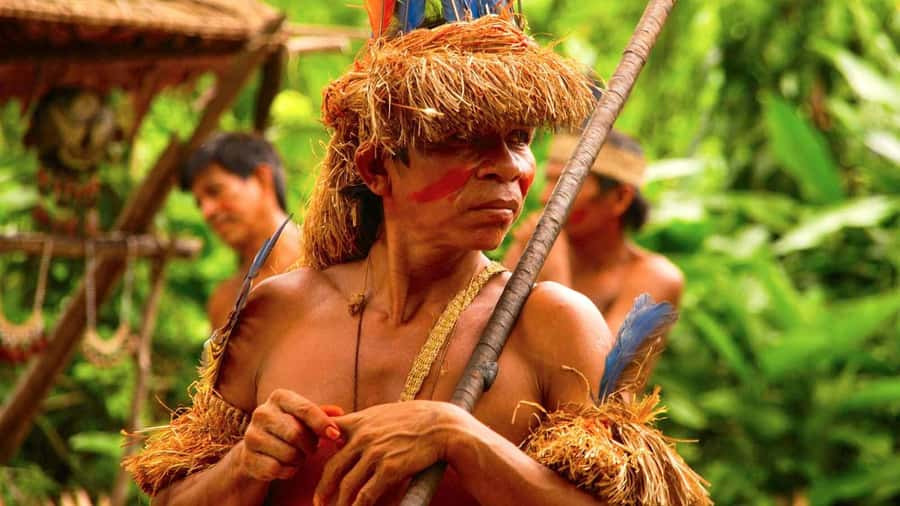
At the arranged time, you board the boat again and travel back to the Nanay pier. The return ride gives you another chance to watch the river, but it also makes the schedule sensitive to delays. Boat changes, a long lunch, or a slow wildlife stop can make the day feel crowded.
The listed end point is Plaza de Armas de Iquitos, though the service includes pickup from your Iquitos hotel or airport at the start. Airport transfer after the tour is not included, so plan that separately. Extra drinks at the bar are also not covered.
The tour lasts about eight hours, including the short road transfers. That is a reasonable length for a first taste of the Amazon, but not enough time to cover every attraction in depth. If you want more forest time, a two-day, one-night stay would be a better fit. One especially enthusiastic visitor recommended at least that length after enjoying the experience.
Is the $89 price good value?
At $89 per person, the tour offers a lot of transport and several stops for one day. Hotel or airport pickup, boat travel, the listed excursions, and a buffet lunch are included. For a visitor with limited time in Iquitos, that package can be good value.
The price makes less sense if you expect a private boat, a small group, long guided walks, or extensive wildlife viewing. The boat may be crowded, benches may be hard, and the most interesting sites can receive only a short explanation.
I would think of the fee as paying mainly for a river outing with lunch and a series of introductions. You are buying access to the Amazon River, not a guaranteed wildlife encounter. That distinction will determine your satisfaction.
Cancellation is free up to 24 hours before departure, and you can reserve now and pay later. The guide service is offered in English and Spanish. The company says departure information is sent by WhatsApp and email the day before, which is useful for confirming the pickup details.
Who should book this Amazon day tour?
I would recommend it to you if:
- You have only one free day in Iquitos.
- You want to see the Amazon River without arranging a longer lodge stay.
- You like combining scenery, local culture, animal care, and food.
- You are comfortable with a group outing and flexible timing.
- You want an English or Spanish-speaking guide.
I would hesitate if:
- You want hours of walking in untouched forest.
- You expect many wild animals at every stop.
- You dislike boats with hard benches or potentially large groups.
- You want detailed natural-history explanations at every location.
- You are uncomfortable with animal feeding or staged cultural presentations.
The strongest parts are the river journey, the chance to see dolphins, and the Kukama visit. The weakest parts are the uneven explanations, the uncertain number of monkeys, and the lack of a real afternoon walk.
Final call: book it for the river, not the checklist
Book this tour if you want an affordable, organized introduction to the Amazon near Iquitos and you understand that nature will not follow a schedule. Ask for a guide who explains the community and rescue center properly, and confirm your pickup details the day before.
Skip it if your dream is a quiet, small-group wildlife expedition. For that, spend at least two days and one night at a jungle lodge. For a single day, this outing gives you a broad sample, but the boat ride is the part you should value most.
FAQ
Where does the tour begin?
Pickup is available in Iquitos from your hotel or the airport. You then travel about 15 minutes to the tourist pier at Bella Vista Nanay.
How long does the experience last?
The tour lasts about eight hours, including the boat activities, lunch, and short road transfers.
Are dolphins guaranteed?
No. The tour includes watching for gray or pink dolphins along the river, but they are wild animals and sightings are not guaranteed.
Is lunch included?
Yes. A buffet lunch with typical jungle cuisine is included at the lodge. You should request a vegetarian option in advance if needed.
What languages are available?
Live guiding is available in English and Spanish.
What should I bring?
Bring sunglasses, a sun hat, sunscreen, a long-sleeved shirt, long pants, insect repellent, and sportswear. Personal snacks and water are not included, so bring your own.
Just added around the world
- Dubai Desert Safari With BBQ dinner★ 5.0 · 15 reviews
- Dubai Private Morning Desert Safari: Camel Ride & Sandboarding★ 5.0 · 19 reviews
- Deluxe Premium Dubai Desert Safari with Camel Ride, and Live Show★ 5.0 · 82 reviews
- Premium Deluxe Dubai Safari with Camel Ride, Sandboard & BBQ★ 5.0 · 55 reviews
- Dubai Morning Desert Safari: Camel Ride & Sandboarding!★ 5.0 · 116 reviews
- Camel Trekking and Morning Safari with Sand Boarding★ 5.0 · 19 reviews
- Thrilling Desert Safari Dubai Adventure with Sand Boarding and Barbecue Dinner★ 3.5 · 30 reviews
- Dubai Desert Safari★ 4.5 · 15 reviews