
REVIEW · SOUTH AFRICA
From Johannesburg: Pilanesberg Wildlife Safari
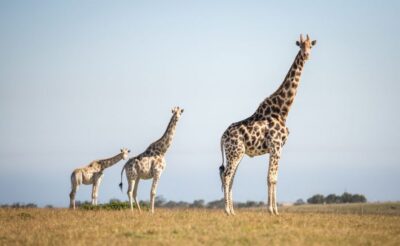
Pilanesberg gives you a proper day in the bush without requiring a domestic flight or a lodge stay. The park sits inside an extinct volcano, and open-vehicle drives offer a good chance to see elephants, lions, giraffes, antelope, and other animals moving freely.
I like the small group size, limited to 13 people, and the fact that your lunch, park entry, water, and transport are included. I also like the malaria-free setting and the choice between an open jeep and a closed minibus. The catch is the long road day: about five hours are spent in the transfer vehicle, so this suits you best if you want a full safari from Johannesburg rather than a relaxed local outing.
Key things to know before booking
- Five hours of road travel: The transfer takes about 2.5 hours each way, with pickup and return available from Johannesburg, Pretoria, and several surrounding areas.
- Two game-drive sessions: You receive about three hours of wildlife viewing before lunch and another two hours afterward.
- Open or closed vehicle choice: The open safari vehicle gives you a more direct view, while the closed minibus offers shelter from sun and wind.
- Small group format: The tour is limited to 13 participants, a useful middle ground between a private safari and a large coach trip.
- Malaria-free wildlife viewing: Pilanesberg lets you see African wildlife without entering a malaria zone.
- Big Five possibility, not a promise: Lions, elephants, buffalo, leopards, and rhinoceroses live in the area, but sightings depend on the animals and the day.
Why Pilanesberg works as a Johannesburg safari
If your South Africa plans keep you in Johannesburg, Pilanesberg is one of the more practical ways to add wildlife to your trip. You avoid a flight, a lodge booking, and the extra cost of staying inside a private reserve. Instead, you leave your hotel early, ride north-west, and spend the main part of the day inside a national park.
The park’s setting adds something unusual. Pilanesberg occupies the crater of an extinct volcano, so your game drive is not simply a long ride across flat scrub. The old volcanic formation creates varied ground and broad views, while the park’s roads make it possible to cover a fair amount of territory during the available drive time.
The promise of the Big Five should be read sensibly. You may see lions, elephants, buffalo, leopards, and rhinoceroses, but no safari can schedule wild animals. You could see only some of them, or miss one entirely. The experience still has value when the larger animals stay out of sight, since giraffes, antelope, elephants, and other species provide plenty to watch.
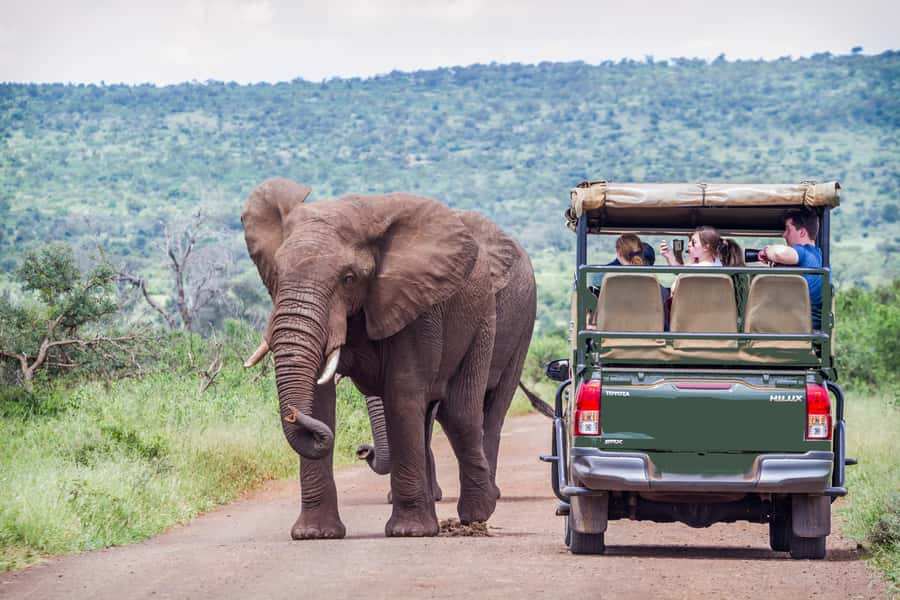
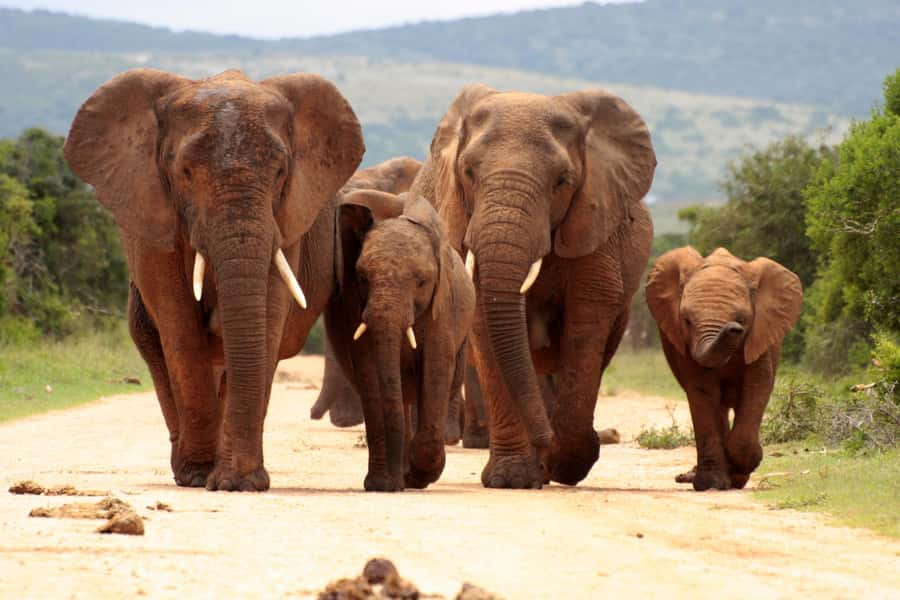
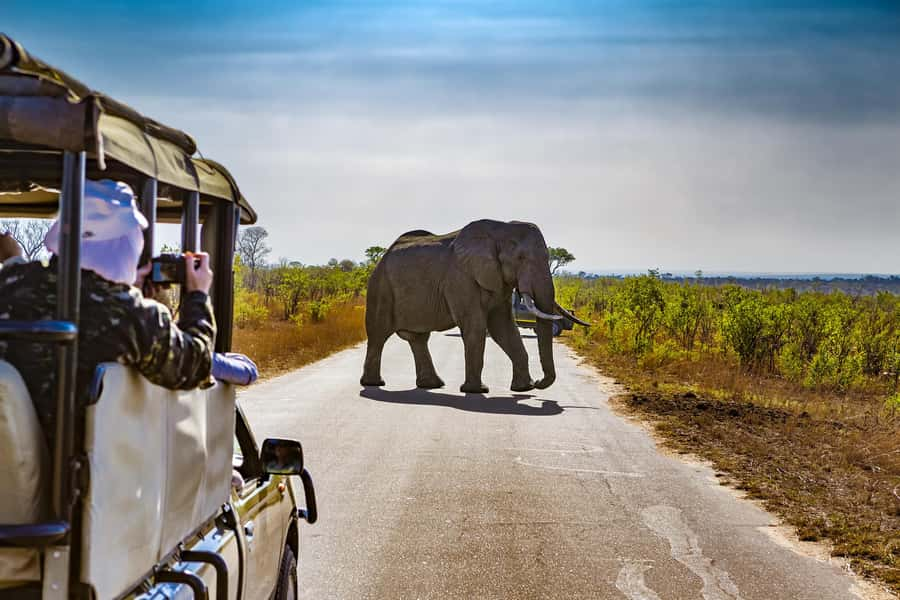
The most memorable sightings can also happen without a checklist. Elephants may walk along the road beside the vehicle. Giraffes may spar with one another. Those moments are often better than a distant, carefully ticked-off sighting because the animals are doing something rather than simply standing in the open.
More Wildlife Safaris in South Africa
- From Cape Town: Big Five Game Reserve with Lunch
★ 4.6 · 2,409 reviews - Addo Elephant National Park All Inclusive Full-Day Safari
★ 4.8 · 872 reviews - Gansbaai: Marine Big 5 Boat tour
★ 4.7 · 593 reviews
The Johannesburg to Pilanesberg road transfer
Your day begins with hotel pickup in Johannesburg or Pretoria. Available pickup areas include Sandton, Rosebank, Bryanston, Fourways, Midrand, Kempton Park, Krugersdorp, Roodepoort, Johannesburg, Centurion, Pretoria, and O.R. Tambo International Airport.
You need to wait in your hotel lobby at the agreed pickup time. Since the route takes about 2.5 hours, this is not a quick hop to the park. The long ride is the main trade-off for taking a day safari from the city.
The drive passes Hartbeestpoort Dam and the Magaliesberg Mountains. That gives you something to look at before the wildlife portion begins, though the transfer remains a substantial part of the day. Air conditioning helps, especially during warmer months, and water is provided on board.
Drivers have included Jason, who has been noted for punctual, careful service and an attentive manner. The transport and safari roles may be handled by different people, so your road driver and game-drive guide will not necessarily be the same person. English and Afrikaans are the listed tour languages.
A small group of up to 13 is a useful compromise. You get shared transport and a shared safari, but the vehicle should feel less crowded than a large sightseeing coach. The tour is not private, and open-vehicle drives are shared with other participants.
Entering the park and choosing your safari vehicle
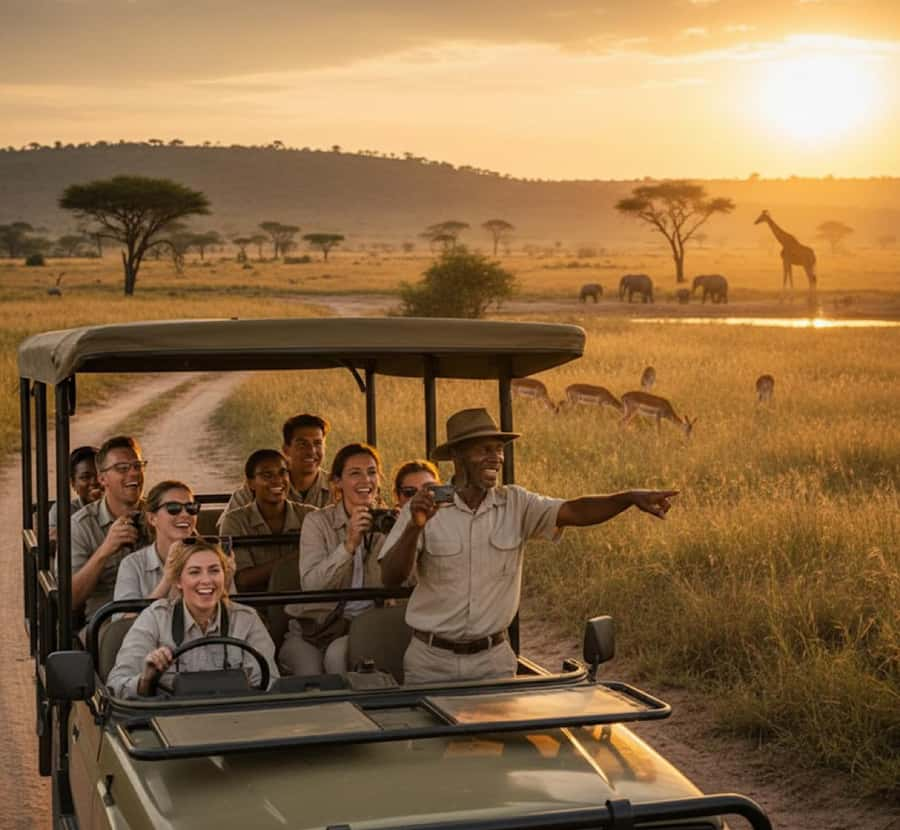
On arrival at Pilanesberg, you switch from the road vehicle to the safari vehicle selected for your booking. The open option places you in an open-sided safari vehicle, giving you a clear view in several directions and making it easier to take photographs.
The open vehicle is the more classic safari choice. You feel closer to the sounds, smells, and movement of the bush, and you have fewer windows between you and the animals. That does not mean you should reach toward wildlife or expect animals to pose beside you. Your ranger manages the distance and tells you how to behave around the animals.
The closed minibus is the more sheltered option. It may suit you if strong sun, wind, or the open-air ride is a concern. It also provides a more familiar road-trip feel, though window frames and seating can affect photography. Check the exact option carefully when booking, since the safari vehicle type affects the character of the day.
The open vehicle is shared with other participants. That matters if you want complete control over where you sit, how long you watch an animal, or when you move on. In return, you get the social feel of a shared game drive and a lower price than a private vehicle would normally require.
The first three-hour game drive
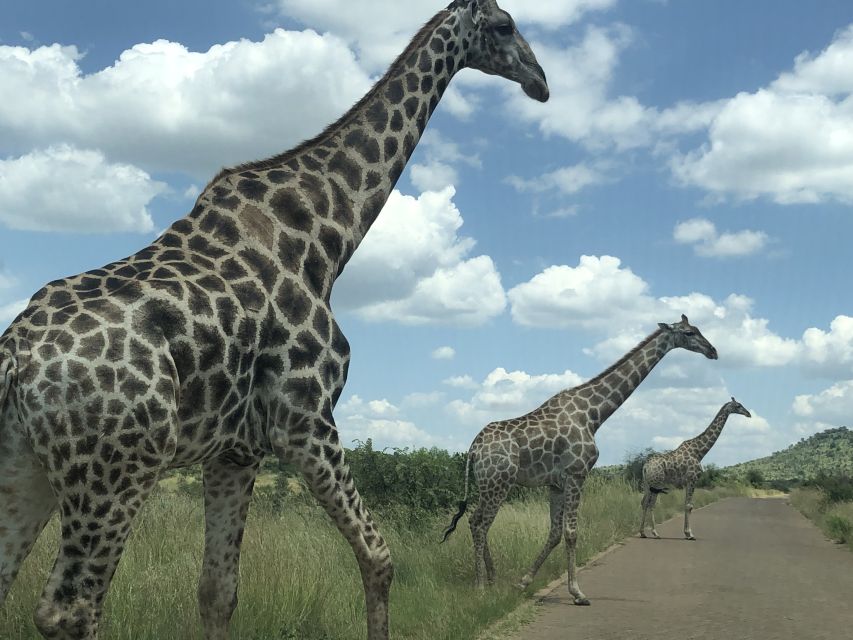
The first wildlife session lasts about three hours. Your ranger drives the reserve roads and points out animals that cross your path, explaining what you are seeing as the drive unfolds.
A good ranger can make small sightings count. Antelope grazing in the distance, a bird perched near the road, or giraffes moving between trees all become more interesting when someone explains the behavior and identifies the species. Guides have included James, who has been praised for giving useful information about many different species.
The main goal is, of course, the larger animals. Elephants can be especially impressive when they walk on the road near the vehicle. Lions are another major target, but sightings are never guaranteed. The tour description presents the Big Five as an excellent possibility, not as a fixed result.
Your chances also depend on timing, animal movement, and the skill of the ranger. A guide who checks the road carefully and knows where animals have recently been seen can improve the outing, but even a strong guide cannot control wildlife. Keep your camera ready, yet do not spend the entire drive staring through a screen.
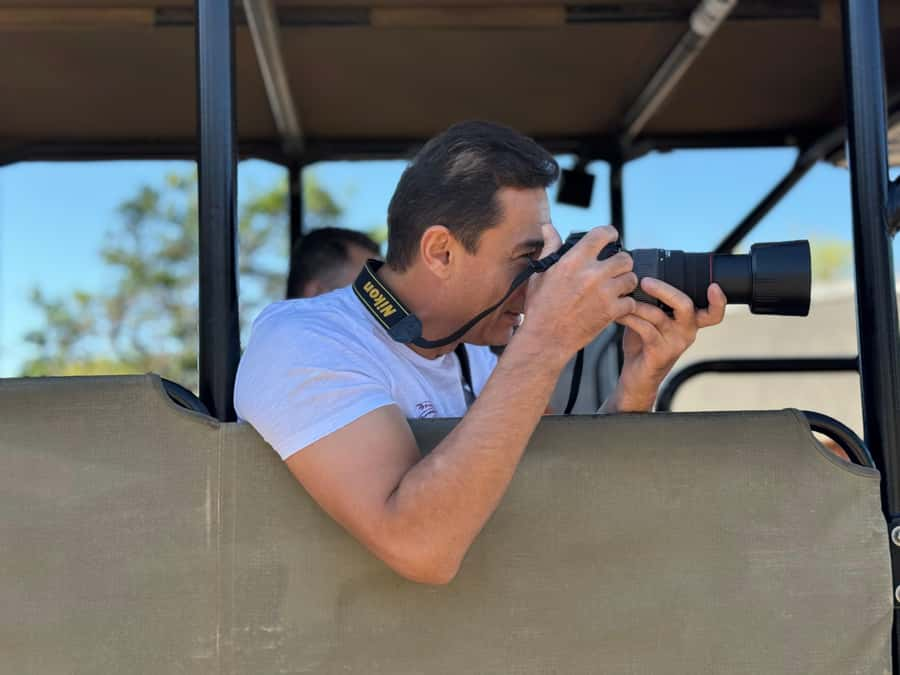
Pilanesberg is also a good place for photography because the animals are viewed in open surroundings rather than behind zoo fencing. An open vehicle provides a broad angle, but sunlight can be harsh. Bring sunscreen, protect your eyes, and keep your equipment secure while the vehicle is moving.
More Big Five and Wildlife Safaris in South Africa:
- Big Five Game Reserve Wildlife Safari from Cape Town
★ 4.0 · 576 reviews - Big Five Safari and Breede River Valley Guided Day Trip
★ 5.0 · 526 reviews - From Cape Town: South African Wildlife and Safari 2-Day Tour
★ 4.7 · 411 reviews - From Johannesburg: Lion & Safari Park Half-Day Tour
★ 4.6 · 384 reviews
Lunch and the second two-hour drive
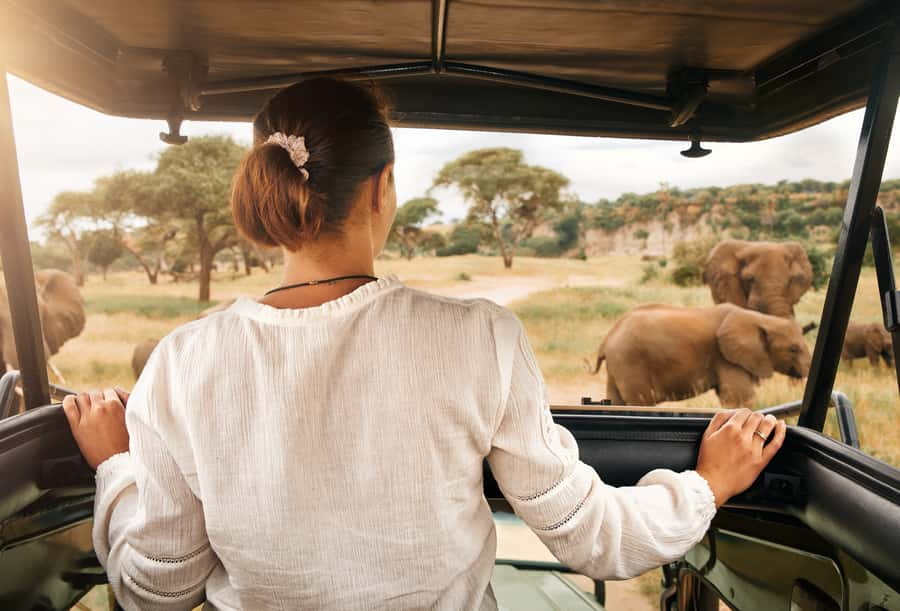
Lunch takes about an hour inside the Pilanesberg portion of the day. It is included, along with water, so you do not need to arrange a separate meal during the park visit.
The midday pause breaks up the long day and gives you time to eat before returning to the road. It also means the tour is not six or seven uninterrupted hours of bouncing over park roads, which some people would find tiring.
After lunch, you continue with a second game drive of about two hours. This shorter session gives you another chance at animals missed earlier and lets you return to an area where a sighting was developing, if the ranger considers it worthwhile.
The second drive is important because wildlife encounters are unpredictable. An animal hidden during the morning portion may appear later, while elephants or giraffes may have shifted closer to the road. Still, you should expect the quality of sightings to vary. Some stretches may involve patient searching rather than constant action.
The combination of three hours before lunch and two hours after lunch is sensible for a day trip. You get substantial time in the reserve without booking an overnight stay. If you want multiple dawn and sunset drives, a longer safari based inside or near the park will suit you better.
What the guides add to the day
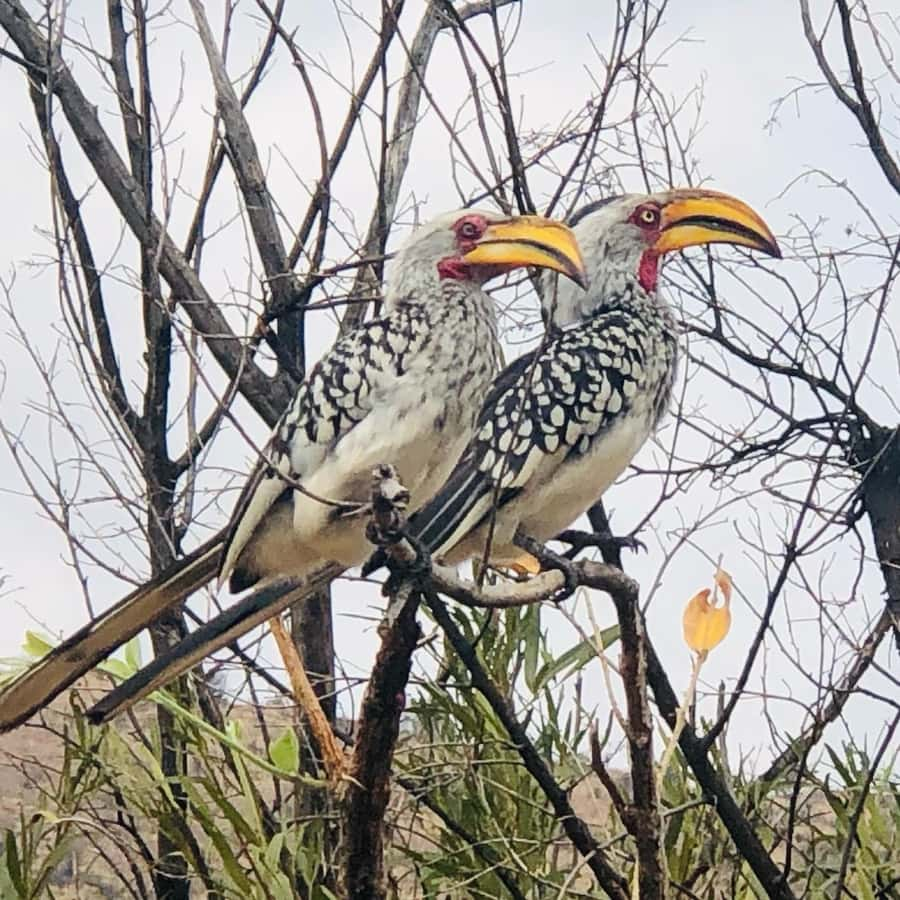
The guide makes a major difference on a wildlife tour. You are not just paying to ride around and hope something appears. The ranger watches the bush, identifies animals, explains what you see, and helps you understand why a sighting matters.
The guide named Peter has been associated with clear explanations during the game drive. A separate experience with James highlighted the number of species identified and the useful information provided. These names give you a sense of the human side of the operation, but guide assignments can change, so they should not be treated as a guarantee.
The guiding style may also vary. Some people want a quiet ranger who focuses on tracking and driving. Others prefer frequent explanations and a more talkative approach. One account of the experience found the guide less interactive than expected, so you should not assume that every drive will feel like a lively wildlife lecture.
If you want more detail, ask questions. Ask what animal you are seeing, what signs the ranger uses, and how the species behaves. A short question can turn a distant shape into a meaningful sighting.
The value of $263
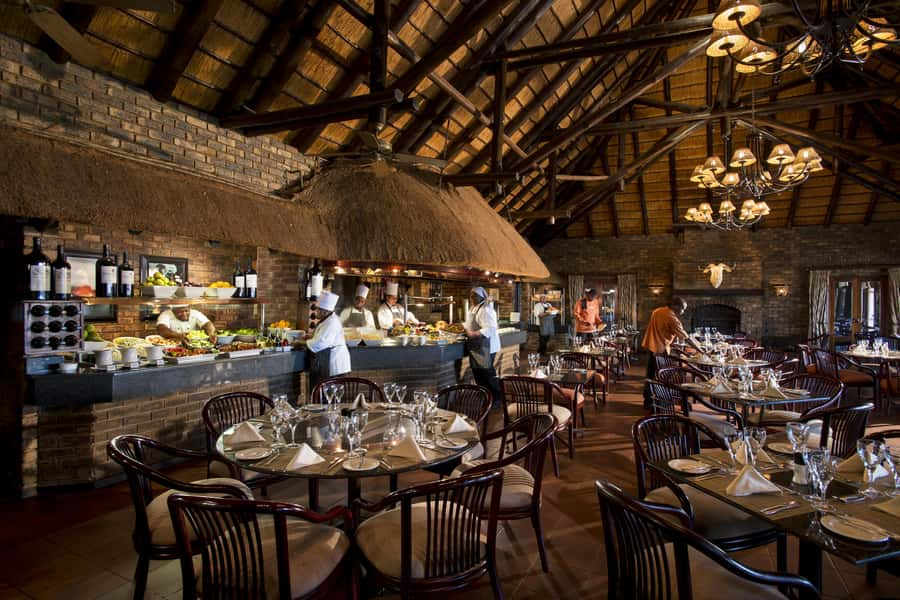
At $263 per person, this is not a budget bus ride, but the price covers the expensive parts of a full-day safari: return transport, park entry, the R748 conservation fee, safari vehicle, guide, lunch, and water.
The value depends heavily on where you are staying and what you want. If you are already planning a longer safari elsewhere, paying for another full day may not be necessary. If Johannesburg is your base and you want one wildlife day without arranging a car, hotel, meals, and park admission separately, the package is easier to justify.
The five-hour transfer should be part of your value calculation. You are paying for a complete city-to-park day, but a large part of the schedule is spent on the road. Someone who dislikes long drives may prefer an overnight stay closer to Pilanesberg. Someone who wants a simple one-day plan may see the included transport as the main benefit.
The small group size improves the package. You are not being placed in a large sightseeing crowd, and the shared safari keeps the cost below what a private vehicle would normally involve. The open option is especially worthwhile if your priority is the feel of a traditional game drive.
Practical preparation for a long safari day
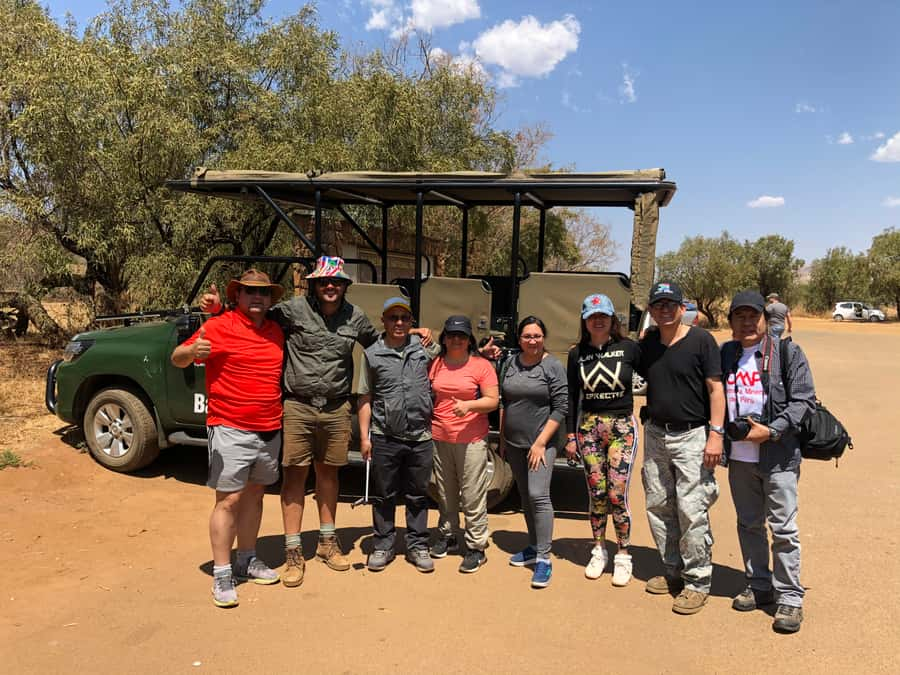
Bring sunscreen, a passport or a copy of your passport, and clothing that works for changing conditions. The supplied information specifically asks you to carry sunscreen and identification. Water is available on the vehicle, and lunch is included.
Wear something comfortable for a long ride. You will spend about five hours in the transfer vehicle, then several more hours in a safari vehicle. The day is active in the sense that you are sitting, watching, and moving between vehicles, but it is still a long physical commitment.
A camera with a zoom lens can help, but even a phone can capture close wildlife encounters when the vehicle is in the right place. Keep your equipment ready rather than packed away. Animals can appear suddenly, and a giraffe or elephant may give you only a short window for a good photograph.
This experience is not suitable for children under six, pregnant women, or people with back problems. The long transfer and safari-road conditions are the key concerns. The tour has free cancellation up to 24 hours before departure, and you can reserve now while paying later, which helps if your Johannesburg schedule is still changing.
Who should book this Pilanesberg day trip?
I would recommend it to you if you have a single free day in Johannesburg or Pretoria and want a straightforward wildlife outing. It is also a strong fit if you value hotel pickup, included park fees, lunch, and a small shared group more than complete flexibility.
Choose the open safari vehicle if your priority is photography, fresh air, and a closer feel to the bush. Choose the closed minibus if you want more protection from the elements or feel less comfortable in an open vehicle.
I would hesitate if you dislike long road transfers or need a private itinerary. The 2.5-hour journey each way is unavoidable, and the open vehicle is shared. I would also keep expectations realistic about the Big Five. You may see elephants, lions, and several antelope species, but no responsible safari can promise every famous animal.
Should you book it?
Book this tour if you want the most convenient full-day route from Johannesburg to a malaria-free game reserve, with the major costs already bundled into one price. The best reasons are the included transport, modest group size, two game drives, and the chance to see elephants or lions in a volcanic park setting.
Skip it if five hours on the road sounds worse than exciting, or if you want several days of unhurried wildlife viewing. For a first safari from Johannesburg, though, this is a practical choice with a good balance of access, comfort, and genuine time in the reserve.
FAQ
How long does the Pilanesberg safari from Johannesburg take?
The full experience lasts about 12 hours. The road transfer takes roughly 2.5 hours each way, with around five hours of game viewing split into a three-hour drive and a two-hour drive.
Is hotel pickup included?
Yes. Pickup and return are available from listed locations in Johannesburg, Pretoria, and nearby areas, including Sandton, Rosebank, Bryanston, Fourways, Midrand, Centurion, Kempton Park, Krugersdorp, Roodepoort, and O.R. Tambo International Airport. You should wait in your hotel lobby at the pickup time.
Can I choose an open or closed safari vehicle?
Yes. You can select an open safari vehicle or a closed minibus option when booking. Open-vehicle safari options are shared with other participants.
Is lunch included?
Yes. Lunch and water on board the vehicle are included in the tour price.
Is Pilanesberg malaria-free?
Yes. The experience is described as wildlife viewing in a malaria-free climate.
Are children allowed on the tour?
Children under six are not permitted. The tour is also not suitable for pregnant women or people with back problems.
Just added around South Africa
- Marine Big 5 Full Day Guided Return Transfer Cape Town – Gansbaai★ 4.5 · 33 reviews
- Wine Beer and Biltong Safari – Stellenbosch★ 5.0 · 17 reviews
- V&A Waterfront Marine Big 5 Ocean Safari★ 4.5 · 30 reviews
- Full Day Big 5 Aquila Safari Private Transfers Including Park Fee From Cape Town★ 4.5 · 54 reviews
- Sunset Safari Big 5 Aquila with Snacks and Wine Tasting★ 5.0 · 12 reviews
- Urban Safari in Cape Town★ 5.0 · 21 reviews
- Marine Big 5 Safari with transport from Cape Town★ 4.5 · 158 reviews
- Full-Day Safari Aquila Game Reserve from Cape Town★ 4.5 · 15 reviews
South Africa Safaris, compared.
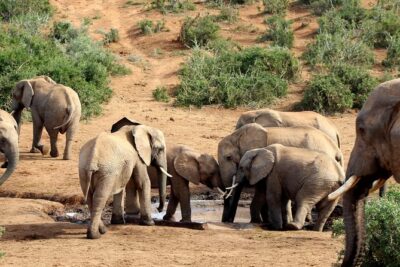
Addo Elephant National Park All Inclusive Full-Day Safari
Read our review →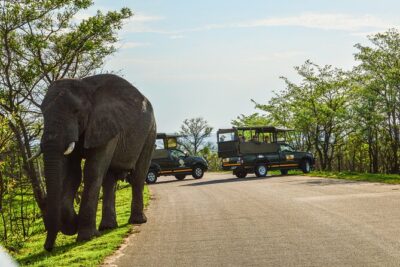
Little Brak River: Botlierskop Guided Game Drive
Read our review →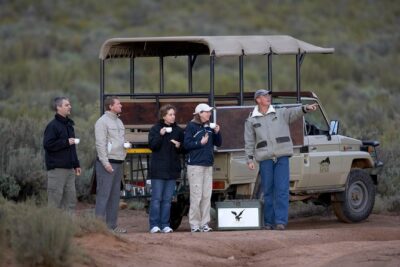
Big Five Game Reserve Wildlife Safari from Cape Town
Read our review →Browse the lists this tour appears in