
REVIEW · ARUSHA
From Arusha: 7 Days Classic Safari Central Northern Circuit
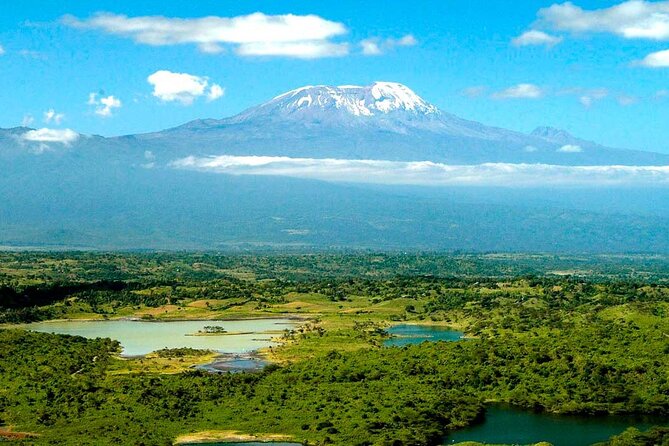
The best part of this seven-day safari is the variety packed into a sensible northern Tanzania route. You move from Mount Meru’s forest and birdlife to flamingo-lined Lake Manyara, elephant country in Tarangire, and the wildlife-filled bowl of Ngorongoro Crater. You get four very different parks, not the same game drive repeated for a week.
I like the private format, since your group travels with its own driver-guide rather than sharing a vehicle with strangers. I also like the full-board setup and the unusual accommodations near the parks, which take much of the daily planning off your shoulders. Guides such as Sillo, Stanley, Hamisi, Jeff, and Engelbert have been praised for spotting animals, explaining plants, and shaping the days around their groups.
The main thing to consider is the pace. This is a real safari, with long drives, rough park roads, early starts, and several hours in a vehicle. Day 2 is intentionally easy, but the route still asks you to spend much of the week on the move.
Four parks, one private safari vehicle
- Arusha National Park brings Mount Meru, forest, alkaline lakes, colobus monkeys, and excellent birding into the opening day.
- Lake Manyara packs groundwater forest, baboons, flamingos, giraffes, buffalo, and possible tree-climbing lions into a compact area.
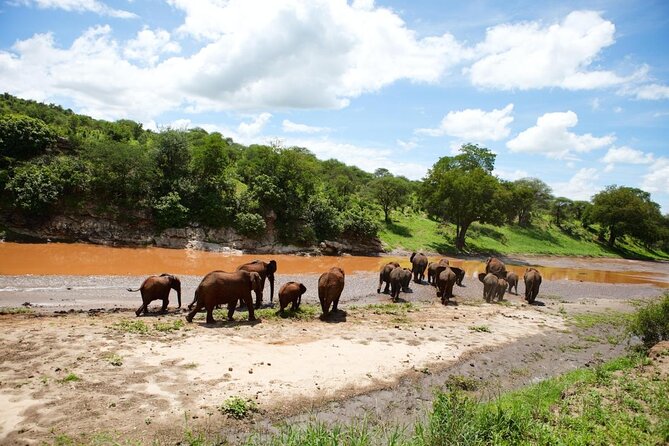
- Tarangire is the elephant specialist, with open country that often makes wildlife easy to spot.
- Ngorongoro Crater gives you one of Tanzania’s strongest chances to see a broad range of large animals in one day.
- Full board is included, covering six breakfasts, six lunches, six dinners, and overnight stays in distinctive accommodations.
- The private setup suits couples, families, and small groups who want flexibility and a guide focused on their own interests.
What the $2,721 price really covers
At $2,721 per person, this is not a budget ride through the parks. But the price includes the expensive pieces of a Tanzania safari: park fees, private transport, a driver-guide, six nights of full-board lodging, and the meals listed in the package.
That matters because park entry, fuel, vehicle costs, meals, and accommodation can quickly add up in northern Tanzania. You are also paying for a planned route through four major wildlife areas, rather than arranging separate transfers and lodges yourself.
The value is strongest if you want one company handling the moving parts. The accommodations are operated within the same wider hospitality network, so your stay, meals, and safari transport are designed to work together. Several guides have been praised for their animal spotting and personal attention, including Stanley, who was noted for identifying plants and wildlife while driving, and Jeff, who worked hard to help his group see the Big Five.
There are extra charges. At check-in, you pay a tourism development levy of $1.50 per person per night and a village tax of $1 per person per night. Drinks, tips, and personal purchases are also separate. Ask for the exact accommodation plan before booking, since the description refers to unique accommodations but does not name every property in the itinerary.
A few more safaris around Arusha worth a look
- 7-Day Premium Luxury Tanzania Safari All-Inclusive
★ 5.0 · 426 reviews - Group Safari 7 Days in Tanzania’s Main Parks
★ 5.0 · 240 reviews - 7 Days Tanganyika Wilderness Safari
★ 5.0 · 159 reviews
Day 1: Arusha National Park beneath Mount Meru
Your safari begins with pickup from your accommodation or the airport in Arusha, with an 8:00 am start. The drive to Arusha National Park takes about 30 minutes, leaving you with a useful first day rather than a long transfer before the wildlife begins.
Arusha National Park is smaller than some of Tanzania’s famous parks, but it gives you a broad introduction. Its setting includes Mount Meru, forest, mountain areas, and alkaline lakes. The park is especially appealing if you care about birds or monkeys as much as large mammals.
The black-and-white colobus monkey is one of the signature sightings. Look into the trees for its long limbs and striking black-and-white coat. The park also offers chances to see species such as greater flamingos and silvery-cheeked hornbills.
Plan on about six hours in the park. This is a good opening act because it is visually varied and less single-minded than a park known only for large herds. The drawback is that it may not deliver the same density of big game you hope to find later. Think of this day as an introduction to Tanzania’s forests, lakes, birds, and mountain scenery.
Day 2: A slow day near Lake Manyara
The second day is built for rest. You stay in the Manyara area and can use the time by the pool, visit the spa, or pay for an optional local activity.
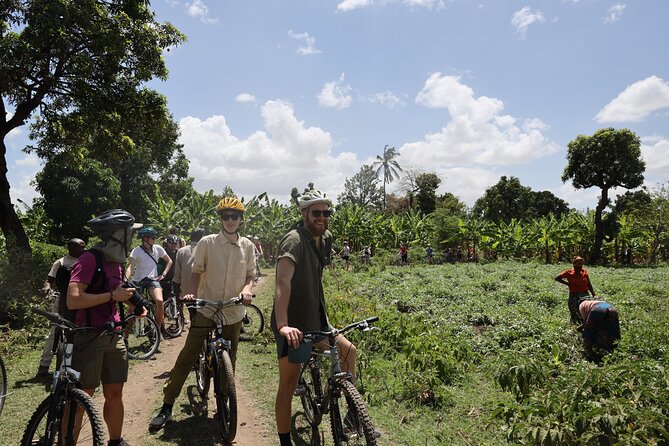
Possible choices include a visit to a traditional Maasai boma, a mountain-bike outing through the farms and villages around Mto Wa Mbu, a Maasai market, or a tuk-tuk tour through the village. These options give the week some contact with daily life beyond the vehicle and wildlife circuit.
This pause is one of the smarter features of the route. Safari days can be tiring, and a full week of drives without a break can blur together. Here, you can wash clothes, rest your eyes, and prepare for the next game drive.
The tradeoff is simple: you spend a full day without an included park visit. If your priority is maximizing wildlife hours, you may find the pause frustrating. If you want a more comfortable trip, it keeps the schedule from becoming a seven-day endurance test.
Day 3: Lake Manyara’s forest, lake, and flamingos
Lake Manyara National Park offers a surprising amount in a small area. The route from the entrance passes through groundwater forest, where baboon troops may sit beside the road or in the branches.
As you reach the lake, watch the grassy edges for wildebeest, giraffes, zebras, and buffalo. The alkaline water attracts large numbers of birds, with more than 400 species recorded in the park. Flamingos are a major draw when conditions bring them into view.
The park is also associated with tree-climbing lions. Seeing one is never guaranteed, but the mahogany and acacia trees give you a reason to keep looking upward instead of scanning only the grass.
You spend about six hours on the game drive. The park’s compact size helps you see several habitats in one day, but it can also feel busy compared with larger, more open parks. Bring binoculars if birds matter to you, and keep your expectations flexible. Wildlife moves on its own schedule.
Same country, a different kind of drive:
- Balloon Safari & Bush Breakfast in Serengeti – Miracle Experience
★ 5.0 · 1,646 reviews - 4 Days Group Camping Safari
★ 5.0 · 1,101 reviews - 5 Days Group Camping Safari
★ 5.0 · 730 reviews - 3 Days Serengeti & Ngorongoro Group Camping Safari
★ 5.0 · 574 reviews
Day 4: Tarangire, the elephant country
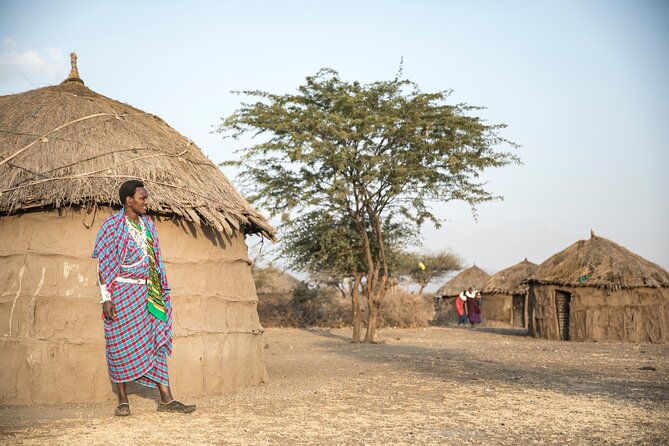
Tarangire National Park is the day for elephants. Large herds can sometimes be seen at close range, and the park’s open terrain often makes animals easier to find than in thicker forest.
The park covers about 2,850 square kilometers and is known for having a high concentration of wildlife outside the Serengeti. Along with elephants, you might see wildebeest, zebra, buffalo, gazelles, warthogs, impalas, lions, leopards, pythons, and more than 50 bird species.
I like Tarangire because it has a distinct personality. The scenery feels different from Manyara, and the wildlife viewing often rewards patience without requiring endless searching. Your driver-guide’s skill matters here. Several guides connected with this safari have been praised for spotting animals and explaining both plants and wildlife.
Again, the planned game-drive time is about six hours. Roads can be tiring, especially after several days in a four-wheel-drive vehicle, but the payoff is the chance to watch elephants behaving naturally rather than simply ticking off species from a list.
Day 5: The escarpment road to Karatu
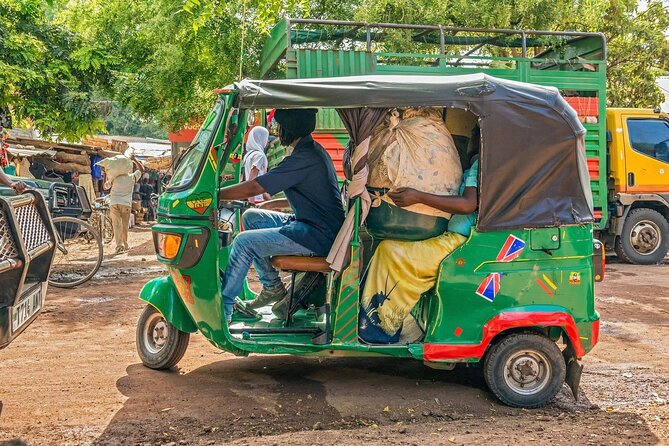
Day 5 is mainly a transfer day, with a scenic drive up the escarpment on the route to Karatu. The road is described as having about 150 corners, so this is not a quick, straight run.
You arrive at Africa Safari Karatu in the afternoon. The rest of the day is open for relaxing or booking an optional activity, such as a coffee-farm visit or an outing to meet the Hadzabe, described here as one of Africa’s oldest tribes.
This day gives you a useful change of rhythm before Ngorongoro. It also places you close to the crater for the following morning, instead of making you travel from a distant base. The weakness is that the day includes less wildlife viewing than the park days, and anyone prone to motion sickness should prepare for the winding road.
Day 6: Ngorongoro Crater and the Big Five
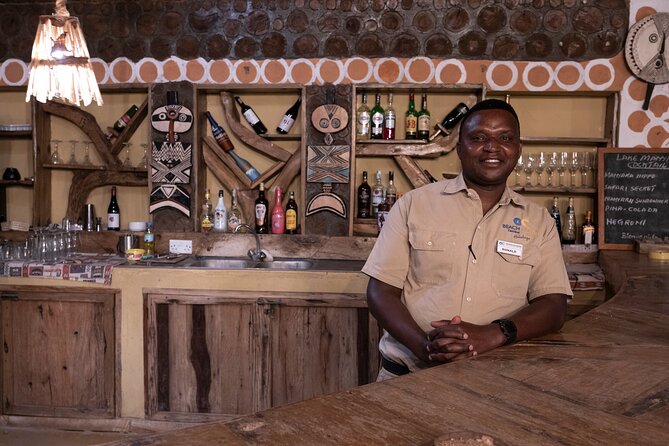
Ngorongoro Crater is the trip’s grand finale. It is the world’s largest intact volcanic caldera, with steep natural walls that help keep wildlife within a relatively compact area.
You spend about six hours on a game drive inside the crater. The setting alone is memorable: a high rim, cool air, cloud around the upper edge, and a broad floor below. Once you descend, the crater can give you a strong chance to see a wide mix of animals, including the Big Five.
That concentration is what makes Ngorongoro so effective in a seven-day route. You do not need to spend several days here to understand why it matters. A full day can provide an impressive range of sightings, though no guide can promise every animal.
This is also a busy and highly anticipated part of the circuit. Expect the possibility of other safari vehicles and a structured day. The natural setting remains extraordinary, but the experience is not a private wilderness with no one else around.
Day 7: Returning to Arusha
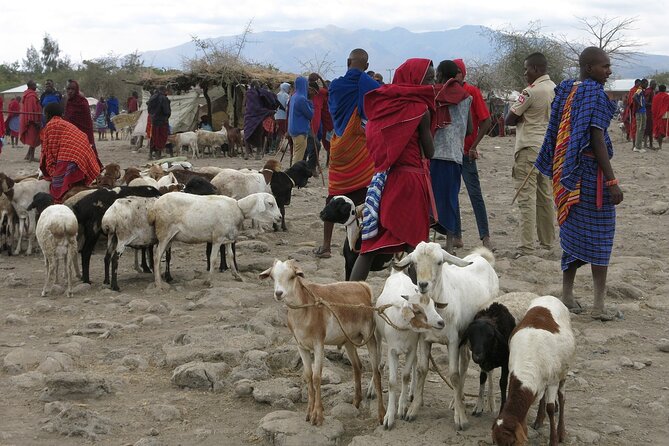
After breakfast, your driver-guide takes you back to Arusha. The drive from Karatu takes roughly three hours, followed by drop-off in central Arusha, at your accommodation, or at the airport.
That return arrangement is useful if you are connecting with another trip. Still, allow a generous time cushion if you have a flight. The stated drive is approximate, and road conditions, park exits, and stops can affect the timing.
The route ends where it began, with no extra night in Arusha included. If your international flight leaves the same day, confirm the pickup and airport timing before you commit to a tight schedule.
Guides, vehicles, and the human side of the trip
The strongest part of a safari is often the person in the front seat. The guide must drive safely, find animals, explain what you see, and judge when to wait and when to move on.
This operation has used guides and drivers including Allen, DJ Khalid, Malley, Stanley, Joel, Hamisi, Martin, Sillo, Shabani, Jeff, Gaza, Neema, Engelbert, and Joe. Specific praise has centered on patient animal spotting, plant knowledge, language ability, kindness, and giving families enough space to enjoy the trip at their own pace.
You cannot choose a particular guide from the details provided, so it is sensible to ask at booking whether a preferred language or guide can be requested. The tour is private, meaning only your group participates. That is a real advantage for families, couples, and friends who want to stop for photographs or spend more time with a particular animal.
The moderate fitness requirement should be taken seriously, even though this is not a hiking tour. You will spend long periods seated, climbing in and out of a safari vehicle, and dealing with uneven roads.
Food, lodging, and what to pack
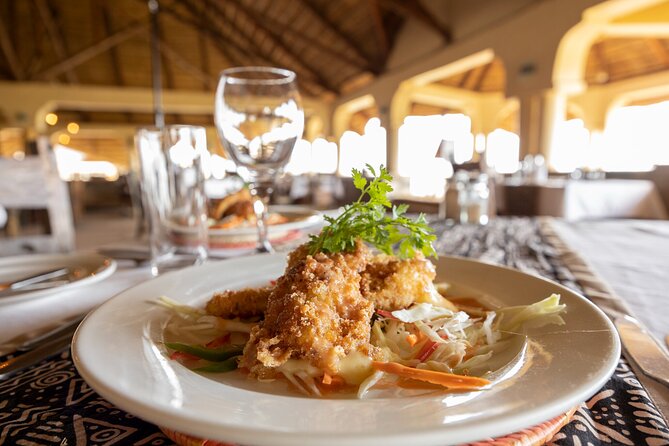
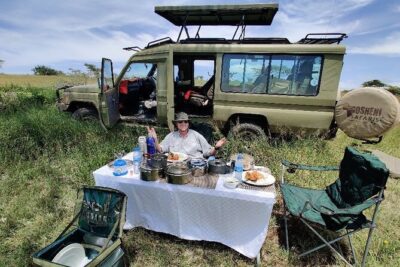
Six breakfasts, six lunches, and six dinners are included, along with overnight stays on a full-board basis. The accommodations are described as distinctive and close to the parks, with properties in the same operating network.
Feedback about the lodges has been especially strong on comfort, clean rooms, friendly service, comfortable beds, and generous food. Some stays are lodge-style, while others may have a tented-camp feel, depending on the assigned accommodation.
Pack light but bring layers. Temperatures can change between cool mornings, warm afternoons, and higher areas around Ngorongoro. Binoculars, a camera, sun protection, and comfortable clothing are practical choices. Drinks are not included, so budget for those separately.
Who should book this safari?
I would recommend this route to someone visiting northern Tanzania for the first time who wants a broad sample without adding the Serengeti or stretching the trip beyond a week. It works particularly well for couples, families, and small private groups who value a dedicated guide.
It is also a good fit if you want full-board planning and a rest day. You get wildlife, birds, cultural options, varied scenery, and comfortable overnight stops without arranging each piece yourself.
I would hesitate if your only goal is spending as many hours as possible among large herds. The rest day and transfer days reduce your game-drive time, and the route does not include Serengeti National Park. I would also compare the final lodging list and ask about vehicle details before paying, since those can make a major difference to comfort.
Should you book it?
Book this safari if you want a well-rounded northern Tanzania circuit with private transport, full-board stays, and a strong chance of varied wildlife in seven days. The best reasons are the mix of parks, the easy logistics, the pause near Manyara, and the experienced driver-guides assigned to private groups.
Skip it if you want a bare-bones budget trip, a Serengeti-focused itinerary, or a schedule filled with game drives every day. For the right kind of safari, $2,721 buys convenience, variety, and a practical introduction to Tanzania’s central northern parks.
FAQ
Where does the safari start and finish?
The safari starts in Arusha, with pickup from your accommodation or the airport. On Day 7, you return to Arusha and can be dropped in the city center, at your accommodation, or at the airport.
What time does the safari start?
The stated start time is 8:00 am.
Which national parks are included?
The route visits Arusha National Park, Lake Manyara National Park, Tarangire National Park, and Ngorongoro Crater.
Is this a private tour?
Yes. Only your group participates in the activity.
What meals are included?
The package includes six breakfasts, six lunches, and six dinners as part of the full-board accommodation plan.
Are park fees included?
Yes. Park fees are included, and the Ngorongoro Crater admission is specifically included in the itinerary.
What costs are not included?
The tourism development levy of $1.50 per person per night and village tax of $1 per person per night are paid at check-in. Drinks, tips, and personal expenses are also excluded.
Just added around Arusha
- 6 days Tanzania budget safari★ 5.0 · 65 reviews
- 7 days great migration safari★ 5.0 · 77 reviews
- serengeti, ngorongoro & tarangire 5days private tour★ 5.0 · 77 reviews
- 5 days safari, hiking & culture (Serengeti & kilimanjaro)★ 5.0 · 27 reviews
- 5-Day Mid-Range Safari in Tanzania★ 5.0 · 33 reviews
- 4 days safari★ 5.0 · 34 reviews
- serengeti & ngorongoro 3 days private tour★ 5.0 · 15 reviews
- serengeti, ngorongoro & tarangire 4 days private tour★ 5.0 · 18 reviews
Arusha Safaris, compared.
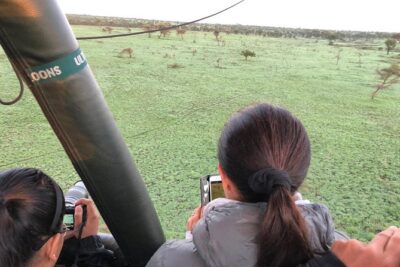
Balloon Safari & Bush Breakfast in Serengeti – Miracle Experience
Read our review →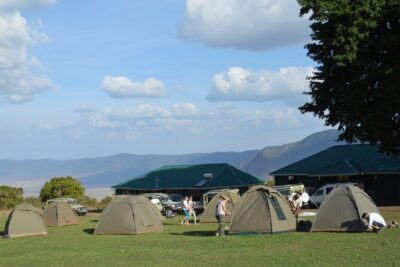
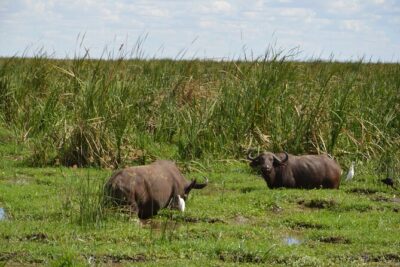
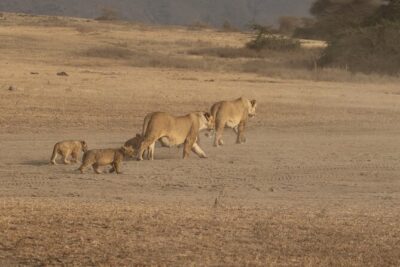
3 Days Serengeti & Ngorongoro Group Camping Safari
Read our review →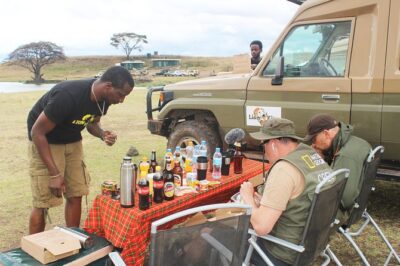
7-Day Premium Luxury Tanzania Safari All-Inclusive
Read our review →
5-Day Highlights mid-Range Crater, Serengeti, Tarangire
Read our review →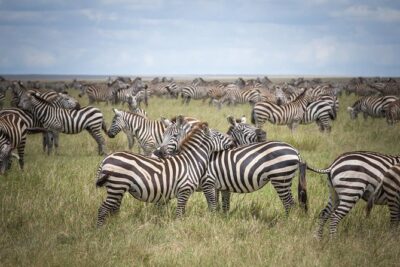
8 Days Great Wildebeest Calving Migration Safari from Arusha
Read our review →Browse the lists this tour appears in