REVIEW · JEEP & 4X4
Aruba Outback Safari Jeep Tour – Lighthouse, Arikok & Conchi Pool
The best part of this Aruba jeep tour is the way it gets you beyond the resort strip and onto the island’s rough east coast. In about four and a half hours, you can reach Conchi Natural Pool, rocky beaches, old gold-mill ruins, a lighthouse, and an animal rescue center without renting a car or finding your own way across Arikok National Park.
I like the variety, especially the chance to swim at Conchi and then visit places such as Bushiribana Ruins and Philip’s Animal Garden. I also like the local guides, including Jordan, Milton, Jack, Q, Brian, Andrew, and others who drive, explain the sights, take photos, and adjust the pace when they can. The main drawback is clear: the ride is seriously bumpy, and the climb to the natural pool involves roughly 90 uneven, rocky steps.
Key points before you book
- Conchi Natural Pool is the star stop: You may have time to swim, jump in, or simply enjoy the volcanic rock setting, though tides and conditions can affect access.
- The jeep reaches places regular cars cannot: Arikok’s rough tracks are part of the experience, not just a way to get from one stop to another.
- Expect an open-air, dusty ride: A bandana, bottled water, and comfortable clothes are useful in Aruba’s heat and wind.
- You see a wide slice of Aruba: Beaches, natural bridges, the California Lighthouse, Alto Vista Chapel, gold ruins, rock formations, and rescued animals all fit into one outing.
- The guide can shape the day: Small groups may allow more flexibility, and some groups have chosen which stops mattered most to them.
- The price is reasonable for a first look: At $121.80 per person, the tour offers transportation, a guide, water, park access, and a full half-day of sightseeing, but it is less attractive if you dislike rough roads or prefer long, quiet visits at each stop.
A rough-road introduction to Aruba
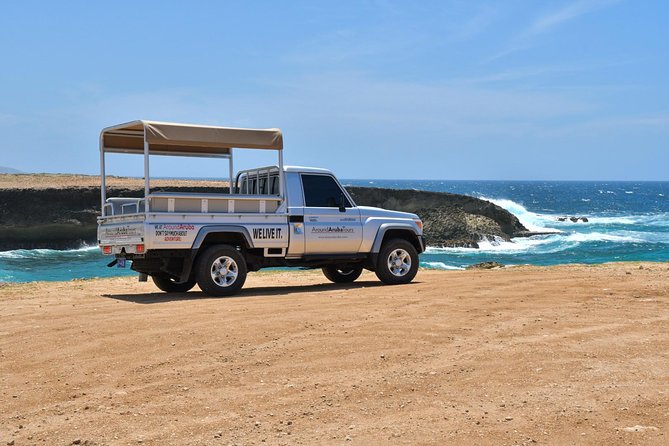
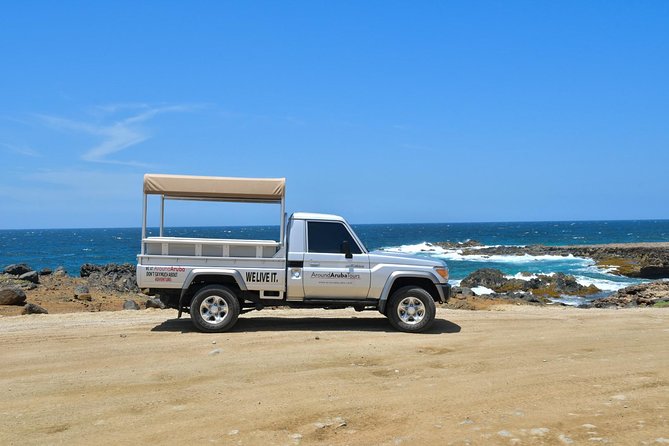
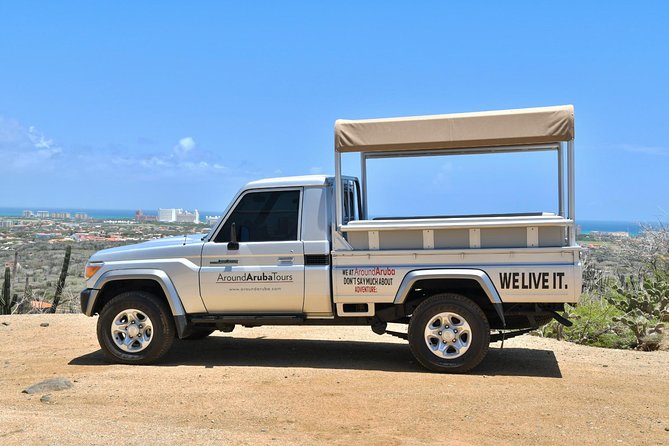
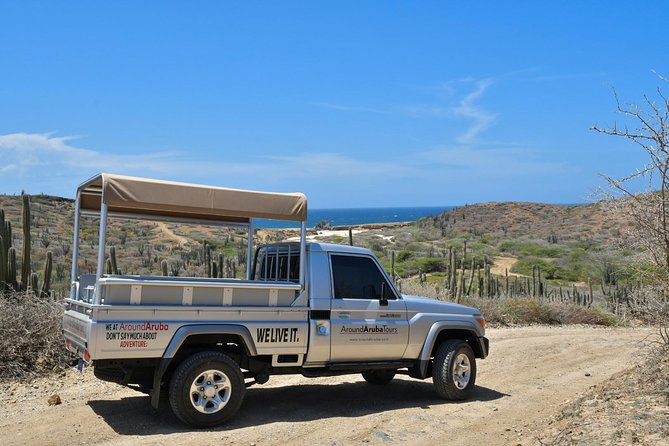
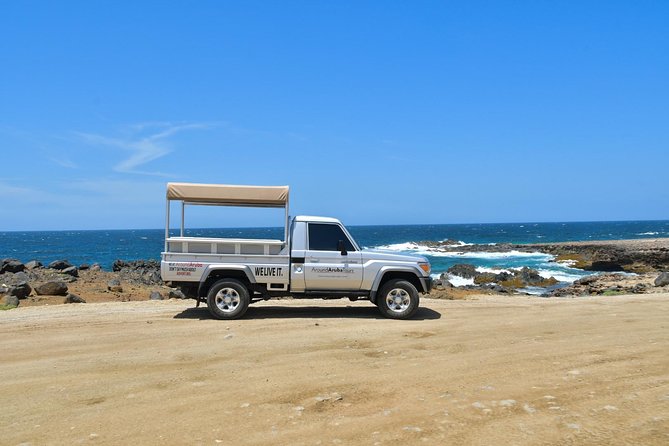
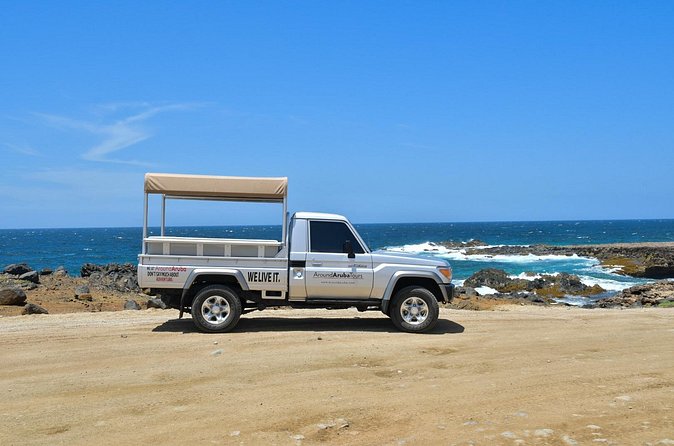
This is not a polished sightseeing bus with smooth highways and a fixed commentary track. You ride in the back of an open-air safari jeep, often with wind in your face and dust in the air, while the driver handles rocky tracks that would be unpleasant in a standard rental car.
That roughness is useful. Arikok National Park covers about 20 percent of Aruba, and the tour lets you see parts of the park and the east coast that are difficult to reach in an ordinary vehicle. It also removes the stress of driving over unfamiliar terrain and deciding which remote stops are worth the effort.
The standard trip lasts about 4 hours and 30 minutes. Actual timing can vary. One outing finished in 3 hours and 45 minutes, while another ran from 2 p.m. to 6 p.m. The order of stops may also change with weather, tide, traffic, group interests, and the guide’s judgment.
Pickup and drop-off are offered at select hotels, and the stated meeting point is Around Aruba Tours at Alto Vista 116 in Noord. Confirm the pickup details carefully before the day of the tour. Two poor experiences involved confusion over hotel pickup or a missed meeting, so clear communication matters, especially if you are arriving by cruise ship.
More Jeep Safaris in the world:
- Ultimate Island Jeep Safari with Natural Pool, Baby Beach & Lunch
★ 5.0 · 8,653 reviews - Aruba Natural Pool and Indian Cave Rugged Jeep Safari
★ 5.0 · 7,713 reviews - Antalya: Ziplining, Rafting, Jeep Tour & Quad Safari w/Lunch
★ 4.6 · 3,260 reviews
Arikok National Park and the ride to Conchi
Arikok is the heart of the outing. Here, Aruba’s dry interior gives way to volcanic rock, cactus country, rough tracks, and coastal views. The short scheduled visit is listed as about 30 minutes, but you will also experience the park while driving between stops.
The ride into Conchi is one of the most memorable parts. The jeep climbs and rattles over stone, and the driver’s skill matters. Guides such as Jordan, Milton, Q, and Brian were praised for handling the rough route while keeping people comfortable and safe.
Bring a secure grip for your phone and avoid carrying loose items in your lap. The open vehicle makes it easy to admire the scenery, but it also exposes you to wind, sun, and flying dust. The included bandana helps reduce debris exposure, though sunglasses and sun protection are still sensible choices.
The park is not a passive sightseeing stop. You need to climb into and out of the jeep, and you may walk over uneven ground. If you have back, neck, or mobility problems, treat the physical demands seriously. The ride and the steps to Conchi can be hard on anyone who is not comfortable with rough terrain.
Conchi Natural Pool: the reason many people choose this tour
Conchi, also called the Natural Pool of Aruba, sits inside a rock formation where volcanic stone protects a small pool from the open sea. It is the tour’s strongest attraction and one of the few stops where you may get wet.
The pool is reached by a rocky descent and ascent of about 90 uneven steps. Once there, you may have the chance to swim or jump into the water, depending on conditions and the guide’s instructions. Some outings have had the pool closed because of tides, so do not book this tour assuming swimming is guaranteed.
The setting is dramatic without being fussy. You get dark rock, churning sea, and a sheltered pocket of water rather than a manicured beach club. I would wear secure footwear and bring only what you can manage on the climb. The guide may help with personal items and photos, but you should still keep valuables to a minimum.
Time is another consideration. About 30 minutes is listed for the pool, and some people wish they had longer. If swimming at Conchi is your main goal, ask at the start how much time the group expects to spend there and whether conditions may shorten the stop.
Bridges, beaches, and Aruba’s wild north coast
The tour strings together several coastal stops that show how strongly wind and waves have shaped Aruba.
At the Natural Bridge, you see a limestone formation created by erosion. The original famous bridge collapsed years ago, but the area still provides a useful look at Aruba’s coastal rock and sea-cut shapes. The stop is short, around 20 minutes, so think of it as a photo and scenery break rather than a long walk.
Wariruri Beach sits in a sandy cove surrounded by eroded limestone. It is associated with surfing and fishing, and the rough coastline gives it a less polished feel than the resort beaches. Andicuri Beach offers another quiet coastal stop, with a sandy stretch framed by limestone.
Shark Bay may also be included, along with Black Stone Beach, the only beach in Aruba identified in the tour information as having black sand. The exact selection can vary, so these are best viewed as part of the route’s wider menu rather than guaranteed long beach visits.
The beaches are valuable because they show a different Aruba. Palm-lined resort areas are easy to find, but the north and east coasts feel windier, rockier, and more exposed. The tradeoff is limited time. You can see many places, but you will not linger at every one.
A few more safaris around the world worth a look
- Dubai: Desert Safari, Quad Bike, Camel Ride & Al Khayma Camp
★ 4.9 · 68,962 reviews - Dubai: Desert Safari, Quad Bike, Camel Ride and Sandboarding
★ 4.9 · 43,505 reviews - Dubai: Safari, Quad Bike, Camel Ride, and Buffet Dinner
★ 4.9 · 33,424 reviews - Dubai: Red Dune Safari, Quad Bike, Camel Ride, BBQ Dinner
★ 4.9 · 32,185 reviews
Alto Vista Chapel and the California Lighthouse
Alto Vista Chapel is a small Catholic chapel on the hills above Aruba’s north shore, northeast of Noord. Its bright, simple setting gives the tour a cultural pause between the rough coast and the open road.
The scheduled stop is about 15 minutes. That is enough to look around and take photographs, but not enough for a long visit or much quiet reflection. One group wanted more time for the chapel’s Circle of Contemplation, so ask your guide if that part matters to you.
The California Lighthouse rises about 30 meters at Aruba’s northwest tip. It is one of the island’s best-known landmarks and gives the route a strong finish or midpoint, depending on the order of stops. The lighthouse itself is a viewing stop in this tour, not necessarily a climb. Do not assume your ticket includes going to the top.
The lighthouse area also helps break up the rugged driving. After so much rock and dust, a clear landmark and broad coastal view make the route feel more varied. You may have only about 15 minutes there, so use the time for photographs and a quick look around.
Bushiribana Ruins and Tripod Bridge
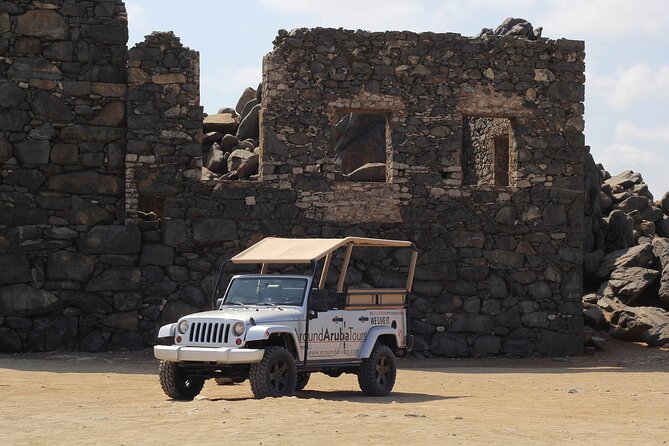
Bushiribana Ruins preserve the remains of a 19th-century gold mill. The walls are weathered and open to the sky, but they offer a concrete connection to Aruba’s gold-rush period. This is a short stop of about 20 minutes, enough to walk around and consider how much work once took place in this now-quiet coastal area.
Tripod Bridge, also called Three Bridges, is another rock formation along the route. Its unusual shape makes it an easy photo stop, and it adds another example of Aruba’s wind-and-water-carved coast.
These visits are not full museum experiences. There may be no long indoor interpretation or extended historical presentation. Their value comes from seeing the sites in place, with a local guide adding context while you move through the island.
Philip’s Animal Garden adds a softer finish
Philip’s Animal Garden is a wildlife sanctuary and rehabilitation center with more than 60 species of abandoned or rescued animals. The stop usually lasts about 20 minutes, though the time can feel short if you enjoy animal visits.
The rescued goats are a particular favorite, and feeding the animals can be a pleasant change after the hard ride through Arikok. This stop also works well for families, especially children who may appreciate a hands-on moment after a morning of geology and ruins.
The garden is not the main reason to book this tour. If you want a dedicated animal-center visit, you would need more time than this route provides. But as one part of a broad island sampler, it adds warmth and variety.
What the guides add to the day
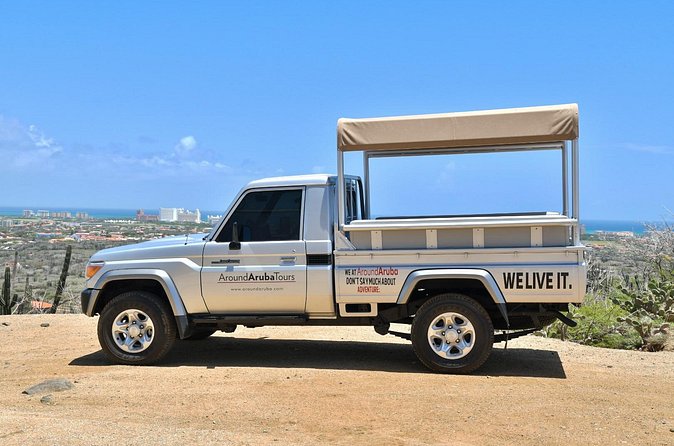
The guide can make a major difference. Jordan is repeatedly praised for taking photos, offering cold drinks and snacks, giving people time at stops, and keeping a small group engaged. Milton is described as patient, friendly, and willing to work with the group’s pace. Jack, Q, Brian, Andrew, Vince, E.A., Danny, and Milouska are also named by people who enjoyed the experience.
That does not mean every guide will give the same depth of commentary. One person felt the guide explained the main attractions but said less about the areas between them. You should ask questions as you drive, especially if you want more detail about Aruba’s geology, gold mining, chapel, or coastal villages.
Some guides take group photos and help with belongings, which is useful at the pool and animal garden. Tips are not included, and one guide made a point of saying that tips were an important part of his income. Plan for a tip if the service is good, but do not feel that a gratuity replaces clear communication or safe driving.
Group size, comfort, and the real meaning of $121.80
The maximum group size is listed as 56 people, but actual groups may be much smaller. One outing had only seven people, another had six, and one family had a jeep to themselves. A small group makes it easier to ask for photos, adjust the order, and avoid long waits.
The vehicle can be uncomfortable. The middle seat is a poor choice if you have trouble balancing, and the combination of bouncing, wind, sun, and dust can leave you tired. The ride may feel like the adventure you paid for, or like four hours of punishment, depending on your expectations.
At $121.80 per person, the value is strongest if you want a guided overview of Aruba’s less developed side. You are paying for a driver, local guide, transportation, bottled water, a bandana, and access to Arikok and Conchi, plus a long list of coastal and cultural stops.
The value is weaker if you mainly want a relaxed beach day, a long swim, or detailed museum-style history. You may spend much of the outing driving between short stops, and the route can feel packed. Still, for a first visit, it is an efficient way to see far more than the hotel zone.
Who should book this Aruba jeep tour?
I would choose this tour if you want variety, mild adventure, and a quick introduction to Aruba’s interior and east coast. It suits active couples, families with older children, and first-time visitors who do not want to rent a car.
I would be cautious if you have back or neck problems, difficulty climbing uneven steps, or a strong dislike of open-air vehicles. The tour information calls for moderate physical fitness, and that is a fair warning.
Wear secure shoes, sun protection, and clothes you do not mind getting dusty. Drink water before and during the ride, and keep valuables tucked away. If Conchi is your priority, confirm the swimming conditions and expected time there before setting out.
Should you book it?
Book this tour if you want to see the other Aruba in one energetic half-day. Conchi Natural Pool, the rocky coast, Bushiribana Ruins, the lighthouse, and the animal sanctuary create a varied route that is hard to reproduce without your own vehicle.
Skip it if you need a smooth ride, long stops, or guaranteed swimming. The occasional pickup problems and variable timing also mean you should confirm the meeting details carefully. For the right person, though, this is a useful and entertaining way to trade the resort strip for Aruba’s rougher, more memorable side.
FAQ
How long does the Aruba Outback Safari Jeep Tour last?
The advertised duration is about 4 hours and 30 minutes. Actual outings can vary, with one reported duration of 3 hours and 45 minutes and another running from 2 p.m. to 6 p.m.
How much does the tour cost?
The listed price is $121.80 per person.
Is hotel pickup available?
Pickup and drop-off are offered at select hotels. The listed meeting point is Around Aruba Tours at Alto Vista 116 in Noord, so confirm your exact pickup instructions before the tour.
Is Conchi Natural Pool included?
Yes. The tour includes a stop at Conchi Natural Pool, with admission included. Swimming access can depend on tides and conditions.
Do I need to be physically fit?
You should have a moderate level of physical fitness. The ride is bumpy, getting into the jeep can be difficult, and reaching the natural pool involves about 90 uneven, rocky steps.
Is bottled water included?
Yes. Bottled water is included, and some guides have also provided soft drinks or snacks.
Is the California Lighthouse included?
The lighthouse is listed as a stop, with about 15 minutes scheduled there. The information does not confirm that climbing to the top is included.
What happens if bad weather cancels the tour?
If poor weather causes cancellation, you will be offered a different date or a full refund. You can also cancel for a full refund up to 24 hours before the start time.
What is the maximum group size?
The stated maximum is 56 people. Actual groups may be much smaller, including groups of six or seven and, in some cases, a private jeep for one family or party.
Just added around the world
- Dubai Desert Safari With BBQ dinner★ 5.0 · 15 reviews
- Dubai Private Morning Desert Safari: Camel Ride & Sandboarding★ 5.0 · 19 reviews
- Deluxe Premium Dubai Desert Safari with Camel Ride, and Live Show★ 5.0 · 82 reviews
- Premium Deluxe Dubai Safari with Camel Ride, Sandboard & BBQ★ 5.0 · 55 reviews
- Dubai Morning Desert Safari: Camel Ride & Sandboarding!★ 5.0 · 116 reviews
- Camel Trekking and Morning Safari with Sand Boarding★ 5.0 · 19 reviews
- Thrilling Desert Safari Dubai Adventure with Sand Boarding and Barbecue Dinner★ 3.5 · 30 reviews
- Dubai Desert Safari★ 4.5 · 15 reviews
Jeep & 4x4 Safaris, compared.
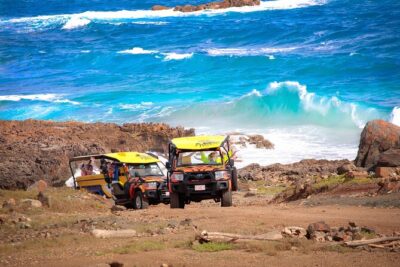
Ultimate Island Jeep Safari with Natural Pool, Baby Beach & Lunch
Read our review →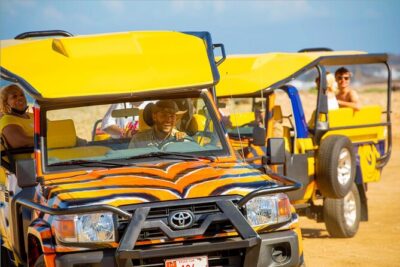
Aruba Natural Pool and Indian Cave Rugged Jeep Safari
Read our review →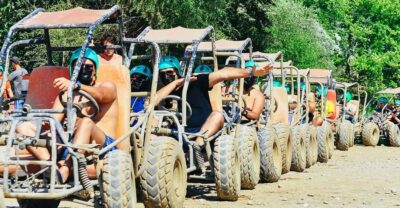
Ziplining, Rafting, Jeep Tour & Quad Safari w/Lunch
Read our review →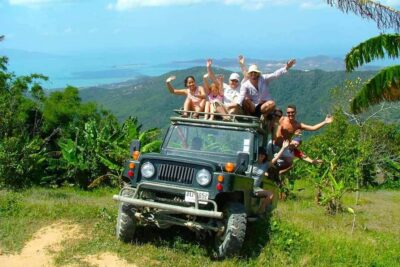
Mr.Ung’s 4WD Wild Jungle Safari Tour with Lunch
Read our review →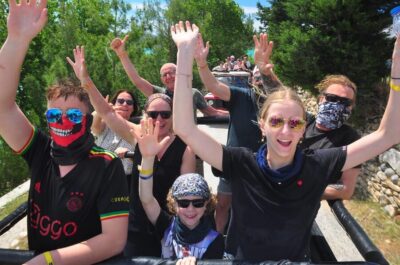
Jeep Safari & Green Lake Boat Trip with Lunch
Read our review →