
REVIEW · OVERNIGHT & CAMPING
Algonquin Park: Canoe Camping Safari
Algonquin’s best moments often arrive quietly: a loon calling across the water, a bull moose lifting its head from the reeds, or a wolf sounding off after dark. This three-day canoe camping safari puts you close to those moments, with a guide handling route planning, camp cooking, and wildlife know-how.
I like the small group of no more than eight people, and I like that the guides, including Jess and Gill, make room for both instruction and fun. You get wholesome meals, a hammock, a clean sleeping setup, and a strong chance of seeing moose. The tradeoff is simple: rain, wind, cold water, and wet feet are part of the deal, and one past trip found the tents too small during a storm.
Key points to know before you paddle
- Moose watching is a major focus: The operator reports a 90 percent success rate for moose photography and fishing, though wildlife can never be guaranteed.
- No prior canoeing or camping experience is needed: Your guide gives instructions and helps you manage the practical parts of camp life.
- The group stays small: With a maximum of eight participants, you get more direct help and a quieter feel on the water.
- You sleep in supplied camping gear: Your package includes a tent, air mattress, sleeping bag with fresh liner, pillowcase, and hammock.
- The water crossings require proper footwear: You may repeatedly step into water among rocks and cut beaver wood, so closed-toe water shoes matter.
- The price covers much of the hard-to-arrange stuff: At $519 per person, you get guiding, meals, permits, canoe equipment, camping gear, wildlife viewing, fishing, a hike, swimming, and campfire treats.
What three days in Algonquin really feel like
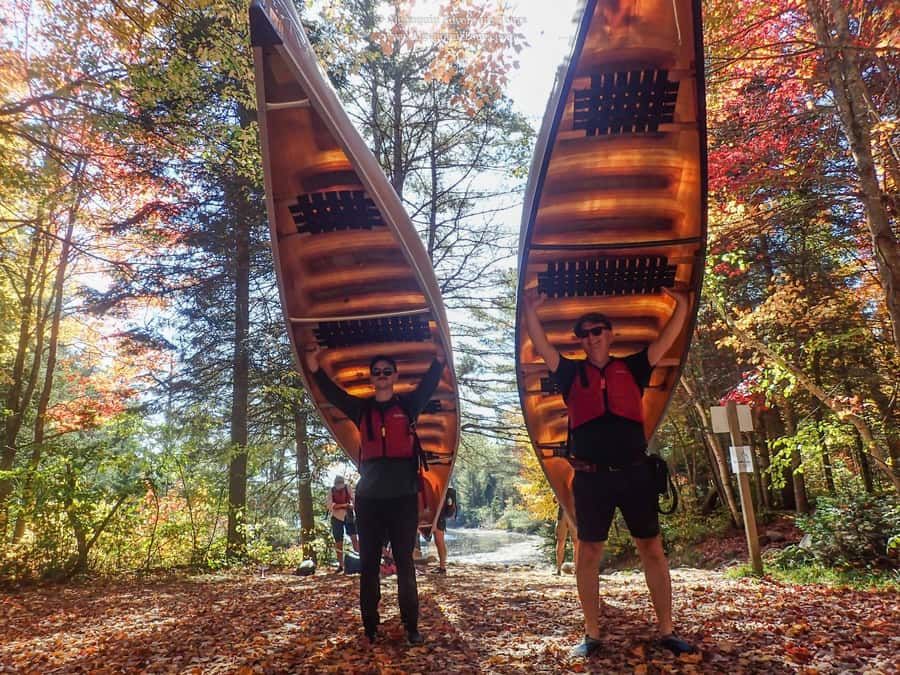
This is not a sightseeing ride with a canoe-shaped photo stop. You paddle, carry yourself through camp routines, step in and out of the boat, and sleep outside. The reward is a slower kind of park visit, one where the quiet becomes the main attraction.
The trip is built for people seven and older, including first-time paddlers and campers. You need a willingness to work and tolerate some discomfort. If you want a soft bed, a fixed schedule, and a dry walkway to every activity, choose a different Algonquin outing.
If you are open to learning, the format works well. The guide gives clear instructions, sets small tasks, and helps younger participants take on manageable challenges. Gill was praised for combining safety guidance with jokes, stories, and a good mood, while Jess was noted for strong park information and excellent meals.
The group size makes a real difference. Eight people is small enough for the guide to watch the paddling, answer questions, and help with camp tasks. It is also large enough to make new friends around the fire without turning the trip into a private expedition.
More Overnight Safaris in the world:
- Dubai: Overnight Safari, Dinner, Stargazing & Al Khayma Camp
★ 4.8 · 2,562 reviews - Dubai Overnight Desert Safari, BBQ & Stargazing at Al Khayma Camp
★ 5.0 · 2,327 reviews - 4 Days Group Camping Safari
★ 5.0 · 1,101 reviews
Meeting at Canoe Lake
You meet at the beach at Canoe Lake, near the Ontario Parks building. The meeting point is at 45.535032, -78.706570, and you should watch for the small kilometer markers along Highway 60 inside Algonquin Provincial Park.
From the west gate, the Canoe Lake turnoff appears after KM 14. From the east gate, it is around KM 15. Look for the large Canoe Lake and Portage Store sign, then drive about 150 meters up Canoe Lake Road.
Park in the first lot and carry your bags down to the beach using the small driveway at the far end. Look for the second Canoe Lake sign. Staff may be near canoes or a van marked with a Canadian flag logo. If heavy rain is falling, the meeting place moves to the outside deck of the Ontario Parks Canoe Lake permit building.
This is worth planning carefully. You do not want to arrive late, parked in the wrong lot, or carrying extra gear down the road. The first parking space is included for one booking, but additional vehicles are not part of the stated arrangement.
Day one: learning the rhythm of the canoe
The opening day is about getting comfortable on the water and with the group. Your guide explains how to handle the canoe, paddle safely, and work together. Even if you have canoed before, pay attention. A wilderness trip is different from a short rental on a calm city pond.
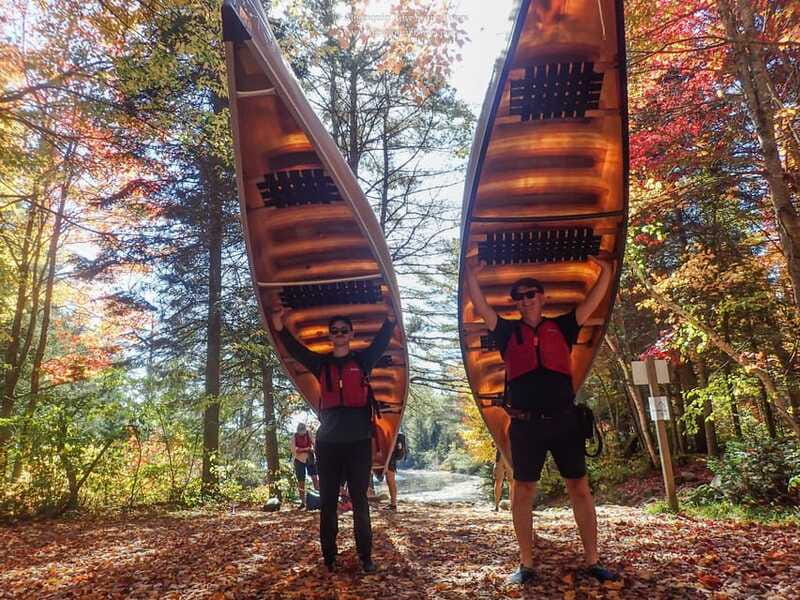
You may need to step into shallow water as you move between sections. The supplied guidance specifically warns about rocks and cut beaver wood, so this is not a place for bare feet or flimsy footwear. Closed-toe shoes that can get wet are essential.
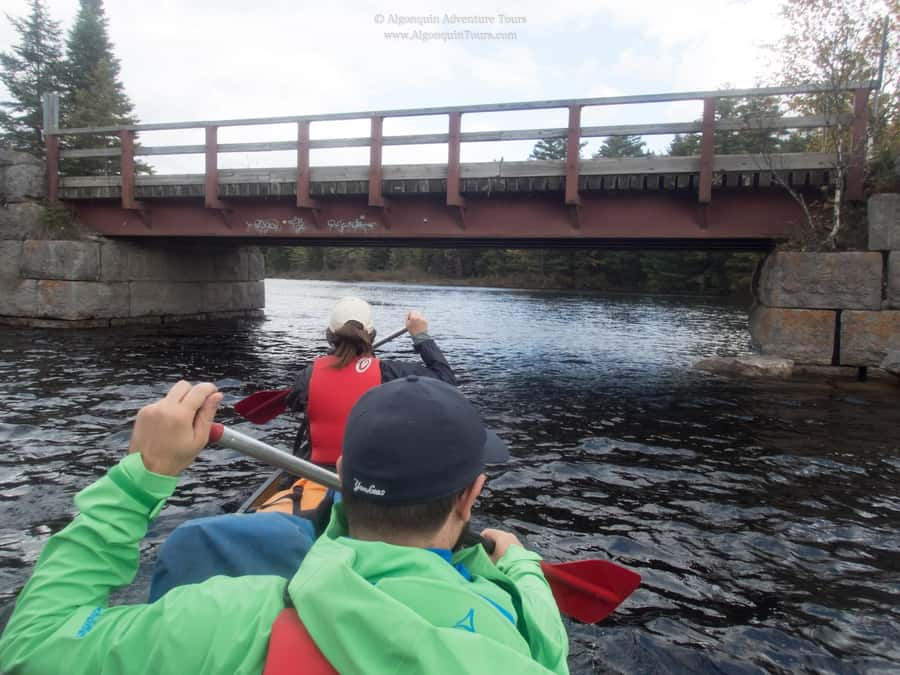
The water is the reason to go slowly. Algonquin’s waterways give you a chance to watch for wildlife, take photographs, and listen without the constant engine noise found on larger sightseeing outings. The guide helps direct your attention toward likely moose areas and other signs of park life.
Fishing is included, as is wildlife viewing, but the exact catch or animal sighting is never guaranteed. The stated 90 percent success rate is encouraging, especially for anyone hoping to photograph moose, but you should still arrive ready to value the paddling and quiet even if the animals stay hidden.
Day one also sets the social tone. Gill used jokes, stories, and small challenges to keep younger members involved, while the guide took care of safety and instruction. That mix matters on a three-day trip. A guide who only gives orders can make the trip feel stiff. A guide who only entertains can overlook practical details. Here, the best accounts describe both sides.
Camp life, from the tent to the fire
The camping setup removes much of the burden for first-time campers. A tent, air mattress, sleeping bag with a fresh liner, pillowcase, and hammock are included. You do not need to bring your own tent or sleeping bag, and you should not bring personal camping equipment because space is limited.
The sleeping gear received good marks for being clean and useful. The tents are the weaker point. One trip in rainy weather found them too small and unable to keep out a storm, leaving the campers wet. That does not mean every night will be uncomfortable, but it does mean good rain gear is not optional.
The provider asks you to bring only a toothbrush and toothpaste for toiletries. Biodegradable soap is supplied for bathing. Leave cosmetics, scented products, gum, and extra food at home because smells can attract bears and other wildlife.
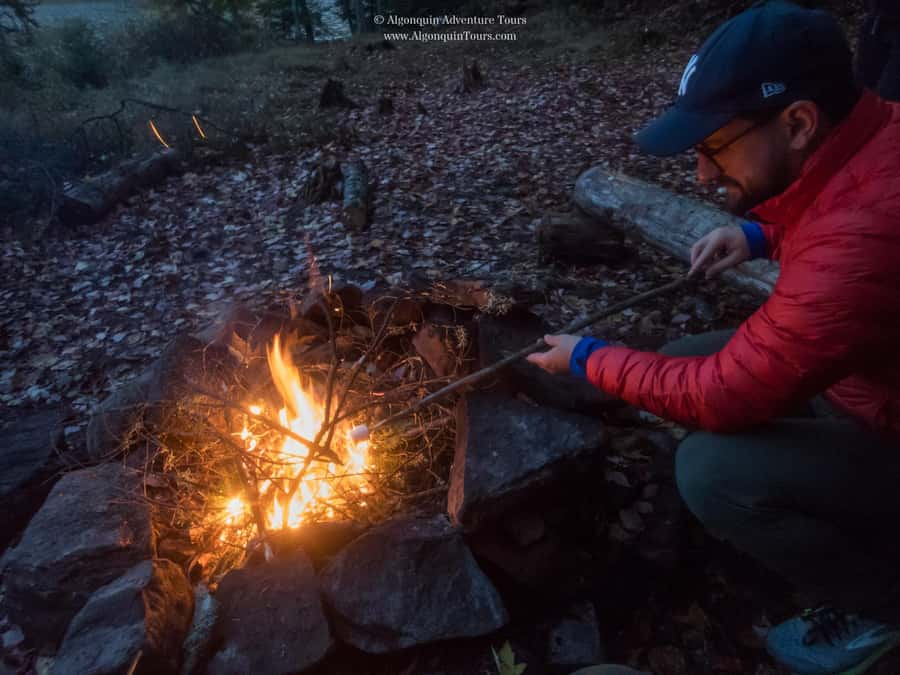
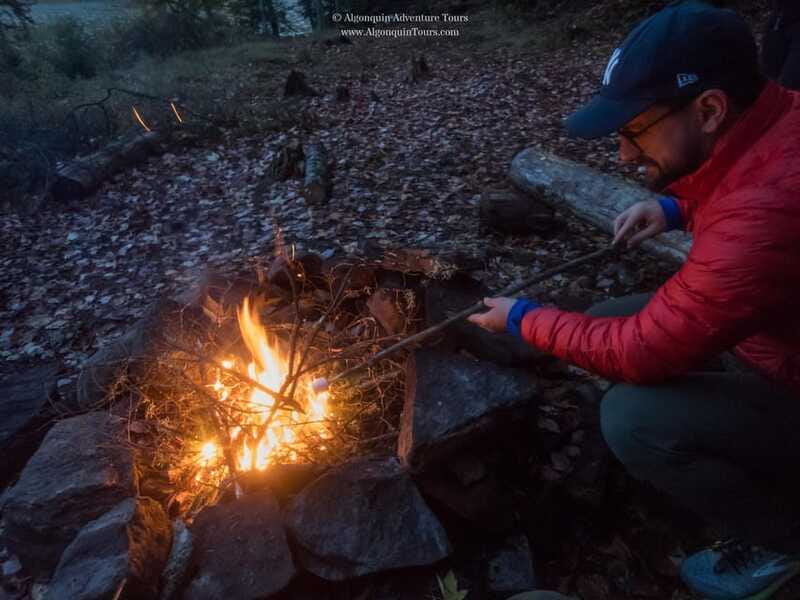
Meals are a real strength. The guide cooks gourmet-style meals over camp conditions, and the food was specifically praised along with the guiding. Expect wholesome meals by the fire rather than restaurant-style choice or special-order convenience. S’mores and Henrietta’s are also included, giving the evening a little sweetness after a day of paddling.
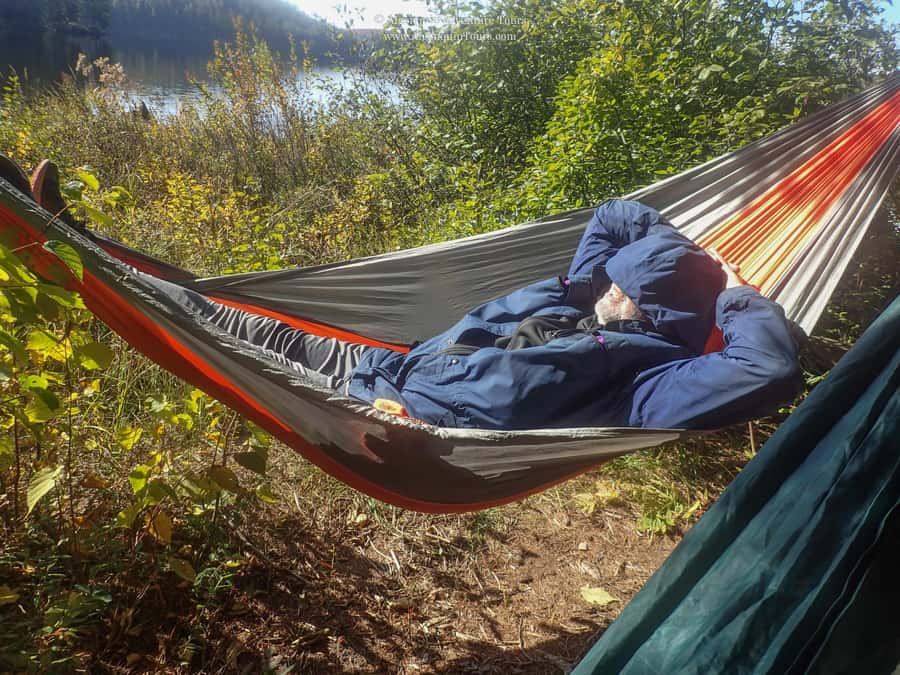
The hammock may become your favorite item. After a meal, you can settle back, listen to loons, and let the day slow down. That simple pause is one of the pleasures of the trip. You are not racing from one attraction to the next.
More Kayak and Canoe Trips in the world:
- Tenerife: Kayak Safari and Snorkel in a Marine Reserve
★ 4.5 · 3,214 reviews - Tenerife: Kayak Sea Safari with Snorkel and Snacks
★ 4.8 · 639 reviews - Dublin Bay Seal Kayaking Safari at Dalkey
★ 5.0 · 380 reviews - Tenerife: Kayak and snorkel with marine life safari
★ 5.0 · 303 reviews
Nights in the park and the sound of quiet
Algonquin after dark offers a different experience from daytime paddling. The trip highlights the chance to hear wolves and other nighttime sounds. Nocturnal wildlife is unpredictable, so think of these sounds as possible gifts rather than scheduled entertainment.
Campfire time gives the group a natural place to talk, eat dessert, and review the day. The guide handles the practical camp work, but you should expect to help in the ordinary ways a small wilderness group functions. The trip is designed to build a shared rhythm, not to provide hotel service.
The sleeping conditions deserve an honest warning. A sleeping bag and air mattress are provided, but a tent in a storm is still a tent. Bring warm clothing and proper wind and rain protection. Nights can feel much colder when your clothes and footwear are damp.
Day two: wildlife, fishing, and a short hike
The middle day gives you more time to settle into canoe travel. With basic instructions out of the way, you can pay closer attention to the shoreline, changing weather, bird calls, and possible moose habitat.
Moose photography is one of the strongest reasons to book this outing. A large bull moose appearing beside the water can turn an ordinary paddle into the trip’s defining memory. Keep your camera ready, but do not let the camera make you miss the animal itself.
Fishing is part of the package and is promoted with the same 90 percent success figure. The information does not specify the species, equipment details, or catch limits, so ask your guide about the day’s plan. Treat fishing as an included activity and a chance to learn, not as a guaranteed trophy.
A hike is also included. The available details do not give a fixed distance or trail, so expect a short guided walk rather than a strenuous all-day trek. This break from the canoe lets you see the park from another angle and stretch your legs after repeated paddling.
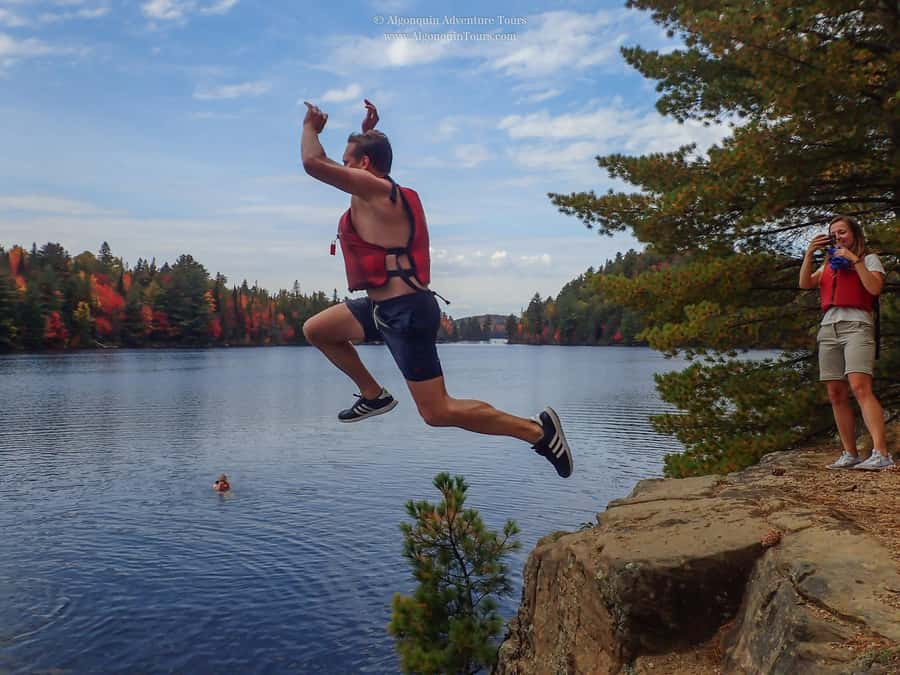
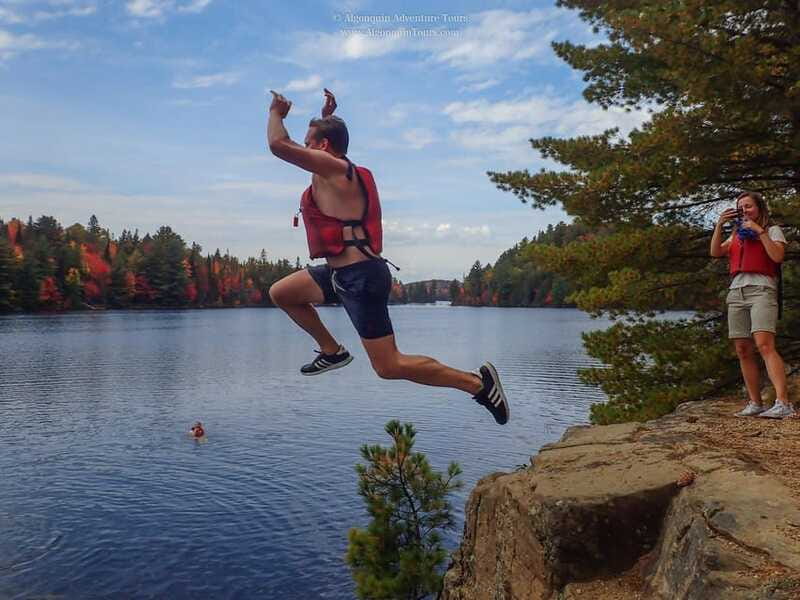
Swimming and cliff jumping are listed as included activities. These are optional choices, not obligations. You should bring swimwear, a towel, and water shoes, then decide based on conditions and your own comfort. If you are not interested in jumping, you can still enjoy the water and the rest of the day.
Day three: the paddle back and the effort involved
The final day brings the group back toward Canoe Lake or the agreed return point. The return paddle may feel harder than the outward journey, especially in wind. One group found paddling against the wind tiring, but also recognized that this effort was part of the adventure.
That is useful information for judging the trip. You are not signing up for three days of effortless floating. Wind can change the pace, and repeated loading, unloading, and shallow-water walking can test your legs. A reasonable level of fitness helps, though the experience is not described as requiring advanced canoe skills.
The guide remains important on this final stretch. Good instruction helps the group paddle together, manage fatigue, and make sensible decisions around water and weather. The small group also makes it easier to adjust the pace than it would be on a large commercial outing.
What to pack, and what to leave behind
The packing rules are unusually strict, but they make sense in bear country and in a canoe with limited room. Bring:
- Warm clothing and a change of clothes
- Strong rain gear with real wind and water protection
- Closed-toe shoes that are safe in knee-deep water
- Water shoes, swimwear, and a towel
- Sunglasses, a sun hat, and sunscreen
- A camera and flashlight
Do not bring sandals, flip-flops, open-toed shoes, food, alcohol beyond the stated limit, smoking supplies, cosmetics, or personal camping gear. Insect repellent is also listed as not allowed, so follow the operator’s instructions rather than packing your usual spray.
The alcohol rule is narrow: up to four ounces is permitted in an appropriate container, but you must turn it over to the guide at arrival and consume it only after dinner and out of the water. Smoking is never permitted. If you use nicotine or medical cannabis, the instructions require non-polluting methods such as a vaporizer, edible, or patch.
Is $519 a fair price?
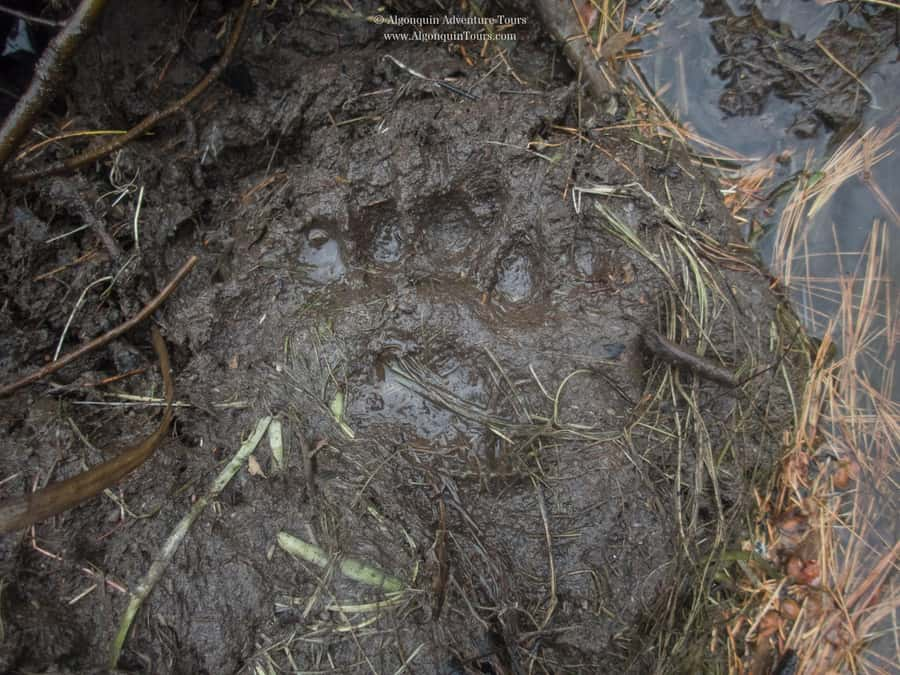
At $519 per person, this is not a cheap weekend in the park. It is also not simply a canoe rental. The fee includes a professional English-speaking guide, wilderness camping, canoe and paddle, life jacket, camping permits, parking for one booking, meals, sleeping equipment, hammock, bug jacket, fishing, wildlife viewing, swimming, a hike, cliff jumping, s’mores, and a souvenir water bottle.
The value comes from the equipment and planning you do not need to arrange yourself. You avoid buying or transporting a canoe, tent, sleeping bag, air mattress, and cooking setup. You also get a guide who knows how to find wildlife, manage camp routines, and teach beginners.
The price makes less sense if you already own all that equipment and know Algonquin well. In that case, an independent trip may cost less. For a first wilderness canoe outing, the bundled gear, permits, meals, and instruction make the price easier to justify.
Free cancellation up to 24 hours before the start and reserve-now, pay-later booking add useful flexibility. Starting times depend on availability, so check the date carefully before making plans around the three-day schedule.
Who should book this canoe safari?
I would recommend it to families with children seven and older, first-time campers, casual photographers, couples, and small groups of friends who want a guided introduction to Algonquin. It also suits experienced paddlers who would rather let someone else handle the route and meals.
You should be comfortable with effort, basic discomfort, and changing weather. The trip is not suited to anyone who refuses wet shoes, dislikes shared camp routines, or needs guaranteed wildlife sightings.
The strongest reasons to book are the small group, capable guides, food, and chance to see moose from a canoe. The main caution is the camping quality during heavy rain. Bring serious rain gear, pack lightly, and accept that the wilderness will not behave like a hotel.
FAQ
How long is the Algonquin canoe camping safari?
The trip lasts three days.
Where does the tour meet?
It meets on the beach at Canoe Lake near the Ontario Parks building. The location is 45.535032, -78.706570.
How many people can join the group?
The group is limited to eight participants.
Is previous canoeing or camping experience required?
No. The trip is designed for beginners as well as experienced adventurers, though you should be willing to make an effort.
What camping equipment is provided?
The package includes a tent, air mattress, camping pillowcase, sleeping bag with a fresh liner, and hammock.
What age is required to join?
Participants must be at least seven years old.
What should I wear for getting in and out of the canoe?
Bring closed-toe shoes that are safe for walking in water, along with water shoes. The trip warns that you may step into water around rocks and cut beaver wood.
Should you book it?
Book this safari if you want three active days of paddling, campfire meals, wildlife watching, and simple wilderness living without having to organize every piece of equipment yourself. The guide support and small group are especially useful for beginners.
Think twice if bad weather, wet feet, or a small tent would ruin your trip. With warm clothes, serious rain gear, and a flexible attitude, $519 buys more than a canoe ride. It gives you a practical way into Algonquin’s waterways, with a fair shot at moose, fishing, quiet nights, and the kind of stories that only come from sleeping outside.
Just added around the world
- Dubai Desert Safari With BBQ dinner★ 5.0 · 15 reviews
- Dubai Private Morning Desert Safari: Camel Ride & Sandboarding★ 5.0 · 19 reviews
- Deluxe Premium Dubai Desert Safari with Camel Ride, and Live Show★ 5.0 · 82 reviews
- Premium Deluxe Dubai Safari with Camel Ride, Sandboard & BBQ★ 5.0 · 55 reviews
- Dubai Morning Desert Safari: Camel Ride & Sandboarding!★ 5.0 · 116 reviews
- Dubai Desert Safari★ 4.5 · 15 reviews
- Camel Trekking and Morning Safari with Sand Boarding★ 5.0 · 19 reviews
- Thrilling Desert Safari Dubai Adventure with Sand Boarding and Barbecue Dinner★ 3.5 · 30 reviews
Overnight & Camping Safaris, compared.
Overnight Safari, Dinner, Stargazing & Al Khayma Camp
Read our review →
Dubai Overnight Desert Safari, BBQ & Stargazing at Al Khayma Camp
Read our review →
3 Days Serengeti & Ngorongoro Group Camping Safari
Read our review →
Overnight Camel Safari – Sleeping under the Stars
Read our review →Browse the lists this tour appears in