
REVIEW · HAZYVIEW
From Hazyview: Kruger National Park Full-Day Safari
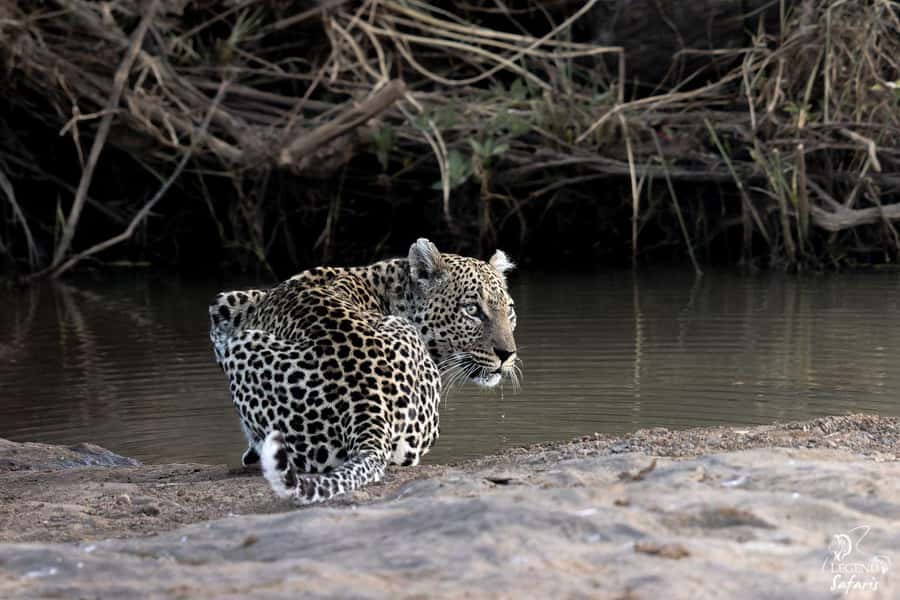
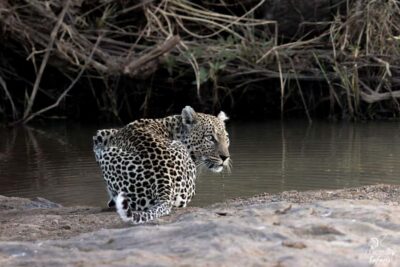
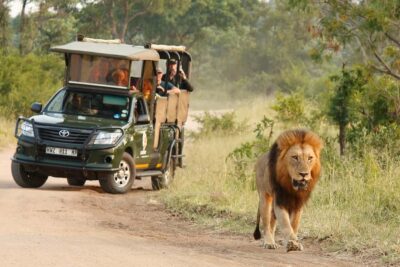
Kruger’s best moments can arrive before breakfast: lions near the road, elephants crossing the bush, or a leopard revealed by a guide’s sharp eyes. This 10-hour safari from Hazyview gives you a full day in the park, not a rushed morning circuit.
I like the early start, which gets you through Phabeni Gate as the air is cool and animals are often active. I also like the guide-led approach. Bradley, Stephen, Sipho, Remember, and others have earned praise for spotting small creatures as well as big cats and for sharing information in a friendly way.
The main drawback is the long day. Pickup can be around 5:00 AM, food and park fees cost extra, and a busy gate or long lunch stop can reduce time on the park roads. You also cannot count on seeing every animal, even with a skilled guide.
Key points to know before booking
- Sunrise entry through Phabeni Gate: Early pickup gives you a good chance to enter while temperatures are cool and wildlife is moving.
- Guides make a real difference: Bradley, Stephen, Sipho, Remember, and Thabo are among the guides praised for animal spotting, driving, and clear explanations.
- Four of the Big Five is a realistic possibility, not a promise: Many outings have seen four, and some have found all five, but wildlife never follows a schedule.
- Meals are separate: Breakfast and lunch are taken at stops where you can buy food and drinks.
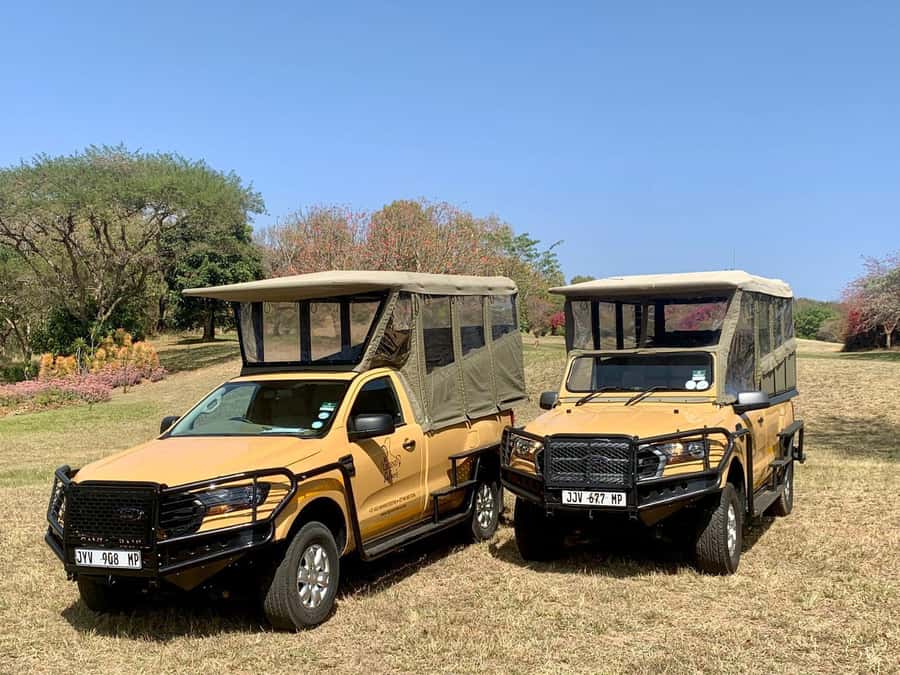
- The vehicle is open: Bring layers, especially in the colder months, and expect sun, dust, wind, or rain.
- The price needs a quick calculation: The $105 tour price does not include Kruger entry, which is R486 per international adult or R243 per international child.
Why the early start matters in Kruger
This is not a sleep-in safari. Pickup from Hazyview is usually around 5:00 AM from October through March and around 5:30 AM from April through September. Your driver collects you from your accommodation, or you can meet at Phabeni Gate if your lodging is outside the pickup zone.
I like this timing for a simple reason: you reach the park near sunrise, when the light is soft and the heat has not yet built up. The first photographs can have that pale gold glow that makes even impala and termite mounds look special. Early hours also give you a better chance of seeing animals before they retreat into shade.
The tradeoff is obvious. You need to prepare the night before, set an alarm, and accept that the first part of the drive may be chilly. The open safari vehicle lets you see and photograph more freely than a closed minibus, but it also leaves you exposed to cold air, wind, and rain.
Bring your passport or ID card, a warm layer, and protection from the sun. The tour operates in rain or shine. Bottled water is supplied, and one guide offered blankets and raincoats during a wet outing, but you should still dress for changing conditions.
More National Park Safaris in South Africa
- From Cape Town: Big Five Game Reserve with Lunch
★ 4.6 · 2,409 reviews - From Johannesburg: Pilanesberg Nature Reserve Game Safari
★ 4.8 · 1,327 reviews - Addo Elephant National Park All Inclusive Full-Day Safari
★ 4.8 · 872 reviews
Entering through Phabeni Gate at sunrise
Phabeni Gate is the practical starting point for a Hazyview safari. Once you enter Kruger, the day becomes a slow search rather than a fixed sightseeing route. Your driver follows park roads and checks for signs of animal activity, often using communication with other guides to learn where sightings are developing.
Gate queues can affect the schedule. One outing began about an hour after pickup because of waiting at the entrance. That is not a fault with the wildlife drive itself, but it matters when you have paid for a full day and are eager to get moving.
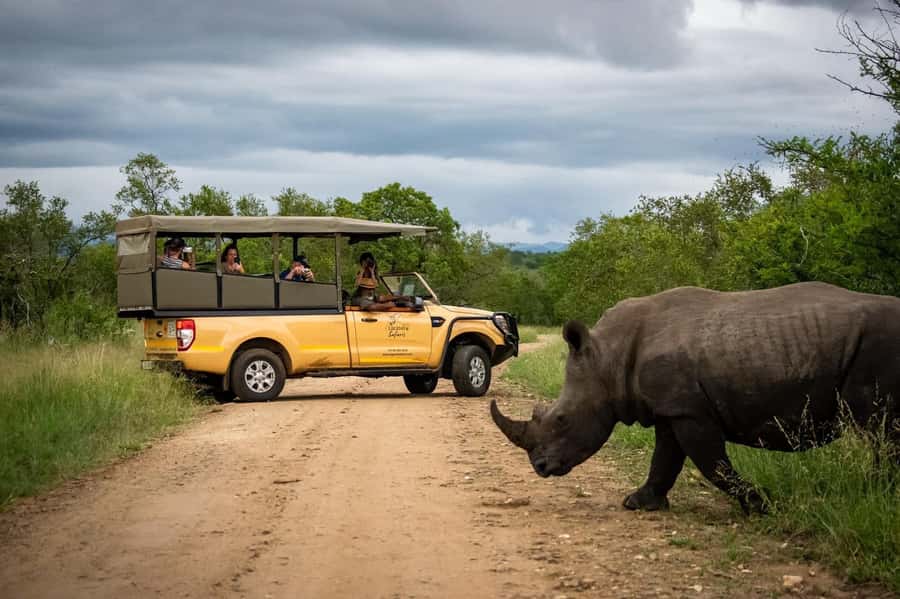
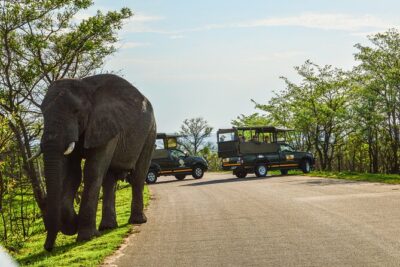
Once inside, the first hours can be highly productive. Sightings described during this type of trip include kudus, impala, lions, wildebeest, zebras, elephants, rhinos, buffalo, monkeys, cheetahs, and leopards. You may also see smaller animals, reptiles, and birds, though the supplied information does not promise a particular bird list.
The Big Five are lion, leopard, elephant, rhino, and buffalo. Several outings found four before breakfast, while others saw all five in one day. That is a strong sign that the guides know how to work the park, but it should not become your only measure of success. A safari is still worthwhile when the sightings are impala, zebras, giraffes, elephants, or a well-hidden snake rather than a complete Big Five scorecard.
What the guide adds to the game drive
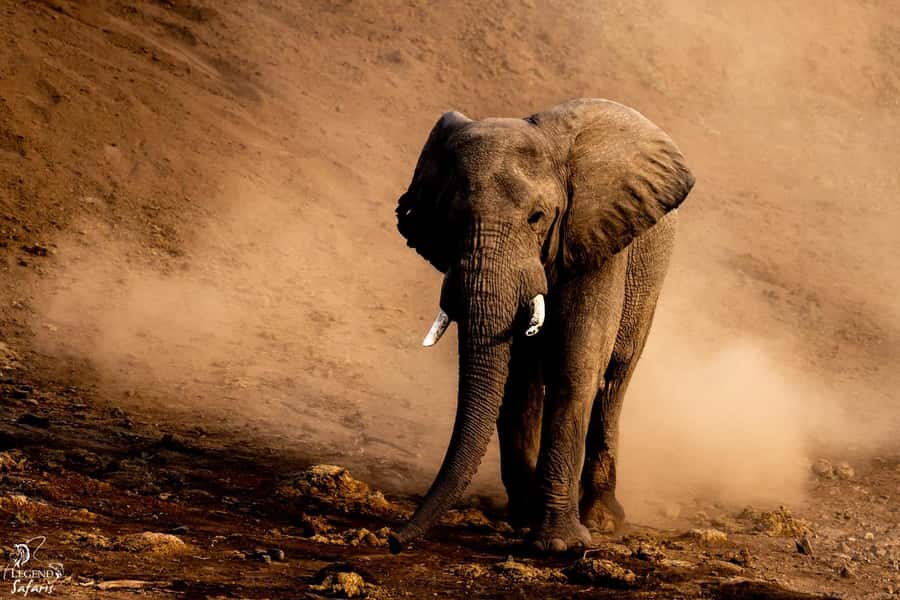
The guide is the heart of this outing. You are not simply riding through Kruger and hoping something appears. Your guide watches the road edges, reads the behavior of other vehicles, explains what you are seeing, and stops when there is something worth a closer look.
Bradley is praised repeatedly for his animal-spotting ability, friendly manner, and contact with other guides. He has helped groups find four or all five of the Big Five on different days. Stephen, sometimes listed as Stefan or Stephan in the feedback, is also praised for his enthusiasm and effort, including trips where four Big Five animals were found in one day.
Sipho is another name to note. He has been praised for spotting animals that are easy to miss and for answering questions throughout the drive. Remember is described as patient and deeply committed to finding a leopard, even giving extra attention to the search. Thabo is praised for punctual pickup, a pleasant manner, and useful explanations.
These details matter because animal spotting is not just about luck. A guide with a sharp eye may see a gecko or snake high in a tree before anyone else notices it. A guide who enjoys teaching can turn a short stop beside a herd into a lesson about behavior, habitat, or the park’s past.
You should still ask your guide for a sensible pace. One especially determined guide spent extra time looking for a leopard, which delighted the group but could make the day feel long for someone more interested in variety than one elusive cat. The best approach is to explain your priorities early: Big Five, smaller animals, photography, history, or a balanced mix.
Breakfast after the first wildlife search
After the first morning drive, the group stops for roughly an hour for breakfast. Food is not included, so budget separately for this meal. The stop gives you a chance to use facilities, stretch your legs, and warm up before returning to the vehicle.
I see this break as useful rather than wasted time. A full day in an open vehicle can be tiring, and eating early keeps you from spending the rest of the morning distracted by hunger. It also gives you a proper pause after the most active wildlife hours.
The drawback is that every minute away from the roads is time you are not looking for animals. If the morning has already produced several excellent sightings, the break will feel well timed. If a rare animal has just been reported nearby, you may wish the stop were shorter, though the guide controls the group schedule.
Bring enough money for breakfast and drinks. There is bottled water included, but other food and beverages are available to buy at your own cost.
Same country, a different kind of drive:
- From Cape Town: 2-Day Safari at Garden Route Game Lodge
★ 4.8 · 928 reviews - Kruger National Park Full Day Private safari
★ 5.0 · 799 reviews - Full Day Ultimate Pilanesberg National Park Safari from Johannesburg or Pretoria
★ 4.5 · 718 reviews - Gansbaai: Marine Big 5 Boat tour
★ 4.7 · 593 reviews
The middle of the day: slower, warmer, and less predictable
After breakfast, the tour continues through Kruger in the open vehicle. By late morning and early afternoon, the heat can change animal behavior. Some creatures may become less active or move into shade, so this part of the day can feel quieter than sunrise.
That does not mean it is empty. Elephants, buffalo, zebras, antelope, and other animals can still appear. You may also get more time to listen to your guide and understand the area rather than jumping from one sighting to the next.
Rain can change the rhythm. One outing in the wet season saw plenty of animals early, then fewer new sightings after rain began. The park remains atmospheric in bad weather, but you need to accept that a ten-hour safari is not ten hours of constant action.
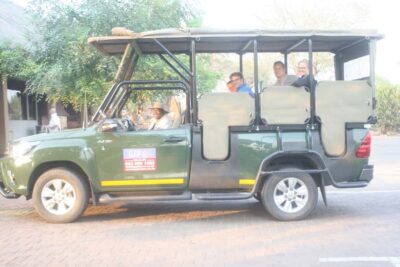
The vehicle layout may also matter to couples and families. One person suggested that four-seat rows would work better for couples. This indicates that you may share seating with other people and that the exact arrangement can affect comfort. Ask at booking if seating is important to you, but do not assume a private vehicle unless that is specifically confirmed.
Searching secluded roads for cheetahs and wild dogs
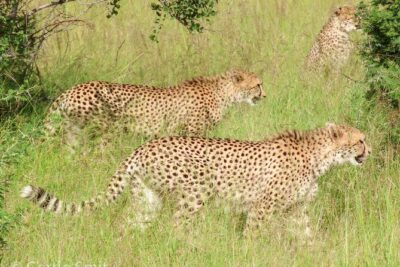
A useful part of the day is the effort to leave the most obvious routes and use quieter roads. The goal is to look for animals that are harder to find, including cheetahs and African wild dogs.
These animals are never guaranteed. That uncertainty is part of the point. You are not visiting a zoo with a timetable. Your guide may spend time checking likely areas, scanning the roadside, and following fresh information from other drivers.
This section can appeal to you if you enjoy the search itself. It is less suited to someone who wants one guaranteed major sighting after another. Patience helps, especially when the guide is watching a patch of brush that looks empty to you.
The same roads can also reveal the quieter side of Kruger. Instead of a crowded viewing point, you might find a secluded stretch where the only sound is the vehicle and the bush. That does not guarantee a better animal sighting, but it can make the day feel less mechanical.
Lunch, rest stops, and the practical side of the day
Lunch is another stop at your own cost. You can buy food and drinks, use the toilets, and browse curios or souvenirs. These facilities make a long day easier, especially for families and anyone who needs regular breaks.
There may also be a second rest stop at a larger tourist complex. This can be handy for coffee, shopping, and a proper break, but it may feel unnecessary late in the day. If you have already spent six hours on safari and are tired, the extra stop can seem to stretch the return.
I would treat the shopping opportunities as optional. A small souvenir can be a pleasant reminder of the day, but the main value here is time in Kruger with a guide, not buying curios. Keep some cash or a payment method available for food and drinks, but do not feel obliged to shop.
What $105 really buys you
The advertised price is $105 per person. It covers hotel pickup and drop-off in Hazyview, transport in an open safari vehicle, an English-speaking professional guide, and bottled water.
You must add the park entry fee. For international visitors, the supplied rates are R486 per adult and R243 per child. South African citizens and residents pay R122 per adult and R60 per child. Food and drinks are also extra.
That makes the tour more expensive than the headline price suggests, but the value is reasonable if you want a full day without arranging a vehicle, finding the gate, driving yourself, and trying to spot animals alone. The guide’s local awareness is the main thing you are paying for beyond transport.
I would compare the total cost against a self-drive day. A self-drive gives you control over stops and route, but you must handle navigation, park rules, animal spotting, and the long return drive. This tour gives you a driver, a second set of eyes, and a planned pickup back to your accommodation.
The price is strongest for first-time visitors based in Hazyview who want to see a lot in one day. It is less compelling if you already have a private vehicle, several days in Kruger, or a lodge package with included game drives.
Comfort, weather, and accessibility
The vehicle is open, so comfort depends heavily on clothing and weather. Early morning can be cold, midday can be hot, and rain is possible. The tour runs regardless of weather, so pack layers instead of relying on a perfect forecast.
Bottled water is included. Blankets and raincoats were offered on at least one rainy outing, but these should be viewed as helpful guide support rather than items you can count on for every departure. A light waterproof layer remains a smart choice.
The activity is listed as wheelchair accessible. Because the supplied information does not explain the vehicle layout or transfer method, you should confirm the exact arrangements when booking if you use a wheelchair or need assistance boarding.
You also need a passport or ID card. Alcohol and drugs are not allowed.
Who should book this Kruger day trip?
I would choose this safari if you are staying in Hazyview and want the simplest way to spend a full day in Kruger. It suits first-time safari visitors, couples, families, and photographers who prefer a guide to do the scanning and driving.
It also suits you if your main goal is the Big Five. The record of sightings is encouraging, with many outings finding four and some finding all five. Still, you should frame that as a possibility, not a promise.
This is not the best choice if you dislike early mornings, long vehicle days, shared seating, or weather exposure. It may also frustrate you if you need a private schedule or want to stop whenever you choose.
The strongest guides appear to be those who combine spotting skill with patience and humor. Bradley, Stephen, Sipho, Remember, and Thabo are names associated with particularly strong days, but guide assignment can vary. You can request a guide if the booking system allows it, but do not assume a specific person is guaranteed.
Should you book it?
Book this tour if you want a convenient, full-length introduction to Kruger from Hazyview and value a guide who can search for animals while you watch, listen, and take photographs. The early start, open vehicle, return transfer, and large number of reported Big Five sightings make it a solid one-day option.
Before paying, add the park entrance fee and meal costs to the $105 price. Bring warm layers, sun protection, an ID document, and patience for gate queues and quiet periods. If you can accept the long day and the uncertainty of wildlife, this outing offers good value and a real chance to see Kruger at its most active.
FAQ
How long does the Kruger safari last?
The activity lasts about 10 hours, including pickup from Hazyview, time in Kruger National Park, rest stops, and the return transfer.
What time is pickup from Hazyview?
Pickup is before sunrise, usually around 5:00 AM from October through March and around 5:30 AM from April through September.
Is hotel pickup included?
Yes. Pickup and drop-off are included for accommodation in Hazyview. If your accommodation is outside the pickup area, you can select Phabeni Gate as the meeting point.
Is the Kruger entry fee included?
No. International visitors pay R486 per adult and R243 per child. South African citizens and residents pay R122 per adult and R60 per child.
Are breakfast and lunch included?
No. Breakfast and lunch are bought during the scheduled stops, and drinks other than the supplied bottled water cost extra.
What animals might I see?
Possible sightings include lions, leopards, elephants, rhinos, buffalo, cheetahs, African wild dogs, kudus, impala, wildebeest, zebras, and other native wildlife. No particular animal is guaranteed.
What should I bring?
Bring your passport or ID card, warm clothing for the early morning, and protection from the sun or rain. The tour operates in rain or shine, and alcohol and drugs are not allowed.
More Full-Day Trips in South Africa
- Kruger National Park – Private full day Safari trip.
★ 5.0 · 347 reviews - Full-Day All Inclusive Safari with Traditional Braai Lunch
★ 4.8 · 345 reviews - Hluhluwe-Imfolozi Park Full Day Big 5 Safari Tour
★ 5.0 · 310 reviews - Addo Elephant National Park All Inclusive Full-Day Safari
★ 5.0 · 256 reviews
Just added around South Africa
- Marine Big 5 Full Day Guided Return Transfer Cape Town – Gansbaai★ 4.5 · 33 reviews
- Wine Beer and Biltong Safari – Stellenbosch★ 5.0 · 17 reviews
- V&A Waterfront Marine Big 5 Ocean Safari★ 4.5 · 30 reviews
- Full Day Big 5 Aquila Safari Private Transfers Including Park Fee From Cape Town★ 4.5 · 54 reviews
- Sunset Safari Big 5 Aquila with Snacks and Wine Tasting★ 5.0 · 12 reviews
- Urban Safari in Cape Town★ 5.0 · 21 reviews
- Marine Big 5 Safari with transport from Cape Town★ 4.5 · 158 reviews
- Full-Day Safari Aquila Game Reserve from Cape Town★ 4.5 · 15 reviews
Hazyview Safaris, compared.
Kruger National Park – Private full day Safari trip.
Read our review →
Kruger National Park sunrise Morning Private safari
Read our review →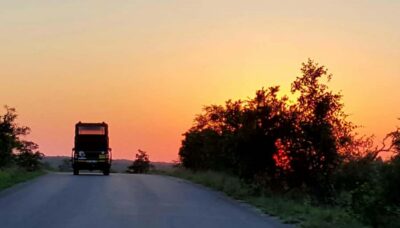
Kruger National Park: Full-Day Private Safari With Pickup
Read our review →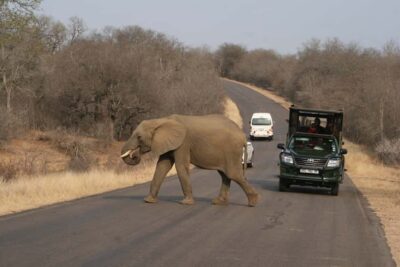
Browse the lists this tour appears in