
REVIEW · AUSTRALIA
Monarto Safari Park: General Admission Tickets
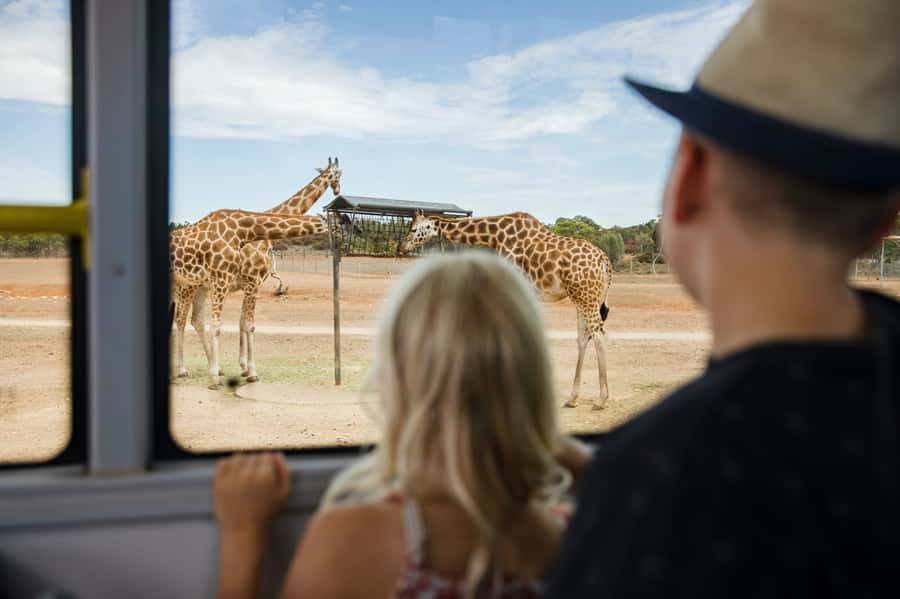
Monarto Safari Park gives you a taste of an African safari without leaving South Australia. The animals live in broad open-range enclosures, and you can watch giraffes, rhinos, lions, chimps, meerkats, elephants, and Australian wildlife from buses, viewing platforms, and walking trails.
I like the freedom to set your own pace and the way the Zu-loop bus links the park’s far-flung viewing areas. You can spend five minutes at one stop or linger for an hour, then walk on, wait for another bus, or join a keeper talk. The main drawback is time: with 15 kilometres of trails and a large park to cover, a late arrival can leave you rushing.
Key points to know before you go
- Open-range animal areas: See African and Australian species in broad enclosures designed to give them room to move.
- Unlimited Zu-loop buses: Hop on and off between viewing platforms throughout your day.
- More than 15 km of trails: Walking adds close views and quiet moments, but some paths are uneven.
- Free keeper presentations: Daily talks add useful context about animal care and behaviour.
- Family-friendly picnic option: Sheltered picnic areas help keep food costs under control.
- A full-day outing: The park opens from 9:30am to 5pm, with last entry at 3pm.
Why Monarto feels different from a city zoo
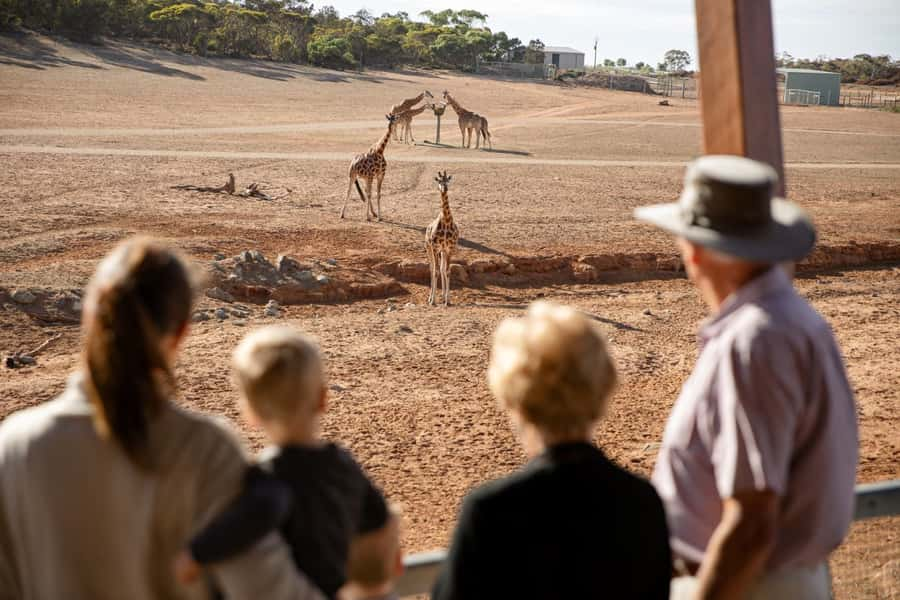
The first thing you notice at Monarto is space. This is not a compact zoo where every enclosure sits beside the next one. The animals occupy large open areas, and you may need patience to spot them. That distance is part of the appeal, since the setting feels less like a row of cages and more like a working safari park.
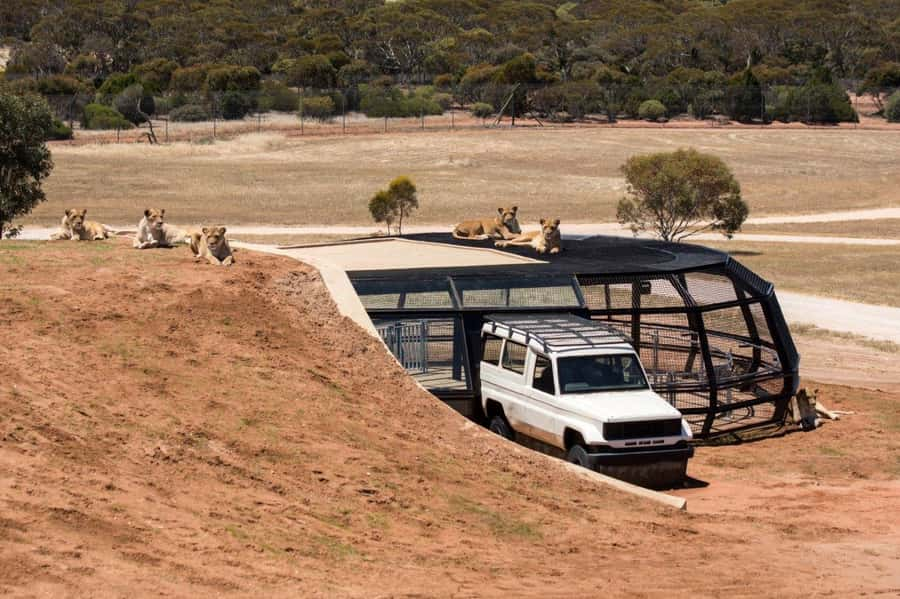
You might see a giraffe moving across the plain, a rhino resting in the shade, or lions gathered in a spot well away from the road. Some animals may hide during the warmer part of the day, so the experience has a little uncertainty built into it. A later bus loop can sometimes reveal animals that were out of sight earlier.
Monarto is home to more than 500 exotic and Australian native animals. The most sought-after sightings include giraffes, rhinos, lions, meerkats, chimpanzees, elephants, and lemurs, with other species spread across the park.
I appreciate that you are not forced into one fixed tour. The free bus gives you a broad look at the park, while the trails let you slow down and focus on a particular animal area. For families, that choice matters. Children can enjoy the ride, while adults can decide when it is worth getting off and walking farther.
A few more safaris around Australia worth a look
- Singapore: Night Safari Entry Ticket with Tram Ride
★ 4.1 · 952 reviews - Dubai Desert Safari with Burj Khalifa (Ticket Only)
★ 4.7 · 932 reviews - San Diego Zoo Safari Park 1-Day Pass: Any Day Ticket
★ 4.0 · 378 reviews
Starting at the entrance and planning your route
You enter through the car park and entrance tunnel. Have your digital QR code ready at the turnstiles, then take a moment to look at the route before boarding the Zu-loop.
The park is open daily from 9:30am to 5pm, including Christmas and public holidays. Last entry is at 3pm, but arriving that late gives you limited time for a park this large. I would treat this as a full-day visit, not a quick stop between other South Australian sights.
Start with a rough plan rather than trying to see every corner immediately. The bus is useful for getting an overview, but you should get off at the areas that matter most to you. If giraffes are your priority, give yourself time near their viewing area. If you are visiting with children, plan regular stops instead of attempting all 15 kilometres on foot.
The park’s size can work against you if you arrive without a plan. One family found there was not enough time to see everything, especially after spending much of the day moving between areas. The simple fix is to identify your must-see animals early, then use spare time for extra trails and talks.
Riding the Zu-loop bus
The Zu-loop is the backbone of the visit. It carries you from viewing platform to viewing platform, so you can cover the park without walking the entire route. Buses are included in the admission price, and you can use them as often as needed during the day.
The bus ride gives you a useful first look at Monarto’s open plains. From your seat, you may see animals spread across a wide area rather than gathered beside a fence. Guides and drivers may share information during the trip, but the amount you hear can vary. Some buses have a guide, while some drivers provide commentary.
Sound and sight lines are the main weak points. If you sit near the back, you may struggle to hear commentary, especially when a bus lacks a working microphone or the speaker volume is low. Window seats are better for photographs, but adults standing to take pictures can block the view for children and anyone in an aisle seat.
Bus windows have also been reported as an occasional nuisance for photography. If taking animal pictures matters to you, bring patience and do not expect every shot to be clear. The bus is best viewed as transport with added commentary, not as a guaranteed private viewing platform.
The good news is that bus frequency has improved, which can reduce waiting. The service is also important for anyone who cannot walk long distances. Several visitors found the buses made it possible for people with mobility limits to enjoy more of the park.
Walking 15 kilometres of trails
Walking gives you a different experience from the bus. You can stop when you want, wait quietly at a viewing point, and move at the pace that suits your group. The trails also spread out the day, which helps prevent the visit from becoming a sequence of hurried bus rides.
You do not need to walk all 15 kilometres. Use the bus to reach a section that interests you, then choose a shorter walk from there. This approach works well for families, older visitors, and anyone visiting on a warm day.
Some paths are gravel or uneven. A person using a walker found the surfaces hard to manage, and certain routes can be difficult for visitors who have trouble standing, climbing, or walking over rough ground. The park is wheelchair accessible, but accessible does not mean every path will feel easy for every mobility level.
If you use a wheelchair or walker, ask staff about the most manageable routes and bus access when you arrive. Bus stops may involve standing, and some seating is at an average height that can be difficult to use. The bus remains the best way to cover distance, while the walking trails require more care.
Wear comfortable shoes and allow extra time. The distances between animals are part of the design, so you should not expect a short paved stroll from one enclosure to the next.
Same country, a different kind of drive:
- ABC Reef Safaris
★ 5.0 · 1,443 reviews - Ocean Safari Great Barrier Reef Experience in Cape Tribulation
★ 5.0 · 902 reviews - Kangaroo Island 75-Minute Coastal Safari
★ 5.0 · 607 reviews - Marine Eco Safari – Swim with Manta Rays
★ 5.0 · 493 reviews
Animals that reward patience
Monarto’s appeal is strongest when you allow animals to behave like animals. You might not see every species at close range, and the most active moment can come after you have waited quietly for a while.
Giraffes are a major draw, especially when a young giraffe is present. The viewing areas let you see their height and slow movements without the cramped feeling of a small enclosure. A paid giraffe feeding experience is available if you want a closer encounter, but it is not part of general admission.
The rhinos offer another strong reason to visit. Their large enclosures make it possible to watch them move, graze, or rest without the tight barriers common in older zoos. Lions can be dramatic, especially at feeding time, and their roars can carry across the open area.
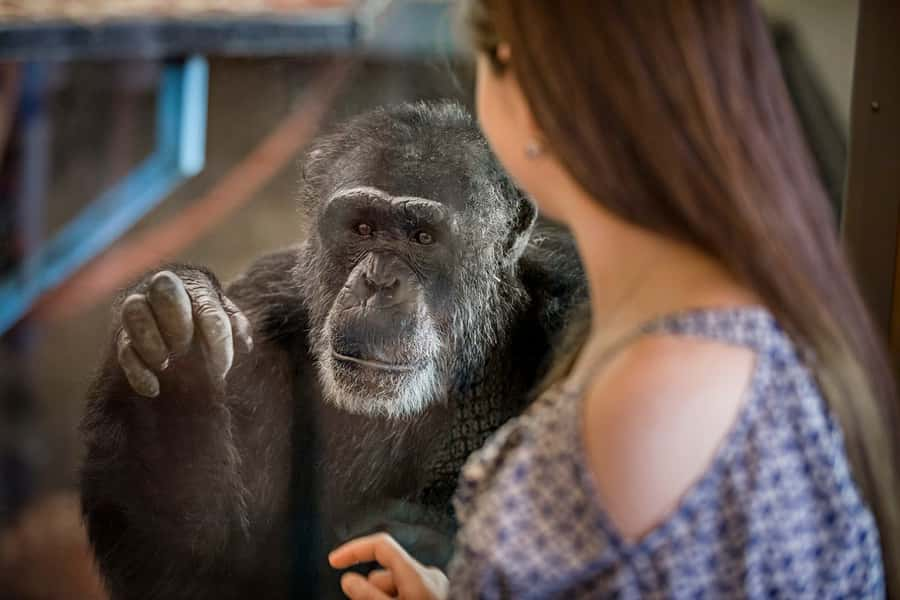
Meerkats are smaller but often a hit with children. Chimpanzees provide a different kind of viewing, since you can watch their social behaviour and movement rather than simply look for a large animal on the plain. Lemurs are available through the Land of Lemurs experience, which costs extra.
Elephants are another highlight, and the park has been expanding its elephant facilities. Check what is open at the time of your visit, since construction or new sections may change the route and viewing options.
You may also encounter porcupines and other animals that are easy to miss if you only follow the busiest route. One useful strategy is to ask staff which species are active that day. Keepers are happy to answer questions, and their advice can save you time.
Keeper talks and animal experiences
The free keeper talks add real value to the entry ticket. These presentations explain animal behaviour, care, and conservation in a way that is easier to remember than reading a sign while walking past.
Build at least one talk into your day, but check the daily schedule when you enter. You may need to choose between a presentation and a bus departure. The talks are particularly useful for children because they turn a large animal into a story with habits, needs, and personality.
The staff and volunteer guides are a strong part of the experience. They are friendly, willing to answer questions, and clearly care about the animals. Commentary quality can vary on buses, but the keeper presentations are the safer choice when you want clear information.
For a closer encounter, paid Animal Experiences include options such as hand-feeding a giraffe, a lion encounter, mingling with meerkats, or entering the Land of Lemurs. These extras can add excitement, but they are not needed for a worthwhile day. General admission already includes the bus, walking routes, and keeper talks.
If your main goal is simply to see animals in a spacious setting, save the extra money. If you have a special interest in one species or want a memorable birthday or family occasion, an Animal Experience may be worth adding.
Food, picnics, and the cost of a full day
Admission costs $38 per person. That is a fair price if you use the park as intended: arrive early, stay most of the day, ride the bus several times, walk part of the trail system, and attend talks.
The value is less impressive if you arrive late or leave after a couple of hours. The park is too large for a rushed visit to show its full worth. Free parking, unlimited Zu-loop use, 15 kilometres of trails, and daily presentations are all included, so the ticket covers more than simple entry.
Food and drinks cost extra, and prices can add up quickly for a family. Sheltered picnic areas are available in several parts of the park, making packed food a sensible way to manage the budget. You can also buy food at the cafeteria, and the lodge has been praised for its meals.
Bring enough water for the day, especially if you plan to walk. Food outlets are not placed beside every viewing area, so a snack in your bag can prevent a tired child from turning the next bus wait into a crisis.
Free parking makes arrival simple if you are driving. Transport to Monarto Safari Park is not included, so you need to arrange your own way there.
Practical comfort and access
The park is wheelchair accessible, and the bus system helps people who cannot manage long walks. That said, the gravel paths and uneven surfaces can be demanding. Some routes from bus stops to animal areas would be easier with paved sections, especially near major exhibits.
If you have mobility concerns, use the bus as your main transport and ask about the most suitable stops before setting off. Give yourself time to board and exit without pressure. Families with toddlers can also use the buses to reduce the amount of walking.
The park is outdoors and spread over a large area, so weather will shape the day. A sunny winter visit can be very pleasant, while a hot day may make long walks tiring. The sheltered picnic areas are useful for breaks, but you should still plan around the conditions.
Smoking and drones are not allowed. Keep the QR code available on your phone at the entrance, and consider printing the ticket if your phone or booking app is unreliable.
Who should book Monarto Safari Park?
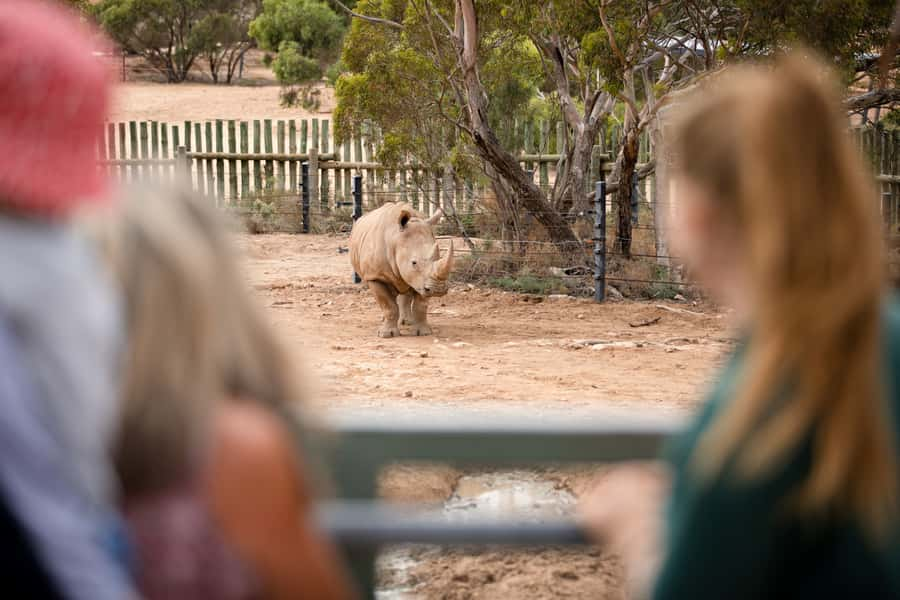
I would choose this experience if you enjoy open-range animal areas, want a flexible day, or are looking for a family outing with both bus rides and walking. It also suits visitors who prefer conservation-focused animal viewing to compact city zoo exhibits.
It is a particularly good choice for families with mixed ages. Young children get the excitement of the bus, adults can enjoy the talks, and anyone with less energy can skip the longer trails. Animal lovers will appreciate the range of African and Australian species, though you need patience for distant or hidden animals.
I would think twice if you want guaranteed close-up views, a short attraction, or a fully paved route. The size is the point, but it also means walking, waiting, and scanning open areas. Paid encounters can provide closer access, yet they increase the total cost.
Should you book Monarto Safari Park?
Book it if you can give it most of a day and want spacious animal areas, flexible transport, and useful keeper talks for $38. Arrive early, focus on your priority animals, use the bus to save energy, and pack a picnic to keep costs down.
Skip it only if your schedule allows a brief visit or if uneven paths would make the day uncomfortable. For everyone else, Monarto offers a strong value, especially when you take advantage of the included bus and stay long enough to let the park unfold at its own pace.
FAQ
How long is admission to Monarto Safari Park valid?
General admission is valid for one day. The park is open from 9:30am to 5pm, with last entry at 3pm.
Is the Zu-loop bus included in the ticket?
Yes. Your ticket includes unlimited use of the Zu-loop shuttle bus between the viewing platforms.
Are walking trails included?
Yes. Admission includes access to more than 15 kilometres of walking tracks.
Are keeper talks included?
Yes. Daily keeper presentations are included in general admission.
Is food included in the ticket?
No. Food and drinks are not included, though you can buy food at the cafeteria or bring your own for use in the sheltered picnic areas.
Is Monarto Safari Park wheelchair accessible?
The park is wheelchair accessible, and the buses help reduce the need for long walks. Some gravel and uneven paths may still be difficult, so ask staff about suitable routes and bus stops when you arrive.
Just added around Australia
- Top End Safari Camp Overnight Tour★ 5.0 · 254 reviews
- Whale Shark Safari★ 4.5 · 132 reviews
- Humpback Whale Safari★ 5.0 · 65 reviews
- Cairns Trinity Inlet Sightseeing Safari★ 5.0 · 30 reviews
- Byron Bay Wildlife Safari★ 5.0 · 81 reviews
- Cygnet Bay Sea Safari & Pearl Farm Tour Scenic Flight★ 4.5 · 21 reviews
- Uluru, Kata Tjuta and Kings Canyon Camping Safari from Alice Springs★ 5.0 · 162 reviews
- Airlie Beach Jet Ski Safari (1 Hour)★ 4.5 · 257 reviews
Australia Safaris, compared.
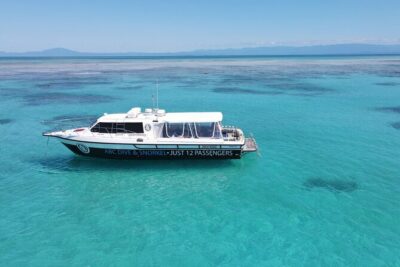

Ocean Safari Great Barrier Reef Experience in Cape Tribulation
Read our review →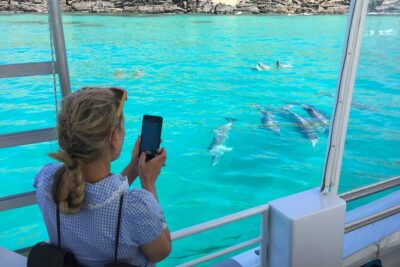

Airlie Beach: Jet Ski Safari Hour of Power and Marine Life
Read our review →
1.5 hr Jet Ski Safari tour to South Stradbroke Island!
Read our review →
Browse the lists this tour appears in