REVIEW · MOSHI
5 Days Camping Tarangire, Serengeti & Ngorongoro crater & Visiting Maasai
The big draw here is variety. In five days, you move from Tarangire’s baobab trees and elephant herds to the endless plains of the Serengeti, then down into the wildlife-packed Ngorongoro Crater. You also get a sunrise inside the Serengeti and a local visit in Mto wa Mbu.
I like the small maximum group of six, which gives you a better chance of asking questions and adjusting the day around wildlife. I also like that the price covers transport, meals, drinking water, Wi-Fi in the safari vehicle, and AMREF Flying Doctors emergency rescue cover. The main consideration is the long hours on rough park roads, with camping and early starts throughout.
Key points at a glance
- Three famous parks in five days: Tarangire, Serengeti, and Ngorongoro each offer a different setting and style of wildlife viewing.
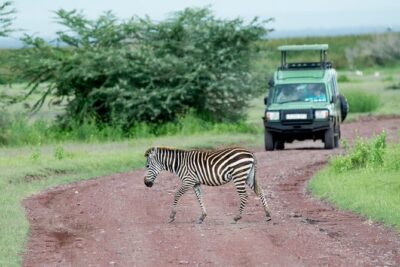
- A full Serengeti day: Day three gives you time to search for lions, cheetahs, leopards, elephants, zebra, gazelles, and the wildebeest migration.
- Small-group format: The vehicle carries no more than six people, though the exact group arrangement should be confirmed.
- Camping with practical comforts: Meals, water, Wi-Fi in the safari jeep, private transport, and emergency rescue cover are included.
- Local life at Mto wa Mbu: The village visit includes banana plantations, local guiding, and an introduction to community life.
- Check the Maasai promise: The title refers to visiting Maasai, but the detailed schedule names Mto wa Mbu rather than a specific Maasai community visit.
Why this five-day route works
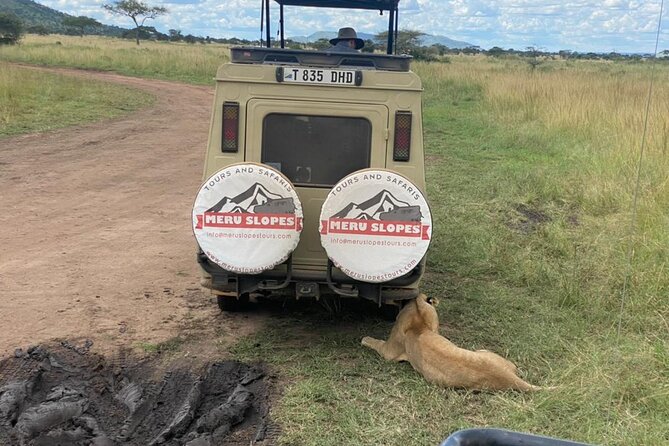
This is a fast but sensible introduction to northern Tanzania. Tarangire sits close enough to Arusha for a full day in the park, while the Serengeti receives two days, giving you a better chance of finding active wildlife. Ngorongoro then finishes the trip with concentrated game viewing in a dramatic volcanic basin.
The route is not relaxed. Day two involves the drive from the Ngorongoro highlands toward central Serengeti, and day four combines an early game drive, lunch, more safari time, and the journey toward the crater. Still, that effort buys you three of Tanzania’s best-known wildlife areas in one trip.
At $1,280 per person, the value depends on what you compare it with. You are paying for five days of transport, park access arrangements, meals, camping support, a guide and driver, drinking water, Wi-Fi, and emergency rescue cover. Flights, visas, and tips are extra, so include those when you set your budget.
The inclusion of five lunches, five dinners, and four breakfasts is useful. You are not left arranging food in remote areas. The trip also uses a private safari vehicle, although the group can include up to six people, so ask if private means private to your booking or simply transport arranged by the operator.
More National Park Safaris in Tanzania
- From Zanzibar: Day Selous Game Reserve Safari with Flights
★ 4.7 · 1,025 reviews - 5-Day Highlights mid-Range Crater, Serengeti, Tarangire
★ 5.0 · 296 reviews - Private 6-Day Tarangire Manyara Crater and Serengeti with Mid-Range Lodges
★ 5.0 · 238 reviews
Day one: Tarangire and the river that draws the herds
The stated pickup time is 8:00 a.m. from an Arusha hotel, followed by about three hours of driving to Tarangire National Park. The park is about 115 kilometers from Arusha and covers roughly 2,800 square kilometers, so the journey is worthwhile even before the game drive begins.
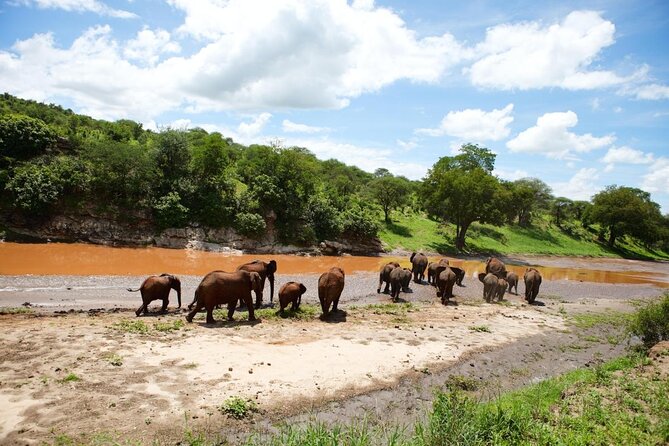
Tarangire is a strong first stop because it looks and feels different from the Serengeti. Its signature baobab trees rise above the dry country, while the Tarangire River provides a key water source for wildlife. The park is particularly associated with large elephant numbers, and you may also find lions, leopards, tree-climbing pythons, and other species.
The schedule allows about seven hours in the park. That gives you time to search rather than simply pass through, though sightings are never guaranteed. A good guide makes a real difference here by reading the animal activity and choosing when to pause.
After the game drive, you continue to Jambo Lodge for dinner and overnight accommodation. The trip is sold as camping, so confirm whether this night is in a lodge or a camp and whether the accommodation changes by departure date. That small detail matters if you are packing for a basic tent rather than a fixed room.
Day two: From the highlands to central Serengeti
After breakfast, the route passes through the high farmland around Karatu and the Ngorongoro Conservation Area before descending toward the Serengeti. The change is gradual, and the road itself becomes part of the experience. You leave cultivated high ground behind and enter the broad open country associated with the park.
The destination is the Seronera area in central Serengeti. The Seronera River supplies water, which helps draw wildlife to the area and makes it a practical base for a first afternoon drive. The schedule allows about eight hours, including the journey and an afternoon game drive lasting toward sunset.
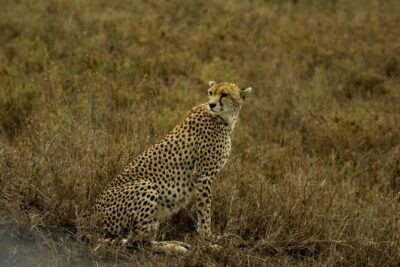
Central Serengeti is a useful choice for a short safari because it can produce a wide range of sightings in one area. You may see lions, elephants, zebra, wildebeest, gazelles, and other species. The area also offers a chance of leopard or cheetah sightings, though no safari company can promise a particular animal.
Arriving around lunchtime gives you some daylight for the first drive. If you are hoping to photograph animals, the late afternoon light can be rewarding, but expect plenty of vehicle time. Bring a light layer, sun protection, and something to cover your face if dust becomes a nuisance.
Day three: A full day on the Serengeti plains
This is the heart of the trip. You rise early, eat breakfast, and spend the day moving through the Serengeti with the guide choosing areas where wildlife activity is strongest. The listed schedule allows about seven hours, though the practical rhythm can include long periods of watching, driving, and waiting.
The Great Migration is one of the main reasons people choose this route. Around 1.5 million wildebeest move through the wider Serengeti ecosystem, accompanied by large numbers of zebra and smaller numbers of gazelles, eland, and impala. The movement follows a broadly predictable annual pattern, but rain and local conditions affect the exact position of the herds.
June through September offers the best chance of seeing the migration according to the tour information, while January through March is the calving period. In July through September, the route may be adjusted toward northern Serengeti for a chance to see wildebeest crossing the Mara River. That is an important point to clarify before booking: a river crossing is possible, not assured, and the northern route may involve extra driving.
The full day also gives you a better chance of seeing more than the migration. The guides associated with this operator include Jacob, Mohammed, Patrick, Nuru, Saleh, Asanteali, and others named in the supplied trip details. Specific guide assignments vary, but strong wildlife knowledge, patience, and determination are repeatedly highlighted qualities of the guiding team.
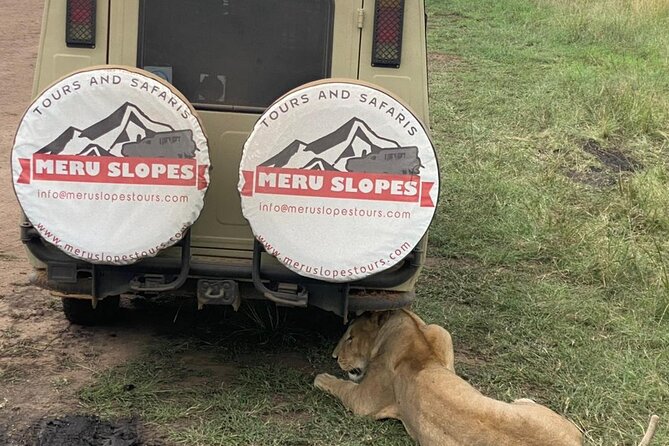
The safari vehicle includes free Wi-Fi, which is handy for a quick message or photo backup, although I would not let a signal chase distract you from the plains. You are here for the wide sky, animal behavior, and the sudden excitement of a lion beside the road.
More Overnight Safaris in Moshi
- 4 Days Group Joining Camping Safari to Tarangire Serengeti Ngorongoro Crater
★ 5.0 · 50 reviews - 4 days adventure camping safari
★ 5.0 · 44 reviews - 6 Days Tanzania Budget Camping Safari with Migration
★ 5.0 · 31 reviews
Day four: Serengeti sunrise, then toward Ngorongoro
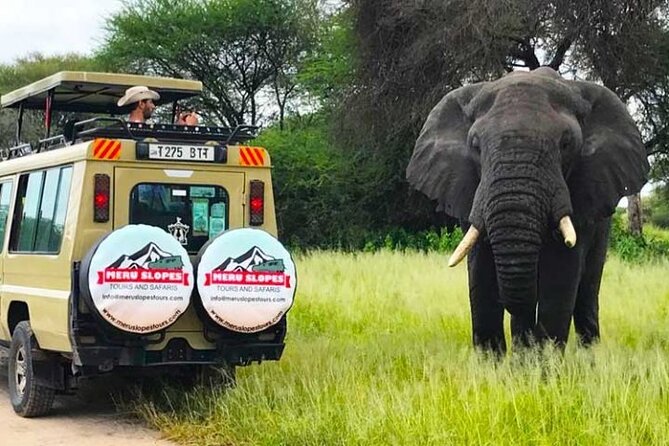
The alarm comes early, with breakfast scheduled around 5:45 a.m. The reward is a sunrise drive inside the Serengeti. Early hours are valuable because the light is soft and the park feels cooler and quieter than later in the day.
The morning game drive continues until about 11:30 a.m. You then return to camp for a hot lunch and pack your belongings into the vehicle. After lunch, the safari continues as you leave the Serengeti and travel toward Ngorongoro, with an overnight at Simba Campsite.
This is a long day, listed at about ten hours. It is also one of the least restful parts of the trip. You get another wildlife drive and the changing scenery toward the crater, but you should expect tiredness by evening. If you prefer a slower safari with more time at camp, this itinerary may feel crowded.
The camping element adds a more direct connection to the setting, but basic preparation helps. Bring toilet paper, as one practical tip from the supplied trip details points out. A headlamp, warm layer, reusable bottle, and small bag for the vehicle are also sensible, though only water is specifically included.
Day five: Down into Ngorongoro Crater
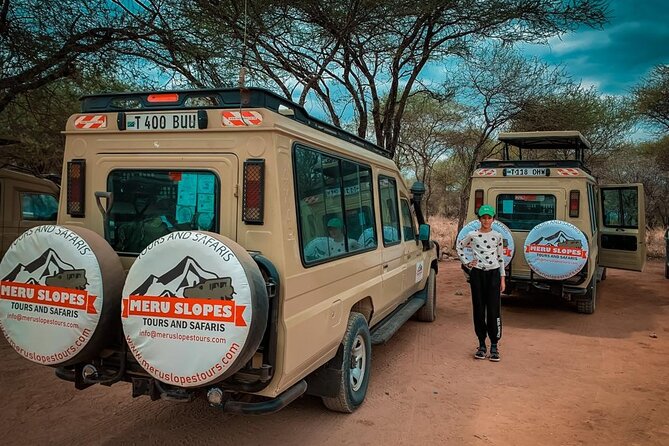
The final major safari begins early. From the crater rim, you may see the sun rise over the basin before driving down the steep track into Ngorongoro Crater. The crater is about 610 meters deep and covers roughly 260 square kilometers. It formed after a large volcanic explosion millions of years ago.
Its enclosed shape helps concentrate wildlife. The stated animal population is about 25,000, and the crater is known for strong game viewing in a compact area. In a short period, you may see wildebeest, zebra, gazelles, elephants, and many bird species. Lions are also possible, while leopard sightings remain less predictable.
The crater is not simply another open plain. The walls create a distinct setting, and the descent and ascent add a sense of occasion. The downside is that the crater can feel busy, particularly when several vehicles gather around a notable sighting. Your guide’s patience and driving judgment matter here.
After roughly eight hours in the conservation area, the schedule continues to Mto wa Mbu. This makes the day quite full, especially after the early start. Still, the village visit gives the trip a useful change of pace.
Mto wa Mbu: A local visit after the wildlife
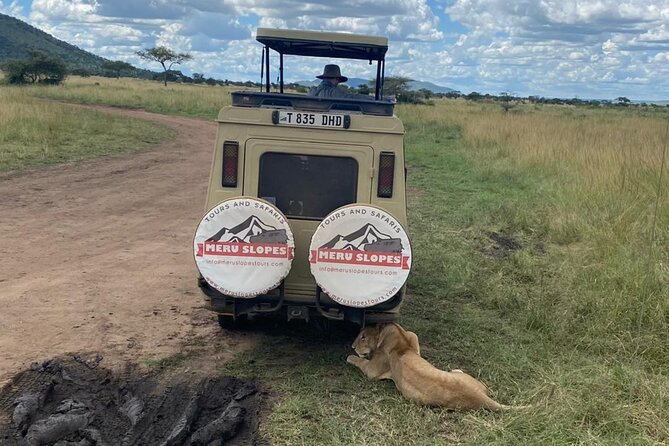
A local guide meets you in Mto wa Mbu and introduces the social and economic life of the community. The visit includes banana plantations where more than 30 varieties are grown. You can ask questions as you walk, take photographs, and see an aspect of northern Tanzania that is easy to miss on a park-only itinerary.
This is not presented as a formal cultural performance. It is a community visit with a local guide and a focus on daily life, agriculture, and the local economy. That makes it one of the more grounded parts of the schedule.
The title of the experience includes visiting Maasai, but the detailed day-by-day plan does not clearly name a Maasai village or Maasai activity. It specifically describes Mto wa Mbu. If meeting Maasai people is important to you, ask for written confirmation of what is included, where it happens, and whether an extra charge applies.
After Mto wa Mbu, you drive to Arusha for the overnight stay. The information does not specify the final hotel, so confirm that point if you need a room after the safari.
Camping, food, and the people who make the difference
The trip includes private transportation, meals, drinking water, Wi-Fi inside the safari jeep, and AMREF Flying Doctors emergency rescue cover. Those inclusions reduce the number of extra costs you need to manage, especially when you are far from towns.
The cooking receives strong praise in the supplied material. Chefs such as Dula, Gideon, and Burhan are named, and the food is described as a major part of the experience. The combination of a cook and a wildlife guide is common on camping safaris, but it is still worth asking who will be traveling with your group and what type of camp kitchen is used.
The guide is just as important as the vehicle. People who have traveled with Jacob, Mohammed, Patrick, Saleh, Asanteali, Nuru, Douglas, Lobulu, and others describe guides who work hard to locate animals, explain what you are seeing, and keep the days running smoothly. These names are not a promise that one particular person will be assigned to you, so request a guide name if that matters.
The operator has also accommodated a lodge upgrade when requested, with an added charge. That gives you some flexibility if camping becomes less appealing, but confirm the price and which nights can be changed before you pay.
Who should book this safari
I would choose this trip if you want a broad first look at northern Tanzania and you are comfortable with long drives, early mornings, and basic camping. It suits people who care more about time in the parks than about polished accommodation.
It also works well for a small family group, couples who want a private arrangement, or friends who want a maximum of six people in the vehicle. The strong points are the full Serengeti day, the sunrise drive, the crater descent, and the included food and transport.
I would hesitate if you want a slow, luxury safari or if you dislike changing camps. The itinerary packs a lot into five days, and the fourth day in particular is demanding. You should also clarify the accommodation, the meaning of private transportation, and the promised Maasai visit.
Pickup information needs checking too. The meeting point lists Kilimanjaro Airport with a 7:30 a.m. start, while day one describes an 8:00 a.m. pickup from an Arusha hotel. Confirm the exact pickup place and time before arrival.
Should you book it?
Book this safari if your priority is seeing three major wildlife areas at a reasonable all-in starting price, with meals, water, Wi-Fi, emergency rescue cover, and a small group. The combination of Tarangire elephants, Serengeti plains, migration timing, Ngorongoro game viewing, and Mto wa Mbu gives you plenty of variety.
Before booking, get clear answers on four points: your exact pickup location, the accommodation on each night, whether the group is private or shared up to six people, and what the Maasai visit actually includes. If those details match what you want, this is a strong choice for an active five-day safari.
Cancellation is free up to 24 hours before the start time for a full refund. Changes or cancellations inside that window are not accepted or refunded. Tips, flights, and visas are not included.
FAQ
How long is the safari?
The experience lasts approximately five days, with activities scheduled across Tarangire National Park, Serengeti National Park, the Ngorongoro Conservation Area, and Mto wa Mbu.
Where does the safari start?
The meeting information lists Kilimanjaro Airport at 7:30 a.m. The first day also describes pickup from an Arusha hotel at 8:00 a.m., so confirm the correct meeting place and time before booking.
How many people can join the tour?
The maximum group size is six people.
Is transportation included?
Yes. Private transportation is included, along with free Wi-Fi inside the safari vehicle.
Are meals included?
Yes. The package includes five lunches, five dinners, and four breakfasts.
Is drinking water provided?
Yes. Unlimited drinking water is included during the safari.
When is the best chance of seeing the wildebeest migration?
The information gives June through September as the best period for the migration. January through March is identified as the wildebeest calving period. July through September may include travel toward northern Serengeti for a possible Mara River crossing.
Is a Maasai visit included?
The experience title refers to visiting Maasai, but the detailed schedule describes a visit to Mto wa Mbu and its banana plantations. Confirm the exact Maasai activity with the operator before booking.
More 5-Day Experiences in Tanzania
- Tanzania Simba Safari – 5 Days
★ 5.0 · 217 reviews - 5 Days Budget Private Safari, Tanzania
★ 5.0 · 191 reviews - 5-Day Private Northern Tanzania Safari from Arusha
★ 5.0 · 182 reviews - 5 Days Best of Tanzania Luxury Safari Northern Circuit
★ 5.0 · 174 reviews
More Overnight Safaris in Tanzania
- 4 Days Group Camping Safari
★ 5.0 · 1,101 reviews - 5 Days Group Camping Safari
★ 5.0 · 730 reviews - 3 Days Serengeti & Ngorongoro Group Camping Safari
★ 5.0 · 574 reviews - 5 Days Camping Tarangire, Serengeti & Ngorongoro crater & Visiting Maasai
★ 5.0 · 229 reviews
Just added around Tanzania
- 1 Day Safari to Mikumi National Park★ 5.0 · 20 reviews
- Dar Es Salaam: Day Trip Safari to Mikumi National Park by Train★ 4.5 · 15 reviews
- 5 Days Safari to Selous & Mikumi★ 5.0 · 15 reviews
- 8 Days Safari to Mikumi, Ruaha & Udzungwa Mountains★ 5.0 · 14 reviews
- 5 Days Selous/Nyerere & Mikumi NP Game drive, Maasai and Walking★ 5.0 · 13 reviews
- 3 Days Safari at Mikumi National Park Southern circuit of Tanzania★ 5.0 · 16 reviews
- 3 Days Unique safari Selous Game Reserve Tanzania★ 5.0 · 12 reviews
- 3 Days Safari – Selous Game Reserve★ 5.0 · 21 reviews
Moshi Safaris, compared.


Unforgettable Tanzania Safari And Zanzibar Beach
Read our review →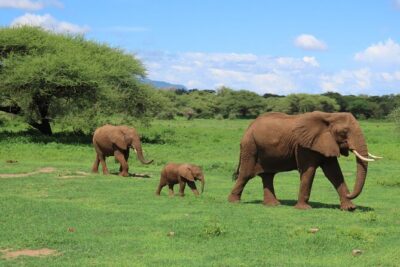
4 Days Group Joining Camping Safari to Tarangire Serengeti Ngorongoro Crater
Read our review →