
REVIEW · TANZANIA
4 Days Tarangire, Serengeti, Ngorongoro Group Camping Safari
Three famous Tanzanian parks in four days is a serious wildlife hit list. You travel from Arusha to Tarangire, cross to the Serengeti, finish with Ngorongoro Crater, and sleep in camps rather than returning to a lodge each night. The reward is variety: elephant herds and baobabs, wide Serengeti plains, and a crater packed with animals.
I like the small group limit of six, since it gives you a better chance of getting a window seat and asking your guide plenty of questions. I also like that meals, park fees, a 4×4 vehicle, water, and camping are included, keeping the main costs together. The drawback is the pace. You will spend long hours on rough roads, and a four-day schedule leaves little room for delays or slow mornings.
Key points before you reserve
- Three major wildlife areas in four days: Tarangire, Serengeti, and Ngorongoro Crater give you three distinct settings.
- Small groups of up to six: A compact vehicle group is more manageable than a large safari bus.
- Camping keeps you close to the action: Nights are spent at camps in or near the parks, with wilderness sounds around you.
- Strong food feedback: Guides and cooks named in the feedback, including Steve and Anthony, received praise for tasty meals served three times daily.
- Prepare for cold nights: Temperatures can fall to about 5°C, so a warm sweater, jacket, and socks matter.
- Pack light: The stated luggage allowance is 10 kilograms per person, with duffel bags preferred.
Why this route works in only four days
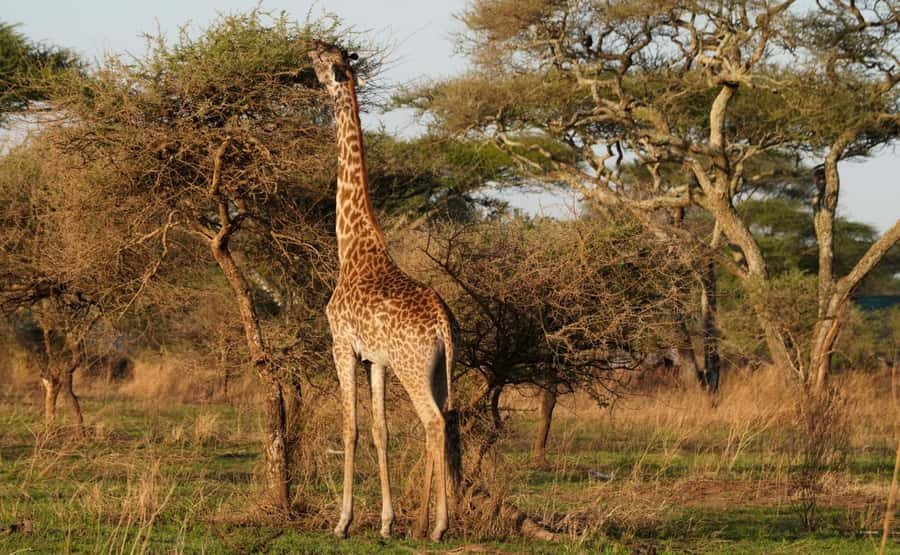
This is one of Tanzania’s most efficient classic safari routes. Tarangire gives you a strong opening with elephants and baobabs. Serengeti supplies the broad, famous plains and the best chance of seeing predators in a huge natural setting. Ngorongoro then offers a compact wildlife area where animals are often easier to find.
The tradeoff is driving time. These parks are not close together, and this is not a relaxed lodge holiday with long afternoons by a pool. You will cover substantial distances in a 4×4, often on rough roads. For me, the route makes sense if your priority is seeing major parks in one short trip and you are comfortable with early starts.
The small group format helps. With no more than six people, you should have a better view than you would in a crowded vehicle, though the exact seating arrangement depends on the safari vehicle. An English-speaking guide leads the trip, and names connected with especially positive feedback include Steve and Anthony. Another team member, Melita John, was praised for visiting a hotel before departure to explain the schedule and lend a telescope.
More Overnight Safaris in Tanzania
- 4 Days Group Camping Safari
★ 5.0 · 1,101 reviews - 5 Days Group Camping Safari
★ 5.0 · 730 reviews - 3 Days Serengeti & Ngorongoro Group Camping Safari
★ 5.0 · 574 reviews
Day 1: Tarangire’s elephants and baobab country
Your first day begins with an early departure from Arusha. That start is useful because Tarangire is not simply a quick stop on the way to the Serengeti. You get a morning game drive, lunch in the park, and another game drive in the afternoon before heading to camp.
Tarangire is known for its large elephant groups. The baobab trees add a striking shape to the scenery, and they give this park a character different from the open Serengeti. If you want an early introduction to African wildlife, this is a good one: the setting is distinctive, and elephants are a central part of the experience.
The schedule gives you two wildlife-viewing periods on the first day, rather than using Tarangire only as a drive-through park. That matters. You have time to look for animals, stop for photographs, and let the guide explain what you are seeing.
Lunch is included, as are meals during the rest of the safari. Food has been one of the strongest points in the feedback, with one small-group visitor praising a personal chef for preparing three meals a day. Keep your expectations practical: this is camp food in a safari setting, not a restaurant tour, but the reports of well-prepared meals are encouraging.
At night, you camp in the Tarangire area. Camping here means a closer sense of the park and less separation from the natural surroundings. It also means you should bring the right gear. A jacket, warm sweater, and socks are important because nighttime temperatures can drop to around 5°C.
Day 2: The long road to the Serengeti
After breakfast, you travel toward Serengeti National Park. This is the day when the itinerary feels most like a real overland safari. The road journey takes time, but it also gives you changing views of Tanzania as you move from Tarangire toward the Serengeti.
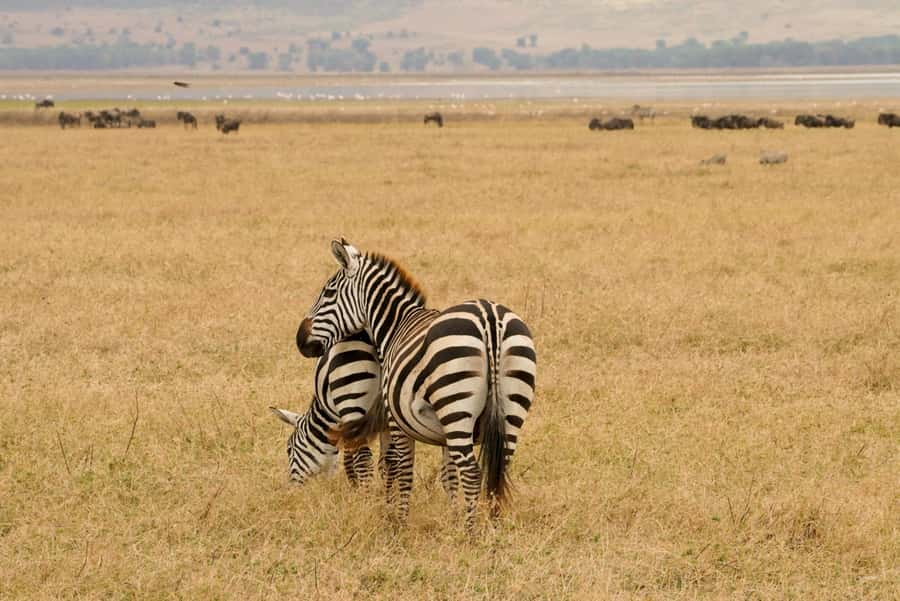
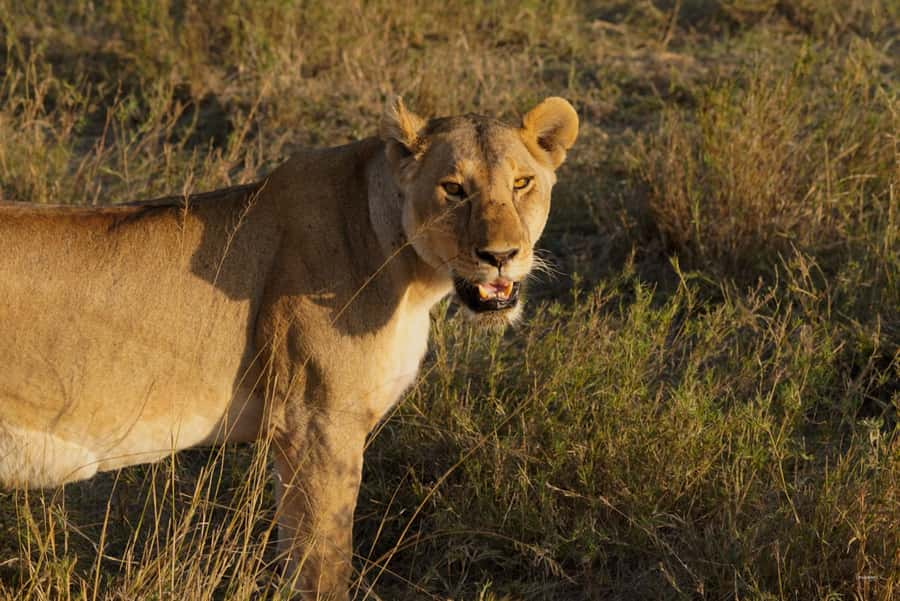
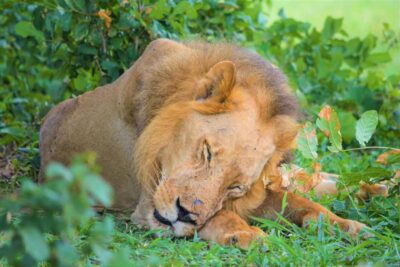
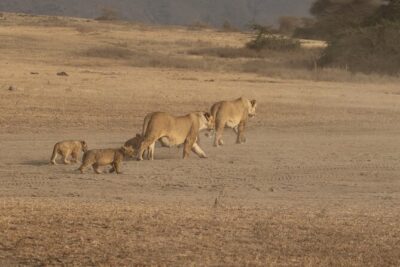
Once inside the Serengeti, you have an afternoon game drive across the plains. This is the park many people picture when they think of an African safari: open grassland, scattered wildlife, and a wide horizon. The area is home to lions, cheetahs, zebras, and other animals, with the Great Migration adding seasonal significance when its herds are in the region.
The Serengeti is vast, so you should not expect every sighting to be close. The size is part of the appeal, but it can also mean stretches of driving between animals. Your guide’s ability to read the area and respond to information from other vehicles can make a real difference, though no guide can promise a particular sighting.
The afternoon drive leads into a night at a Serengeti camp. This is where the camping element feels most special. You are not simply checking into a standard town hotel after a park visit. You remain in the safari setting, with the sounds and darkness of the bush around camp.
Camping is also the part most likely to test your comfort level. If you need hotel-style facilities, this may not be the right trip. If you like the idea of simple nights near wild places, it adds a sense of occasion that a standard room cannot match.
Day 3: Sunrise wildlife, then up toward Ngorongoro
Day three starts early with a sunrise game drive in the Serengeti. This is a smart use of time. Early hours can be productive for spotting predators, and the plains look different as the day begins. You may see lions or other hunters moving before the heat builds, but sightings are never guaranteed.
After the morning drive, you return to camp for lunch before driving toward Ngorongoro Crater. This split between a morning in the park and an afternoon transfer gives you another chance to see the Serengeti without trying to fit in a full day of driving and game viewing at once.
The route to Ngorongoro brings a change in scenery. You leave the open Serengeti behind and head toward the crater area, where you spend the night at camp near the rim. The evening is intentionally quiet. There is no crater game drive on this day, but that pause is useful after an early start and a long transfer.
This is also the night to organize your bag for the final morning. Keep your camera, binoculars, warm clothes, and water easy to reach. The luggage limit is 10 kilograms per person, and duffel bags are recommended. Extra luggage can be left in hotel storage, according to the trip information, so ask about this before departure if you are combining the safari with a larger suitcase.
Same country, a different kind of drive:
- Serengeti Balloon Safari and authentic bush breakfast
★ 5.0 · 2,480 reviews - Balloon Safari & Bush Breakfast in Serengeti – Miracle Experience
★ 5.0 · 1,646 reviews - From Zanzibar: Mikumi Safari Day Trip with Flights and Meal
★ 4.7 · 1,470 reviews - From Zanzibar: Day Selous Game Reserve Safari with Flights
★ 4.7 · 1,025 reviews
Day 4: Ngorongoro Crater and the return to Arusha
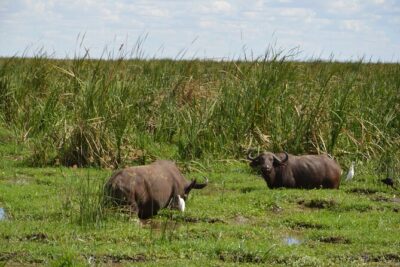
The final day takes you down into Ngorongoro Crater for a game drive. The crater is a UNESCO World Heritage site and one of Tanzania’s most concentrated wildlife areas. Its volcanic walls create a setting that feels very different from both Tarangire and the Serengeti.
The crater is known for abundant wildlife, including the Big Five. That makes it a strong final stop, especially if you want one more serious wildlife session before returning to Arusha. The compact area can make animal viewing feel more immediate, though the number and position of animals will always depend on the day.
After the morning drive, you return to the crater rim and begin the drive back to Arusha. The stated arrival is in the afternoon, but you should allow flexibility in any onward plans. Game drives, road conditions, and park traffic can affect timing, and the route has already included several long driving days.
The final drive is not just a transfer. It gives you time to sort photographs, compare sightings, and think about how different the three parks felt. Tarangire’s elephants and baobabs, Serengeti’s scale, and Ngorongoro’s enclosed wildlife area make a well-balanced sequence.
Camping, meals, and the daily rhythm
Camping is the main reason to choose this trip over a more comfortable lodge safari. You spend nights in remote settings and remain close to the parks rather than heading back to Arusha each evening. That creates a stronger connection to the route, but it also requires flexibility.
The included accommodation and meals make the $1,150 price easier to assess. You are not paying only for transport and a guide. The package also covers park entrance fees, mineral water, camping accommodation, and food during the safari. International and domestic flights, visas, and travel insurance are separate.
Food appears to be a real strength. One particularly positive account praised meals prepared three times each day, and the overall feedback includes repeated approval of the cooking. Still, if you have dietary requirements, confirm them before booking because the available information does not specify menus or special-diet arrangements.
Bring high-quality mosquito repellent, preferably with a strong mint concentration as recommended in the trip notes. Neutral clothing such as beige, green, or white is advised. Bright colors are not allowed, and feeding or touching animals is prohibited. These rules are sensible: they help keep your behavior low-key around wildlife.
Guides, vehicles, and group comfort
A good guide affects almost every part of a safari. You depend on the guide for safe driving, animal spotting, route decisions, explanations, and the daily rhythm. Specific guides named in the feedback include Steve, who was praised for friendliness and helping deliver a successful Big Five trip, and Anthony, who was described as cheerful and capable on rough roads.
The guide is also your main source of context. The trip promises an English-speaking guide, and the focus is not just on ticking off animals. You should expect explanations about wildlife and the places you pass through, though the exact depth will depend on the individual guide.
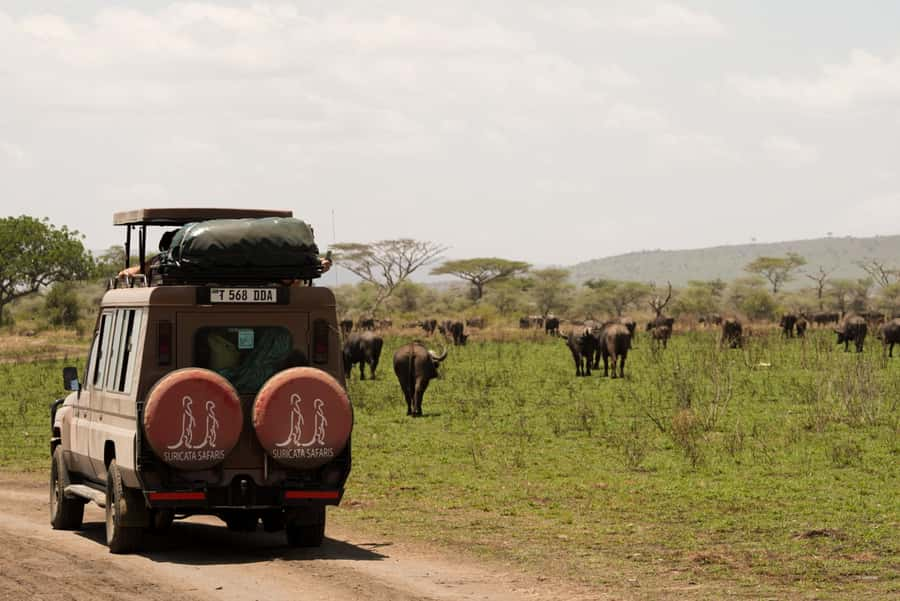
The vehicle is a more mixed point. One account praised safe driving, while another gave a very poor rating and said the car was in bad condition. That is a meaningful concern, especially because this itinerary includes long drives and rough roads. Before paying, ask what type of 4×4 is used, how many people share it, and how the company handles mechanical problems.
The price is attractive for a four-day safari that includes three major areas and park fees. However, one booking account raised concerns about a large difference between the amount paid through an intermediary and a lower direct tour price. I would confirm the operating company, the exact inclusions, and the final total before booking. Suricata Safaris Ltd is identified as the provider, so make sure you know who is actually responsible for operating your departure.
Who will enjoy this safari most
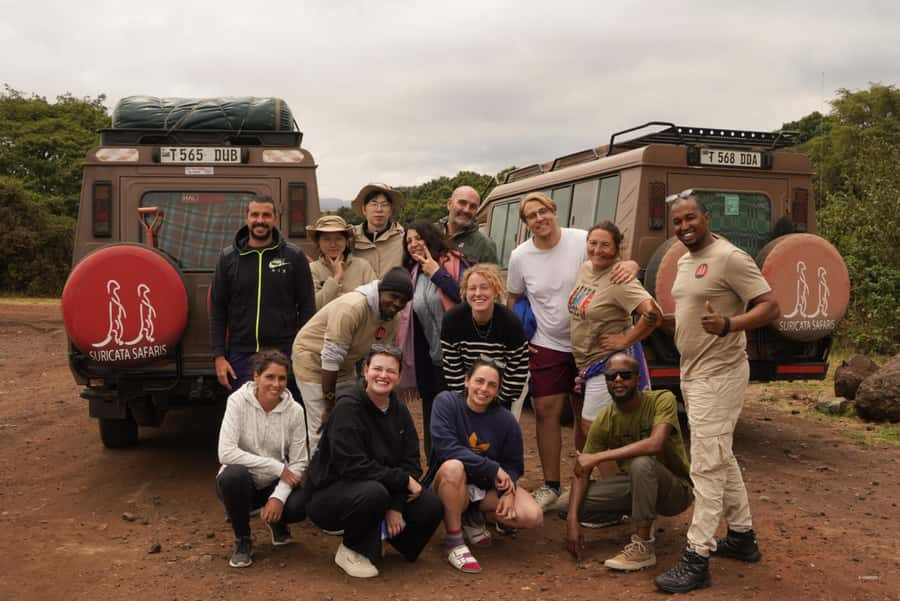
I would choose this trip if you want a concentrated introduction to northern Tanzania and care more about wildlife time than hotel comfort. It suits couples, friends, and solo visitors who enjoy sharing a small vehicle and want a social but limited-size group.
It is also a good match for photographers who want several different settings. Bring binoculars if you can. The guide will have one available to share, but your own pair saves time and gives you a better chance to follow distant animals.
This is not a good fit if you have serious back problems, need wheelchair access, or are traveling with a baby under one year. The operator also lists an upper age limit of 95. Even without those concerns, you should be ready for rough roads, early mornings, cold nights, and long periods in a vehicle.
The cancellation policy is flexible, with free cancellation up to 24 hours before the activity for a full refund. You can also reserve and pay later, which helps if your wider Tanzania plans are still changing. These terms are useful, but they do not remove the need to confirm the vehicle and final price.
Should you book the four-day route?
Book it if your main goal is to see Tarangire, Serengeti, and Ngorongoro in a short, practical package. The route has excellent variety, a small group limit, strong food feedback, and the rare pleasure of sleeping in camp near the wild areas rather than treating the parks as day trips.
Think twice if you need a polished vehicle, quiet private rooms, or an easy pace. The mixed vehicle feedback deserves a direct question before booking, and the schedule involves long drives with little spare time.
For me, the best reason to choose this safari is the combination of three major wildlife areas and real camping at a price that includes most of the expensive basics. Ask clear questions about the vehicle, group size, luggage storage, meals, and the direct price. If the answers are satisfactory, this can be a strong short safari for an adventurous first taste of Tanzania.
FAQ
How long is the safari?
The safari lasts four days and starts and ends in Arusha.
Which parks and conservation areas are included?
The route includes Tarangire National Park, Serengeti National Park, and Ngorongoro Crater.
What is included in the price?
The price includes 4×4 safari transportation, an English-speaking guide, park entrance fees, mineral water, accommodation, and meals during the safari.
How large is the group?
The group is limited to six participants.
What should I pack?
Pack no more than 10 kilograms per person, preferably in a duffel bag. Bring neutral-colored clothing, a warm sweater, socks, a jacket, mosquito repellent, and binoculars if you have them.
Are flights, visas, and insurance included?
No. Visas, international and domestic flights, and travel insurance are not included.
Is cancellation available?
Yes. You can cancel up to 24 hours in advance for a full refund. The activity also offers a reserve-now-and-pay-later option.
More 4-Day Experiences in Tanzania
- 4 Days Join Group tour Tarangire Serengeti and Ngorongoro crater
★ 5.0 · 219 reviews - 4-Day Safari from Arusha: Tarangire, Serengeti and Ngorongoro
★ 5.0 · 173 reviews - 4 Days safari Tour Tanzania
★ 5.0 · 159 reviews - 4 Days Tarangire Serengeti Ngorongoro Crater
★ 5.0 · 117 reviews
Just added around Tanzania
- Dar Es Salaam: Day Trip Safari to Mikumi National Park by Train★ 4.5 · 15 reviews
- 1 Day Safari to Mikumi National Park★ 5.0 · 20 reviews
- 5 Days Safari to Selous & Mikumi★ 5.0 · 15 reviews
- 8 Days Safari to Mikumi, Ruaha & Udzungwa Mountains★ 5.0 · 14 reviews
- 5 Days Selous/Nyerere & Mikumi NP Game drive, Maasai and Walking★ 5.0 · 13 reviews
- 3 Days Safari at Mikumi National Park Southern circuit of Tanzania★ 5.0 · 16 reviews
- 3 Days Unique safari Selous Game Reserve Tanzania★ 5.0 · 12 reviews
- 3 Days Safari – Selous Game Reserve★ 5.0 · 21 reviews
Tanzania Safaris, compared.
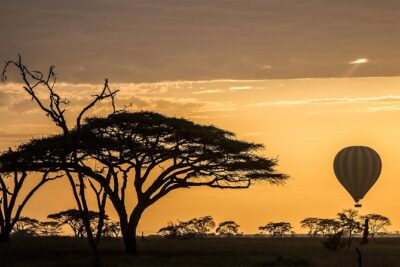
Serengeti Balloon Safari and authentic bush breakfast
Read our review →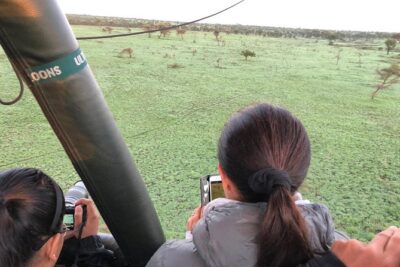
Balloon Safari & Bush Breakfast in Serengeti – Miracle Experience
Read our review →
Mikumi Safari Day Trip with Flights and Meal
Read our review →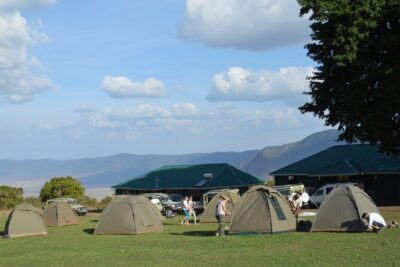
3 Days Serengeti & Ngorongoro Group Camping Safari
Read our review →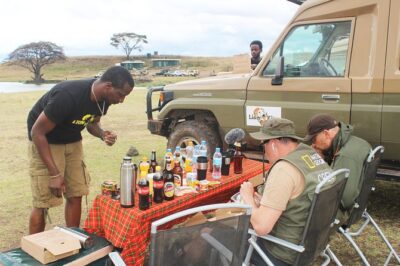
7-Day Premium Luxury Tanzania Safari All-Inclusive
Read our review →Browse the lists this tour appears in