
REVIEW · 2-DAY EXPERIENCES
Corcovado and Drake Bay 2-Day Small-Group Safari Guided Tour
Corcovado is not a quick rainforest stop. This two-day small-group safari gets you deep into the Osa Peninsula, where the day begins with howler monkeys and ends with jungle sounds under a mosquito net. You travel by boat from Drake Bay, walk the trails around Sirena Station, and return with a much better sense of how wild this park can be.
I like the maximum of eight people, which gives your guide room to spot animals and show you what to watch for. I also like staying overnight at Sirena instead of rushing back to Drake Bay, since the cool early hours and fading evening light are prime times for wildlife. The main drawback is comfort: the boat can be rough, the humidity is serious, and 10 kilometers on muddy jungle trails can feel much longer than 10 kilometers on a normal path.
At a glance: what makes this two-day safari special
- Sirena Station overnight: Sleep in open-air bunk beds with bedding and mosquito nets, surrounded by jungle sounds.
- A small group of up to eight: Your guide can spend more time tracking animals instead of managing a crowd.
- Wildlife at the best hours: Early morning and late afternoon walks target the periods when many animals are active.
- Boat access through Drake Bay: The ride may bring sightings of dolphins, turtles, and rays, but rough water is possible.
- Two days of varied trails: Walk through secondary and primary forest, follow lesser-used paths, and swim in the Rio Claro.
- Meals included: The price covers one dinner, one breakfast, and two lunches at or around Sirena Station.
Why staying overnight at Sirena changes the experience
The strongest reason to choose this tour is simple: you stay inside Corcovado National Park. A day trip gives you a useful taste of the forest, but this schedule lets you be on the trails at 5:00 in the morning, when temperatures are lower and animals are often easier to find.
At night, Sirena Station is basic but clean and airy. The sleeping area uses bunk beds with bedding and mosquito nets. This is not a private lodge, and the open-air setup means you hear the forest clearly. Howler monkeys may provide the alarm clock, while birds take over at first light.
I would describe the accommodation as practical rather than polished. Outdoor shoes are not allowed inside the station, so bring clean flip-flops or socks for use indoors. The food is included and described as fresh, plentiful, and satisfying, which matters after hours on wet trails.
The station is also a useful place to pause. At midday, heat can make even a short walk feel hard, so the two-hour lunch and rest period is not wasted time. It gives you a chance to eat, cool off, and let conditions improve before the afternoon outing.
A few more safaris around the world worth a look
- From Marrakech: Zagora 2-Day Desert Safari with Food & Camp
★ 4.5 · 1,137 reviews - From Cape Town: 2-Day Safari at Garden Route Game Lodge
★ 4.8 · 928 reviews - From Cape Town: South African Wildlife and Safari 2-Day Tour
★ 4.7 · 411 reviews
Day one: from Drake Bay to the black sand beach
The morning starts early in Drake Bay. Breakfast is scheduled for 5:30 a.m., followed by the boat departure at 6:15 a.m. The meeting point is on Camino de la Playa in Drake Bay, and you need to be ready for a beach departure rather than a standard marina boarding.
The boat ride to Sirena takes about an hour and a half. It is part of the experience, not just a transfer. You travel along the Pacific coast of the Osa Peninsula, with chances to see dolphins, turtles, or rays along the way.
There is one practical warning here: the ride can be bumpy. If you get motion sick, take suitable medicine before leaving. Heavy rain and storms can make the trip uncomfortable, and one difficult crossing left passengers wet, including bags and spare clothes. Pack carefully and protect anything that must stay dry.
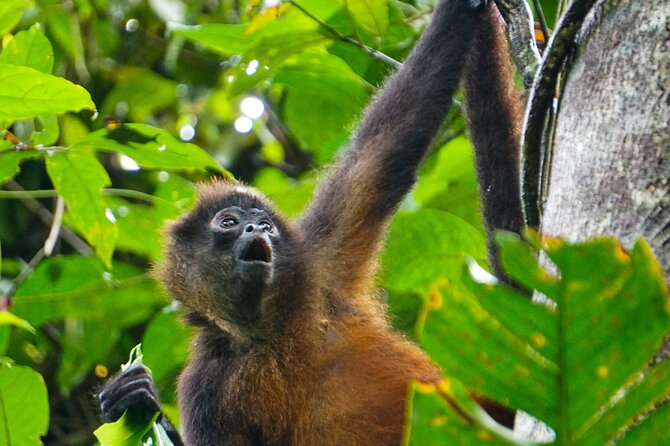
When you reach the black sand beach at Sirena, you head to the ranger station, leave your luggage, and begin walking. The first major exploration lasts about three hours. Your guide will be looking for animals, but the real skill is in reading signs: movement in the canopy, calls in the trees, tracks, and changes in the forest around you.
Guides on different departures have included Jorge, Erick, Brayner, Richie, and Andre. The best part of the guiding is not simply being shown an animal. The guides are described as tracking wildlife, explaining behavior, and adding information about the forest and the ways native cultures have interacted with it.
That makes a small group especially useful. Eight people is still enough for a social outing, but it is far easier to gather around a tree or quietly watch a trail than it would be with a large crowd.
The midday pause and the afternoon jungle trails
Around noon, you return for lunch and a rest of about two hours. This is the hottest part of the day, so the break has a clear purpose. You are not missing the best wildlife window by sitting out the sun.
After the pause, you head back out on less-used trails. The afternoon walk adds variety, with forest views, animal searches, and a chance to swim in refreshing jungle water. A swim in the Rio Claro is one of the more memorable touches, especially after walking in heavy heat and humidity.
Expect mud, rain, and damp clothing. Hiking in Corcovado is not a tidy stroll. The forest can be wet even when rain is not falling, and the humidity makes every uphill stretch harder. Good hiking boots are worth packing, along with water shoes for getting on and off the boat.
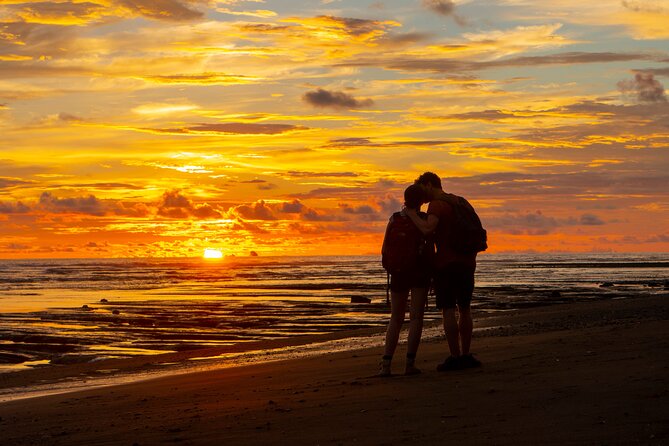
The day ends around 5:30 p.m., as the light fades over the Pacific. Then you return to the station for dinner. This is a good time to compare sightings with the group and your guide, since you may have seen birds, monkeys, reptiles, and other animals at very different points along the trails.
You might be tempted to remain outside under the stars. The setting makes that understandable, but day two begins at 5:00 a.m., so rest is the sensible choice.
Day two: the early hours and primary forest
The second morning is the reason the overnight stay earns its keep. You leave at 5:00 a.m., when the forest is cooler and many animals are more active. Early hours can also make walking easier, since the heat has not yet built up.
You return to the station around 7:15 a.m. for breakfast and a break lasting about 90 minutes. After breakfast, the group heads toward primary forest at approximately 8:30 a.m. This section focuses on massive trees, older forest, and quieter trails.
The morning walk lasts about three hours. It is a final chance to look for wildlife before heading back to the coast. Your guide’s ability to spot movement and explain animal behavior matters most here, since sightings are never guaranteed.
At noon, you take the boat back to Drake Bay. The return ride lasts about an hour and a half, and you should plan to be back at your hotel around 1:30 p.m. The afternoon is then free for a beach walk, time in town, or rest at your lodge.
The evening is open for Drake Bay dining and nightlife. That makes the tour easy to pair with other plans, although you should avoid scheduling a demanding activity immediately after returning. Two days of early starts and jungle walking can catch up with you.
Same country, a different kind of drive:
- Dubai: Desert Safari, Quad Bike, Camel Ride & Al Khayma Camp
★ 4.9 · 68,962 reviews - Dubai: Desert Safari, Quad Bike, Camel Ride and Sandboarding
★ 4.9 · 43,505 reviews - Dubai: Safari, Quad Bike, Camel Ride, and Buffet Dinner
★ 4.9 · 33,424 reviews - Dubai: Red Dune Safari, Quad Bike, Camel Ride, BBQ Dinner
★ 4.9 · 32,185 reviews
Wildlife is the focus, not a guaranteed checklist
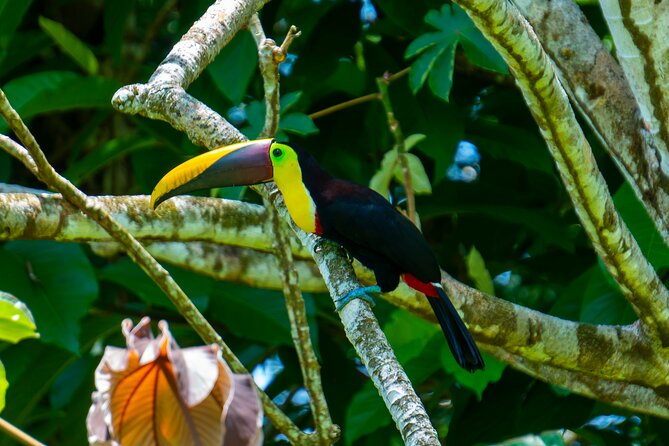
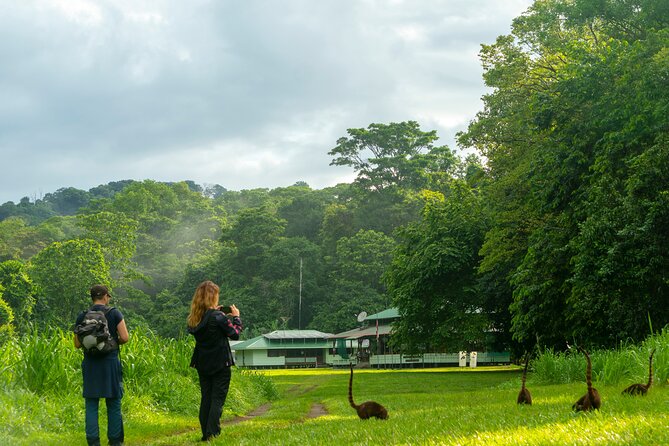
The park is famous for its biological variety, but this tour should not be treated like a zoo visit. You may see howler monkeys, squirrel monkeys, toucans, dolphins, turtles, rays, reptiles, and many other species. Your guide’s tracking skills can improve your chances, but wild animals do not follow a schedule.
The strongest wildlife moments may be small. A guide stopping to point out movement high in the canopy, a call answered from deeper in the forest, or tracks crossing a muddy trail can be as interesting as a close animal sighting.
The group size helps here. A large party tends to create noise and makes it harder for everyone to see the same thing. With up to eight people, you have a better chance of forming a quiet viewing group while the guide explains what is happening.
Guides such as Jorge, Erick, and Brayner have been praised for their enthusiasm and ability to explain more than names. You can expect attention to animal behavior, forest types, and the details that help you understand why a sighting matters.
The physical side: heat, mud, boats, and long walks
You should be in reasonable walking shape for this trip. The stated walking distances may not sound extreme, but jungle terrain changes the calculation. Mud, roots, wet ground, high humidity, and heat can turn 10 kilometers into a demanding day.
The tour is not recommended for children younger than eight or adults over 65. Most people can take part, but you should think honestly about your comfort with long walks, early mornings, limited accommodation, and wet conditions.
Pack light. You cannot bring regular luggage on the boat, so everything should fit in a backpack. The most useful packing list includes:
- Hiking boots
- Water shoes for the boat
- A towel
- A reusable water bottle
- Insect repellent
- Lightweight dry clothes
- Clean flip-flops or socks for the station
Single-use plastic is not allowed in the park. Bug repellent can be difficult to find in Drake Bay, so bring it before you arrive. Mosquitoes may not be constant, but repellent is still worth having.
Keep spare clothes in waterproof bags inside your pack. Rain and sea spray are both possible, and there may not be a good way to dry wet clothing at Sirena Station.
What the $460 price includes
The cost is $460 per person. That is not a bargain day tour, but the comparison is not really between this and a simple park entrance ticket.
Your price covers the boat ride to and from Sirena, park access, guided walks over two days, overnight bunk accommodation, bedding, mosquito nets, one dinner, one breakfast, and two lunches. It also buys you the time advantage of being in the park for both early morning and late afternoon wildlife periods.
The value depends on what you want from Corcovado. If you mainly want a short look at the forest, a one-day outing may be enough. If you want the best chance to experience the park at different times of day, the overnight plan makes more sense.
A small group also adds value. The guide can devote more attention to tracking and keep the pace manageable for the people in the group. The tour is booked about 38 days ahead on average, so the price and limited group size appear to make advance planning important.
Weather and comfort can change the whole trip
Good weather is important because the tour depends on a boat crossing and long walks. If poor weather forces cancellation, you are offered a different date or a full refund. The same applies if the minimum group size is not met.
Once the tour operates, though, weather can still shape your experience. Rain may make the boat ride rough and leave you wet before the hiking begins. The forest can be beautiful in rain, but wet clothes, muddy trails, and no easy drying area at the station can make the overnight stay much less pleasant.
The booking is non-refundable and cannot be changed for personal reasons. I would avoid booking it at the very end of a tightly packed Costa Rica itinerary. Give yourself some flexibility around the two days, especially if a missed boat connection or bad weather would disrupt later plans.
Who should book this Corcovado overnight trip
I would choose this tour if you want wildlife, accept basic sleeping conditions, and see value in being on the trails at dawn. It suits hikers who prefer a small group and want a guide who does more than point out obvious animals.
It is also a good fit if you want an authentic forest stay rather than a polished eco-lodge. Falling asleep to jungle sounds is a real part of the appeal, but so are shared bunk beds, outdoor shoes left at the door, and wet gear.
I would hesitate if you need private rooms, air conditioning, easy transport, or a fixed schedule unaffected by rain. The same goes if you dislike boats, struggle with humidity, or are uncomfortable carrying everything in a backpack.
Should you book the Sirena Station safari?
Book it if Corcovado is one of the main reasons you are coming to Costa Rica. Two days gives you more time, better wildlife hours, and a stronger feel for the Osa Peninsula than a rushed visit.
The biggest selling points are the small group, the guides’ strong wildlife focus, and the overnight stay inside the park. The biggest cautions are the rough boat ride, demanding heat, basic accommodation, and strict cancellation terms.
For an active visitor who wants a close look at a genuinely wild place, this is a strong choice. Pack light, protect your clothes from rain, bring motion sickness medicine if needed, and arrive ready for mud rather than comfort.
FAQ
How much does the tour cost?
The tour costs $460 per person.
How long does the experience last?
The tour lasts approximately two days, with an overnight stay at Sirena Ranger Station.
Where does the tour start?
It starts at Camino de la Playa in Drake Bay, Puntarenas Province, on the Osa Peninsula.
What time does the tour begin?
The boat leaves Drake Bay at 6:15 a.m. Breakfast is scheduled for 5:30 a.m.
How large is the group?
The maximum group size is eight people.
What meals are included?
The tour includes one dinner, one breakfast, and two lunches.
Where do you sleep?
You sleep in bunk beds at Sirena Ranger Station. Bedding and mosquito nets are included.
Is the tour suitable for children and older adults?
It is not recommended for children younger than eight or adults over 65. Most other visitors can participate, but the walks involve heat, humidity, mud, and extended time on jungle trails.
What happens if bad weather cancels the tour?
If poor weather causes cancellation, you are offered another date or a full refund. If the minimum number of participants is not met, you are offered another date, a different experience, or a full refund.
Just added around the world
- Dubai Desert Safari With BBQ dinner★ 5.0 · 15 reviews
- Premium Deluxe Dubai Safari with Camel Ride, Sandboard & BBQ★ 5.0 · 55 reviews
- Dubai Private Morning Desert Safari: Camel Ride & Sandboarding★ 5.0 · 19 reviews
- Deluxe Premium Dubai Desert Safari with Camel Ride, and Live Show★ 5.0 · 82 reviews
- Dubai Morning Desert Safari: Camel Ride & Sandboarding!★ 5.0 · 116 reviews
- Camel Trekking and Morning Safari with Sand Boarding★ 5.0 · 19 reviews
- Thrilling Desert Safari Dubai Adventure with Sand Boarding and Barbecue Dinner★ 3.5 · 30 reviews
- Dubai Desert Safari★ 4.5 · 15 reviews
2-Day Experiences, compared.
2 Day South African Wildlife Tour with 4×4 Safari from Cape Town
Read our review →
Bora Bora: 1/2 day lagoon safari – Shared tour
Read our review →
2 Days Tarangire and Ngorongoro Group Camping Safari
Read our review →
From Kutaisi: Svaneti Mountain Villages 2-Day 4×4 Safari
Read our review →Browse the lists this tour appears in