
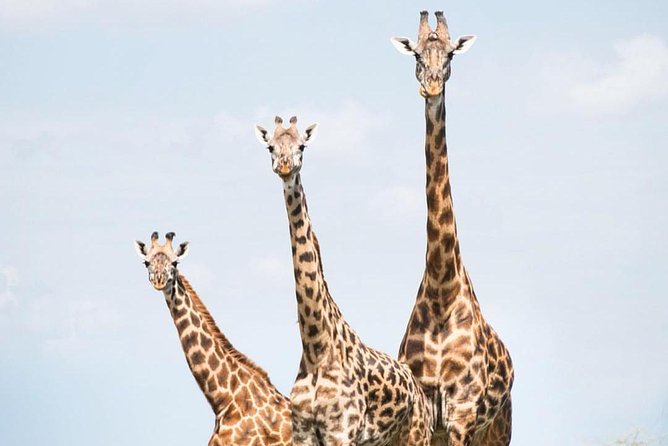
REVIEW · ARUSHA
7 days great migration safari
Lake Natron gives this seven-day safari a welcome twist. Instead of racing straight to the Serengeti, you first follow the Rift Valley Escarpment to a soda lake where thousands of flamingos gather. You’ll also see Ol Doinyo Lengai, the holy mountain of the Maasai, before turning toward the great wildlife areas.
I like the route for two clear reasons: Lake Natron and Lake Eyasi add culture and scenery that a standard Serengeti trip can miss, and the private format gives your group more control over stops and game drives. The main drawback is the amount of time spent on rough, winding roads, especially on the way into the northern Serengeti.
Key things to know before you book
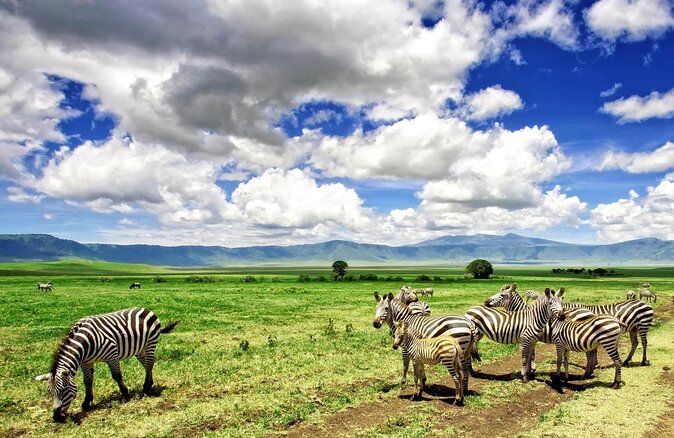
- Lake Natron adds a rare flamingo stop with a guided walk, plus the option of a waterfall visit.
- Northern Serengeti offers quieter game viewing and is especially useful during the migration season.
- Lobo and Seronera cover different wildlife zones, giving you a broader safari picture than one park base alone.
- Ngorongoro Crater is a major highlight, with strong chances for lions, buffalo, elephants, and possibly black rhino.
- Lake Eyasi brings a human connection through visits with Hadzabe and Datoga communities.
- The price includes the main costs, including accommodation, meals, park fees, private transport, guide service, and airport transfers.
Why this route is more than a standard Serengeti safari
Many Tanzania safaris focus on the Serengeti and Ngorongoro Crater, which makes sense. Those are the headline parks. This route adds two very different stops: Lake Natron in the north and Lake Eyasi in the southwest of the Ngorongoro Conservation Area.
That variety matters. You’ll see wildlife, but you’ll also see a working Maasai area, a soda lake, the Rift Valley wall, volcanic country, and communities whose traditional ways of life remain important. The safari feels less like a single wildlife circuit and more like a seven-day journey through northern Tanzania.
The trip is private, so only your own group takes part. That is useful when you want to pause for photographs, spend longer at a sighting, or adjust the pace. It also means the price of $4,514 per person is easier to assess as a full package rather than as a simple park tour. You are paying for seven days of private transport and guiding, six dinners, seven breakfasts, seven lunches, accommodation, activities, fees, and roundtrip airport transfers.
That is a serious price. Still, the inclusions cover most of the large expenses that can catch you by surprise on safari. You should budget separately for international flights, tips, and personal items.
A few more safaris around Arusha worth a look
- 7-Day Premium Luxury Tanzania Safari All-Inclusive
★ 5.0 · 426 reviews - Group Safari 7 Days in Tanzania’s Main Parks
★ 5.0 · 240 reviews - 7 Days Tanganyika Wilderness Safari
★ 5.0 · 159 reviews
Day 1: Lake Natron and the pink shores of a soda lake
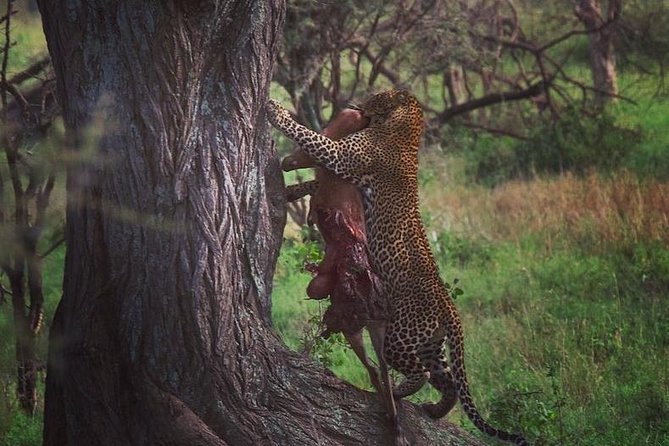
Pickup is provided from the airport on the first day or from your lodge the day before. The morning drive heads north from Arusha along the Rift Valley Escarpment, passing through typical Maasai country.
The first visual marker is Ol Doinyo Lengai, known as the Mountain of God and a sacred mountain to the Maasai. Even from a distance, it gives the journey a strong sense of place. This is not just a transfer to the Serengeti. You are entering a region shaped by volcanoes, dry country, and pastoral life.
After reaching the small Maasai village of Ngare Sero, you take a guided bush walk toward Lake Natron. The lake is highly alkaline, and its shores can shimmer pink when flamingos gather there to breed. The sight is unusual, but the setting is just as important. The lake lies beneath the Rift Valley wall, giving you a dramatic first day before the big-game drives begin.
You can also choose to walk to a nearby waterfall and take a refreshing bath. That option adds a physical break after the drive, though you should ask your guide about the conditions and timing before setting out.
The overnight stay is at Lake Natron Tented Camp. Breakfast, a picnic lunch, and dinner are included. The day begins early and includes a long road journey, so this is best approached as an active opening rather than a relaxed arrival day.
Day 2: Entering Northern Serengeti through Klein’s Gate
Day two continues north through Wasso and toward Klein’s Gate, where you enter Serengeti National Park around midday. The road climbs through several winding turns, and you get a final view of Lake Natron before leaving the Rift Valley behind.
Your first game drive is in the Lobo area. Lobo is known for permanent springs, open grassland, and rocky kopjes. Water helps support wildlife throughout the year, so this is not a place that depends entirely on the migration.
You might find lions, leopards, buffaloes, elephants, giraffes, and zebras here. The exact sightings can never be promised, but the area supports both resident animals and passing herds. Between October and December, large groups of wildebeest may be found moving back toward the southern plains.
The overnight stay is at Lobo Wildlife Lodge. Breakfast, picnic lunch, and dinner are included. You should expect another full day in the vehicle, with the reward of reaching a less familiar part of the Serengeti rather than staying close to the busiest central routes.
Day 3: A full wildlife day in Northern Serengeti
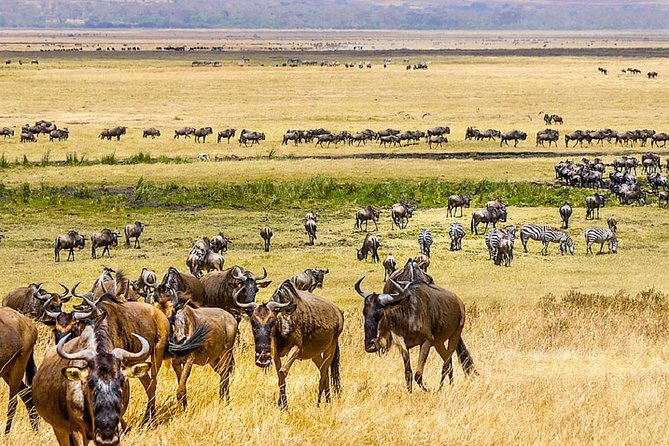
The third day gives you time to explore Northern Serengeti properly. That matters because this part of the park is not just a waypoint. It is a broad wilderness area with resident wildlife, seasonal herds, and a different feel from the Seronera Valley farther south.
During the dry season, migratory wildebeest and zebra can dominate the open country. If your dates line up with their movement, you could see large herds spread across the plains. The migration is a moving natural event, not a fixed attraction, so timing and local conditions matter greatly.
Northern Serengeti also supports lion, elephant, hippo, giraffe, crocodile, and the uncommon oribi antelope. Your guide’s skill is particularly useful here. Guides such as Estomih, Christian, Isaac, and Simon have received strong praise for finding animals, explaining plants and wildlife, and positioning the vehicle for photographs.
You spend a second night at Lobo Wildlife Lodge. Keeping the same base avoids packing and unpacking after every drive, but it also means the day can be long. If you prefer a slower safari with less time on the road, discuss the exact driving plan before booking.
Same country, a different kind of drive:
- Balloon Safari & Bush Breakfast in Serengeti – Miracle Experience
★ 5.0 · 1,646 reviews - 4 Days Group Camping Safari
★ 5.0 · 1,101 reviews - 5 Days Group Camping Safari
★ 5.0 · 730 reviews - 3 Days Serengeti & Ngorongoro Group Camping Safari
★ 5.0 · 574 reviews
Day 4: The Seronera Valley and Central Serengeti
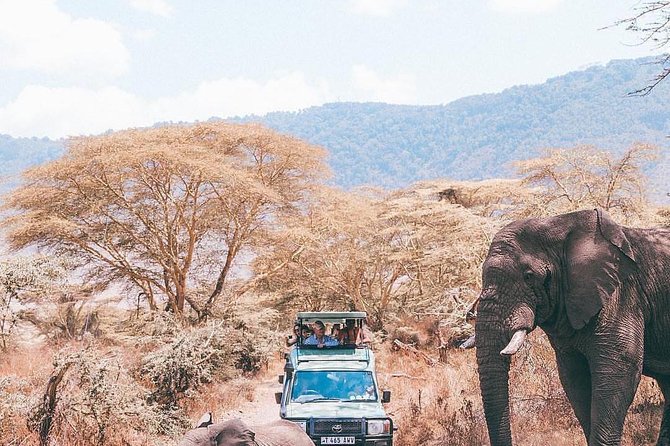
Day four shifts south toward Central Serengeti. The change in scenery and wildlife focus is one of the strengths of this itinerary.
Seronera Valley is known for year-round animal viewing. You might search for cheetahs, hyenas, leopards, and lions, along with buffaloes, giraffes, hippos, impalas, topi, warthogs, and zebras. The area gives you a good chance to compare different species rather than spending the whole day focused on one migrating herd.
Your guide may also point out the difference between Grant’s gazelle and Thomson’s gazelle. Both have a white rump, but the markings and tail differ. Small lessons like this make a game drive more rewarding because you begin to understand what you are seeing, not just photograph it.
This is listed as a 12-hour wildlife day, so plan for a demanding schedule. Long drives are part of the Serengeti experience, and the vehicle becomes your viewing platform, dining space, and travel connection. The payoff is access to a much wider area of the park.
Day 5: From Serengeti wildlife to the Ngorongoro rim
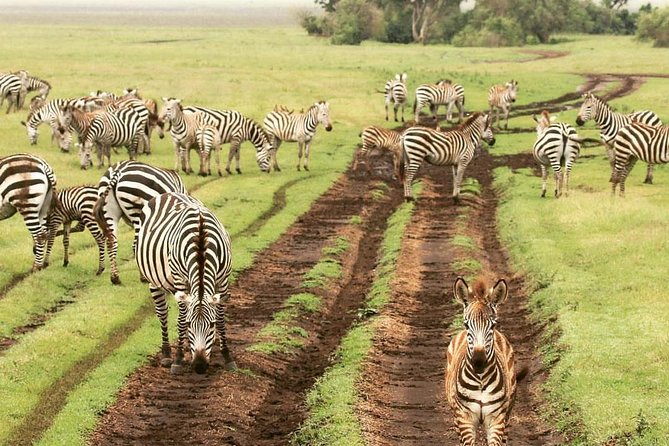
You begin with another game drive in the Serengeti before continuing to the Ngorongoro Conservation Area. Serengeti and Ngorongoro were separated administratively in 1959, but the wildlife does not care much about that boundary. Animals move between areas, while Maasai communities continue to live in the conservation area.
The Ngorongoro Conservation Area covers 8,292 square kilometres and contains nine craters. That gives your guide plenty to explain as you move toward the rim. The drive from open Serengeti plains to the high rim is a major change in scenery and temperature.
Your accommodation is on top of the crater rim, with a view into the crater. This is one of the most memorable lodging locations on the route, though the high position can make the evening feel cooler than the lower park areas. Keep a warm layer handy.
The day is again scheduled for about 12 hours. Park admission is included, as are breakfast, lunch, and dinner. The main thing to understand is that this is not simply a hotel transfer. You continue wildlife viewing before reaching your overnight base.
Day 6: Descending into Ngorongoro Crater
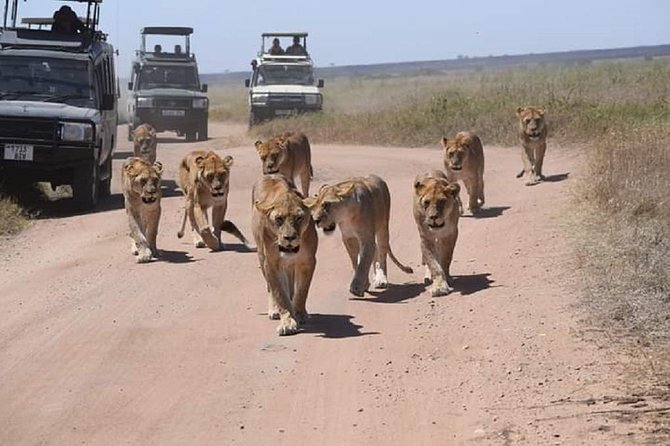
After breakfast, you follow the crater rim to Seneto Gate and descend onto the crater floor by an adventurous route. The first view from above is a major moment. The crater’s enclosed setting, reliable water, and open floor help support a large number of animals.
You’ll search for the Big Five: buffalo, elephant, leopard, lion, and black rhinoceros. The crater is one of only two places in Tanzania where black rhino can still be seen, although no wildlife sighting is guaranteed.
Animal numbers shift with the seasons. Wildebeest and zebra increase during the dry season, while eland, elephant, and waterbuck numbers rise during the wet season. This is useful context because your experience depends partly on when you visit, not only on the quality of the guide.
The crater drive lasts about 12 hours according to the schedule, including the descent, viewing, and onward movement. It can be a full day, but the concentration of wildlife makes the time worthwhile. You return to accommodation in or near the conservation area before the final day at Lake Eyasi.
Day 7: Lake Eyasi and a different kind of safari
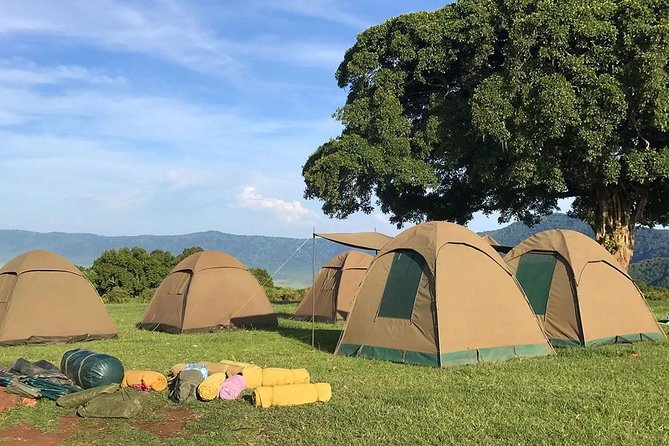
The final day heads toward Lake Eyasi, a soda lake fed by the Sibiti and Baray Rivers. This stop changes the focus from animal sightings to people, traditions, and daily life.
The area is home to the Hadzabe and Datoga communities. The Hadzabe maintain a hunting and gathering way of life, while the Datoga are pastoralists. Visits to villages may include time in homes, explanations of family structures, traditional dances, and other aspects of local life.
This part of the trip requires respect and an open mind. It is not a staged wildlife show. Your experience depends on the community visit and the way the day unfolds. The schedule allows about nine hours before returning toward Arusha.
Lake Eyasi is a valuable ending because it reminds you that northern Tanzania is not only a collection of national parks. People live, work, raise families, and maintain traditions beside these famous wildlife areas. It gives the safari a human dimension that many park-only itineraries lack.
Guides, vehicles, meals, and the daily pace
The guide can make or break a safari. Names associated with particularly strong experiences here include Estomih, Christian, Isaac, and Simon, also known by the nickname Safari Monster. Their praised qualities include patience, wildlife knowledge, careful driving, good explanations, and an ability to find animals and useful camera angles.
You receive private transportation with a professional driver-guide, binoculars, and camping equipment. The tour description does not specify the exact vehicle model or whether the vehicle is fully customized for photography, so ask about that if photography is central to your plans.
Seven breakfasts, seven lunches, and six dinners are included. The missing seventh dinner is likely connected to the final day’s return arrangements, so confirm the meal plan for your departure evening.
There is no restroom on board. That matters on long drives, particularly on the Natron and Serengeti road sections. Stops will be part of the day, but you should plan accordingly.
Who gets the best value from this safari?
I would recommend this trip to you if you want a private safari with more variety than the usual Serengeti and Ngorongoro pairing. It suits people who care about migration timing but also want flamingos, Rift Valley scenery, a crater drive, and contact with Maasai, Hadzabe, or Datoga communities.
It also works well for families or couples who value a private vehicle and direct communication with the guide. The flexible format is useful when one person wants more photography time or when the group prefers to spend longer at a wildlife sighting.
I would think twice if you dislike long road journeys, winding routes, or early starts. The route covers a lot of ground in seven days. You get breadth, but not much spare time.
The price is high, yet the package includes the main safari costs and airport transfers. Compared with arranging each park, lodge, meal, guide, and transfer separately, the value is easier to see. You still need to confirm the exact lodge category and vehicle details before paying, especially since accommodation quality can vary from one stop to another.
Cancellation is free up to 24 hours before the start time. Poor weather or failure to meet the minimum number of participants can lead to a different date, another experience, or a full refund.
Should you book the seven-day Great Migration safari?
Book it if you want a private, full-service Tanzania safari that goes beyond the standard park circuit. Lake Natron and Lake Eyasi are the reasons to choose this route, while Northern Serengeti and Ngorongoro supply the major wildlife moments.
Do not book it expecting a leisurely holiday. The roads are long, the days can run for 12 hours, and the migration depends on nature’s timing. If you accept that pace, this is a strong seven-day introduction to Tanzania, with enough variety to keep the trip from feeling repetitive.
FAQ
Where does the safari start?
The safari starts in Arusha, with pickup available from the airport on day one or from your lodge or hotel. The stated start time is 7:30 am.
Is airport transfer included?
Yes. Roundtrip airport transfers are included in the package.
Is this a private safari?
Yes. Only your own group participates in the activity.
Are meals included?
Yes. The package includes seven breakfasts, seven lunches, and six dinners.
Which parks and places are included?
The route includes Lake Natron, Northern and Central Serengeti, Ngorongoro Crater, Lake Eyasi, and return travel to Arusha.
Are park fees and accommodation included?
Yes. All listed park or activity fees and the stated accommodation are included unless an upgrade is clearly marked as optional.
Can I cancel for a full refund?
You can cancel at least 24 hours before the experience start time for a full refund. Changes or cancellations made less than 24 hours before the start time are not accepted for a refund.
Just added around Arusha
- 6 days Tanzania budget safari★ 5.0 · 65 reviews
- serengeti, ngorongoro & tarangire 5days private tour★ 5.0 · 77 reviews
- 5 days safari, hiking & culture (Serengeti & kilimanjaro)★ 5.0 · 27 reviews
- 5-Day Mid-Range Safari in Tanzania★ 5.0 · 33 reviews
- 4 days safari★ 5.0 · 34 reviews
- serengeti & ngorongoro 3 days private tour★ 5.0 · 15 reviews
- serengeti, ngorongoro & tarangire 4 days private tour★ 5.0 · 18 reviews
- Serengeti & Ngorongoro fly in safari★ 5.0 · 76 reviews
Arusha Safaris, compared.
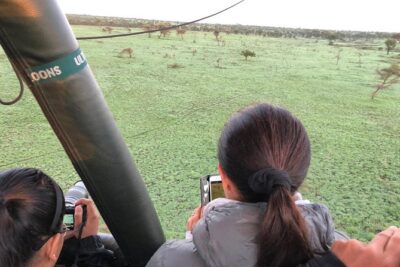
Balloon Safari & Bush Breakfast in Serengeti – Miracle Experience
Read our review →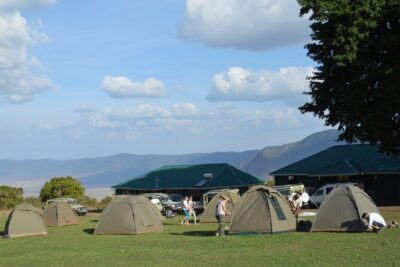
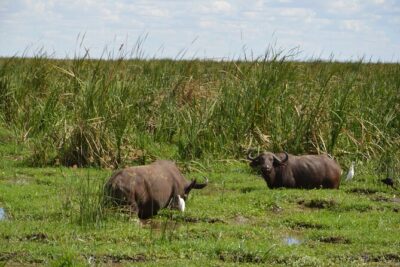
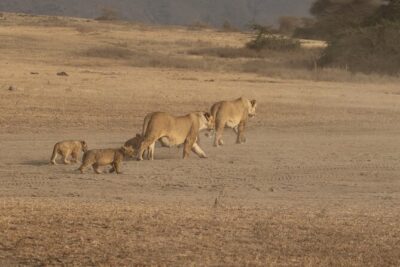
3 Days Serengeti & Ngorongoro Group Camping Safari
Read our review →
7-Day Premium Luxury Tanzania Safari All-Inclusive
Read our review →
5-Day Highlights mid-Range Crater, Serengeti, Tarangire
Read our review →
8 Days Great Wildebeest Calving Migration Safari from Arusha
Read our review →Browse the lists this tour appears in