
REVIEW · ARUSHA
9 Days Safari To See Great Migration Crossing
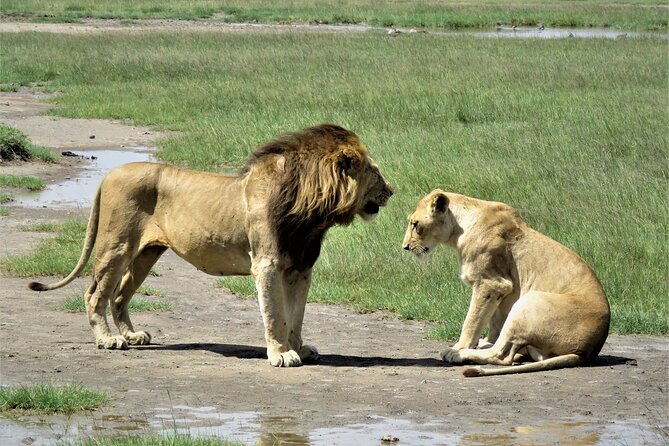
The main draw here is the chance to follow the Serengeti migration over several days rather than making a quick visit and hoping the herds appear. You also get the Big Five country of Ngorongoro, the birdlife of Lake Manyara, the elephants of Tarangire, and a walking safari in Arusha National Park.
I like the private format, which gives you room to adjust game drives and accommodation. I also like the mix of habitats, from Momella Lakes to the open Serengeti plains. The main caution is simple: a migration crossing cannot be promised. Wildebeest move according to rain, food, and water, so timing matters greatly.
Key points to know before booking
- Four major wildlife areas: Arusha National Park, Tarangire, Lake Manyara, Serengeti, and Ngorongoro are all included.
- Three Serengeti nights: This gives you a better chance of finding moving herds than a one-night stop.
- Private touring: Only your own group takes part, with private transport and a guide.
- Walking safari included: An armed ranger leads about four hours in Arusha National Park.
- Flexible accommodation: Lodge, luxury tented camp, and budget camping options are available.
- Strong planning support: David is described as responsive during preparation, while guides named in past trips include Ziggy and Tom.
Following the migration across northern Tanzania
This nine-day route works because it gives you time in several different wildlife zones. It is not just a Serengeti trip with a few quick stops added on. You begin near Arusha, move through Tarangire and Lake Manyara, spend three nights in or around the Serengeti, then finish with the Ngorongoro Crater.
That variety matters. Wildlife viewing is never a checklist, and no guide can order nature to perform. If the wildebeest are far from a river crossing, you may see huge herds on open grassland instead. If the cats are resting, the birdlife, elephants, giraffes, and smaller animals still keep the day moving.
The tour costs $4,846.16 per person. That is a serious price, but it covers private transport, meals, drinks, park fees, taxes, and nine breakfasts and lunches, along with seven dinners. The final value depends heavily on the accommodation level you choose. A lodge or luxury tented camp package will offer a very different standard from budget camping.
I would ask for a written breakdown before paying. Confirm the exact camps, the number of nights in each park, the vehicle arrangement, and whether every drink listed is included in your selected package. The itinerary refers to both a 7:30 a.m. hotel pickup and an 8:30 a.m. start time, so get that morning schedule confirmed as well.
A few more safaris around Arusha worth a look
- Balloon Safari & Bush Breakfast in Serengeti – Miracle Experience
★ 5.0 · 1,646 reviews - 4 Days Group Camping Safari
★ 5.0 · 1,101 reviews - 5 Days Group Camping Safari
★ 5.0 · 730 reviews
Day 1: A gentle start in Arusha National Park
Your first morning begins with pickup in Arusha and a short drive of about 38 kilometers to Arusha National Park. The park covers 552 square kilometers, but its compact size does not mean a thin experience. More than 400 bird species have been recorded here.
The day combines forest, open areas, Momella Lakes, and the Ngurdoto Crater. Lake Momella is especially useful for bird watching, with flamingos, pelicans, little grebes, herons, ducks, and waders. You may also see giraffes, monkeys, and other wildlife during the park visit.
The most unusual part is a walking safari lasting about four hours with an armed ranger. That changes the pace completely. From a vehicle, you scan the distance. On foot, you pay attention to tracks, sounds, plants, and the smaller signs of animal life.
A packed lunch is provided. I like placing this quieter walking day first, since it lets you ease into safari routines before the long drives begin. It is also worth knowing that Arusha National Park is not the main place to expect a migration spectacle or a full Big Five tally. Its value is the close-scale experience, varied habitats, and excellent birdlife.
Day 2: Elephants and dry-season action in Tarangire
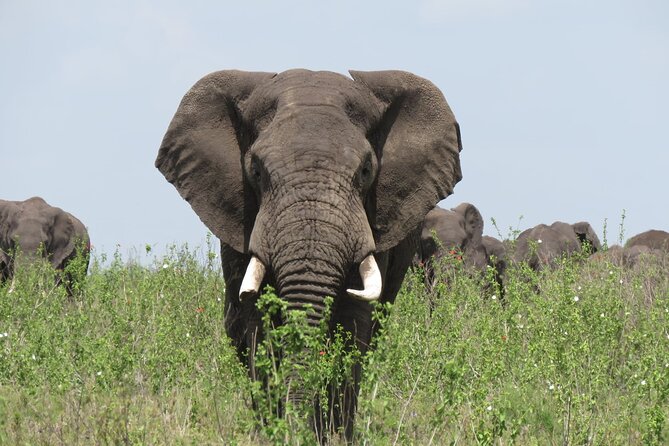
After breakfast, you drive from Arusha to Tarangire National Park. The park is known for strong wildlife concentrations during the dry season, especially from June through September, when animals gather near the Tarangire River.
The route description highlights wildebeest, buffalo, and oryx, along with lions, leopards, and other predators. Tarangire also has more than 500 recorded bird species, making it a good counterpoint to the Serengeti, where large mammals usually get most of the attention.
You have lunch, then take a late-afternoon game drive before going to your accommodation for dinner and the night. That late timing can be useful, since the heat of the day is easing and animals may be more active.
Tarangire is a worthwhile stop rather than a filler day. It gives you a different kind of wildlife viewing, with animals concentrated around water during dry conditions. The drawback is the driving. You spend part of the day getting there from Arusha, so this is not a slow, lodge-based introduction.
Day 3: Lake Manyara’s forest, hot spring, and flamingos
Day three takes you along a paved road for roughly 40 kilometers to Lake Manyara National Park. The game drive passes through an underground water forest, acacia woodland, and open savanna before reaching the lake and a hot water spring.
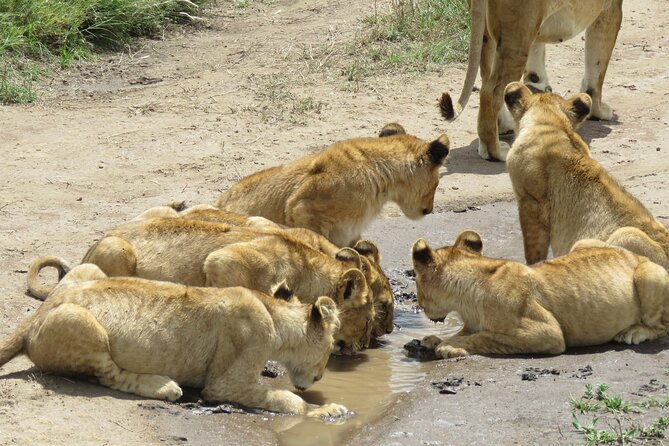
Lake Manyara is known for waterbirds, including flamingos. The park also holds elephants, hippos, zebras, buffalo, giraffes, baboons, blue monkeys, vervet monkeys, warthogs, and the famous tree-climbing lions. About 350 bird species have been recorded here.
You have a picnic lunch in the park, followed by dinner and overnight accommodation. The park offers a compact change of scenery after Tarangire. Instead of spending all day on broad open plains, you move through forest and woodland where animals can appear at closer range.
Do not judge Lake Manyara only by its size. It is smaller than the Serengeti, but that makes it a useful short safari stop. The possible limitation is that water levels and seasonal conditions can affect the lake views and bird concentrations. Your guide will shape the drive around what is active that day.
Same country, a different kind of drive:
- 3 Days Serengeti & Ngorongoro Group Camping Safari
★ 5.0 · 574 reviews - 7-Day Premium Luxury Tanzania Safari All-Inclusive
★ 5.0 · 426 reviews - 5-Day Highlights mid-Range Crater, Serengeti, Tarangire
★ 5.0 · 296 reviews - 3-Day Classic Serengeti Safari
★ 5.0 · 263 reviews
Day 4: Across the Ngorongoro Conservation Area to Serengeti
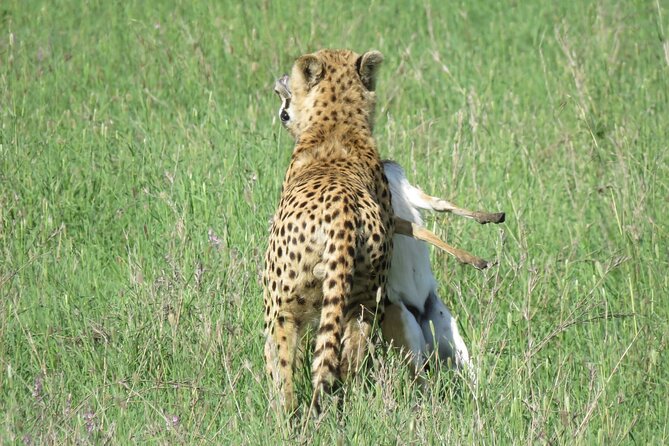
After an early breakfast, you head toward Serengeti National Park through the Ngorongoro Conservation Area. The route offers an optional visit to Olduvai Gorge, known for hominid remains dating back about two million years.
This is a long transfer day, but it is also when the scale of northern Tanzania becomes clear. You leave the more enclosed settings of Manyara and Tarangire and reach the vast Serengeti plains, where large herbivore herds and predators share the same open country.
The program describes arrival and game viewing into the evening, with dinner and overnight accommodation around 6:30 p.m. That timing leaves little spare room if the drive runs late, so ask how the guide handles the Olduvai option and the day’s game viewing. You may need to choose between a longer historical visit and more time looking for animals.
Three nights in the Serengeti are one of the strongest parts of this tour. A one-night visit can feel rushed. Here, you have several mornings and afternoons to search different areas.
Day 5: A full Serengeti day with time to search
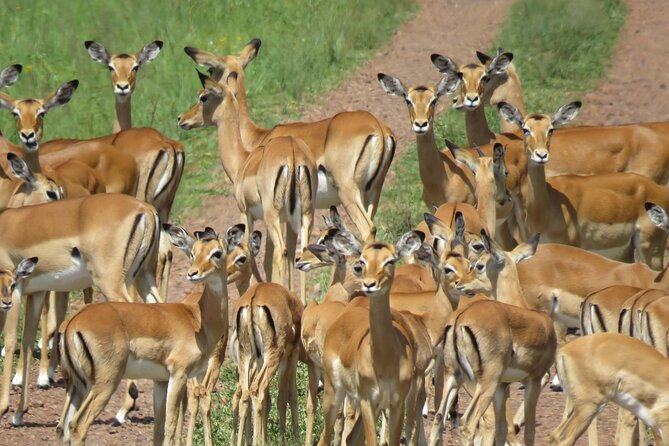
After breakfast, you spend the day on morning and afternoon game drives. The route promises changing light, broad views, and wildlife explained by your guide. A picnic or hot lunch is optional, and the schedule places lunch around 12:30 p.m., followed by more viewing until sunset.
The value of this day is flexibility. You are not simply passing through the park on the way to somewhere else. A full day gives the guide more time to follow fresh animal activity, find predators, or spend longer with a large herd.
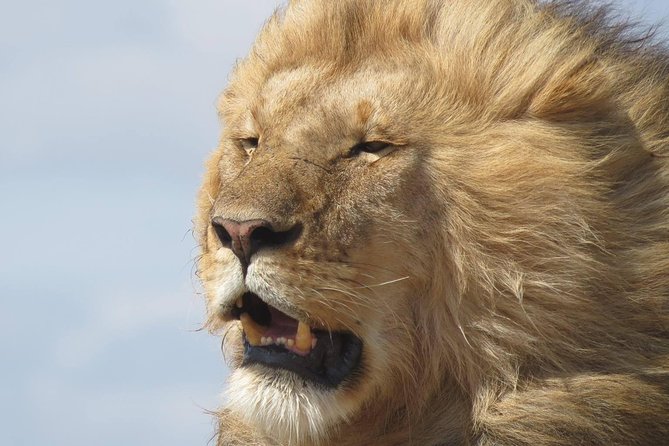
The Serengeti is famous for lions, cheetahs, leopards, elephants, buffalo, zebra, wildebeest, and many other species. The tour specifically aims to show you the Big Five, but sightings remain dependent on conditions and luck. Rhino, in particular, cannot be treated as a certainty simply because the route includes the best-known parks.
You should expect long periods in the safari vehicle. That is part of the work involved in finding wildlife across a large park. The reward is that a quiet stretch can suddenly turn into a close look at a pride of lions or a moving wall of wildebeest.
Day 6: Moving toward the Lobo area
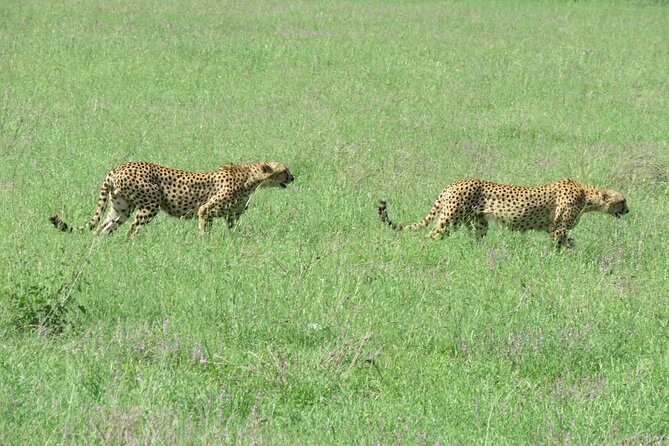
The sixth day continues with morning and afternoon game drives, then takes you toward the northeastern Serengeti and the Lobo area. The route identifies Lobo as part of the main path used by the wildebeest migration.
This is where the itinerary becomes more focused on movement and location. Your guide is not just driving to a fixed attraction. The route can shift according to where the herds have passed and where current sightings are strongest.
Lobo also gives you another section of the Serengeti rather than repeating the same nearby circuit. That matters on a nine-day safari. You get a wider sense of the park and more chances to encounter different animal groups.
Still, the phrase following the migration should be understood correctly. The herds may move through the area, but their exact position changes. A good plan uses several Serengeti days to improve your chances, not to promise a particular scene.
Day 7: The dedicated migration-following day
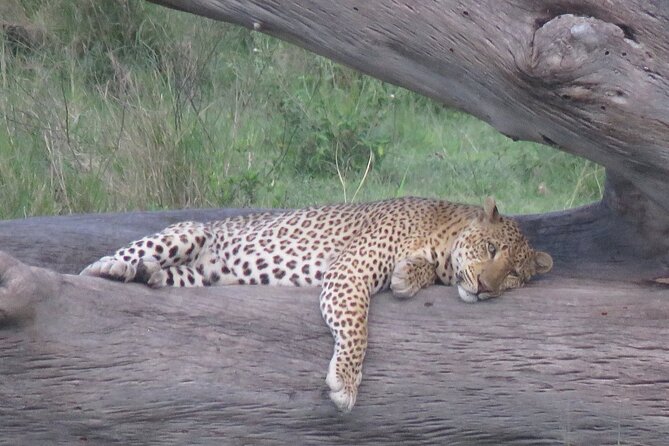
After breakfast, you set out with a packed lunch and follow the migration route according to the herds’ location. The program describes roughly 1.5 million wildebeest and 500,000 zebra moving through the Serengeti ecosystem, with lions, cheetahs, other carnivores, and crocodiles nearby.
This is the tour’s headline day, but it is important to keep expectations grounded. A river crossing is one possible migration event, not the normal shape of every day. You may see herds spreading over the plains, animals pausing at water, predators watching from a distance, or smaller groups crossing a river without the dramatic chaos shown in photographs.
If a crossing is happening, the scene can be intense. Crocodiles wait in the river, and some animals are swept away by the current. It is powerful wildlife, but also difficult to watch. Your guide’s judgment matters here, particularly in choosing a responsible viewing position and avoiding unnecessary pressure on the animals.
The packed lunch lets you stay out for much of the day. That is useful because the best sighting may be far from camp. It also means you should be ready for a long day with limited structure and plenty of time in the vehicle.
Day 8: Leaving the Serengeti for the crater rim
Day eight begins with an early morning game drive in the Serengeti. You return to camp for breakfast, check out, and drive toward the Ngorongoro Crater rim with lunch and game viewing along the way.
This is another transfer-heavy day, but the early drive gives you one final chance to see the Serengeti when animals may be active. You then trade the open plains for the higher crater rim and an overnight stay before the descent.
The change in setting helps the final day feel distinct. After several days focused on migration and broad grassland, Ngorongoro offers a contained wildlife area with a different visual rhythm.
Plan for a full day rather than a quick hop between camps. The route includes game viewing en route, and the distance through the conservation area can make the day feel long. That is the cost of connecting these famous places by road.
Day 9: Big Five country inside Ngorongoro Crater
After an early breakfast, you descend to the crater floor for game drives. Ngorongoro is a vast caldera with a strong concentration of wildlife, and the itinerary identifies rhino, lion, buffalo, and elephant among the animals found here, along with zebra, hippo, wildebeest, and hyena.
Birdlife includes flamingos on the soda lake, geese, storks, and vultures. Lunch is served at the Ngoitoktok picnic site, near a hippo pool, before you drive back to Arusha.
This is a strong final day because the crater gives you a compact setting in which many species may be seen. It is also the best point in the route for a concentrated Big Five search. Again, the guide can look, but nature decides what appears.
The return to Arusha makes day nine long. You get a final game drive, a picnic lunch, and then the road back. If you want a relaxed finish, ask about the expected arrival time before booking onward plans.
Private touring, guides, and accommodation choices
This is a private activity, so only your group takes part. That is a major advantage for a safari. You can spend longer at a sighting, discuss the pace with your guide, and avoid being tied to strangers’ preferences.
David is identified as the main contact during planning. He arranged changes to accommodation for some bookings and helped with airport transfers and later travel plans. Guides named in past trips include Ziggy and Tom. Ziggy is specifically praised for navigation and game-drive skill, while Tom is associated with strong service and a well-equipped vehicle with cold drinks.
You should not assume one specific guide will lead your trip unless the company confirms it. Ask who is assigned, how many people fit in the vehicle, and what happens if your preferred accommodation is unavailable.
The package offers three broad accommodation levels:
- Lodges, suited to you if you want a more conventional room and fixed facilities.
- Luxury tented camps, suited to a more polished safari setting.
- Budget camping, suited to you if keeping the price down matters more than comfort.
Some bookings have used Nimali camps, including stays in Tarangire and the Serengeti, but accommodation should be confirmed for your own departure. The choice will affect the price, comfort, and feel of the whole trip.
What the price includes and what it does not
At $4,846.16 per person, the package is not a bargain safari. It is priced as a private, multi-park trip with substantial driving and several days in the Serengeti.
The stated inclusions are private transport, park and other fees, taxes, breakfast for nine days, lunch for nine days, seven dinners, snacks, wine, soft drinks, and other food and drinks. Tips are not included.
That can be good value if you want the route arranged in one package and prefer not to manage separate park fees, transfers, meals, and camps. It is less attractive if you want a short safari or are willing to arrange budget camping independently.
Before booking, request the exact accommodation list and a day-by-day cost breakdown. The price should be judged alongside the lodging level, not apart from it.
Practical details and who should book
Pickup is offered in Arusha, and confirmation is provided at booking. The activity is described as suitable for most people and located near public transportation, although the walking safari and long vehicle days require reasonable comfort with outdoor activity.
I would choose this tour if you want a private route with plenty of Serengeti time and a broad sample of northern Tanzania. It suits families, couples, and small groups that want one company to handle the moving parts.
I would hesitate if your only goal is a guaranteed river crossing, since no responsible operator can promise the exact location of a moving herd. I would also think twice if you dislike long drives or prefer to stay in one high-end camp for the entire holiday.
Free cancellation is available up to 24 hours before the start time. Within 24 hours, the payment is not refunded, and changes are not accepted.
Should you book this nine-day safari?
Book it if you want range and time: four major wildlife areas, three Serengeti nights, a walking safari, a crater descent, and a private guide-led schedule. The route gives you several chances to see the Big Five and several different settings in which to appreciate Tanzania.
Do not book it solely for a promised migration crossing. Book it for the wider experience, then treat a crossing as a thrilling possibility. Before committing, confirm the season, the accommodation, the pickup time, the assigned guide, and exactly what the $4,846.16 covers.
FAQ
How long is the safari?
The safari lasts approximately nine days.
Where does the safari start?
Pickup is offered from your hotel in Arusha, Tanzania. The listed meeting start time is 8:30 a.m., while the first-day schedule gives a 7:30 a.m. pickup, so confirm the exact time in advance.
Which parks and wildlife areas are included?
The route includes Arusha National Park, Tarangire National Park, Lake Manyara National Park, Serengeti National Park, and the Ngorongoro Conservation Area and Crater.
Is the tour private?
Yes. Only your own group takes part in the private tour and private transportation.
Is accommodation included?
Accommodation is part of the safari arrangements, with lodge, luxury tented camp, and budget camping options available. Confirm the exact properties before booking.
What is included in the price?
The stated inclusions are private transportation, food and drinks, park fees and other fees, taxes, nine breakfasts, nine lunches, and seven dinners. Tips are not included.
Just added around Arusha
- 6 days Tanzania budget safari★ 5.0 · 65 reviews
- 7 days great migration safari★ 5.0 · 77 reviews
- serengeti, ngorongoro & tarangire 5days private tour★ 5.0 · 77 reviews
- 5 days safari, hiking & culture (Serengeti & kilimanjaro)★ 5.0 · 27 reviews
- 5-Day Mid-Range Safari in Tanzania★ 5.0 · 33 reviews
- 4 days safari★ 5.0 · 34 reviews
- serengeti & ngorongoro 3 days private tour★ 5.0 · 15 reviews
- serengeti, ngorongoro & tarangire 4 days private tour★ 5.0 · 18 reviews
Arusha Safaris, compared.
Balloon Safari & Bush Breakfast in Serengeti – Miracle Experience
Read our review →
3 Days Serengeti & Ngorongoro Group Camping Safari
Read our review →
7-Day Premium Luxury Tanzania Safari All-Inclusive
Read our review →
5-Day Highlights mid-Range Crater, Serengeti, Tarangire
Read our review →
8 Days Great Wildebeest Calving Migration Safari from Arusha
Read our review →Browse the lists this tour appears in