
REVIEW · ARUSHA
Group Safari 7 Days in Tanzania’s Main Parks
Tanzania’s northern parks give you a remarkable amount of wildlife and scenery in one week, from Lake Manyara’s bird-filled forests to the open plains of the Serengeti and the enclosed world of Ngorongoro Crater. I especially like the small group size of no more than six and the practical extras in the Jeep, including a fridge, power sockets, snacks, and binoculars. The main drawback is the pace: long road days and early starts can make this a tiring trip.
I also like that the $3,000 price includes park entry, airport transfers, full board, accommodation, a guide, and health insurance. Guides connected with this operator include Elias Muro, Mirambo, Issa, Peter Aron Makongo, Calvin Jonatan, and Hasheem, so it is worth asking who is available. The route covers the classic parks, but you should not expect a slow, private safari with lots of free time.
Key points before you book
- Up to six people: A small shared group makes the Jeep more comfortable and gives you a better chance of getting a window seat.
- Four major safari parks: You visit Lake Manyara, Ngorongoro Crater, Serengeti National Park, and Tarangire National Park.
- Full-board pricing: Breakfast, lunch, dinner, selected accommodation, park fees, and the guide are included.
- Useful Jeep equipment: Expect air conditioning, power sockets, a fridge with cold drinks and snacks, and binoculars.
- Strong guide feedback: Elias Muro, Mirambo, Issa, Calvin Jonatan, and other guides are associated with especially positive guest experiences.
- A busy seven days: Arusha is used at both ends, while the middle days include long drives and extended game drives.
Why this northern Tanzania route works
This is the classic first safari route in Tanzania. It links four very different wildlife areas, each with its own character.
Lake Manyara gives you forest, birds, and a chance to see animals in a greener setting. Ngorongoro Crater concentrates a remarkable amount of wildlife into one natural basin. Serengeti supplies the big open views and the best-known name in East African safari country. Tarangire closes the trip with elephants, large trees, and excellent photo opportunities.
The route is also practical for a first visit because you do not have to plan separate park permits, transfers, meals, or accommodation. Your guide handles the driving and wildlife searches, while you watch from the Jeep. That matters on rough park roads, where confident driving and a good eye can make the difference between spotting a distant animal and missing it.
The group limit of six is important. A full vehicle can feel cramped during a long game drive, especially when everyone wants to photograph the same lion or leopard. Six people is still a shared experience, but it is small enough to keep the trip fairly personal.
A few more safaris around Arusha worth a look
- 7-Day Premium Luxury Tanzania Safari All-Inclusive
★ 5.0 · 426 reviews - 7 Days Tanganyika Wilderness Safari
★ 5.0 · 159 reviews - 7 days great migration safari
★ 5.0 · 77 reviews
Day 1: Arusha provides a gentle start
Your first day begins with an airport pickup and an Arusha city visit. The activity is listed as lasting up to 12 hours, so the exact shape of the day depends on your arrival time and schedule.
Arusha is the main starting point for many northern Tanzania safaris. Here, you meet your guide, get a first look at the city, and settle into the rhythm of the trip. This is not a wildlife day, but it gives you a useful introduction before the long park drives begin.
The practical point is simple: confirm your arrival details carefully. Airport transfers are included, but flights are not. You will need your Tanzania entry visa separately, listed at $50 per person, and you should allow time to clear the airport before the city visit starts.
Day 2: Lake Manyara brings forest and birdlife
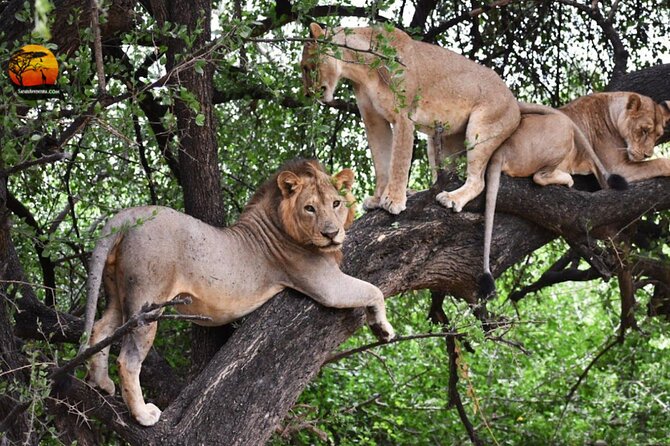
Lake Manyara National Park is a good contrast to the wide grasslands later in the trip. It is known for high biodiversity, and the day is set aside for a full safari.
You might find a mix of woodland, open areas, and lake-edge scenery here. That variety means you are not only searching for large mammals. Birdlife is an important part of the park, and the setting can feel more enclosed and green than the Serengeti.
A full day in the park gives your guide time to adjust the route as conditions change. Wildlife does not follow a timetable, so staying out longer can help. At the same time, the word full day should be taken seriously. You will spend long hours in the vehicle, and the roads can be rough. Wear comfortable clothes, bring sun protection, and keep a small personal water supply handy even though the vehicle has a fridge.
Day 3: Ngorongoro Crater packs a lot into six hours
The Ngorongoro Conservation Area is one of Tanzania’s most famous safari destinations. The crater itself is a huge natural basin with a concentrated population of animals and striking views from the rim.
This is a shorter listed safari period of about six hours, but it can be one of the most productive wildlife days. The crater’s enclosed setting gives you a good chance to see a range of animals in a relatively compact area. It also provides one of the trip’s strongest visual moments, with the crater floor spread below you.
Do not confuse a short listed duration with an easy day. The route to and from the crater can involve substantial driving, and the crater roads are not smooth. Still, this stop is valuable because you get a different wildlife setting from both Manyara and Serengeti.
Same country, a different kind of drive:
- Balloon Safari & Bush Breakfast in Serengeti – Miracle Experience
★ 5.0 · 1,646 reviews - 4 Days Group Camping Safari
★ 5.0 · 1,101 reviews - 5 Days Group Camping Safari
★ 5.0 · 730 reviews - 3 Days Serengeti & Ngorongoro Group Camping Safari
★ 5.0 · 574 reviews
Days 4 and 5: Two days in the Serengeti
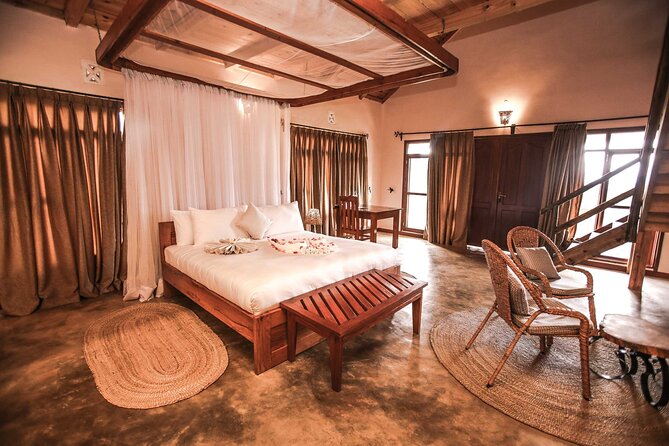
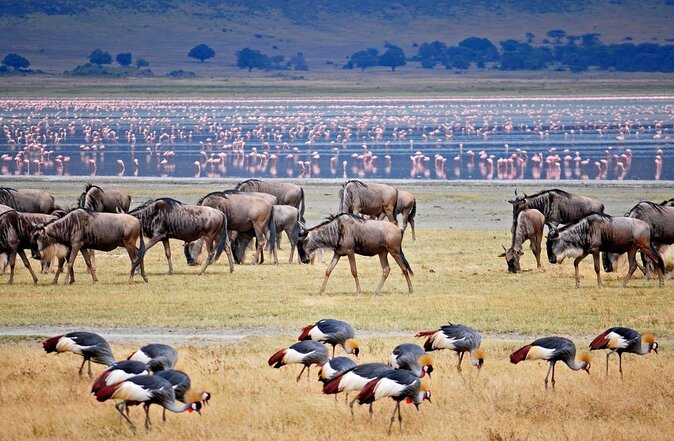
The Serengeti is the centerpiece of this trip. It is Tanzania’s largest nature reserve and is famous for the annual migration, although the exact animal movement depends on the time of year.
The fourth day is listed as a 12-hour visit focused on the park and migration. That gives you time to travel into the area and search for wildlife rather than making a quick stop. You might see large herds, predators, and wide stretches of open country, but no safari can guarantee a particular animal or migration scene on a particular day.
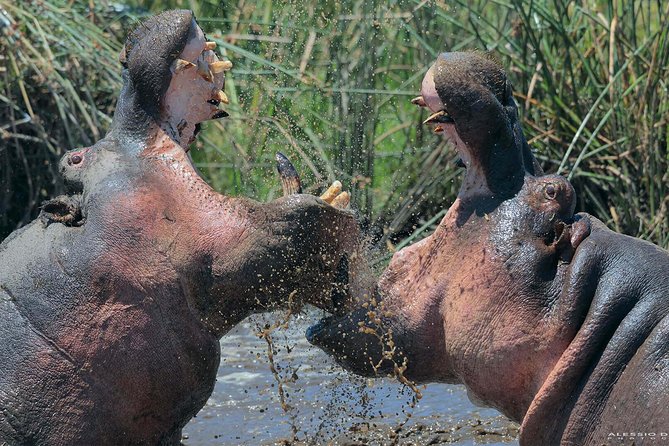
The fifth day keeps you in the Serengeti for another extended game drive, including the Serengeti Hippo Pool. Two consecutive days here are a real strength. You are not packing up after a single glimpse, and your guide has more time to look for animals in different areas.
Guides named in connection with this operator include Elias Muro, Mirambo, Issa, Calvin Jonatan, and Peter Aron Makongo. The best reports about these guides focus on calm driving, animal spotting, humor, patience, and clear explanations. One guide, Issa, was especially praised for adapting a safari to suit the group’s preferred pace. That point matters because some people want to leave camp at dawn and return late, while others prefer a more relaxed day.
Ask before departure how much flexibility your group can expect. The shared nature of the trip means the guide must balance different preferences. If you want every possible hour in the park, say so early. If you want a less intense day, explain that too.
Day 6: Tarangire is the elephant day
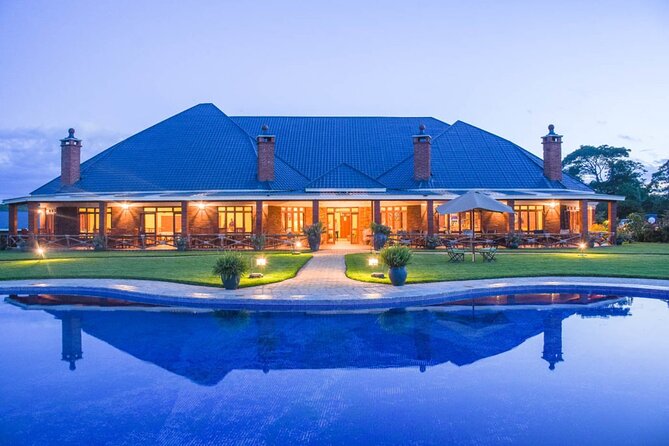
Tarangire National Park is known for elephants and is often considered one of Tanzania’s best photo parks. The sixth day lasts about 12 hours, giving you a full outing rather than a quick farewell visit.
The park has a different feel from the Serengeti. Large trees and varied terrain create more texture in your photographs, and elephants are a major attraction. The name of this package points toward that appeal, though sightings can never be promised.
Tarangire is also a good reminder that a safari is not only about the Big Five. One of the most useful things your guide can do is explain animal behavior, smaller species, birds, and the plants around you. Past guide feedback highlights this explanatory side, along with careful driving on rough park roads.
By this point, you may be tired of bouncing along in the Jeep. That is normal. The payoff is another full park day, but you should pack lightly and keep your camera, charger, sunscreen, and any medication easy to reach.
Day 7: A final Arusha market visit
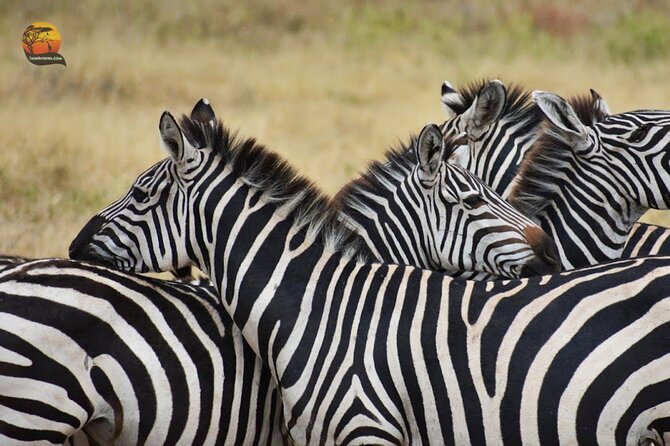
The final day returns you to Arusha for a visit to a local market before the airport transfer. The listed duration is about six hours.
This is a practical ending rather than another full wildlife day. You can buy souvenirs, see a different side of Arusha, and finish the trip with a city experience after several days in the parks. The airport transfer is included, but check the timing if you have a fixed departure. A market visit and an airport run require enough room for traffic and airport procedures.
The tour ends back at the meeting point. Opening hours are listed from 7:00 AM to 11:00 PM, Monday through Sunday, for the stated operating period.
What the $3,000 price really covers
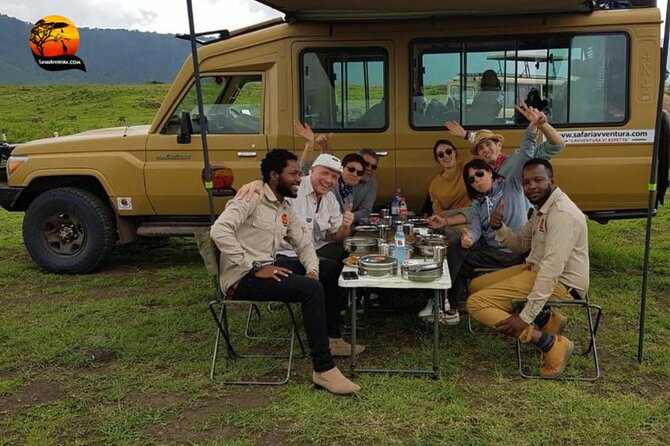
At $3,000 per person, this is not a budget day tour. It is a seven-day, full-board safari package with major costs already included:
- Air-conditioned safari vehicle
- Airport pickup and return
- Park entry fees
- Professional guided touring
- Selected hotels, lodges, and tented camps
- Breakfast for seven days
- Lunch for seven days
- Dinner for six days
- AMREF Flying Doctors health insurance
- A group of no more than six people
That package can offer solid value if you want one payment to cover the main moving parts. Park fees alone are a major part of a northern Tanzania safari, and the route covers several high-demand parks. You are also paying for a vehicle, a driver-guide, accommodation, meals, and the company’s planning work.
The price does not include international or domestic flights, Tanzania’s $50 entry visa, or drinks with meals at the accommodation. Those extras can affect your final budget. Ask what accommodation is assigned to your departure, since the information describes selected accommodation but does not name each property.
The value is strongest for people who want convenience and a classic route. It is less attractive if you already have a vehicle, prefer camping independently, or want to design every day around your own schedule.
The Jeep setup and daily comfort
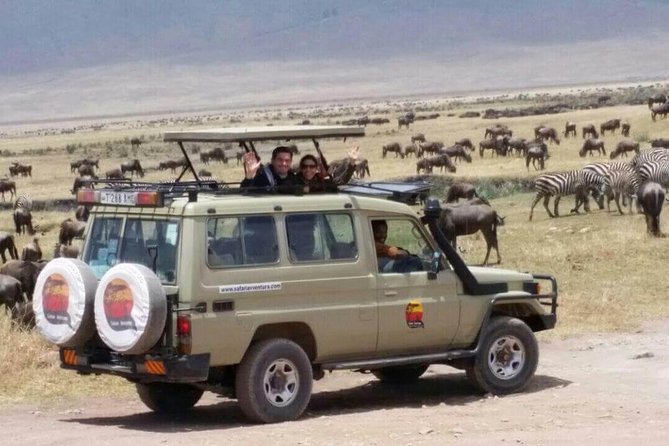
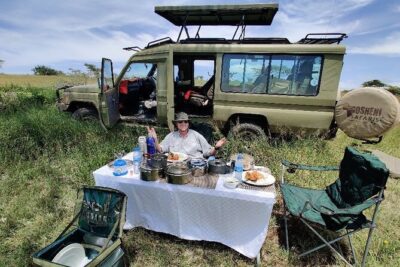
The Jeep is described as comfortable and air-conditioned, with power sockets, a fridge, cold drinks and snacks, and binoculars. These are not fancy add-ons. They solve real problems on long safari days.
Power sockets help keep cameras and phones working. A fridge is welcome in the midday heat. Binoculars are useful when an animal is far off or partly hidden in grass and bushes. Air conditioning matters after hours on dusty roads, though you may also want fresh air and good views through the open roof or windows, depending on the vehicle setup.
A maximum of six people helps, but the trip remains a shared safari. You will need to make room for other people’s cameras, accept occasional different meal or photo preferences, and communicate politely with the guide. The positive side is the social nature of a small group. One group of six described meeting in Arusha and spending the week together as a major part of the experience.
The guide can shape the whole trip
Your guide is more than a driver. The guide sets the pace, chooses routes, explains animals, handles park conditions, and helps you make sense of what you see.
Names connected with this operator include Elias Muro, Mirambo, Issa, Calvin Jonatan, Hasheem, Christian, Omben, Peter Aron Makongo, and others. Specific strengths associated with these guides include careful driving, animal spotting, patience, humor, language skills, and a willingness to help other vehicles when trouble occurs.
You should ask about your guide before the trip if language or safari style matters to you. Hasheem, for example, was noted for speaking Italian well. That does not mean every departure can provide the same guide, but it gives you a useful question to ask.
A good guide also knows when not to rush. One past safari was adjusted so the group could enjoy a holiday around the safari rather than spending every day from 6:30 AM to 6:00 PM in the park. That flexibility is worth discussing before you arrive, especially on a shared tour.
What to pack and how to prepare
Keep your luggage practical. You will spend long periods in the vehicle, move between accommodation types, and need quick access to a few essentials.
Pack light clothing, a warmer layer for early mornings, sun protection, comfortable shoes, insect repellent, medication, and a small day bag. Bring camera storage and charging equipment, since the power sockets are useful but may be shared.
The roads can be harsh, so prepare for dust and jolts. Binoculars are provided, but you may still prefer your own pair. Drinks during meals are not included, so budget for them separately.
Most people can participate, and the activity is near public transportation, but the supplied information does not promise a fully accessible vehicle or specific mobility arrangements. If you have mobility needs, ask the operator before booking.
Who should choose this safari
I would recommend this trip to you if you want the major northern Tanzania parks in one organized week, prefer a small shared group, and value having meals, accommodation, park fees, and transfers arranged for you.
It is also a good fit for first-time safari visitors who want help with animal spotting and park logistics. Families and couples may appreciate the small group limit, while solo visitors can meet other people without paying for a private vehicle.
You may want another style of trip if you dislike long drives, need a great deal of downtime, or want complete control over departure times. The route is full and ambitious. Serengeti receives two days, but the overall journey still includes long transfers and several 12-hour outings.
Should you book it?
Book this safari if your priority is a classic northern Tanzania route with strong park coverage, a small group, full board, and a guide-led experience. The combination of Serengeti, Ngorongoro, Manyara, and Tarangire gives you a broad look at Tanzania’s wildlife in seven days.
Before paying, confirm the accommodation, the exact airport transfer plan, the guide language, and how much freedom the group has over daily timing. Also add the visa, flights, and meal drinks to your real budget.
For the right person, the $3,000 package removes much of the planning burden and puts the focus where it belongs: watching animals, learning from your guide, and enjoying Tanzania’s extraordinary scenery. Just arrive ready for early starts, rough roads, and a busy week.
FAQ
How long is the safari?
The experience lasts approximately seven days, beginning and ending in Arusha.
Which parks are included?
The route includes Lake Manyara National Park, Ngorongoro Conservation Area and Crater, Serengeti National Park, and Tarangire National Park.
Is airport transportation included?
Yes. Airport pickup at the beginning and transportation back to the airport at the end are included.
How many people can join the group?
The activity has a maximum of six travelers.
What meals are included?
Breakfast is included for seven days, lunch for seven days, and dinner for six days. Drinks during meals at the accommodation are not included.
Are park entrance fees included?
Yes. Entrance to the parks is included in the package price.
Are flights included?
No. Air flights are not included.
Is the Tanzania entry visa included?
No. The listed Tanzania entry visa cost is $50 per person.
Is travel health insurance included?
AMREF Flying Doctors Health Insurance is included.
What equipment is available in the vehicle?
The air-conditioned vehicle includes power sockets, a fridge with cold drinks and snacks, and binoculars.
Can I cancel for a full refund?
Yes, if you cancel at least six full days before the experience start time. Cancellations two to six full days before the start may receive a 50 percent refund, while cancellations less than two full days before the start are not refunded.
Just added around Arusha
- 6 days Tanzania budget safari★ 5.0 · 65 reviews
- 7 days great migration safari★ 5.0 · 77 reviews
- serengeti, ngorongoro & tarangire 5days private tour★ 5.0 · 77 reviews
- 5 days safari, hiking & culture (Serengeti & kilimanjaro)★ 5.0 · 27 reviews
- 5-Day Mid-Range Safari in Tanzania★ 5.0 · 33 reviews
- 4 days safari★ 5.0 · 34 reviews
- serengeti & ngorongoro 3 days private tour★ 5.0 · 15 reviews
- serengeti, ngorongoro & tarangire 4 days private tour★ 5.0 · 18 reviews
Arusha Safaris, compared.
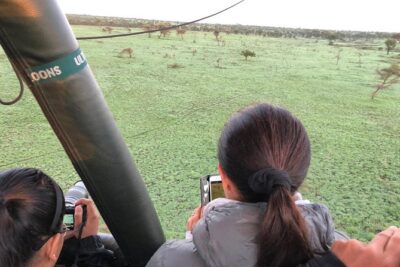
Balloon Safari & Bush Breakfast in Serengeti – Miracle Experience
Read our review →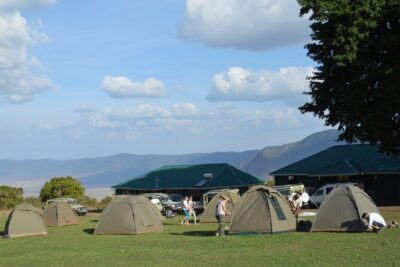
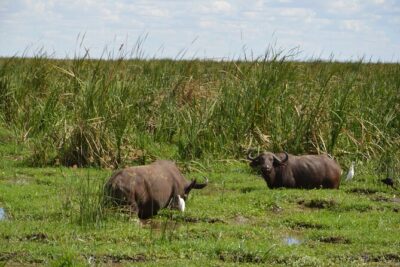
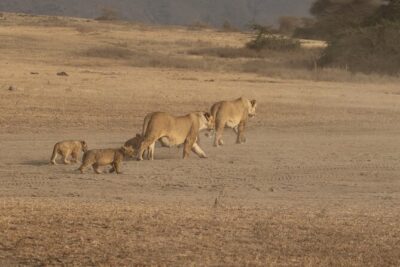
3 Days Serengeti & Ngorongoro Group Camping Safari
Read our review →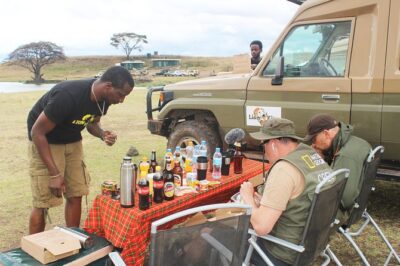
7-Day Premium Luxury Tanzania Safari All-Inclusive
Read our review →
5-Day Highlights mid-Range Crater, Serengeti, Tarangire
Read our review →
8 Days Great Wildebeest Calving Migration Safari from Arusha
Read our review →Browse the lists this tour appears in