
REVIEW · ARUSHA
7-Day Group Camping Tarangire/Serengeti/Ngorongoro/lake Manyara
The great appeal here is range. In one week, you move from Tarangire’s baobabs and elephant herds to the open plains of Serengeti, the wildlife-packed floor of Ngorongoro Crater, and the birdlife of Lake Manyara. The safari is built around long game drives, with the best action often coming from simply being in the parks for several days in a row.
I like that the price includes airport transfers, two Arusha hotel nights, park fees, a 4×4 vehicle, camping, and all meals. I also like the personal feel reported with guides and cooks such as Jacob, Mohamed, Nuru, Gadi, and Salim, who have helped turn shared departures into friendly small groups. The main consideration is stamina: several days involve eight to ten hours on rough park roads, and migration sightings depend on the season and animal movements.
Key things to know before booking
- Four major safari areas in seven days: Tarangire, Serengeti, Ngorongoro Crater, and Lake Manyara give you a broad look at northern Tanzania.
- The Serengeti gets the most time: Days two through five focus heavily on game drives, including central and northern areas.
- Camping is part of the experience: You sleep at campsites, including Seronera and Simba, rather than staying in lodges every night.
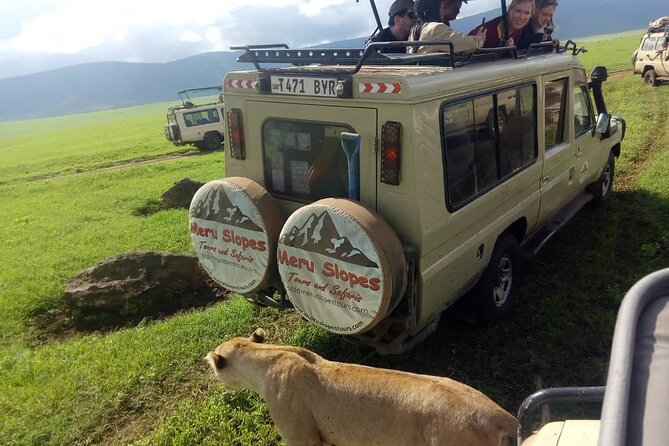
- A pop-up roof helps with wildlife viewing: The extended 4×4 safari jeep is designed for open views during game drives.
- Migration timing needs careful planning: The information gives October to December as a tour season, while also noting June to September for the best general migration chances and July to October for Mara River crossings.
- The package is strong on inclusions: Meals, airport transfers, Arusha accommodation before and after, and safari transport are covered, but tips are not.
Why this seven-day route works
At $1,790 per person, this is not a quick park visit. It is a full northern Tanzania circuit with transport, meals, accommodation, and safari time bundled together. That matters because the distances are large, especially between Tarangire, Serengeti, Ngorongoro, and Arusha.
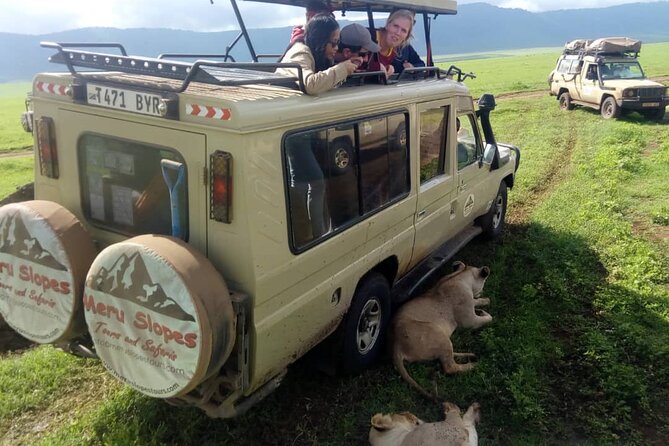
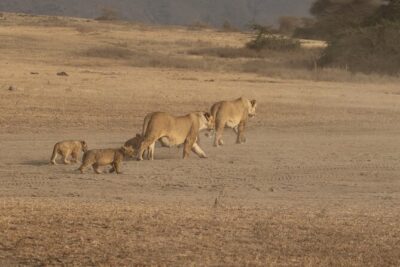
I see the value in the amount of time spent inside Serengeti. Many short safaris reach the park, take a few drives, and leave just as the best viewing begins. Here, you have several chances to search for lions, cheetahs, leopards, elephants, wildebeest, zebras, and other animals in different parts of the park.
The package also includes two nights in Arusha, one before and one after the safari, plus transfers between the international airport and Arusha. Those details reduce the need to arrange separate transport and a hotel around the safari. Tips for the guide and cook remain outside the price, so budget for those separately.
There is one point I would confirm before paying. The tour is described as group camping, and the additional information also calls it a private activity for your group. Several accounts describe shared departures with another couple and a solo participant. Ask the operator to confirm the expected group size, sleeping arrangements, and whether the departure is shared or exclusive.
More Overnight Safaris in Arusha
- 4 Days Group Camping Safari
★ 5.0 · 1,101 reviews - 5 Days Group Camping Safari
★ 5.0 · 730 reviews - 3 Days Serengeti & Ngorongoro Group Camping Safari
★ 5.0 · 574 reviews
Day 1: Elephants and baobabs in Tarangire
Pickup from your Arusha hotel is scheduled for about 8:00 a.m., followed by roughly three hours on the road to Tarangire National Park. The park lies about 115 kilometers from Arusha and covers around 2,800 square kilometers, so even the first day gives you a proper game drive rather than a short introductory visit.
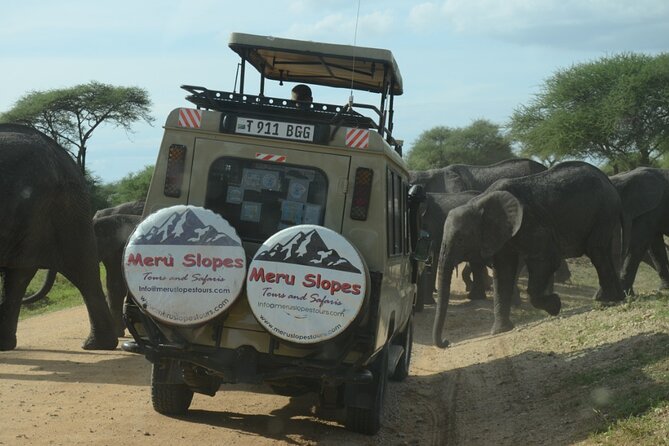
Tarangire is known for its large elephant population, baobab trees, and the Tarangire River, which draws wildlife to water. You might also see lions, leopards, pythons that climb trees, and a broad range of other animals.
The appeal of Tarangire is visual as much as zoological. The baobabs give the park a strong sense of place, while elephants often provide the memorable first encounter with large wildlife. You begin with a different setting from the open Serengeti plains, which helps the seven-day route feel varied.
After about eight hours of driving and wildlife viewing, you head to Jambo Lodge for dinner and the night. The day begins early and includes a long transfer, so it is worth arriving rested. You will be carrying luggage in the safari vehicle, and keeping your personal items compact will make the move between camps easier.
Day 2: The long road into Serengeti
After breakfast, you pack your luggage into the jeep and travel toward Serengeti with lunch in the vehicle. The route includes views toward the Rift Valley and Ngorongoro Crater, and arrival in the central Serengeti is expected around 3:00 p.m.
This is a ten-hour day, so you should think of it as both a transfer and a wildlife day. The reward is reaching central Serengeti for an evening game drive and sunset before dinner and an overnight stay at Seronera campsite.
Seronera is a useful base because the itinerary returns to central Serengeti several times. That reduces the feeling that you are simply crossing the park on the way to somewhere else. You have time to stop when the guide sees something worthwhile, rather than treating every hour as a race to camp.
The practical drawback is simple: much of the day is spent moving. If you want a relaxed lodge holiday with short excursions, this will feel demanding. If you want to cover Tanzania’s major parks in one trip, the long road is part of the bargain.
Days 3 and 4: Searching for the migration
The third and fourth days give you the heart of the safari: full-day game drives in Serengeti. The route can include central and northern areas, with the guide seeking the wildebeest migration and the predators that follow the herds.
The itinerary points to the Mara River and Kogatende as key areas for river crossings, and also mentions the Ndutu Plains. These locations are not interchangeable. The herds move with rainfall and fresh grass, so the best place to look changes from year to year.
The timing details deserve attention. The trip is presented as a migration-season experience from October to December, but the schedule also says general migration viewing is strongest from June to September, with Mara River crossings most likely from July to October. It lists January to March as the calving season.
That does not make the tour impossible outside one narrow window. It does mean you should ask exactly which section of the migration route the guide expects to target during your dates. A river crossing is never guaranteed, even in the favored months, because wildebeest may cross back and forth or remain elsewhere after rain changes the grazing.
You may spend hours watching an empty river, then suddenly see movement. That uncertainty is part of the experience, but it also means you should book the route for the full Serengeti experience, not only for a promised crossing.
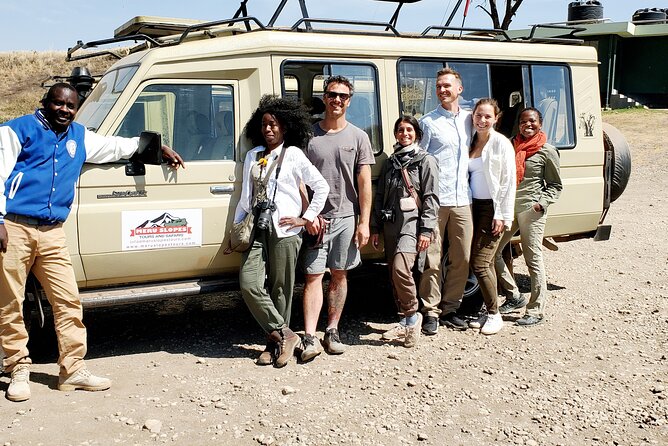
Guiding makes a major difference in a park this large. Mohamed has been praised for getting into the right place before other vehicles arrived, while Jacob has been singled out for sharp animal spotting and strong knowledge of the wildlife. Nuru has also been described as a capable guide who helped create a close-knit group with the cook and fellow passengers.
Those names are examples, not a guarantee of who will lead your departure. Still, they show what to ask about: the guide’s language, experience, approach to crowded sightings, and skill at finding animals without rushing every stop.
More Overnight Safaris in Tanzania
- 5 Days Camping Tarangire, Serengeti & Ngorongoro crater & Visiting Maasai
★ 5.0 · 229 reviews - 2 Days Tarangire and Ngorongoro Group Camping Safari
★ 5.0 · 146 reviews - 6 Days Tanzania Budget Camping Safari
★ 5.0 · 145 reviews - Multi-Day Tanzania Odssey Safari from Arusha
★ 5.0 · 120 reviews
Day 5: Sunrise, then the road to Ngorongoro
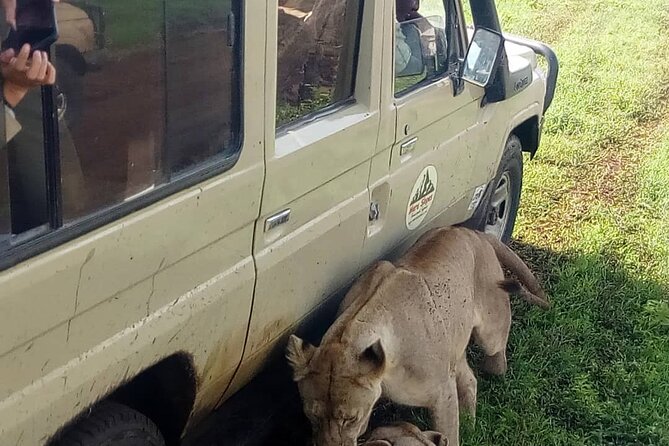
Day five begins early, with breakfast around 5:45 a.m. and a morning game drive until about 11:30. This is your best chance to see Serengeti waking up, and the early start gives you cooler hours for wildlife viewing.
You return to camp for a hot lunch, pack the vehicle, and continue with an afternoon game drive while heading toward Ngorongoro. Dinner and overnight accommodation are at Simba campsite.
This day is a useful transition between two very different wildlife settings. You leave the broad Serengeti plains and move toward the high rim of the Ngorongoro Conservation Area. The schedule remains busy, though, with an early wake-up, a morning drive, packing, lunch, another drive, and a camp change.
For most people, the reward is worth the effort. By now, you have had several game drives and a better sense of how much time it takes to move through Tanzania’s parks. The fifth day also keeps the route from wasting a full morning on a simple transfer.
Day 6: Wildlife inside Ngorongoro Crater
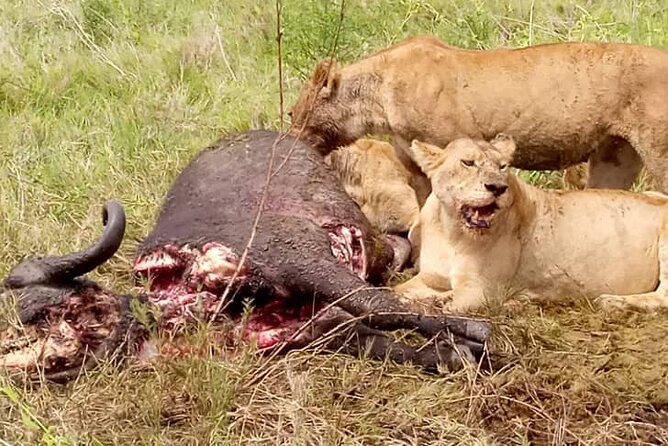
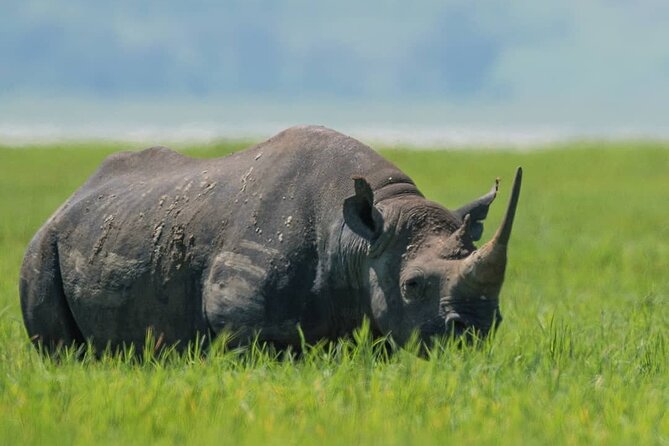
You rise at about 5:30 a.m. for breakfast before descending into Ngorongoro Crater. The crater floor is the setting for six to seven hours of wildlife viewing, with the possibility of seeing the Big Five, many bird species, flamingos, and black rhino.
The crater is different from Serengeti because wildlife is concentrated within a relatively contained area. That can make sightings feel more immediate, but it also means the crater may feel busier than the wide Serengeti. Your guide’s judgment matters here, especially when deciding how long to stay at a sighting and when to move on.
Lunch is taken inside the crater while you continue watching the natural surroundings. After the game drive, you ascend, return through the campsite to collect your luggage, and continue to Jambo Lodge for dinner and the night.
The day also includes a walking visit in Mto wa Mbu village. You can see banana plantations, learn about local life, and taste local food. This is a welcome change from sitting in a vehicle and gives the itinerary a human element beyond wildlife and scenery.
The timing is demanding. You have an early start, a long crater drive, packing, a village visit, and another move. Still, this is one of the strongest days for variety: large mammals, birds, crater views, village life, and food all fit into one schedule.
Day 7: Lake Manyara and the return to Arusha
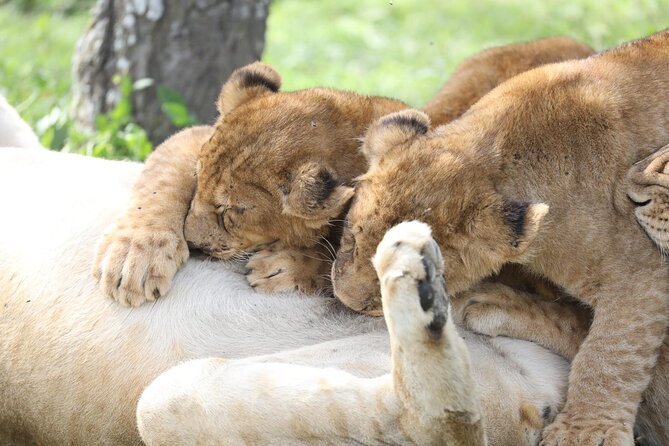
After breakfast, you head to Lake Manyara National Park for a full-day game drive. The park is associated here with tree-climbing lions, flamingos drawn by algae in the lake, and a hot spring.
The lake gives you another setting after the open plains and crater. Birdlife is a particular reason to keep Manyara on the route, while the chance of seeing lions in trees adds a specific wildlife focus. As with all animal sightings, the schedule describes what you may see rather than what can be guaranteed.
The day also includes a visit to a Maasai boma, where you can learn about local culture and traditions. This is a useful addition for anyone who wants the trip to include people and community life, not only park drives.
You then return to Arusha for dinner and the final overnight stay. The schedule calls this an eight-hour day, so the return is not a quick airport transfer. If you have a flight that night, confirm the timing carefully with the operator before booking one.
Camping, food, and the safari vehicle
Camping is central to the price and the style of this trip. You should expect a practical safari rather than a polished lodge circuit. Sleeping at Seronera and Simba campsites puts you closer to the parks, but it also means you need to be comfortable with early starts, packed luggage, and changing camp locations.
Meals are included for all seven breakfasts, seven lunches, and seven dinners. The strongest food-related praise has gone to cooks such as Salim and Gadi, with special appreciation for freshly prepared meals during the trip. One account even referred to Salim as the stomach engineer, a good sign that the cook plays an important role in the safari experience.
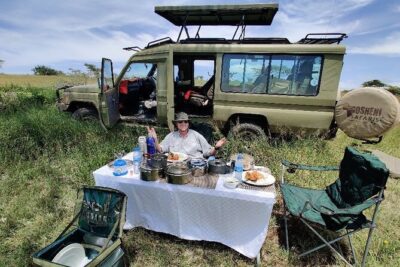
The vehicle is described as an extended 4×4 luxury safari jeep with a pop-up roof. The roof is important, since it lets you view animals from a higher, open position while keeping you in the vehicle. With eight- to ten-hour drives on the schedule, vehicle comfort matters as much as the seats at camp.
You should also ask what the word luxury means in practice. The supplied details confirm the 4×4 vehicle and pop-up roof, but they do not specify the number of seats, charging points, luggage limits, or toilet arrangements. Those are fair questions for a camping safari.
Who will get the most from this safari
I would choose this trip if you want a broad introduction to northern Tanzania and prefer to spend your money on time in the parks. It suits someone who wants elephants, big cats, the Big Five, birdlife, local culture, and a chance to follow the migration in one extended route.
It also suits first-time safari visitors who want the major parks handled in one package. The airport transfers, Arusha nights, meals, vehicle, and park-related costs remove much of the planning work.
You should think twice if you dislike long drives or need a quiet, slow schedule. The itinerary is packed, and the route involves repeated early breakfasts, full-day game drives, camp changes, and long stretches on the road.
It is also not ideal if your only goal is a Mara River crossing. Migration conditions change, and the dates provided point to several different peak periods. Book it for the complete northern Tanzania circuit, with the migration as a major possibility rather than a fixed show.
Booking details worth confirming
Pickup is offered, with a stated start time of 7:30 a.m., while day one describes hotel pickup at 8:00 a.m. Confirm the exact pickup time and location after booking.
Confirmation is provided at booking, and the activity is described as suitable for most participants. It is near public transportation, although the safari itself depends mainly on the included vehicle and arranged transfers.
Free cancellation is available up to 24 hours before the start time for a full refund. Changes or cancellations inside that window are not accepted for a refund, and poor weather may lead to a new date or full refund.
Before you commit, ask about the group arrangement, guide assignment, camping setup, luggage allowance, and the exact migration route planned for your dates. These questions matter more here than small differences in price.
Should you book it?
Book this safari if you want maximum park variety in seven days, enjoy camping, and accept long days in exchange for a serious amount of wildlife time. The included airport transfers, Arusha accommodation, meals, 4×4 vehicle, and broad route make $1,790 a solid package price for a first safari in northern Tanzania.
I would be cautious only if you need guaranteed migration crossings, dislike shared camping, or want a slower lodge-based holiday. Confirm the group size and seasonal plan first. If those details suit you, this route gives you a strong mix of Tarangire elephants, Serengeti predators and wildebeest, Ngorongoro wildlife, Lake Manyara birdlife, and visits with local communities.
FAQ
How long is the safari?
The experience lasts approximately seven days, beginning and ending in the Arusha area.
Which national parks and conservation areas are included?
The route includes Tarangire National Park, Serengeti National Park, the Ngorongoro Conservation Area and Crater, and Lake Manyara National Park.
Is airport transportation included?
Yes. Transfers in both directions between the international airport and Arusha are included.
Are Arusha hotel nights included?
Yes. The package includes two nights in Arusha, one before the safari and one after it.
Are meals included?
Yes. The package includes seven breakfasts, seven lunches, and seven dinners.
What type of vehicle is used?
The safari uses an extended 4×4 vehicle with a pop-up roof for game viewing.
Are tips included in the price?
No. Tips and gratuities for the safari guide and cook are not included.
When can I cancel for a full refund?
You can cancel at least 24 hours before the experience start time for a full refund. Cancellations or changes made less than 24 hours before the start time are not accepted for a refund.
More 7-Day Experiences in Arusha
- 7-Day Premium Luxury Tanzania Safari All-Inclusive
★ 5.0 · 426 reviews - Group Safari 7 Days in Tanzania’s Main Parks
★ 5.0 · 240 reviews - 7 Days Tanganyika Wilderness Safari
★ 5.0 · 159 reviews - 7 days great migration safari
★ 5.0 · 77 reviews
Just added around Arusha
- 6 days Tanzania budget safari★ 5.0 · 65 reviews
- 7 days great migration safari★ 5.0 · 77 reviews
- 5 days safari, hiking & culture (Serengeti & kilimanjaro)★ 5.0 · 27 reviews
- serengeti, ngorongoro & tarangire 5days private tour★ 5.0 · 77 reviews
- 5-Day Mid-Range Safari in Tanzania★ 5.0 · 33 reviews
- 4 days safari★ 5.0 · 34 reviews
- serengeti & ngorongoro 3 days private tour★ 5.0 · 15 reviews
- serengeti, ngorongoro & tarangire 4 days private tour★ 5.0 · 18 reviews
Arusha Safaris, compared.
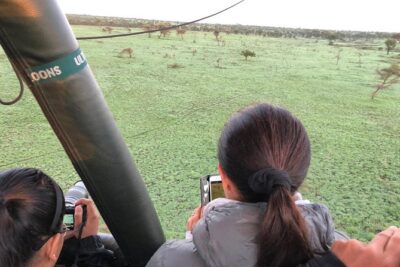
Balloon Safari & Bush Breakfast in Serengeti – Miracle Experience
Read our review →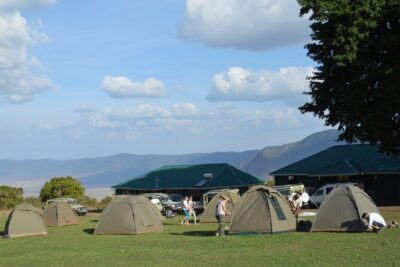
3 Days Serengeti & Ngorongoro Group Camping Safari
Read our review →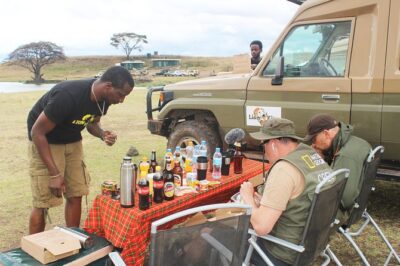
7-Day Premium Luxury Tanzania Safari All-Inclusive
Read our review →
5-Day Highlights mid-Range Crater, Serengeti, Tarangire
Read our review →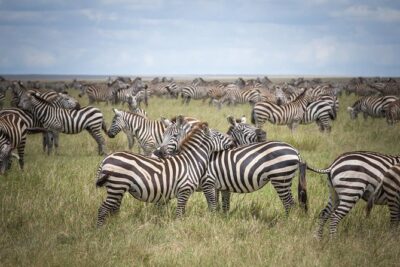
8 Days Great Wildebeest Calving Migration Safari from Arusha
Read our review →Browse the lists this tour appears in