
REVIEW · ARUSHA
4 days Tarangire, Serengeti & Ngorongoro
The main appeal here is simple: in four days, you see three of northern Tanzania’s greatest wildlife areas, from Tarangire’s elephant country to the Serengeti’s open plains and Ngorongoro’s famous crater floor. The small group limit of six gives you a better chance of getting the window seat and asking your guide to pause when something interesting appears.
I especially like the combination of full-board camping and three major parks at a price of $1,070 per person. The cooking is another bright spot, with chefs including Dula, Gidion, Godfrey, and Salim praised for generous, tasty meals. The trade-off is a fast schedule, long drives, early starts, and basic camping rather than lodge comfort.
Key points to know before booking
- Three major wildlife areas in four days: Tarangire, Serengeti, and Ngorongoro each offer a different setting and animal-watching style.
- Up to six people per vehicle: A small group can make game-drive decisions easier and leave more room for questions.
- Camping with full board: Meals and campsite nights are included, but you should be comfortable with a simple outdoor setup.
- Two UNESCO World Heritage sites: The Serengeti and Ngorongoro Conservation Area add cultural and conservation value to the wildlife.
- A real chance at the Big Five: Lions, elephants, buffalo, leopards, and rhinos are all possible, though no safari can promise every sighting.
- Arusha start and finish: Meet at Shoppers Supermarket at 6:30 am, with the activity ending back at the same meeting point.
Why this four-day route works
This safari packs a lot into a short time. Tarangire gives you a strong opening, the Serengeti supplies the grand scale, and Ngorongoro finishes with one of Tanzania’s best-known wildlife settings.
That variety matters. If you spent four days in one park, you might get more time in a single area, but you would miss the change from baobab country to grass plains to crater habitat. Here, each day feels different.
The route also makes sense for someone watching the budget. A private safari with comfortable lodges can cost much more. This option puts the money into transport, park access, a guide, meals, and time in the parks, while keeping sleep arrangements simple.
The price is attractive, but you should read it honestly. You are paying for a busy, practical safari rather than a leisurely luxury trip. Several days include about six hours of activity or road time, and the drive between the Serengeti and Ngorongoro takes much of Day 3. That is the cost of covering this much ground in four days.
A few more safaris around Arusha worth a look
- 4 Days Group Camping Safari
★ 5.0 · 1,101 reviews - 4 Days Join Group tour Tarangire Serengeti and Ngorongoro crater
★ 5.0 · 219 reviews - 4-Day Safari from Arusha: Tarangire, Serengeti and Ngorongoro
★ 5.0 · 173 reviews
Day 1: Tarangire’s elephants and baobabs
You meet at Shoppers Supermarket in Arusha at 6:30 am. After an early breakfast, the group heads to Tarangire National Park with a picnic lunch.
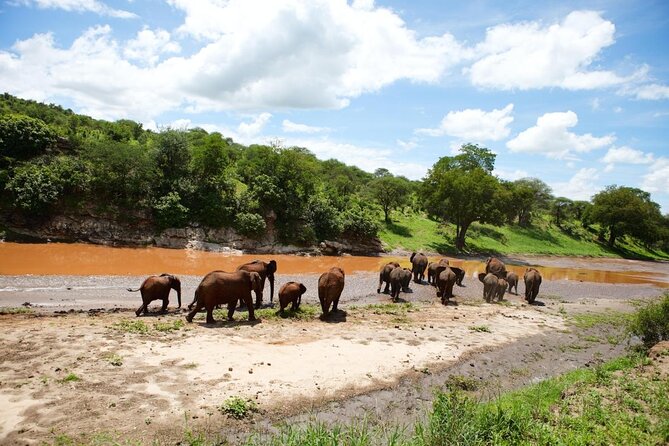
Tarangire is a good first park because it feels different from the Serengeti almost at once. The park is known for its large elephants and distinctive baobab trees, while the mix of woodland and open areas gives you changing views during the drive. You may also see lions, buffalo, and other wildlife, with your guide explaining how animals use the park’s water and plant life.
The listed game-drive time is about six hours. That is enough for a useful first look, though you should expect a full day once the road from Arusha, park procedures, wildlife stops, and camp check-in are included.
The picnic lunch keeps the day moving. You do not return to town for a restaurant meal, which means more time near the park. After the drive, you have dinner and spend the night at a Tarangire campsite.
This first night sets the tone for the trip. Camping is part of the appeal, especially if you like hearing the sounds of the bush and waking close to the park. It is also where comfort-minded visitors should adjust expectations. The accommodation is described as camping, not a lodge or permanent hotel, so pack with a practical attitude.
Day 2: The long road to the Serengeti
After breakfast, you set out for Serengeti National Park. The route takes you toward the famous open plains and broad skies that have made the Serengeti one of Africa’s best-known safari destinations.
The change from Tarangire is part of the fun. Instead of baobabs and thicker woodland, the Serengeti gives you a greater sense of distance. Animals can appear small against the grass, then suddenly become the center of the entire drive when your guide spots movement.
The plan includes a game drive and a late-evening game drive, with dinner and an overnight stay at Seronera Campsite. Seronera is a useful central area for wildlife viewing, and sleeping there puts you inside the park rather than sending you back toward a town.
This is likely to be one of the biggest days of the safari. You have the transfer into the Serengeti, wildlife watching, and a late drive. Bring water, sun protection, and a layer for changing temperatures. Your camera battery and phone storage also deserve attention, since this is the sort of day when you may take far more photos than expected.
The guide makes a major difference here. Names connected with similar trips include Nuru, Malisa, Robert, Deogratius, Yuma, Luther, Adam, and Asantel. Their roles combine driving, wildlife spotting, route choices, and explanations about the ecosystem. Specific guide assignments can vary, so you should not book on the assumption that one named person will definitely lead your vehicle.
Day 3: Serengeti wildlife, then the road to Ngorongoro
The schedule for Day 3 begins with more time in the Serengeti. After breakfast, the plan calls for further game viewing before an early lunch and the journey toward Ngorongoro.
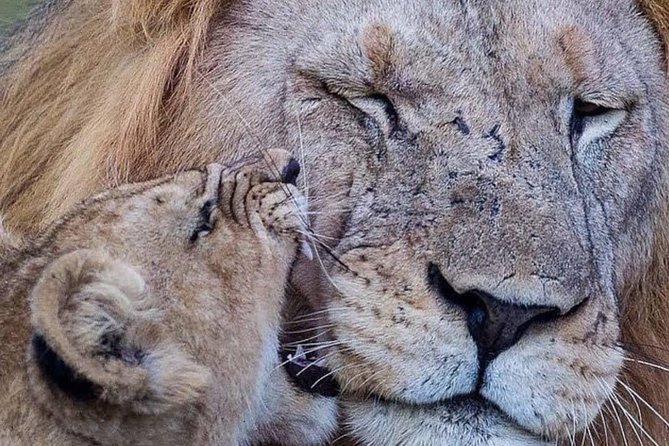
This morning matters because it gives you another chance to find animals in the Serengeti before leaving. Big cats may be active early, and the wide plains can produce excellent sightings when your guide knows where to look. The safari cannot promise a leopard, cheetah, or lion, but the route is designed to give you several chances across the parks.
After the morning, you travel toward Ngorongoro, with wildlife viewing along the way. The transfer is listed at about six hours, and arrival is expected late in the evening. That makes this the least relaxed day of the trip. You are gaining access to the crater for the next morning, but you will spend a good part of the day on the road.
You sleep at Simba Campsite on the crater rim. The location is valuable because you are already near the crater for the early start on Day 4. You avoid a long morning transfer from Arusha or another distant base.
The crater rim can also bring cooler conditions than the lower areas. A warm layer is sensible, though the supplied details do not specify the exact campsite facilities or equipment. Ask the operator what tent, bedding, bathroom, and shower arrangements are provided before you go. That single conversation can prevent a lot of discomfort.
Same country, a different kind of drive:
- Balloon Safari & Bush Breakfast in Serengeti – Miracle Experience
★ 5.0 · 1,646 reviews - 5 Days Group Camping Safari
★ 5.0 · 730 reviews - 3 Days Serengeti & Ngorongoro Group Camping Safari
★ 5.0 · 574 reviews - 7-Day Premium Luxury Tanzania Safari All-Inclusive
★ 5.0 · 426 reviews
Day 4: Ngorongoro Crater and the Big Five search
After breakfast, you go directly down to the crater floor for a full crater tour with a picnic lunch. The listed activity time is about six hours, followed by the drive back to Arusha in the evening.
Ngorongoro is the grand finale because wildlife is gathered in a striking natural setting. The crater floor offers open grassland, water areas, and varied habitat within a compact area. That can make animal watching feel especially rewarding on a short safari.
The route specifically presents the crater as a place to look for all five of Africa’s famous animals: lion, elephant, buffalo, leopard, and rhino. Several people on comparable trips completed that goal, and one account describes seeing a rhino along with a cheetah close to the vehicle. Still, you should treat the Big Five as a target, not a guarantee. Wildlife moves freely, and sightings depend on season, weather, animal behavior, and luck.
A picnic lunch lets you stay on the crater floor rather than breaking for a long restaurant stop. After the drive, you return to Arusha in the evening. That final road trip can be tiring, especially after four active days, so this is not the best choice if you need to board a flight immediately afterward.
What the camping and meals are really like
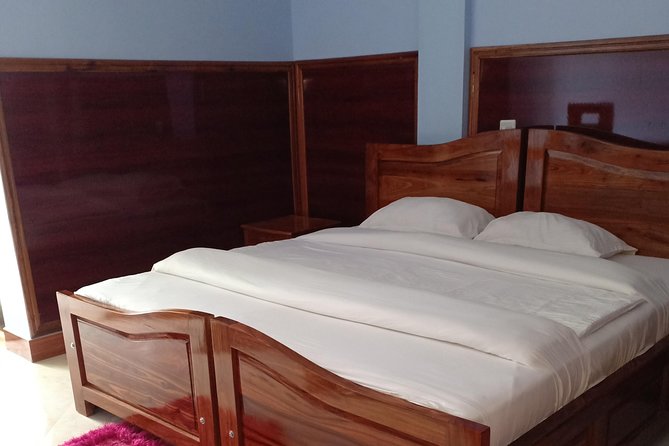
Camping keeps the cost down and adds a stronger sense of being outdoors. You sleep at Tarangire, Seronera, and Simba campsites, with the crater-rim night giving you a useful position for the final day.
The details do not specify the exact level of camping, so ask before booking. Find out whether tents are already pitched, what bedding is supplied, and what bathroom facilities are available. Those are practical questions, not picky ones, particularly if you have never camped on safari.
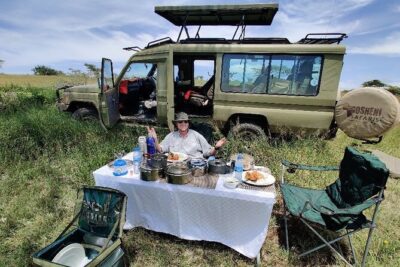
Meals are a notable part of the package. Full board is included, and the food has drawn some of the warmest praise from people who took similar trips. Chefs Dula, Gidion, Godfrey, Salim, and Msefiri are named for cooking filling meals in camp conditions.
That matters because food on a busy safari is not just fuel. A good breakfast helps with early starts, a packed lunch keeps you in the park, and a hot dinner makes a basic campsite feel much more comfortable. The available information does not give a sample menu, so tell the operator about dietary needs when you book.
Guides, drivers, and the small-group advantage
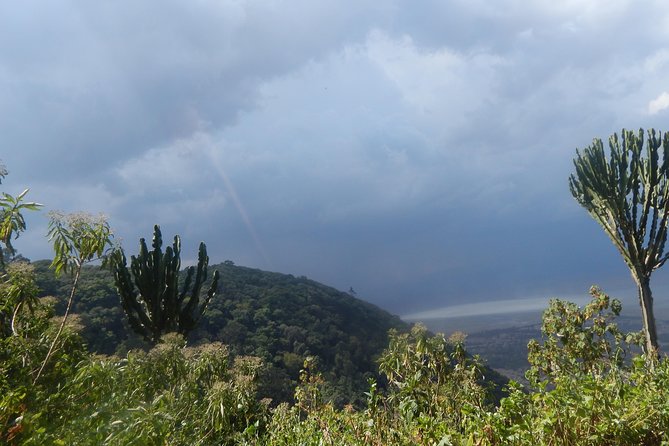
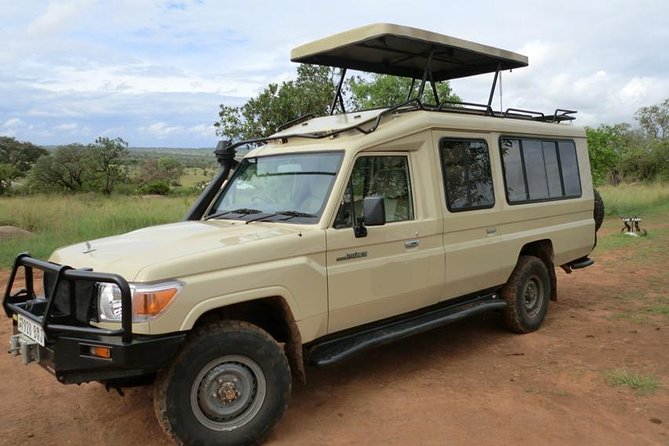
The vehicle crew shapes the safari more than the printed route does. Your guide needs to drive rough park roads, read animal behavior, explain the local ecosystem, and make sensible choices when several sightings compete for attention.
The strongest feedback centers on guides who combined wildlife skill with calm driving. Nuru and Malisa are praised for handling rough terrain, while Robert, Asantel, Deogratius, Yuma, and Adam are singled out for animal spotting, explanations, or helping people reach their Big Five goal.
A group of no more than six is a real advantage. You have fewer people competing for views, and the guide can respond to the group without negotiating with a large busload. It also makes the long drives more social, though the comfort of the experience still depends on the vehicle and the personalities in your group.
The operator may place you with a partner safari company. That is not unusual for budget safaris, but ask who will run the vehicle, who provides the chef, and how pickup and drop-off work. Communication before departure appears to be a strong point, with Humphrey and Ally named as responsive contacts on past bookings.
Price, value, and the compromises
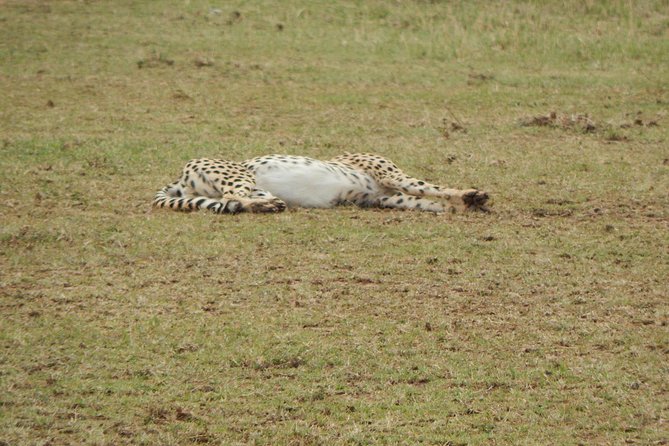
At $1,070 per person, this is a strong-value way to reach three major northern Tanzania parks. The cost includes camping accommodation, full-board meals, game drives, a small group, and transport from Arusha and back.
The value is best for you if your main goal is wildlife access rather than a polished room. You get two UNESCO World Heritage sites, several days of game viewing, and a route that includes both the Serengeti and Ngorongoro. Those park fees and long-distance transfers are a large part of any safari budget.
The compromises are clear. The schedule is tight, the road time is substantial, and the camping is basic compared with lodge accommodation. The itinerary also uses the same broad route many budget safaris need to use, so Day 3 is more about positioning than relaxed wildlife watching.
I would also check exactly what is included before payment. The supplied details confirm meals, camping, game drives, and pickup availability, but they do not spell out every small extra, such as drinks, personal expenses, or particular camping equipment.
Who should book this safari
I would point this trip toward a first-time safari visitor who wants the classic northern Tanzania route without paying lodge prices. It also suits solo visitors who want a small group, couples who enjoy camping, and anyone who values wildlife time more than private rooms.
It is less suitable for you if you dislike early starts, long drives, shared transport, or simple campsites. Families and older visitors may need to ask more questions about vehicle comfort and facilities before booking, since the available details only say that most people can participate.
The cancellation terms are helpful: you can cancel for a full refund if you do so at least 24 hours before the start time. Changes or cancellations inside that window are not accepted for a refund.
Should you book the Tarangire, Serengeti, and Ngorongoro safari?
Book it if you want maximum wildlife variety for a controlled price and you are happy to trade lodge comfort for camping. The chance to combine Tarangire, Serengeti, and Ngorongoro in four days is the central strength.
Before paying, confirm your pickup details, campsite setup, dietary needs, and the name of the operating safari team. If the answer is clear and you are comfortable with the long Day 3 transfer, this is a practical route into Tanzania’s best-known safari country.
FAQ
How much does the four-day safari cost?
The listed price is $1,070 per person.
Where does the safari start?
It starts at Shoppers Supermarket in Arusha, Tanzania.
What time does the safari begin?
The stated start time is 6:30 am.
Where does the safari finish?
The activity ends back at the meeting point in Arusha.
How many people can join the group?
The group has a maximum of six travelers.
Which parks and conservation areas are included?
The route includes Tarangire National Park, Serengeti National Park, and the Ngorongoro Conservation Area.
Is camping and food included?
Yes. Camping accommodation and full-board meals are included. The itinerary lists nights at Tarangire campsite, Seronera Campsite, and Simba Campsite on the Ngorongoro crater rim.
Just added around Arusha
- 6 days Tanzania budget safari★ 5.0 · 65 reviews
- 7 days great migration safari★ 5.0 · 77 reviews
- serengeti, ngorongoro & tarangire 5days private tour★ 5.0 · 77 reviews
- 5 days safari, hiking & culture (Serengeti & kilimanjaro)★ 5.0 · 27 reviews
- 5-Day Mid-Range Safari in Tanzania★ 5.0 · 33 reviews
- 4 days safari★ 5.0 · 34 reviews
- serengeti & ngorongoro 3 days private tour★ 5.0 · 15 reviews
- serengeti, ngorongoro & tarangire 4 days private tour★ 5.0 · 18 reviews
Arusha Safaris, compared.
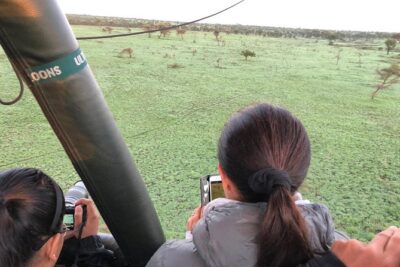
Balloon Safari & Bush Breakfast in Serengeti – Miracle Experience
Read our review →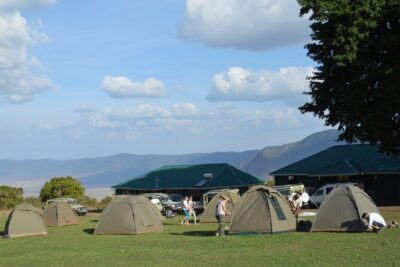
3 Days Serengeti & Ngorongoro Group Camping Safari
Read our review →
7-Day Premium Luxury Tanzania Safari All-Inclusive
Read our review →
5-Day Highlights mid-Range Crater, Serengeti, Tarangire
Read our review →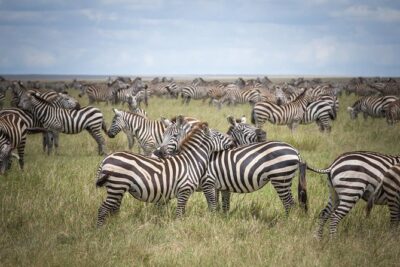
8 Days Great Wildebeest Calving Migration Safari from Arusha
Read our review →Browse the lists this tour appears in