
REVIEW · ARUSHA
4-Day Safari from Arusha: Tarangire, Serengeti and Ngorongoro
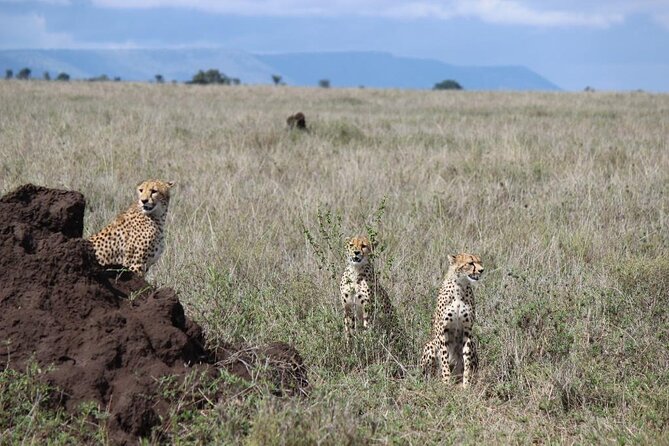
Tarangire’s huge baobabs and elephant herds make a strong opening act, but the real prize is the variety packed into four days: three famous wildlife areas, each with a different feel. You move from dry woodland and swamps to the Serengeti’s open plains, then finish in the enclosed world of Ngorongoro Crater.
I like the private format, which keeps the safari to your own group, and the practical comfort of self-contained rooms with hot showers. The guides have also earned praise for sharp animal spotting, with names including Joseph, Six, John, Anock, Isaac, Ali, and Kaana appearing in past departures. The main drawback is the pace: long road transfers and only one full day in the Serengeti may leave you wishing for more time.
Key points before you book
- Three major wildlife areas in four days: Tarangire, Serengeti, and Ngorongoro each offer a different setting and animal-viewing experience.
- Private safari for at least two people: Your group participates alone rather than joining a large shared vehicle.
- Strong guide-focused experience: Guides such as Joseph, Six, John, Anock, Isaac, Ali, and Kaana have been praised for animal spotting, driving, and clear explanations.
- Comfort without a luxury price tag: Lodge and tented-camp accommodation includes private rooms and hot showers.
- All main meals are included: Breakfast, lunch, and dinner are provided, with vegetarian and non-vegetarian food available.
- The trip is road-heavy: Day two and day three involve substantial driving, so this suits you best if wildlife matters more than a relaxed schedule.
A three-park safari with a clear purpose
This four-day safari from Arusha is built for you if you want Tanzania’s headline parks without committing to a week or more on the road. At $1,754.88 per person, it is not a cheap weekend outing, but the price covers the major safari costs: park fees, a 4×4 vehicle, driver-guide, accommodation, meals, and drinking water.
That bundled price matters in Tanzania. Park entry, fuel, vehicle hire, guiding, food, and overnight stays can quickly add up when arranged separately. Here, you pay for a compact route through three of the country’s best-known wildlife areas.
The tradeoff is time. Four days gives you a useful first safari, but it does not give you long, slow stays in each park. You will spend part of every day moving between areas. If your top goal is to watch animals for as many hours as possible, a longer Serengeti stay would be easier on the body and more rewarding. If you want a broad first look at northern Tanzania, this route makes good sense.
The safari is private, with a minimum booking of two people. That arrangement can be valuable for couples, families, or friends who want to set the rhythm of the day with their own guide. It also gives you a better chance to ask questions about wildlife, local communities, and the areas you pass through.
A few more safaris around Arusha worth a look
- 4 Days Group Camping Safari
★ 5.0 · 1,101 reviews - 4 Days Join Group tour Tarangire Serengeti and Ngorongoro crater
★ 5.0 · 219 reviews - 4-Day Safari from Arusha: Tarangire, Serengeti and Ngorongoro
★ 5.0 · 173 reviews
Day one: Tarangire’s elephants and baobabs
You leave Arusha at about 8:30 a.m. and drive to Tarangire National Park. The schedule calls for roughly six hours in the park, including a full-day game drive and a picnic lunch.
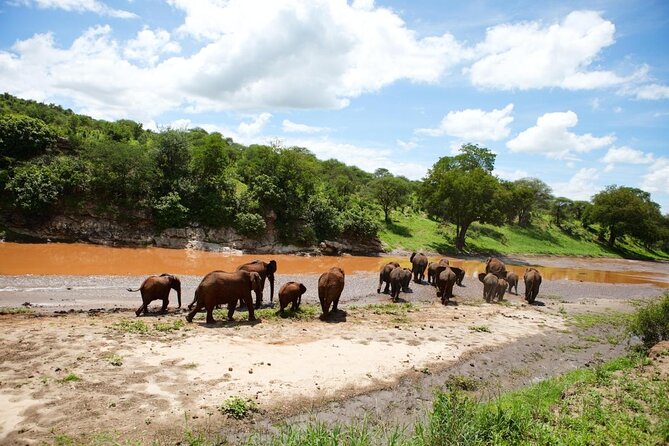
Tarangire has a look unlike the other parks on this route. Acacia woodland gives way to giant baobab trees and broad swamp areas in the south. The Tarangire River and seasonal wetlands draw animals during the dry season, when water becomes a powerful reason for wildlife to gather.
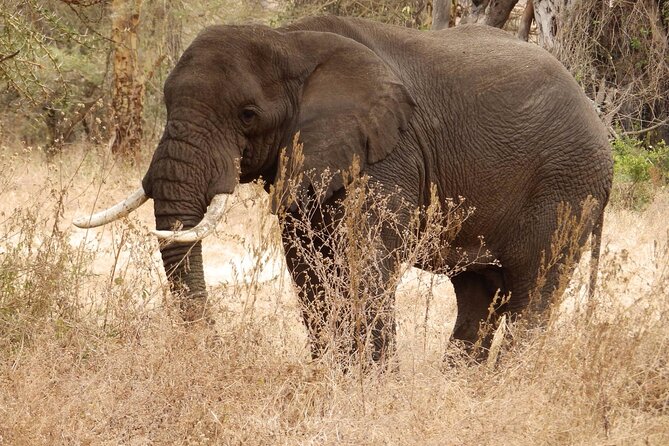
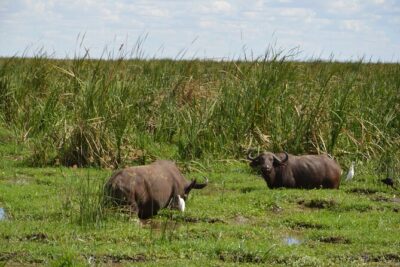
This is the park where you have a particularly good chance to see large elephant herds. The setting helps too. An elephant beside a baobab is a more memorable sight than an animal viewed against an indistinct stretch of grass. You might also see lions, zebras, wildebeest, giraffes, buffalo, and other common safari species, though exact sightings can never be promised.
Tarangire is also noted for three less common species: greater kudu, fringed-eared oryx, and ashy starling. These are not guaranteed sightings, but they give the first day extra interest for anyone who wants more than a checklist of the Big Five.
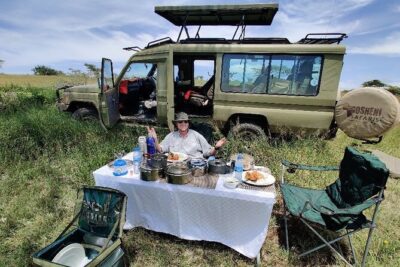
A picnic lunch keeps the day moving, but it also means you should expect a field-style meal rather than a long restaurant break. That is a fair trade on a game-drive day. You spend more of the daylight hours looking for animals and less time sitting indoors.
The first day can be tiring because you are starting from Arusha and then spending hours on rough park roads. Still, Tarangire is an excellent opening park. Its mix of trees, water, swamps, and elephants gives you immediate variety.
Day two: From the Karatu highlands into the Serengeti
After breakfast, you head toward Serengeti National Park through the high farmland around Karatu and the Ngorongoro Conservation Area. This transfer is part sightseeing, part repositioning. You leave the higher country behind and descend toward the broad Serengeti plains.
The arrival into the Serengeti is one of the strongest visual moments of the trip. The plains seem to run toward the horizon, and the sense of space changes sharply after the wooded setting of Tarangire. The route heads toward the central Seronera area, where the Seronera River supplies water and draws a wide mix of wildlife.
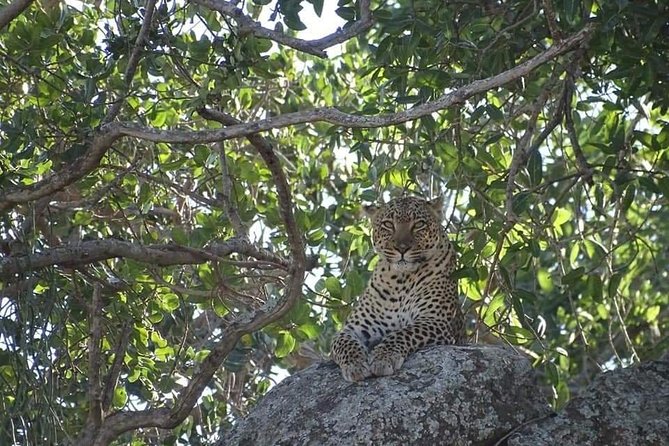
The planned Serengeti portion lasts about four hours, so this is not simply a transfer day. You have a game drive while entering the park and continue looking for animals around Seronera. The area is known for a broad range of species, including predators and grazing herds.
You should keep your expectations realistic. A four-hour game drive in the Serengeti can produce excellent sightings, but it is a short introduction to a very large park. Your guide’s ability to read the terrain and communicate with other drivers can make a real difference. Past guides named John, Anock, Isaac, and Joseph have been praised for spotting animals at impressive distances, including rhinos and leopards.
The road from Arusha also makes day two one of the harder days physically. You will spend hours in the vehicle, and the roads can be demanding. Bring water, keep your camera ready, and treat the journey as part of the safari rather than wasted time.
Day three: A final Serengeti drive before Ngorongoro
Day three begins with an early breakfast and a morning game drive in the Serengeti. Early hours are useful because animals may be active before the day grows hot, and the light is often better for photography.
The plan then turns toward the Ngorongoro Conservation Area, with game viewing along the way. This gives you another chance to look for animals rather than making the entire transfer a straight drive.
This morning is also your best chance to see the Serengeti at a quieter pace. You have already reached the park, so you are not spending the first hours simply trying to get there. Take advantage of that by asking your guide to pause when something interests you. A lion, bird of prey, or small herd can be worth more than rushing after a larger sighting.
By the end of the day, you move toward accommodation in the Ngorongoro area. The change in setting is important. The Serengeti feels open and endless, while Ngorongoro offers a more concentrated wildlife experience inside a volcanic crater.
Because the itinerary combines two major areas on the same day, you should not expect a full second day in the Serengeti. This is the main reason I would recommend adding extra nights if you have the time and budget. The four-day plan is efficient, but efficiency is not the same as spaciousness.
Same country, a different kind of drive:
- Balloon Safari & Bush Breakfast in Serengeti – Miracle Experience
★ 5.0 · 1,646 reviews - 5 Days Group Camping Safari
★ 5.0 · 730 reviews - 3 Days Serengeti & Ngorongoro Group Camping Safari
★ 5.0 · 574 reviews - 7-Day Premium Luxury Tanzania Safari All-Inclusive
★ 5.0 · 426 reviews
Day four: Ngorongoro Crater and a final wildlife sweep
After breakfast, you descend into Ngorongoro Crater for a game drive lasting about six hours. A picnic lunch is served on the crater floor.
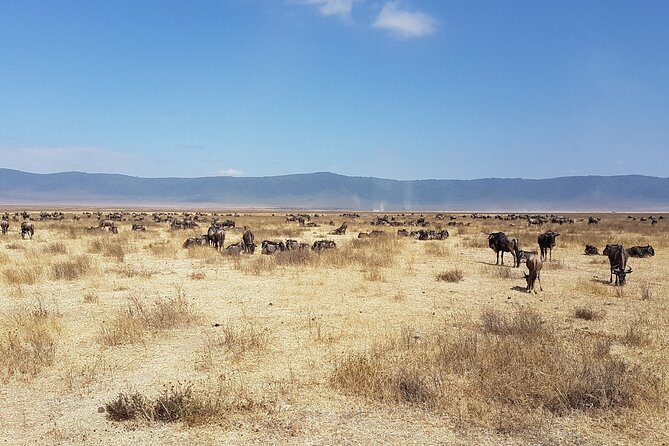
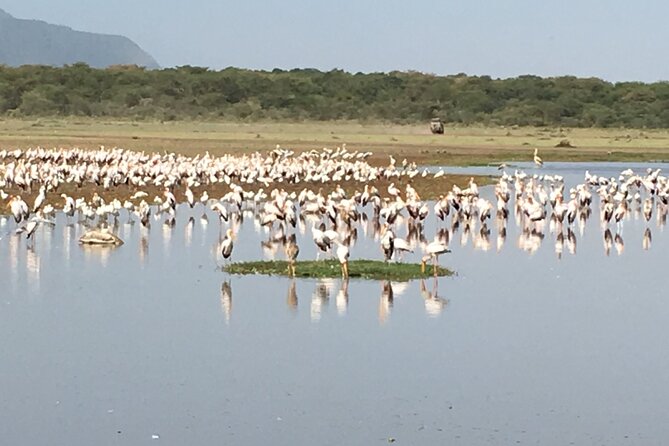
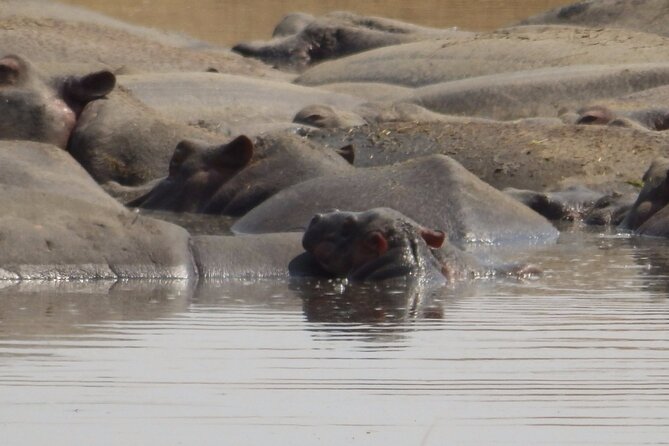
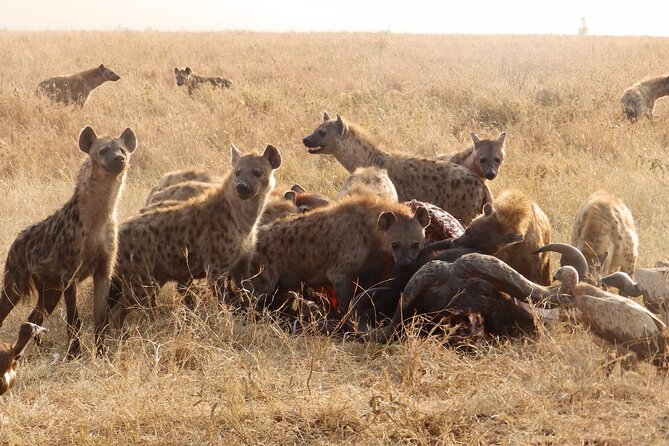
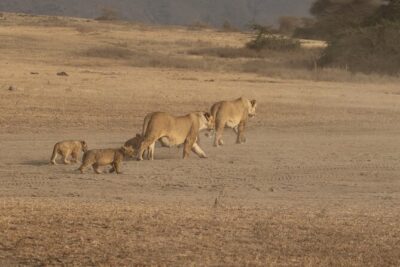
The crater is a natural enclosure with water and grazing areas available throughout the year. That steady supply supports a dense mix of wildlife, including wildebeest, zebra, buffalo, eland, warthog, hippo, and elephants. Predators include lions, hyenas, jackals, cheetahs, and, with luck, leopard.
Ngorongoro is also one of the better places on this route to look for black rhino. The animals remain elusive, so no guide can promise a sighting, but the crater gives you a serious chance to search for them in a compact area.
The scenery is a major part of the appeal. From the crater rim, the world below feels contained and dramatic. Once on the floor, you get a closer view of open grassland, water, animals, and the steep crater walls around you.
A six-hour crater drive is a satisfying finish, though it can also be dusty and tiring. The picnic lunch keeps you in the park, which is useful because leaving for a formal meal would cut into your game-drive time. After the crater visit, the activity ends back at the stated meeting point in Arusha, though the exact return timing is not provided.
Guides can make or break a short safari
On a compact safari, your driver-guide matters as much as the route. You spend long hours in the vehicle, and the guide controls the pace, explains what you see, and helps locate animals.
The strongest praise attached to this experience focuses on guides who spot animals from far away and explain the surroundings clearly. John and Anock were singled out for finding a rhino at a great distance and locating leopards more than once. Joseph was praised for patience, friendliness, and making the trip feel easy. Six was noted for knowledge of wildlife, the Maasai, and the parks, as well as careful driving.
Other named guides include Isaac, Ali, Kaana, and Jofa. You should not assume you will receive a particular guide unless the operator confirms it before departure. Still, these names give you a useful idea of the guiding style associated with the company: personal, observant, and focused on finding animals rather than rushing through a fixed script.
A private vehicle also helps. You can ask questions, spend longer at a sighting, or request more attention to birds and smaller animals. The schedule remains tight, but your group is not sharing every decision with strangers.
Accommodation, meals, and what the price covers
Accommodation is provided in lodges and tented camps. The rooms are self-contained and include hot showers, which gives you a useful level of comfort after dusty roads and long game drives.
The word tented camp can mean different things in Tanzania, so you should ask the operator exactly which properties are planned for your dates. Here, the stated standard is a self-contained room with a hot shower, not a basic unsupported campsite.
Breakfast, lunch, and dinner are included. Vegetarian and non-vegetarian meals are available, and the package includes three breakfasts, four lunches, and three dinners. Drinking water is supplied at 1.5 liters per person per day.
That water allowance is helpful, but you should check whether you want to bring or buy extra. Four days in the vehicle, under the African sun, can make 1.5 liters feel modest, especially on game-drive days.
The $1,754.88 price also includes taxes and fees, transport in a 4×4 safari vehicle, the driver-guide, park accommodation, and meals. It does not cover Arusha hotel nights, airport transfers, international or domestic flights, personal purchases, laundry, telephone use, beverages, optional balloon rides, Maasai village visits, or tips.
For value, the package works best when you compare the full cost rather than the headline number. You are not only paying for a seat in a vehicle. You are paying for a private safari structure, park access, a guide, overnight stays, food, and transport across a large area.
Who should choose this safari
I would recommend this trip to a first-time safari visitor who wants the classic northern Tanzania route in a short window. It also suits couples or small groups who prefer a private vehicle and want accommodation more comfortable than basic camping.
It is a good fit if you value:
- Elephant country in Tarangire
- A first look at the Serengeti
- A concentrated wildlife day in Ngorongoro Crater
- Hot showers and included meals
- A guide-led trip with a private group
- A clear package price
I would think twice if you dislike long drives or need a slow holiday. The route covers a lot of ground, and the Serengeti portion is brief. Families with young children should also consider the road time carefully, since the information provided does not give a specific child policy or vehicle schedule beyond the daily plan.
The safari is available daily throughout the year, but the experience can vary with weather and animal movement. Good weather is required. If poor weather cancels the activity, you are offered a different date or a full refund.
Cancellation is flexible up to 24 hours before the start time. Changes or cancellations inside that window are not accepted for a refund.
Should you book it?
Book this safari if you want three major parks in four days, private transport, included meals, and a comfortable lodge or tented-camp setup. The combination of Tarangire elephants, Serengeti plains, and Ngorongoro’s dense wildlife gives you a strong first taste of Tanzania.
Skip it, or ask about extending the trip, if your main goal is long, unhurried time in the Serengeti. The route is busy by design. Its value comes from range and convenience, not from lingering in one place.
Before paying, confirm the exact accommodation names, the guide assigned to your group, the return time to Arusha, and how much extra drinking water you can carry. Those answers will tell you whether this efficient safari matches your pace.
FAQ
Where does the safari start?
The safari starts at 8:30 a.m. from Msumbi Coffees at TFA Shopping Complex on Sokoine Road in Arusha, Tanzania.
Where does the safari end?
The activity ends back at the stated meeting point in Arusha.
Is this a private safari?
Yes. Only your group participates, and the minimum booking is two people.
What parks are included?
The route includes Tarangire National Park, Serengeti National Park, and Ngorongoro Crater within the Ngorongoro Conservation Area.
What type of accommodation is provided?
Accommodation is in lodges and tented camps. Rooms are self-contained and include hot showers.
Are meals included?
Yes. Breakfast, lunch, and dinner are included. Vegetarian and non-vegetarian meals are available.
What is not included in the price?
Airport transfers, nights in Arusha, domestic and international flights, personal expenses, beverages, laundry, telephone use, optional tours, balloon rides, Maasai village visits, and tips are not included.
Just added around Arusha
- 6 days Tanzania budget safari★ 5.0 · 65 reviews
- 7 days great migration safari★ 5.0 · 77 reviews
- serengeti, ngorongoro & tarangire 5days private tour★ 5.0 · 77 reviews
- 5 days safari, hiking & culture (Serengeti & kilimanjaro)★ 5.0 · 27 reviews
- serengeti & ngorongoro 3 days private tour★ 5.0 · 15 reviews
- 5-Day Mid-Range Safari in Tanzania★ 5.0 · 33 reviews
- 4 days safari★ 5.0 · 34 reviews
- serengeti, ngorongoro & tarangire 4 days private tour★ 5.0 · 18 reviews
Arusha Safaris, compared.
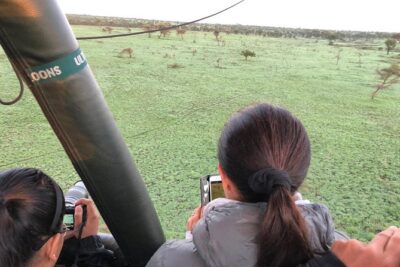
Balloon Safari & Bush Breakfast in Serengeti – Miracle Experience
Read our review →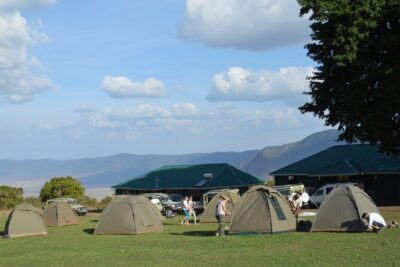
3 Days Serengeti & Ngorongoro Group Camping Safari
Read our review →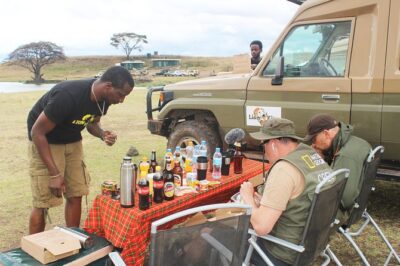
7-Day Premium Luxury Tanzania Safari All-Inclusive
Read our review →
5-Day Highlights mid-Range Crater, Serengeti, Tarangire
Read our review →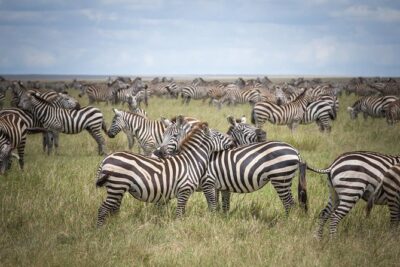
8 Days Great Wildebeest Calving Migration Safari from Arusha
Read our review →Browse the lists this tour appears in