
REVIEW · ARUSHA
4-Day Budget Tarangire, Serengeti, Ngorongoro Safari Guided Tour
The real draw here is the three-park route. In four days, you move from Tarangire’s dry-season waterholes to the open grasslands of central Serengeti, then into the wildlife-packed Ngorongoro Crater. That gives you three very different settings, not three versions of the same game drive.
I like the small maximum of six people, which gives you a better chance of getting a clear view from the safari vehicle. I also like that the price includes park fees, transport, camping or lodge accommodation, all meals, water, and a professional guide. The tradeoff is simple: this is a busy four days, with drives lasting up to 12 hours.
Key points before you book
- Tarangire begins the wildlife action: Dry-season animals gather around the Tarangire River and permanent waterholes.
- Central Serengeti is the main event: The Seronera River supports wildlife year-round and gives you strong chances of seeing predators.
- Ngorongoro offers a compact wildlife setting: The crater is about ten miles wide and can produce several Big Five sightings in one afternoon.
- Camping keeps the cost down: Nights at Nyani and Simba campsites suit you if you value location and price over lodge luxury.
- Meals are a real strength: Breakfast, lunch, and dinner are included, with fresh cooking praised for dishes ranging from soups to pizza and pasta.
- The group stays small: No more than six people can join, though the tour requires a minimum number to operate.
Three parks, three very different safari moods
At $1,000 per person, this safari is aimed at people who want a full northern Tanzania route without paying for a private vehicle or high-end lodges. You get a lot packed into four days, but you also spend a lot of time on the road.
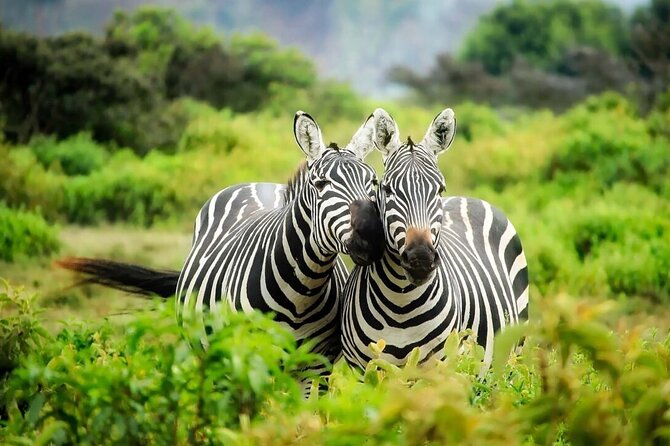
The route works because each park adds something different. Tarangire gives you a strong opening game drive and a good chance to see animals near water. Serengeti supplies the wide-open setting and the best predator focus. Ngorongoro ends the trip with dense wildlife in a relatively contained area.
I would choose this plan if you want variety more than relaxation. If you prefer slow mornings, long stays at one lodge, and plenty of time beside a pool, this schedule will feel rushed. If your priority is seeing as much of northern Tanzania as possible in a short window, it makes practical sense.
A few more safaris around Arusha worth a look
- 4 Days Group Camping Safari
★ 5.0 · 1,101 reviews - 4 Days Join Group tour Tarangire Serengeti and Ngorongoro crater
★ 5.0 · 219 reviews - 4-Day Safari from Arusha: Tarangire, Serengeti and Ngorongoro
★ 5.0 · 173 reviews
Day 1: Tarangire and the permanent river
Your day starts with breakfast at your Arusha hotel, followed by the drive to Tarangire National Park. The listed day lasts about ten hours, so you should expect the transfer and game viewing to fill most of the day.
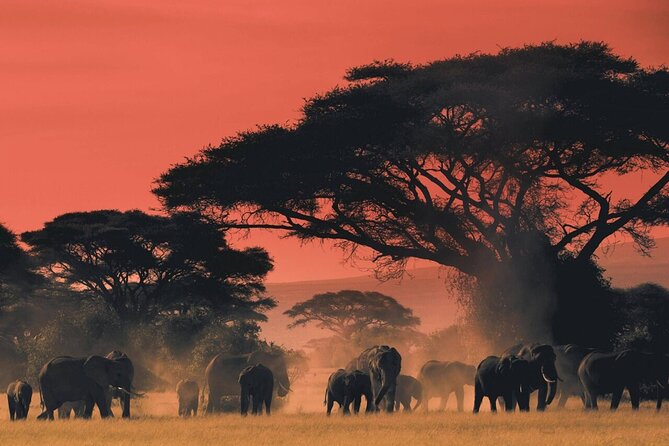
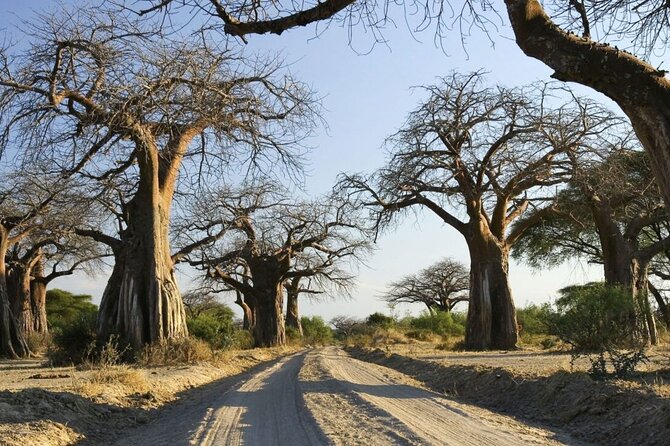
Tarangire is especially useful during the dry season. As temporary water sources shrink, animals gather around the Tarangire River and other permanent waterholes. That concentration can make the first day surprisingly productive, especially for anyone hoping to see large herds and the predators that follow them.
The park also gives you a different visual setting from the Serengeti. You are not simply looking across open grass for the entire day. The park’s river, trees, and wildlife gathering points create more varied viewing conditions.
You spend the night at budget lodge accommodation. The information does not specify the lodge, so I would confirm the exact property and room setup before booking if comfort matters to you. The package includes accommodation, but budget safari lodging can mean a practical place to sleep rather than a polished resort.
Day 2: Central Serengeti and the Seronera River
After breakfast, you drive toward the Serengeti. This is the longest listed day at about 12 hours, and the combination of travel and game viewing can be tiring. Pack light, keep water close, and expect the vehicle to be your main base for much of the day.
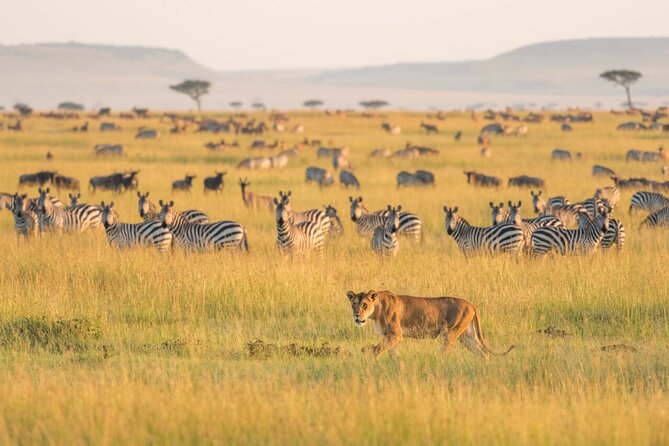
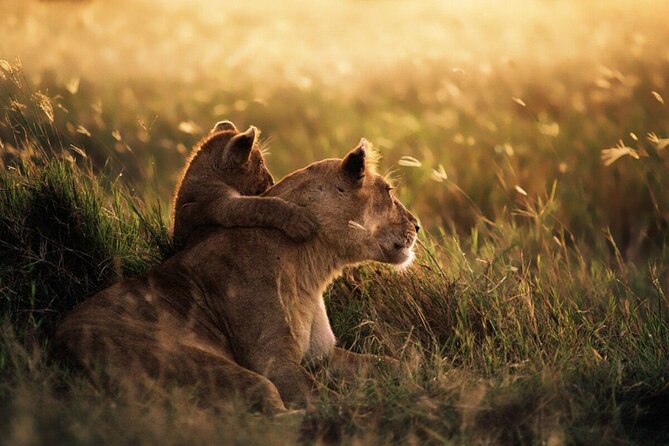
Central Serengeti is the heart of the safari. The Seronera River flows throughout the year, helping draw wildlife even when other parts of the park are drier. This is the section of the route with the clearest predator focus, and the open grass makes it easier to scan for activity at a distance.
The Serengeti is also known for the Great Migration, but timing matters. The package does not promise a migration sighting, and the animals move through different areas during the year. You should book this trip for the park itself and its year-round wildlife, not on the assumption that a particular herd will be nearby.
You spend the night at Nyani campsite. This is a budget camping safari, so the appeal is being close to the park experience while keeping costs under control. It is not the choice for anyone seeking private luxury rooms, but it suits you if a simple camp is part of the fun.
Day 3: Leaving Serengeti for Ngorongoro
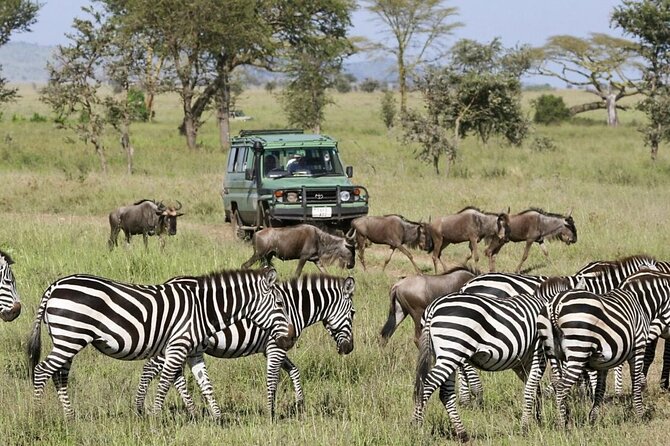
The third day begins with packing at camp, then leaving for the Ngorongoro Conservation Area. A game drive takes place along the route, and the listed schedule runs for about 12 hours.
This day combines travel with another chance to see animals. That matters because safari sightings are never guaranteed. A long transfer day can still produce useful viewing, rather than becoming a blank stretch between parks.
The route also gives you a change in feel. Serengeti is about distance and open plains. Ngorongoro brings you toward a more enclosed setting, with the crater providing a natural boundary for a large resident animal population.
That evening is at Simba campsite. As with Nyani, the accommodation is budget camping, so bring a practical attitude. The package includes meals, and the food has been a strong part of the experience for many people, with cooking described as fresh and varied. Reports specifically mention traditional dishes, excellent soups, pizza, and pasta.
Same country, a different kind of drive:
- Balloon Safari & Bush Breakfast in Serengeti – Miracle Experience
★ 5.0 · 1,646 reviews - 5 Days Group Camping Safari
★ 5.0 · 730 reviews - 3 Days Serengeti & Ngorongoro Group Camping Safari
★ 5.0 · 574 reviews - 7-Day Premium Luxury Tanzania Safari All-Inclusive
★ 5.0 · 426 reviews
Day 4: Ngorongoro Crater’s concentrated wildlife
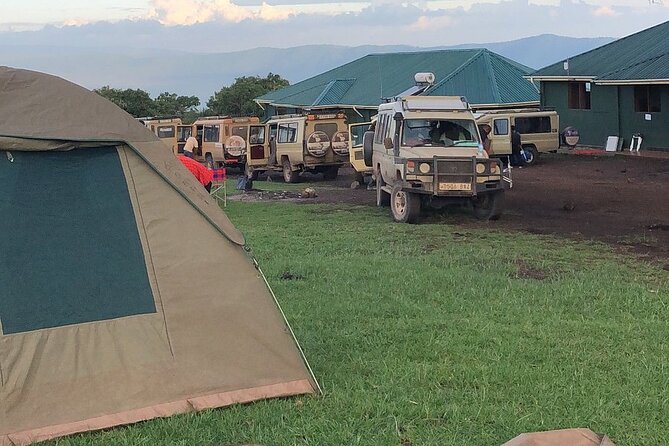
After breakfast, you enter Ngorongoro Crater for the final tour. The listed activity lasts about six hours, making this the shortest day and a welcome change after the long drives.
The crater formed when a volcano collapsed, creating a bowl roughly ten miles wide. Its enclosed setting supports a dense mix of wildlife, and the open floor can make animal spotting easier than in thicker vegetation.
This is your best chance on the route to see several major species in a compact area. You might even see the Big Five in one afternoon, though no responsible safari can promise every animal. The package’s past experiences include sightings of four of the Big Five, with the leopard proving the most elusive in one rainy-season trip.
The crater also delivers scenery as well as animals. You get views across the crater floor and a sense of how sharply the setting changes from the open Serengeti. Six hours is enough for a strong final game drive, though you may wish you had more time if conditions are especially good.
What the $1,000 price really covers
The $1,000 per-person price is easier to judge when you look at what is included. You receive park fees, activities, transport, accommodation, a professional driver and guide, drinking water, taxes, four breakfasts, four lunches, and three dinners.
That is a solid package for a four-day northern Tanzania safari. You are not paying park fees separately, and the food costs do not keep appearing every time you sit down to eat. The small group also helps the value, since you are sharing the vehicle rather than paying for a fully private departure.
The price does not include international flights, airport transfers, extra nights before or after the safari, tips, personal purchases, or later increases in government taxes and park fees. You should also budget for gratuities, since the guide and cook have a direct effect on how enjoyable the trip feels.
The biggest value comes from the route. Serengeti and Ngorongoro are major draws, while Tarangire adds a strong third park without requiring a separate trip. The compromise is comfort and pace. This is a budget safari, not a lodge-based holiday.
Guides, cooks, and the human side of the trip
The guide can make or break a safari. On this route, names associated with especially strong trips include Ismael, Omar, Hassan, and Isaya. The important point is not to assume that one particular person will lead your departure. Ask who is assigned to your group before you go.
The guide handles far more than driving. You rely on that person to read the conditions, position the vehicle, explain animal behavior, and keep the day moving. Ismael was specifically praised for finding animals despite rainy conditions, while Omar was credited with explaining the trip clearly.
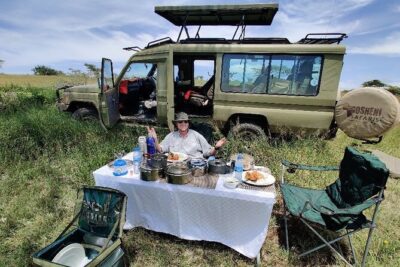
Food is another area where this safari appears to do better than its budget label might suggest. A cook named Ramadani was singled out for preparing both traditional meals and familiar options such as pasta and pizza. Freshly cooked food three times a day can matter a great deal after a long day in the vehicle.
Solo women can also take comfort from the fact that a solo female participant described feeling safe and well cared for. That does not replace sensible travel habits, but it is useful context when you are considering a shared camping departure.
Camping, meals, and what to expect at night
The accommodation mix includes a budget lodge on the first night and campsites at Nyani and Simba. The exact level of camping equipment is not provided, so ask what is supplied before you arrive. You should also check whether you need to bring any personal sleeping items or special equipment.
The appeal of camping is proximity and price. You are spending more of the trip in the bush rather than retreating to an expensive lodge. The drawback is that facilities may be basic, and you have less privacy than you would in a private room.
Four breakfasts and four lunches are included, along with three dinners. Drinking water is also supplied. Since several days run for ten to 12 hours, keep a small personal bag accessible rather than burying everything in larger luggage.
The food reports are notably positive. Expect more than a narrow set of packed meals, with soups, traditional dishes, pizza, and pasta all mentioned. Still, if you have allergies or strict dietary needs, raise them before booking because the provided information does not explain how special diets are handled.
How the six-person group affects the experience
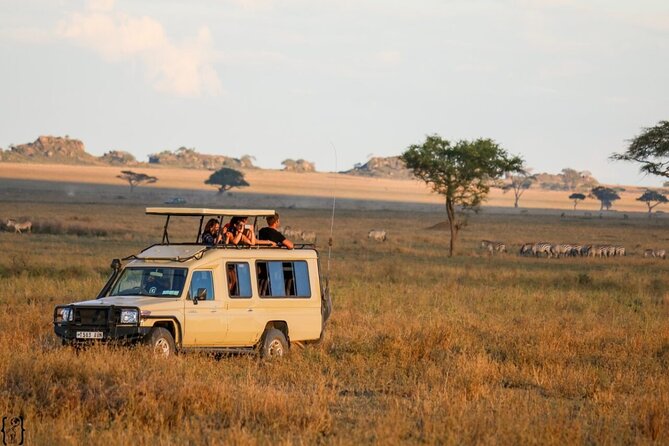
The maximum group size is six people. That is small enough to keep the vehicle from feeling crowded and gives everyone a reasonable chance to look through a window or take photographs.
A shared safari also brings compromises. You may want to stay at a sighting longer than another person does, or you may prefer an earlier start. The guide has to balance the group, especially on long driving days.
For many people, the shared format is part of the value. You get the cost advantage of joining a group while keeping the number lower than a large coach-style outing. If you want complete control over stops, timing, and photography, ask about a private option instead.
The start time is 6:00 am. That early departure helps you make the most of the first day, but it also means the trip is not built around sleeping late. Treat the schedule as active from the start.
The main drawbacks to consider
The schedule is ambitious. Day 2 and Day 3 each run about 12 hours, and Day 1 runs about ten hours. You will cover significant distances between parks, so this is not a restful safari.
The accommodation is described as budget, and two nights are at campsites. That keeps the price attractive, but you should not compare it directly with a luxury lodge safari. Ask clear questions about the tents, wash facilities, and lodge before paying if those details affect your decision.
Wildlife sightings also vary. The route gives you excellent settings, but you may not see every Big Five animal. One trip produced four of five, with the leopard missing, which is a useful reminder to judge the experience by the parks and guide, not by a checklist.
Finally, the tour depends on enough people joining and on suitable weather. If the minimum group is not reached, or poor weather forces cancellation, you are offered another date, another experience, or a full refund. You can cancel for a full refund up to 24 hours before the start time, but late cancellations are not refunded.
Who should book this safari
I would recommend this safari to you if you have four days, want to see the northern circuit’s major parks, and care more about wildlife access than polished accommodation. It is also a good fit if you are comfortable sharing a vehicle and camping for part of the trip.
The route suits first-time safari visitors because it gives you three distinct parks in one compact package. It also works for solo visitors who want a structured trip rather than arranging transport, meals, and park access themselves.
I would hesitate if you dislike long drives, need private facilities every night, or want a slow photographic schedule. In that case, spend more time in fewer parks or choose a private safari with more control over the daily rhythm.
Should you book it?
Book it if you want Serengeti and Ngorongoro in one affordable trip, with Tarangire added for variety. The combination of included park fees, food, water, transport, accommodation, and a small group makes $1,000 a reasonable price for the route.
Before booking, confirm the exact accommodation, assigned guide, camping equipment, dietary arrangements, and final pickup details. If those basics suit you, this is a strong budget choice for seeing Tanzania’s best-known wildlife areas without arranging every moving part yourself.
FAQ
Where does the safari start?
The safari starts in Arusha, Tanzania, with pickup offered from your hotel. The stated start time is 6:00 am.
How long is the safari?
The experience lasts approximately four days.
Which parks does the safari visit?
The route includes Tarangire National Park, Serengeti National Park, the Ngorongoro Conservation Area, and Ngorongoro Crater.
How many people can join the group?
The maximum group size is six people.
Is accommodation included?
Yes. All accommodation is included. The plan specifies a budget lodge after Tarangire, Nyani campsite in the Serengeti, and Simba campsite near Ngorongoro.
Are meals included?
Yes. The package includes four breakfasts, four lunches, and three dinners.
Is drinking water included?
Yes. Drinking water is included in the package.
What is not included?
International flights, round-trip airport transfers, extra accommodation before or after the safari, tips, personal items, and government increases in taxes or park fees are not included.
Can I cancel for a refund?
You can cancel at least 24 hours before the start time for a full refund. Cancellations or changes made less than 24 hours before the start are not accepted for a refund.
Just added around Arusha
- 6 days Tanzania budget safari★ 5.0 · 65 reviews
- 7 days great migration safari★ 5.0 · 77 reviews
- serengeti, ngorongoro & tarangire 5days private tour★ 5.0 · 77 reviews
- 5 days safari, hiking & culture (Serengeti & kilimanjaro)★ 5.0 · 27 reviews
- serengeti & ngorongoro 3 days private tour★ 5.0 · 15 reviews
- 5-Day Mid-Range Safari in Tanzania★ 5.0 · 33 reviews
- 4 days safari★ 5.0 · 34 reviews
- serengeti, ngorongoro & tarangire 4 days private tour★ 5.0 · 18 reviews
Arusha Safaris, compared.
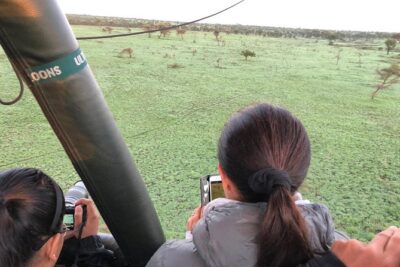
Balloon Safari & Bush Breakfast in Serengeti – Miracle Experience
Read our review →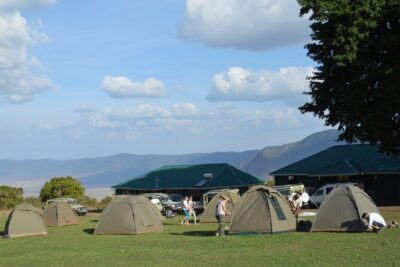
3 Days Serengeti & Ngorongoro Group Camping Safari
Read our review →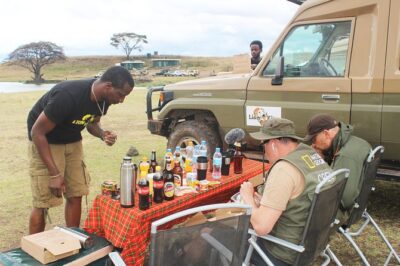
7-Day Premium Luxury Tanzania Safari All-Inclusive
Read our review →
5-Day Highlights mid-Range Crater, Serengeti, Tarangire
Read our review →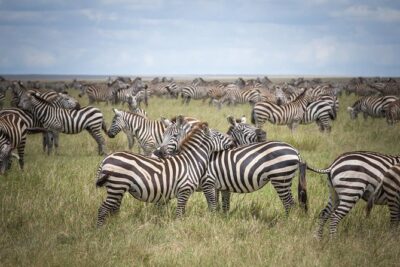
8 Days Great Wildebeest Calving Migration Safari from Arusha
Read our review →Browse the lists this tour appears in