
REVIEW · ARUSHA
3 Days Serengati and Ngorongoro crate group tour and safari
The great appeal here is the chance to see Serengeti and Ngorongoro Crater in only three days. You spend two nights under canvas, watch the sun rise over the plains, and search for lions, elephants, rhinos, wildebeest, zebra, and birds with a small group of no more than six people.
I like the low group size and the way the trip packs in both a long Serengeti game drive and a full crater visit. I also like the strong guide-and-cook setup, with guides including Jacob, Samuel, Gordon, and Ombeni praised for patience and careful animal spotting. The main drawback is the amount of road time: reaching Serengeti takes roughly seven to eight hours, so this is an active safari rather than a leisurely one.
Key points at a glance
- Two famous parks in three days: See central Serengeti and Ngorongoro Crater on one compact itinerary.
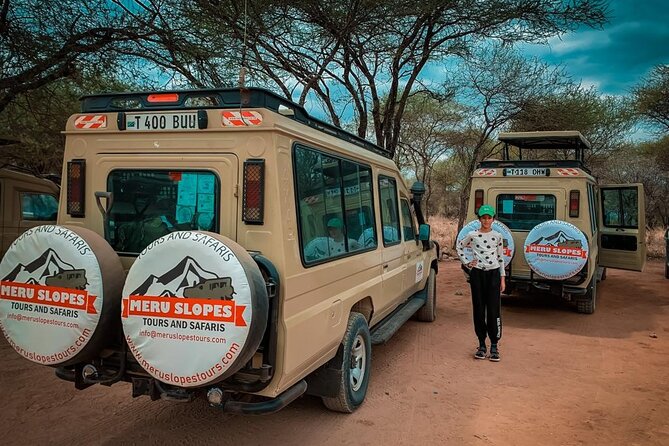
- Small shared vehicle: The group is limited to a maximum of six people, useful for a more personal safari feel.
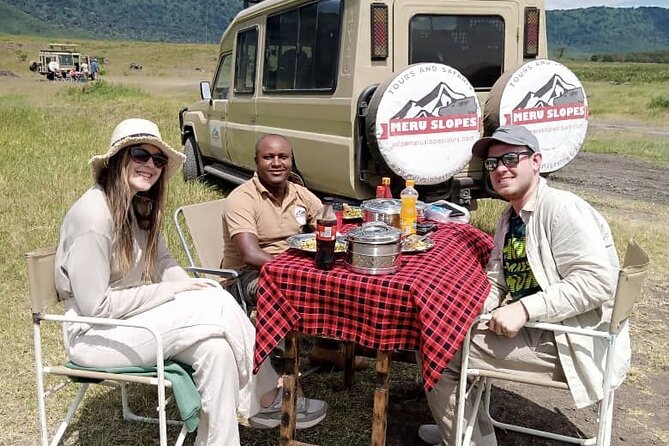
- Camping inside the parks: Overnight at Seronera campsite in Serengeti and Simba campsite near Ngorongoro.
- Early starts matter: Breakfast begins around 5:30 to 5:45 am on the safari days, giving you a better chance at morning wildlife activity.
- Meals and park costs are covered: Three breakfasts, three lunches, two dinners, park entry, taxes, and Wi-Fi are included.
- Strong guide feedback: Jacob, Samuel, Gordon, Ombeni, Douglas, and Mohammed are singled out for care, patience, and wildlife knowledge.
Why this short safari works
This safari is designed for you if your time in northern Tanzania is limited but you still want the two headline stops. Serengeti offers broad game-viewing territory and the possibility of seeing large herds and predators. Ngorongoro gives you a concentrated wildlife experience inside a dramatic volcanic crater.
The trip begins in Arusha, Tanzania’s main safari base, and takes you west toward the parks. The route includes views of the Great Rift Valley and Ngorongoro Crater before you reach Serengeti. That drive is part of the experience, but it takes most of the first day.
At $850 per person, the price has to be judged against what is covered. Park entry, taxes, meals, camping, and the shared safari arrangement are included, as is Wi-Fi during the tour. Tanzania visa costs and tips for your guide and cook are extra. For a three-day trip into two major protected areas, the price can make sense, especially for a solo visitor who wants to join a group rather than pay for a private vehicle.
Still, do not mistake this for a soft-paced lodge holiday. You will spend long hours in a safari vehicle, rise before dawn, and pack a lot into each day. I would choose it for access and value, not for rest.
A few more safaris around Arusha worth a look
- 3 Days Serengeti & Ngorongoro Group Camping Safari
★ 5.0 · 574 reviews - 3-Day Classic Serengeti Safari
★ 5.0 · 263 reviews - 3 Days Tarangire, Ngorongoro & Lake Manyara Group Camping Safari
★ 5.0 · 102 reviews
Day one: Arusha to central Serengeti
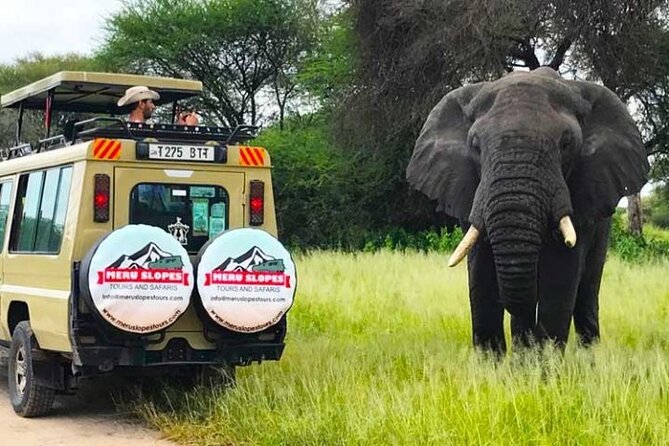
Pickup is described as taking place from your Arusha hotel at 7:30 am, while the meeting information gives a 6:00 am start time. I would confirm the exact pickup hour before setting out, since that difference matters when you are preparing for a long drive.
The journey to Serengeti takes about seven to eight hours. Along the way, you can look for views of the Rift Valley and Ngorongoro Crater. The route gives you a strong sense of northern Tanzania’s scale, but you should expect a substantial amount of time in the vehicle before the first proper game drive.
Arrival in Serengeti is planned for around 3:00 pm. That leaves time for an evening drive in central Serengeti, with sunset as a highlight. Late afternoon is a useful time to be out because the heat begins to ease and the light becomes good for photographs.
Central Serengeti is a practical base for a short safari. The area is known for large concentrations of animals, and the itinerary aims to use the limited time well rather than send you farther afield. Your guide will be balancing animal sightings, park rules, daylight, and the need to reach camp.
You spend the night at Seronera campsite inside Serengeti. Camping here means you are close to the park action, rather than returning to Arusha or staying outside the protected area. Dinner is included, and the campsite setting should appeal to you if you like a closer connection to the outdoors.
The first day is also the most tiring. You should not expect a relaxed arrival followed by a short excursion. It is a transfer day, an evening game drive, and a camp night rolled into one.
Day two: sunrise over the Serengeti
Day two starts around 5:45 am with an early breakfast. That hour may sound severe, but it is exactly the sort of start that gives a safari its best chance of finding active wildlife. The morning light is also softer and more attractive than the harsh midday sun.
After breakfast, you take a morning game drive until about 11:30 am. The stated focus is central Serengeti, an area where you might see giraffes, elephants, hippos, lions, and a wide range of smaller animals. The park is also noted for more than 500 bird species, including ostriches and flamingos.
The guide’s role matters most here. A good driver does not simply point at the first animal and move on. Jacob is praised for anticipating sightings, while Samuel is described as patient with questions. Ombeni is noted for taking time at animal stops and for continuing the search when a group wanted to find a black rhino.
Those details are useful because wildlife viewing is not a checklist. You may see several animals quickly, or you may spend time waiting and scanning. Patience from the driver can make the difference between a brief glimpse and a better view.
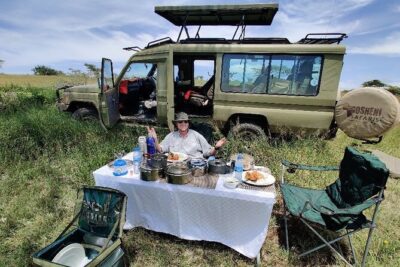
You return to camp for a hot lunch and pack your belongings into the vehicle. Lunch is included, as are all three lunches across the trip. The meal arrangement is one reason the price works well for a short camping safari: you are not constantly arranging food between game drives.
After lunch, the safari continues through Serengeti while heading toward Ngorongoro. This is another game-drive period, but it also functions as a transfer to the next campsite. The schedule gives you plenty of time in the park, though it leaves little spare time for delays.
Dinner and overnight accommodation are at Simba campsite. The itinerary lists two dinners, covering the first and second nights. You should note that the trip is described as camping, even though some online comments refer loosely to hotels or accommodation. Ask the operator to clarify the exact sleeping setup if you need anything beyond standard camping.
Day three: the crater floor and a concentrated wildlife day
Day three starts around 5:30 am with breakfast. After that, you descend into Ngorongoro Crater for a game drive on the crater floor.
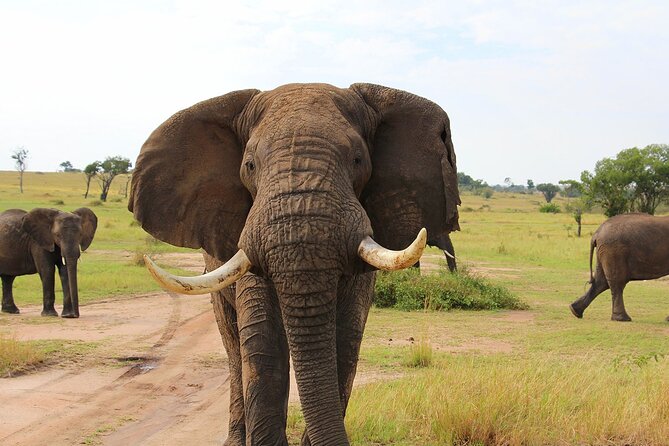
Ngorongoro works well at the end of this trip because wildlife is concentrated in a smaller area than the vast Serengeti. The itinerary lists possible sightings of the Big Five, including black rhino, along with lions, elephants, zebras, wildebeest, elands, gazelles, hyenas, jackals, hippos, antelopes, and many bird species.
The numbers provided for the crater are impressive, including more than 6,000 wildebeest, 2,000 zebras, 200 elephants, more than 30 lions, and about 30 black rhinos. These figures should be treated as broad park estimates rather than a promise of what you will see on one morning. Wildlife moves, visibility changes, and no safari can guarantee every species.
Black rhino is one of the most sought-after sightings in the crater. Ombeni’s willingness to keep looking for one shows the value of having a guide who listens to what you hope to see. At the same time, you should enjoy the full range of the crater rather than judge the day only by a Big Five tally.
Lunch is served inside the crater, with nature around you and the chance to see flamingos. Eating during the game drive saves time, though it also means you should be ready for a more basic, outdoor meal rather than a restaurant setting.
The crater day lasts about eight hours. That makes it a full final day, not a quick morning visit before an early airport transfer. Confirm your onward plans carefully if you need to catch a flight or connect to another tour after returning to Arusha.
Same country, a different kind of drive:
- Balloon Safari & Bush Breakfast in Serengeti – Miracle Experience
★ 5.0 · 1,646 reviews - 4 Days Group Camping Safari
★ 5.0 · 1,101 reviews - 5 Days Group Camping Safari
★ 5.0 · 730 reviews - 7-Day Premium Luxury Tanzania Safari All-Inclusive
★ 5.0 · 426 reviews
Guides, cooks, and the human side of the trip
The guide is central to the quality of a safari. This is not only about knowing animal names. You want someone who can spot movement, explain behavior, position the vehicle sensibly, and answer questions without rushing you.
Several members of the operating team receive specific praise. Jacob is described as highly effective at finding animals. Samuel is noted for his patience, humor, and willingness to answer questions. Gordon is praised for making a solo shared safari run smoothly, while Ombeni is remembered for taking time with photographs and continuing the rhino search.
The cooks also matter more than you might expect. Mushi is praised for preparing generous breakfasts, lunches, and dinners, and the cooking is repeatedly described as a strong part of the trip. After an early start and hours on rough park roads, a dependable hot meal is not a small detail.
The shared format can also suit a solo visitor. One person specifically chose this option because it allowed joining a group rather than paying for a private safari. With a maximum of six people, you have a better chance of knowing the others in the vehicle than you would on a large coach-style excursion.
The tradeoff is that you have less control over the pace. You may need to share decisions about how long to stay at a sighting, when to stop, and how quickly to move between parks. If everyone in the vehicle has similar expectations, that works well. If not, patience becomes part of the experience.
Camping, meals, and practical comfort
This is a camping safari, not a luxury lodge circuit. The itinerary includes Seronera campsite inside Serengeti and Simba campsite near Ngorongoro. Camping places you close to the parks and keeps the cost below many lodge-based safaris.
Three breakfasts, three lunches, and two dinners are included. The food receives unusually warm attention, especially the substantial buffet-style meals prepared by Mushi. You should still pack personal snacks if you prefer to eat between scheduled meals, since the days are long.
Wi-Fi is listed as included during the tour. Treat that as a useful extra, not the main reason to book. The point of the trip is time outside in the parks, and connection quality may not be the same as in an urban hotel.
Park entry is included for every park, along with fees and taxes. This makes the advertised price easier to understand. Tanzania’s protected-area charges can form a large part of a safari bill, so having them built in reduces the chance of unpleasant surprises.
Your visa is not included. Tips for the guide and cook are also excluded. Those are normal costs to plan for, and I would keep some local cash available rather than waiting until the end of the trip.
Is $850 good value?
For $850 per person, you receive a three-day shared safari covering two of Tanzania’s best-known wildlife areas. The package includes park admission, food, camping nights, taxes, Wi-Fi, and the service of a guide and cook team.
The value is strongest for a solo visitor or anyone happy to share. A group of up to six keeps the cost more manageable while avoiding a large bus. The inclusion of both Serengeti and Ngorongoro is also important: you are not paying for a long trip to see only one park.
The value is weaker if your priority is comfort or extra time. Two long transfer periods are built into the schedule, and the early starts leave little room for sleeping late. You also pay separately for a visa and gratuities.
I would compare this with longer safaris only if your schedule allows. Three days gives you a taste of two major areas, but it cannot offer the same flexibility as a five or seven-day trip. For a compact introduction, it is a sensible trade.
Who should book this safari?
I would recommend it to you if you want the classic northern Tanzania route in a short window, enjoy outdoor camping, and are comfortable with early mornings. It is also a good match if you are traveling alone and want a small shared group.
Families and first-time safari visitors may appreciate the simple structure, meals, park fees, and maximum group size. Your guide handles the driving and wildlife search, while the cook takes care of meals.
I would think twice if you dislike long vehicle rides, need a quiet luxury room, or have a tight flight connection on the final afternoon. The itinerary is full, and the road time is unavoidable.
The 4.9 rating from 13 submitted ratings and a 100 percent recommendation figure suggest very strong satisfaction, but I would still focus on the practical fit. The most consistently praised features are the guides, the food, the organization, and the number of animals seen. Those are exactly the areas that matter most on a short safari.
Free cancellation is available if you cancel at least 24 hours before the local start time. Changes or cancellations made inside that window are not accepted for a refund.
Should you book it?
Book this tour if you want maximum wildlife access in three days and accept camping, long drives, and dawn departures. The combination of central Serengeti, Ngorongoro Crater, a group limit of six, included park costs, and strong guide support gives it solid value at $850.
Before paying, confirm the pickup time, the exact camping arrangements, and your final-day return plan. If those details suit you, this is a practical way to reach two of Tanzania’s great wildlife areas without arranging a private safari.
FAQ
Where does the safari start?
The experience starts in Arusha, Tanzania, with pickup offered from an Arusha hotel.
How long is the safari?
The safari lasts approximately three days.
What is the group size?
The maximum group size is six travelers.
When does pickup take place?
The itinerary describes hotel pickup at 7:30 am, while the meeting information lists a 6:00 am start. Confirm the exact pickup time with the operator before departure.
Where do you sleep?
The itinerary lists overnight camping at Seronera campsite inside Serengeti on the first night and Simba campsite near Ngorongoro on the second night.
What meals are included?
Three breakfasts, three lunches, and two dinners are included.
Are park fees included?
Yes. Park entry, fees, and taxes are included in the tour price.
What is not included?
Tanzania visa costs and tips or gratuities for the safari guide and cook are not included.
Just added around Arusha
- 6 days Tanzania budget safari★ 5.0 · 65 reviews
- 7 days great migration safari★ 5.0 · 77 reviews
- serengeti, ngorongoro & tarangire 5days private tour★ 5.0 · 77 reviews
- 5 days safari, hiking & culture (Serengeti & kilimanjaro)★ 5.0 · 27 reviews
- 5-Day Mid-Range Safari in Tanzania★ 5.0 · 33 reviews
- 4 days safari★ 5.0 · 34 reviews
- serengeti & ngorongoro 3 days private tour★ 5.0 · 15 reviews
- serengeti, ngorongoro & tarangire 4 days private tour★ 5.0 · 18 reviews
Arusha Safaris, compared.
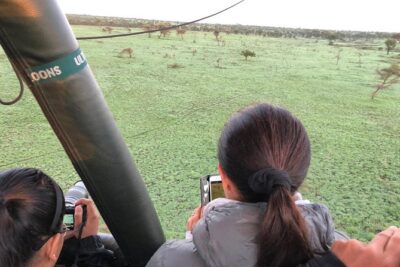
Balloon Safari & Bush Breakfast in Serengeti – Miracle Experience
Read our review →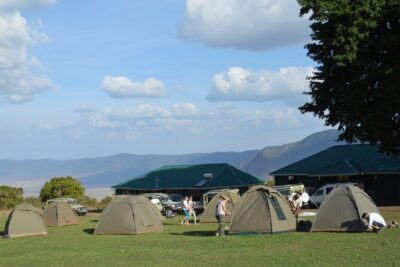
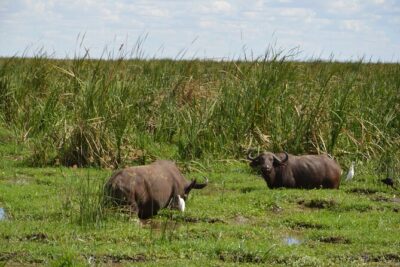
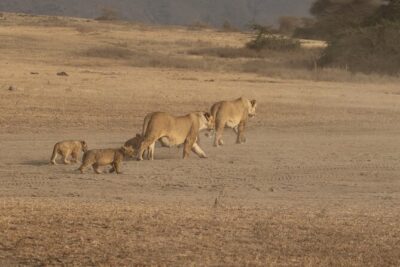
3 Days Serengeti & Ngorongoro Group Camping Safari
Read our review →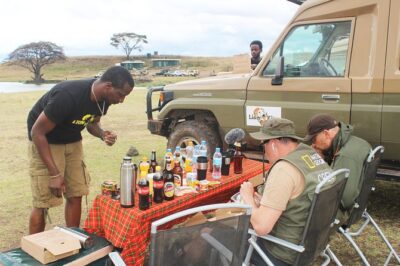
7-Day Premium Luxury Tanzania Safari All-Inclusive
Read our review →
5-Day Highlights mid-Range Crater, Serengeti, Tarangire
Read our review →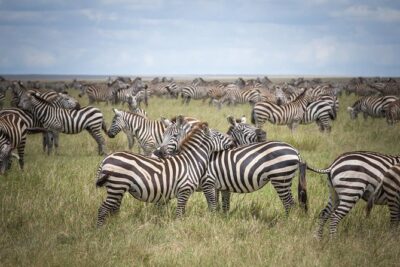
8 Days Great Wildebeest Calving Migration Safari from Arusha
Read our review →Browse the lists this tour appears in