
REVIEW · ARUSHA
3 Days Tanzania Safari
Three parks in three days is a bold plan, but this safari makes the most of a short stay in northern Tanzania. You move from Lake Manyara’s soda lake and tree-climbing lions to the wildlife-filled floor of Ngorongoro Crater, then finish among Tarangire’s baobabs and large elephant herds.
I like the small maximum of six people and the practical touches reported on safari vehicles, including a pop-up roof, cooler, chargers, and Wi-Fi. I also like the range of scenery: forest, open crater grassland, river country, swamps, and giant baobab trees all arrive in one compact trip.
The main drawback is the pace. You get a taste of three major parks, not long, unhurried time in each one. Long road transfers and early starts are part of the bargain, and the final day itinerary is not fully specified beyond the morning Tarangire drive and lunch.
Key points to know before booking
- Three major parks in 72 hours: Lake Manyara, Ngorongoro Crater, and Tarangire offer very different wildlife settings.
- Small group size: The departure accepts a maximum of six people, which should make the vehicle more comfortable and game-viewing decisions easier.
- Wildlife-focused guiding: Guides named in recent trip accounts include Saluu, Jeff, Jonas, Joseph, and Mike, though your assigned guide can vary.
- Useful safari vehicle features: A clean, well-maintained jeep with a pop-up roof, cooler, chargers, and Wi-Fi has been used on comparable departures.
- Airport transfers are included: Pickup and drop-off can be arranged from the airport, while the listed town meeting point is Mvuli Hotel in Arusha at 7:30 a.m.
- Good value for a short visit: At $780 per person, the price covers a tightly packed three-day safari, but you should confirm exactly what lodging and meals are included before paying.
Why this short safari works
The appeal here is simple: you can see three of Tanzania’s best-known northern parks without committing a full week. From Arusha, the route gathers a surprising amount of variety into a small number of days.
Lake Manyara gives you a lush opening. Ngorongoro brings the highest concentration of wildlife and the most dramatic setting. Tarangire finishes with elephants, baobabs, and a quieter feeling than the crater can offer.
I like this route for a first safari when time is limited. You get a proper game drive in each park rather than spending the entire trip in one reserve. The trade-off is that every day carries some road time, and you have little room for delays or changes.
The advertised price is $780 per person. That can be a fair deal for a private or small-group safari with a professional guide, park visits, meals, accommodation, and airport transfers, but the supplied details do not give a full list of inclusions. Before booking, ask about the exact lodges, camping arrangements, park fees, meals, and whether airport pickup applies to your arrival airport.
A few more safaris around Arusha worth a look
- 3 Days Serengeti & Ngorongoro Group Camping Safari
★ 5.0 · 574 reviews - 3-Day Classic Serengeti Safari
★ 5.0 · 263 reviews - 3 Days Tarangire, Ngorongoro & Lake Manyara Group Camping Safari
★ 5.0 · 102 reviews
Day 1: Lake Manyara’s lake, escarpment, and forest
Your morning begins at Mvuli Hotel on Kundayo Road in Arusha at 7:30 a.m., unless an airport pickup has been arranged instead. The guide and driver provide a short briefing before the road trip to Lake Manyara National Park.
You are scheduled to arrive in time for lunch at the lodge, followed by an afternoon game drive. That timing matters. You do not spend the first day rushing straight into the park after a dawn flight. You have a chance to eat and settle in before looking for animals.
Lake Manyara is one of Tanzania’s most unusual parks because its main feature is a broad, shallow soda lake below the western wall of the Great Rift Valley. The lake covers roughly two-thirds of the park, so the setting changes with water levels and season. You might see broad water views, open shoreline, woodland, and steep escarpment scenery within one drive.
The park is known for elephants, flamingos, and lions that sometimes climb trees. The flamingos gather around the lake because of algae, while the elephants move through the park’s varied habitat. Tree-climbing lions are never a guaranteed sight, so treat them as a lucky possibility rather than a promise.
This is a good first park because the scenery changes quickly. You can look across the lake one moment and then enter thicker woodland the next. It also gives your guide a chance to settle into the rhythm of animal tracking, stopping, and positioning the vehicle for a clear view.
The weak point is time. An afternoon drive is useful, but it is not the same as spending a full day in Manyara. If your main goal is flamingos or tree-climbing lions, you may want to ask how much time is planned inside the park and how the schedule changes during different seasons.
Day 2: A morning inside Ngorongoro Crater
After breakfast, the vehicle descends about 600 meters into Ngorongoro Crater for a morning, half-day game drive. The descent itself is part of the experience. You move from the crater rim into a broad natural enclosure with grassland, water, marsh, and wildlife concentrated below.
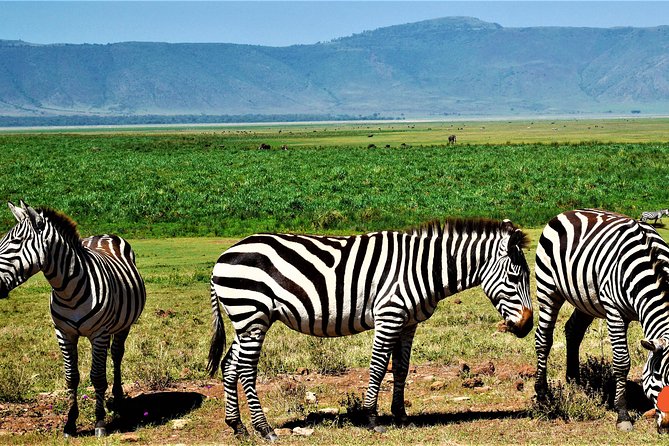
Ngorongoro is often the visual high point of this itinerary. The crater supports an estimated 30,000 animals, helped by a year-round water supply and available grazing. You might see wildebeest, zebra, buffalo, eland, warthog, hippo, and elephants during the drive.
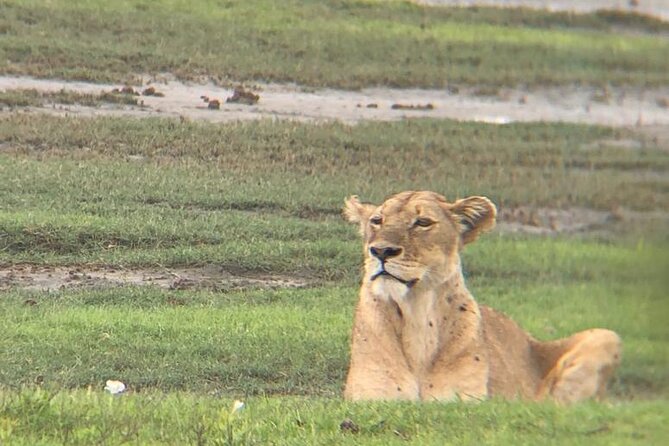
Predators are a major reason to visit. Lions, hyenas, jackals, cheetahs, and leopards can all be found in the crater. A leopard is particularly difficult to spot, so this is where an experienced guide can make a real difference. You will need patience, sharp eyes, and a willingness to accept that some sightings do not happen on schedule.
The crater also offers one of Tanzania’s better chances to see black rhino. It is still a wild setting, not a wildlife guarantee, but the concentrated habitat gives you a stronger opportunity than many open areas where animals can be spread across huge distances.
A picnic lunch is planned in the crater after the morning drive. That sounds scenic, but it also means you should be prepared for a simple outdoor meal rather than a long lodge lunch. Keep your expectations practical: the point is to remain near the wildlife and make good use of the limited daylight.
After lunch, you travel toward Tarangire National Park. This transfer is the least exciting part of the day, but it is necessary to connect the crater with the final park. The second day is also likely to feel long because it combines an early start, a game drive, a picnic, and a road journey.
I would pay close attention to the accommodation plan here. The supplied details say you travel to Tarangire after lunch, but they do not name the lodge or camp. Ask where you sleep and how long the transfer takes before booking, especially if you prefer a fixed lodge over a tented camp.
Day 3: Elephants and baobabs in Tarangire
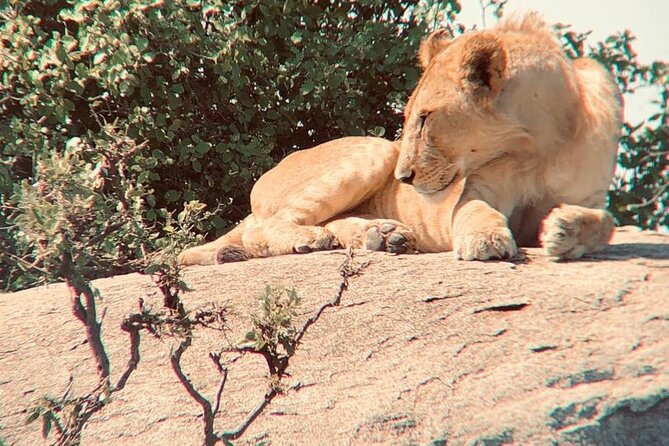
After breakfast, you enter Tarangire for a morning game drive. The park follows the Tarangire River and includes low hills, acacia woodland, giant baobabs, and large swamp areas in the south.
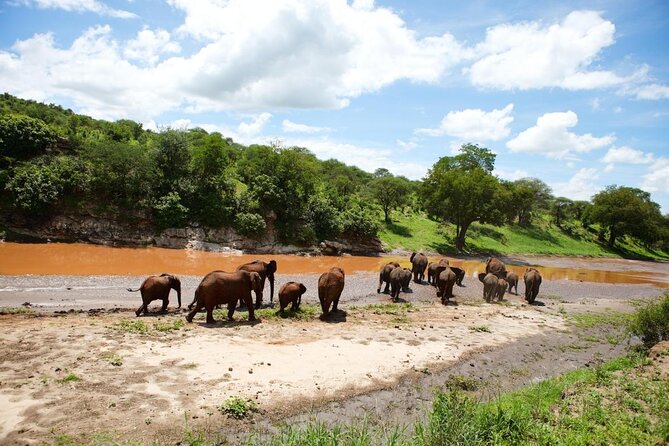
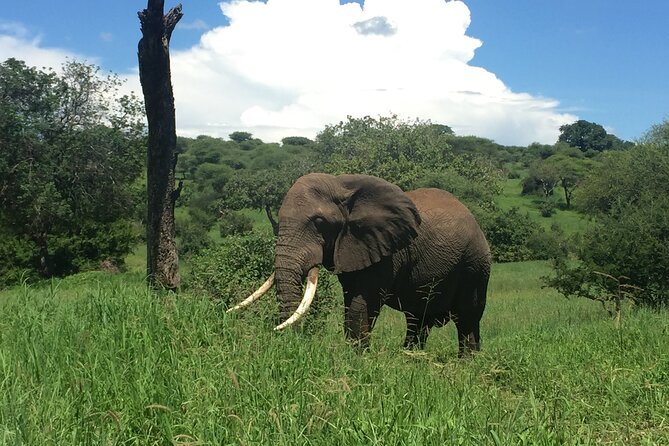
The river and swamps draw animals during Tanzania’s dry season, when water becomes more important. Tarangire is especially famous for large elephant herds, and the park’s mix of trees and open ground gives you a different game-viewing experience from Ngorongoro.
The baobabs are a major reason to keep your eyes up between animal sightings. Their thick trunks and unusual shapes give Tarangire a strong sense of place. You may also look for the Greater Kudu, the fringed-eared oryx, and Ashy Starlings, three less common species associated with the park.
The morning schedule is sensible. Tarangire can be hot, and animals are often easier to find before the day becomes too warm. You return to the lodge for lunch afterward. The supplied itinerary cuts off at that point, so confirm what happens after lunch, including the final destination and approximate arrival time.
That missing detail matters if you have an evening flight, a hotel reservation in Arusha, or a separate transfer. Airport drop-off is offered as a feature, but you should provide your flight information early and confirm the timing directly.
Same country, a different kind of drive:
- Balloon Safari & Bush Breakfast in Serengeti – Miracle Experience
★ 5.0 · 1,646 reviews - 4 Days Group Camping Safari
★ 5.0 · 1,101 reviews - 5 Days Group Camping Safari
★ 5.0 · 730 reviews - 7-Day Premium Luxury Tanzania Safari All-Inclusive
★ 5.0 · 426 reviews
What the safari vehicle and guide mean for you
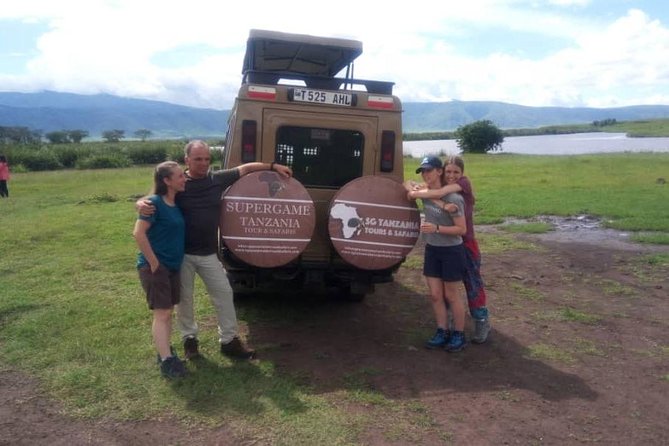
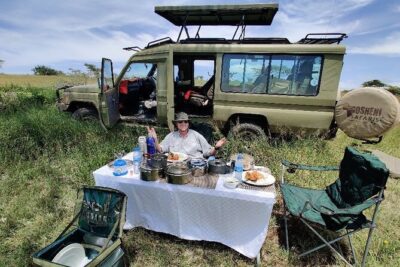
The vehicle can shape your whole safari. A clean, well-maintained jeep with a pop-up roof gives you a better view than a closed minibus, especially when animals are beside the road or above eye level. A cooler is useful in the heat, while chargers reduce the worry of running out of battery after a full day with cameras and phones.
Wi-Fi has also been available in the safari vehicle used on comparable trips. I would treat that as a helpful extra rather than a guarantee of strong service everywhere. National parks are large, and connectivity can vary.
The small group limit of six is one of the strongest practical points. You have more room to look through the open roof, and the group should be easier to manage when the guide needs to stop or reposition. If you are booking as a couple or family, ask if the departure is private or shared, since the maximum group size does not automatically mean you will have the vehicle to yourself.
Several guides are connected with this operator’s recent safari work, including Saluu, Jeff, Jonas, Joseph, and Mike. Saluu is particularly associated with a three-day safari vehicle that had a pop-up roof, cooler, chargers, and Wi-Fi. Your guide may be someone else, so ask for the assigned name and experience before departure if that matters to you.
A good guide does more than point at animals. You want someone who explains what you are seeing, watches the road carefully, communicates with other drivers, and respects the park rules. The available feedback repeatedly praises organization, communication, and guide care, which are valuable when your itinerary is this tight.
How the $780 price compares in practical terms
At $780 per person, this is not a bare-bones park transfer. You are paying for a guide and driver, transport between Arusha and three parks, game drives, and the convenience of a planned route. Airport pickup and drop-off add value if you need transfers at the beginning or end of your Tanzania stay.
The price is strongest for someone who wants a ready-made safari and has only three days available. Organizing the same route independently would require arranging a suitable vehicle, a guide familiar with the parks, park entry fees, lodging, meals, and transfers. The small group format can also make the cost more reasonable than a fully private safari.
Still, do not judge the price without checking the fine print. The information provided does not spell out every inclusion. Ask these questions before payment:
- Which lodges or camps are included?
- Are all meals included, including the crater picnic lunch?
- Are park fees and crater fees included?
- Is the safari shared or private?
- Does airport pickup cover Kilimanjaro International Airport as well as Arusha Airport?
- What is the final drop-off time on Day 3?
Those answers will tell you if $780 is a strong value for your dates and travel style.
Who should book this three-day route
I would recommend it to a first-time safari visitor with limited time in Tanzania. You get three distinct parks, a professional guide, and a clear Northern Circuit route without needing to plan every road transfer yourself.
It also suits couples, families, and small groups who want a compact wildlife trip. Most people can participate, and the group maximum is six, but the days are active and the driving schedule is full.
This is less suitable if you want a slow safari with long hours at one waterhole or several full days in the Serengeti. Serengeti is not included in this route, and the itinerary focuses on Lake Manyara, Ngorongoro, and Tarangire instead.
It may also disappoint you if you expect every famous animal on your list. The parks offer excellent chances for elephants, big cats, hippos, rhinos, zebra, buffalo, flamingos, and other species, but wildlife remains unpredictable. A skilled guide improves your odds, not the guarantee.
Booking and cancellation details
Confirmation is provided at booking, and the activity accepts most people. Free cancellation is available if you cancel at least 24 hours before the local start time. Changes or cancellations made within 24 hours are not accepted for a refund.
The tour requires a minimum number of participants. If that minimum is not met and the operator cancels, you are offered another date or experience, or a full refund.
Should you book this safari?
Book it if your priority is seeing three famous northern Tanzania parks in a short, organized trip. The route offers strong variety, a small group limit, airport transfers, and guides such as Saluu, Jeff, or Jonas may bring useful experience to the vehicle.
Before you commit, confirm the accommodation, park fees, group arrangement, and the Day 3 return plan. If those details suit you, $780 can be a practical way to fit a real safari into a tight schedule. If you have more time, add days rather than trying to stretch this route further. Three days gives you a memorable sample, but not the whole Northern Circuit.
FAQ
Where does the safari start?
The listed meeting point is Mvuli Hotel on Kundayo Road in Arusha, Tanzania. The listed start time is 7:30 a.m.
Is airport pickup included?
Airport pickup and drop-off are offered. Confirm the airport and transfer timing with the operator when booking, especially if you are arriving at Kilimanjaro International Airport.
Which national parks are included?
The route includes Lake Manyara National Park, Ngorongoro Crater, and Tarangire National Park.
How many people can join the safari?
The activity has a maximum of six travelers.
What happens on Day 2?
After breakfast, you descend about 600 meters into Ngorongoro Crater for a morning, half-day game drive. You have a picnic lunch in the crater before traveling toward Tarangire National Park.
What is the cancellation policy?
You can cancel for a full refund up to 24 hours before the experience start time. Cancellations or changes made less than 24 hours before the start are not refunded or accepted.
Just added around Arusha
- 6 days Tanzania budget safari★ 5.0 · 65 reviews
- 7 days great migration safari★ 5.0 · 77 reviews
- serengeti, ngorongoro & tarangire 5days private tour★ 5.0 · 77 reviews
- 5 days safari, hiking & culture (Serengeti & kilimanjaro)★ 5.0 · 27 reviews
- 5-Day Mid-Range Safari in Tanzania★ 5.0 · 33 reviews
- 4 days safari★ 5.0 · 34 reviews
- serengeti & ngorongoro 3 days private tour★ 5.0 · 15 reviews
- serengeti, ngorongoro & tarangire 4 days private tour★ 5.0 · 18 reviews
Arusha Safaris, compared.
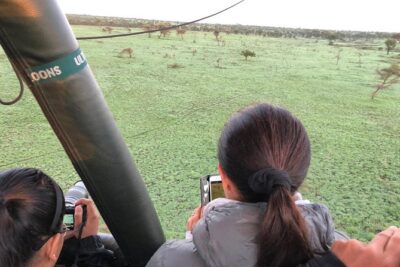
Balloon Safari & Bush Breakfast in Serengeti – Miracle Experience
Read our review →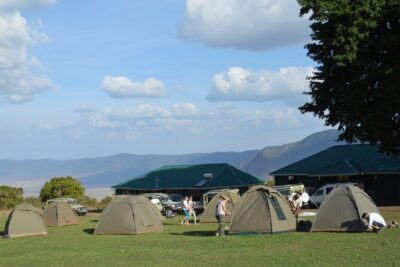
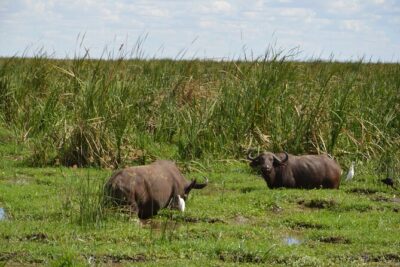
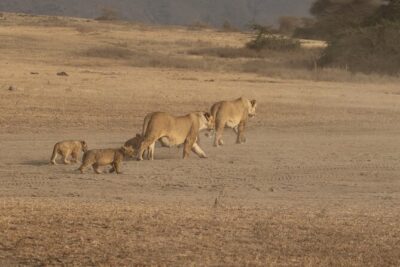
3 Days Serengeti & Ngorongoro Group Camping Safari
Read our review →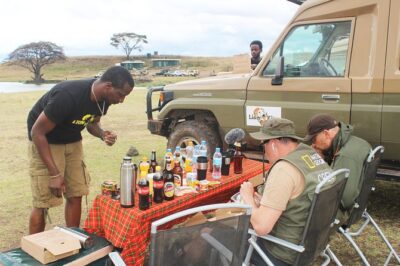
7-Day Premium Luxury Tanzania Safari All-Inclusive
Read our review →
5-Day Highlights mid-Range Crater, Serengeti, Tarangire
Read our review →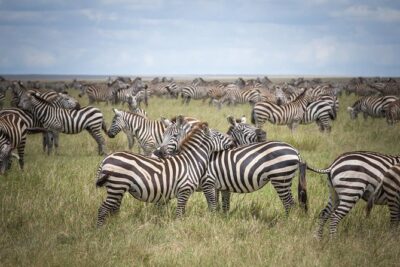
8 Days Great Wildebeest Calving Migration Safari from Arusha
Read our review →Browse the lists this tour appears in