
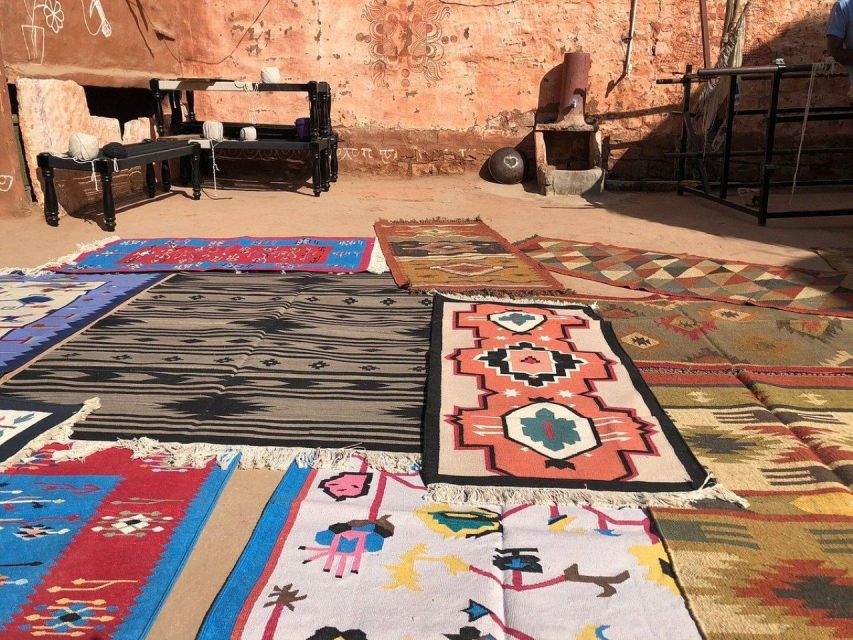
REVIEW · JODHPUR
Bishnoi Village Safari Private Half Day Tour
The most memorable part of this half-day trip is the chance to see blackbuck and other desert wildlife near Bishnoi villages, then meet families whose daily work still includes pottery, printing, weaving, and farming. It is a more personal outing than a city sightseeing tour, but the experience depends heavily on how much your guide explains and which local homes are open that day.
I like the private jeep, hotel pickup, and the mix of wildlife and crafts. I also like the chance to meet Bishnoi families rather than simply drive past a rural view. The main drawback is that this is a compact three-hour trip, and some stops may feel like brief visits to private homes rather than proper village walks. Ask for a clear itinerary before setting out.
Key points to know before booking
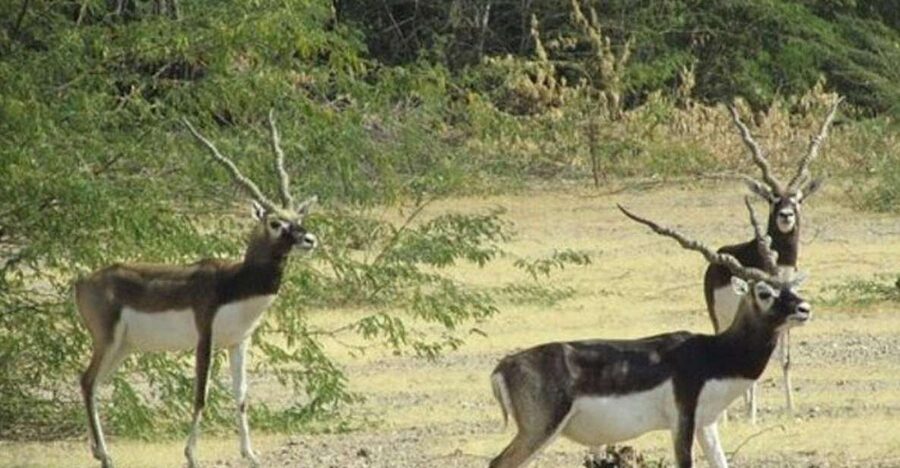
- Wildlife comes first at Guda Bishnoiyan: This is your best chance to see blackbuck and other desert animals in open rural surroundings.
- Three craft stops offer real variety: Kakani is linked with block printing, pottery demonstrations, and Salawas with interlock carpet weaving.
- Guide quality matters: Om, who comes from a family with village roots, has been praised for explaining local life and answering questions.
- The private jeep keeps the outing flexible: Pickup and drop-off are included from your Jodhpur hotel, airport, or station.
- Expect a short rural visit, not a full-day safari: The advertised time is about three hours, with much of it spent driving between scattered locations.
- The experience is not ideal for everyone: Pregnant people, wheelchair users, and people with mobility impairments are advised not to book.
Guda Bishnoiyan: the wildlife portion
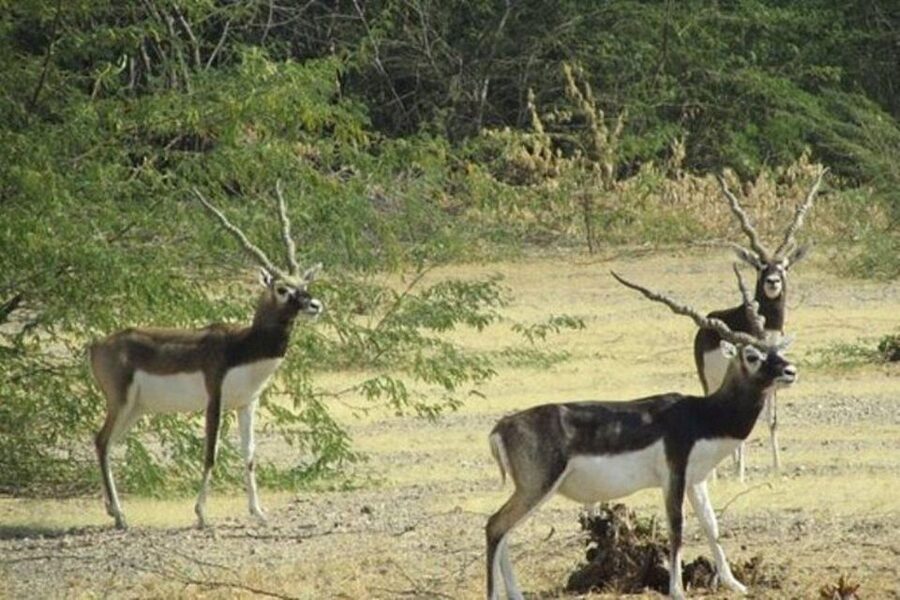
Your driver picks you up in Jodhpur and takes you toward Guda Bishnoiyan, often called Gudha in the tour description. This is the part to prioritize if your main goal is wildlife. The surrounding dry country is home to blackbuck and other desert animals, and you may see animals moving in groups beside the road or across open ground.
Blackbuck are the prize sighting. They are fast, graceful antelope, and seeing them in the countryside gives the trip a stronger sense of place than viewing animals in a fenced park. The tour also refers to a range of desert wildlife, though no guaranteed species list is provided. Bring patience. A private jeep gives you a better chance to pause than a fixed bus, but wildlife is never scheduled like a museum exhibit.
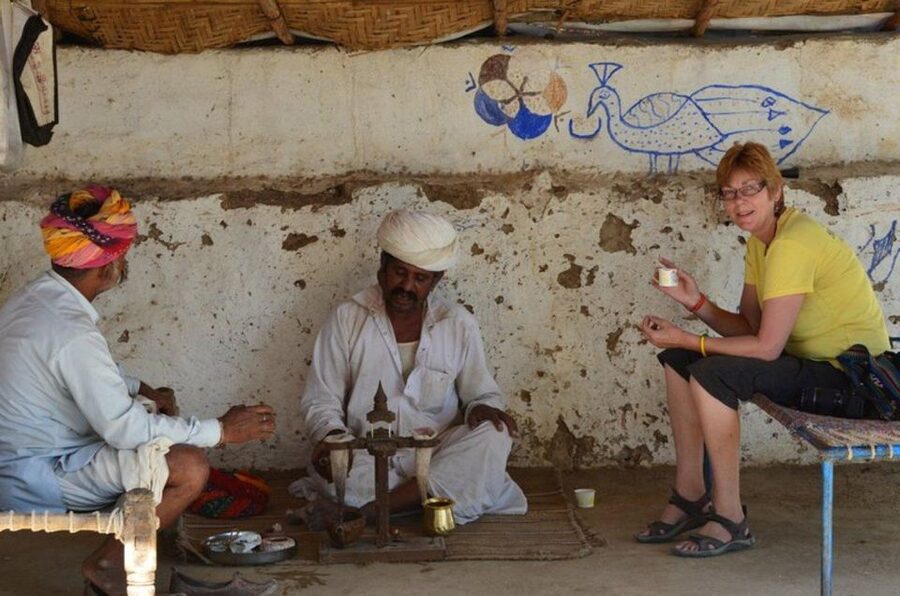
Guda Bishnoiyan also gives you a look at Bishnoi family life. The Bishnoi community is known for a close relationship with animals and trees, so the visit can connect the wildlife sightings with the people who live in this setting. You may speak with local families and see how rural work fits into everyday life.
This is where a good guide makes a major difference. You need someone who can explain what you are seeing, introduce you politely, and give context without turning a family home into a stage set. Om has been specifically praised for coming from generations of village residents and for giving clear explanations at each stop. If Om is your guide, ask him about Bishnoi customs, farming, wildlife protection, and the families you meet.
One caution: the experience may not include a conventional walk through a village. Some departures have focused on a home courtyard or family compound instead. That can be intimate and interesting, but it may also feel less like the village stroll suggested by the word safari.
A few more safaris around India worth a look
- Private 4-Day Golden Triangle Tour with Ranthambore Tiger Safari
★ 5.0 · 248 reviews - Private Full Day Jaipur Tour by Tuk-Tuk
★ 5.0 · 116 reviews - Wild Life Jeep Safari Tour at Bannerghatta with Private Transfer
★ 5.0 · 24 reviews
Meeting Bishnoi families at home
The human side of the tour can be its strongest feature, but it needs the right expectations. You are not visiting a polished museum. You may enter a working family home, meet a farmer, and see a demonstration of local customs or work.
One such stop can include an opium ceremony. This is presented as a cultural experience, but you may feel uneasy if you were expecting only crafts and wildlife. If that is not something you want to see, ask your guide in advance what the family visit will involve. The supplied tour details do not explain the ceremony in depth, so it is sensible to request a clear explanation before participating in anything.
The best approach is respectful curiosity. Ask permission before photographing people, tools, animals, or rooms. Keep your questions simple and let the guide handle introductions. A visit to a family home is more meaningful when you treat it as a meeting with real people, not as a show arranged for tourists.
The quality can vary. Some guides focus on conversation and culture. Others may act more like drivers, taking you from place to place with only a short explanation. If you want the Bishnoi way of life to be the heart of the outing, say so at the start: Please tell us about the community, farming, wildlife, and the people we meet.
Kakani and the art of block printing
Kakani is described as a block printers village. Here you can see fabric printing by hand, using carved blocks and repeated patterns. The appeal is simple: you watch a skilled process rather than look at finished goods in a shop.
This stop works best if the demonstration is explained step by step. Ask how the block is placed, how the pattern is repeated, and how the different colors are handled. The details matter because hand printing depends on steady pressure and careful alignment. A short visit can still show you why the work takes skill.
You may also have the chance to speak with local makers. The tour is not described as a formal workshop with a guaranteed take-home product, so do not assume you will complete a scarf or other item. If buying textiles is important to you, ask what is available and whether prices are fixed.
The main limitation is time. With only about three hours for driving, wildlife, family visits, pottery, printing, and weaving, each stop may be brief. You are getting a sample of village crafts rather than a long class.
The potter’s village and a chance to try
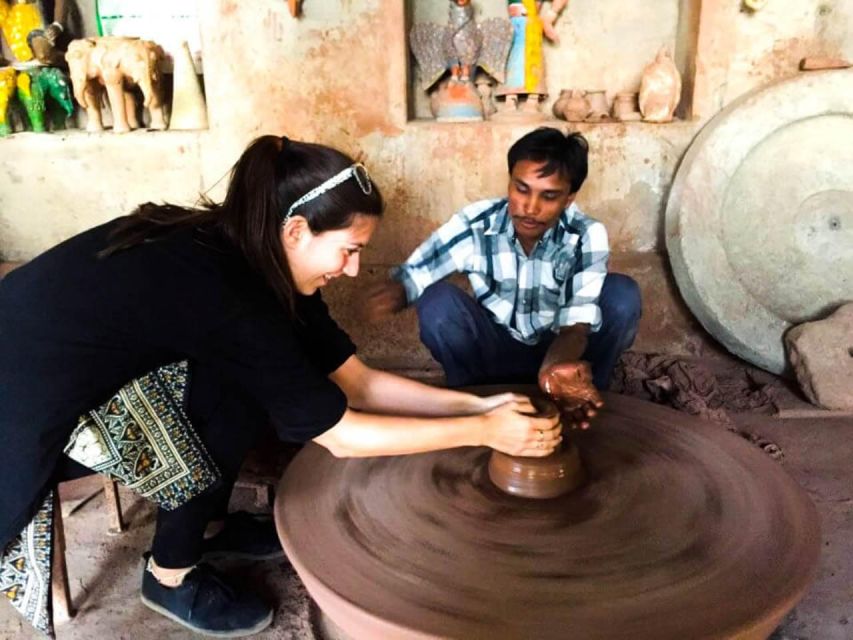
Pottery is another hands-on part of the route. You can watch local people shape clay and may be invited to try making a piece yourself. This is a good contrast to the wildlife portion. Instead of looking across open land for movement, you focus on a craft made slowly by hand.
Expect an informal demonstration rather than a polished studio lesson. The value lies in meeting the potter, seeing the tools, and attempting the basic movements. Your own piece may be rough. That is part of the fun, and it helps you understand the work involved in making everyday objects.
The stop also gives you another chance to ask about local life. A short conversation with the potter can tell you more than a quick photograph, especially if the guide translates and explains. Keep in mind that the tour details do not promise that finished pottery will be fired or sent home with you.
Some itineraries combine the potter with a farmer or family ceremony. Since the exact order can change, ask your guide what comes next and how long you will have at each location.
Same country, a different kind of drive:
- Non-Touristic overnight Camel Safari
★ 5.0 · 526 reviews - Overnight Camel Safari – Sleeping under the Stars
★ 5.0 · 390 reviews - Adventure non touristic camel safari
★ 5.0 · 300 reviews - Overnight Desert Safari Tour Package
★ 5.0 · 255 reviews
Salawas and interlock carpet weaving
The final named stop is Salawas, where you can watch interlock carpet weaving. This adds a different type of craft to the route. Block printing uses repeated surface patterns, pottery uses clay, and carpet weaving requires patient work with threads and knots.
You can expect to see the weaving process and speak with local people through your English-speaking guide. The description does not promise a full workshop, so treat this as a demonstration and introduction. If you are interested in buying a carpet, ask about size, materials, shipping, and the final price before agreeing to anything.
Salawas is also a reminder that this tour is built around working villages, not major monuments. You are seeing livelihoods in progress. That can be more revealing than a staged cultural performance, but it also means the visit may feel plain, short, or dependent on who is working when you arrive.
After Salawas, the jeep returns you to Jodhpur. With driving between separate villages, most of the outing takes place from your seat. Wear comfortable shoes for uneven ground and short walks, but do not expect a long hike.
How much value do you get for $20?
At about $20 per person, this is inexpensive for a private vehicle, an English-speaking guide, and pickup and drop-off in Jodhpur. The price also includes taxes, handling charges, fuel surcharge, and transport by private Jeep. Food, drinks, and entrance fees are not included.
The value is strongest if you want a quick introduction to rural life without arranging transport yourself. A private jeep removes the trouble of finding separate rides to Guda Bishnoiyan, Kakani, and Salawas. It also lets you ask questions and adjust the pace more easily than on a large group outing.
The value is weaker if you expect a long wildlife drive, a full village walk, or detailed cultural teaching at every stop. At this price and duration, the tour is best understood as a sampler. You see several parts of rural Jodhpur, but you do not spend a full afternoon with any one family or craftsperson.
There is also a practical timing issue. The stated duration is three hours, while the highlights allow roughly three to four hours. A reported departure lasted about two and a half hours, so confirm the expected schedule when you book. If you have a train, flight, or another timed activity, leave a generous buffer after the planned drop-off.
What the guide can change
This tour depends more on the guide than on a fixed monument. A strong guide explains the Bishnoi way of life, identifies wildlife, introduces families properly, and helps you understand the work at each craft stop. A weak one may simply drive between locations and provide minimal commentary.
Om is the most specific guide name associated with this experience. He is described as having family roots in the village and as being able to answer questions about the area. One particularly strong version of the tour included a home-cooked meal prepared by his sister-in-law, but do not assume that meal is included. The published inclusions specifically exclude food and drinks unless stated.
When you meet your guide, tell him what matters most to you. You might say wildlife, Bishnoi culture, photography, pottery, or shopping. This helps turn a short route into a more useful visit. It is also fair to ask whether all three named areas will be visited, since the actual stops can vary.
Timing, comfort, and practical details
Hotel, airport, and station pickup and drop-off in Jodhpur are included. The activity is private, and transport is by Jeep. Pickup from a Jodhpur hotel is specifically supported, so confirm the exact address and pickup time when arranging the booking.
Wear comfortable shoes, sunglasses, a sun hat, and sunscreen. Rajasthan sun can be hard on you even during a short outing, and the route includes outdoor village areas. Bring water, since food and drinks are not included.
Pets are not allowed. The tour is not suitable for pregnant women, wheelchair users, or people with mobility impairments. The description does not give details about vehicle steps, walking distances, or seating comfort, so ask before booking if you have any physical limitation that is not covered by those categories.
You can cancel up to 24 hours ahead for a full refund, and the reserve-now-pay-later option keeps payment flexible. Starting times depend on availability, so check the schedule rather than assuming a fixed departure.
Who should book this half-day safari?
I would choose this tour if you have limited time in Jodhpur and want rural contact without committing to a full day. It suits you if you enjoy wildlife sightings, traditional work, and conversations with local families more than grand buildings or formal attractions.
It is also a good fit for photographers who want a mix of animals, village work, and people, provided you ask permission before taking pictures. The private format can be useful for couples or small groups who want to spend longer at one stop if the schedule allows.
I would be more cautious if you want a carefully structured cultural program. The route may include private courtyards rather than a walk through several village streets, and the amount of explanation can vary. It is also not the right choice if you need step-free access or a long, slow schedule.
Should you book it?
Book it for a low-cost, private look at the countryside around Jodhpur, especially if blackbuck, Bishnoi families, and traditional crafts appeal to you. The combination of Guda Bishnoiyan wildlife, Kakani printing and pottery, and Salawas weaving gives you a useful snapshot of rural life in a short time.
Before paying, confirm three things: that Guda Bishnoiyan, Kakani, and Salawas are all planned for your departure, how much time will be spent at each stop, and whether your guide can provide cultural explanation rather than only transport. If Om is available, his village background may add real value. If you want a guaranteed village walk, a long safari, or a meal, ask directly because none is guaranteed in the basic three-hour plan.
FAQ
How long does the Bishnoi Village Safari take?
The advertised duration is about three hours, while the highlights describe roughly three to four hours. The actual timing can vary, so check the starting time and expected return when booking.
Which places are included?
The planned route includes Guda Bishnoiyan, Kakani, and Salawas near Jodhpur. Guda is linked with wildlife and Bishnoi families, Kakani with block printing and pottery, and Salawas with interlock carpet weaving.
Can I see blackbuck?
Blackbuck can be seen around Guda Bishnoiyan, along with other desert animals. Sightings are possible but cannot be guaranteed.
Is hotel pickup included?
Yes. Pickup and drop-off are included from a Jodhpur hotel, airport, or station. The activity information specifically mentions Jodhpur hotel pickup.
Is the tour private?
Yes. Transport is by private Jeep, and the tour is described as a private experience with an English-speaking guide.
Are food and drinks included?
No. Food and drinks are not included unless specifically stated. A home-cooked meal may be available on some departures, but you should confirm this before booking.
Is the tour suitable for wheelchair users?
No. The activity is not suitable for wheelchair users, pregnant women, or people with mobility impairments. Comfortable shoes, sunglasses, a sun hat, and sunscreen are recommended.
Just added around India
- Wild Life Jeep Safari Tour at Bannerghatta with Private Transfer★ 5.0 · 24 reviews
- Sariska Tiger Reserve Assistance for Gypsy Private Safari Tickets★ 4.0 · 13 reviews
- Chambal River Safari★ 5.0 · 75 reviews
- Sanjay Gandhi National Park + Kenheri Caves + Lion Safari★ 4.4 · 19 reviews
- Ranthambore National Park: Safari Ticket with Pickup Option★ 4.5 · 32 reviews
- Sawai Madhopur: Ranthambore National Park Guided Jeep Safari★ 4.4 · 23 reviews
- Peeps Billions of Star Experience with Desert & Camel Safari★ 4.8 · 18 reviews
- Nomadic Non-Touristic Overnight Camel & Desert Safari Tour★ 5.0 · 56 reviews
Jodhpur Safaris, compared.
Jodhpur Overnight Stay in Desert with Camel Safari SR
Read our review →
Jodhpur Camel Safari & Jeep Safari In Desert Jodhpur SR
Read our review →
Desert Camel Safari & Jeep Safari Tour From Jodhpur
Read our review →
Jodhpur Camel Safari & Overnight Stay In Desert With Sumer
Read our review →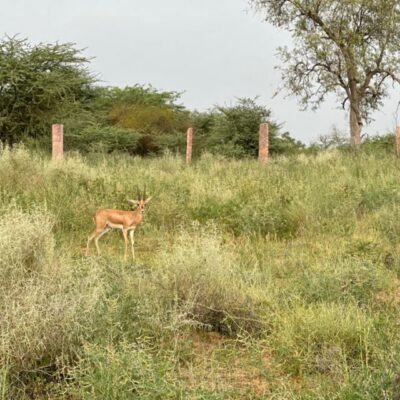
Desert Camel and Jeep Safari with Traditional Food
Read our review →
Desert Jeep Safari & Camel Safari Tour From Jodhpur
Read our review →Browse the lists this tour appears in