
REVIEW · AUSTRALIA
Uluru, Kata Tjuta and Kings Canyon Camping Safari from Alice Springs
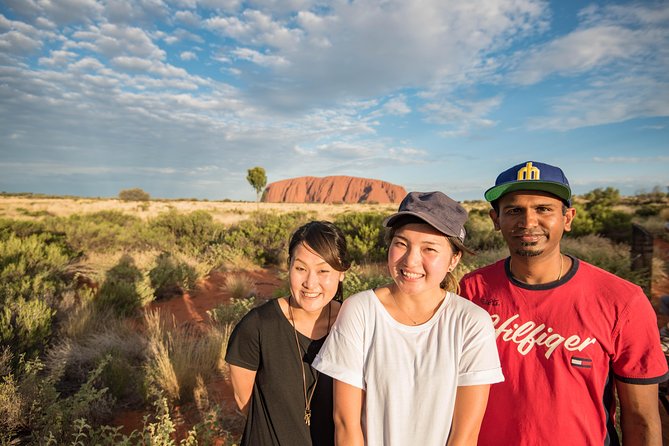
Uluru glows at sunset, but Kings Canyon’s rim walk may be the surprise star of this three-day trip. You also get Kata Tjuta, an Uluru sunrise, guided walks, campfire evenings and the freedom to let someone else handle the long drives from Alice Springs.
I like the strong mix of natural sights and Aboriginal culture, especially the Maruku Arts walk and the time around Uluru’s base. I also like the small group size, capped at 23 people, which gives guides such as Ty, Mishka, Lorrie and Ryan a fair chance to keep an eye on everyone.
The catch is the pace. You leave at 5:40 a.m., spend many hours on the road, hike in demanding conditions and camp in facilities that may feel basic rather than luxurious. Heat, early starts and uneven camping standards are the main things to consider before booking.
Key points at a glance
- Kings Canyon is the big surprise: Choose the rim walk if conditions and fitness allow. The canyon walls and Garden of Eden make the effort worthwhile.
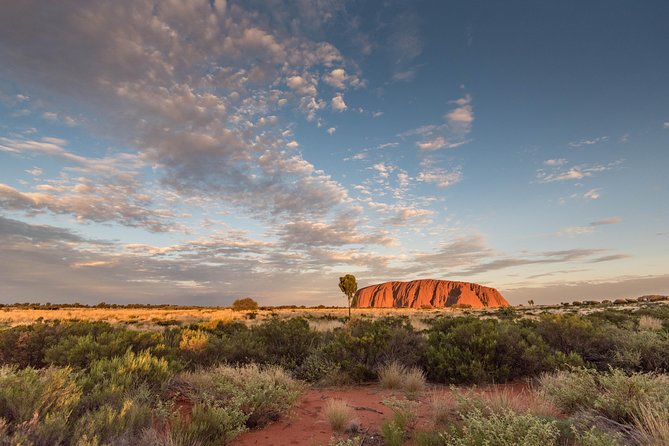
- Uluru gets two powerful moments: You see the rock at sunset, then return before dawn for a base walk and sunrise.
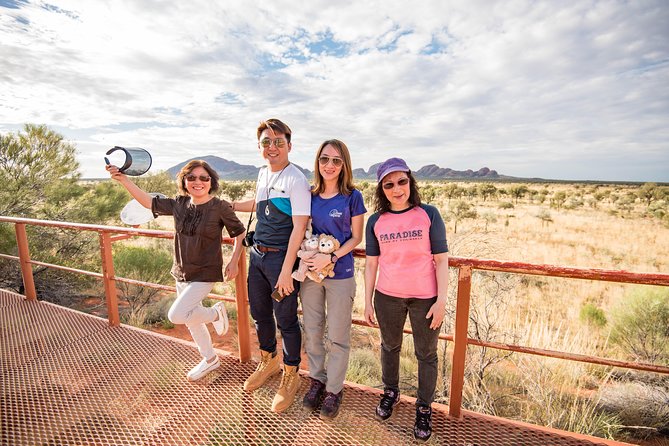
- Kata Tjuta is more than a quick photo stop: The afternoon hike brings you among its 36 rounded domes.
- The cultural stops add meaning: Maruku Arts and the Uluru-Kata Tjuta Cultural Centre help connect the scenery with Anangu culture and art.
- Camping is practical, not polished: Tent cabins may include beds, lighting and sometimes fans, while the second camp can be much rougher.
- Pack for serious heat and early mornings: Sturdy walking shoes, a hat, plenty of water and electrolytes are sensible additions.
Why this is a strong Red Centre sampler
The Red Centre is enormous, and seeing its major sights independently can mean long drives, route planning and careful timing around heat. This trip puts the main trio into one compact route: Uluru, Kata Tjuta and Kings Canyon.
That compact format is the appeal. In only three days, you see the smooth domes of Kata Tjuta, the great monolith of Uluru and the sheer walls of Watarrka National Park. You also get sunrise and sunset rather than a rushed daytime visit.
I would not call this a restful holiday. Alice Springs to Uluru is more than 400 kilometres, and the return route includes long stretches in the coach. But those driving hours are part of the bargain. You can watch the outback pass by while the guide handles the route, timing and stops.
The group limit of 23 is helpful. It is large enough to bring a social campfire atmosphere, yet small enough for a guide to give walking instructions and check how people are managing in the heat.
More Overnight Safaris in Australia:
- Top End Safari Camp Overnight Tour
★ 5.0 · 254 reviews - Dubai: Overnight Safari, Dinner, Stargazing & Al Khayma Camp
★ 4.8 · 2,562 reviews - Dubai Overnight Desert Safari, BBQ & Stargazing at Al Khayma Camp
★ 5.0 · 2,327 reviews
Day one: Kata Tjuta before sunset at Uluru
The day begins at 5:40 a.m. from the Stay at Alice Springs Hotel on Leichhardt Terrace. That early departure is not a minor detail. You need to be ready before sunrise, and the first day involves a long transfer before the afternoon walking begins.
Kata Tjuta is your first major stop. The name refers to the group of 36 domes, and the shape of the place differs sharply from Uluru. Instead of one huge block, you move among rounded red formations, narrow passages and broad desert views.
The planned hike lasts about two hours. It gives you enough time to get a feel for Kata Tjuta rather than simply stepping off the coach for a photograph. The walk is guided, so you can hear about the plants, animals, geology and cultural meaning of the area as you go.
Heat can change the experience quickly. Even a moderate walk feels harder when the temperature rises toward 41 to 43 degrees Celsius. Use the cooler parts of the day well, drink steadily and do not treat the distance as a casual stroll.
Later, you head to Uluru for sunset. This is one of the tour’s best pieces of timing. The rock changes colour as the light falls, and the stop gives you a quiet pause after the long drive and Kata Tjuta walk.
The schedule includes snacks at sunset. Since meal arrangements have not always felt identical for every departure, I would confirm what is supplied before setting out, especially if you need more than a light bite. Carrying personal snacks is sensible on any hot-weather camping trip.
Day two: Uluru at dawn, then culture and camp
Day two starts even earlier. The payoff is Uluru before the heat and crowds build. The sunrise base walk is not a lookout-only experience. You spend several hours around the rock, seeing its surface close up while the surrounding desert slowly catches the morning light.
A useful detail: the sunrise does not necessarily mean watching the sun rise directly over Uluru. The sun comes up behind you, and Uluru begins to glow against land that is still in shadow. The effect is subtler than a postcard sunrise, but often more striking.
The base walk can be long, with one account describing roughly 10 kilometres around Uluru. The exact walking route and conditions can vary, but you should arrive prepared for sustained walking. Wear sturdy shoes, use sun protection and bring a refillable water bottle.
Uluru is a place where the guide’s role matters. Guides such as Lorrie, Ty, Mishka, Troy and Ryan have been praised for explaining local plants, animals, geology and Aboriginal culture in a clear, engaging way. The best part of a guided walk here is not simply learning names. It is understanding why the site is treated with respect and why certain cultural boundaries matter.
After lunch, the group visits the Uluru-Kata Tjuta Cultural Centre. The scheduled stop is about 30 minutes, which is short. You may have time to browse art and crafts from First Peoples of Australia, but not enough for a slow visit through every display.
If art and culture are a priority, use the time carefully. The centre is a better place to look closely and ask questions than the quick stop allows. You can also consider buying art directly through appropriate cultural channels, rather than treating the visit as only another souvenir stop.
The day also includes a 30-minute interpretive cultural walk with an Aboriginal and Torres Strait Islander guide through Maruku Arts. This is an important part of the program because it brings cultural interpretation into the day rather than leaving the visit as scenery alone.
One caution: the cultural walk has reportedly not taken place on at least one departure. If this element is central to your decision, confirm it shortly before the trip.
After lunch and the cultural stops, you travel to the campsite inside Watarrka National Park. This is a long day, and the combination of pre-dawn walking, heat, driving and camp duties can leave you ready for bed.
What camping really means on this safari
The word glamping needs a little translation here. Some departures use tent cabins with proper beds, steel frames, lighting, tables and, at one campsite, fans and power. That can feel pleasantly comfortable after a hot day outdoors.
Other parts of the stay are much more basic. The second campsite has been described as smaller, rougher and less well equipped, with limited power or no power, basic cots and simple toilet and shower facilities. Outdoor showers, flies, beetles and open-air arrangements may be part of the experience.
You may sleep in a tent cabin or use a swag, depending on the package and departure. A swag is a bedroll-style setup used for sleeping outdoors, and it is not the same as a private tent with a raised bed. Confirm which option you have before leaving Alice Springs, since the sleeping bag requirement depends on that choice.
Camp life is shared. You may help prepare food, set up sleeping areas, wash dishes and clean up. That work can be part of the fun, especially when the group gets along around the fire, but it also means the tour is not a hotel-based escape.
The food is included, and many departures have produced generous, fresh-cooked meals. Other feedback describes basic meals and portions that felt too small. I would treat the meals as practical camp cooking, not restaurant dining, and carry approved personal snacks if you tend to eat often after hiking.
The guide may handle driving, safety, cooking and camp organization with help from the group. That is a lot of responsibility in a demanding environment. Most reports praise the guides for keeping people safe, informed and in good spirits, but camp routines may feel less polished than the sightseeing.
A few more safaris around Australia worth a look
- ABC Reef Safaris
★ 5.0 · 1,443 reviews - Ocean Safari Great Barrier Reef Experience in Cape Tribulation
★ 5.0 · 902 reviews - Kangaroo Island 75-Minute Coastal Safari
★ 5.0 · 607 reviews - Marine Eco Safari – Swim with Manta Rays
★ 5.0 · 493 reviews
Day three: Kings Canyon earns the early alarm
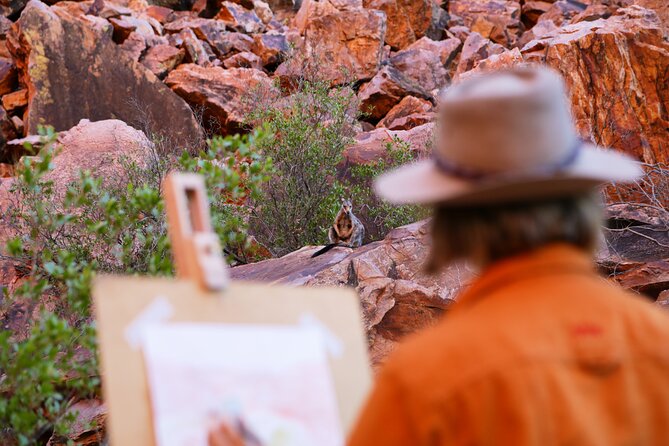
The final morning brings the main walk in Watarrka National Park: Kings Canyon. The canyon is a huge gorge with steep red walls rising hundreds of metres, and the scale becomes clear as you gain height.
The rim walk is the choice for people with a moderate to good fitness level. It is challenging, especially in heat, but the reward is a series of wide canyon views and the Garden of Eden, a striking waterhole area within the gorge.
Several people describe this as the strongest walk of the trip. I can understand why. Uluru is the icon, and Kata Tjuta has its powerful domes, but Kings Canyon gives you the most varied physical experience: climbing, cliff-top views, rock formations and a sudden green pocket at the Garden of Eden.
If knees or steep walking are a concern, ask the guide about the available options before committing. The program is designed around guided treks, and one account describes the longer walks around Uluru and up the Kings Canyon rim as demanding. You do not need to be an athlete, but you should be comfortable walking for several hours in outdoor conditions.
The tour description allows about four hours at Watarrka. That gives the group time for the main walk, pauses and interpretation, though the actual route can depend on weather and park conditions.
By this point, you will likely appreciate the early starts. They are tiring, but they place the hiking before the worst heat and can give you more peaceful time in the parks.
Guides, group spirit and the human side
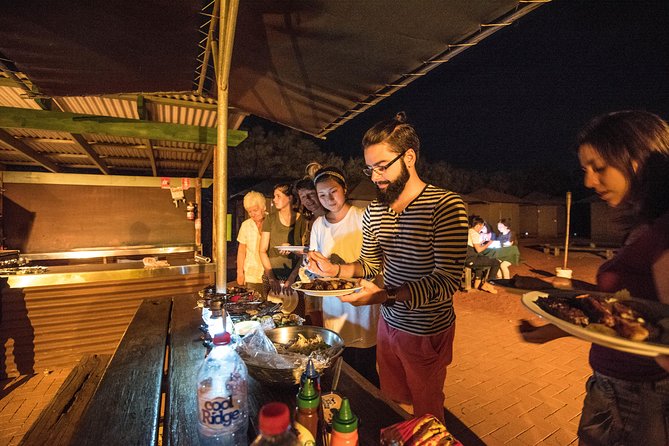
The guides are a major part of the value. Ty is frequently praised for combining driving, cooking, local information and safety duties. Mishka is noted for keeping the group cheerful and organized, while Lorrie, Ryan and Troy are also singled out for strong storytelling and care.
Guide quality matters on a trip like this because the schedule is tight. You need someone who can explain why a site matters, keep a group moving without making it feel rushed, and notice when the heat is affecting someone.
The group itself can add a lot. Campfires, shared meals and people from different countries create the kind of social atmosphere that is hard to find on a standard day trip. You may also need to pitch in, so this suits someone who is happy to help rather than expecting every camp task to be done by staff.
The experience can feel less comfortable for older people or anyone with heat sensitivity. A 70-plus participant had to leave after one day because of extreme temperatures, not a lack of basic fitness. That is a useful warning: the conditions can be the hard part, even when the walking distance looks manageable.
Is the $713.66 price good value?
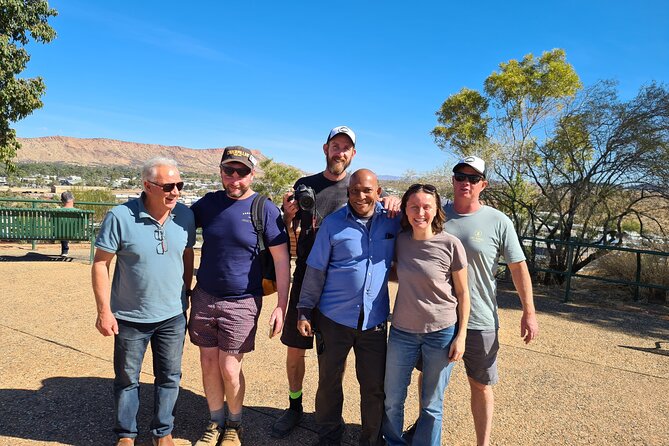
At $713.66 per person, the tour is not cheap. But the price covers three days, round-trip transport from Alice Springs, park access, guided walks, accommodation and meals.
The value is strongest if you want a bundled Red Centre experience and do not want to rent a car or organize several remote park visits yourself. A coach, guide, meals and campsite arrangements remove much of the planning burden.
The value is weaker if you expect luxury camping. The tent cabins may be comfortable, but the facilities can be uneven, and the phrase glamping may set expectations too high. You are paying for access, guiding, transport and a full itinerary, not a polished resort.
I would also factor in what a self-drive trip would demand: fuel, navigation, food, camping gear, park planning and the mental effort of long outback drives. For many people, the organized format is worth the premium. For others, especially those who want privacy or a slow pace, it may feel expensive.
What to pack and how to prepare
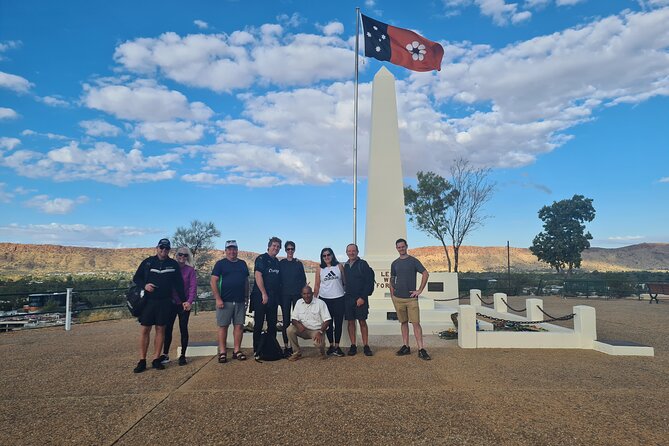
Bring a broad-brimmed hat, sturdy walking shoes, sun protection and more water capacity than you think you need. Electrolytes are a smart addition in hot weather, particularly if you sweat heavily.
Pack a small torch or headlamp. Battery lights may be available at some camps, but you should not assume every tent or walkway will be fully lit.
Check the sleeping arrangement before departure. If you are in a swag, you may need a sleeping bag. If you have a tent cabin with a bed, the requirement may be different.
Keep your luggage practical. The tour involves coach travel, walking and shared camp space, so bulky bags are awkward. Bring personal snacks, but remember that meals are provided.
Your booking confirmation is subject to availability and is expected within 48 hours. Pickup is offered from the stated Alice Springs meeting point, but confirm the exact pickup time because one departure had confusion over the 5:40 a.m. start.
Who should book this three-day safari?
Book it if you want to see all three major Red Centre sights in a short time, enjoy guided walking and are comfortable with early mornings and shared camp duties. It is especially useful if you are staying in Alice Springs and want transport, meals and route planning handled together.
It suits active couples, solo visitors, friends and sociable families with a moderate fitness level. The group setting can be a real bonus if you like meeting people around a campfire.
Think twice if you need air-conditioned comfort at night, private bathrooms, reliable power or a slow schedule. Older visitors and anyone affected by extreme heat should be especially cautious. A cooler season may make the walking more manageable, but the tour still calls for physical effort.
Should you book it?
I would book this trip for the access and the range. Uluru at dawn, Kata Tjuta among its domes and Kings Canyon from the rim form a powerful three-day introduction to central Australia.
I would book it with realistic expectations. The scenery and guides are the strongest parts. The long drives, hard heat, early alarms and uneven camp facilities are the price of reaching these remote places on a short schedule.
If you choose it, confirm your pickup time, sleeping arrangement, cultural walk and meal setup before departure. Pack for heat, help with camp chores and choose the Kings Canyon rim walk if your fitness and the weather allow. That is where this already impressive trip may give you its most memorable moment.
FAQ
Where does the tour start?
The tour starts at the Stay at Alice Springs Hotel, 11 Leichhardt Terrace, Alice Springs, Northern Territory.
What time is pickup?
The stated start time is 5:40 a.m.
How long does the tour last?
The experience lasts approximately three days and ends back at the meeting point in Alice Springs.
Which major sites are included?
The itinerary includes Uluru, Kata Tjuta, Uluru-Kata Tjuta National Park, the Uluru-Kata Tjuta Cultural Centre, Maruku Arts and Watarrka National Park, including Kings Canyon.
Are meals included?
Meals are included. The experience also includes food during the camping portion, though the exact meal arrangements can vary by departure.
Is accommodation included?
Yes. The trip includes camping accommodation, with some departures using tent cabins and others offering swag-style outdoor sleeping.
Do I need a sleeping bag?
You may need one if you are staying in a swag. The requirement can differ if you are booked into a tent cabin, so confirm your sleeping arrangement before departure.
How fit do I need to be?
You need a moderate level of physical fitness. The program includes guided walks at Kata Tjuta, Uluru and Kings Canyon, with some walks lasting several hours and the Kings Canyon rim walk requiring more effort.
How many people can join the tour?
The maximum group size is 23 people.
What is the cancellation policy?
You can receive a full refund if you cancel at least six full days before the start time. Cancellations made two to six full days before departure may receive a 50 percent refund, while cancellations less than two full days before departure are not refunded.
Just added around Australia
- Top End Safari Camp Overnight Tour★ 5.0 · 254 reviews
- Whale Shark Safari★ 4.5 · 132 reviews
- Humpback Whale Safari★ 5.0 · 65 reviews
- Cairns Trinity Inlet Sightseeing Safari★ 5.0 · 30 reviews
- Byron Bay Wildlife Safari★ 5.0 · 81 reviews
- Cygnet Bay Sea Safari & Pearl Farm Tour Scenic Flight★ 4.5 · 21 reviews
- Airlie Beach Jet Ski Safari (1 Hour)★ 4.5 · 257 reviews
- Sydney: 1 hour Jet Ski Safari★ 4.7 · 25 reviews
Australia Safaris, compared.
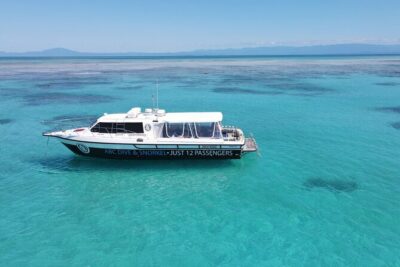
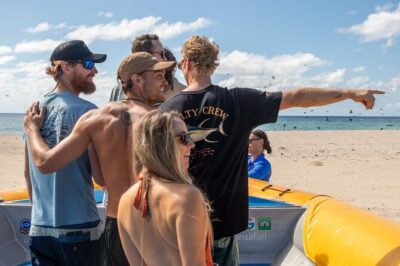
Ocean Safari Great Barrier Reef Experience in Cape Tribulation
Read our review →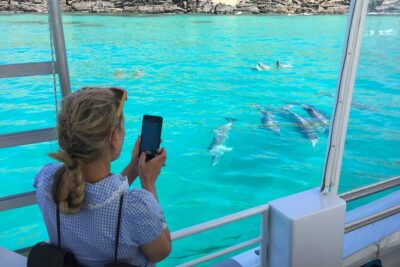
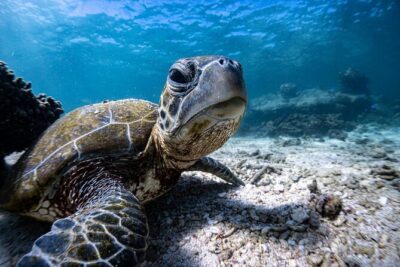
Airlie Beach: Jet Ski Safari Hour of Power and Marine Life
Read our review →
1.5 hr Jet Ski Safari tour to South Stradbroke Island!
Read our review →
Browse the lists this tour appears in